





Perfect harmony on the tongue? Discover the most important secret of Thai cuisine.
Thailand has always attracted visitors with its beauty and unique culture, which combines pleasure and harmony. These two key principles of the Thai philosophy of life are also reflected in its cuisine, which is considered one of the most original and healthiest in the world.
Thai cuisine was influenced by other Asian cuisines – Chinese and Indian – and over the centuries has developed its own unique style and flavor, differentiated by the products and ingredients used in each region. Culinary traditions are distinguished in northern, northeastern, southern, and central Thailand. Southern dishes are based primarily on coconut milk and seafood. In contrast, northerners prefer mild dishes based on pork and delicate vegetables. Thais from the northeastern region delight in exceptionally spicy dishes.
So what is the secret of Thai cuisine?
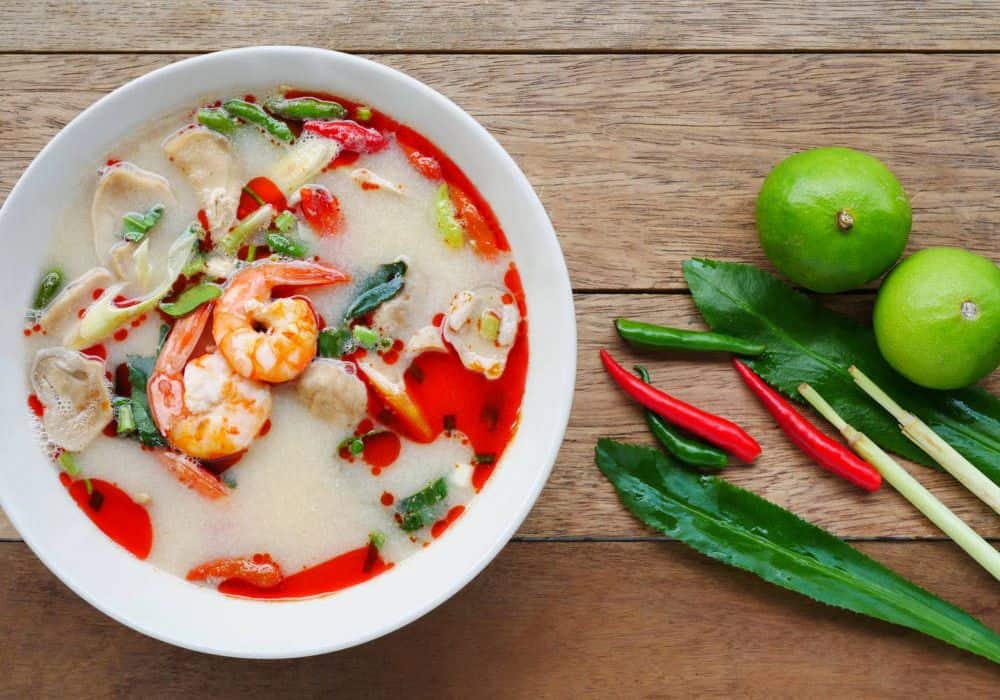
Just looking at the colorful dishes, full of aromas wafting through the air, is a pleasure. The sharpness of chili, the delicate sweetness of coconut milk, the refreshing power of lime, herbs, spices, and curry pastes are a wealth of flavors and aromas that make Thai dishes prepared in accordance with the principle of five flavors,
When preparing Thai soup or curry, pay close attention to even the slightest variations in the proportions of spices added. You might think this isn't so important if you're more or less following the recipe? Nothing could be further from the truth. The secret lies in the unusual combination of flavors— you have to perfectly select and combine the quantities of individual ingredients to obtain the right taste, balanced between sweet, salty, bitter, sour and spicy. Each of them can be obtained by using appropriate ingredients:
Sweet taste: Coconut sugar will help us achieve a sweet taste, giving the meals a delicate, caramel note, and coconut milk – subtle and creamy.
Salty taste: Thais can't live without fish sauce – it's used as a substitute for Chinese soy sauce and salt. It has a distinct, strong flavor, but when used to season dishes, it brings out and enhances their flavor.
Bitter taste: Various types of herbs and green vegetables are used to emphasize it.
Sour taste: We obtain it by using squeezed lime juice or rice vinegar and tamarind paste.
Spicy taste: It is most often obtained from various types of chili, which are available in the form of fresh, dried or pickled peppers.
Balance is key
To maintain a balance of flavors, Thais serve most dishes with rice, which comes in many varieties. However, the most popular is the aromatic, long-grain jasmine rice, Thai Hom Mali. They enjoy it at any time of day or night. It is also used in many forms as an ingredient for breakfast, lunch, and dessert.
China's Healthy Influence
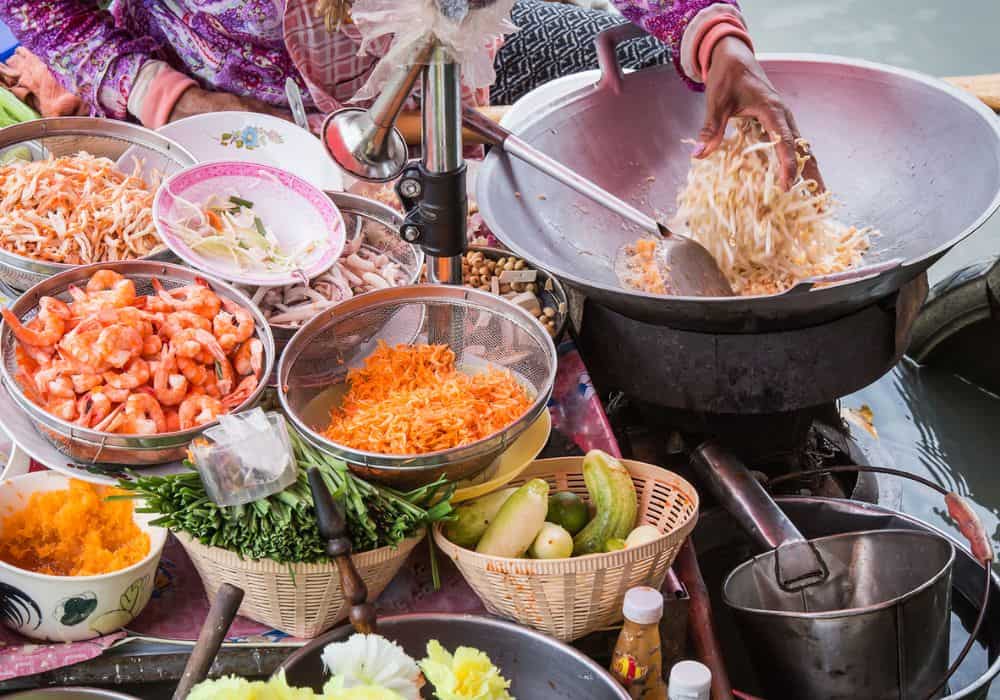
Thanks to the Chinese, Thailand uses the wok method of frying vegetables and meat – a characteristic deep, spherical pan that allows for very quick preparation. At very high temperatures, vegetables and other ingredients retain their crispness and most of their valuable nutrients.
Salad works of art
Thai salads are light, with fat-free dressings or just lime juice. Dessert is typically fresh fruit, which is artistically shaped using carving—the technique of carving flowers and plant ornaments.
Thais believe in the healing properties of food. They believe that how and what we eat can heal not only our body but also our soul. Therefore, maintaining harmony and balance in the kitchen will contribute to a fulfilled and happy life.