HOUSE OF ASIA
See the recipeHits
Ingredients
Diets


Stir fry is an extremely popular cooking technique that originates from Asian cuisine, and its basis is the quick frying of ingredients over high heat, mainly in a wok. Wok dishes It's a healthy, quick, and versatile cooking method that delivers a wealth of nutrients while also delivering a rich flavor. It's ideal for those who want to combine healthy eating with quick meal preparation while still getting the nutrients they need.
Stir fry allows you to keep vegetables fresh, meat juicy and flavors intense, while ensuring a short meal preparation time. Stir-fry dishes is a perfect choice for a quick, healthy lunch or dinner, and the multitude of variants means that everyone will find something for themselves, regardless of culinary preferences.
To prepare the perfect stir-fry, it is worth having wok – a traditional, deep, semicircular frying pan, which allows for even heat distribution and quick frying over high heat (although a regular frying pan will also work well). This ensures the ingredients are crispy on the outside while remaining juicy on the inside. Spices are also key – the best spices for stir-fry are those that add intensity and depth of flavor to a dish. Among them, garlic, ginger, soy sauce and sesame oil, which are the basis of many Asian dishes. It's also worth experimenting with other spices, such as chili, Sichuan pepper, or lemongrass, to give dishes a unique flavor.
High fiber content. Thanks to the abundance of vegetables that form the basis of stir-fries, these dishes are rich in fiber. Fiber aids digestion, helps regulate blood sugar levels, and promotes a feeling of fullness.
Source of protein. Stir-fry prepared with chicken, beef, tofu, shrimp or other protein sources provides essential amino acids that support muscle building and body recovery.
Low glycemic index. Stir-fry dishes, especially those with lots of vegetables and high-quality protein, have a relatively low glycemic index, which helps maintain stable blood sugar levels and prevents hunger pangs.
Rich in vitamins and minerals. Thanks to its diverse ingredients, stir-fry provides a wide spectrum of vitamins, including vitamins A, C, K, and B. It also contains minerals such as potassium, iron, magnesium, and calcium.
Short cooking time. Stir-frying is a quick process that minimizes nutrient loss due to lengthy preparation. This allows vegetables to retain their nutritional value and proteins to remain juicy.
VersatilityThe ability to add a variety of vegetables, proteins (chicken, tofu, seafood), and pasta or rice makes stir-fries adaptable to a variety of diets, including vegetarian, vegan, gluten-free, and low-carb.
Control over ingredients. When you prepare stir-fries at home, you have complete control over the amount of salt, fat, and sugar, allowing you to create healthy, balanced meals. You can also choose organic and fresh ingredients, which further enhances the health benefits.
Variety of flavors and aromas. The addition of spices like ginger, garlic, chili, and soy sauce makes stir-fries not only healthy but also full of intense, exotic flavors. This is the perfect technique for those who value flavor while also conscious of their health.
High antioxidant content. Vegetables used in stir-fries, such as broccoli, peppers, carrots and spinach, are rich in antioxidants that support the immune system, neutralize free radicals and protect cells from damage.
Saving time and energy. Stir-fry is not only a quick dish, but also saves energy in the kitchen, which is important for people leading an active lifestyle.
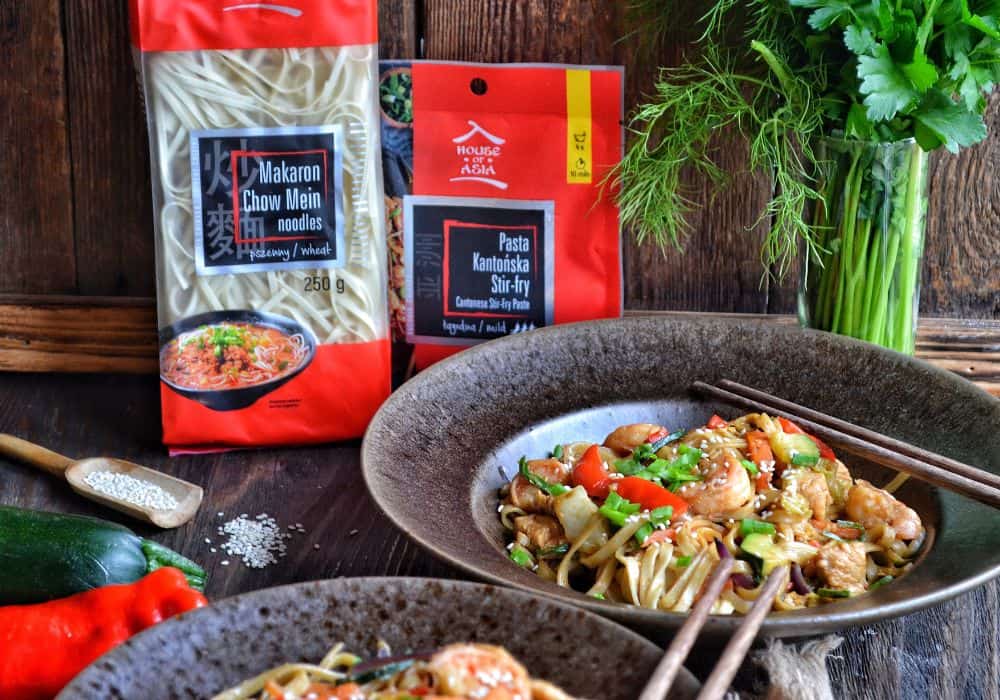
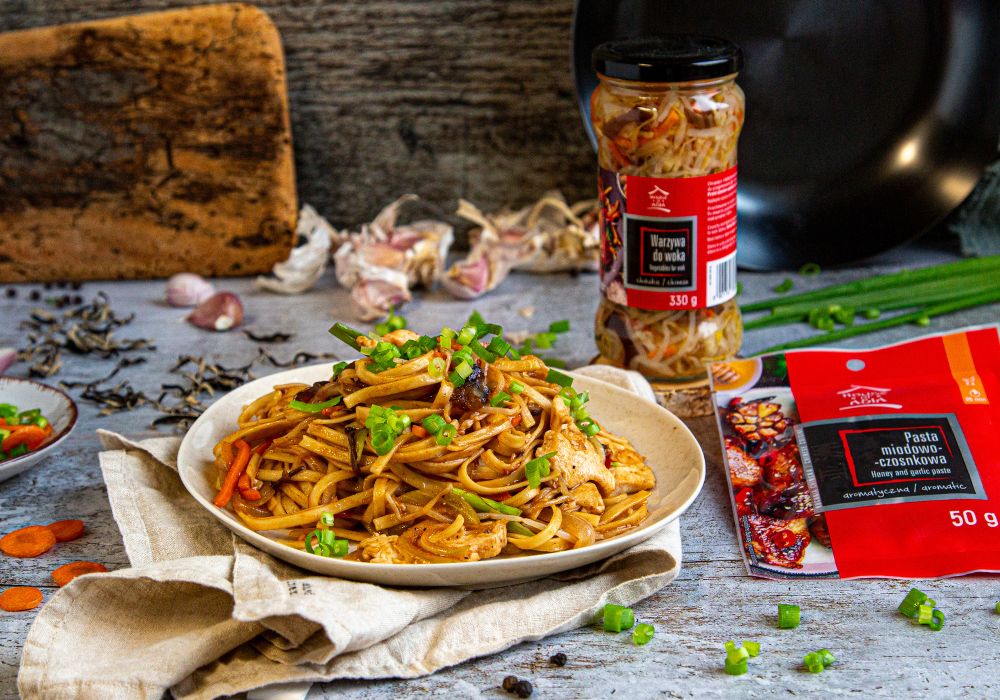
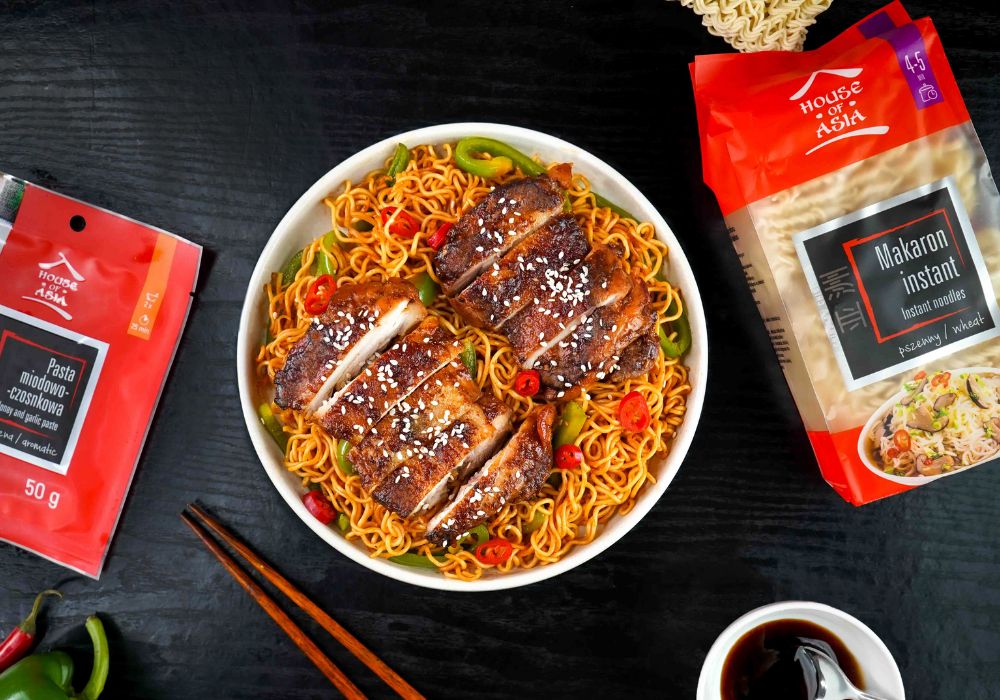
One of the most popular variants is stir-fry with chickenEasy to prepare, juicy chicken pairs perfectly with crunchy vegetables and a flavorful sauce, creating a delicious dish that will appeal to both children and adults. An equally popular choice is stir-fry with beef, in which delicate slices of meat, quickly fried in a wok, retain their juiciness, and the addition of soy sauce and spices such as ginger or garlic gives the dish a depth of flavor.
For vegetarians and plant-based food lovers, this is a great option. tofu stir-fryTofu, properly marinated and quickly fried, becomes incredibly aromatic, while crunchy vegetables such as peppers, carrots, and zucchini add freshness to the dish. The key element in any stir-fry is proper stir-fry marinadewhich gives protein and vegetables additional flavor. It is most often based on soy sauce, sesame oil, rice vinegar, ginger and garlic, creating a harmonious blend of flavors.
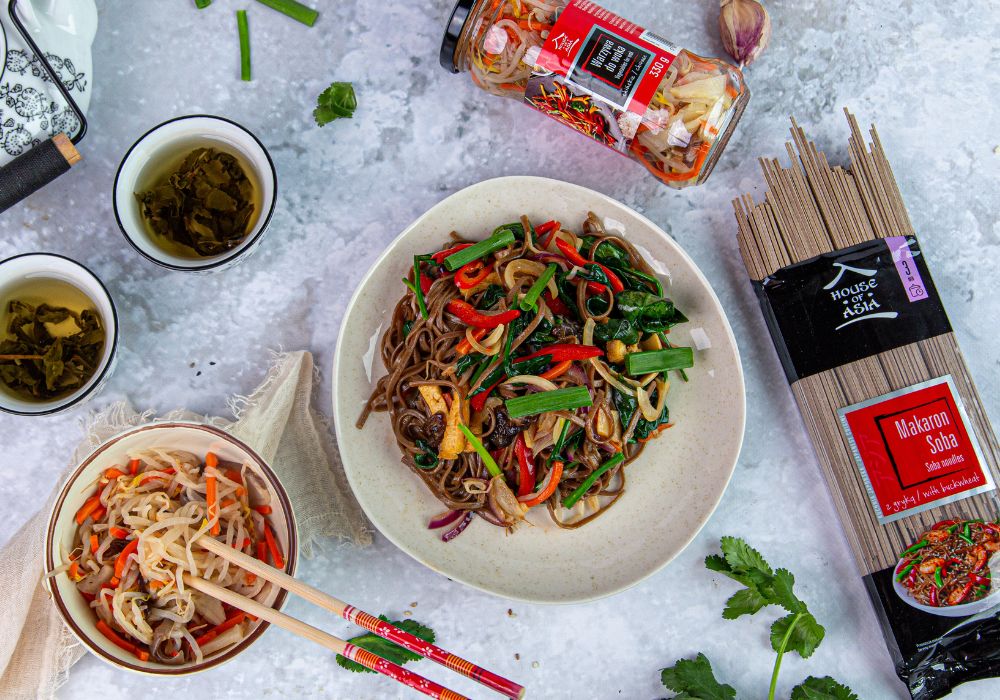
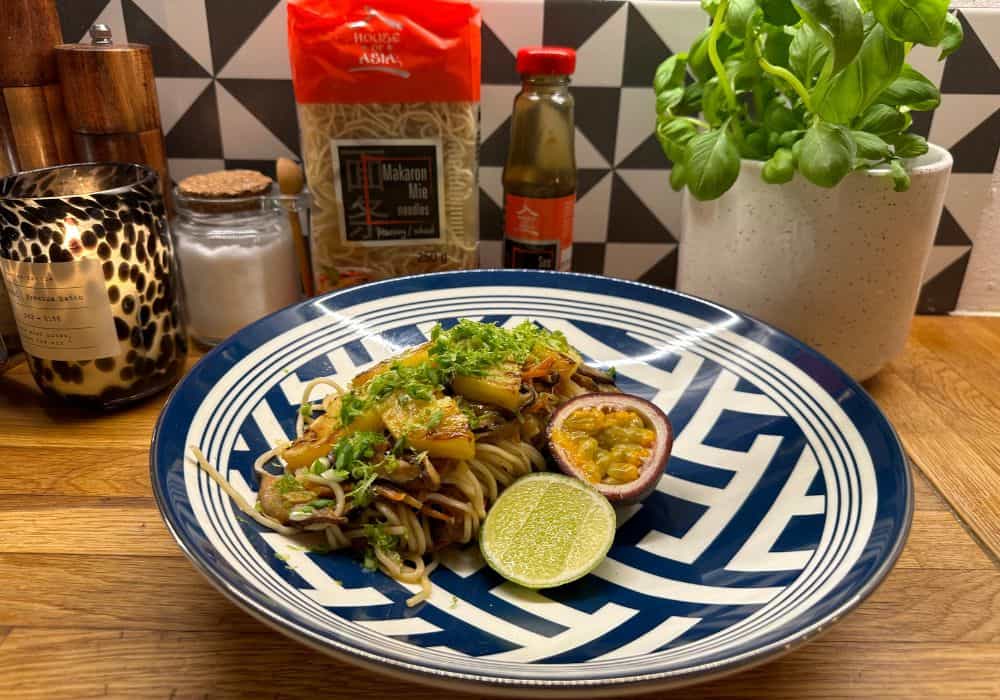
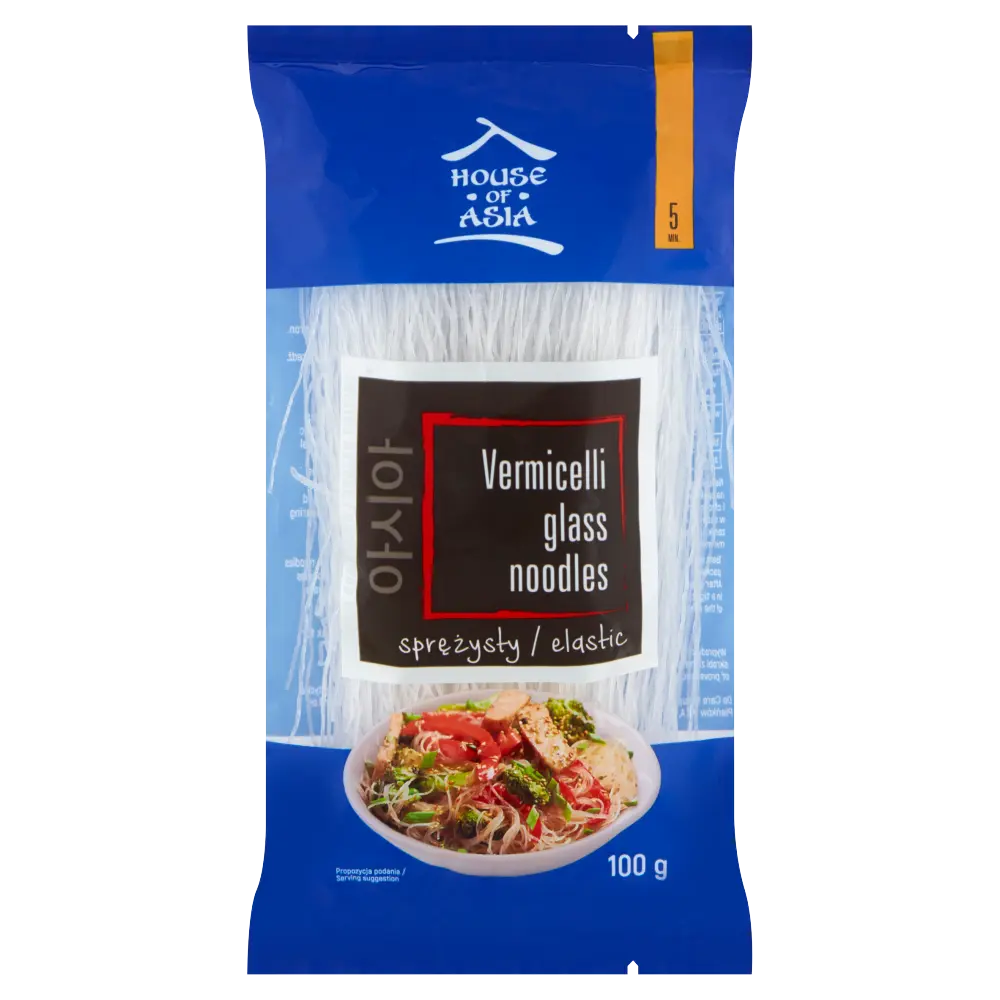
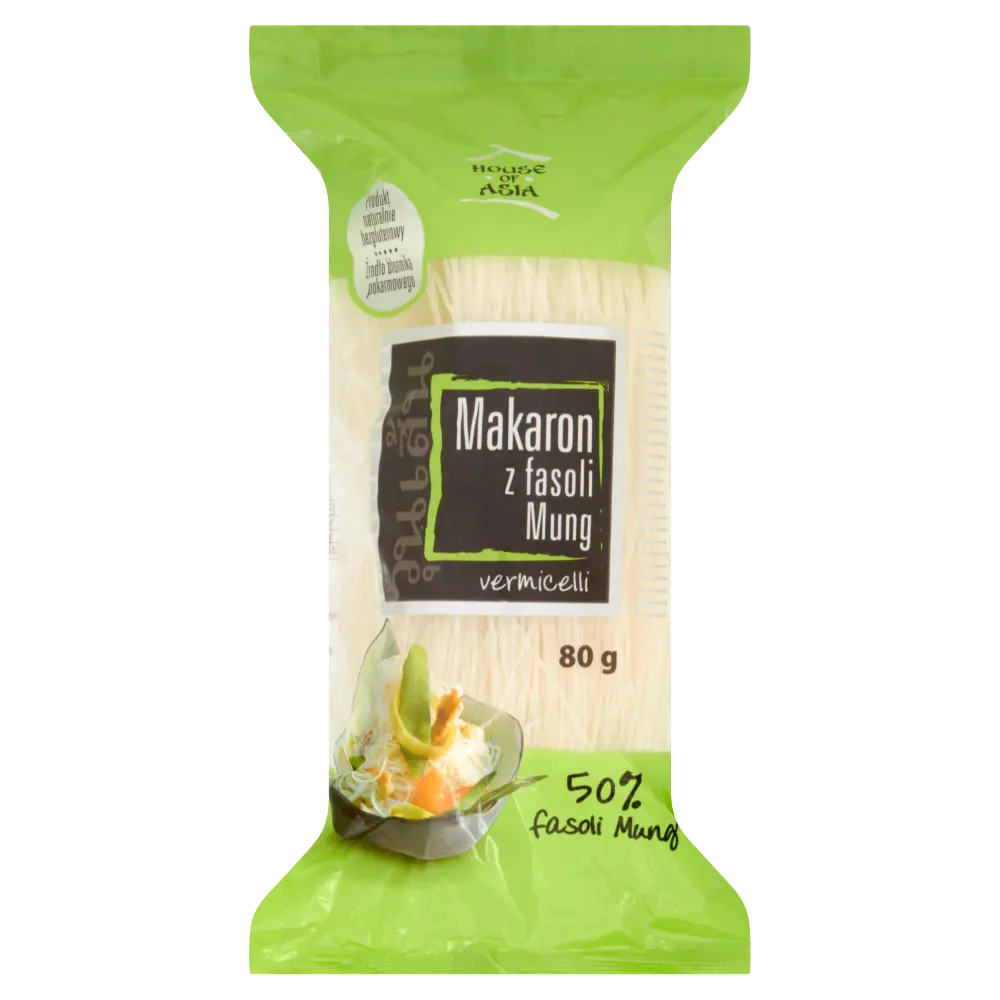
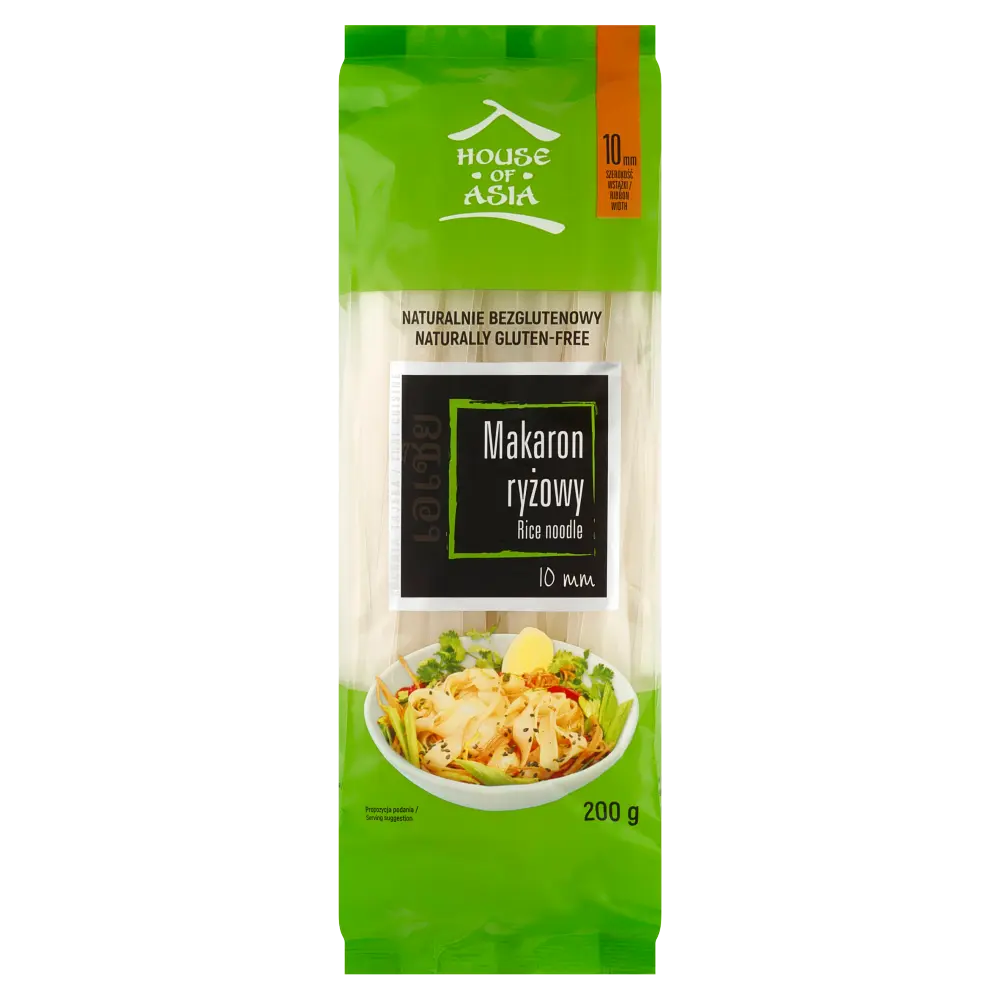
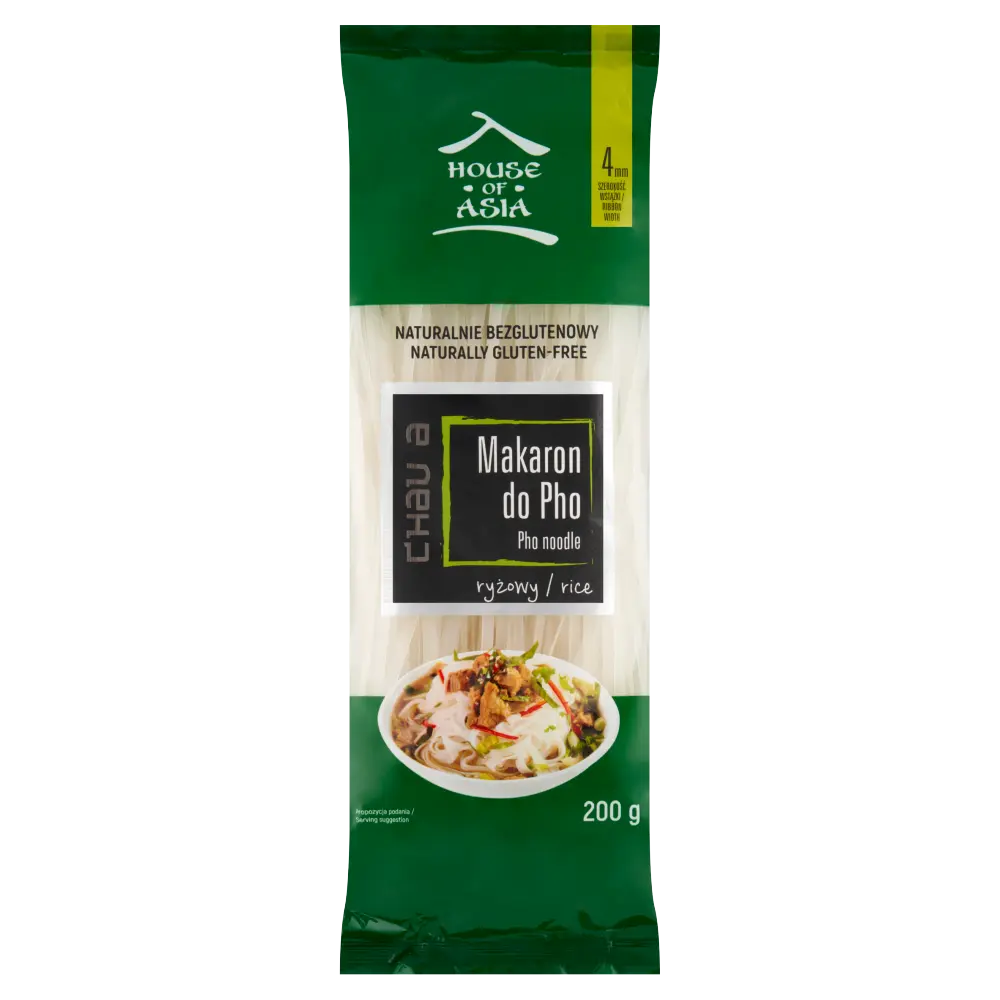
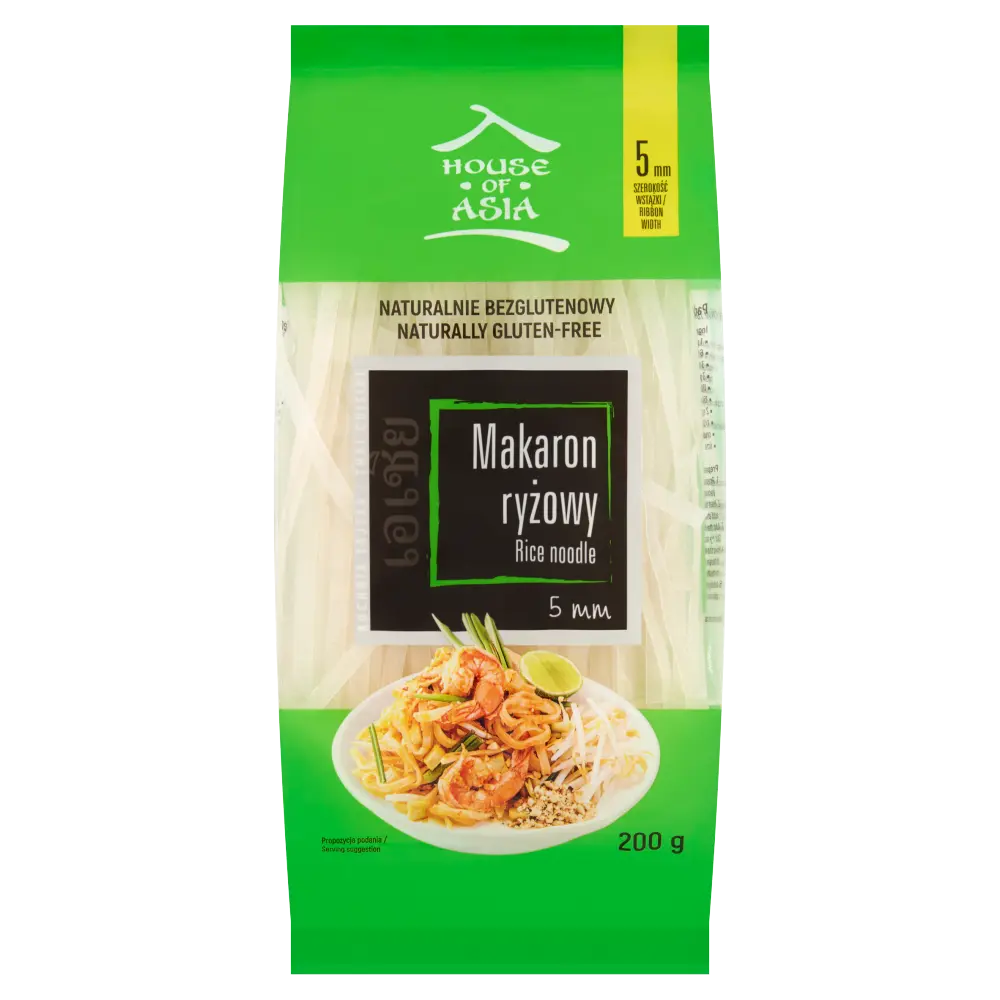
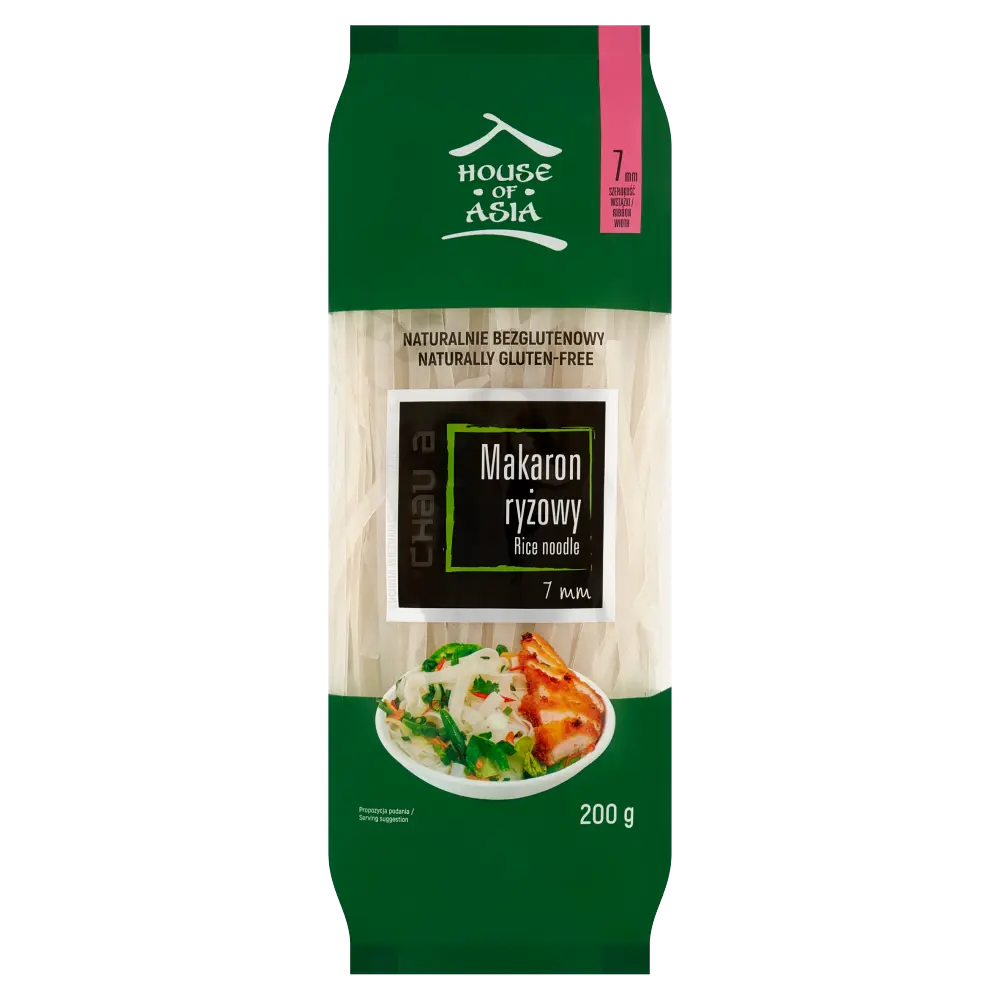
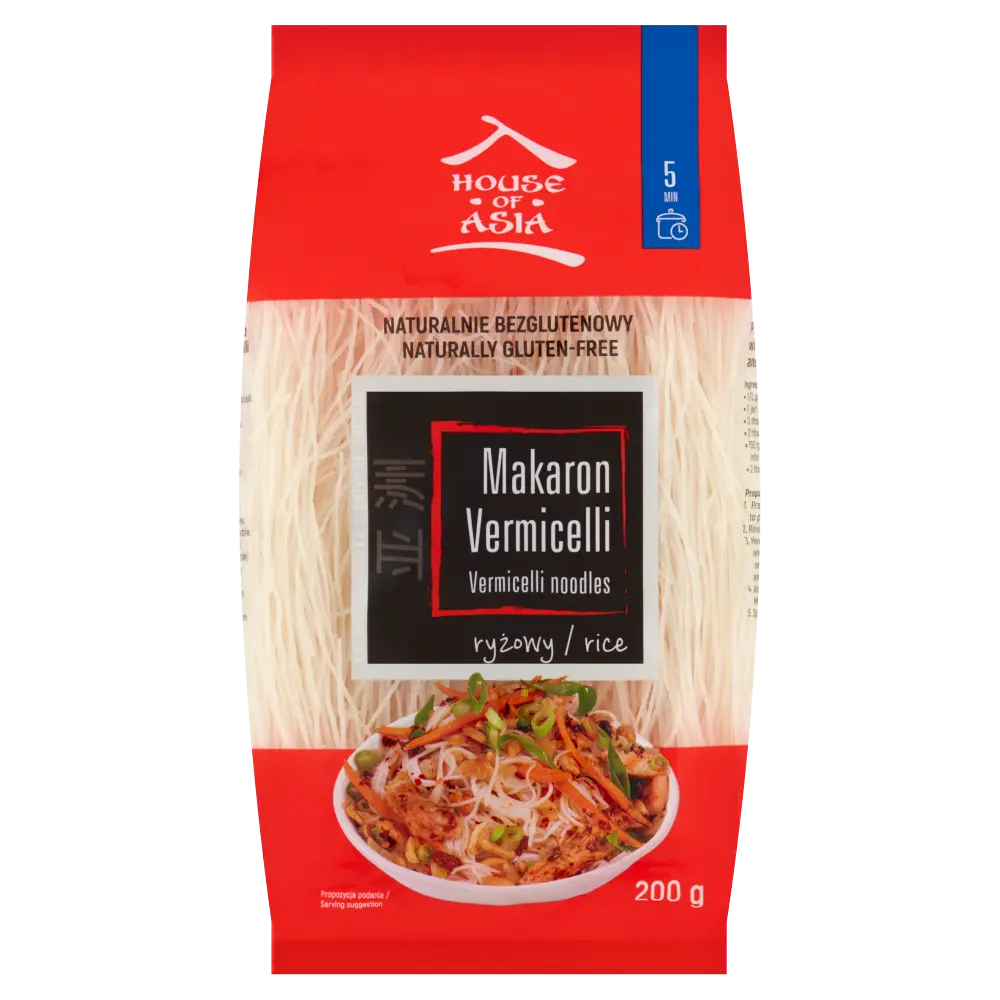
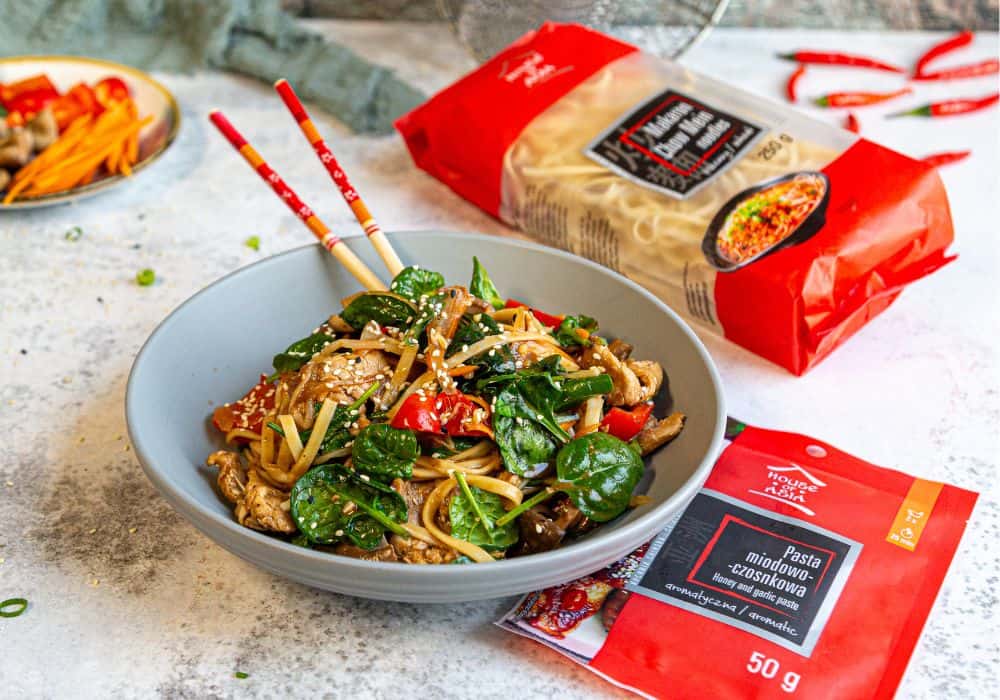
Chinese cuisine is famous for its diverse stir-fry options, dominated by fresh vegetables, delicate proteins, and bold spices. One of the classics of this cuisine is stir-fry with vegetables – a light dish, full of color and vitamins, that can be quickly prepared using readily available ingredients. Various types of pasta are an interesting addition to stir-fry, such as: rice noodles and/ or roomDishes containing them become more filling, while retaining the lightness and delicacy characteristic of Asian cuisine.
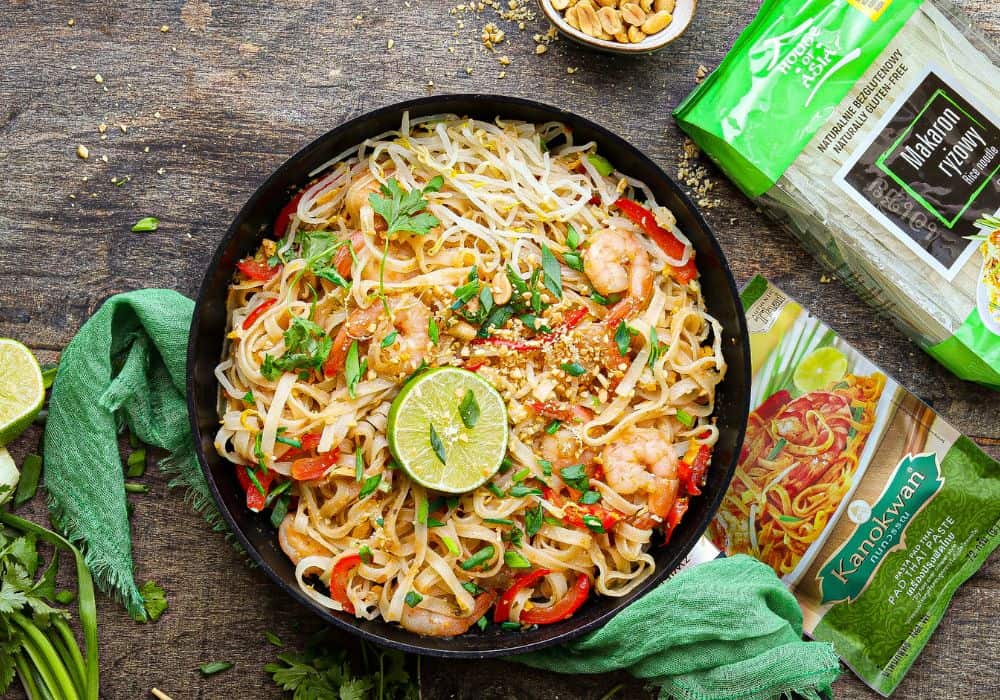
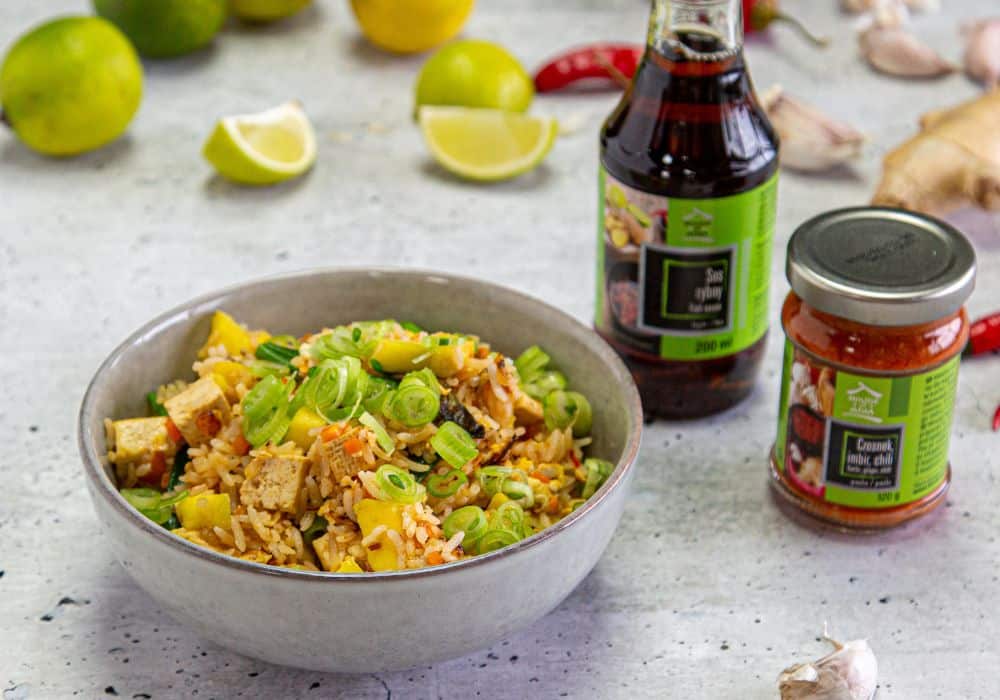
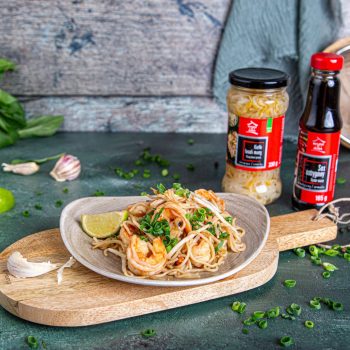
It's also worth trying stir-fry with shrimp, which pair perfectly with delicate yet aromatic sauces and crispy vegetables. Wok-fried shrimp take on a slightly sweet flavor that complements ginger, garlic, and fresh herbs perfectly. Stir-fry with rice is another popular option that combines quick frying with the versatility of rice, making it a perfect solution for a quick, filling meal.
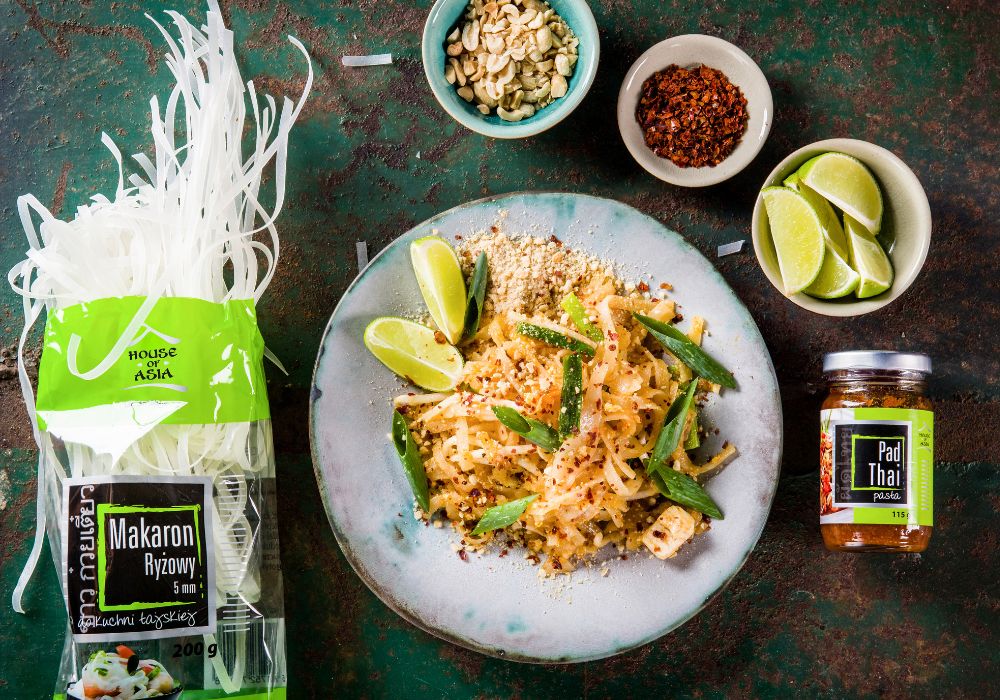
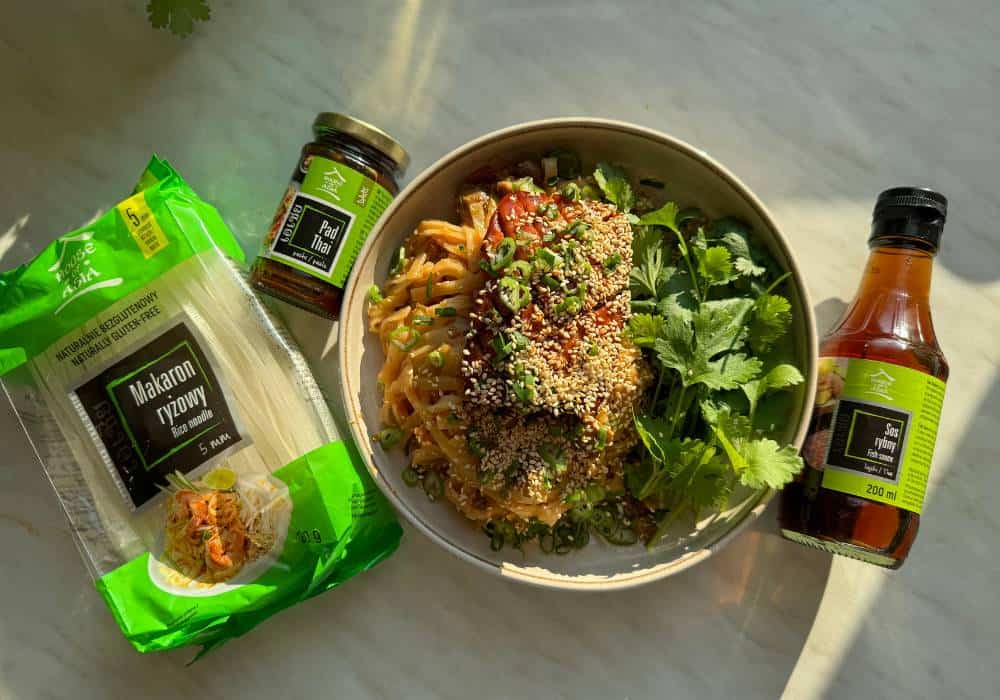
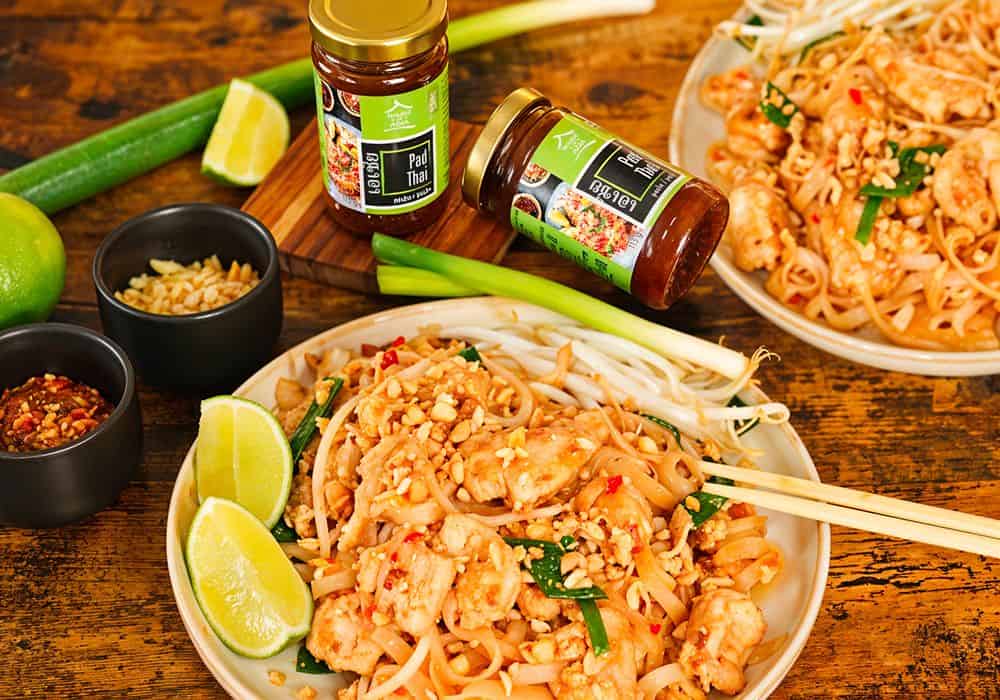
Stir-fry is also a popular dish in Thai cuisine, where it is often used fish sauce, coconut milk and fresh herbs such as cilantro and Thai basil. These additions give the dishes a distinctive, exotic flavor that will delight lovers of Asian cuisine.
Stir-frying differs from traditional frying in several key ways, including the cooking technique, temperature, preparation time, and the ingredients and tools used.
Cooking technique
Stir-fry. In this frying technique, ingredients are constantly stirred and moved across the surface of a hot wok or large pan. Stirring ensures even frying and prevents burning. Stir-frying requires high temperatures and a short cooking time.
Traditional frying. Ingredients are most often placed in a pan and fried without constant stirring. This can result in more even, but slower, frying of one side of the ingredient before flipping it.
Temperature
Stir-frying. This cooking method uses very high temperatures (around 200-250°C) to quickly fry ingredients, preserving their freshness and crispness, especially vegetables. The high temperature allows the dish to cook quickly.
Traditional frying. Typically done at a medium to low temperature (around 150-180°C), which means ingredients fry more slowly, often achieving a more golden color and crispy crust, but may lose some of their freshness and juiciness.
Preparation time
Stir-fry. The cooking time in stir-fry is very short. All ingredients are fried for just a few minutes, preserving their natural flavor, texture, and nutritional value.
Traditional frying takes longer, especially if you're cooking larger pieces of meat or vegetables. The process can take up to several minutes, resulting in greater thermal processing of the ingredients.
Amount of fat
Stir-fry. Stir-frying uses a very small amount of fat, typically vegetable oil with a high smoke point. The high frying temperature allows the fat to quickly coat the ingredients without soaking them in.
Traditional frying typically requires more fat, especially when frying larger pieces of meat or vegetables. The fat can be absorbed more readily by the ingredients, resulting in a higher calorie dish.
Preservation of nutritional value
Stir-fry. Short cooking times and constant stirring at high temperatures ensure vegetables retain their nutritional value, vitamins, and minerals. Vegetables remain crunchy and proteins remain juicy.
Traditional frying. Longer frying times, especially at medium temperatures, can lead to vitamin loss, especially heat-sensitive vitamins like vitamin C and folic acid. Vegetables and proteins can become less juicy and more processed.
Type of ingredients used
Stir-fry. Smaller pieces of vegetables and protein are most often used, such as thinly sliced meat, tofu, or finely chopped vegetables. This allows for quick frying.
Traditional frying. This can include larger pieces of meat, vegetables, or even whole fillets, which require longer frying to ensure they are properly cooked through.
Texture and taste
Stir-fry. Thanks to the quick frying, stir-fry ingredients have an intense flavor and retain their natural texture – vegetables are crispy, and meat or tofu is tender and juicy.
Traditional frying. Ingredients can be softer and less crunchy, and sometimes have a deeper, more intense flavor, especially when fried and browned for a longer period.
 Shrimp
  Chinese
  15-30 minutes
 Chicken
 Ryba
Ryba 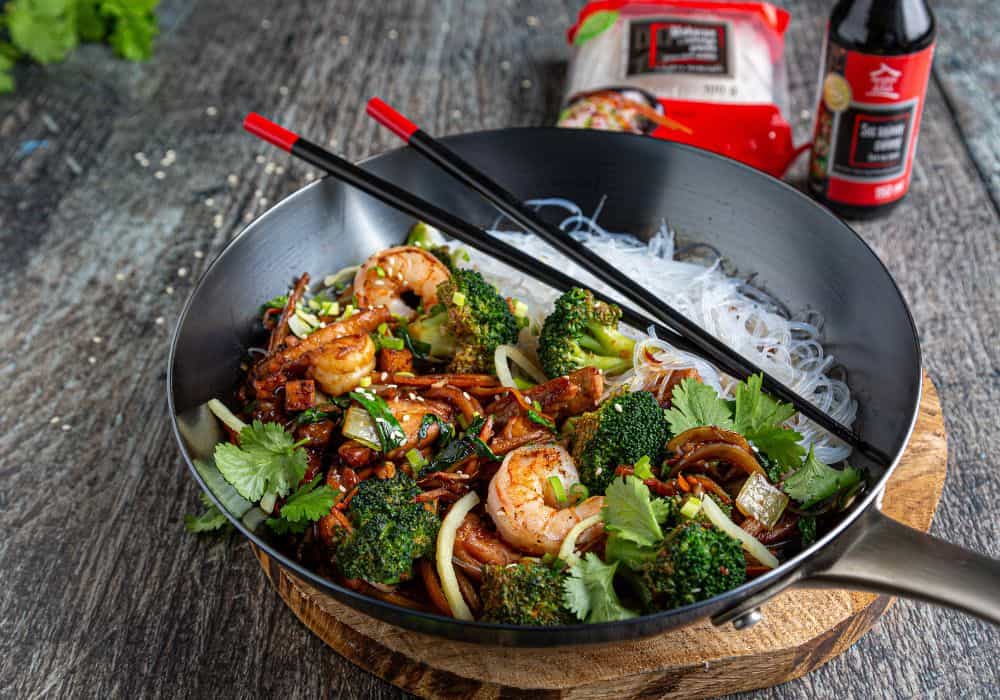
 Thailand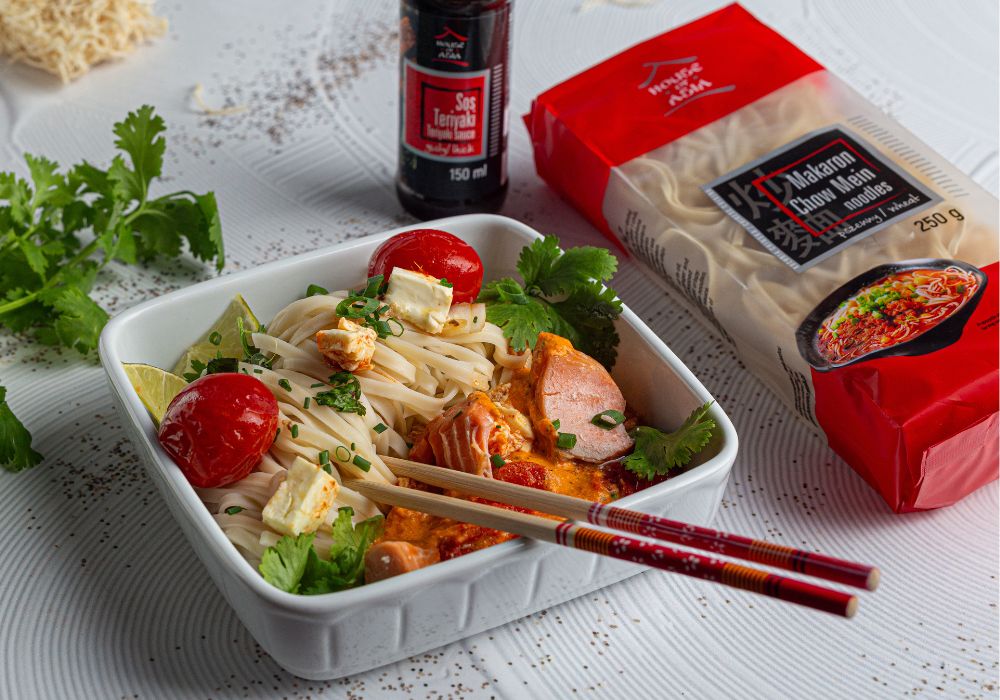
 Korean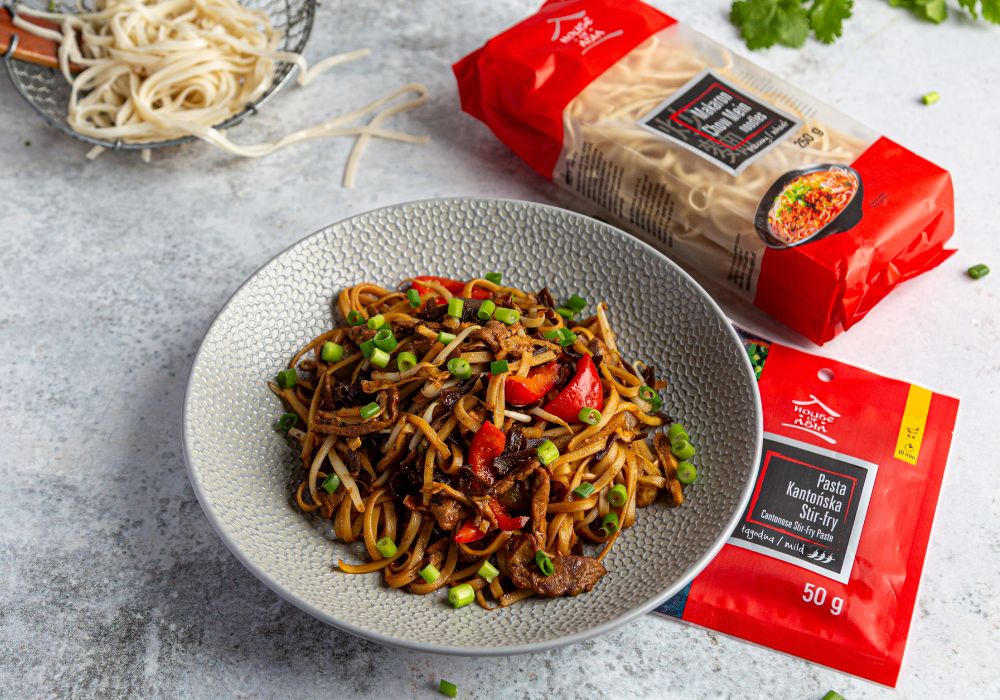
 Pasta
Pasta 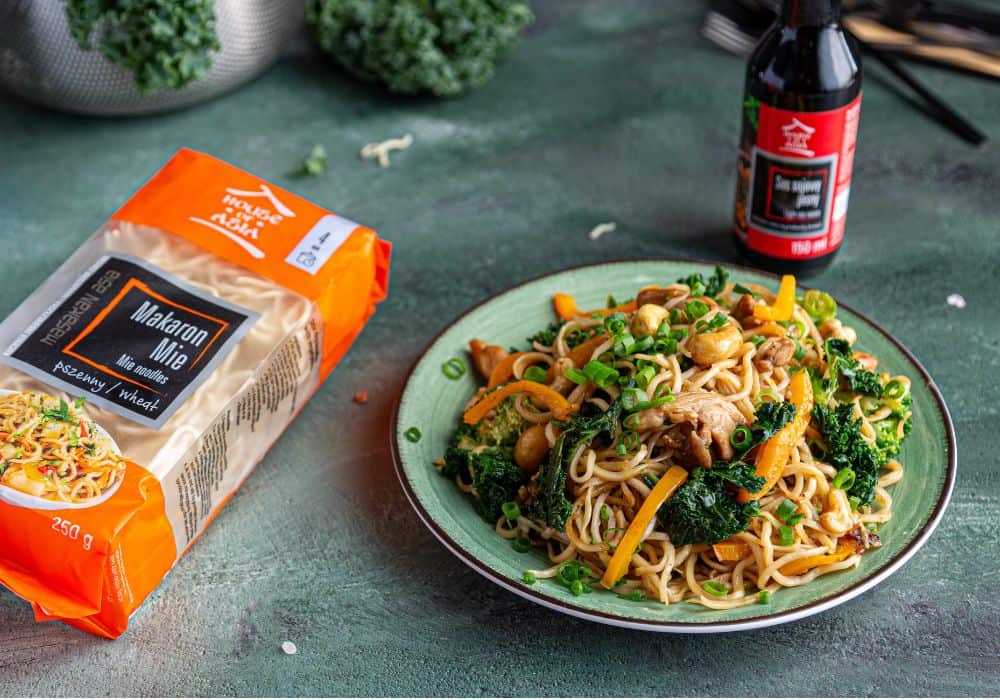
 Vegetables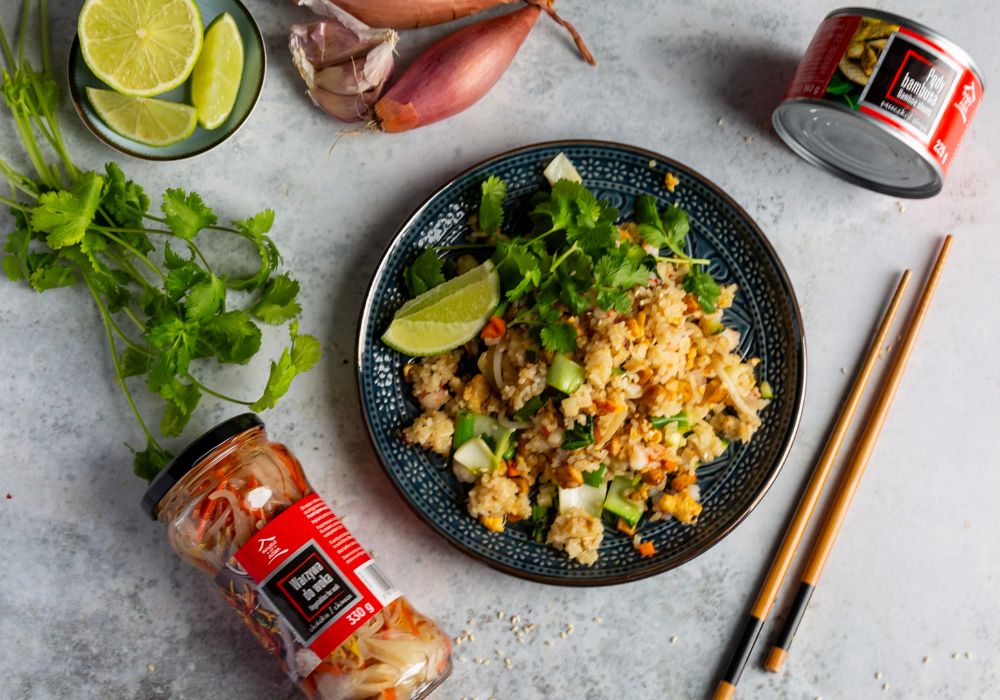
 Indonesian
 Japanese