HOUSE OF ASIA
See the recipeHits
Ingredients
Diets


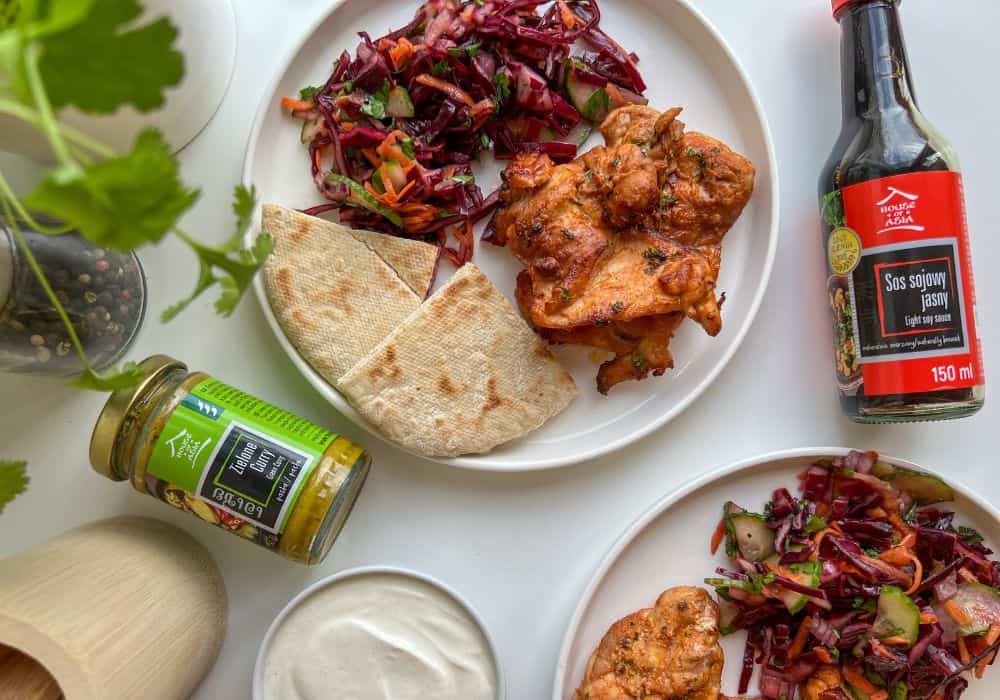
Curry is one of the most recognizable dishes in Asian cuisine, prized for its rich aromas and diverse flavors. It can be prepared in a variety of ways, including meat-based, vegetarian, and vegan versions.
The history of curry dates back to ancient India. The name derives from the Tamil word kari, meaning a sauce or dish seasoned with spices. Over time, curry gained popularity around the world, and local varieties developed in countries such as Thailand and Japan.
It's worth remembering that curry isn't one specific dish, but a whole group of dishes based on blends of spices such as turmeric, coriander, cumin, ginger, and chili. It's the diversity of ingredients and preparation methods that allows curry to range from delicate and creamy to intensely spicy. This means everyone can find a variant perfectly suited to their preferences.
Curry comes in many varieties, and its taste, aroma, and preparation methods vary depending on its country of origin. The most popular varieties are Indian and Thai, which, although based on spices, delight with a completely different character. Learn about the most important types of curry and discover what distinguishes each variant.
Indian curry is renowned for its exceptional depth of flavor, built by carefully selected spices. Depending on the region, the dominant aromas may be cardamom, cinnamon, cloves, cumin, coriander, or turmeric. Sauces are often made with tomatoes, onions, or yogurt, making them thick and full of character. Indian curry delights with its multi-layered aromas that unfold with each bite.
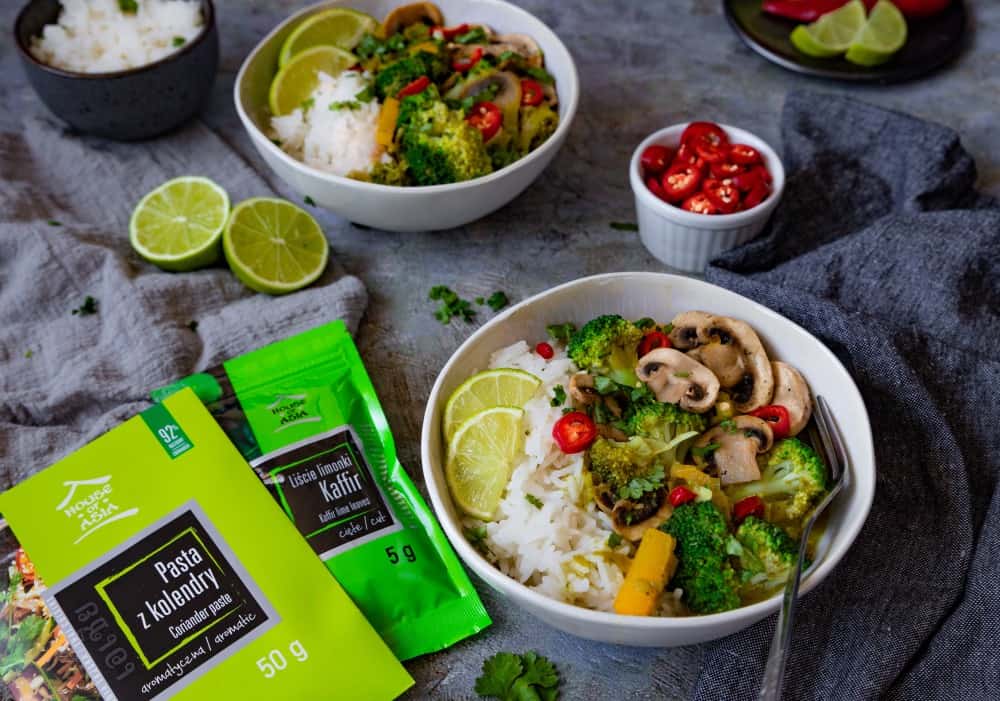
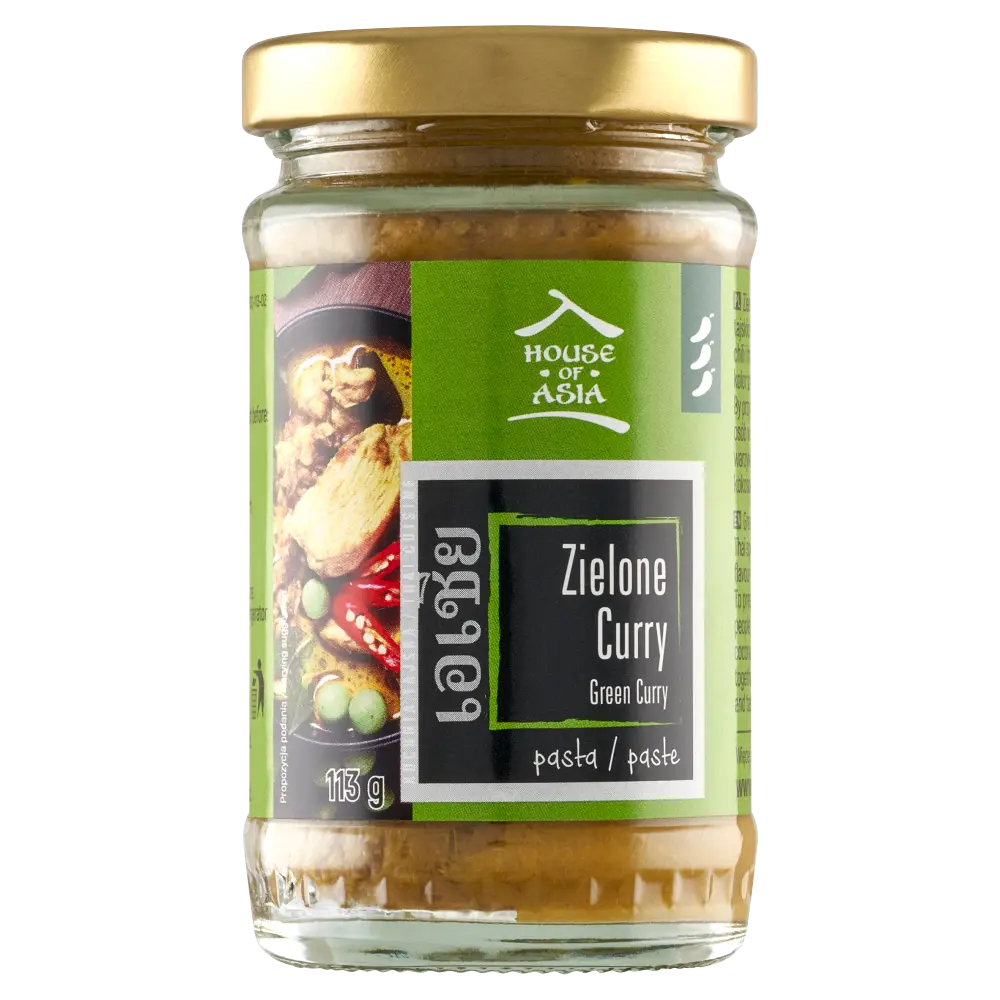
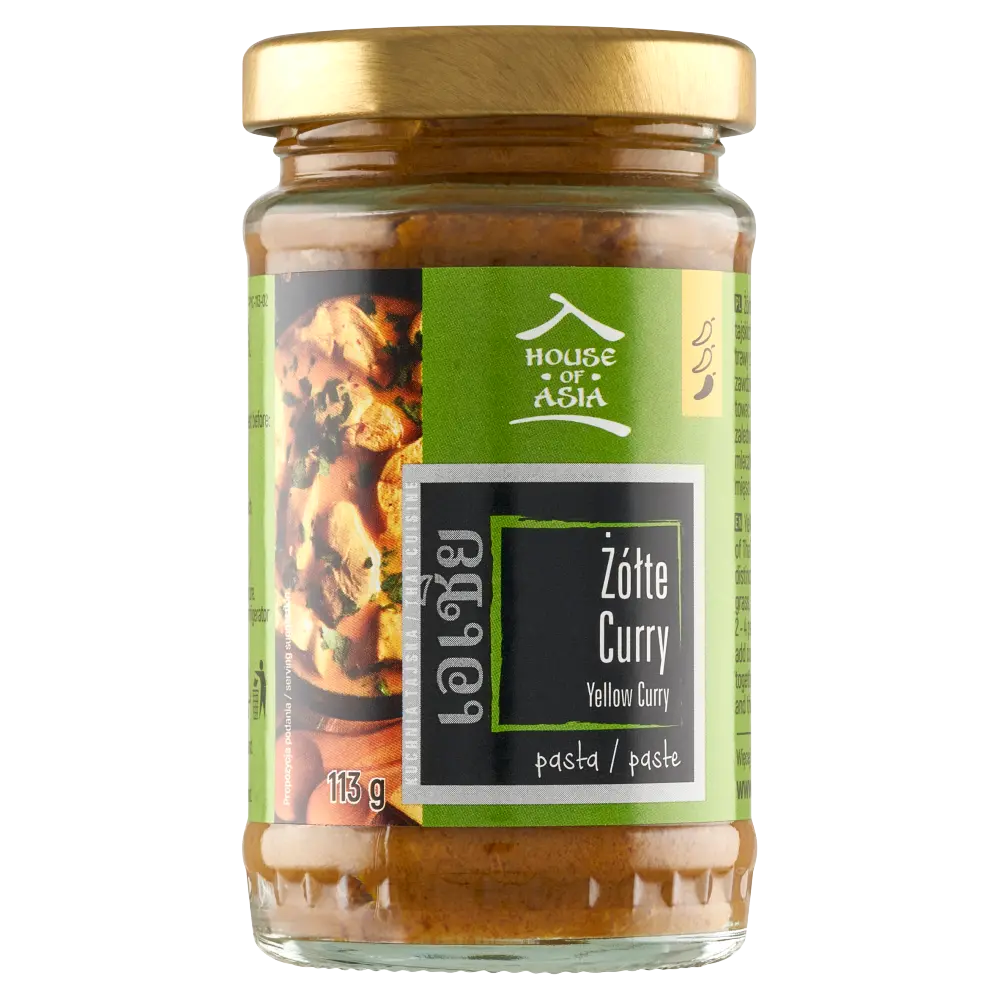
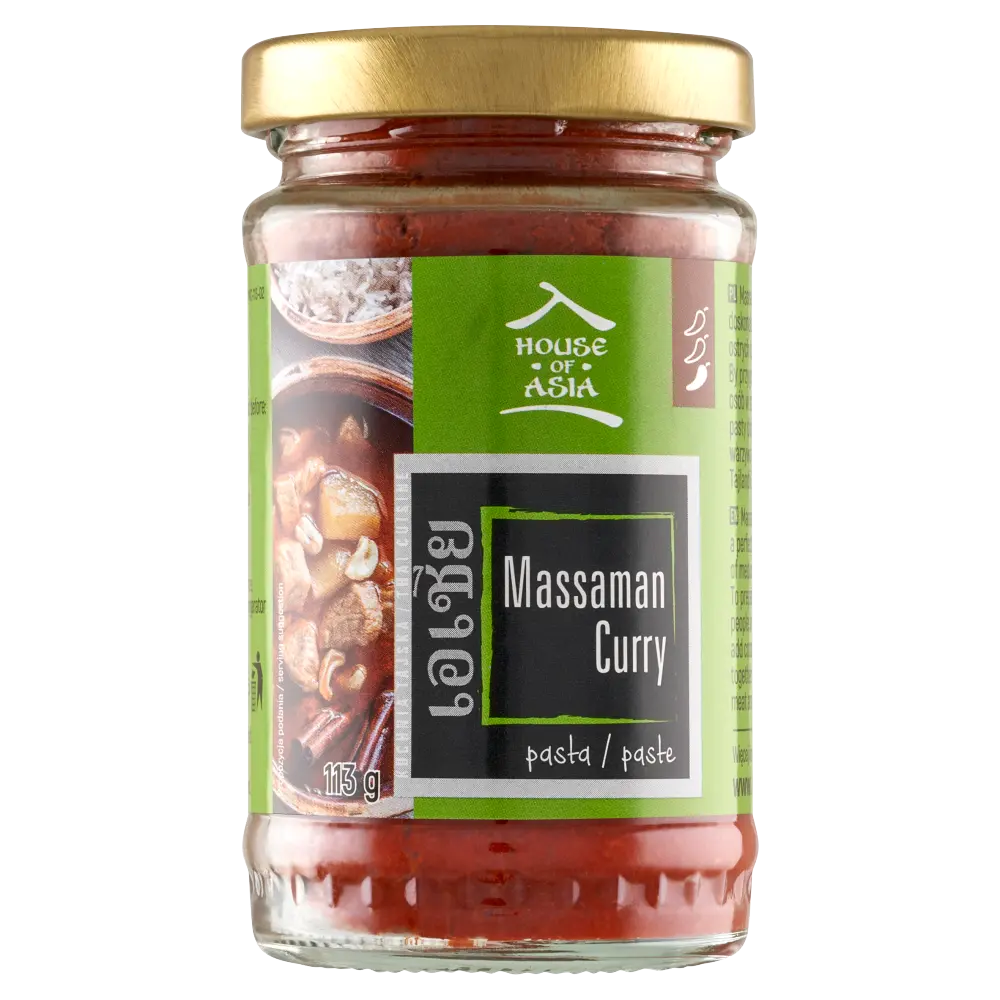
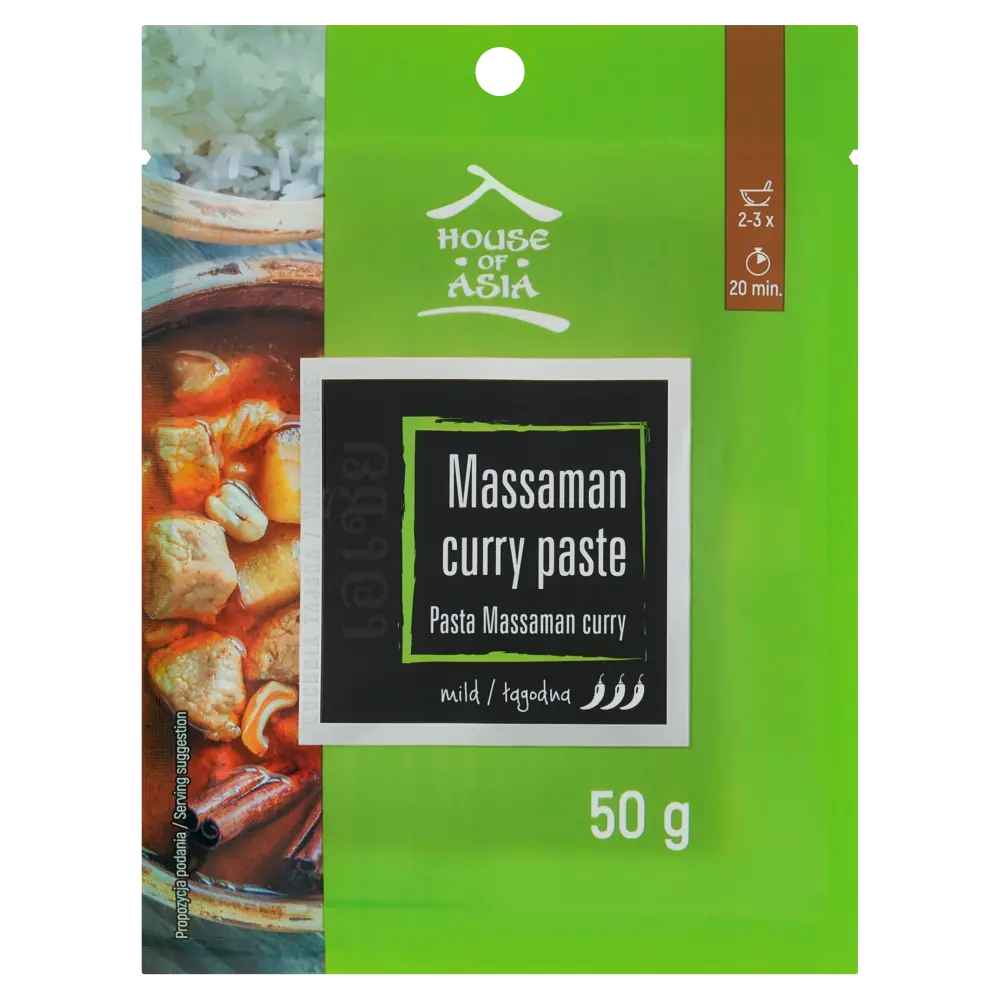
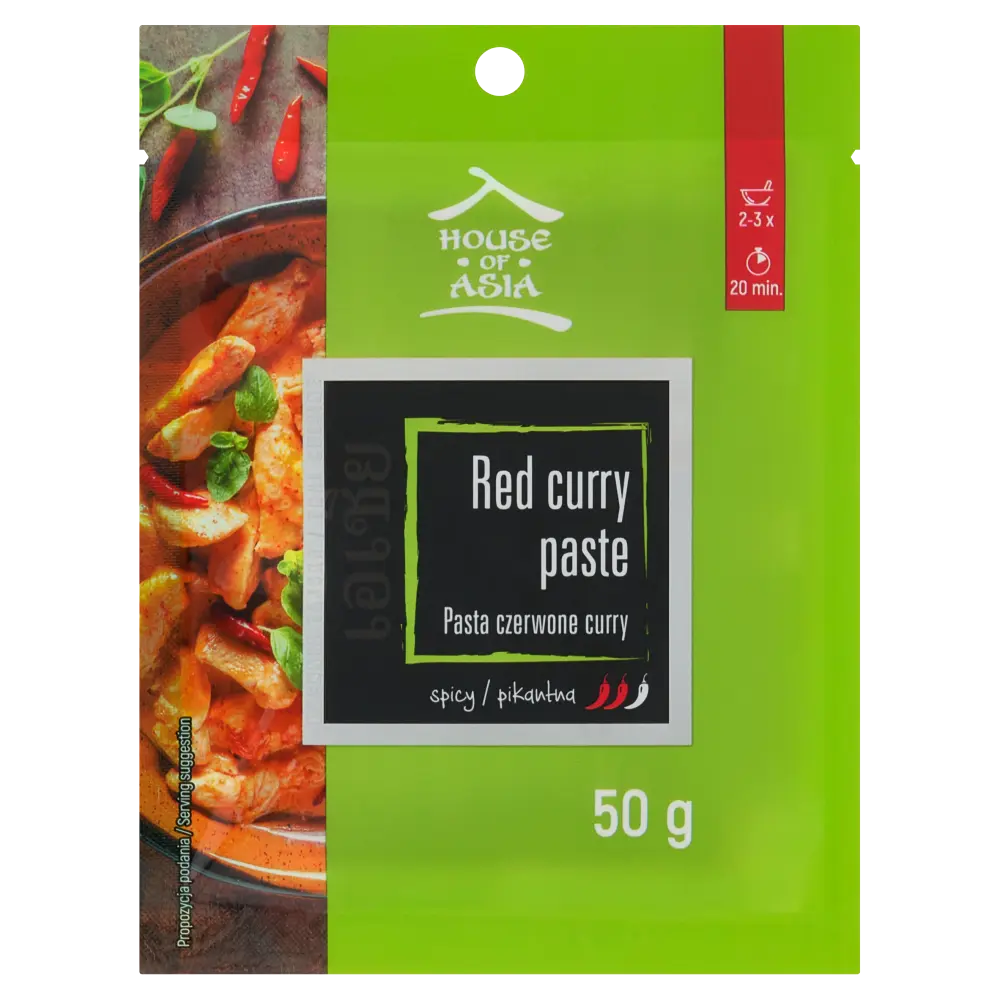
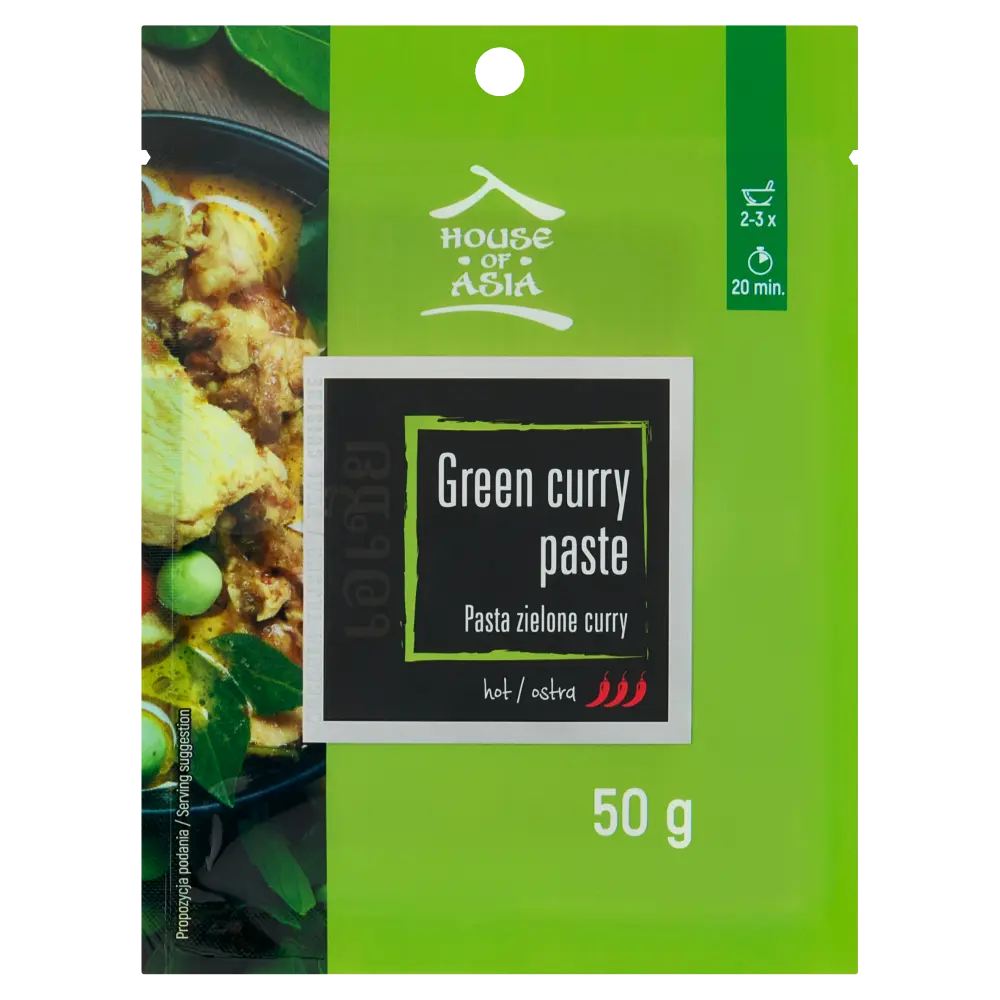
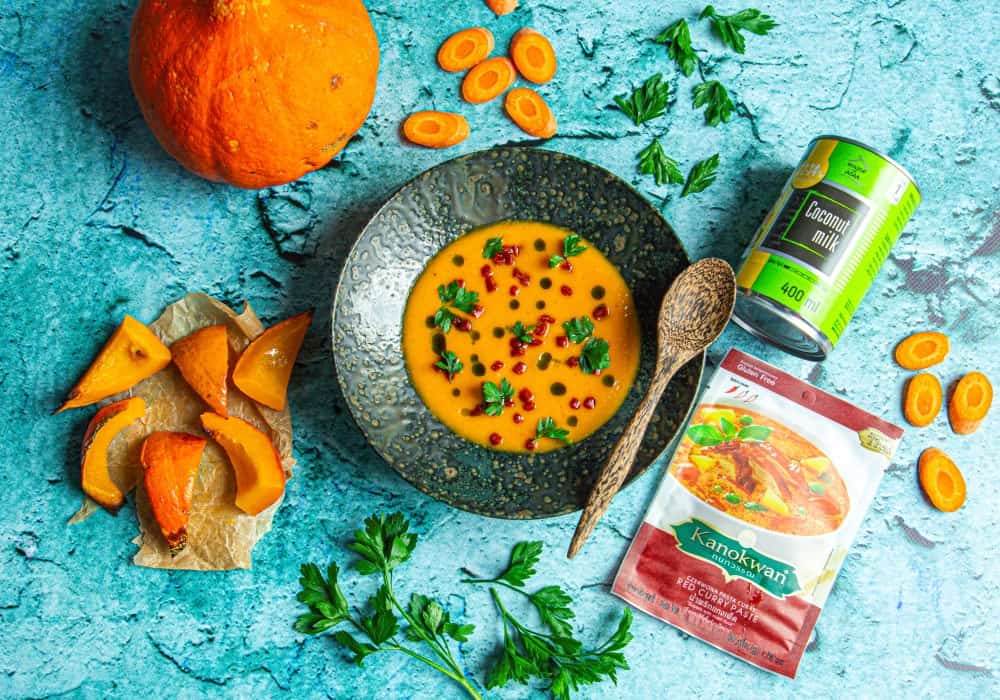
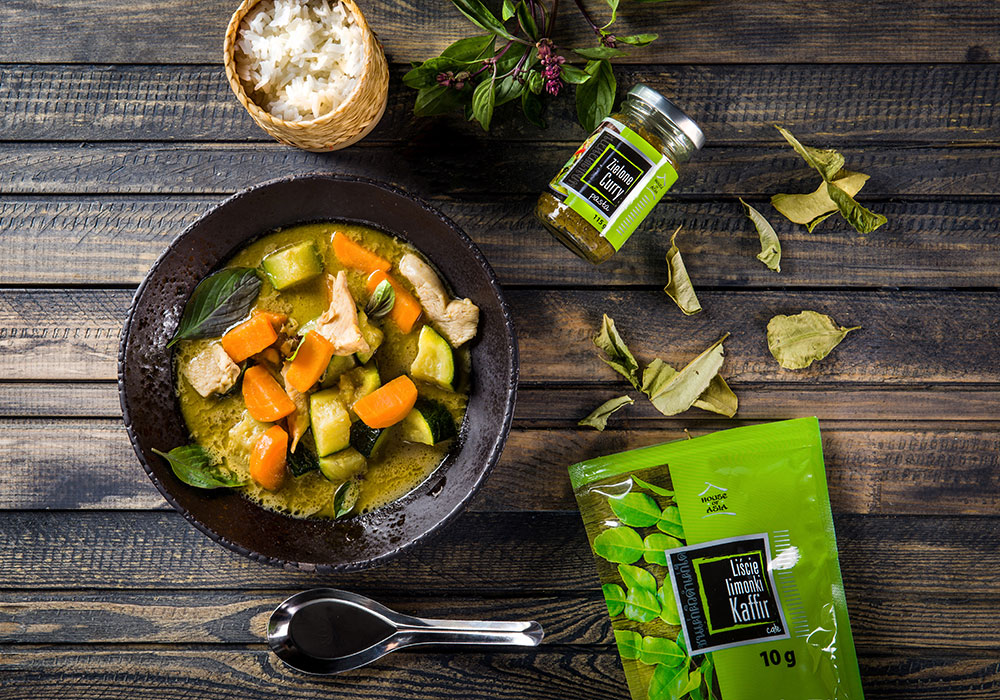
Thai curry is distinguished by its freshness and distinctive flavor. Its base is aromatic pastes made with chili, garlic, galangal, and other spices. lemongrass kaffir lime leavesCombined with coconut milk, they create velvety sauces with a perfectly balanced flavor, where spiciness intertwines with sweetness, acidity, and herbal notes. Among the most popular varieties are green curry, considered the spiciest of Thai curries and distinguished by its fresh, herbal aroma; red curry with an intense and distinctive flavor; yellow curry with a milder and slightly sweet character; and Massaman curry, which delights with spicy notes of cinnamon, cardamom, and cloves. Thanks to this diversity, everyone can find a variant perfectly suited to their taste preferences.
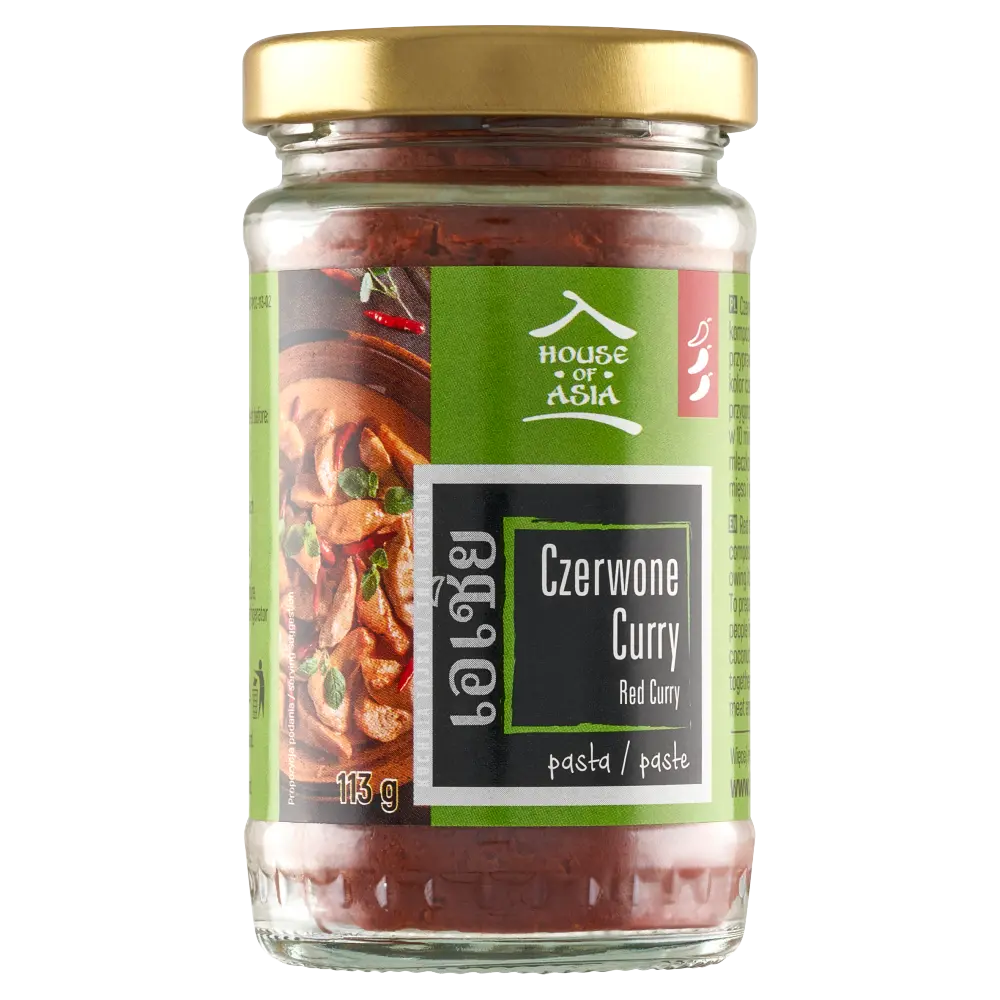
Preparing traditional curry from scratch can be a true culinary adventure, but it requires access to many distinctive ingredients and spices, such as galangal, lemongrass, kaffir lime leaves, and various chili varieties. For many people, gathering all the ingredients can be time-consuming, so House of Asia's ready-made curry pastes are a convenient alternative that allows you to quickly prepare a flavorful dish inspired by Thai cuisine.
House of Asia curry pastes are made with carefully selected ingredients, helping to achieve a deep and balanced flavor without the need to create your own spice blends. Simply add your favorite meat, tofu, or vegetables, and coconut milk to create a nutritious meal in no time.
Another major advantage of ready-made pastes is their consistent flavor. Whether you're making curry for the first time or regularly use Asian recipes, you can count on carefully selected ingredient proportions and the distinctive aroma of each variety. This is especially important for those who want to recreate the flavor of their favorite dishes without the risk of accidentally altering the spice composition.
It's also worth emphasizing the convenience of storage. You can always have a jar of curry paste in your kitchen cupboard, so preparing a flavorful dinner doesn't require advance planning or extensive shopping. It's a simple way to introduce more Asian inspiration into your daily menu and enjoy a wealth of flavors even on the busiest of days!
Curry, as a dish, has varying nutritional values depending on the ingredients used in its preparation. However, the foundation is spices, which have numerous health benefits:
How to make a quicker version of curry sauce? Simply use a ready-made spice mixture, preferably in paste form:
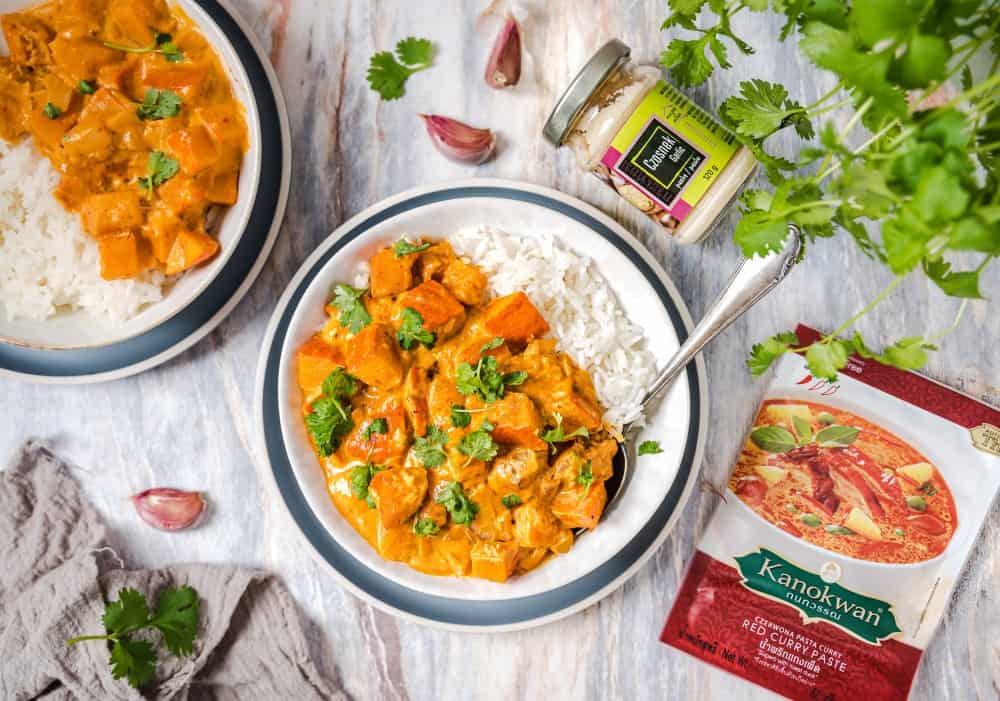
To prepare curry using ready-made paste, just a few steps are needed. First, heat the oil in a pan and add 2-3 tablespoons of curry paste. Fry the paste briefly to release its flavors. Then, add the meat (or tofu) and fry until golden brown. The next step is to add coconut milk, which gives the dish a creamy consistency. After bringing to a boil, add your favorite vegetables and simmer for 10-15 minutes, until tender. Finally, season the curry with fish sauce, soy sauce, or lime juice to taste. Serve with rice and, if desired, sprinkle with cilantro.
How to make the perfect curry for yourself? Here are some suggestions:
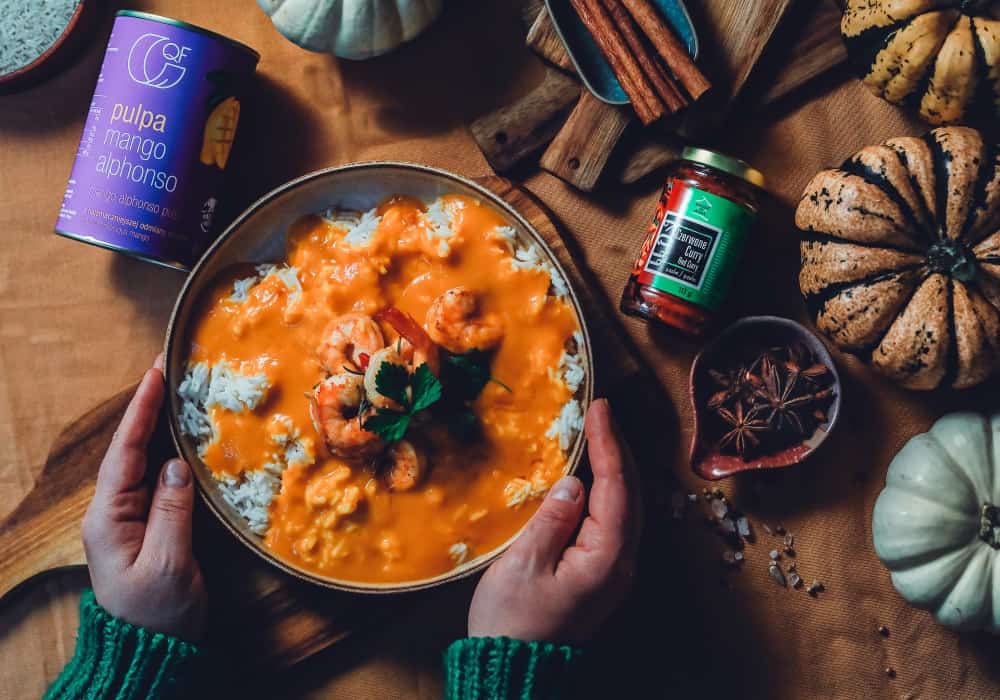
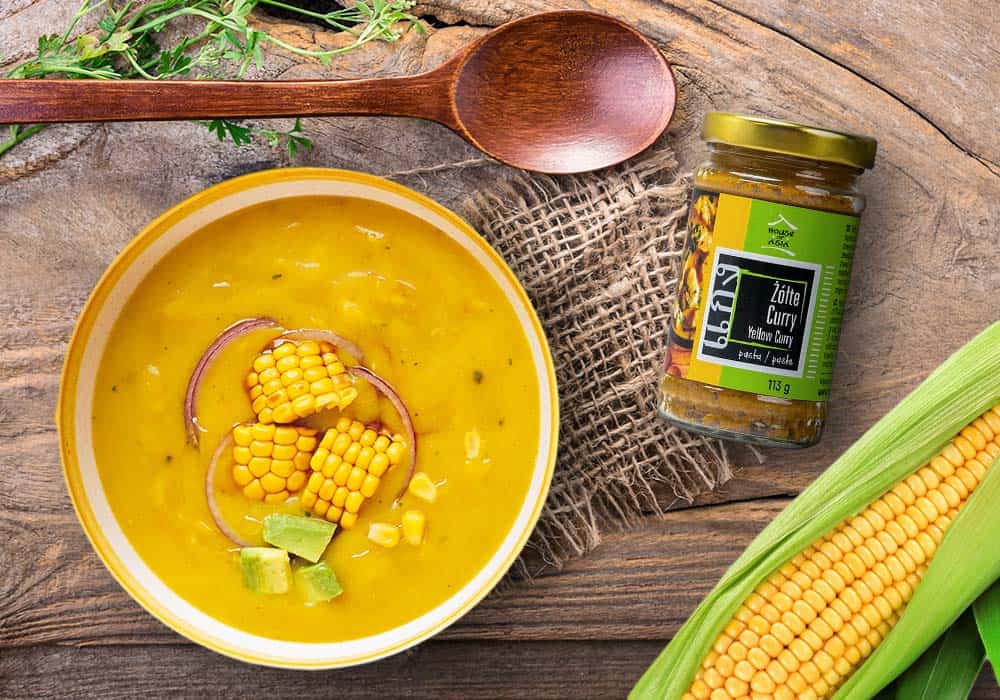
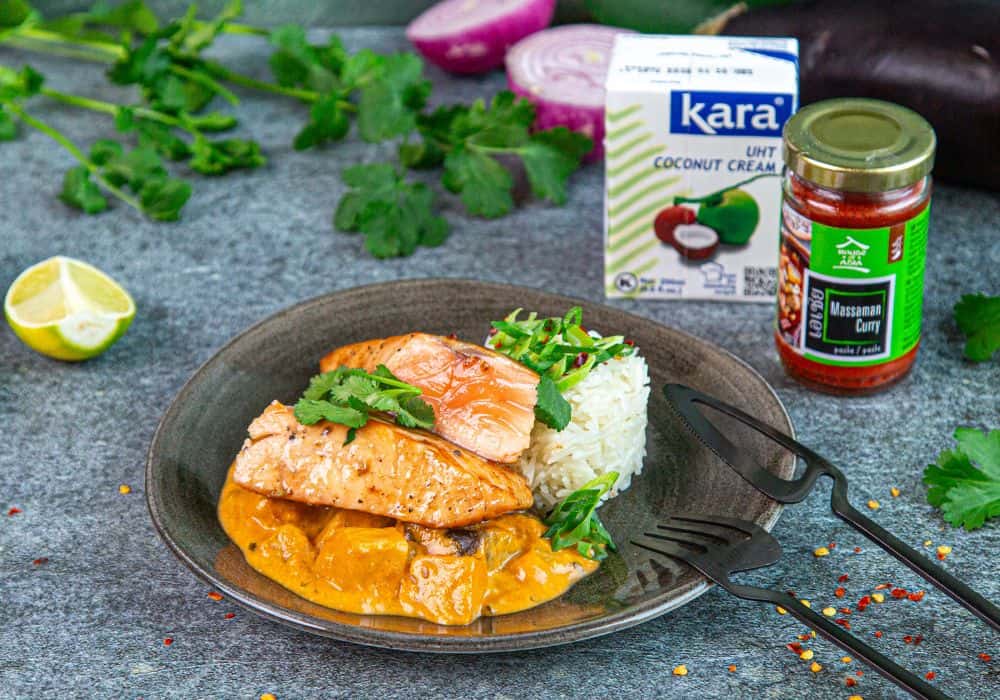
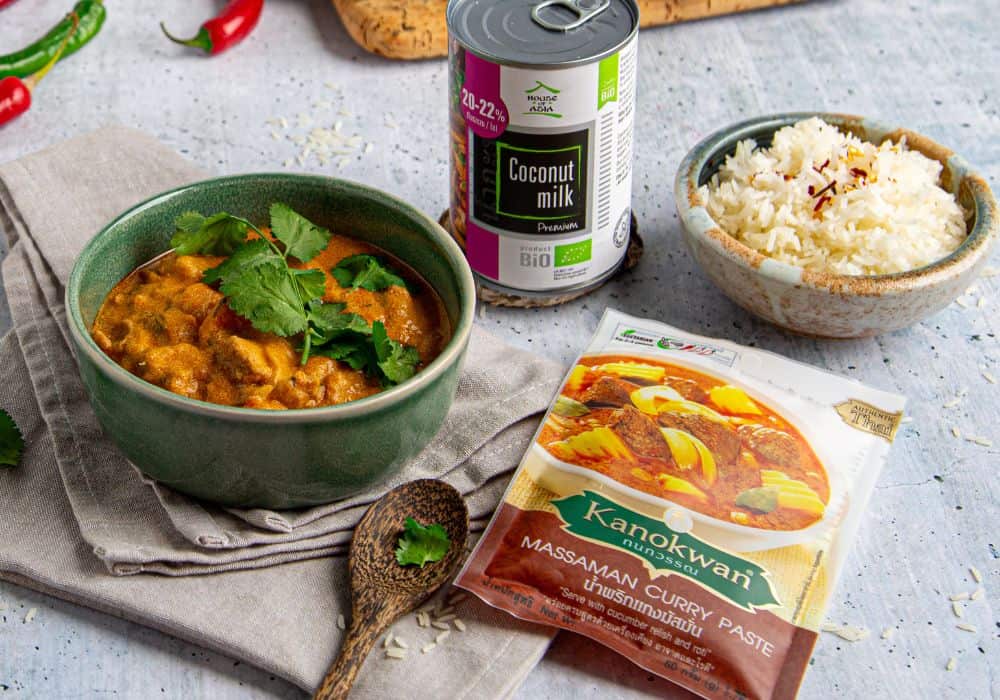
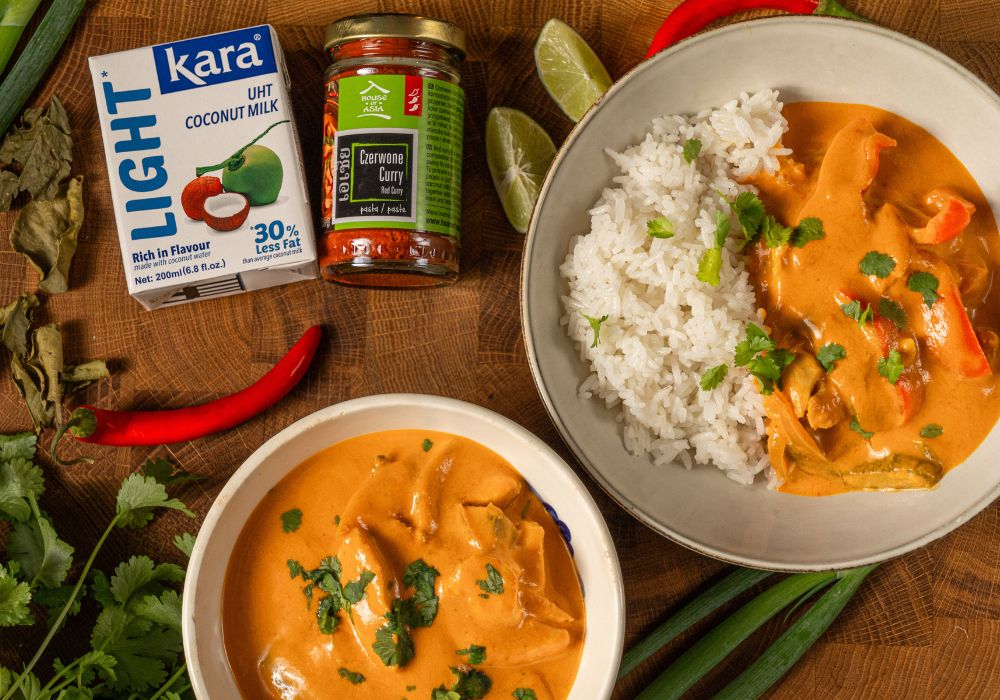
The choice of curry paste depends primarily on the desired flavor. Yellow curry pairs perfectly with chicken, vegetables, and delicate dishes, thanks to its mild, slightly sweet flavor. Green curry pairs well with poultry, tofu, and green vegetables, giving the dish a fresh, herbal character. Red curry is an ideal choice for beef, shrimp, or more expressive ingredients, as it stands out for its intense flavor and greater spiciness. Massaman curry, on the other hand, perfectly enhances the flavor of beef, potatoes, and root vegetables with its spicy, slightly sweet notes.
Many people associate curry with a spicy flavor, but the level of spiciness depends on the type of paste used and the amount of spices added. Yellow curry and Massaman curry are usually the mildest, offering a delightful aroma without an overpowering spiciness. If you prefer a more intense flavor, you can try green or red curry. It's worth remembering that the spiciness can easily be tempered with coconut milk, which gives the dish a creamy consistency and a more delicate flavor.
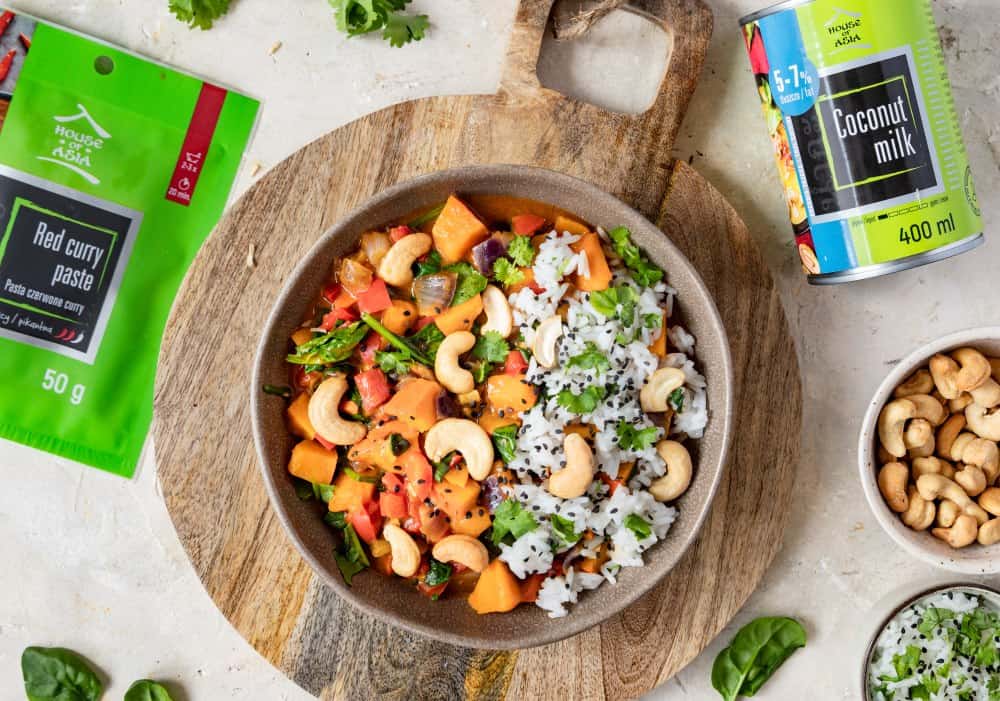
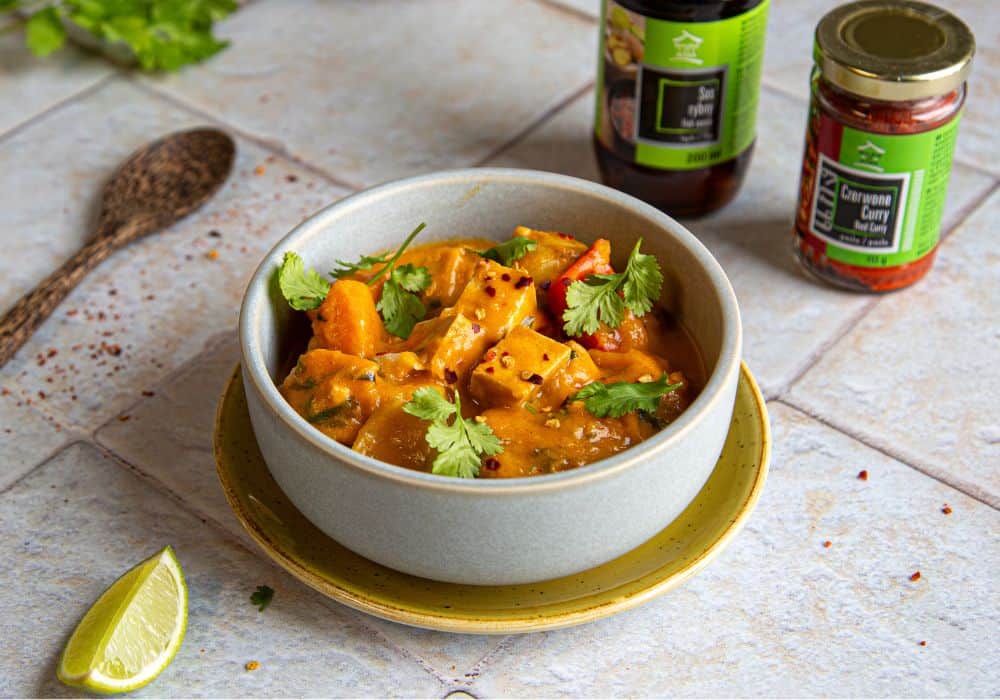
Absolutely. Curry is one of the most versatile dishes, perfect for vegetarians and vegans. Instead of meat, you can use tofu, chickpeas, lentils, or your favorite vegetables, such as cauliflower, sweet potatoes, carrots, or zucchini. Thanks to aromatic spices and a creamy coconut milk-based sauce, the dish is full of flavor, filling, and nutritionally valuable.
If the curry sauce is too thin, the easiest way is to cook it uncovered for a few extra minutes to evaporate any excess liquid. You can also add more coconut milk or increase the amount of vegetables, which will naturally thicken the sauce during cooking. For a quicker result, you can use a small amount of potato or cornstarch mixed with cold water and add it to the simmering sauce, stirring constantly.
 Shrimp
  Indian
  up to 15 minutes
 Vegetables
  Thailand
 Chicken
 Chinese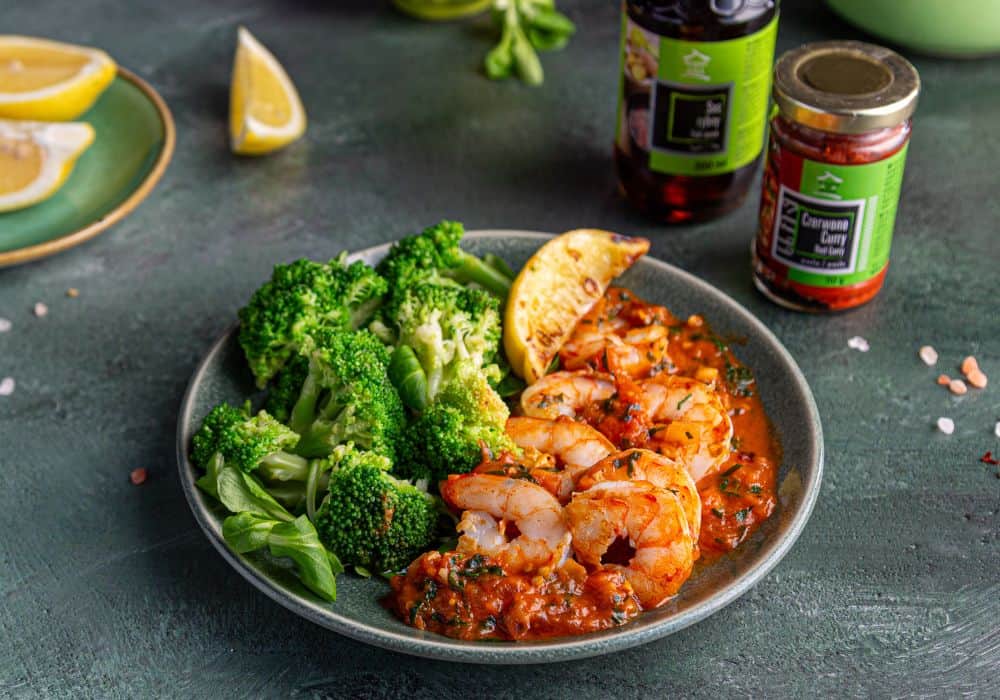
 Ryba
Ryba 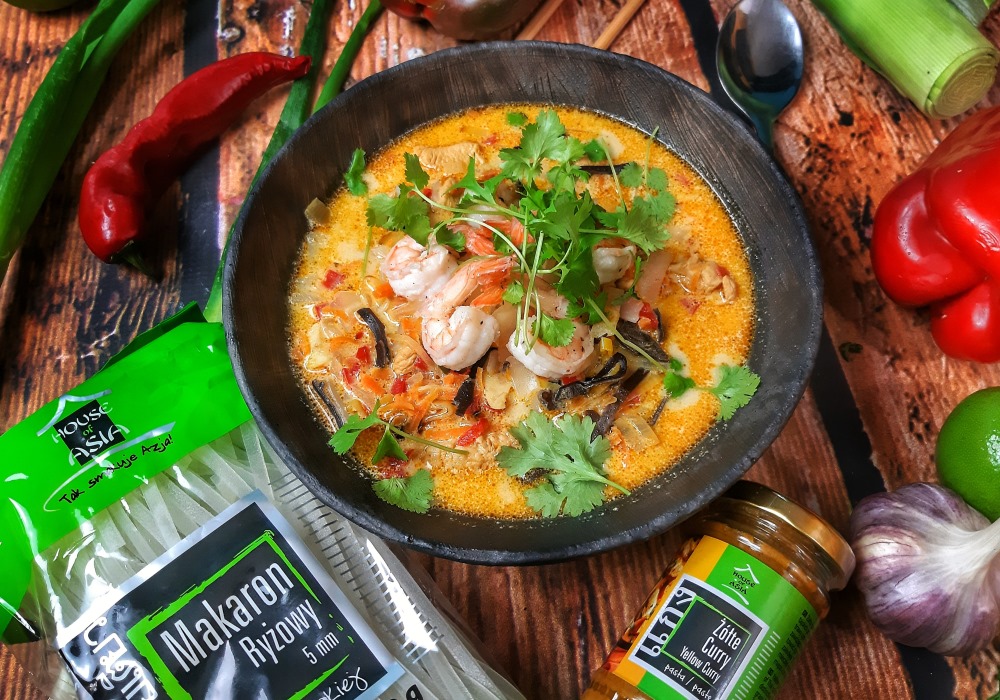


 Pork
Pork