HOUSE OF ASIA
See the recipeHits
Ingredients
Diets


Miso soup (Misoshiru) is a classic Japanese soup that has been a staple of Japanese breakfasts and dinners for centuries. Its delicate yet distinctive flavor comes from the use of miso paste, whose unique aroma comes from fermented soybeans. Our selection includes a variety of miso paste, which are perfect for preparing this traditional soup.
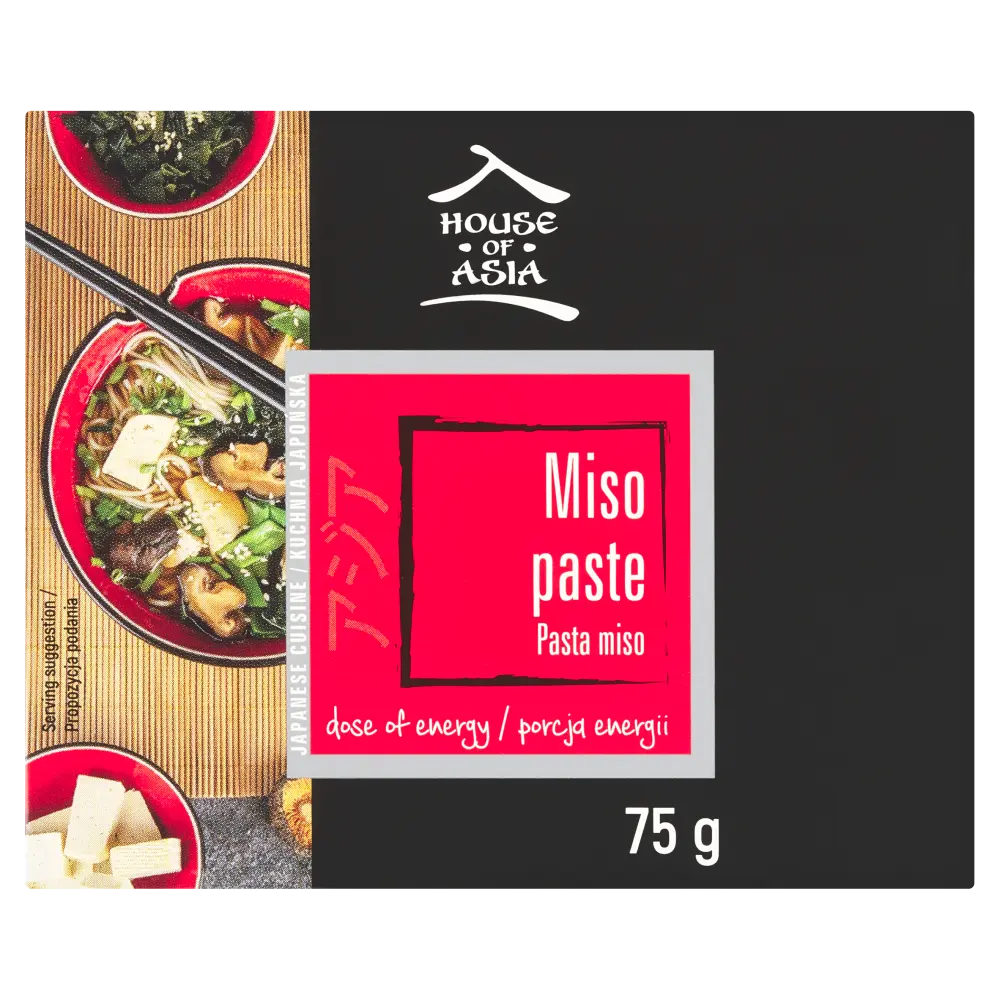
Miso paste is a traditional Japanese food product made by fermenting soybeans. It is a thick, aromatic paste with an intense, rich umami flavor, which forms the basis of many dishes in Japanese cuisine and beyond.
Miso paste It has a long history dating back over 1300 years. The first mention of miso comes from China, where soybeans were fermented in ancient times. In the 8th century, miso was brought to Japan, where it evolved and became one of the most important ingredients in Japanese cuisine.
Did you know that?
In Japan, miso is considered a symbol of longevity and health. It's a fundamental ingredient in macrobiotic cuisine, which promotes nutrient balance and the consumption of local, seasonal produce.
Fermentation of miso paste takes anywhere from several months to several years, depending on the type. During this process, enzymes break down the soybeans, creating a thick paste with a complex flavor and aroma.
Miso paste is a key ingredient in miso soup (misoshiru), but it's also widely used in other dishes, such as miso ramen, marinades for meat and fish, dressings, sauces, and even desserts. Thanks to its versatility, miso adds a rich umami flavor to dishes, enriching their flavor profile.
Miso paste is rich in protein, B vitamins, minerals, and probiotics, which support digestive health. Regularly consuming miso may improve digestion, boost immunity, and reduce the risk of certain chronic diseases.
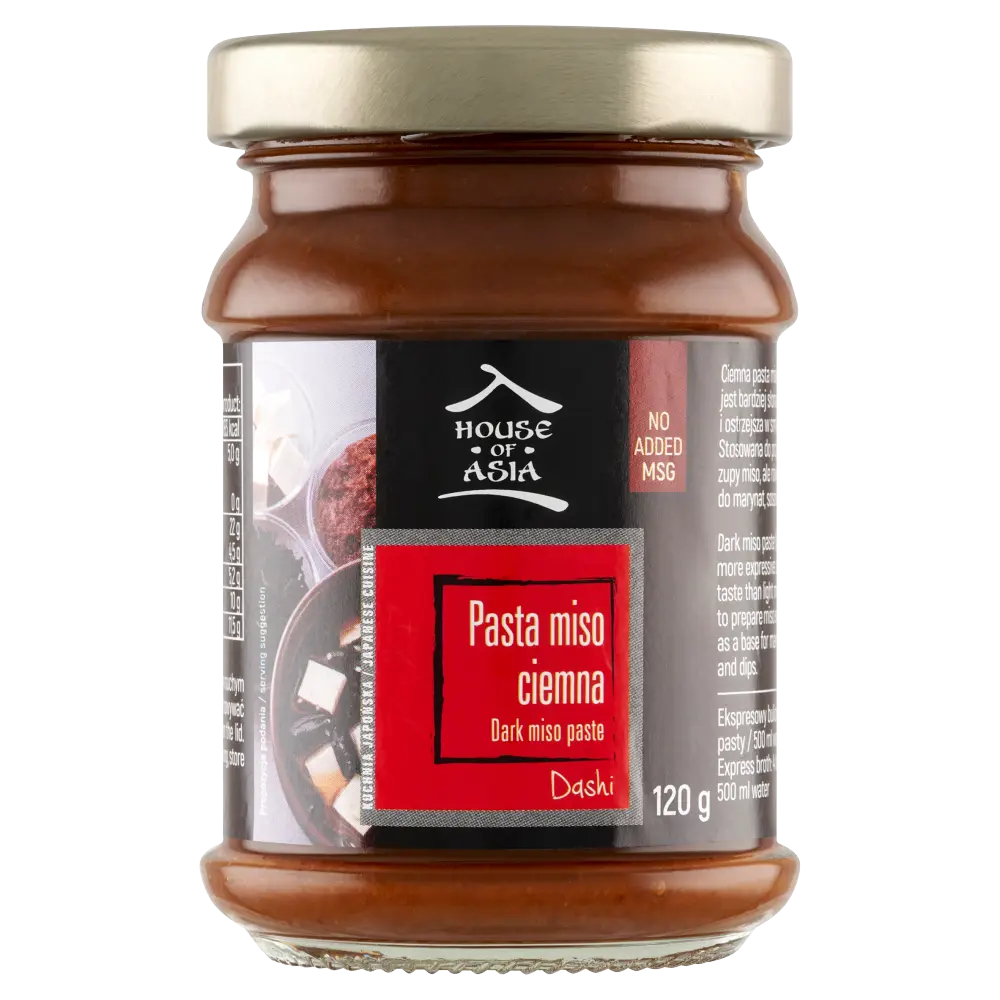
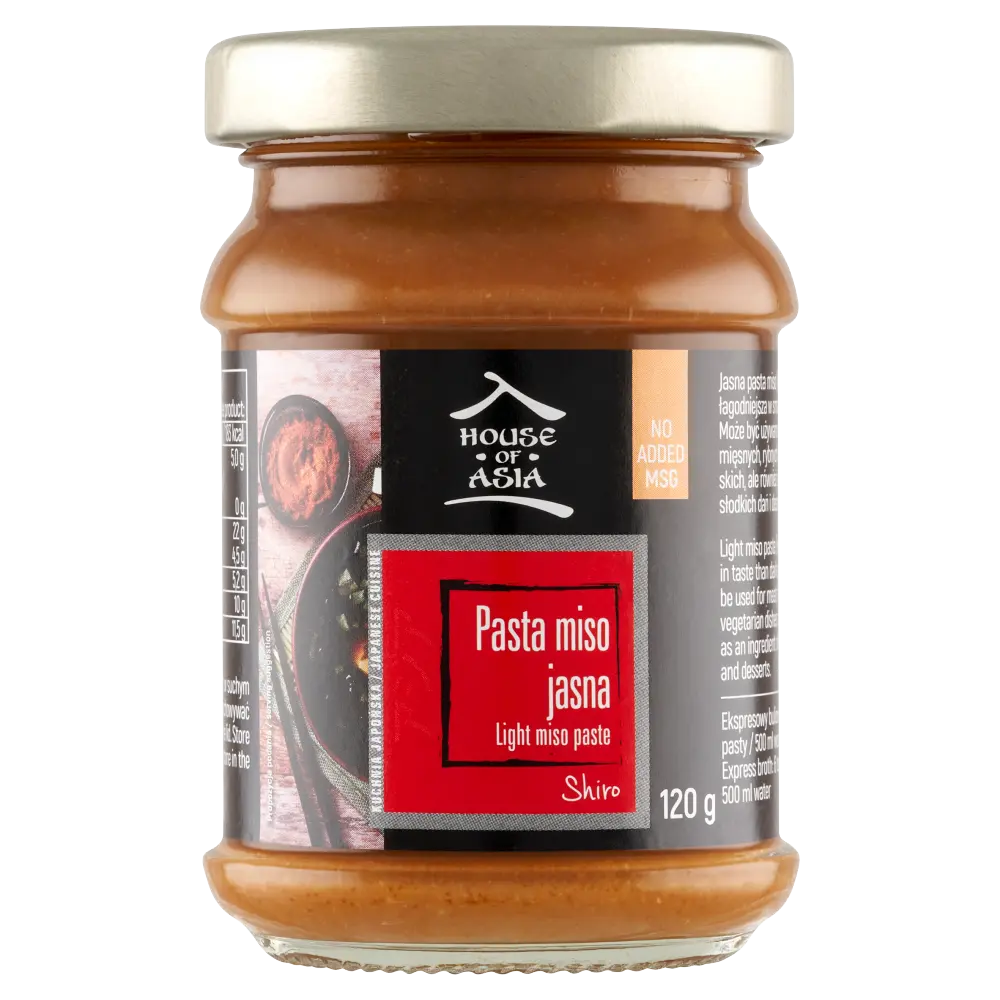
House of Asia offers two high-quality miso pastes that are perfect for preparing traditional miso soup and other dishes inspired by Japanese cuisine.
Shiro Light Miso Paste is a delicate and light version of miso, perfect for everyday cooking. With its light color and mild flavor, shiro miso is a versatile ingredient that's perfect for:
Dark Dashi Miso Paste is a more intense, deeper version of miso, enriched with the natural flavor of dashi, a traditional Japanese broth. It's ideal for dishes that require a bold flavor, such as:
Miso soup is a traditional Japanese soup whose main ingredient is miso paste—fermented soybean paste. It is one of the most important and recognizable dishes in Japanese cuisine, often served as part of a daily meal, whether for breakfast, lunch, or dinner.
Miso soup is not only delicious but also healthy. Thanks to its fermented soybeans, it provides the body with protein, B vitamins, antioxidants, and probiotics, which support gut health and the immune system. Regular consumption of miso soup can contribute to improved digestion and overall well-being.
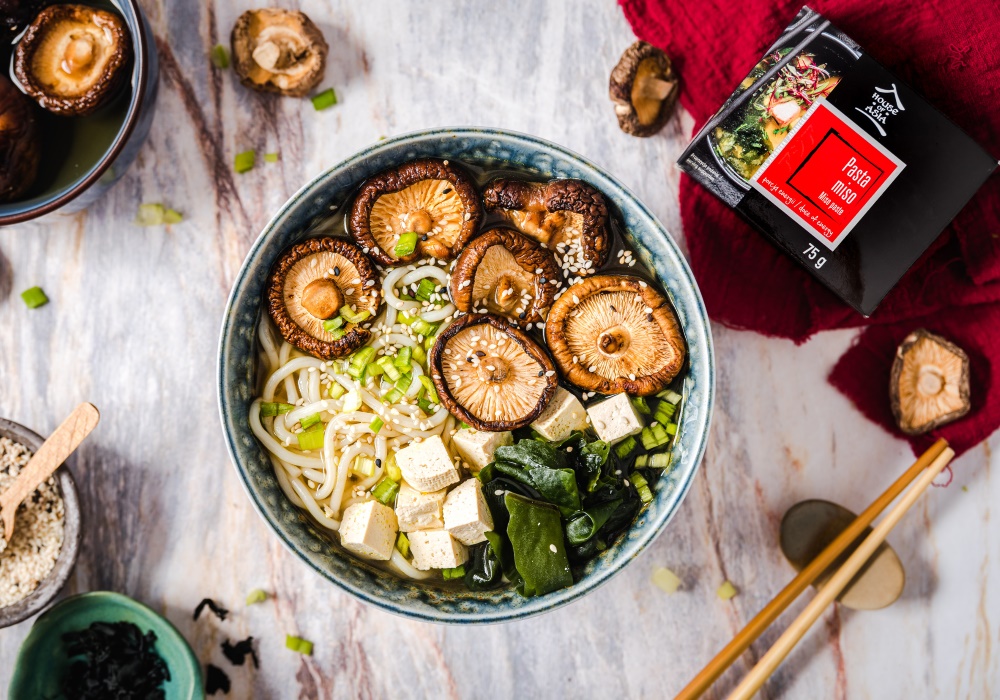
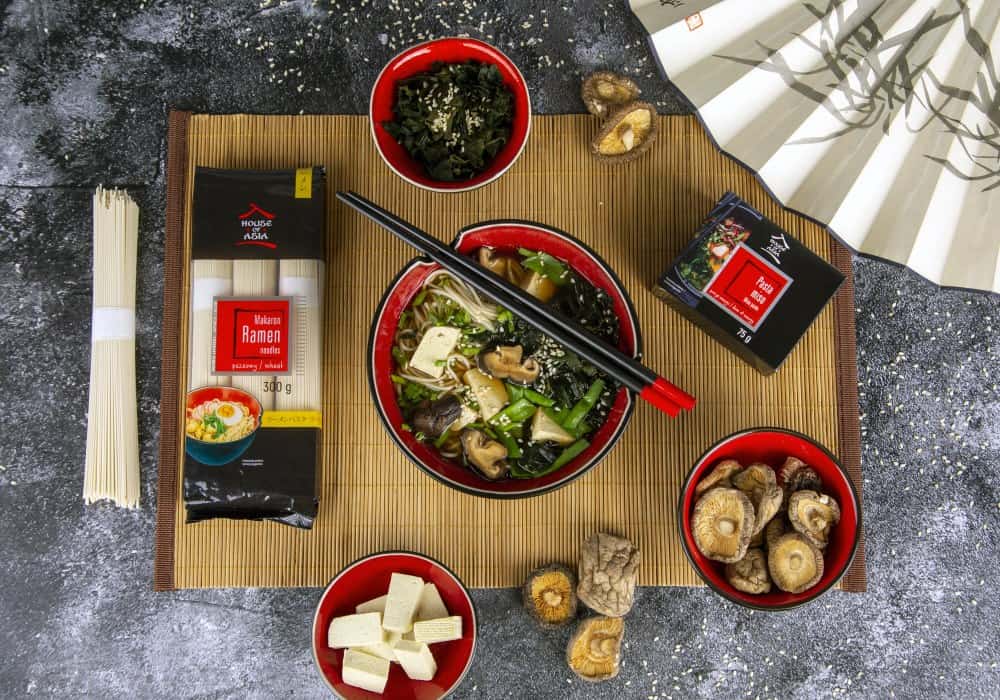
Miso soup is quick and easy to make. Boil the broth (or water), add the tofu and wakame, and then dissolve the miso paste in it, stirring until completely dissolved. It's important not to bring the soup to a boil after adding the miso, as this can weaken its flavor and destroy the valuable probiotics in the miso.
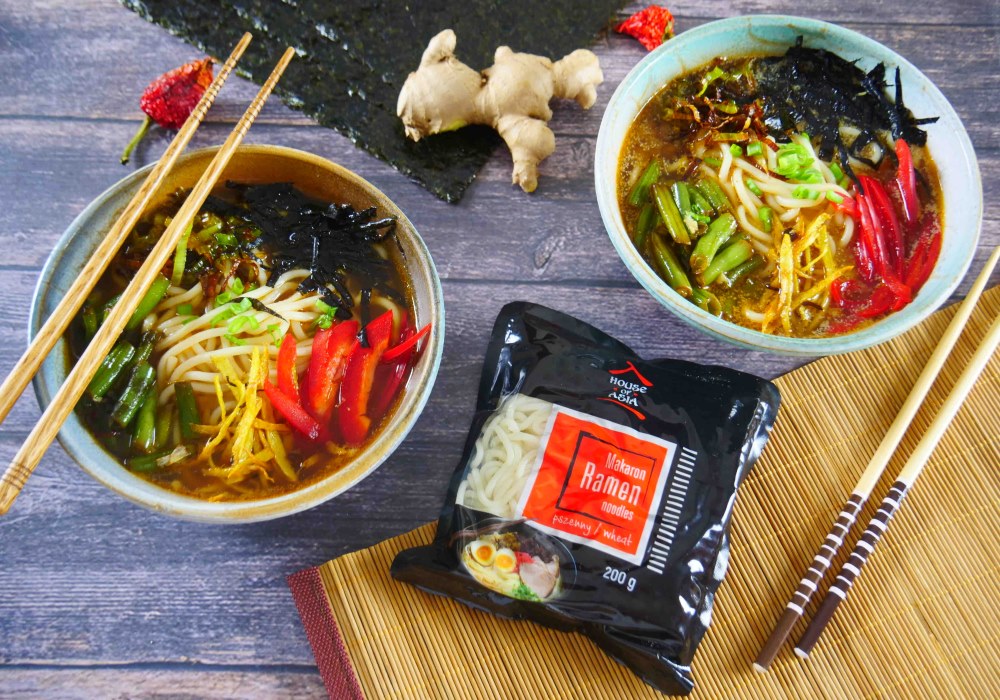
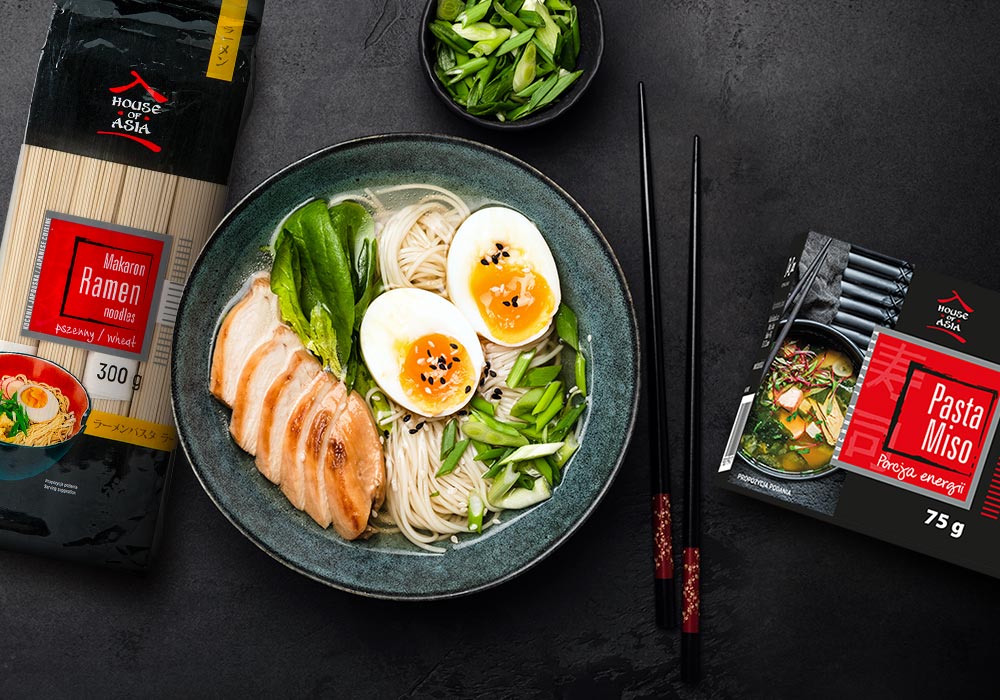
Miso Ramen This is one of the most popular versions of ramen, combining a rich miso-based broth with ramen noodles and toppings like pork, eggs, leeks, and nori. This miso ramen recipe will transport you to a Japanese restaurant in the comfort of your own home.
Delivery wakame algae Adding miso to soup is a great way to add extra nutritional value to this traditional Japanese dish. Wakame seaweed is rich in vitamins, minerals, including calcium, magnesium, and iodine, as well as valuable fiber, which aids digestion. With its delicate flavor and soft texture, it pairs perfectly with the aromatic miso broth, enhancing the soup's health benefits.

 Pasta
Pasta  Chinese
  15-30 minutes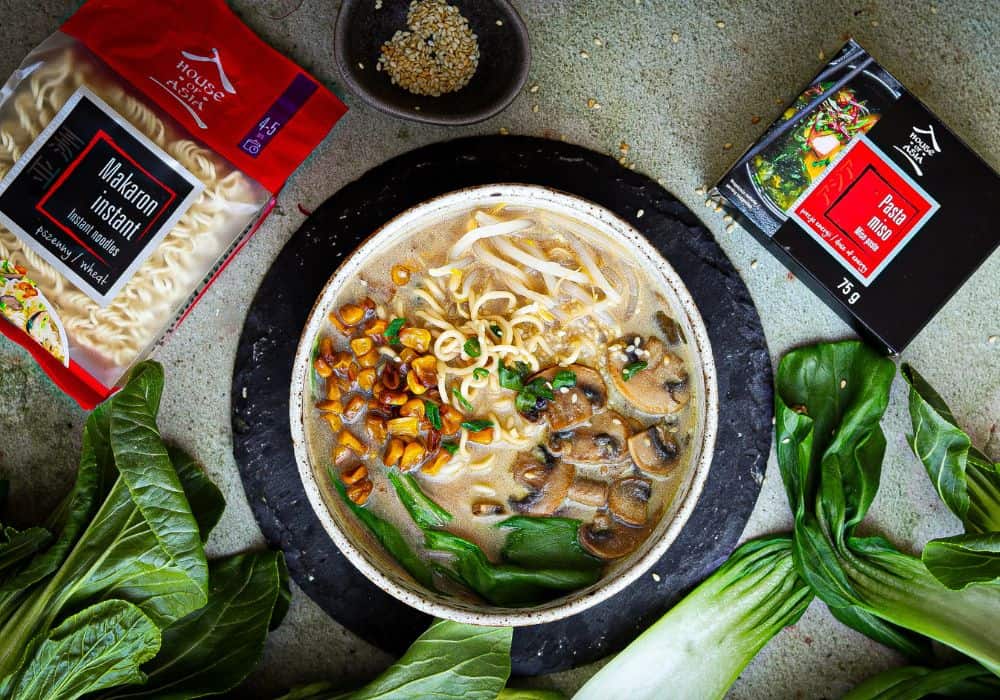
 Japanese
 Ryba
Ryba 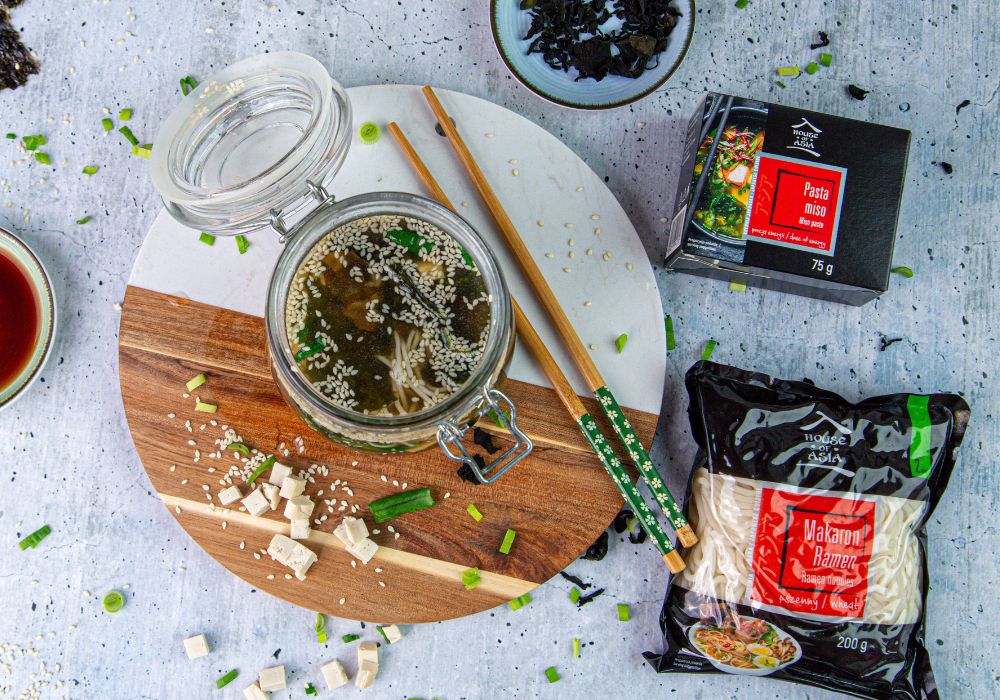
 Chicken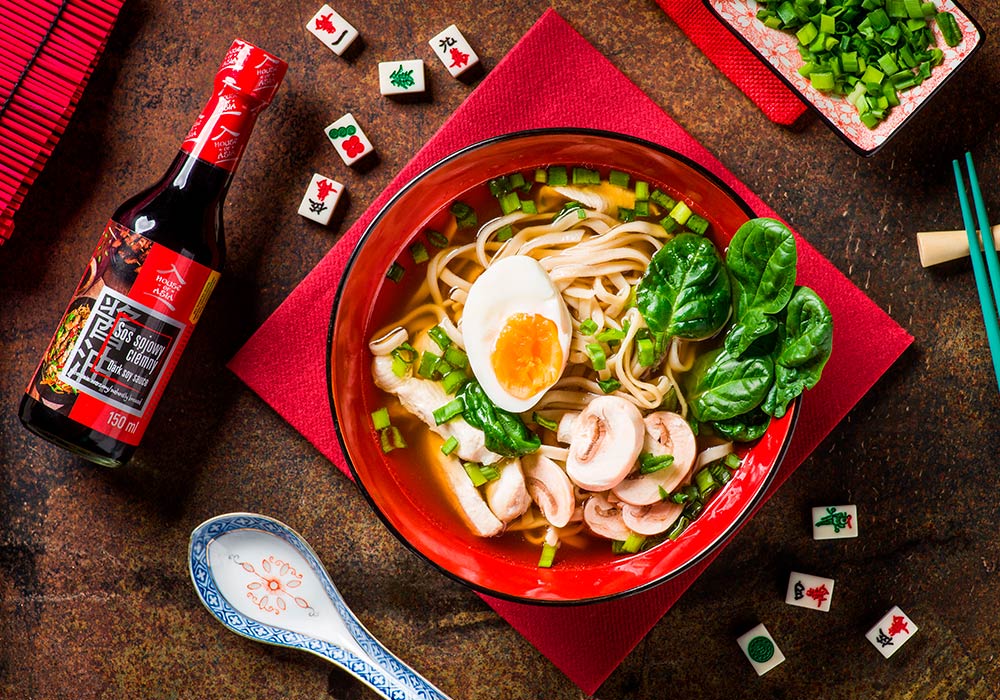
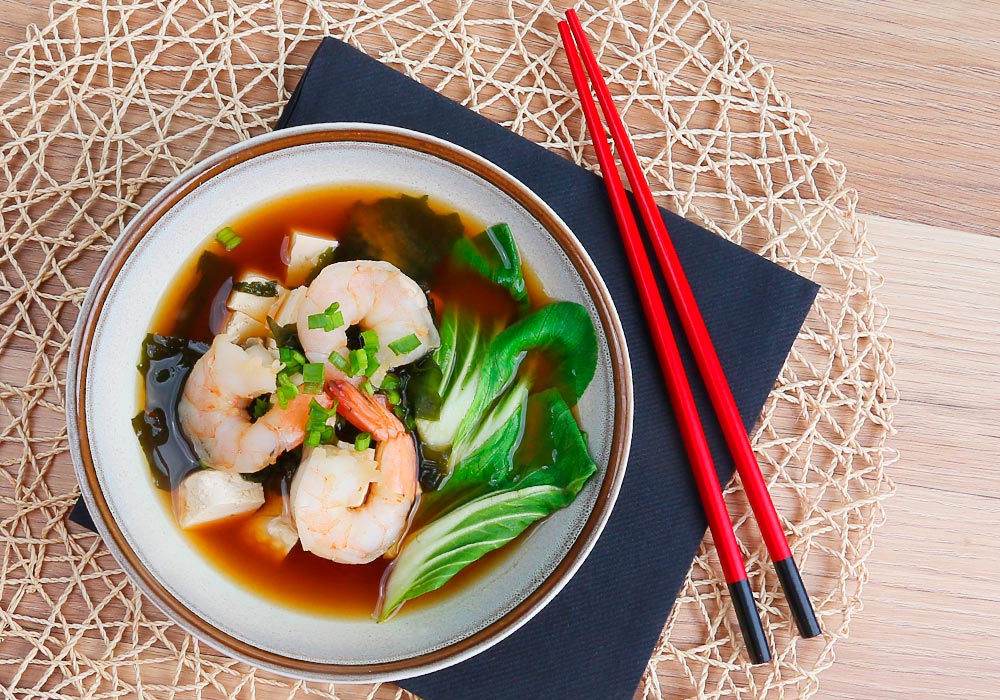
 Shrimp