HOUSE OF ASIA
See the recipeHits
Ingredients
Diets


Noodles are a cornerstone of Asian cuisine and one of the easiest ways to prepare a nutritious meal in a short time. Just a few ingredients, a carefully selected sauce, and your favorite toppings can create a flavorful dish inspired by the flavors of China, Japan, or Thailand in just a few minutes. That's why Asian noodle recipes are so popular—they're quick, incredibly versatile, and allow for culinary experimentation without spending hours in the kitchen.
House of Asia noodles make it easy to prepare authentic Asian dishes at home. The wide selection of noodle types makes it easy to match the right product to a specific recipe, achieving the flavor and texture typical of favorite dishes served in Asian restaurants.
Asian noodles offer almost limitless culinary possibilities. They pair perfectly with meat, seafood, tofu, and vegetables, and thanks to their texture, they absorb sauces and spices perfectly. This means that even a simple dinner can delight with its depth of flavor and rich aromas.
Another huge advantage of Asian noodles is their speed of preparation. Many require only a short cooking or soaking period, making them a delicious meal even when time is short. They're a perfect solution for those looking for inspiration for a quick lunch, a filling dinner, or a spectacular dish for guests.
While both Asian and Italian pastas form the basis of many popular dishes, they differ not only in taste but also in their production methods and uses. Classic Italian pastas, such as spaghetti, are most often made from durum wheat and served with sauces based on tomatoes, cream, or olive oil.
Asian cuisine features a much wider variety of ingredients. Noodles can be made from wheat flour, rice flour, mung bean starch, or other plant ingredients. This allows them to vary in texture, thickness, and purpose. Some are ideal for soups, others for stir-fry dishes, and still others for light salads served cold.
Choosing the right pasta has a huge impact on the final result of a dish. Thicker pastas are perfect for hearty broths and dishes with a distinctive flavor, while thinner strands pair perfectly with light sauces and vegetables.
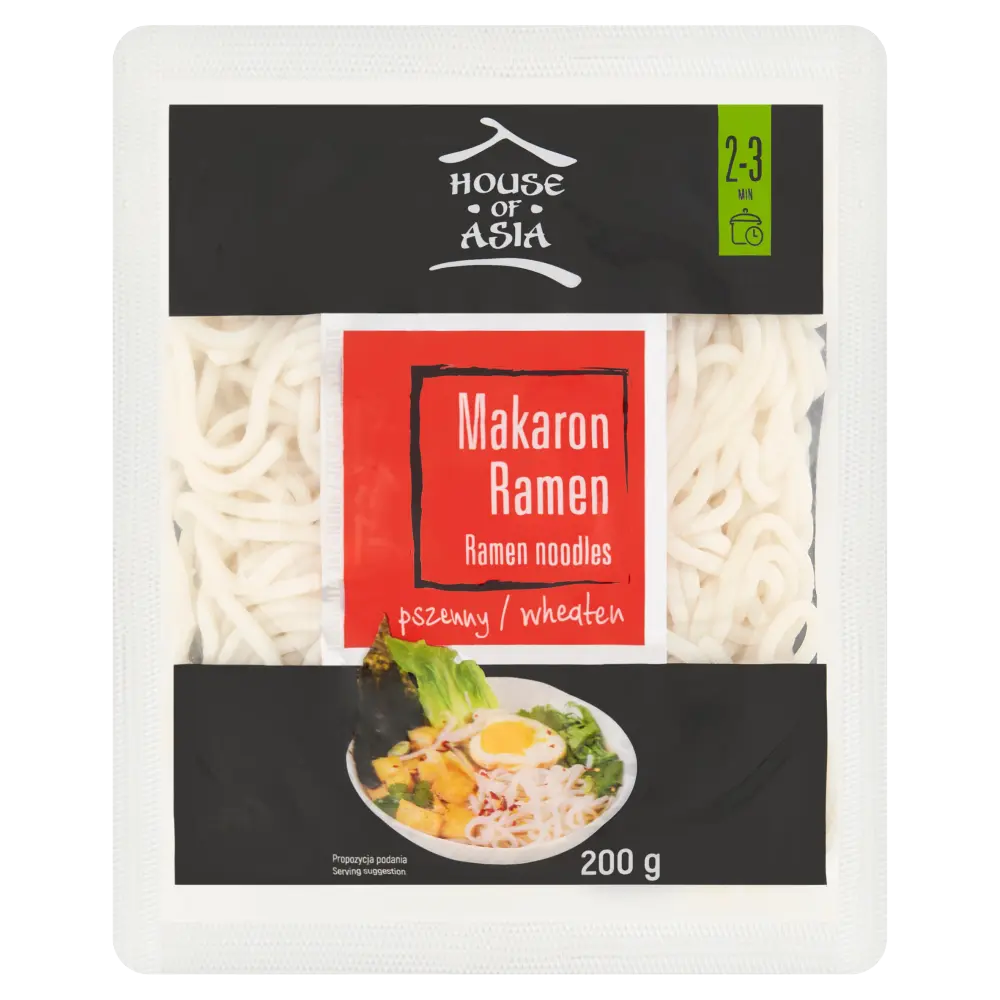
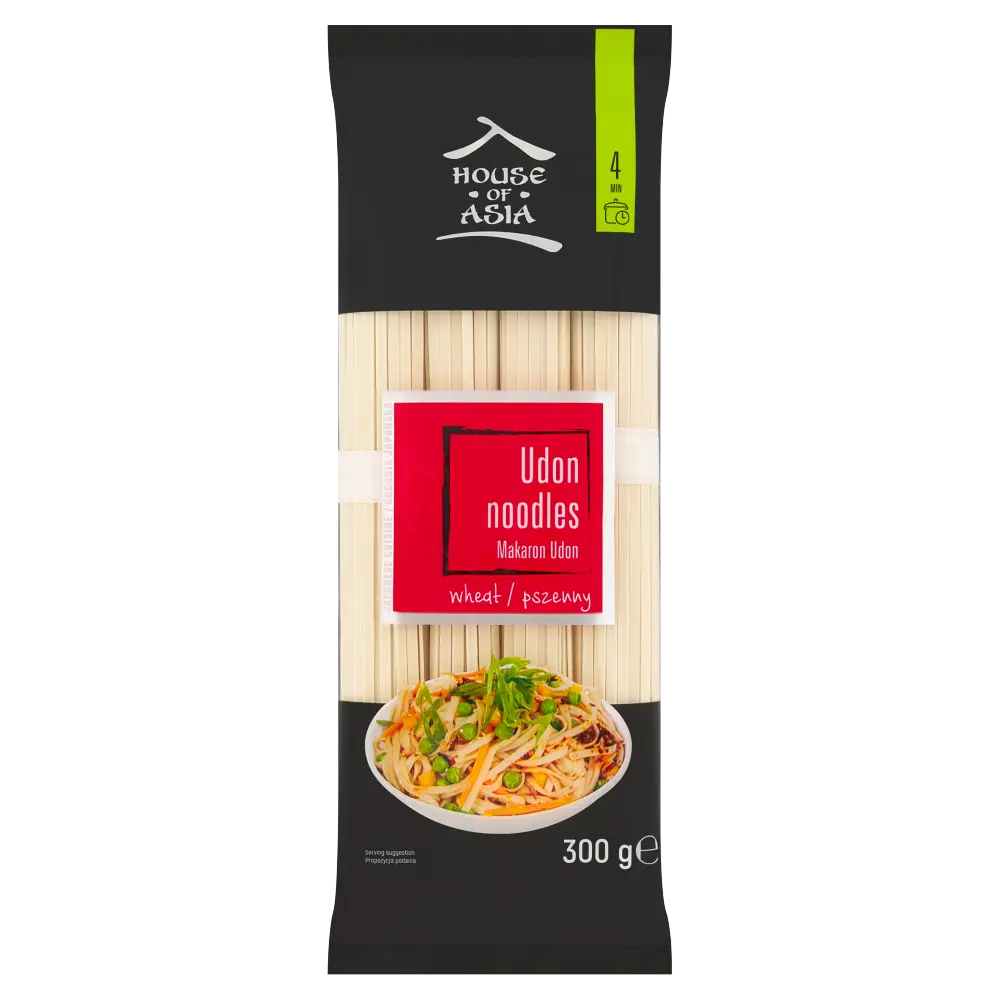
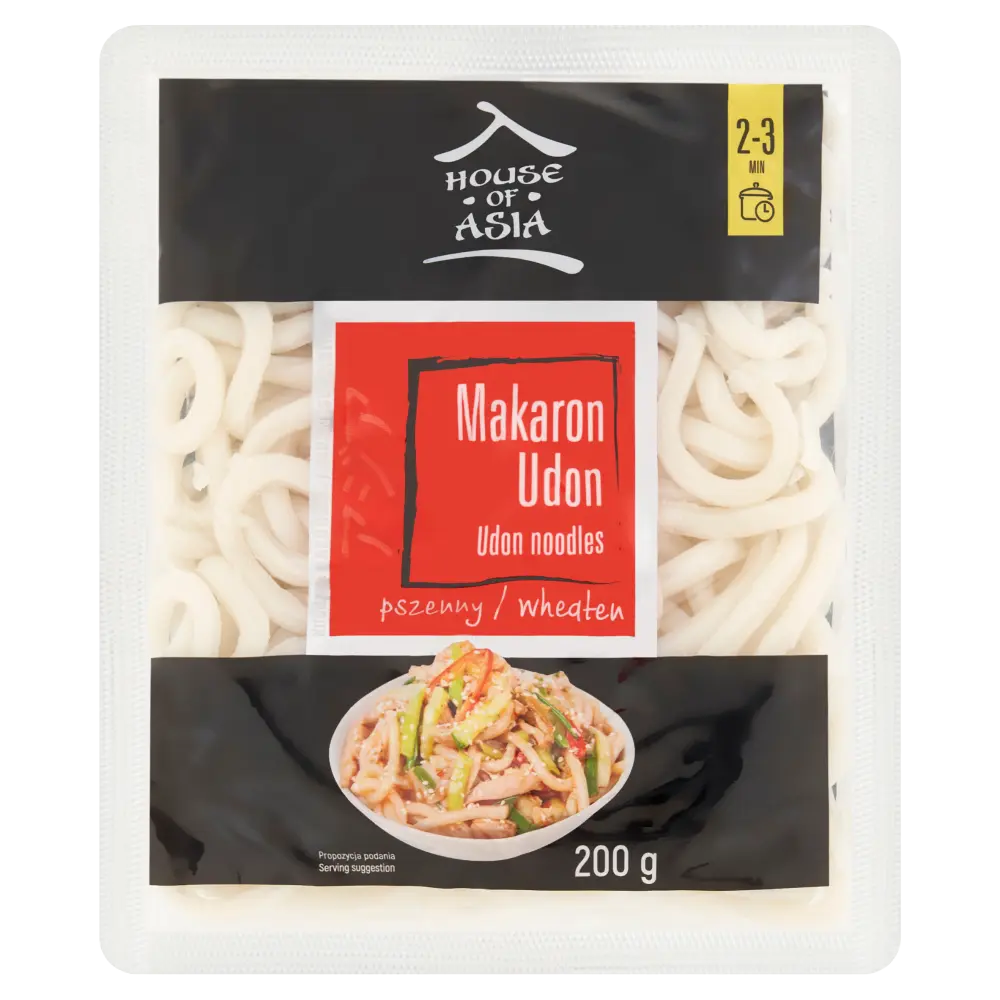
Japanese udon and ramen noodles are among the most popular products used in Asian cuisine. Their distinctive texture makes them a perfect accompaniment to aromatic broths and rich toppings.
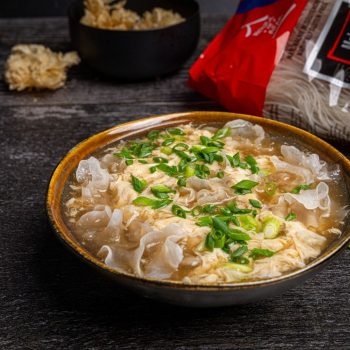
Ramen noodles It's distinguished by its elasticity and delicate flavor, allowing it to perfectly absorb the broth's aromas. It's the perfect base for classic ramen with meat, egg, mushrooms, and vegetables. Just a few ingredients are enough to prepare a filling meal that will delight with its intense flavor.
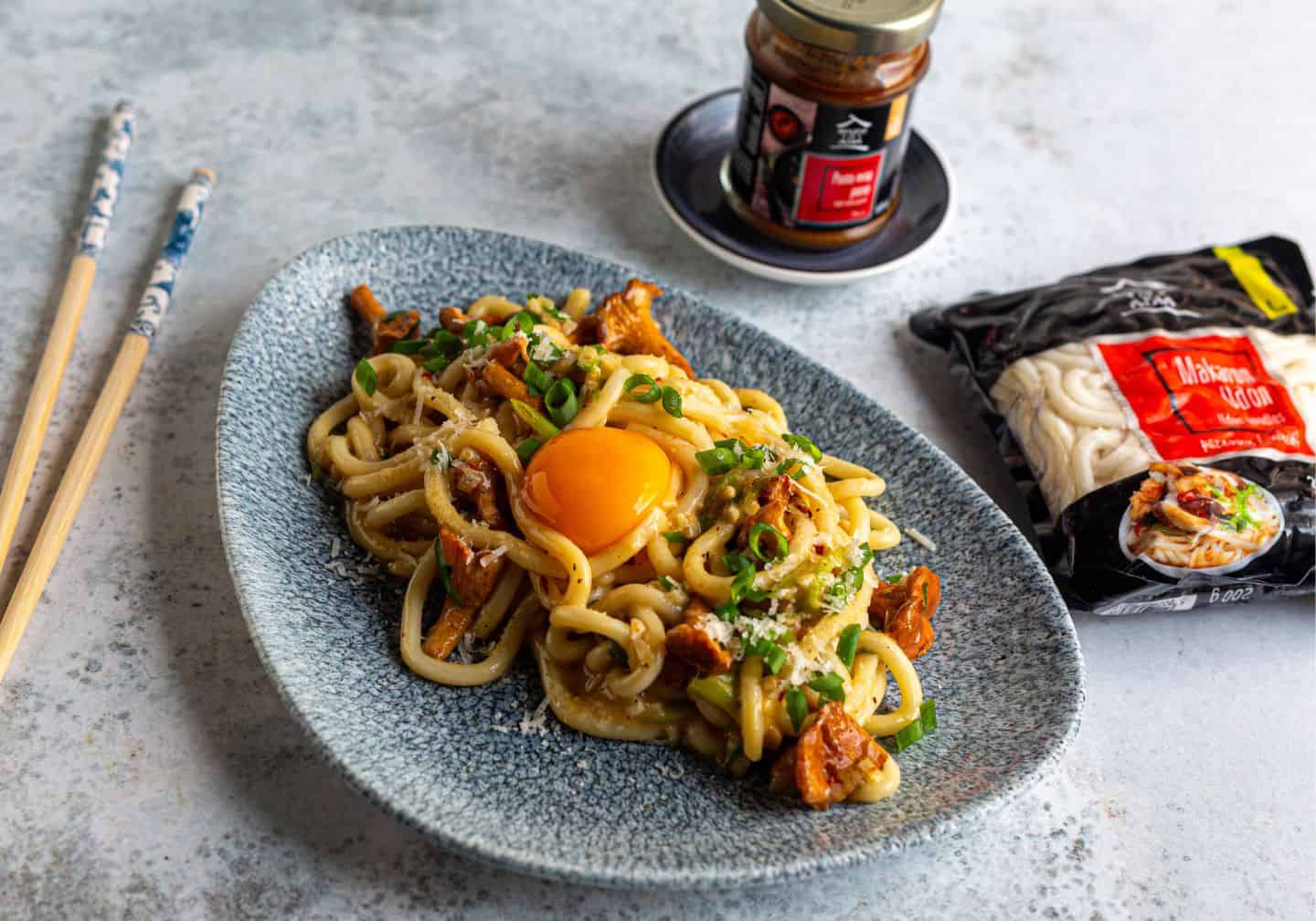
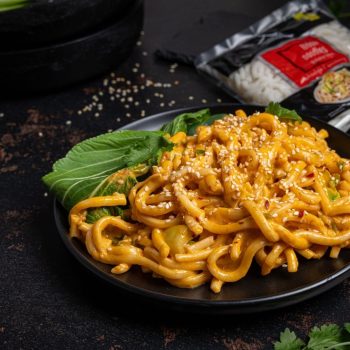
In turn, ready udon noodles It is characterized by thicker, soft threads. It's perfect for warming soups, but it also tastes great in stir-fries with vegetables, chicken, or tofu. Its delicate texture gives even the simplest recipes a unique character.
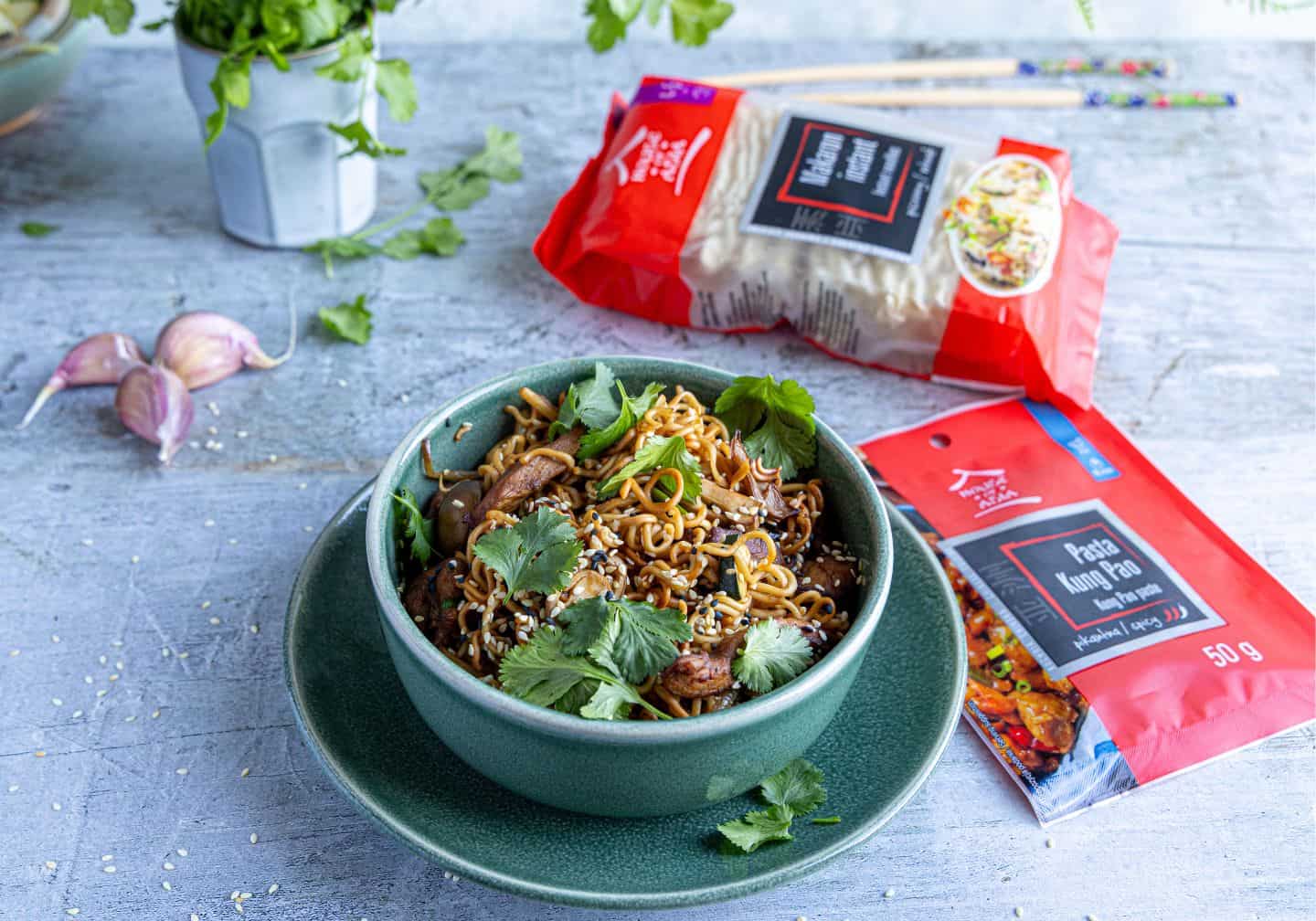
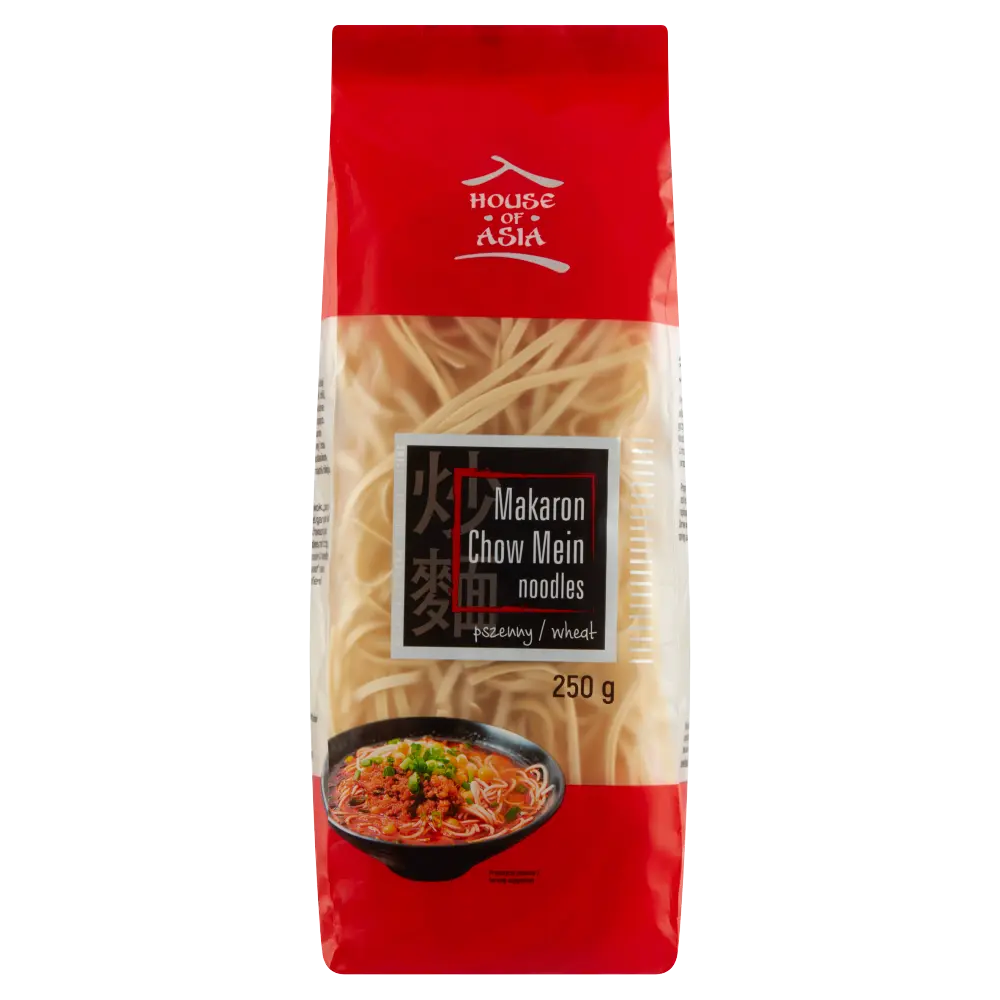
Chinese noodles are irreplaceable when preparing quick fried dishes. Chow Mein Noodles It's a classic choice for wok-cooked dishes. It retains a pleasant springiness after frying, making it a perfect accompaniment to vegetables, meats, and aromatic sauces.
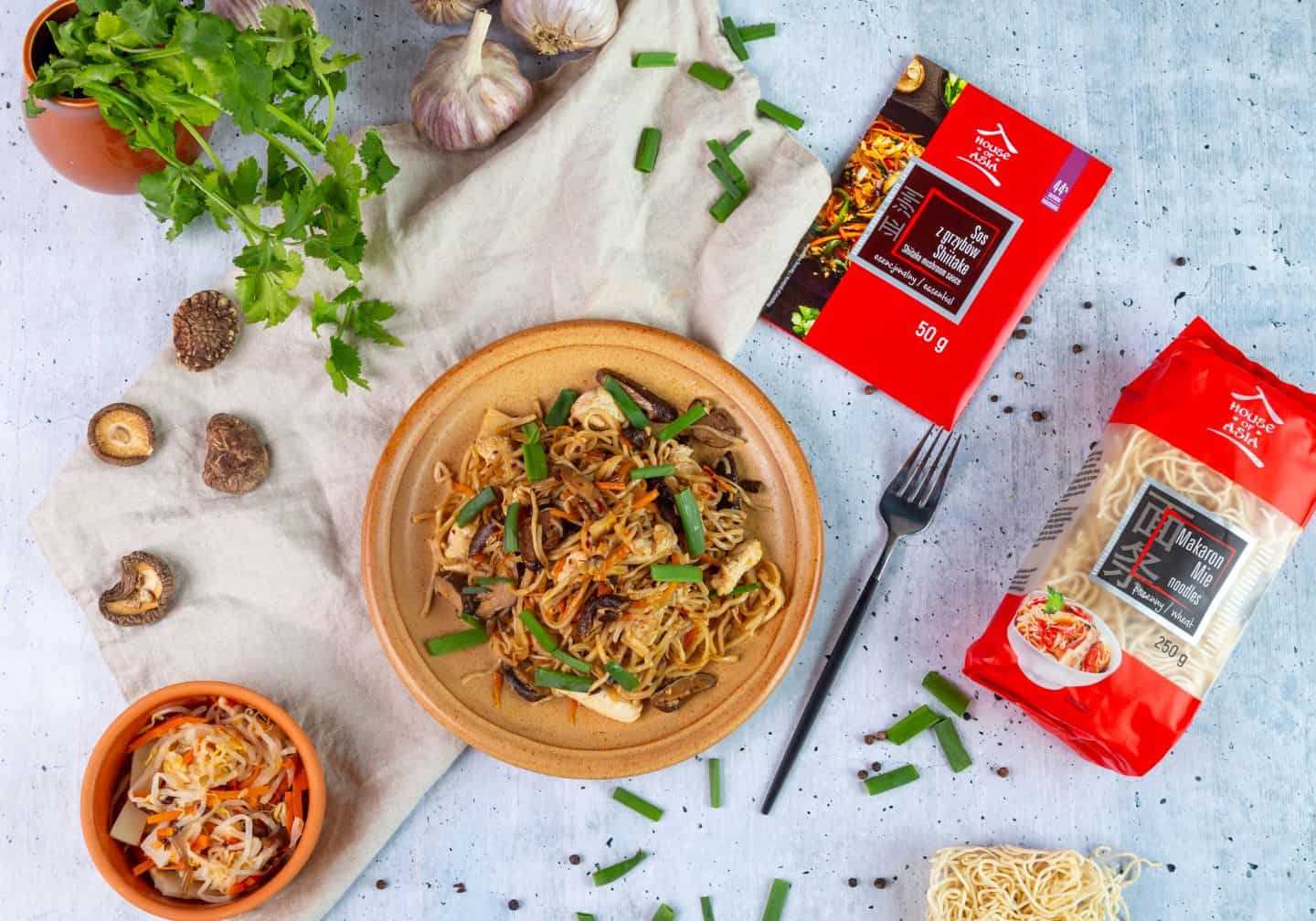
Mie noodles It's incredibly versatile and works well in both fried dishes and soups. Its delicate flavor allows the other ingredients in the dish to stand out, and its short preparation time makes it an excellent choice for a quick dinner.
Egg noodles It gives dishes a more distinctive character. Its richer flavor pairs perfectly with beef, pork, and intense sauces based on soy sauce and spices.
Those seeking light and delicate dishes often reach for rice noodles. Their neutral flavor allows them to be used in both classic hot dishes and fresh salads inspired by Southeast Asian cuisine.
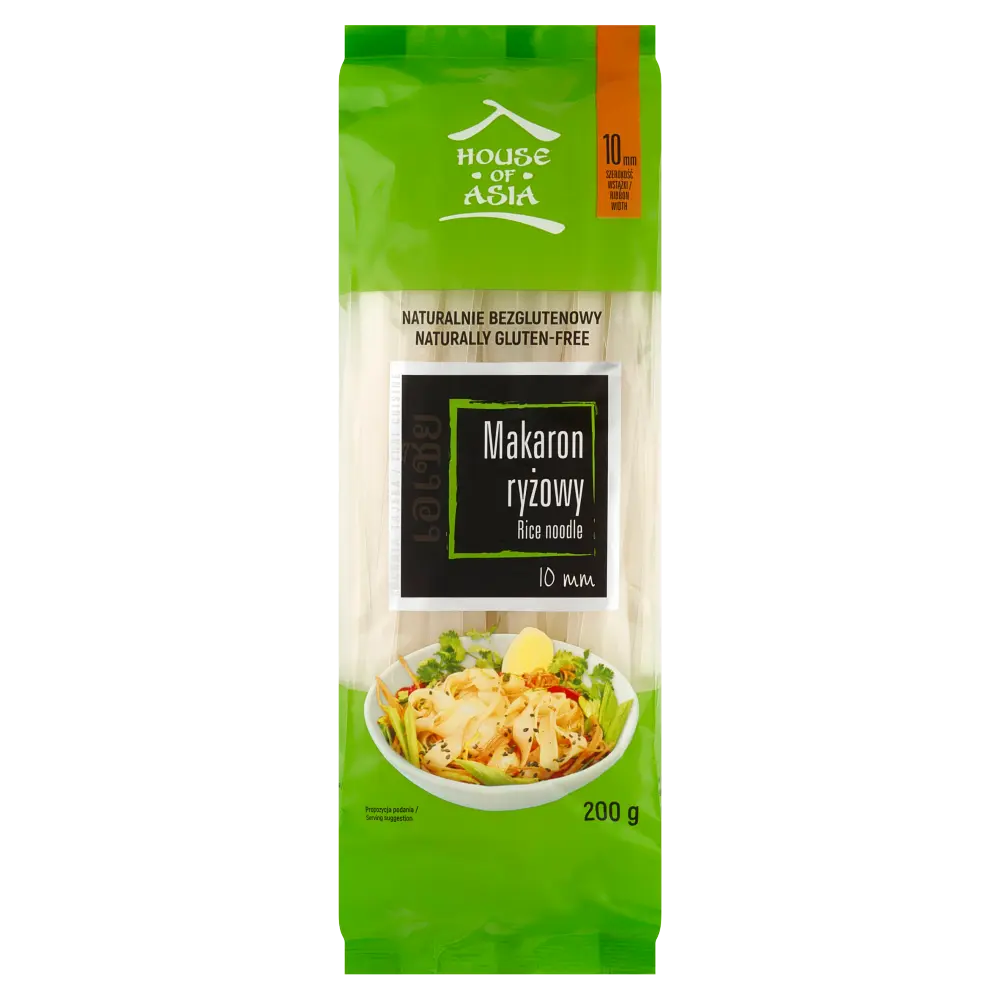
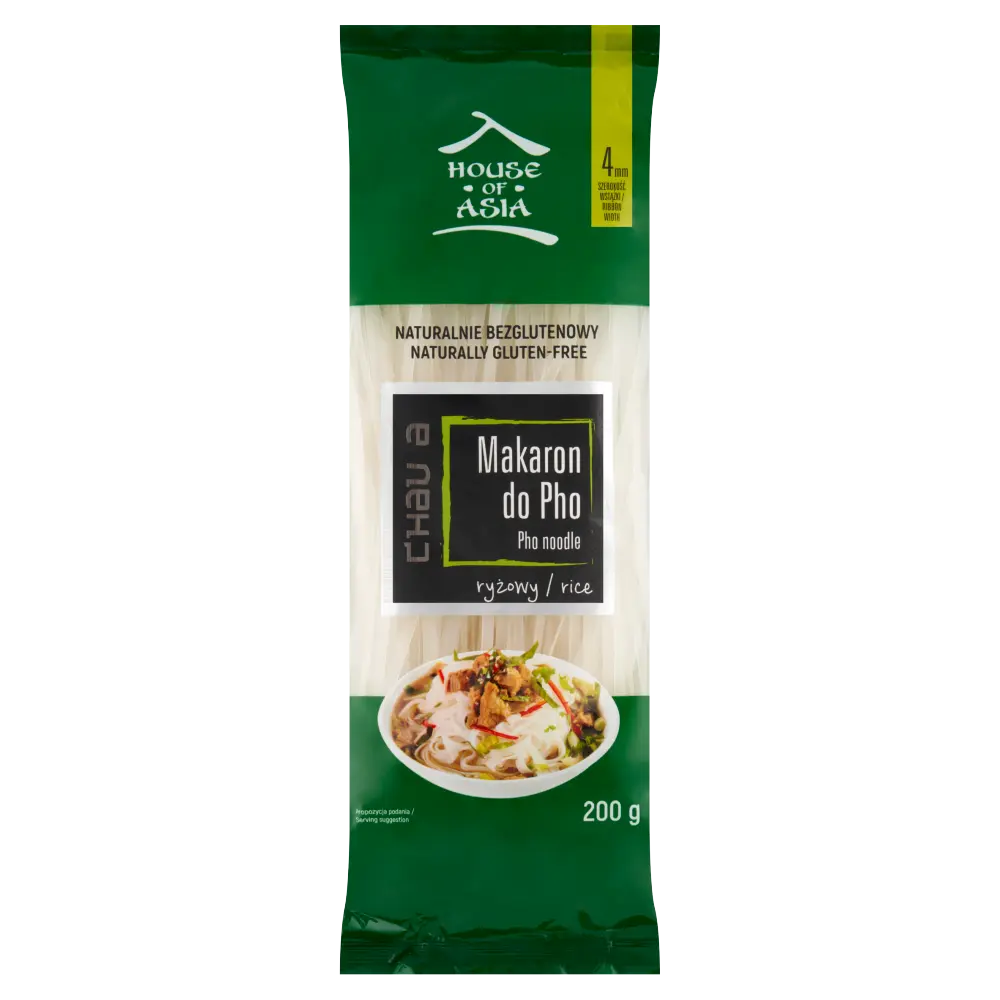
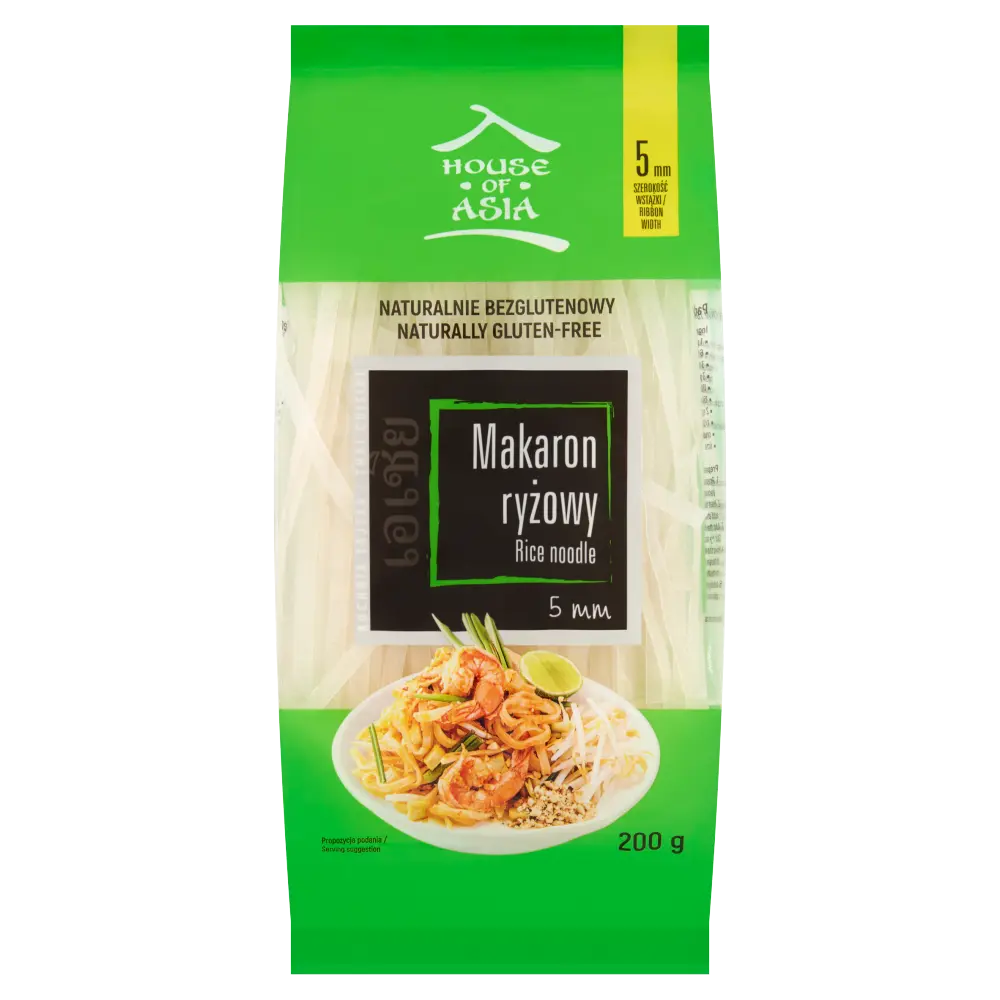
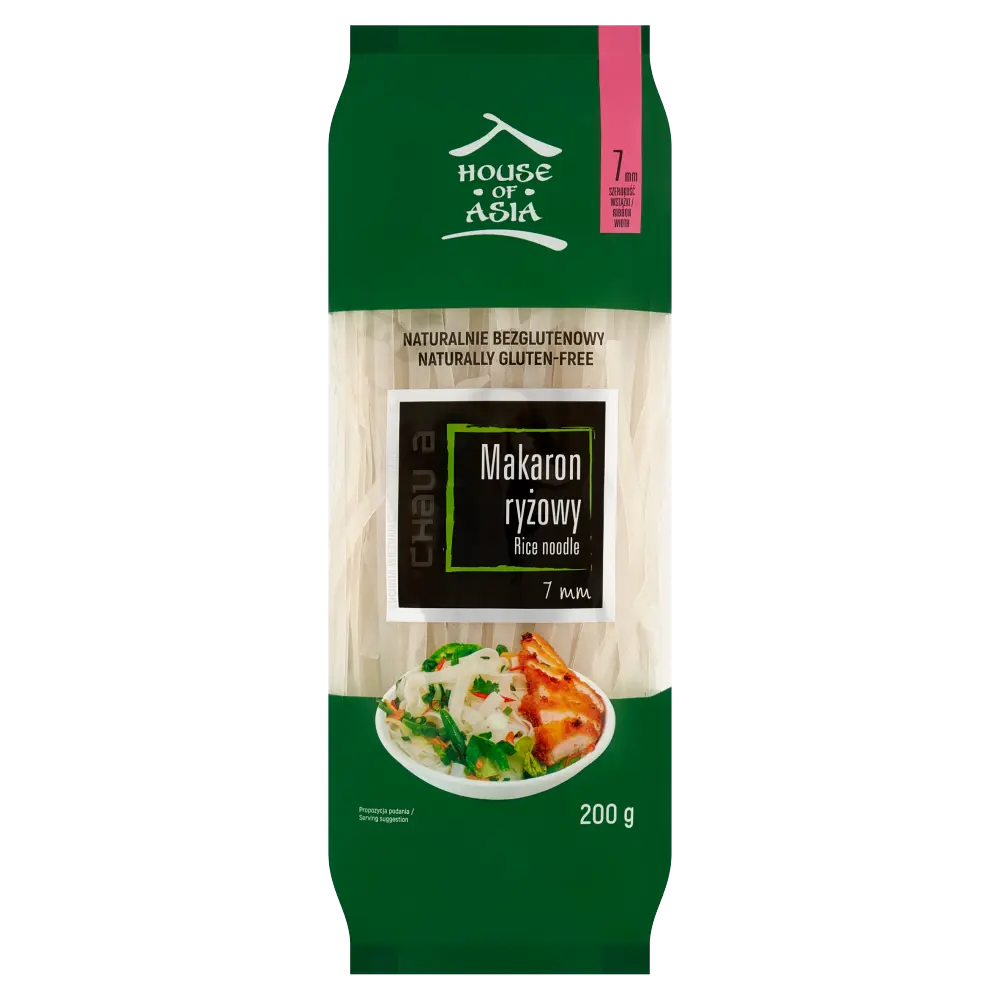
Rice noodles It pairs perfectly with vegetables, chicken, shrimp, and aromatic sauces. It's light yet filling, making it a great base for everyday meals.
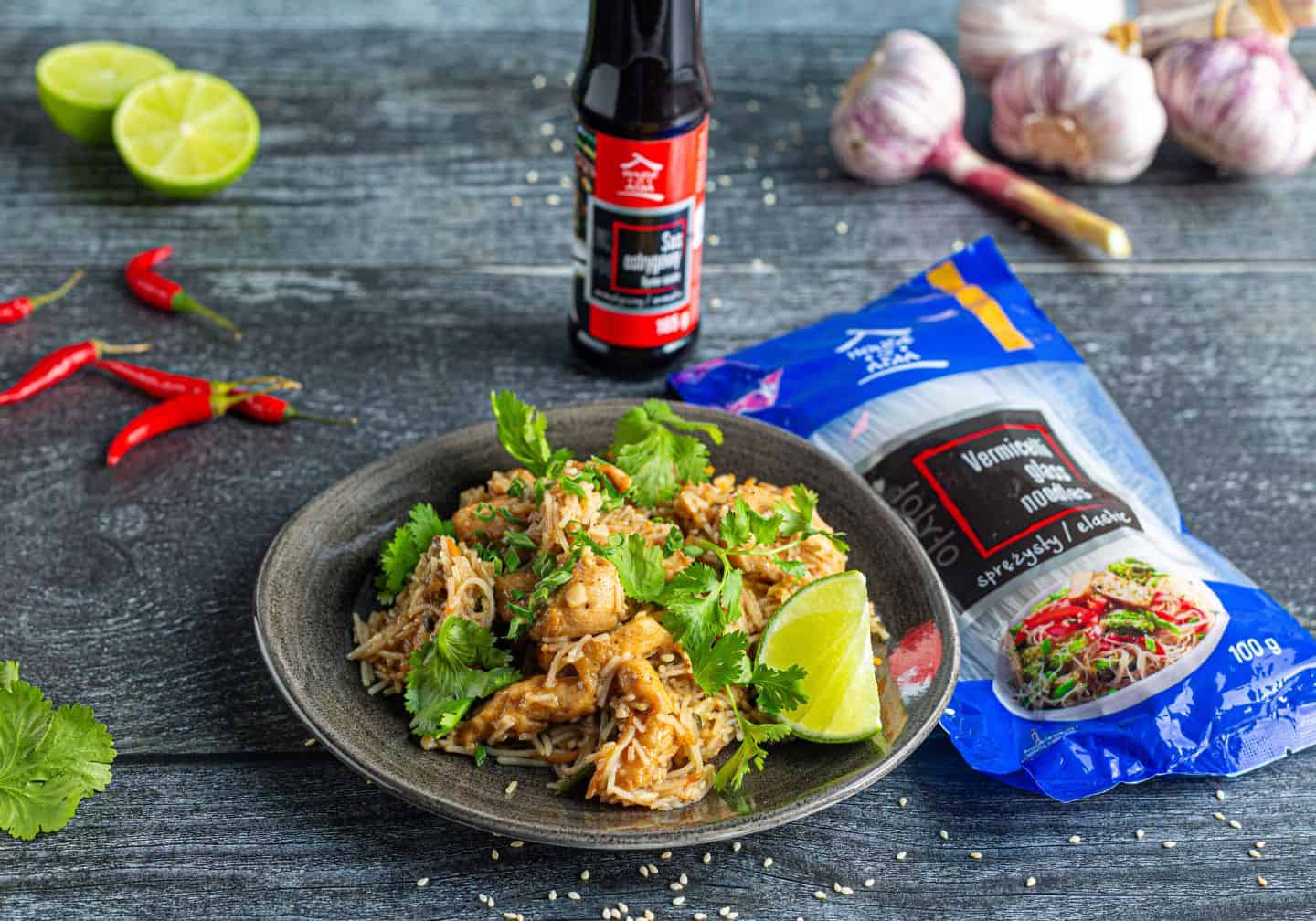
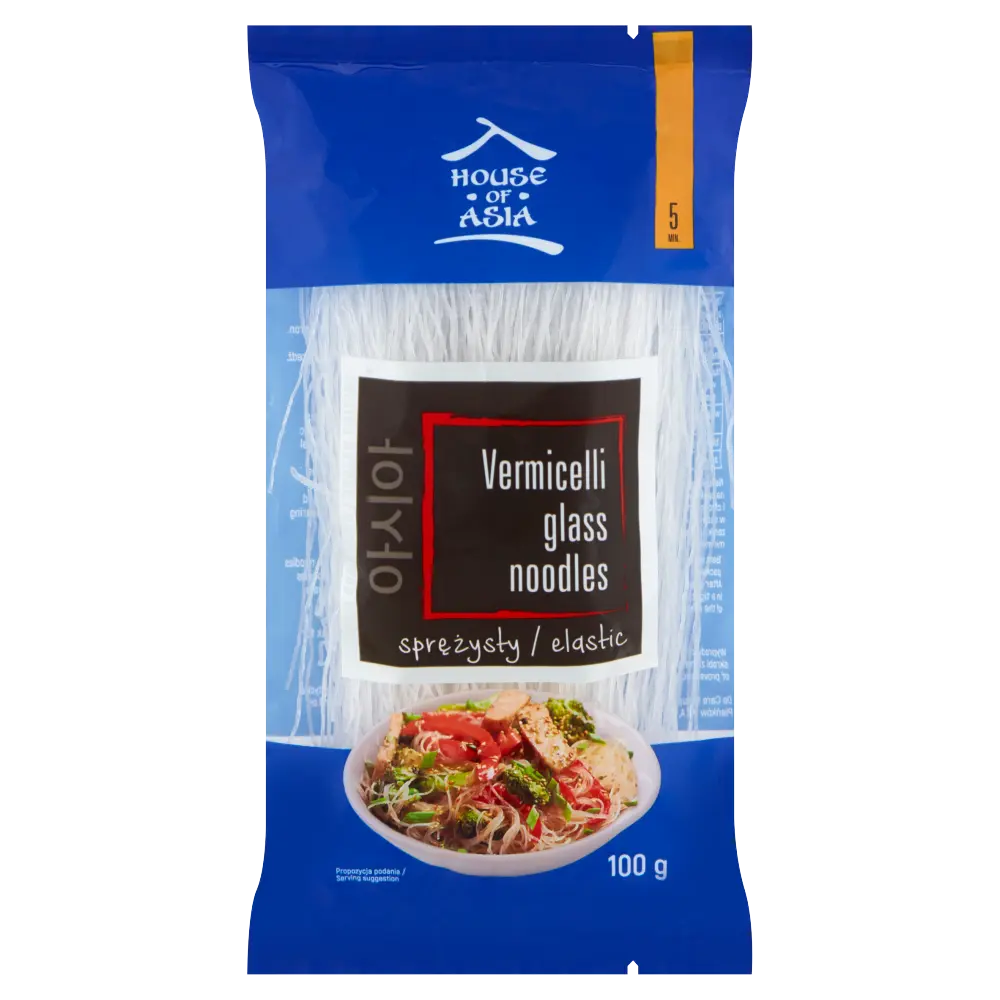
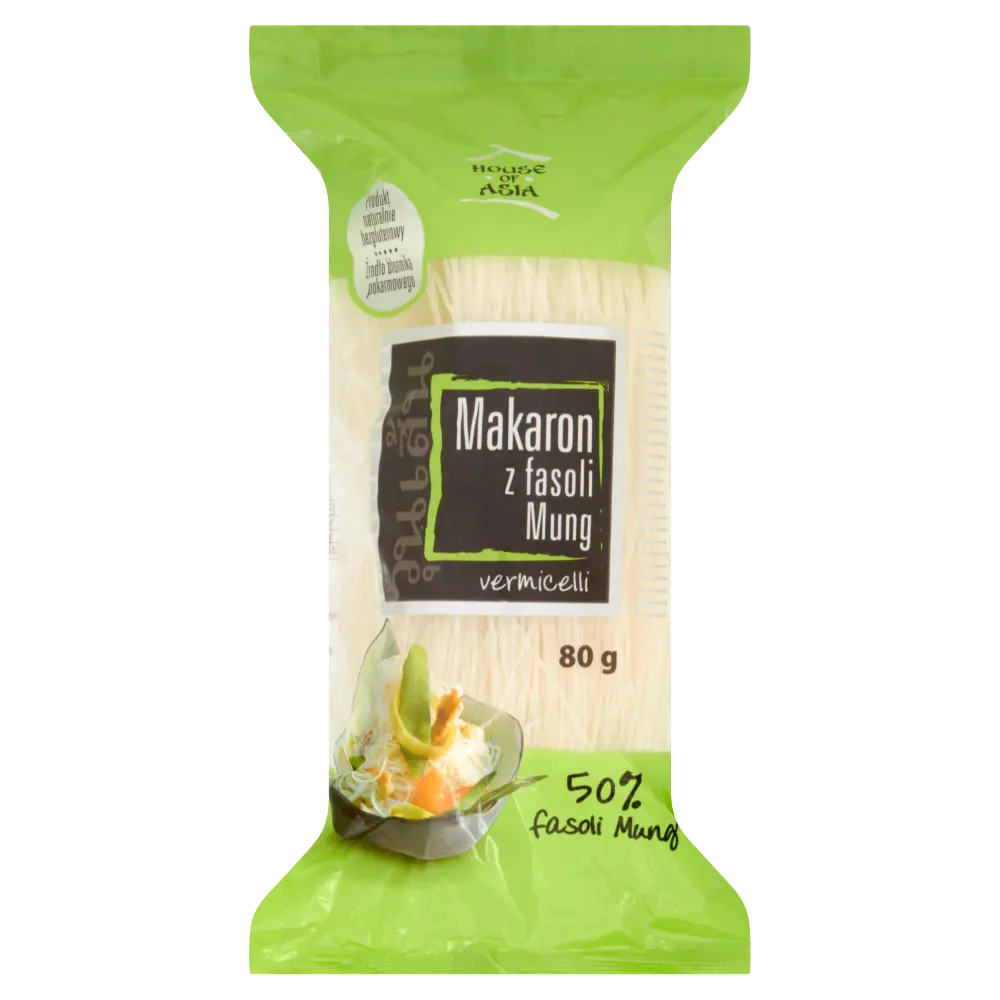
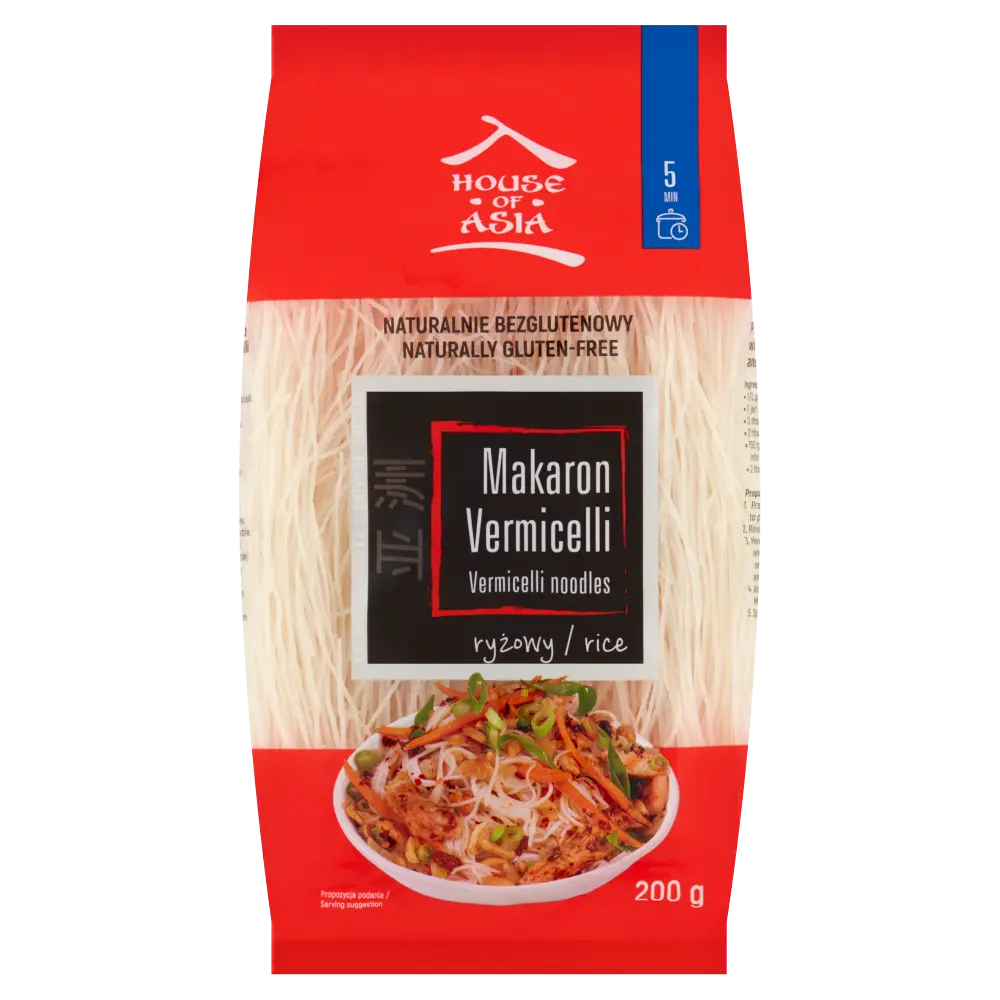
Transparent Vermicelli pasta It delights with its unique texture. Once prepared, it becomes glassy and delicate, perfectly absorbing the flavor of sauces and spices. It's a great choice for seafood and vegetable dishes, as well as light soups.
The secret to the unique flavor of Asian dishes lies not only in carefully selected noodles but also in aromatic additions. These are responsible for the distinctive balance of flavors that distinguishes Asian cuisine around the world.
The right combination of sweetness, saltiness, acidity and a slight spiciness gives even a simple dish a unique depth.
It's hard to imagine an Asian noodle dish without a well-composed sauce. Dark soy sauce is responsible for the depth of flavor and characteristic color of dishes. Rice vinegar adds a pleasant freshness and subtle acidity that perfectly balances the other ingredients.
It complements the whole thing perfectly roasted sesame oilEven a small amount gives dishes a unique aroma and a distinctive note inspired by Asian cuisine. This ingredient often determines the final result in a restaurant.
One of the greatest strengths of Asian cuisine is its skillful blend of contrasting flavors. Sweet and salty hoisin sauce with a slightly garlicky aroma, it perfectly highlights the flavor of meat, vegetables and pasta, giving dishes a pleasant depth and delicate sweetness.
Spicy additions, such as chili paste and chili-based sauces, play an equally important role. They give dishes their characteristic spiciness and distinctive character, while also enhancing the flavor of other ingredients. Depending on the quantity, you can easily adjust the spiciness level to your preference.
If you like more expressive dishes, it is worth reaching for Sriracha sauceIts spiciness perfectly balances the sweeter and slightly sour notes, creating a perfectly balanced flavor composition.
Fresh ginger and garlic are the foundation of many Asian recipes. They are responsible for the intense aroma that emerges when the ingredients are stir-fried in a wok.
It also perfectly highlights the taste of the dishes lime juiceAdded towards the end of the preparation, it brings a pleasant freshness and makes all the aromas even more pronounced. It gives the dish a lightness and a perfect flavor balance.
Pasta is an incredibly versatile base that allows for countless combinations of ingredients. Carefully selected ingredients can transform each dish into a completely different flavor, catering to the individual preferences of each household member.
Lovers of classic flavors most often reach for chicken, which pairs perfectly with both delicate soy-based sauces and more intense chili-infused combinations. Beef is excellent in wok-fried dishes, giving them a deep, intense flavor and a satisfying character.
If you're looking for a light yet impressive meal, shrimp are a great choice. Their tender flesh pairs perfectly with rice noodles, vermicelli, or ramen, as well as with fresh vegetables and lime juice.
Tofu is also becoming increasingly popular, providing a great base for plant-based dishes. Thanks to its structure, it perfectly absorbs the flavors of marinades, sauces, and spices, so after a quick fry, it becomes a flavorful addition to pasta. Combined with crunchy vegetables and an aromatic sauce, it creates a nutritious meal that delights even those who normally eat meat.
Whether you choose meat, seafood, or tofu, it's important to remember to cook it briefly. This will preserve the juiciness of the ingredients, and the finished dish will be full of flavor, aroma, and a variety of textures characteristic of Asian cuisine.
The secret to successful noodle dishes lies not only in a flavorful sauce but also in carefully selected vegetables. These vegetables give dishes a freshness, lightness, and characteristic crunchiness that is a hallmark of many Asian recipes. Napa cabbage is perfect for both stir-fried dishes and warming soups. It softens quickly under the influence of heat while maintaining a delicate texture and juiciness. Pak choi adds a subtle flavor and pleasant crunch, making it a perfect accompaniment to ramen, udon, or chow mein noodles.
Sugar snap peas are also a must, adding natural sweetness, freshness, and intense color to dishes. Their crunchy texture contrasts perfectly with the soft pasta and aromatic sauce. It's also worth adding edamame beans, which enriches the dish with valuable plant protein and makes the meal even more filling.
If you're wondering how to make a pasta dish even more aromatic and flavorful, reach for mushrooms and sprouts. Mushrooms They are one of the easiest ways to add the deep, distinctive umami flavor characteristic of many Asian dishes. They pair perfectly with ramen and udon noodle soups, as well as stir-fried noodle dishes like chow mein and mie.
An equally effective way to enhance the flavor and texture of pasta is mung bean sproutsAdded towards the end of preparation, they retain their crunch, bringing freshness and lightness to the dish. The combination of aromatic mushrooms with delicate sprouts gives even simple pasta with vegetables a more complex flavor and interesting texture.
Asian cuisine features many types of pasta that are naturally gluten-free and serve as a great base for everyday meals. They are most often made with rice, starch, or other plant-based ingredients, making them a suitable choice for those following a gluten-free diet. However, it's always worth checking the ingredients and information on the packaging of a specific product.
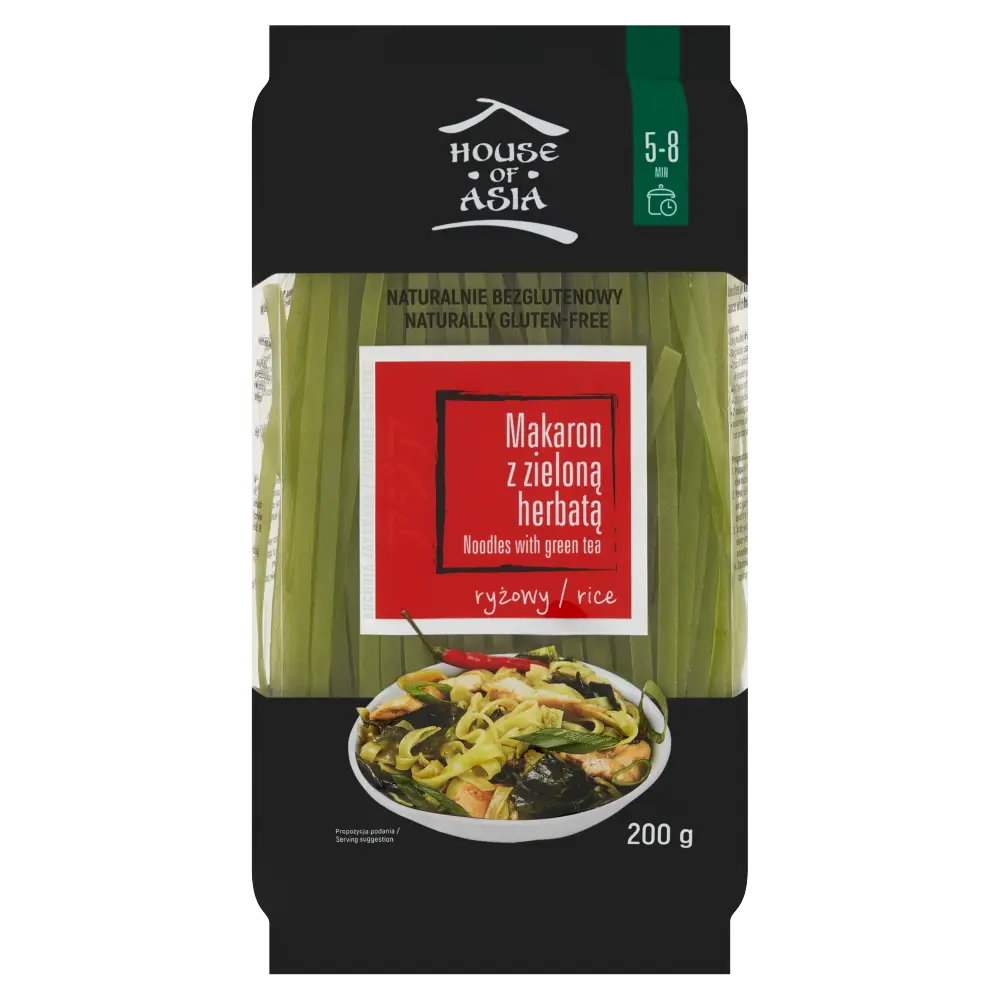
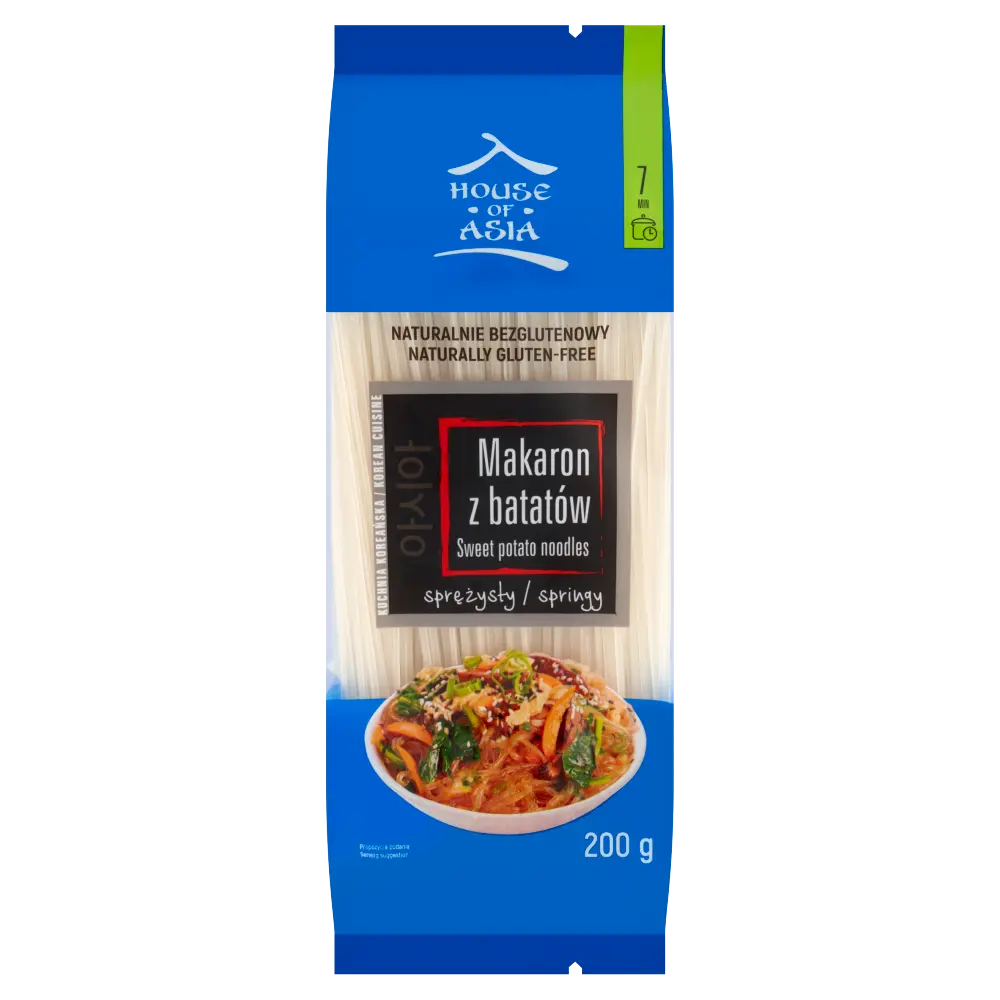
House of Asia offers people looking for bezglutenowych alternatives include rice noodles, green pea vermicelli noodles, rice noodles with green tea or sweet potato noodles.
No. Some pastas require short cooking, others can be simply poured over with hot water or soaked.This makes preparing many dishes exceptionally quick and convenient.
Yes, many Asian noodles also taste delicious cold. Rice noodles and vermicelli are particularly good, making an excellent base for light salads with vegetables, fresh herbs, tofu, or shrimp. Simply add a flavorful dressing for a quick and refreshing dish.
The distinctive flavor of Chinese noodles comes from aromatic spices such as ginger, garlic, chili pepper, anise, and cinnamon, which add depth and a pleasantly spicy character to the dish. If you're looking for a quick, flavorful dish, consider using House of Asia Chinese Cuisine SeasoningInspired by traditional recipes, this blend combines carefully selected ingredients in ideal proportions, perfectly enhancing the flavor of pasta, wok dishes, soups, and marinades.
The most important thing is not to overcook the pasta before frying. It's best to prepare it according to the package instructions, then briefly fry it in a very hot pan or wok along with the other ingredients. This will ensure it retains its elasticity and perfect consistency.
It's best to add the noodles at the very end, once the vegetables, meat, or tofu are cooked through and the sauce is in the pan. Simply mix all the ingredients thoroughly for 1-2 minutes to evenly coat the noodles with the sauce and infuse them with full flavor.
 Pasta
Pasta  Chinese
  15-30 minutes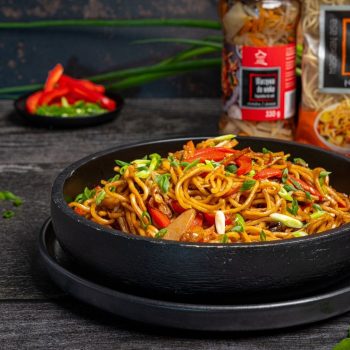
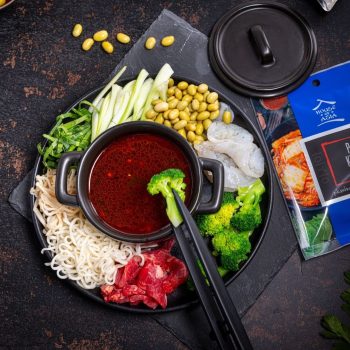
 Shrimp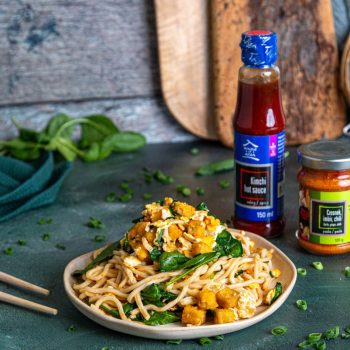
 Korean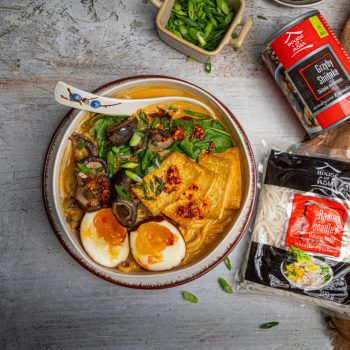
 Japanese


 Chicken


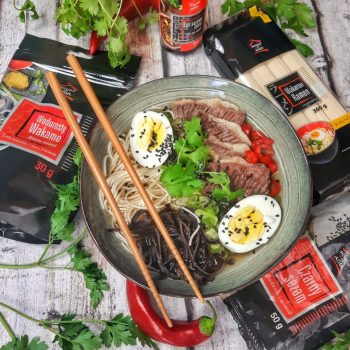

 Ryba
Ryba