HOUSE OF ASIA
See the recipeHits
Ingredients
Diets


Thai cuisine is based on the harmony of five basic flavors: sweet, salty, sour, spicy, and umami. It's their perfect balance that makes Thai soup so unique and addictive. Fresh ingredients and aromatic additions like lemongrass, galangal, and kaffir lime leaves play a key role, creating a distinctive flavor profile. Curry pastes and fish sauce also play a significant role, lending the dishes depth and authenticity. Thai soups are not only about taste but also aroma – intense, fresh, and stimulating from the very first bite.
Thai soups are distinguished by their intense aroma and complex flavor, which result from the skillful combination of several key ingredients. These ingredients determine the dish's character—from light and refreshing to creamy and warming.
Hot broth is the foundation of most Thai soups, providing the base for the other ingredients. Prepared with meat, fish, or vegetables, it is intensely flavored with lemongrass, galangal, and kaffir lime leaves. It is here that all the key aromas are released, giving the soup depth and richness, creating the perfect backdrop for additions like coconut milk, shrimp, and vegetables.
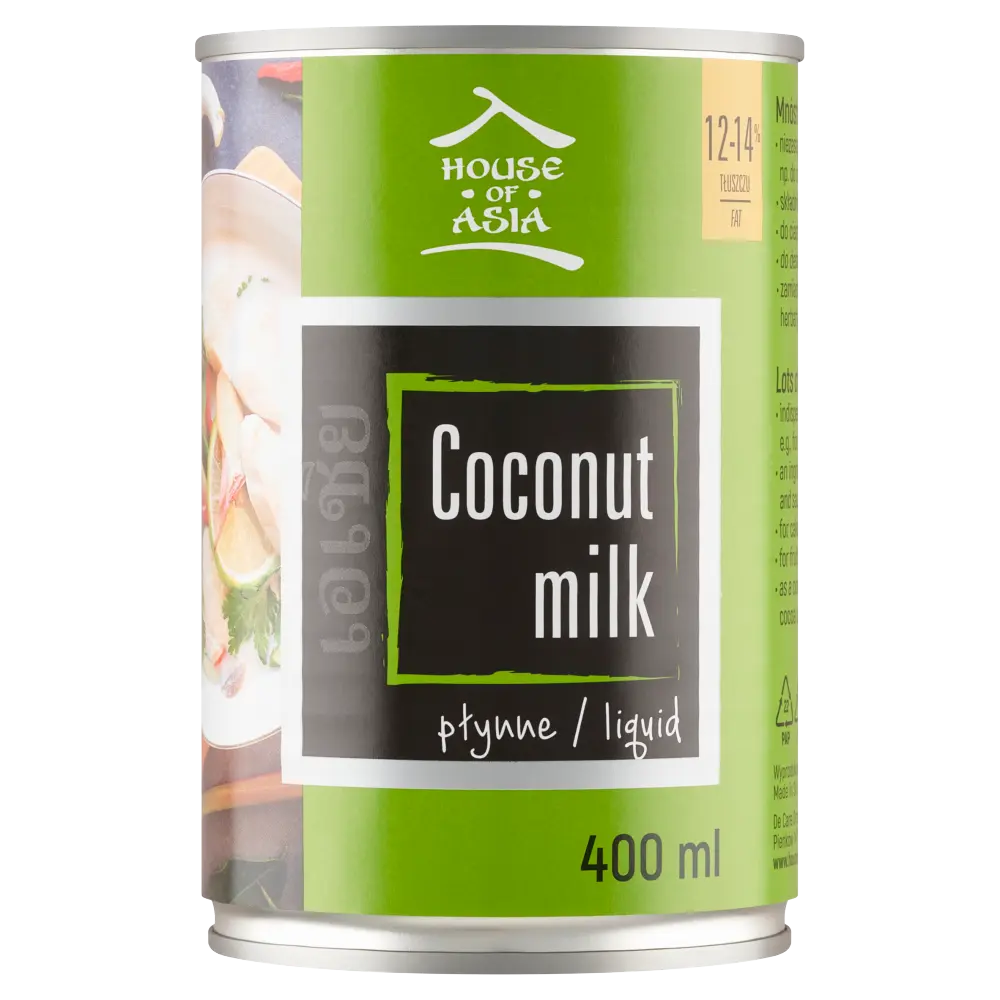
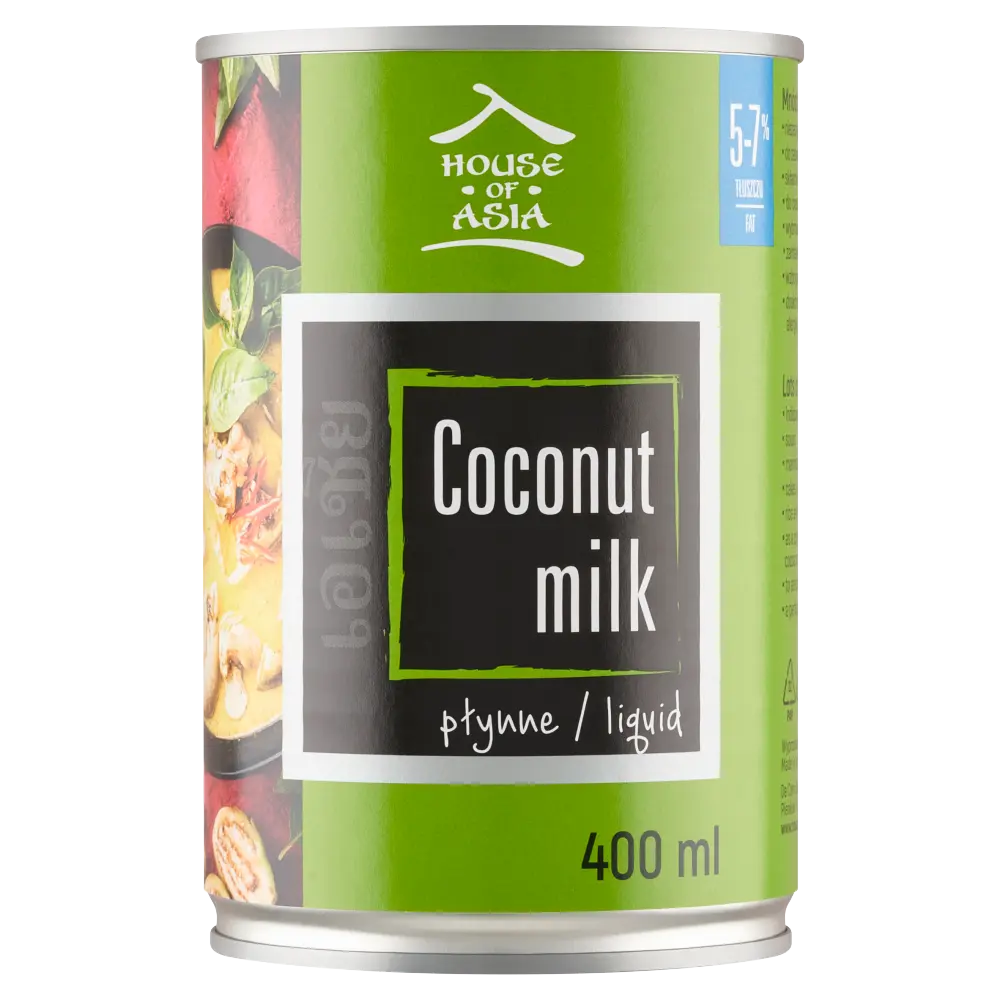
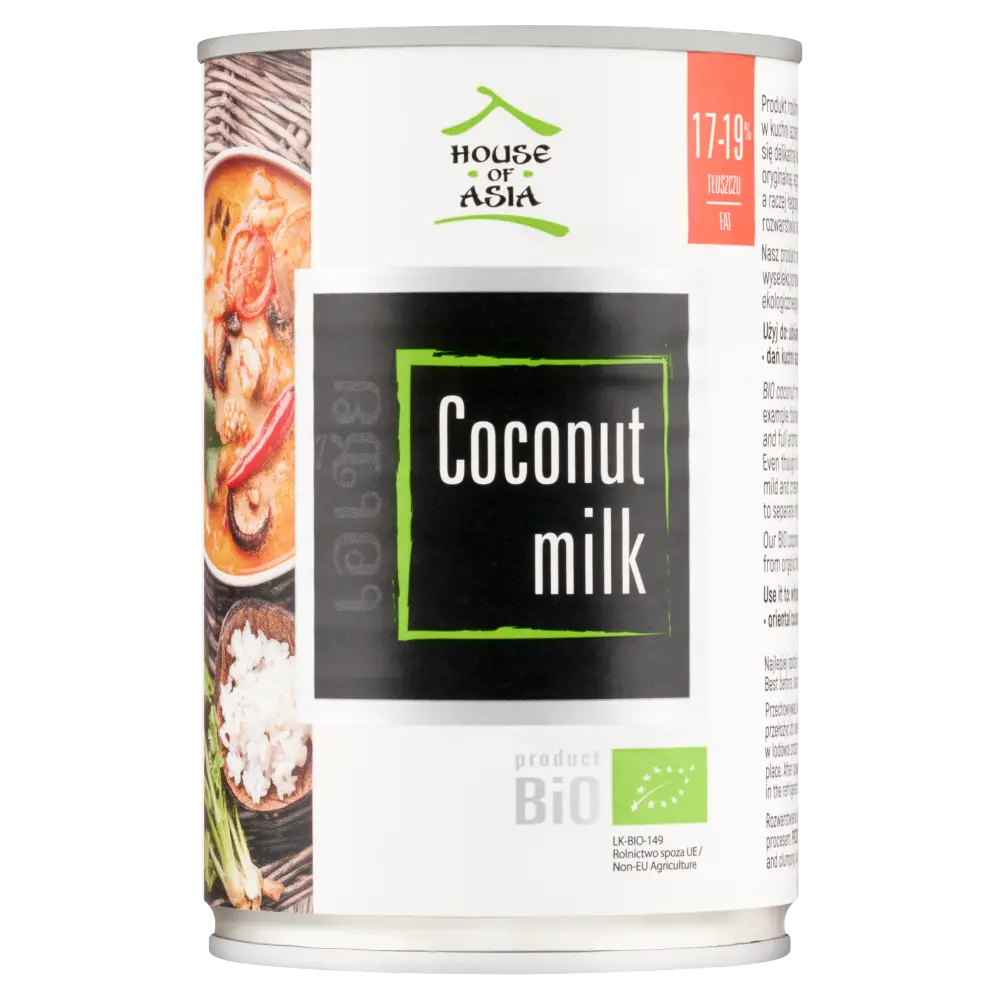
Choosing the right coconut milk for Thai soup is crucial to the final result. It's best to choose products with a higher fat content, which provide a creamier consistency and fuller flavor. Lighter versions can make the soup less intense and more watery. Good coconut milk should have a simple composition and a uniform consistency, and natural separation isn't a problem – simply stir it before use. This will give the soup the right texture and flavor balance.
Curry paste is one of the key ingredients that give Thai soups their intense flavor and aroma. It's made from a combination of fresh spices and herbs, such as chili, garlic, lemongrass, and galangal. It's responsible for the depth of flavor and spiciness of the dish, and its type—red, green, or yellow—influences the soup's final character.
Soy sauce serves as a condiment in Thai soups, enhancing flavor and adding a touch of umami. It's often used as a complement or alternative to fish sauce, especially in vegetarian versions. It gives the soup a more pronounced and slightly salty flavor that balances the other ingredients well.
Fish sauce is a key ingredient in Thai cuisine, giving soups their distinctive, deep umami flavor. Although its aroma is intense, it blends perfectly with other ingredients in the finished dish, enhancing their natural flavors. It's responsible for the authentic flavor profile of many Thai dishes, including classic soups.
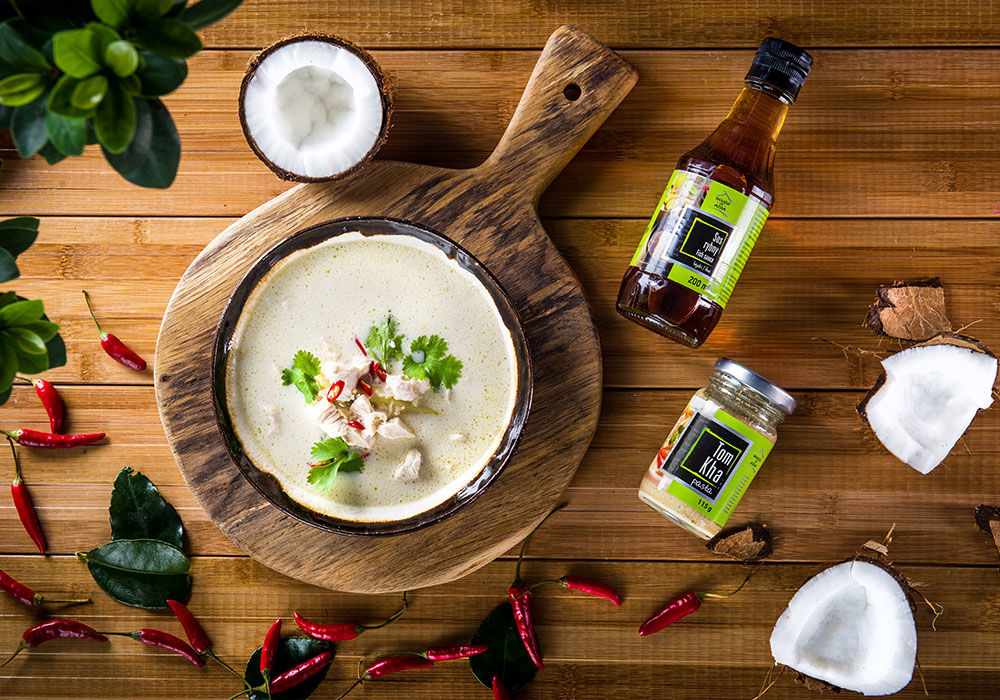
Tom Kha Soup This is one of Thailand's most famous soups, combining the creaminess of coconut milk with the bold flavors of lemongrass, galangal, and lime. "Tom" means to cook, and "Kha" refers to galangal, a key ingredient in this soup.
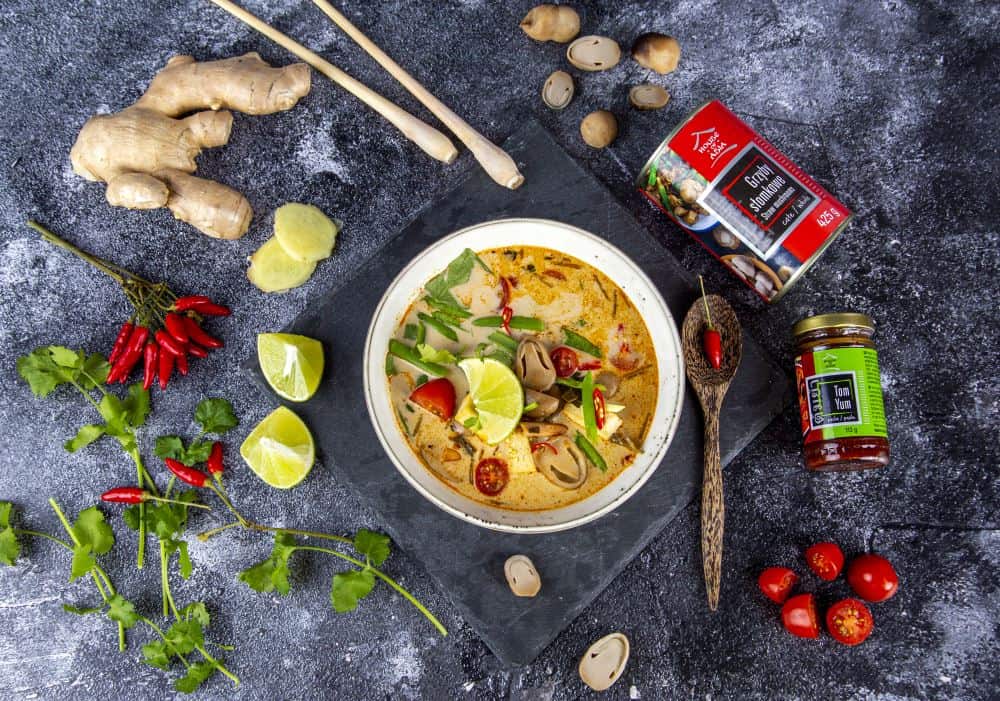
Tom Kha soup begins by bringing the broth to a boil with coconut milk, lemongrass, galangal, kaffir lime leaves, and chili peppers. After about 15 minutes of simmering, when all the flavors have combined, add the chicken, shrimp or tofu, and mushrooms (e.g., button mushrooms or shiitake). Finally, add lime juice to give the soup a tart flavor, and fresh cilantro to garnish and enhance the flavor.
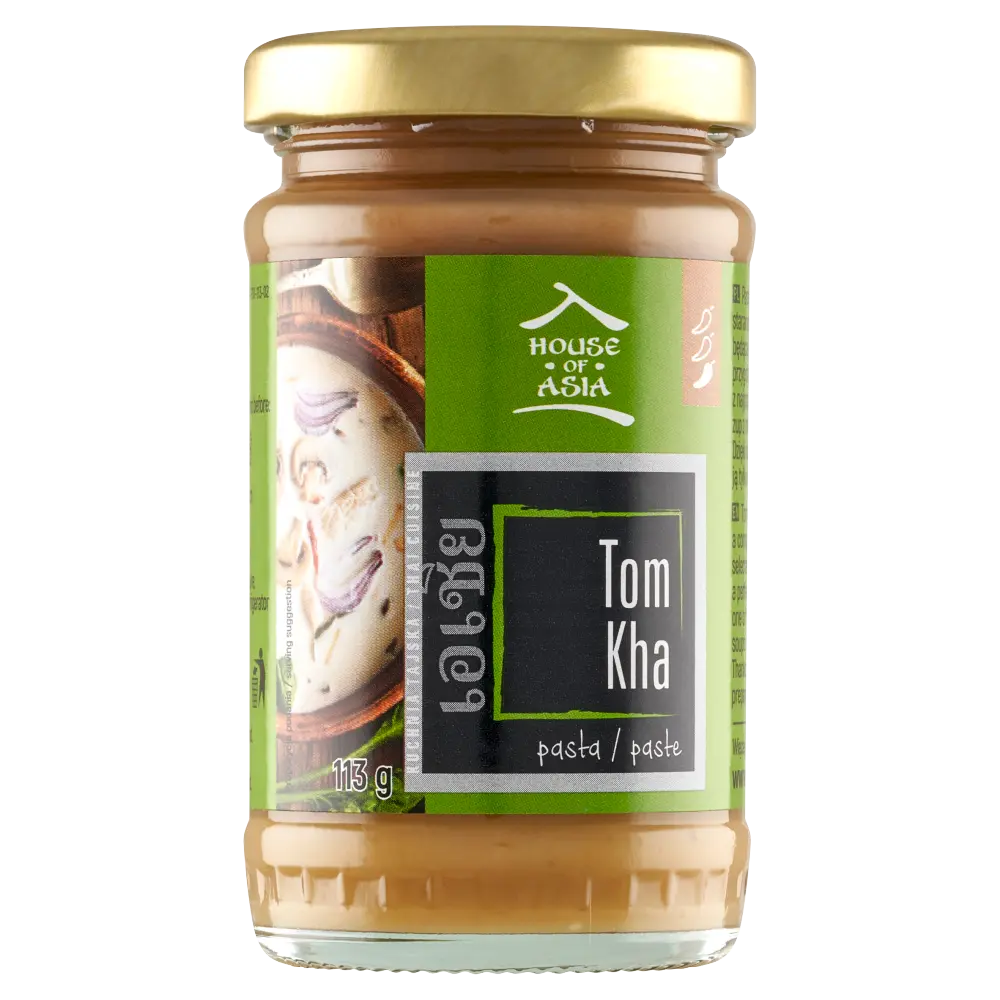
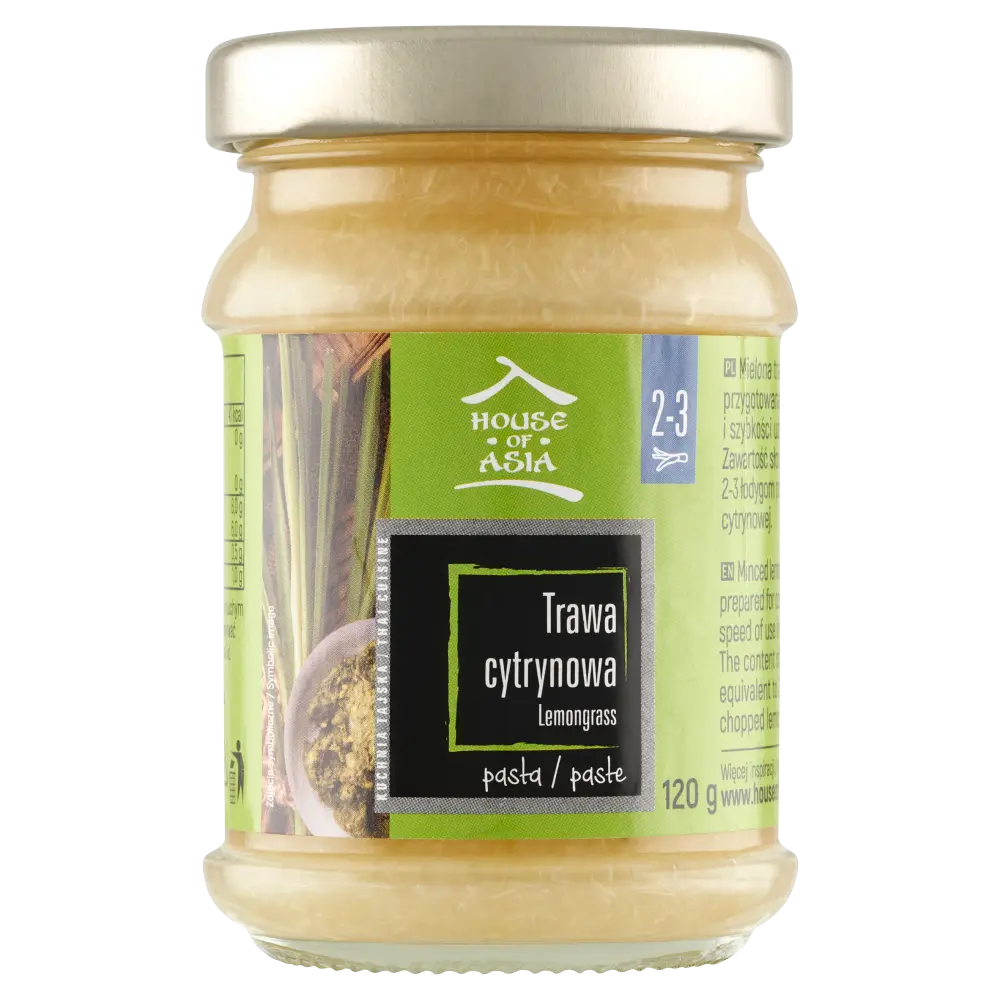
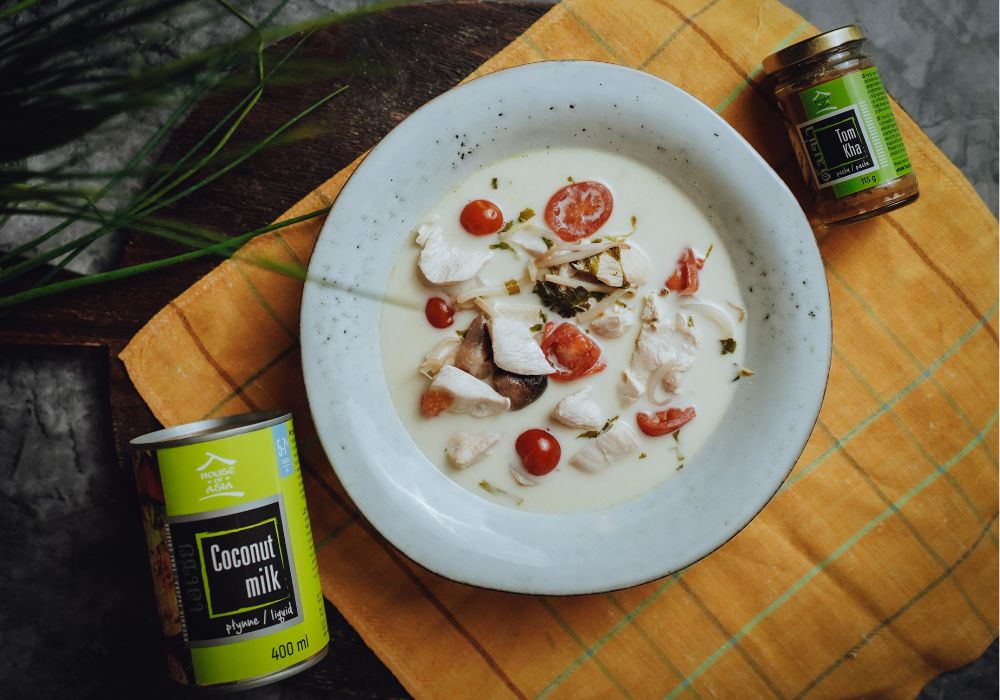
Want to speed up the preparation of Tom Kha soup? Use our paste.
Tom Kha with chicken is one of the most beloved Thai soups, delighting with its creamy consistency and balanced flavor. The combination of tender meat with an aromatic broth based on coconut milk, lemongrass, and galangal makes this dish both filling and fresh. It's an ideal option for those who want to try a milder, creamier version of Thai cuisine without sacrificing its characteristic flavors. If you'd like to make it yourself, discover how to easily recreate this classic flavor at home.
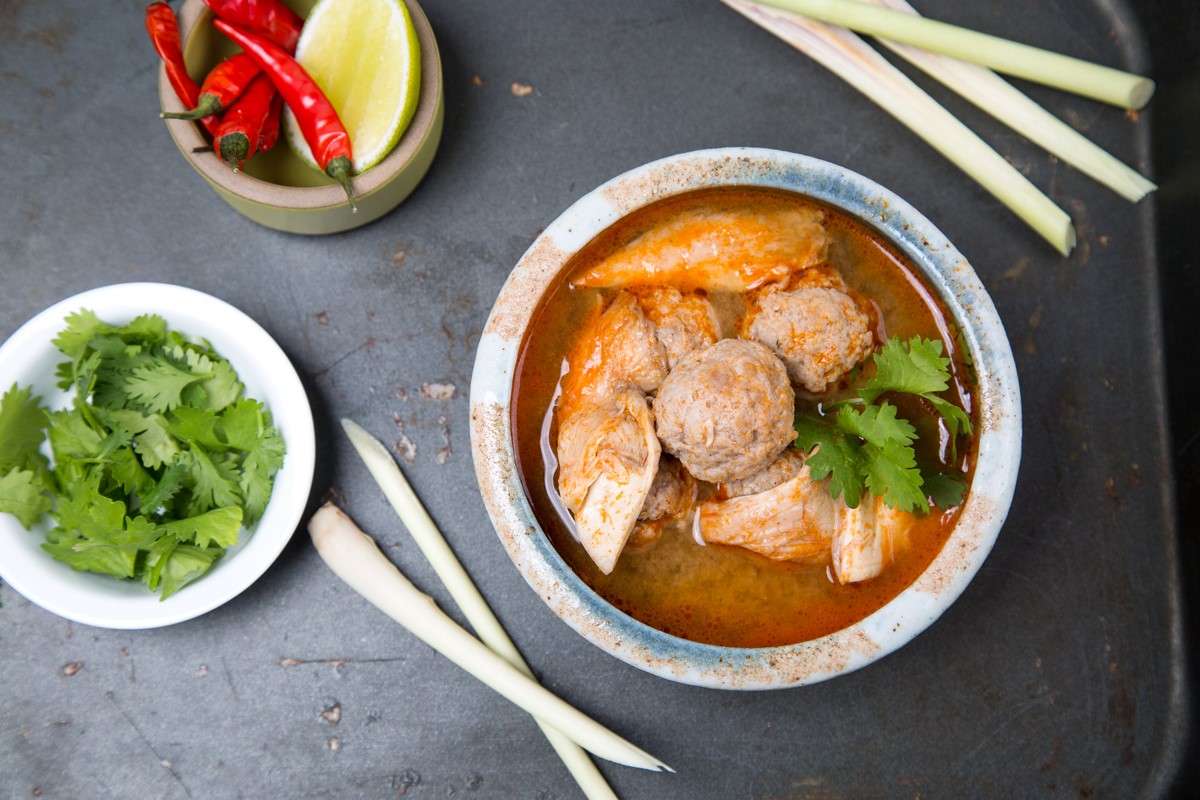
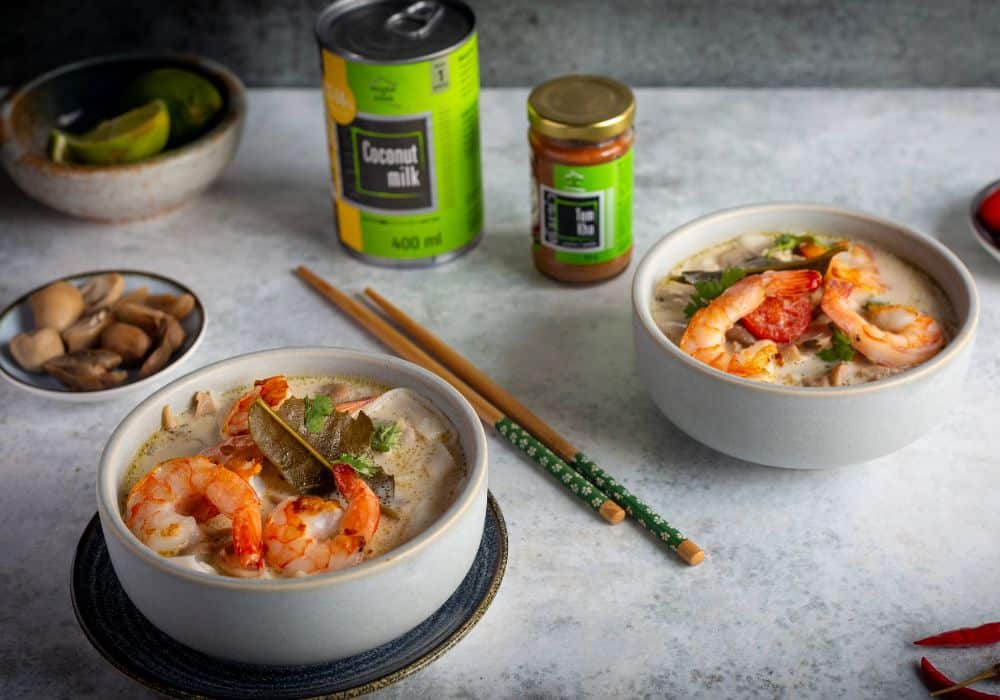
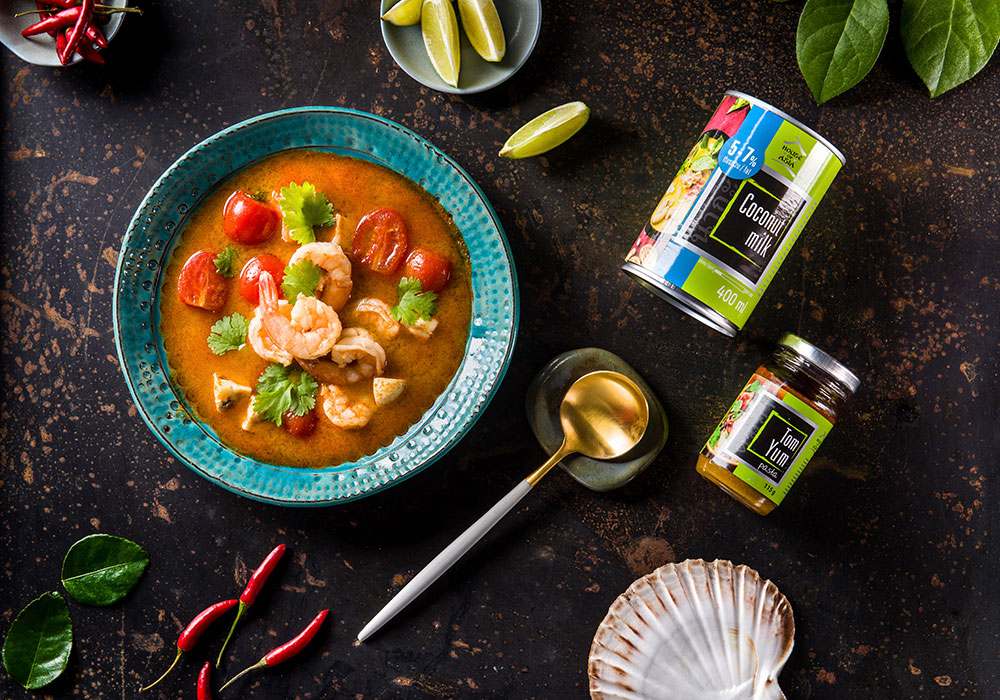
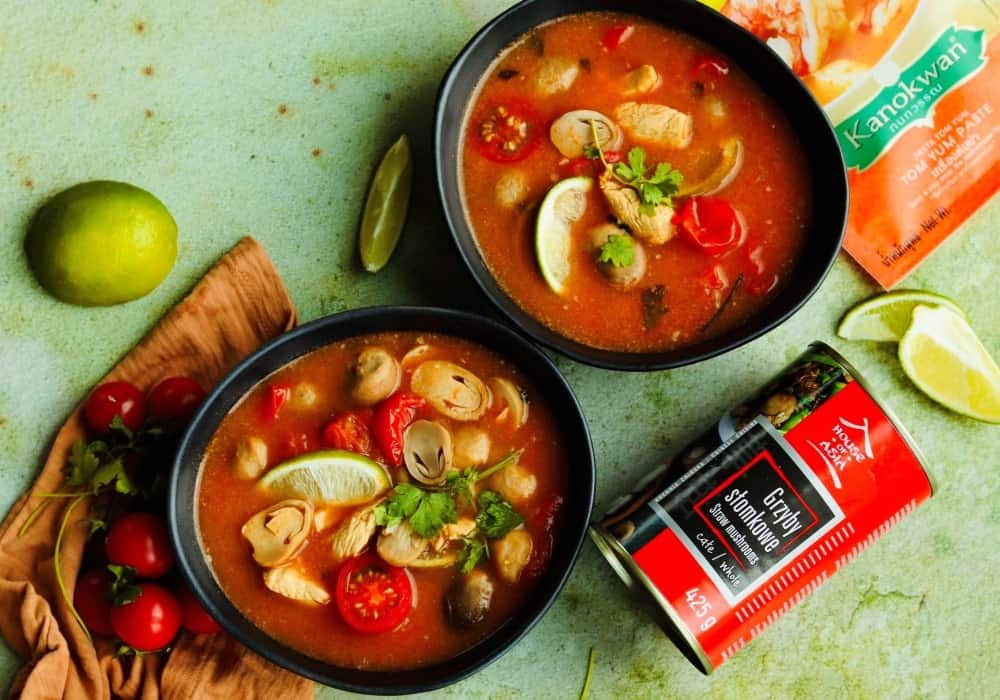
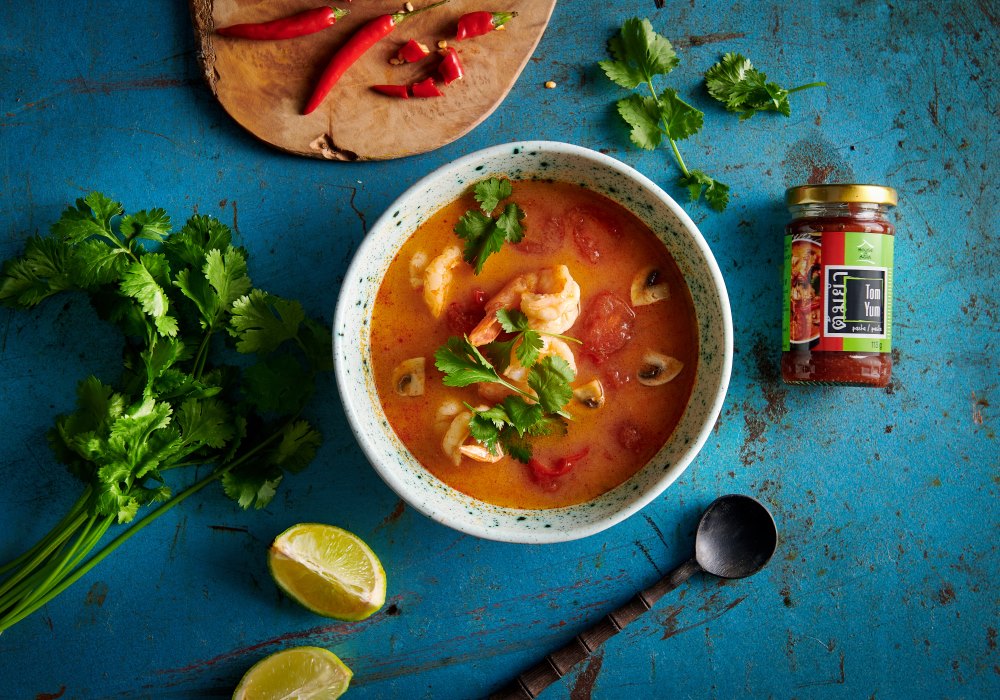
Tom Yum soup is a spicy Thai soup with a distinct, sour-spicy flavor, perfect for lovers of intense culinary experiences. The shrimp version, i.e. Tom yum goongThis classic delights with its combination of fresh shrimp and a spicy broth made with lemongrass, lime leaves, and chili. You can also make Tom Yum soup with chicken or other ingredients to your liking. Check out our Tom Yum soup recipe and discover how to make Tom Yum soup the easy way.
To prepare Tom Yum soup, we start by simmering the broth with lemongrass, galangal, and kaffir lime leaves, which provide the soup's base flavor. Then we add Tom Yum paste and fresh ingredients like shrimp, mushrooms, tomatoes, and more. Finally, before serving, we add lime juice, which gives the soup its characteristic acidity, and fresh herbs and chili peppers, which enhance its spiciness and aroma.
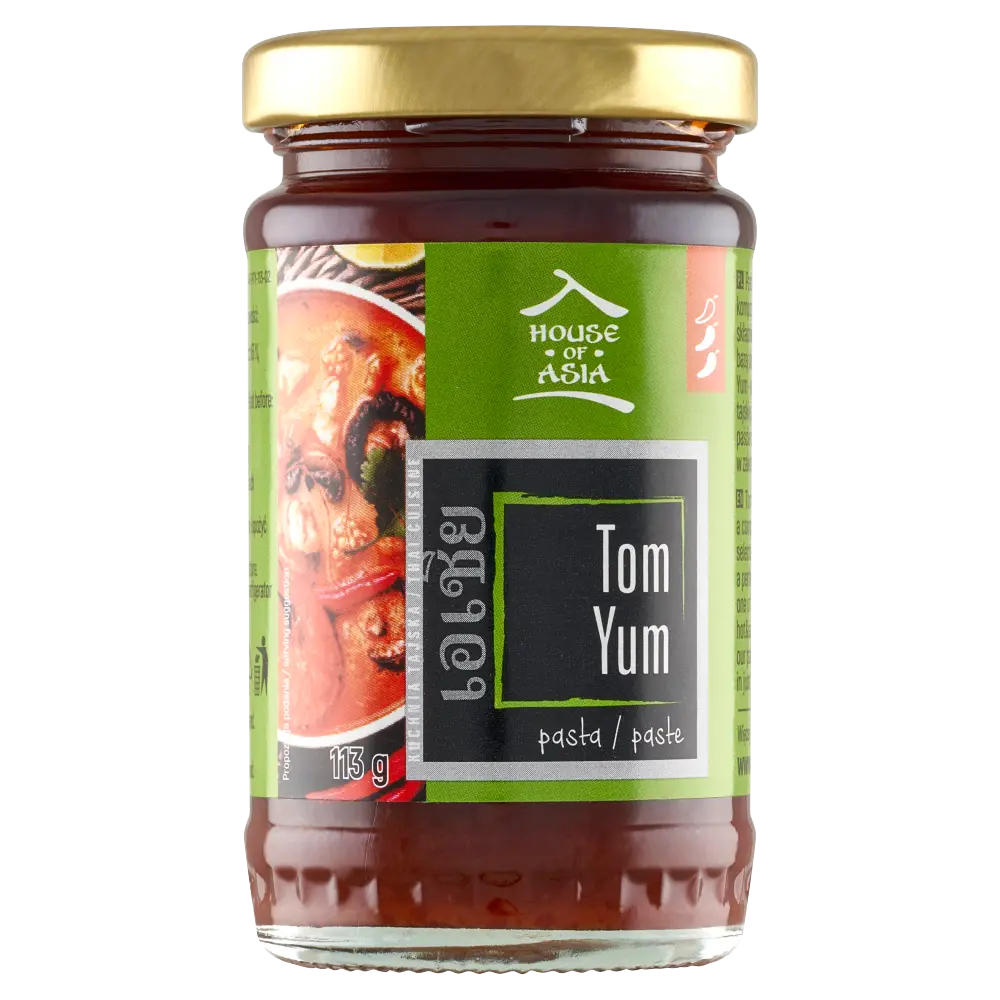
Want to speed up your Tom Yum soup preparation? Use our paste.
Tom Kha soup and Tom Yum soup, two popular Thai dishes, differ in both ingredients and flavor. Here are the main differences between these soups:
Base and consistency:
Taste and aroma:
Main ingredients:
Spicy level:

 Salmon
  Thailand
  15-30 minutes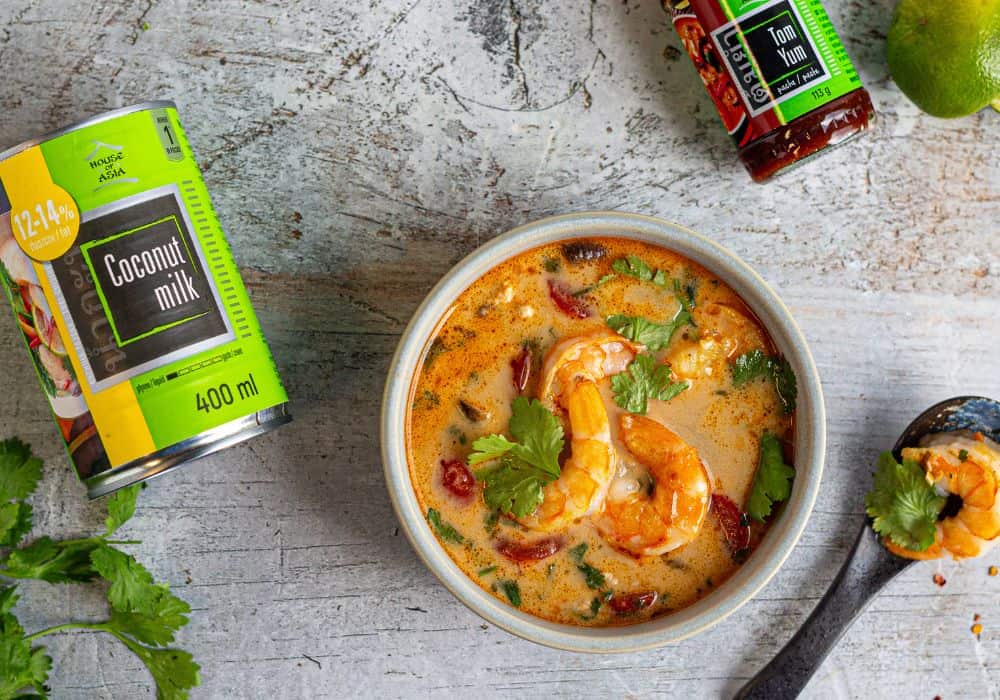
 Shrimp
 Chicken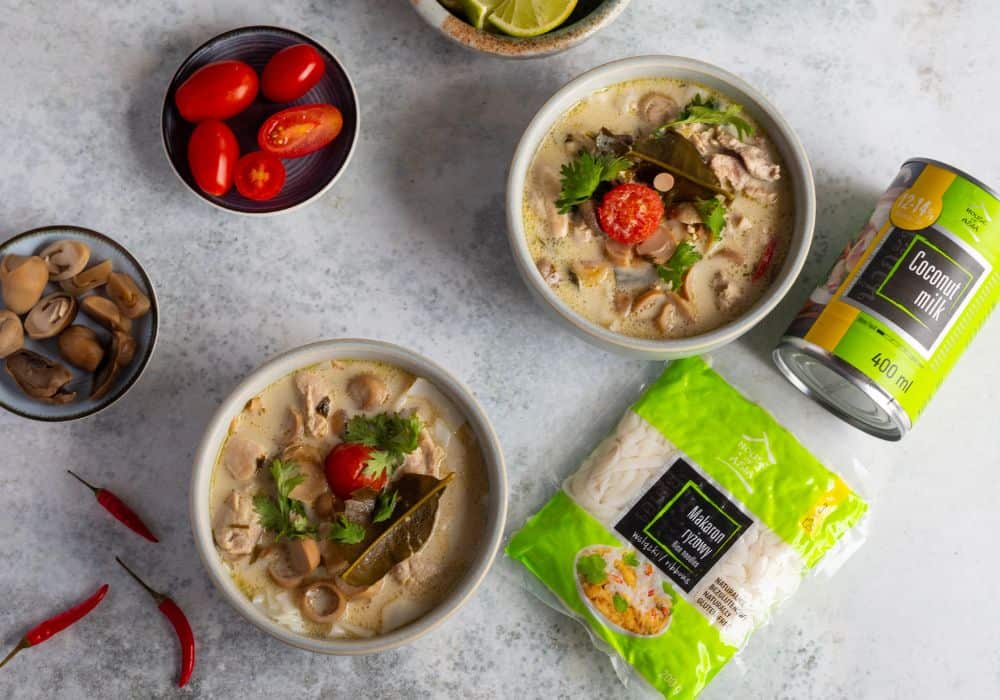

 Vegetables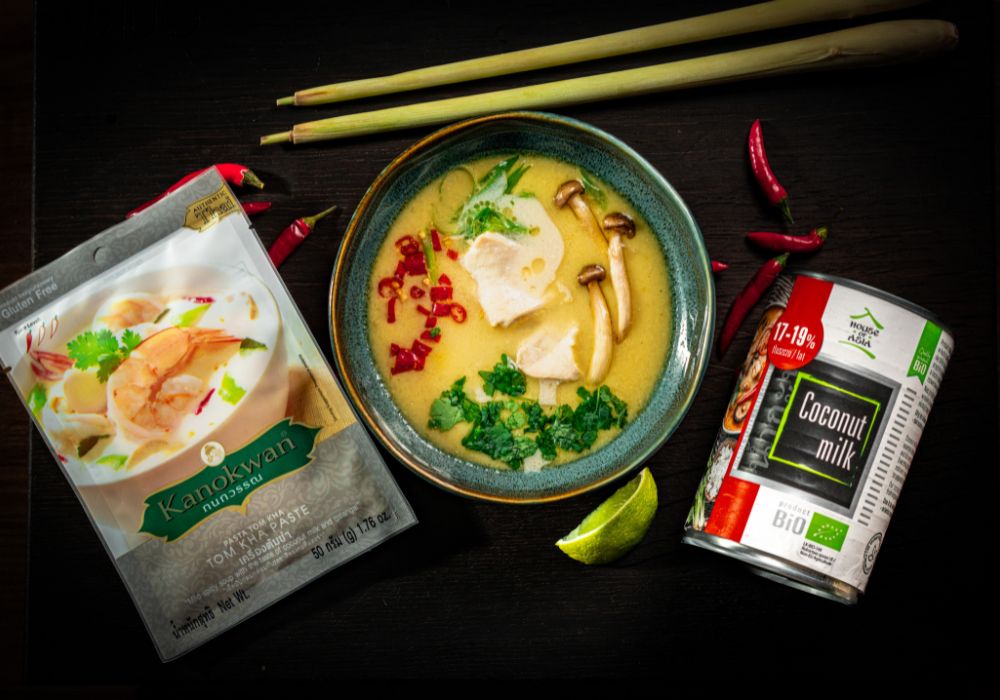
 Pork
Pork