HOUSE OF ASIA
See the recipeHits
Ingredients
Diets


Ramen is one of the most recognizable dishes of Japanese cuisine, gaining popularity worldwide. This aromatic soup, full of rich flavors and diverse ingredients, is a true feast for the palate. Our selection includes not only recipes for various ramen versions, but also products that will allow you to prepare this dish at home – quickly and easily.
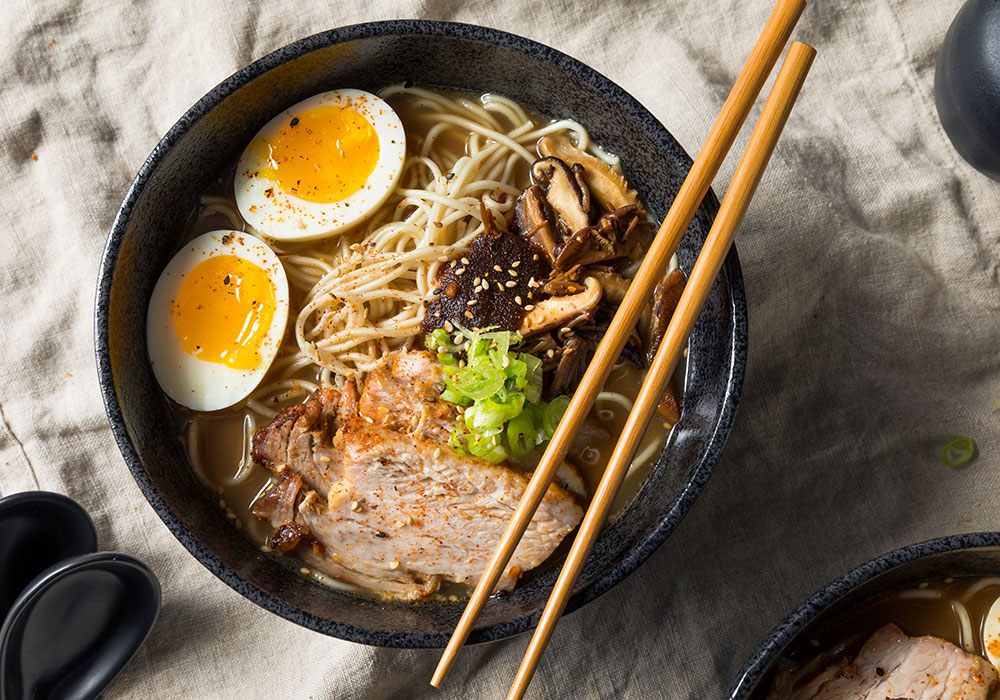
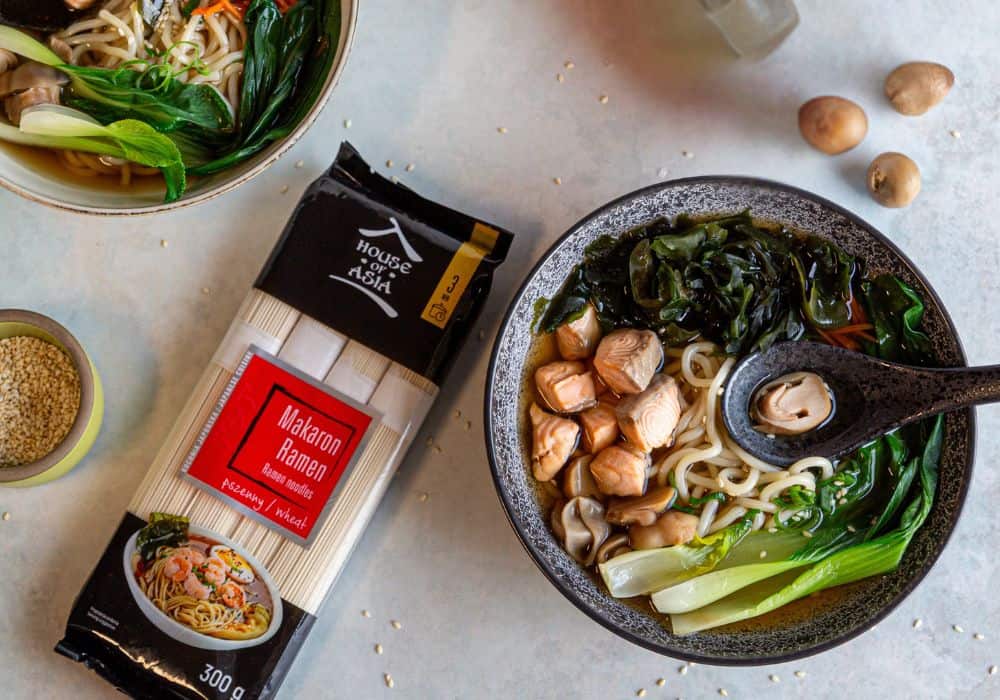
Ramen This is one of the most iconic dishes of Japanese cuisine, gaining popularity worldwide. It's an aromatic soup that combines a rich broth, springy noodles, and a variety of toppings. This soup combines depth of flavor, rich ingredients, and simplicity of preparation. With our products and tips, you can prepare this iconic Japanese specialty at home, enjoying its authentic flavor without having to travel to Japan.
Ramen is a soup with a rich history and tradition dating back centuries. Although it originated in China, it developed its current form in Japan and has become a symbol of Japanese street cuisine. Each region of Japan has its own unique version of ramen, differing in the soup base, toppings, and noodle preparation. In some regions, ramen is cooked with chicken broth, while in others, it uses pork bones or seafood. In 1994, the Ramen Museum opened in Yokohama, a museum and a large restaurant serving ramen in various versions from across Japan.
There are many varieties of ramen, differing in ingredients and preparation methods. Japanese ramen is divided into several main categories:
If you're wondering how to make ramen at home, fear not – although ramen may seem complicated, it's actually relatively easy to prepare, especially if you use a ready-made broth or ramen base. The key to success is a rich broth, high-quality noodles, and carefully selected toppings.
Broth
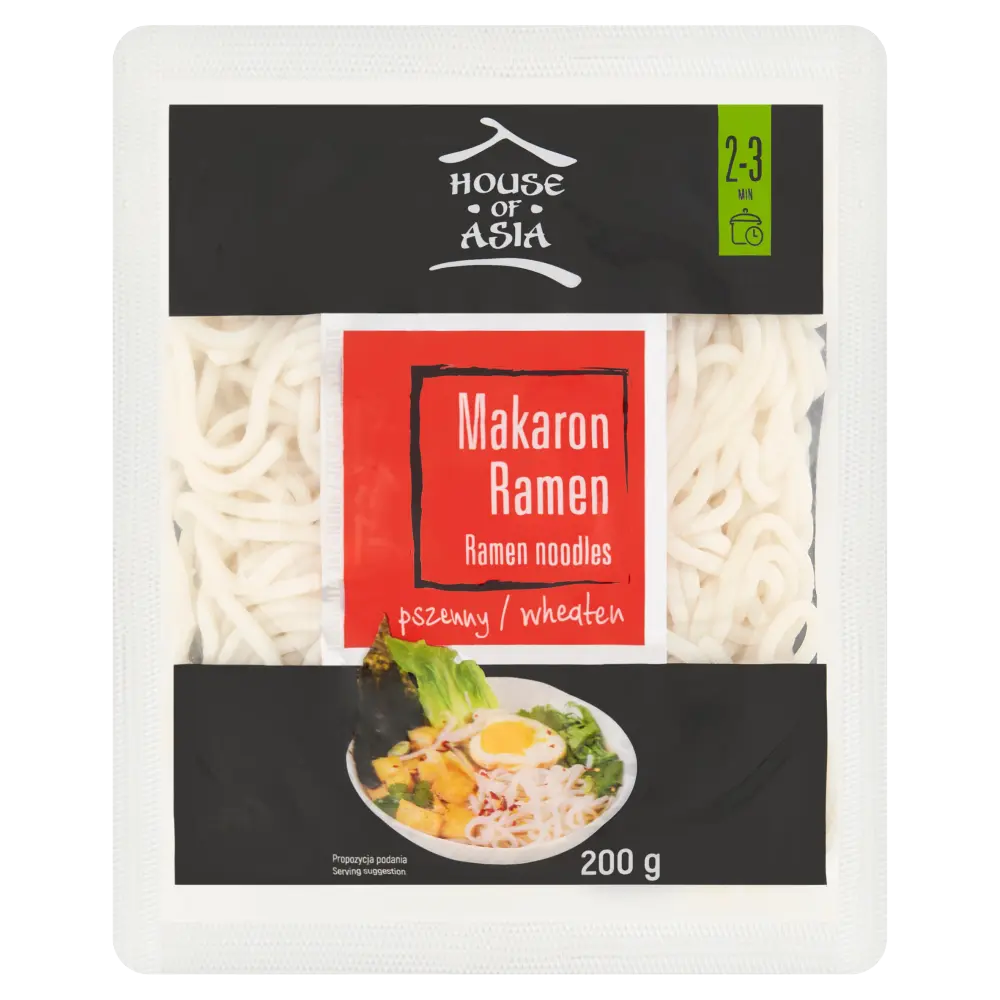
Pasta
Tare (spice mixture)
Add-ons
Aromatic oil
Base
Ramen is a complex dish whose flexibility allows for a variety of modifications. Every element, from the broth to the toppings, has its own significance and influences the soup's final flavor and character. Thanks to the variety of ingredients, ramen can be tailored to individual tastes and preferences, creating an unforgettable culinary experience.
For those who want to learn all the secrets to making the perfect ramen, we recommend our article, "The Perfect Ramen Soup." You'll find tips on choosing ingredients, cooking techniques, and serving ramen to ensure every bowl is perfect.
If you're short on time, try quick ramen with your favorite ready-made broth. It only takes a few minutes to prepare the ramen base and add your favorite ingredients. Quick ramen broth is a great option for busy people who want to enjoy the flavor of this soup without the long cooking time.
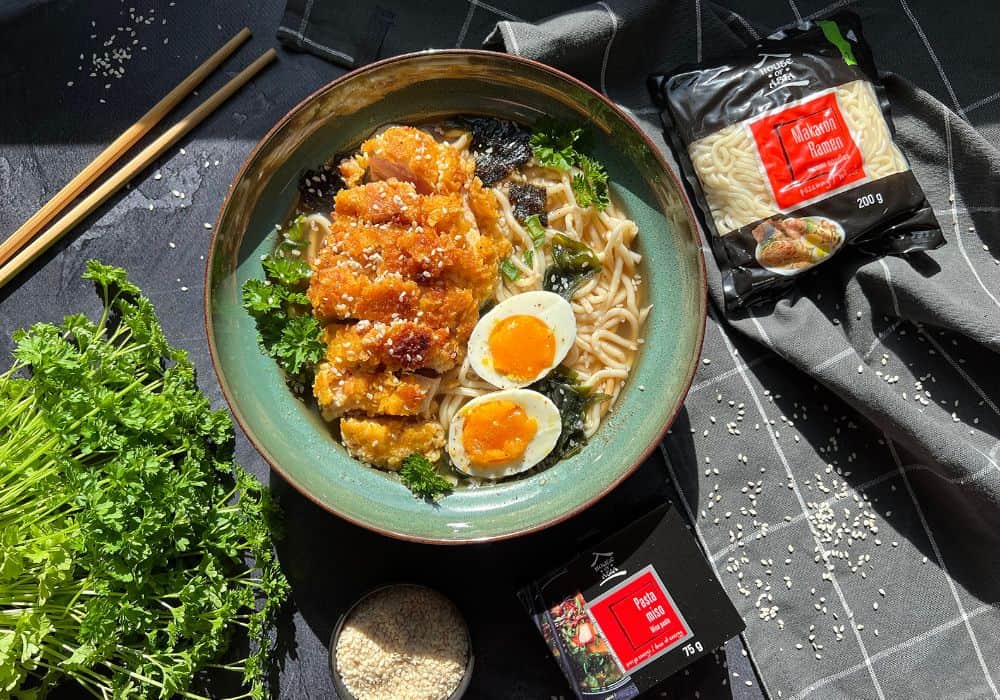
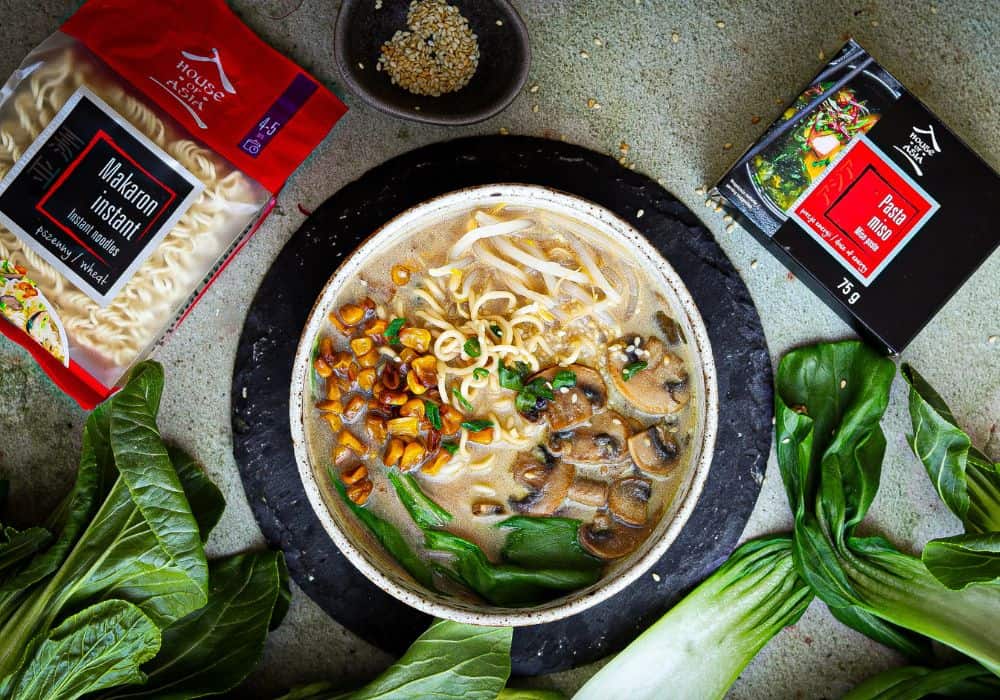
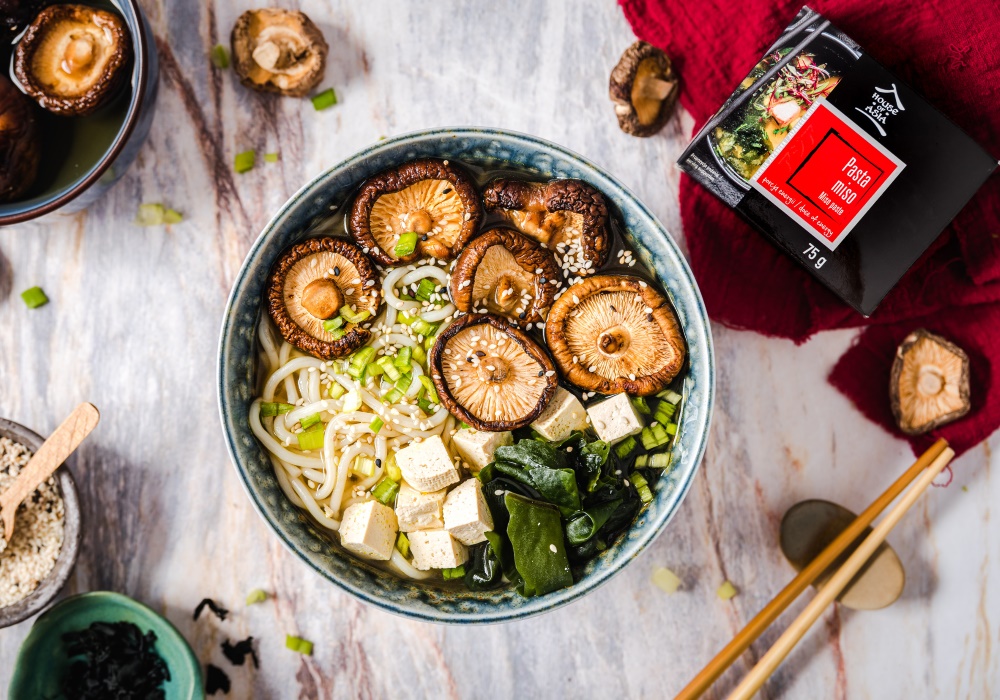
One of the most popular versions of quick ramen is miso ramen, which owes its unique flavor to miso paste. We offer high-quality miso paste, which not only enhances the flavor of your ramen but also significantly reduces preparation time. This allows you to enjoy the authentic flavor of ramen without the need for lengthy cooking.
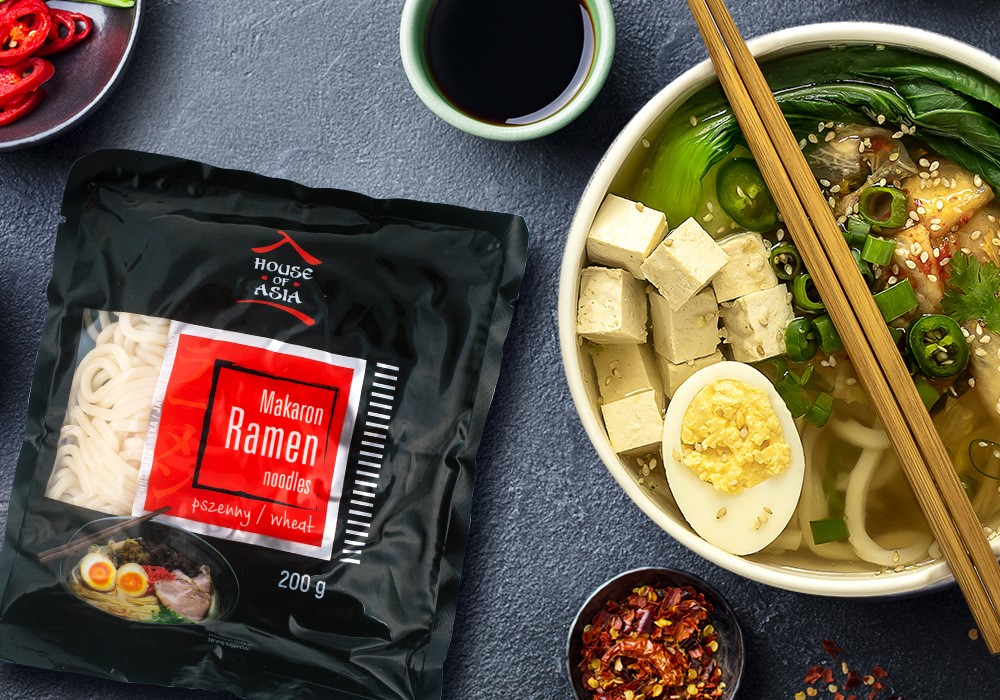
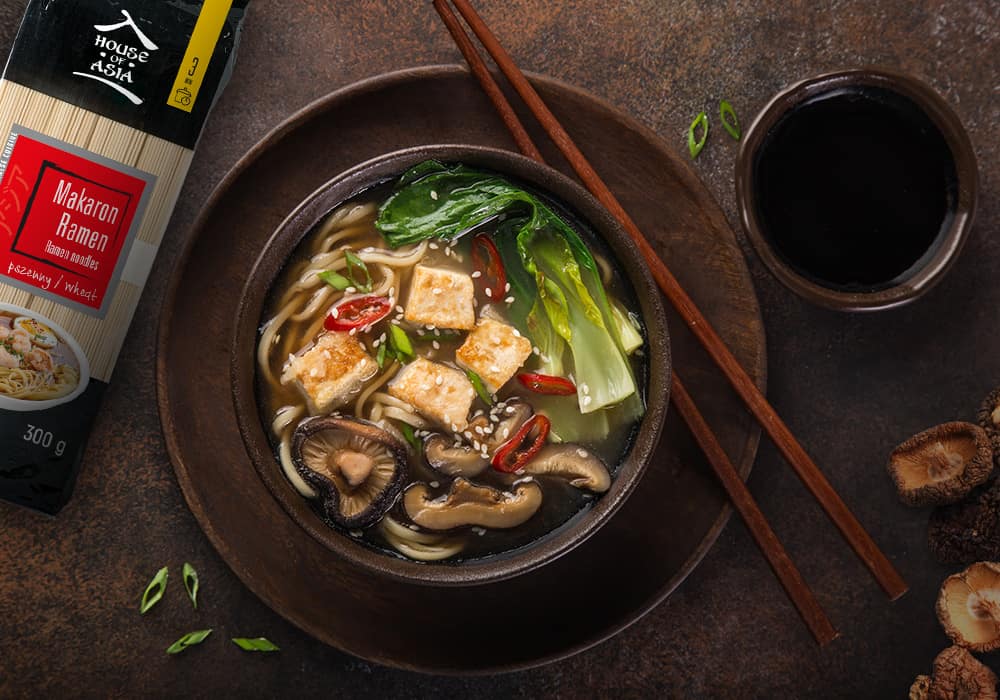
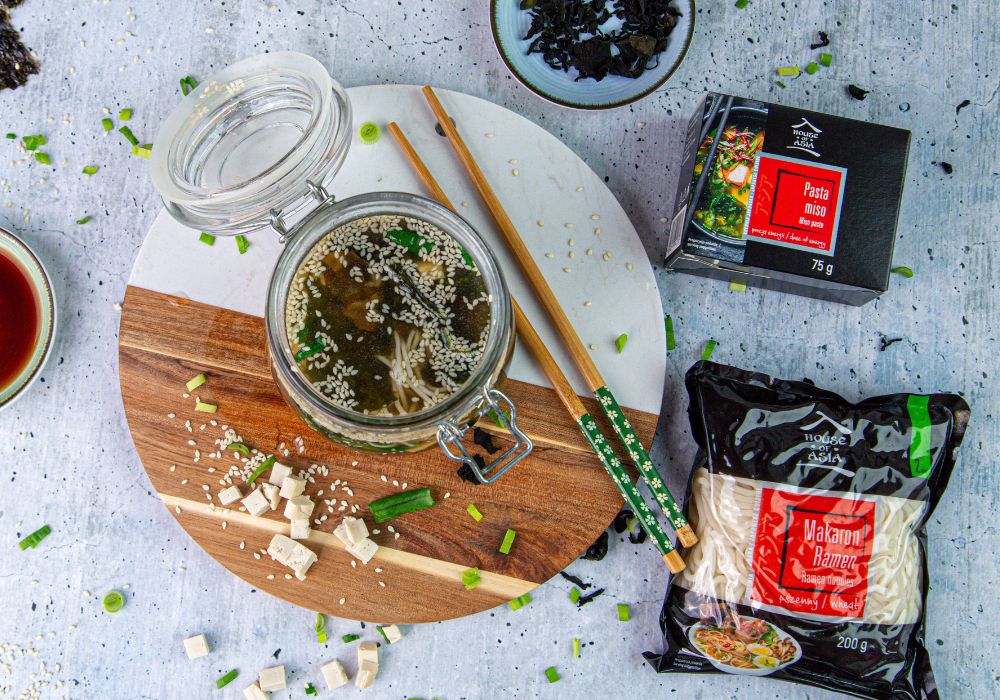
For those who prefer a plant-based diet, vegetarian or vegan ramen is the perfect choice. Our selection includes recipes based on vegetable broth, tofu, and fresh vegetables. Vegetable ramen is a light and healthy alternative to traditional meat-based versions.
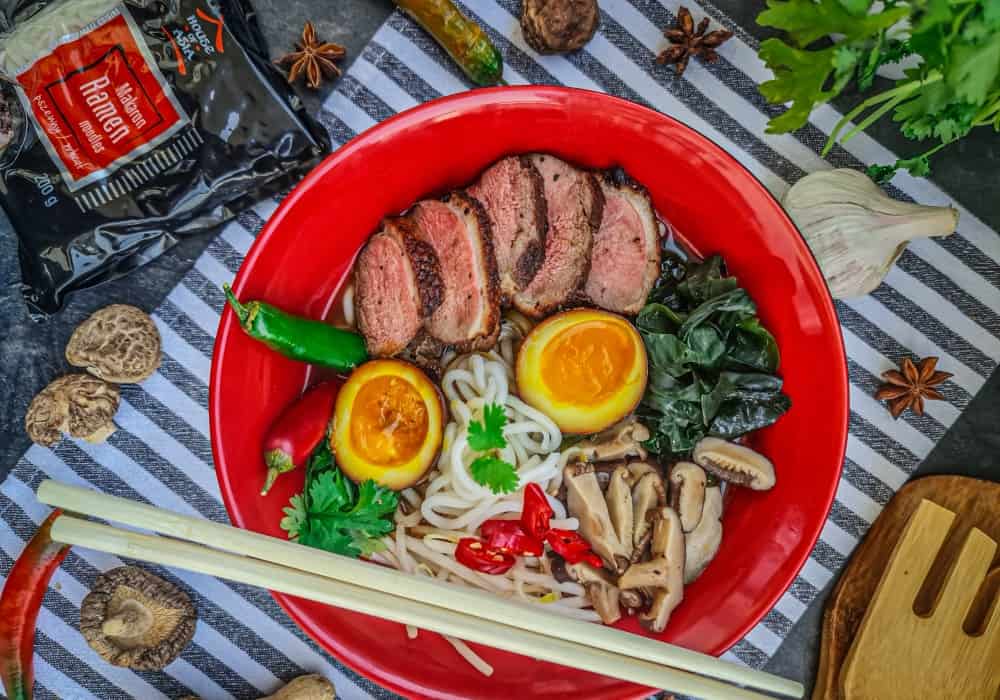
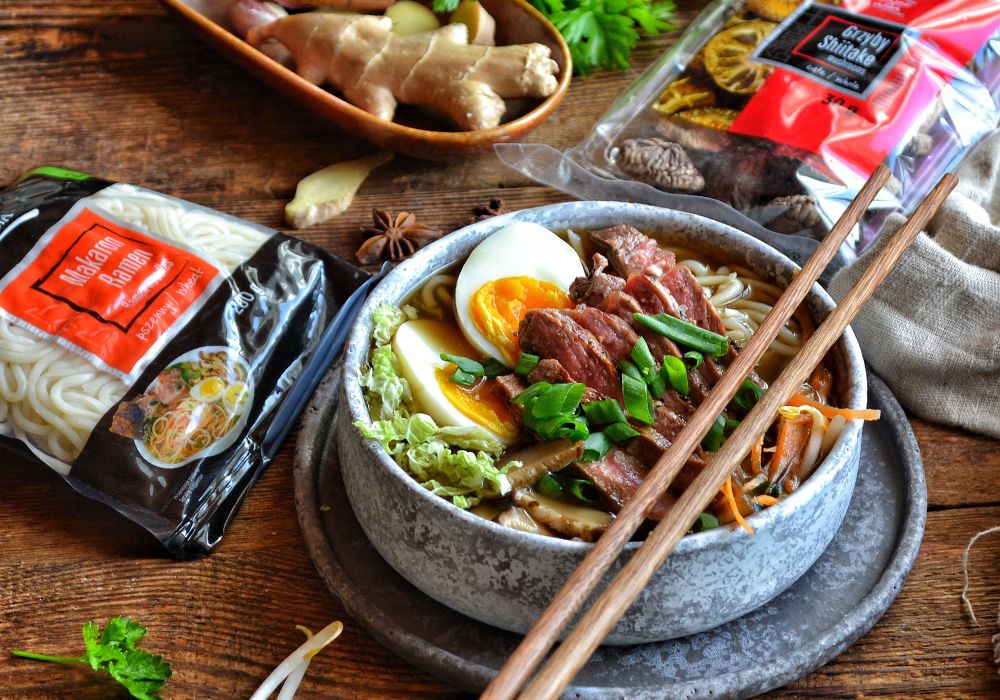
Looking for a simple way to prepare ramen? Our simple ramen recipes will let you prepare this Japanese dish in just a few minutes. You can try homemade ramen in various variations, such as chicken ramen, beef ramen, or duck ramen. For those who love intense flavor, we recommend spicy ramen, which will surely warm you up on cold days.
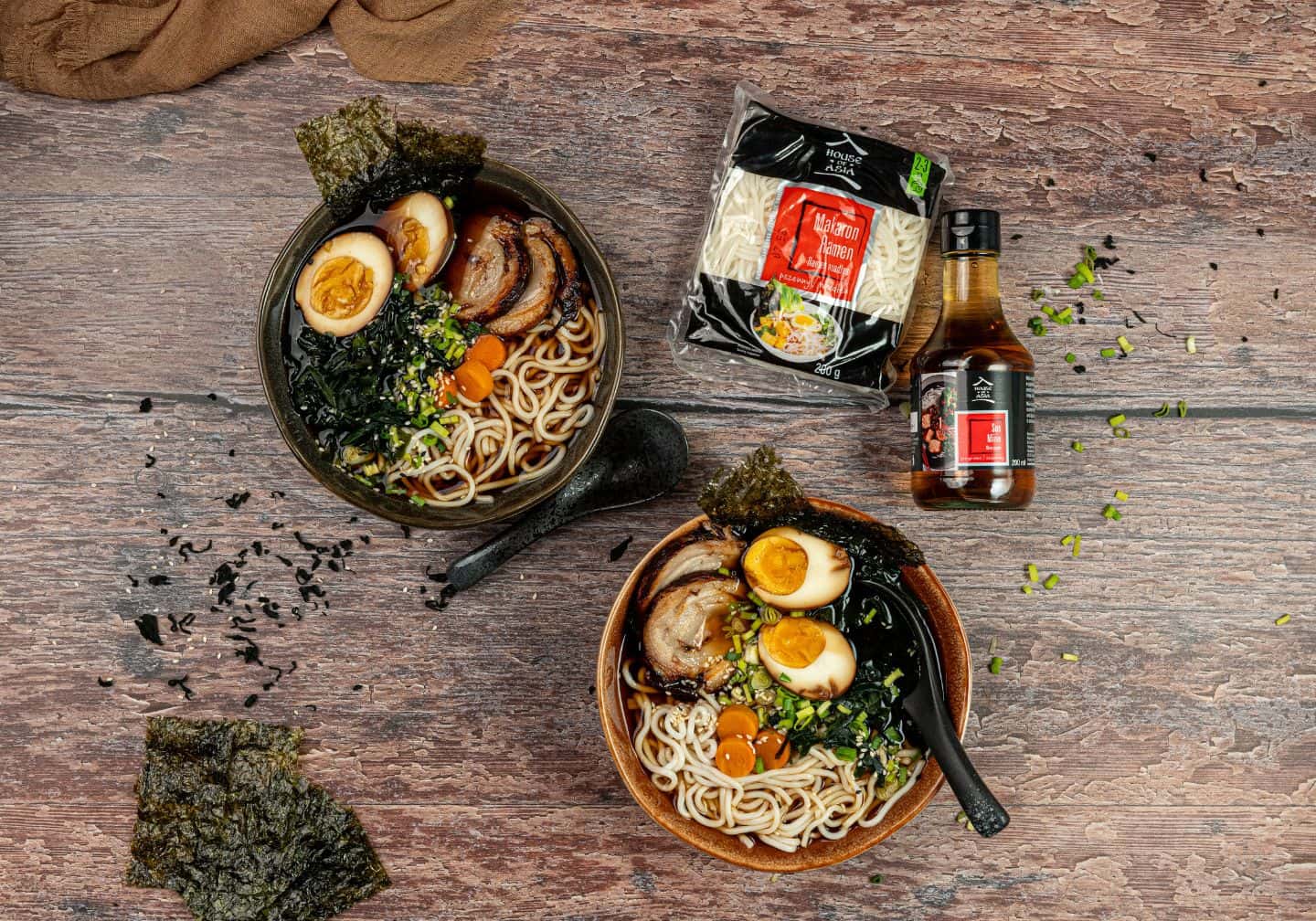
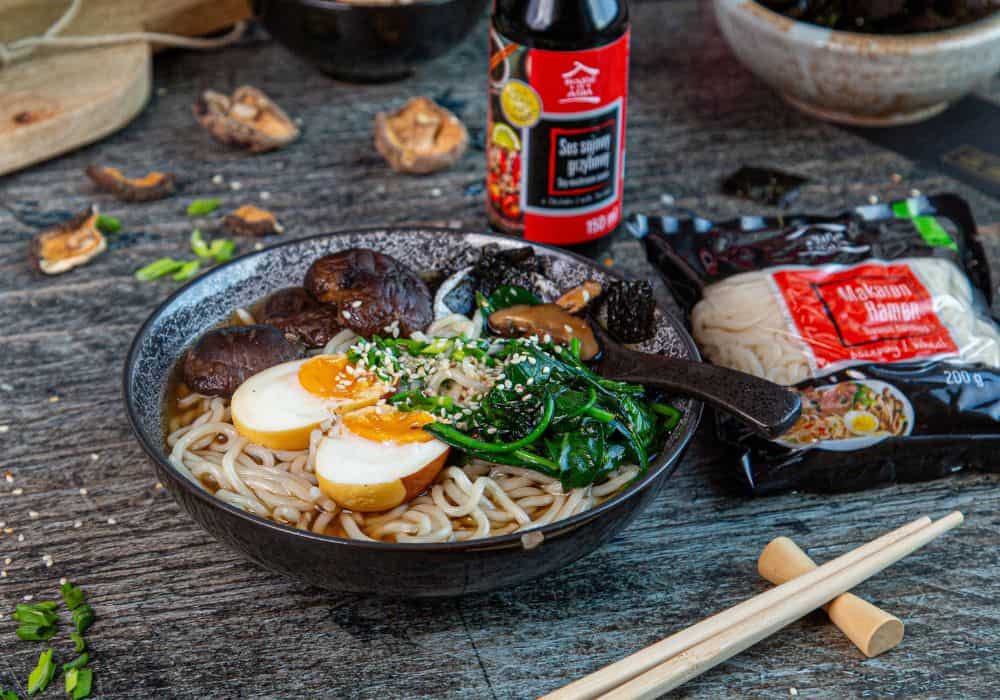
One of the key ingredients that give ramen its distinctive look and flavor is the pickled egg. Ramen eggs, or ajitsuke tamago, are a must-have addition to every bowl of ramen. To cook the perfect ramen eggs, immerse them in boiling water for a few minutes and then cool them in cold water. After peeling them, marinate them in a mixture of soy sauce, mirin, and water to impart a distinctive flavor. If you want to learn how to prepare the perfect egg for your ramen, be sure to check out our article: How to Cook a Pickled Egg for Ramen? You'll find all the information you need to make your ramen even tastier.
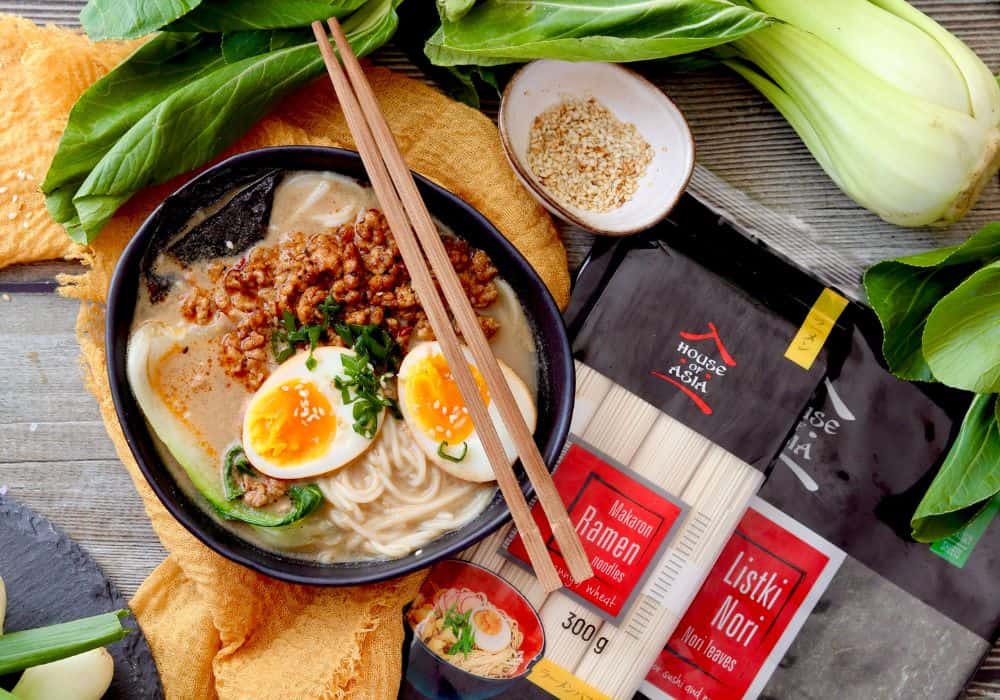
Whether you're a fan of classic versions like ramen with beef ramen with chicken, or are you looking for new flavors, like curry ramen tantanmen ramen, our selection of ramen recipes will surely inspire you. Use the ready-made broth to quickly prepare your favorite Japanese ramen in the comfort of your home and enjoy the authentic taste of this iconic soup.
Ramen is a dish that provides a variety of nutritional benefits, depending on the ingredients used. Although traditional ramen is often perceived as high-calorie, its nutritional and health benefits can be varied and tailored to individual needs.
Source of energy
Ramen is rich in carbohydrates, which provide the body with energy. The main source of carbohydrates in ramen is the noodles, which are the main ingredient in this dish.
Protein
Depending on the toppings, ramen can be rich in protein. Traditionally, it is topped with pork slices, eggs, and, in vegetarian or vegan versions, tofu. Protein is crucial for tissue building and regeneration and supports immune system function.
Fats
Ramen can contain varying amounts of fat, depending on the ingredients used. Pork bone broth is high in saturated fat, which gives the soup its creamy consistency. However, you can reduce the fat content by choosing lighter broths made with soy sauce or salt.
Vitamins and minerals
Ramen, especially if it's rich in vegetables, can be a good source of vitamins and minerals. Vegetables like spinach, cabbage, carrots, and mushrooms provide vitamins A, C, and K, as well as folate. Broths, especially those made with bone broth, can provide minerals like calcium, magnesium, phosphorus, and collagen.
roughage
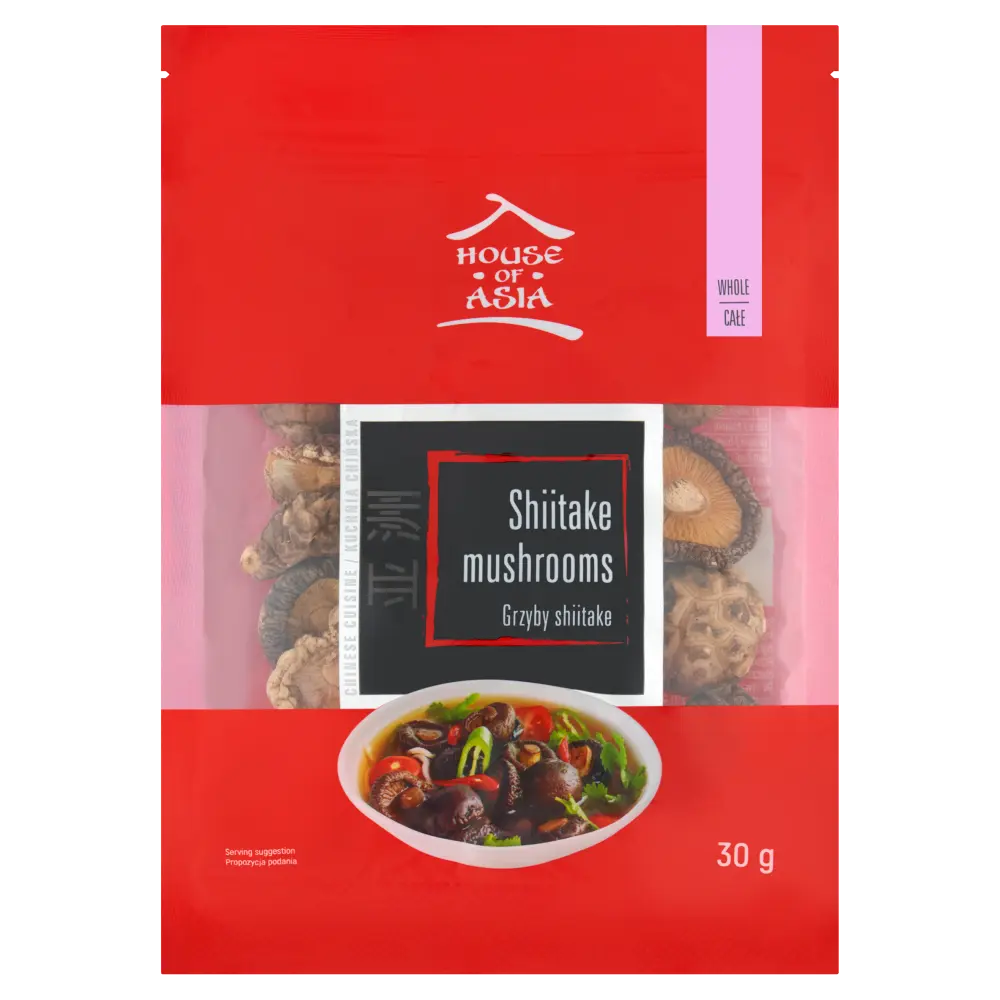
Traditional ramen doesn't contain much fiber, but adding vegetables, seaweed (nori), mushrooms, and whole-grain pasta can increase its content. Fiber aids digestion, regulates blood sugar levels, and helps maintain a healthy body weight.
Electrolytes
Broths used in ramen, especially salt-based ones, are a source of sodium. Sodium is essential for maintaining the body's electrolyte balance, but it's best to exercise moderation, as excess salt can lead to elevated blood pressure.
Amino acids and collagen
Bone broths, especially those made from pork or chicken, are rich in amino acids like glycine and proline, which support joint, skin, and digestive health. Collagen, which occurs naturally in bones, also benefits skin and connective tissue health.
Warming properties
Ramen, especially spicy, has a warming effect, which is especially appreciated on colder days. Hot spices, such as chili, boost metabolism and may support cardiovascular health.
Possibility to adjust caloric content
Ramen can be a high-calorie dish, especially when it contains a fatty broth and large amounts of meat. However, by modifying the recipe appropriately, for example, using a lighter broth, adding more vegetables, and choosing lean protein sources, you can reduce the calorie count and tailor it to your individual needs.
Although primarily known as a filling and warming soup, ramen can also be a source of many valuable nutrients. Its nutritional value depends on the ingredients used – from the broth, to the noodles, to the toppings. A well-balanced ramen can be a tasty and healthy meal, providing essential nutrients and energy.
 Ryba
Ryba  Japanese
  up to 15 minutes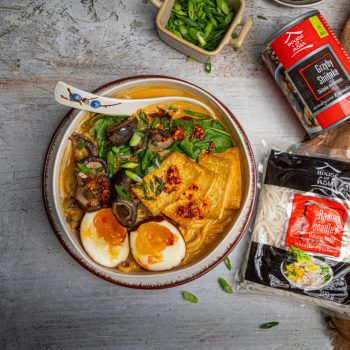
 Pasta
Pasta 
 Tofu
Tofu 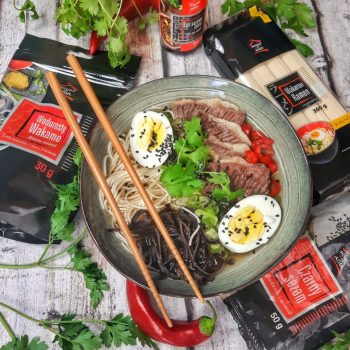
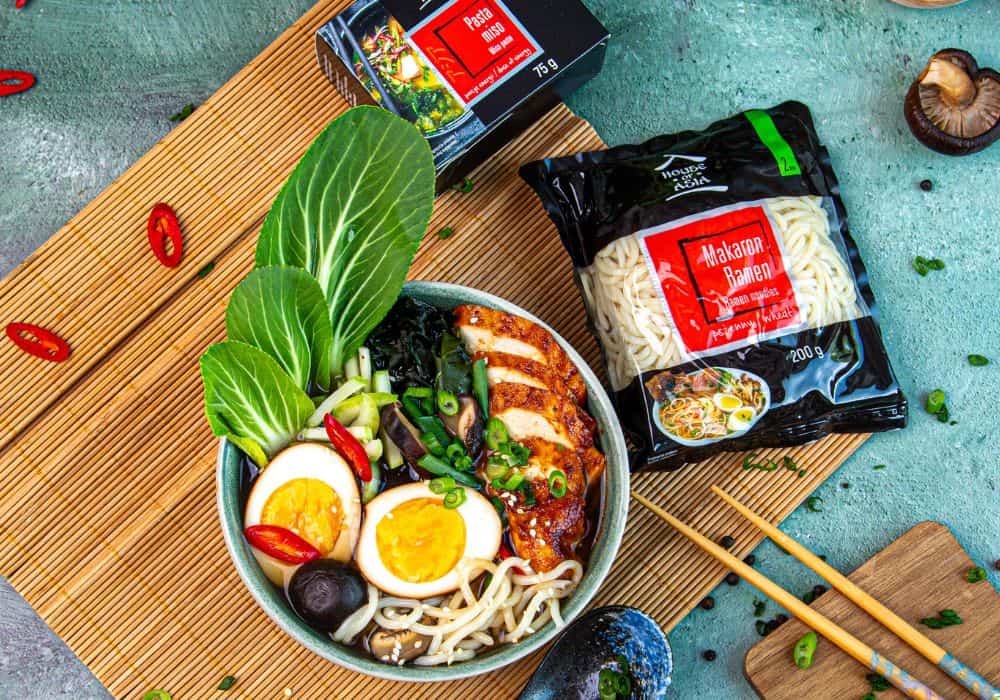
 Chicken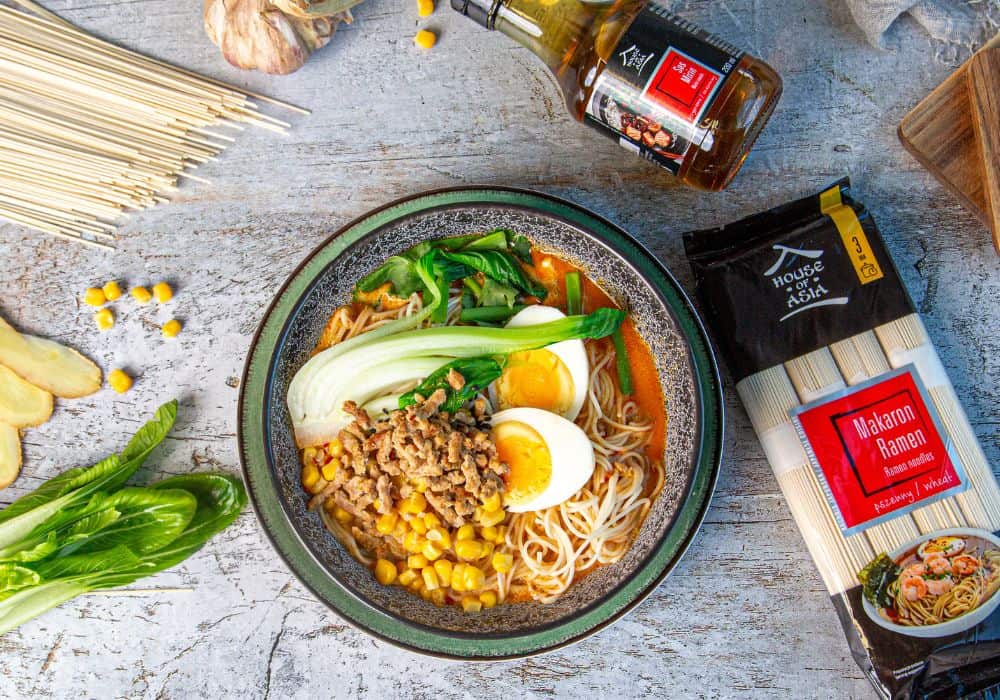

 Vegetables