HOUSE OF ASIA
See the recipeHits
Ingredients
Diets


Many people wonder how Asian vegetarian dishes can be so filling and flavorful despite the lack of meat. The secret lies in the skillful combination of ingredients that enhance each other's flavors. Fresh vegetables, tofu, mushrooms, noodles, rice, and carefully selected sauces and spices create harmonious compositions full of depth.
A huge advantage of Asian cuisine is the speed of meal preparation. Many dishes are ready in just a few minutes, while also providing a wealth of nutrients and allowing you to enjoy a wealth of flavors. This is a great solution for those who want to eat healthily but don't have time for hours of cooking.
Umami is often referred to as the fifth taste, and it's responsible for the depth and fullness of flavor in Asian cuisine. In vegetarian dishes, carefully selected sauces and spices can completely transform the character of simple ingredients. Even ordinary rice with vegetables can become an exceptional meal if enhanced with an aromatic sauce with a slightly sweet and distinctive flavor.
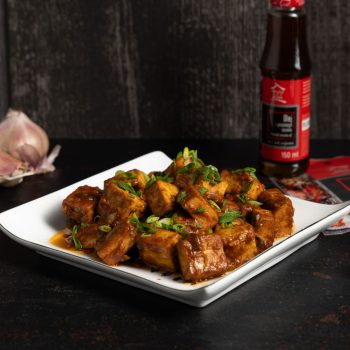
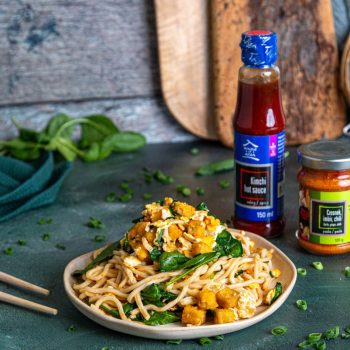
Unagi sauce It perfectly enhances the flavor of tofu, grilled vegetables, and rice and noodle dishes. Its delicate sweetness and thick consistency give vegetables an appetizing flavor, giving the dish the look of a professional restaurant. It's a simple way to create an impressive meatless dinner in just a few moments.
It's worth remembering that Asian cuisine is based on the skillful combination of flavors. Ginger adds freshness, chili enhances the dish's character, and soy- and sesame-based sauces create a deep aroma. This means that even quick recipes prepared after work can taste exceptional and encourage further exploration of plant-based cuisine.
Tofu has long been a key ingredient in Asian vegetarian cuisine. It's light, rich in protein, and incredibly versatile, so it can be prepared in a variety of ways—frying, grilling, baking, or adding to soups and curries.
For many people, tofu is an excellent alternative to meat, not only for its nutritional value but also for its ease of preparation. It doesn't require lengthy cooking, absorbs marinades quickly, and pairs perfectly with noodles and rice. It's an ingredient that allows you to easily experiment with Asian flavors and prepare a variety of dishes, even when you're short on time.
For everyday cooking, tofu marinated in soy sauce, ginger, and garlic, then stir-fried with vegetables over high heat, is a great option. A few minutes is all it takes to create a filling, flavorful dish. Tofu can also be combined with coconut milk and curry paste for a creamy Thai-inspired dish.
Asian cuisine delights with its diversity, so vegetarian recipes can taste completely different every day. Thai curry captivates with its creamy consistency and the aroma of coconut milk, Indian masala warms with intense spices, and dishes inspired by Japanese cuisine delight with their simplicity and harmony of flavors.
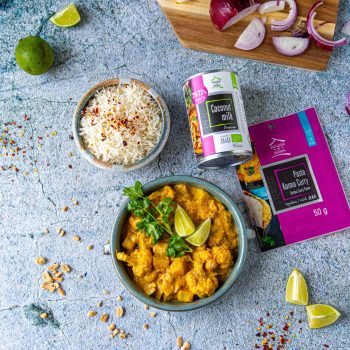
Thai curry is a great idea for a quick, vegetable-packed dinner. Simply combine curry paste with coconut milk, add tofu, bell peppers, carrots, and broccoli, and serve with jasmine rice. This dish is filling, flavorful, and incredibly easy to prepare.
Indian inspirations are perfect for colder days. Lentils, tomatoes, coconut milk, and a blend of aromatic spices create warming dishes full of deep flavor. The addition of fresh cilantro and rice turns even a simple meal into a truly satisfying one.
Asian cuisine offers enormous freedom in dish composition. You can freely combine seasonal vegetables, different types of pasta, and sauces, creating quick recipes tailored to your preferences. It's this diversity that makes plant-based cuisine never boring.
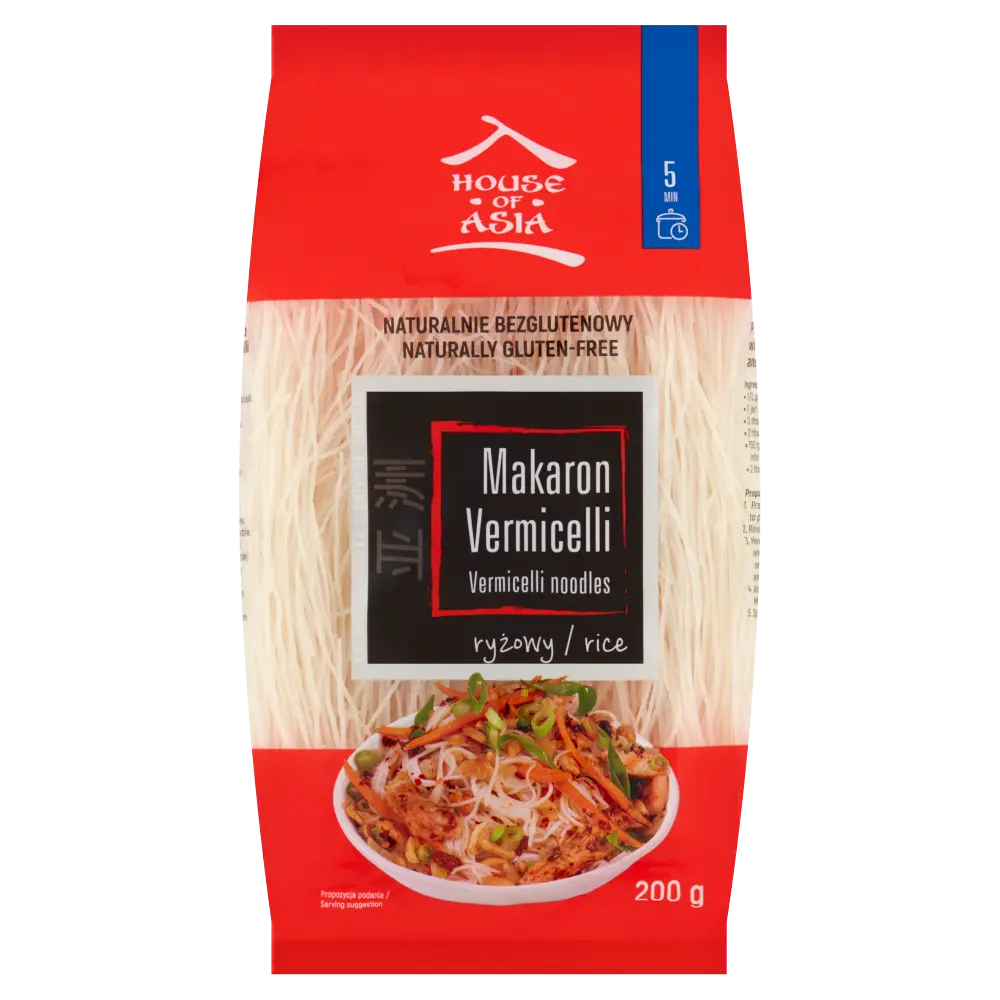
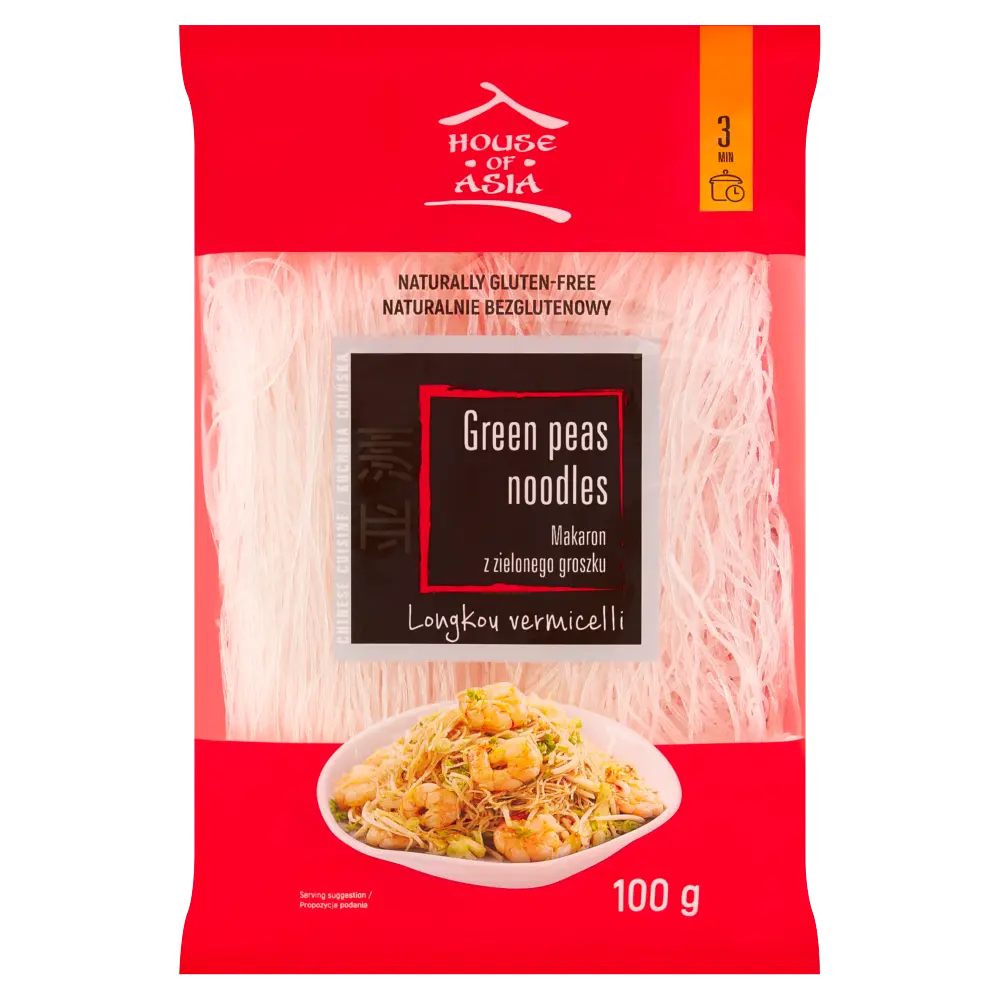
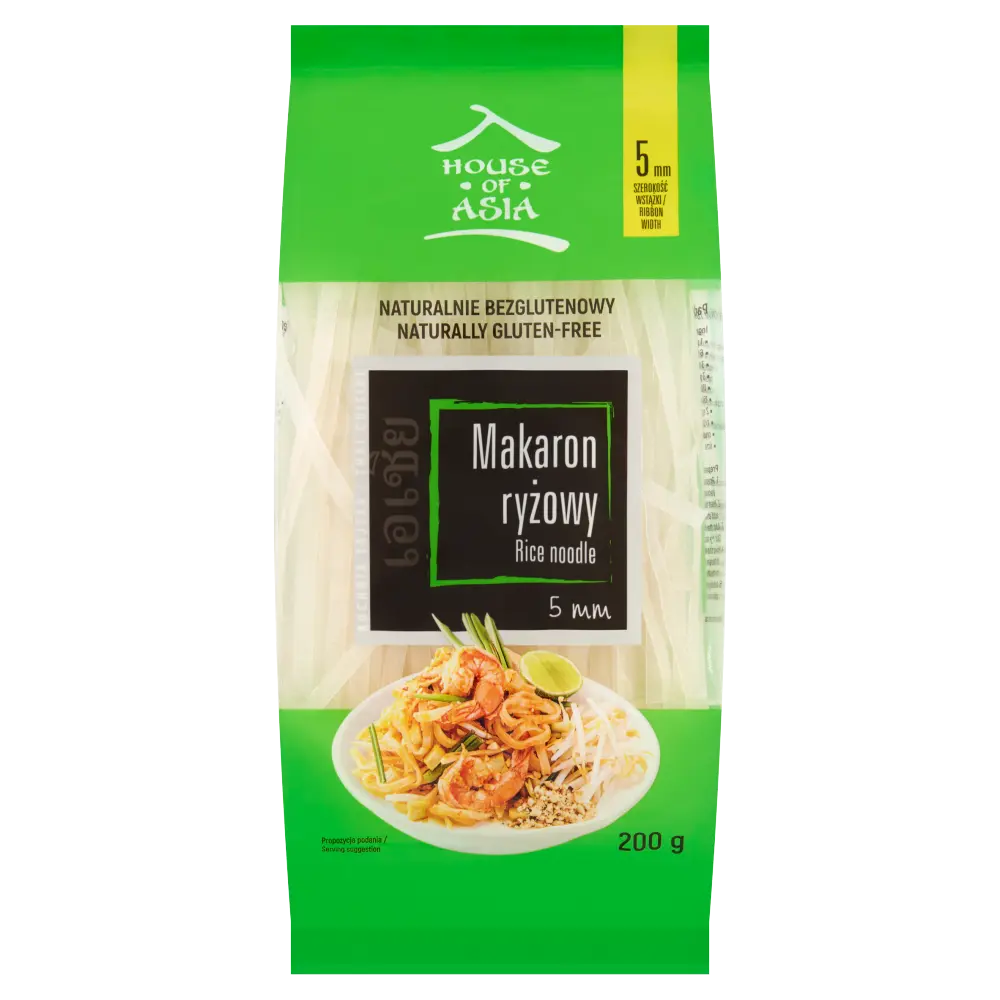
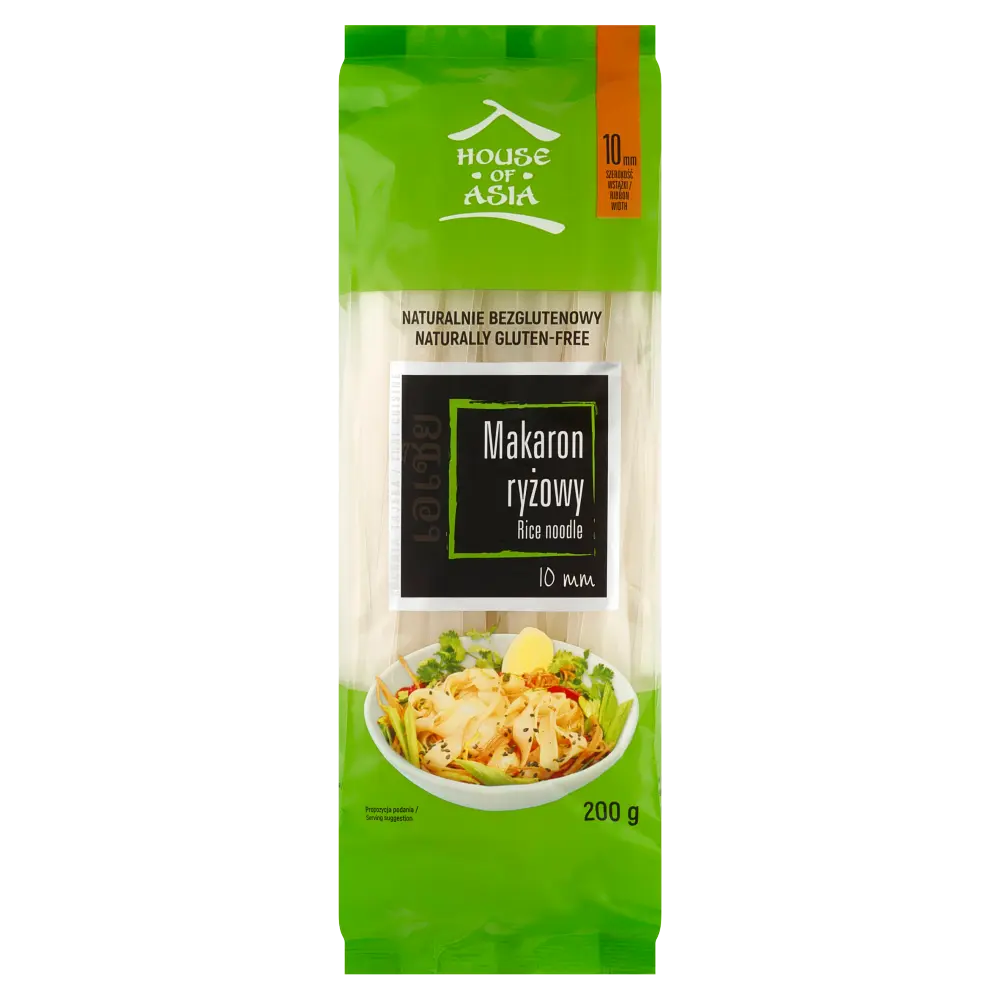
It's hard to imagine Asian cuisine without rice and noodles. They form the foundation of many quick and simple dishes that can be combined with vegetables, tofu, and aromatic sauces.
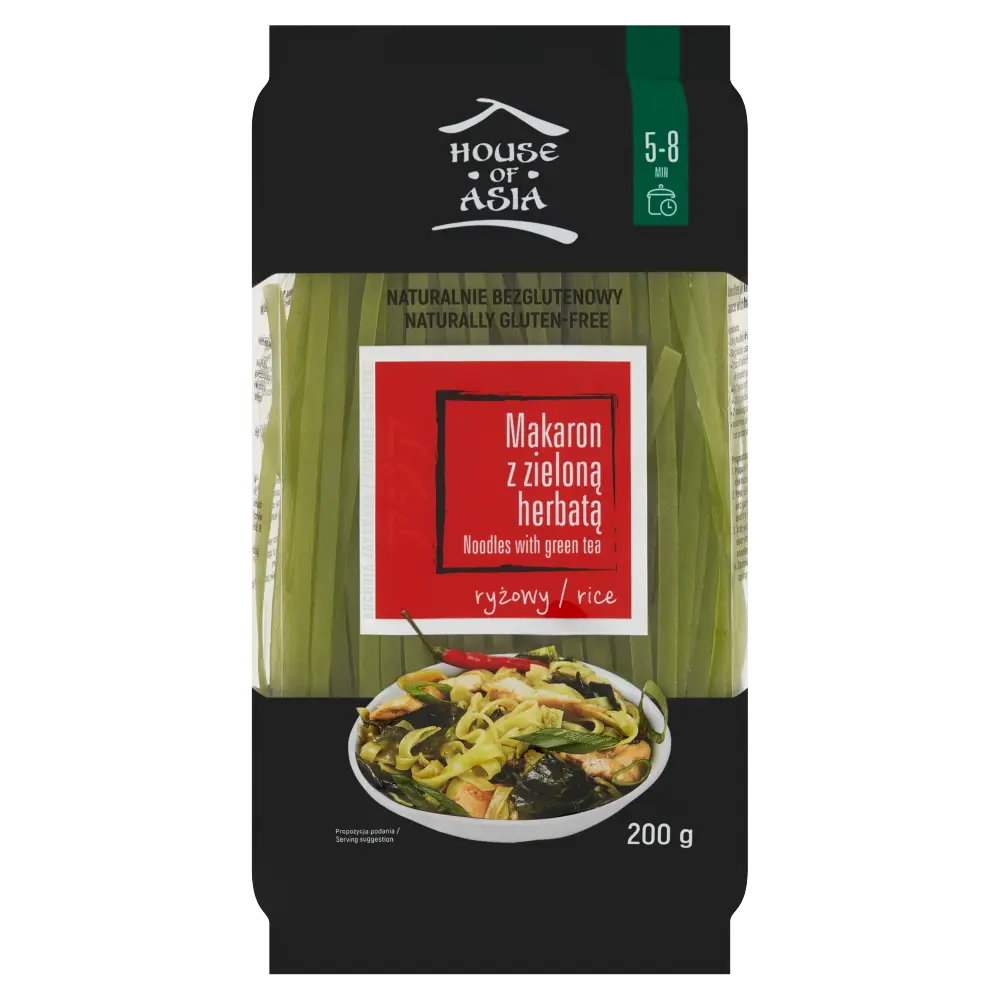
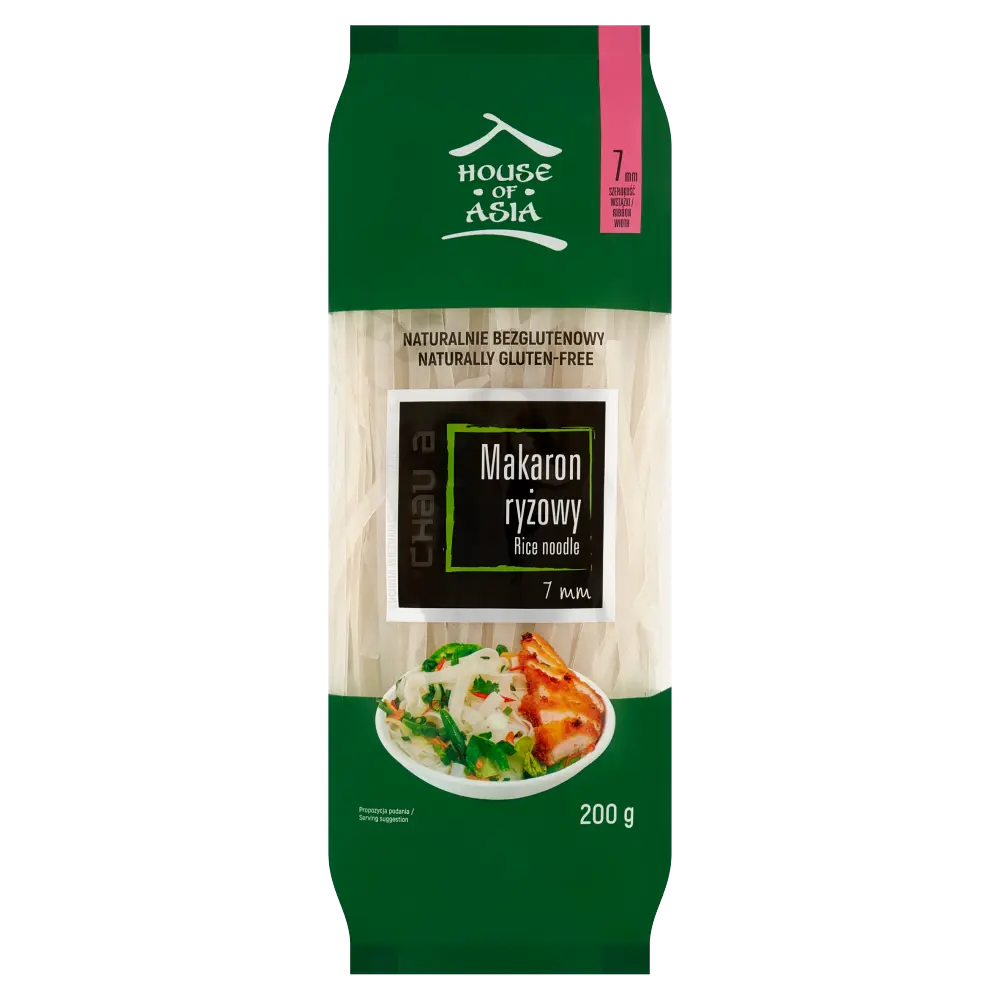
Rice noodles with green tea This is an interesting option for those seeking new flavors. Its delicate character pairs perfectly with stir-fried vegetables, tofu, and light sauces inspired by Japanese and Chinese cuisine. Thanks to its short preparation time, it allows you to create a full-fledged meal even when you only have a few minutes to spare.
Rice is equally versatile, serving well as a side dish for curry, a salad ingredient, or a side dish for stews. The ability to freely combine ingredients allows you to create a completely new flavor combination every day.
Asian cuisine perfectly demonstrates that exceptional dishes can be prepared with simple, seasonal ingredients available year-round. Fresh vegetables, aromatic spices, and carefully selected sauces give everyday meals not only a rich flavor but also a beautiful color that encourages you to reach for another serving.
Spring is a great time to use young cabbage, radishes, and asparagus. They're perfect for light, Vietnamese-inspired salads and quick rice noodle dishes. Their freshness and beautiful, natural color make even the simplest of arrangements incredibly appetizing.
Zucchini, peppers, cucumbers, and fresh herbs dominate summer plates. These are the perfect ingredients for wok dishes, salads, and pasta, which can be prepared in just a few minutes. The vibrant colors of these vegetables add beautiful color to dishes and make them delightful not only in taste but also in appearance.
In autumn and winter, it's worth reaching for pumpkin, carrots, mushrooms, and sweet potatoes. They can be used to prepare warming soups, aromatic curries, and hearty dishes with rice and tofu. The warm hues of seasonal vegetables add beautiful color to dishes, perfectly complementing the colder months.
Using seasonal vegetables in Asian recipes allows you to enjoy their best flavor, nutritional value, and beautiful natural color year-round. It's a simple way to diversify your daily menu and prepare dishes that delight with both aroma and appearance.
Frozen vegetables are perfect for Asian cuisine, especially when you want to prepare a quick meal. They can be used to create a flavorful curry, stir-fry, or vegetable-packed soup in minutes. Vegetable blends retain their nutritional value and allow you to enjoy your favorite flavors regardless of the season. Simply season them with sauces and spices for a flavorful dish.
The choice of tofu depends primarily on the type of dish being prepared. Natural tofu is best for frying, grilling, and marinating, as it absorbs the flavors of sauces and spices well. Silken tofu has a creamier consistency, making it perfect for soups, sauces, and Asian-inspired desserts. It's worth experimenting with different types of tofu to discover new textures and flavors.
Polish vegetables pair beautifully with Asian spices and sauces. Broccoli, carrots, cabbage, zucchini, asparagus, pumpkin, and mushrooms can form the basis for curries, pasta, salads, and rice dishes. It's a simple way to combine local ingredients with inspiration drawn from various Asian regions.
Aromatics are perfect for special occasions curry with vegetables and tofu, rice noodles with vegetables in a distinctive sauce, Asian dumplings with vegetable stuffing or spectacular Salads with the addition of fresh herbs. Such dishes look attractive on the table and at the same time allow you to surprise guests with unique flavors and aromas.
 Vegetables
  Korean
  up to 15 minutes
 Chinese
 Tofu
Tofu 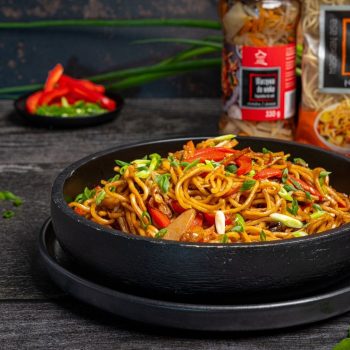
 Pasta
Pasta 
 Rice
Rice  Thailand
 Fruits
 Indian
 Mushrooms


 Japanese