HOUSE OF ASIA
See the recipeHits
Ingredients
Diets


Kimchi
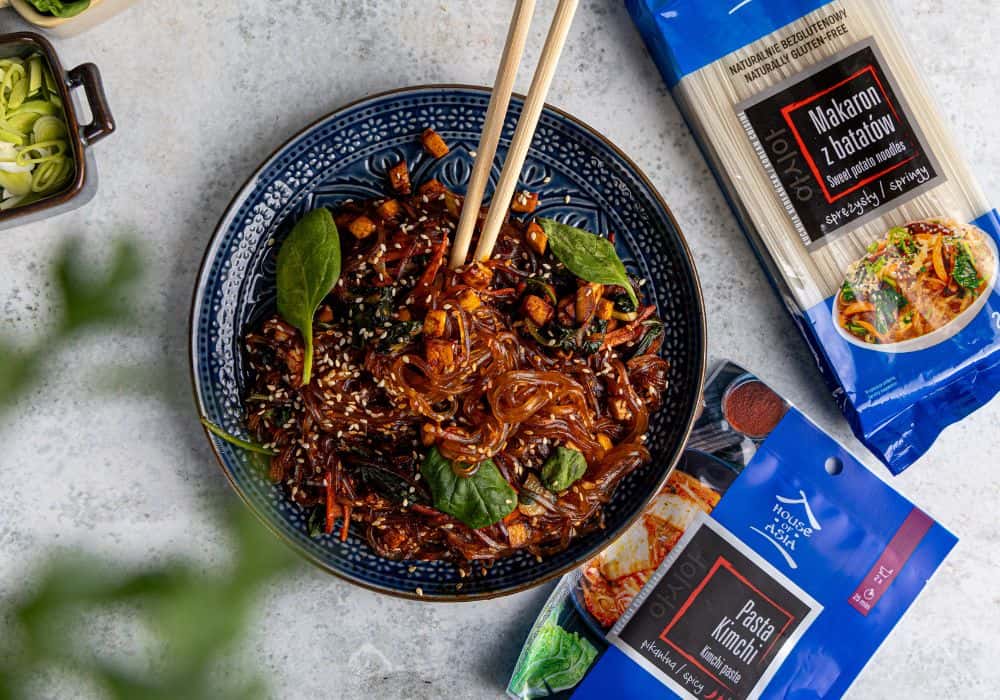
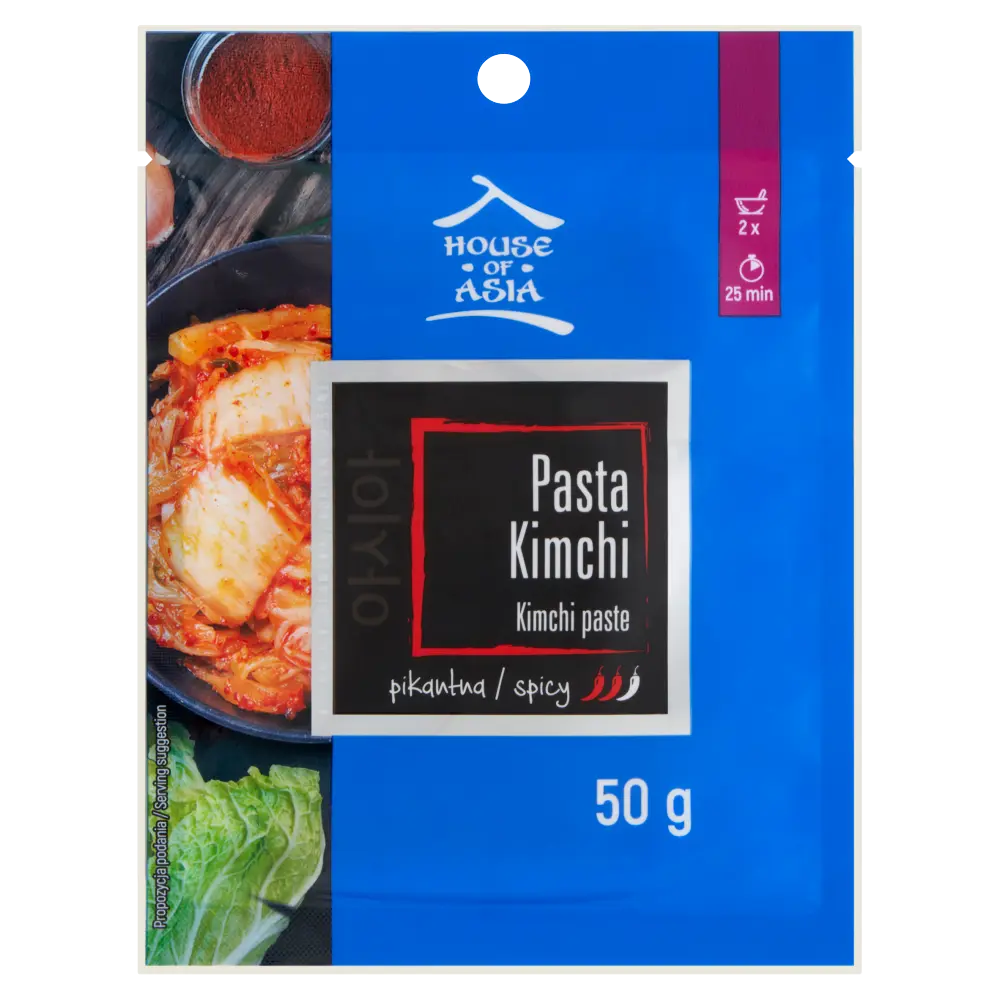
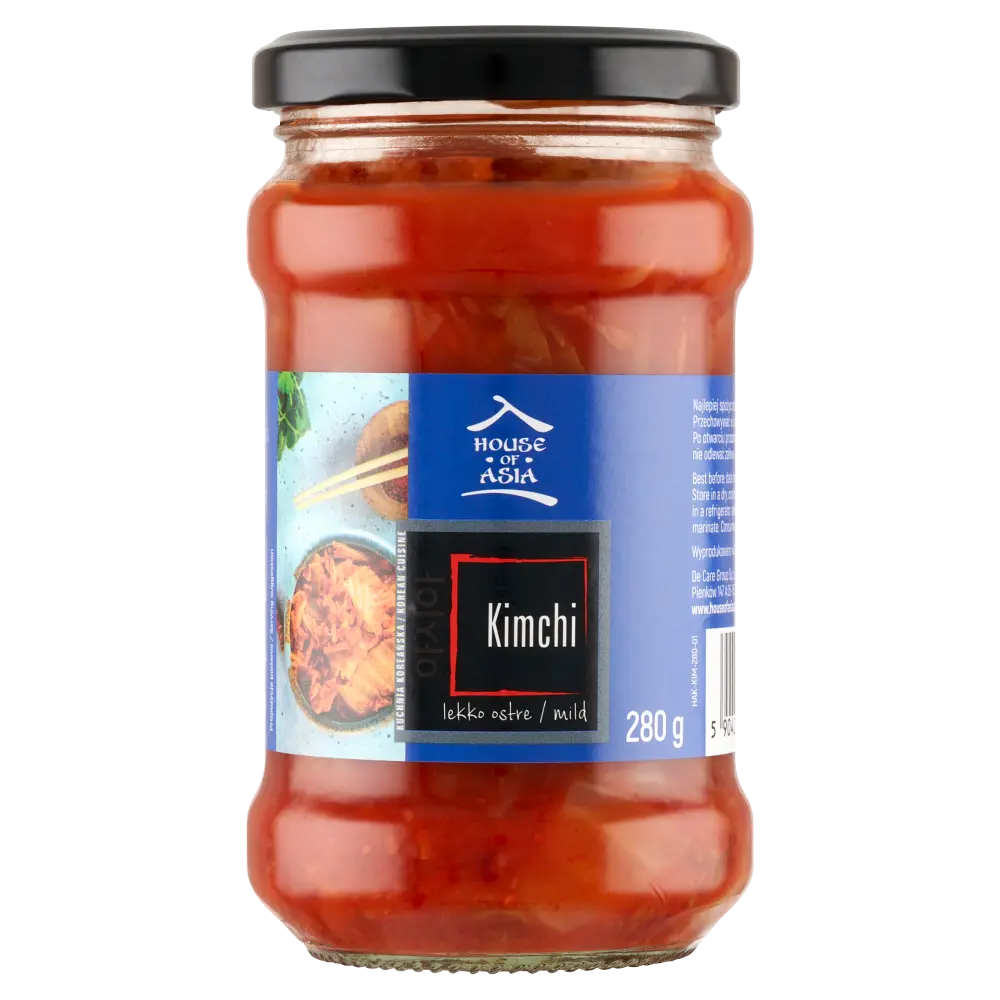
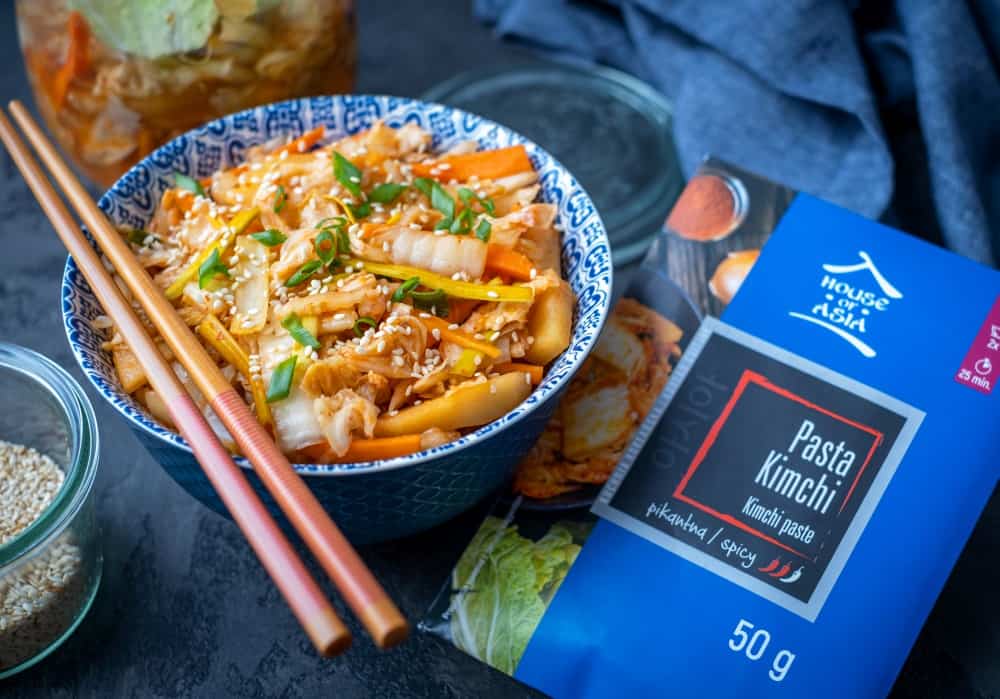
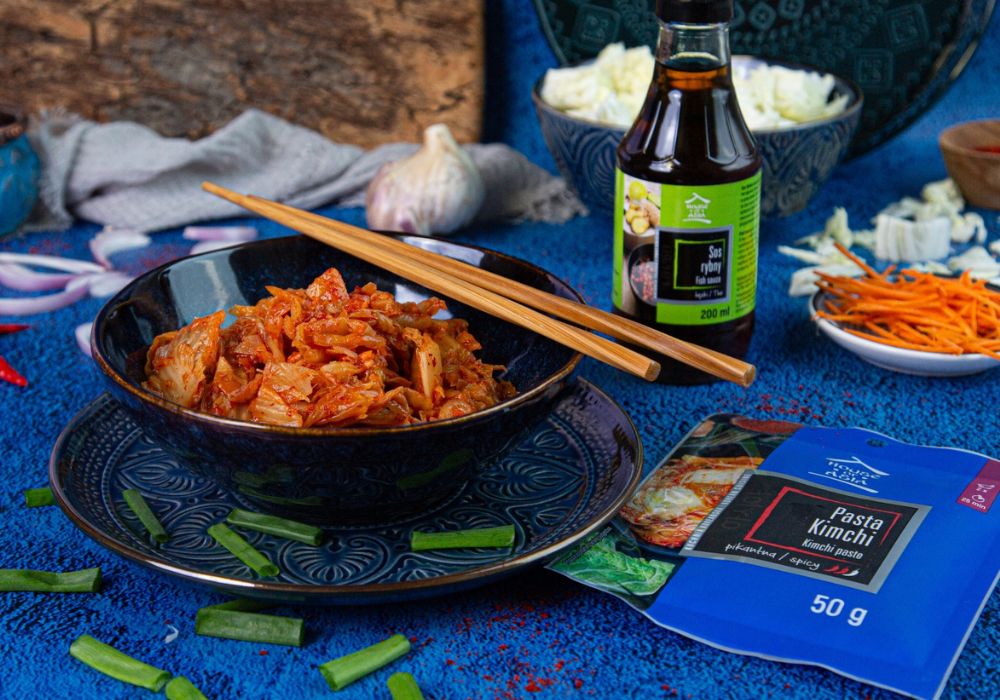
Spicy, sour, and full of character – kimchi is the quintessence of Korean cuisine and one of the healthiest additions to meals. Fermented cabbage with chili, garlic, and ginger supports gut flora and adds a distinctive touch to even the simplest dishes. Kimchi doesn't have to be made yourself! If you prefer a simpler option, choose our ready-made, authentic kimchi and instantly experience the taste of Seoul on your home menu.


Bulgogi
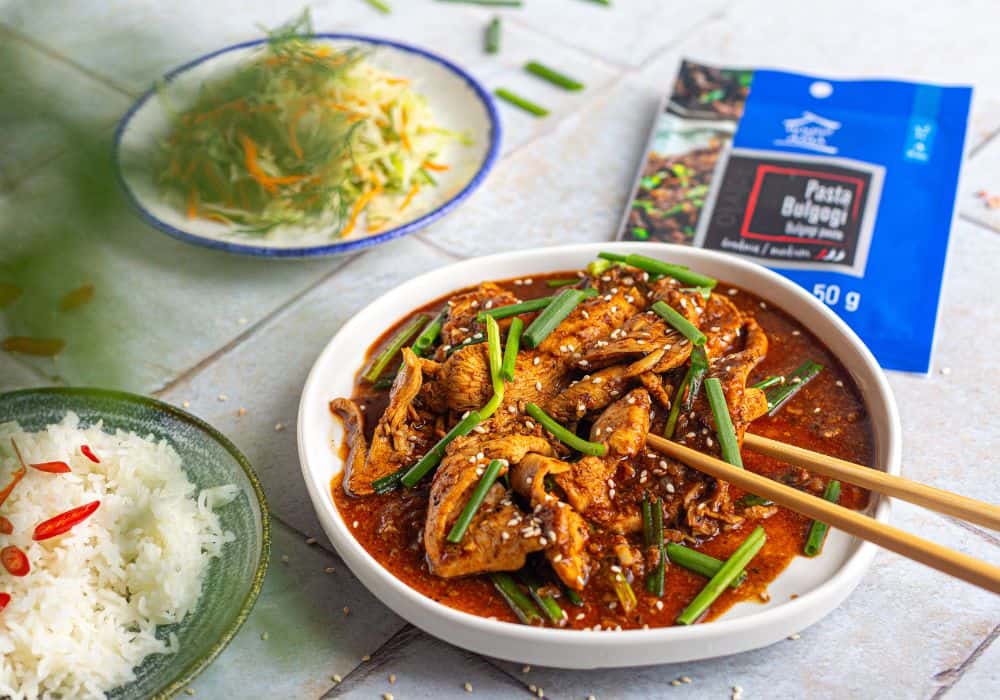
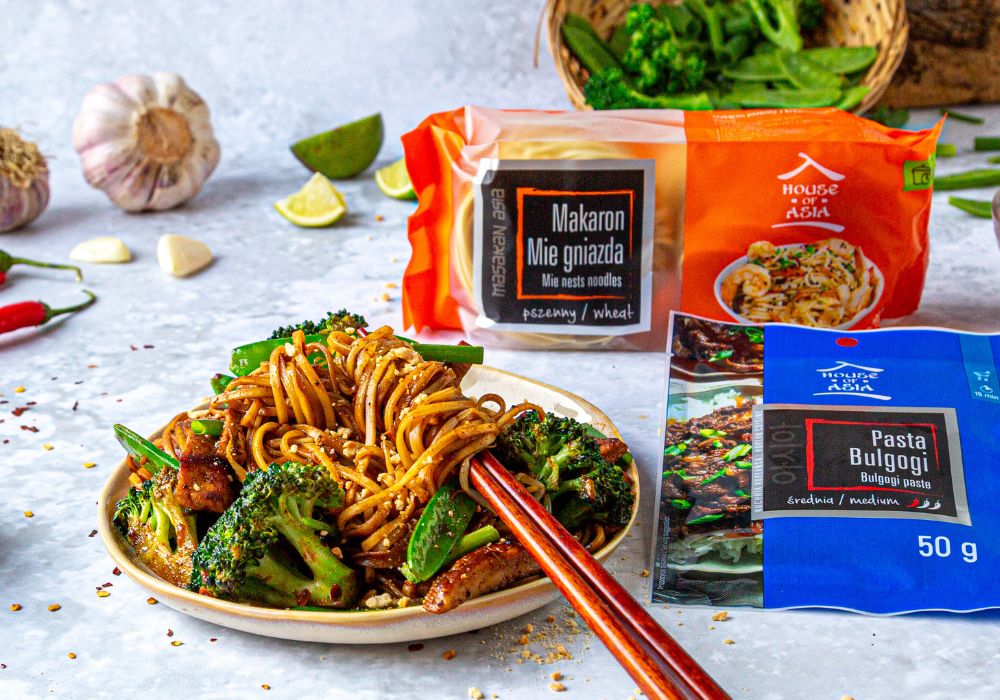
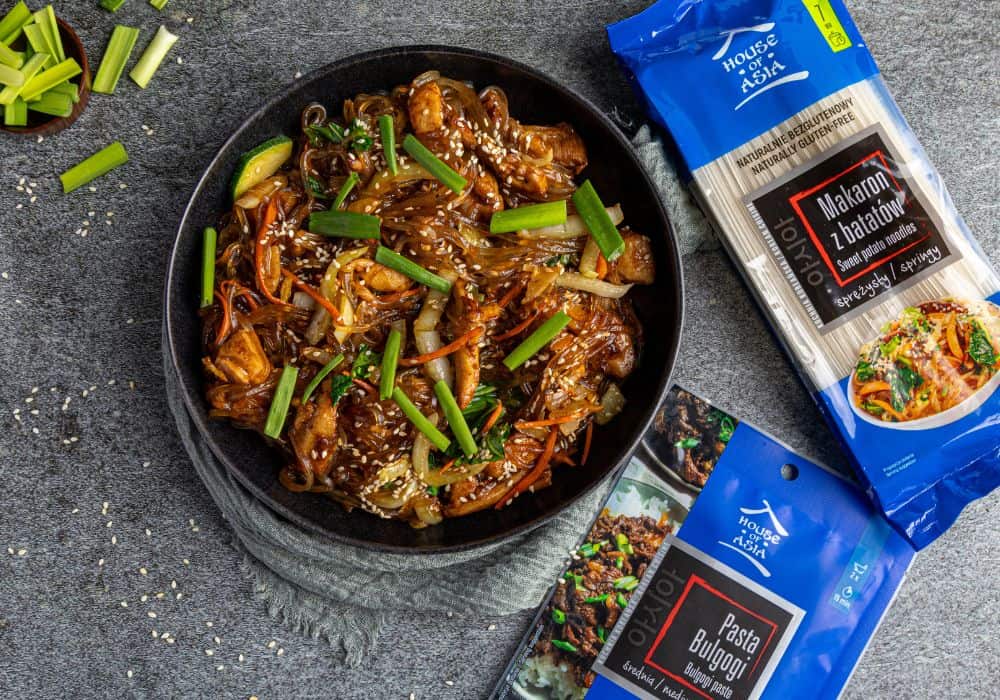
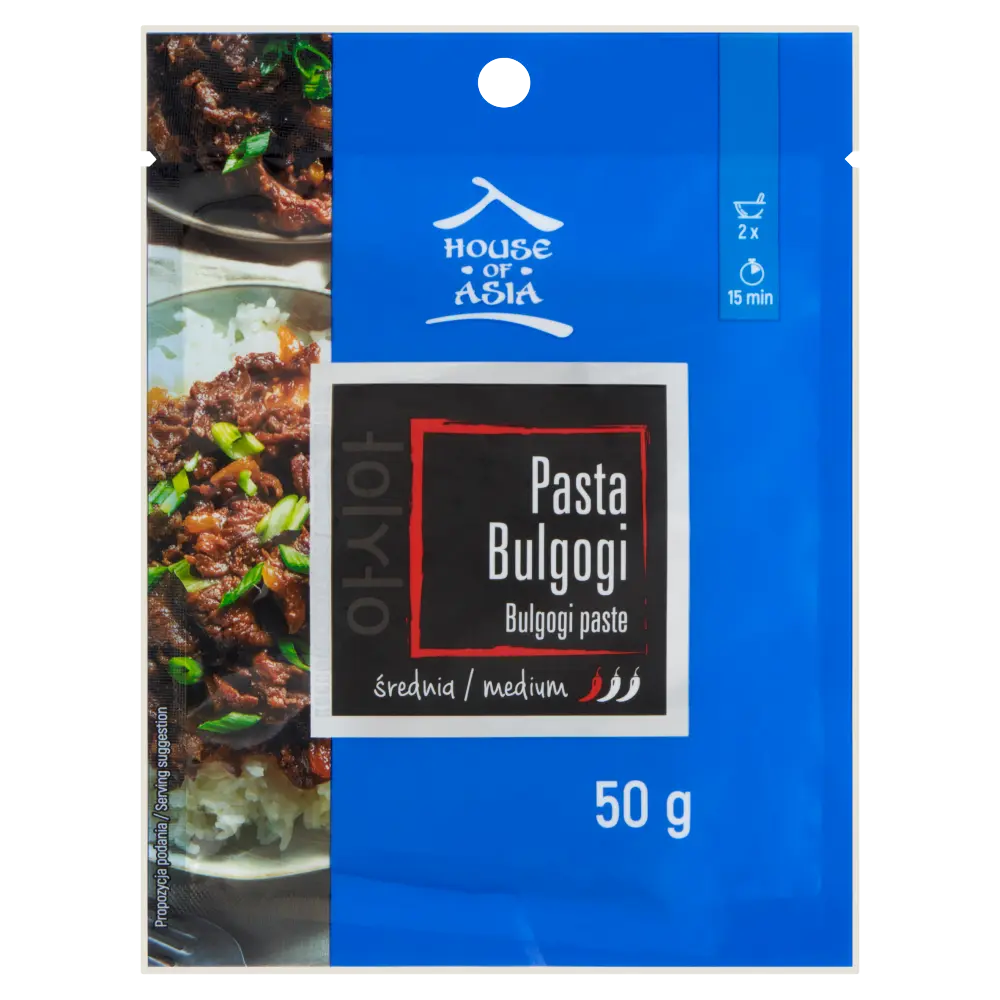
Tender beef marinated in a blend of soy sauce, garlic, sesame seeds, and sweet pear, then briefly grilled – Bulgogi is a Korean barbecue classic that captivates with its simplicity and flavor. Want to surprise your guests with an oriental dinner but don't have time to spend in the kitchen? Use our ready-made Bulgogi paste – all you need is meat, rice, and a few minutes of frying to create a dish straight from Korean street food.
In Korean cuisine, tradition meets modernity, making every meal a unique experience. Discover the secrets of dishes brimming with flavor, health, and exceptional ingredients.
Kimchi is one of Korea's most iconic dishes and an essential part of almost every meal. It's fermented Chinese cabbage, often enriched with garlic, ginger, chili pepper, and other aromatic spices. The fermentation process makes kimchi not only intensely spicy and sour but also incredibly healthy. Thanks to its high prebiotic content, it supports gut flora, strengthens immunity, and improves digestion. There are many varieties of kimchi, including versions with radishes, cucumbers, and seafood. It's a versatile side dish that can be enjoyed on its own, as an ingredient in soups, pancakes, or main courses. Use our ready-made kimchi to make your kitchen easier.
If you like to start your day with a nutritious meal, a Korean breakfast is perfect for you. It often consists of rice, vegetables, light soups, and kimchi.
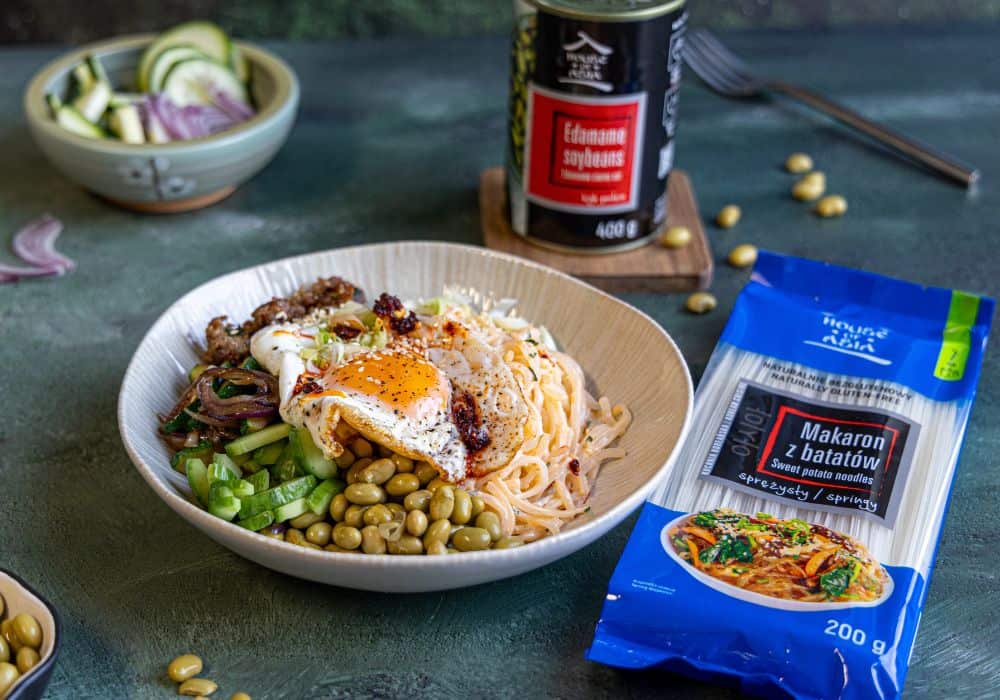
One of the most popular Korean dishes is Bibimbap. This colorful composition of rice, vegetables, egg, and meat delights not only with its appearance but also with its taste. The Bibimbap recipe allows you to create a nutritious meal, perfect for both lunch and dinner. Not sure how to make it? Try our recipe for bibimbap.
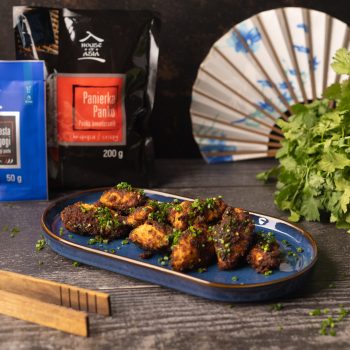
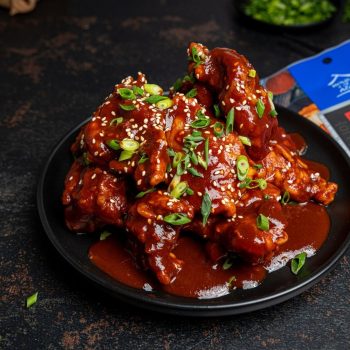
Korean chicken is another dish that perfectly captures the essence of Korean cuisine. Spicy, crispy pieces of chicken marinated in a sweet and spicy sauce quickly become a favorite of everyone who tries this dish. A pasta dish is perfect for this. bulgogi.
Korean barbecue, also known as BBQ, is a unique culinary tradition in which dishes are prepared directly on the table using a special grill. Typical grilled items include marinated beef (Bulgogi), pork (Samgyeopsal), chicken, and seafood. Korean BBQ is not only a way to prepare a meal but also an opportunity to spend time together with family and friends.
Korean soups like Kimchi Jjigae (kimchi soup) are a warming, aromatic option perfect for cold days. The combination of spicy kimchi, tofu, pork, and vegetables makes it a true comfort food that spicy food lovers will appreciate.
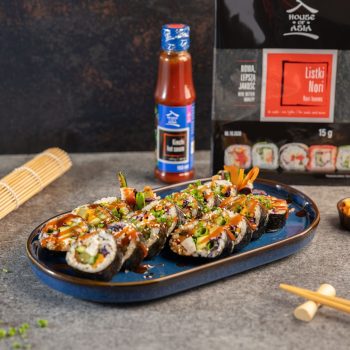
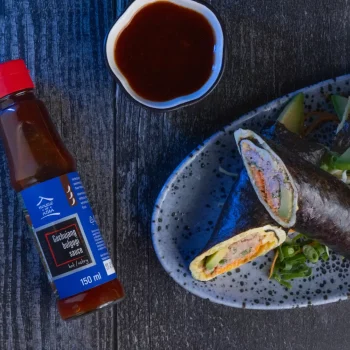
Sushi lovers should definitely try Korean sushi, known as kimbap. The kimbap recipe is based on rice, nori seaweed, vegetables, and meat or fish, wrapped into neat rolls, perfect for taking with you for lunch or a picnic.
Korean cuisine isn't just about food—it's a true adventure filled with color, diversity, and extraordinary taste sensations. Discover, savor, and enjoy the culinary secrets of Korea in your own kitchen!
 Chicken
  Korean
  up to 15 minutes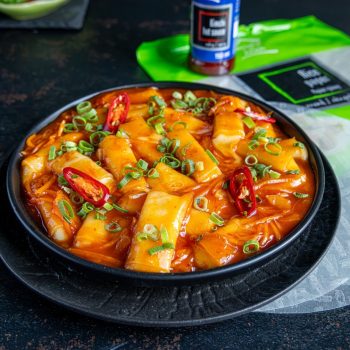
 Vegetables
  Ryba
Ryba 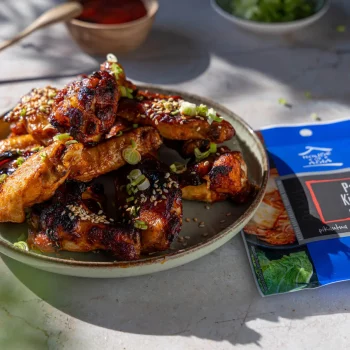

 Pork
Pork 
 Pasta
Pasta