Preparing instant rice dumplings – step-by-step rolling technique
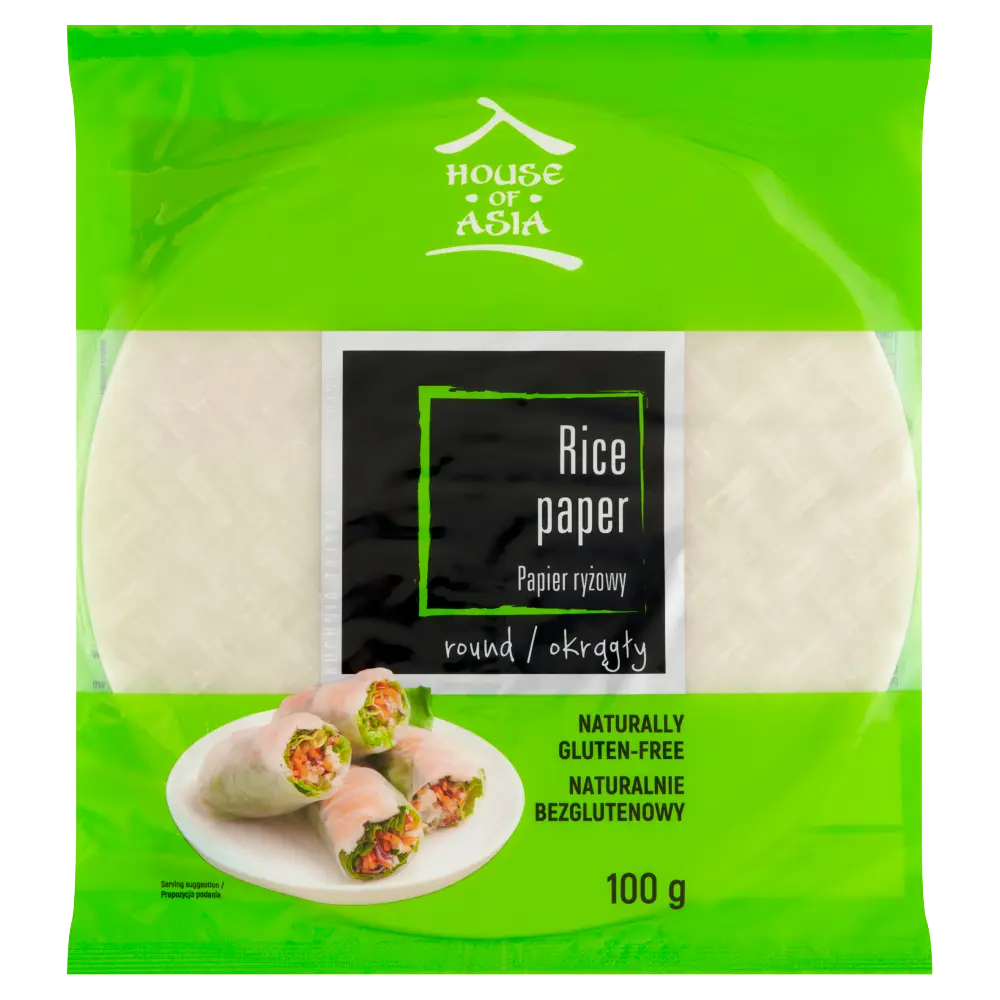
The secret to this recipe lies in the simple use of rice paper. After contact with water, the sheets become soft and flexible, allowing them to be rolled into a roll resembling Korean dumplings (tteok). No kneading or long cooking required.
The timing of soaking the rice paper is crucial. The sheets should soften enough to roll easily, but they shouldn't become excessively soft in the water. After removing them and spreading them out on the counter, they will still be pliable. This is when you can place thicker strips of mozzarella on the bottom and begin rolling them. This is one of the most important steps in their preparation.
The roll should be rolled quite tightly. This will help it maintain its shape when cut and later cooked in the sauce. If you prefer thicker dumplings, you can use two soaked sheets stacked on top of each other.
Slicing the prepared rolls into smaller pieces creates handy dumplings with a cheesy center. You can use either a knife or kitchen scissors. When added to the sauce, the rice paper becomes soft and pliable, while the mozzarella begins to melt. It's the combination of the interesting texture of the dumplings, the cheese, and the slightly spicy kimchi sauce that gives this dish its unique character.
Using rice paper in your home kitchen
Rice paper sheets are most often used for preparing spring rolls and spring rolls, but their use doesn't have to be limited to wrapping vegetables, meat, or shrimp. Their neutral flavor and ability to change consistency with water and temperature make them open to many culinary experiments. They pair well with both delicate and bold ingredients, infusing their flavor without dominating the entire dish.
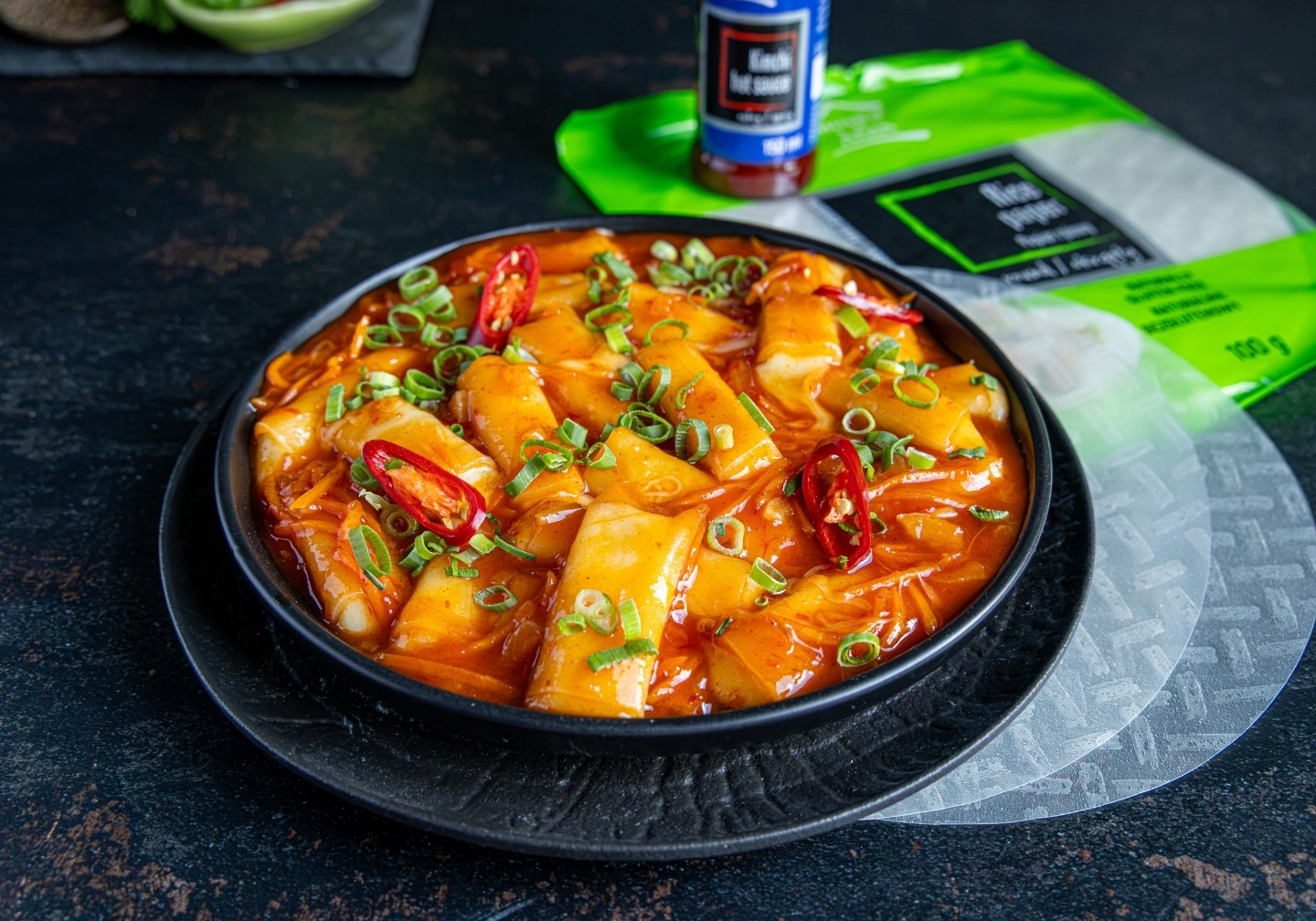
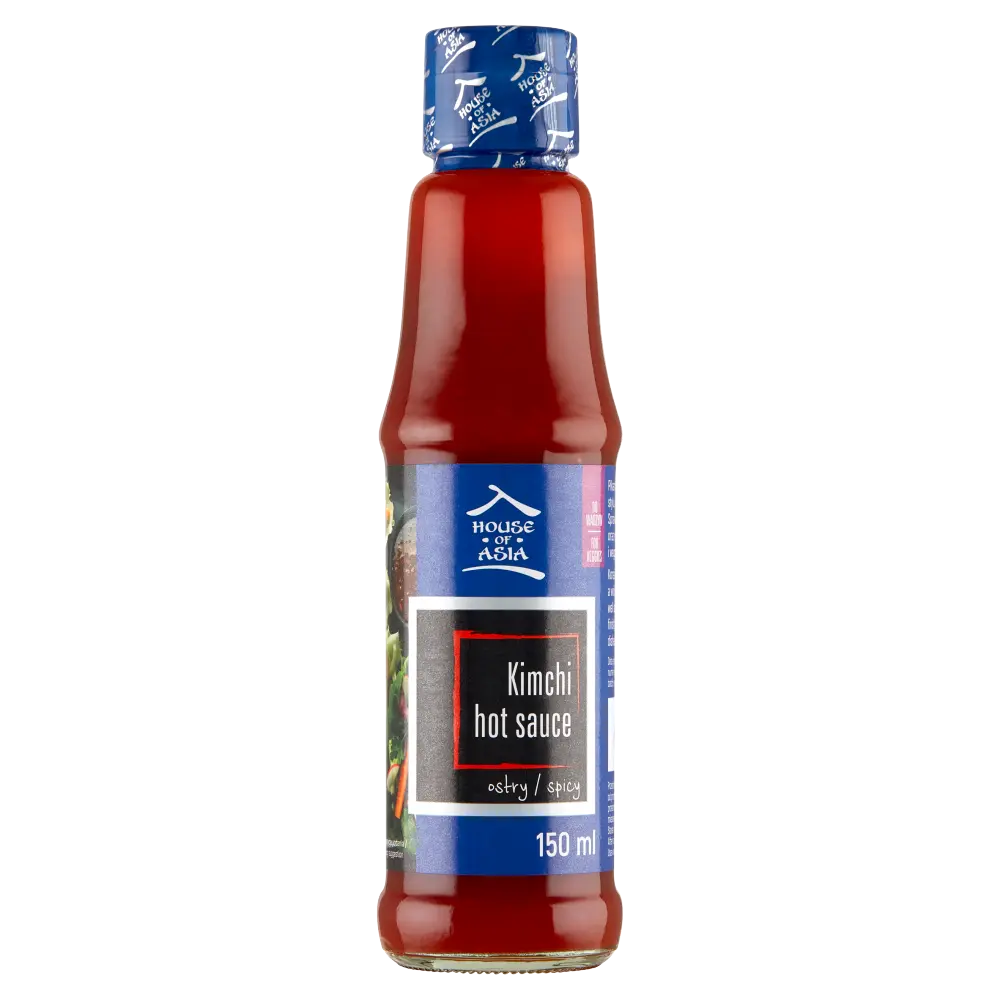
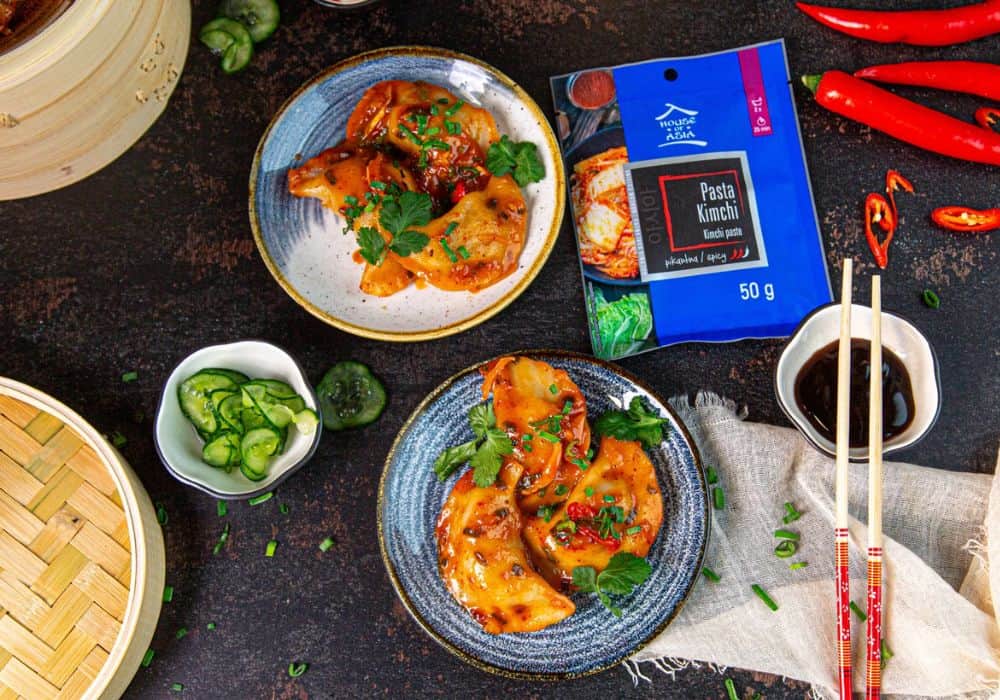
Rice paper tteokbokki is a good example. Instead of treating each sheet as a thin wrapper for the filling, we roll it into a thicker roll and use it as a base for instant rice dumplings. This simple trick allows you to prepare an interesting version of the Korean dish using readily available ingredients. The finished dumplings are soft and pleasantly springy. The neutral rice paper absorbs the flavor of the distinctive kimchi sauce, which combines the sharpness of chili, salty umami, and a delicately sweet touch. Mozzarella tempers the sauce's spiciness and creates a chewy, creamy center, while carrots, onions, and spring onions add freshness, aroma, and a light crunch.
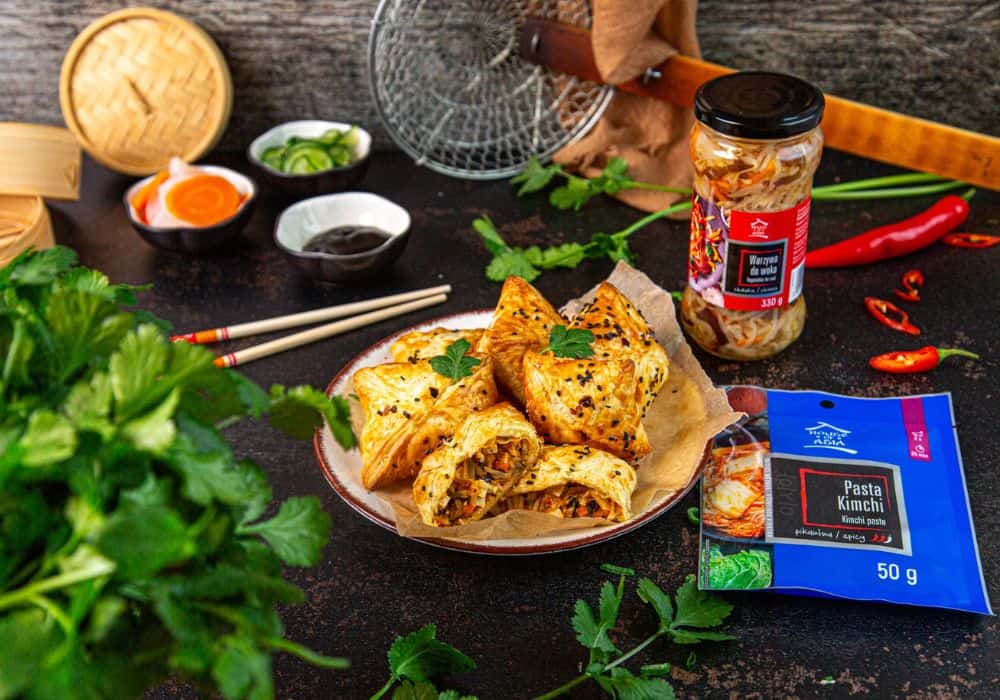
Rice paper is also great for making crunchy snacks. You can use it for things like: rice paper dumplings with shrimp from the airfryerIts structure changes completely differently under high heat than it does during short cooking in sauce, demonstrating how versatile this ingredient is. Cooked in sauce, it becomes soft and springy, contrasting well with creamy cheese and crunchy vegetables.
Interestingly, rice paper doesn't have to appear only in savory recipes. You can also make sweet recipes with it, such as raspberry pancakes or mochi-inspired desserts. A single product can be the base for a quick dinner, snack, or dessert.
It is also worth experimenting with different types of paper, including colored rice paperThis is a simple way to spice up the appearance of spring rolls, spring rolls, and other homemade snacks, especially when you want not only flavor but also an attractive presentation.






 Chicken
  Korean
  15-30 minutes
 Vegetables
 Shrimp