


HOUSE OF ASIA
See the recipeHits
Ingredients
Diets


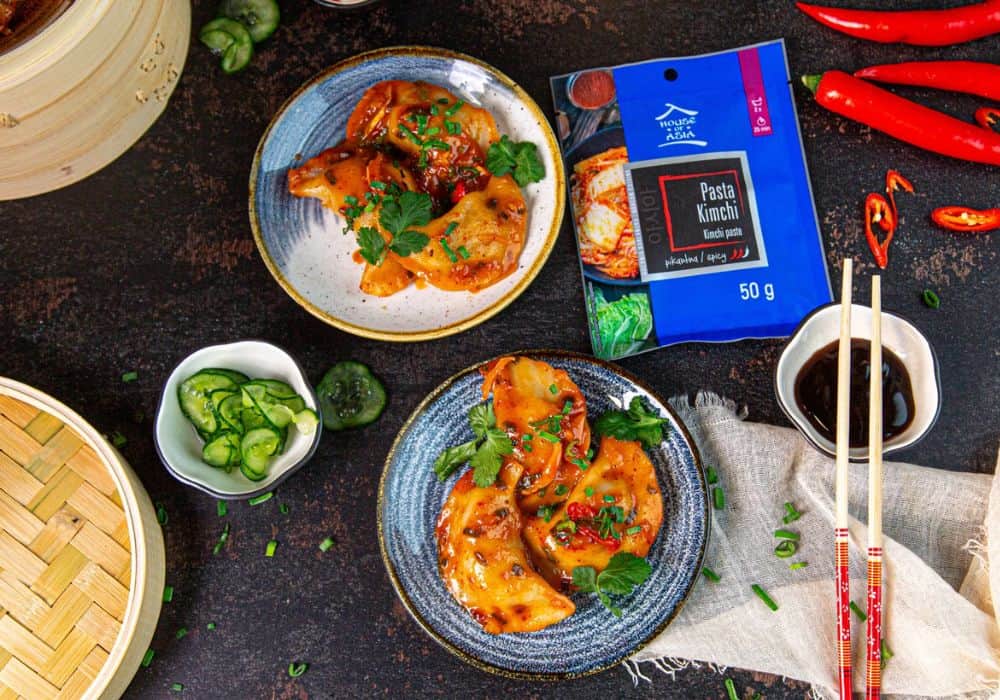


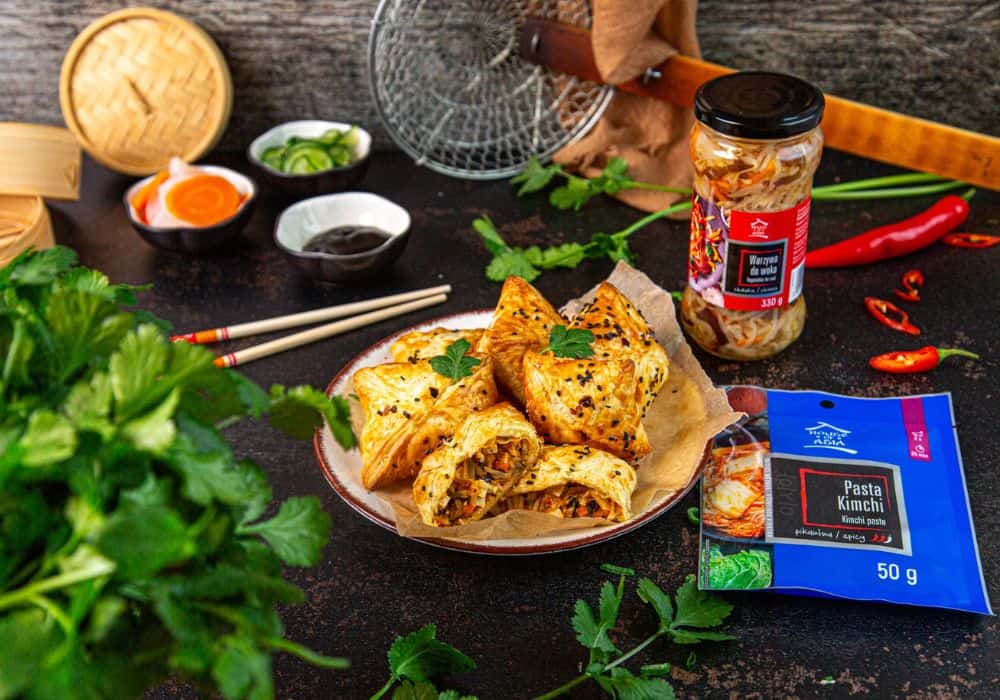
Kimchi dumplings are a true delight for lovers of Korean flavors. After all, kimchi is one of the most characteristic elements of Korean cuisine. If you enjoy sour, spicy, and bold flavors, you'll definitely love this recipe. Our sauces pair perfectly with the soft, aromatic dumplings, enhancing their character. This ensures that every bite is full of flavor and a pleasant spiciness.
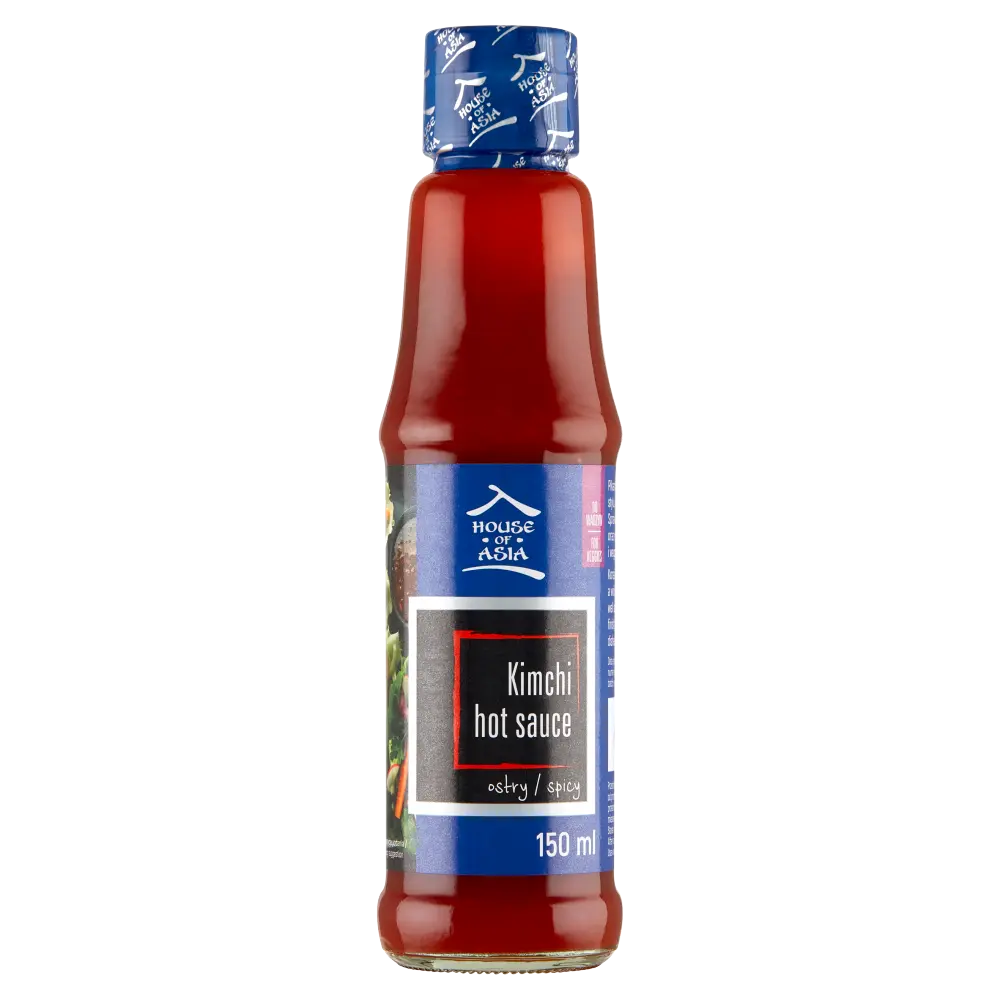
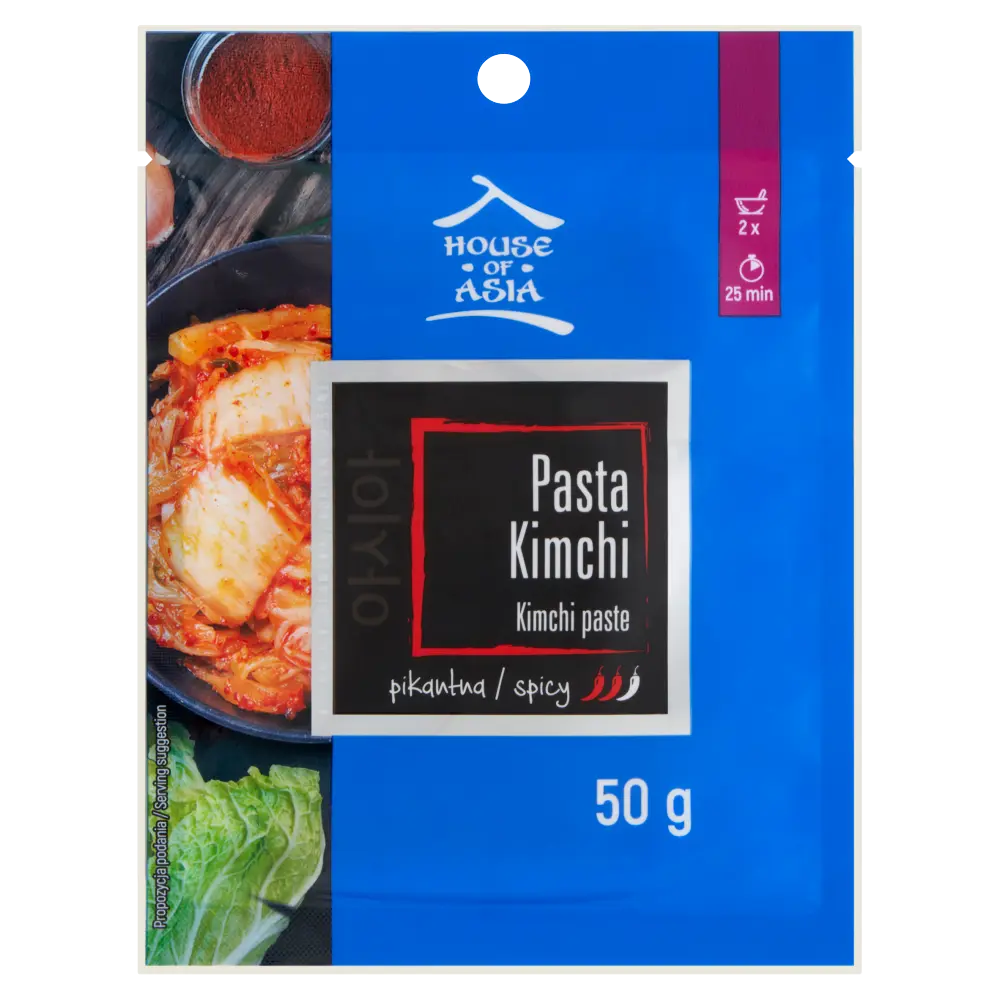
50 ml House of Asia Kimchi Sauce or 1 sachet House of Asia Kimchi Pastes
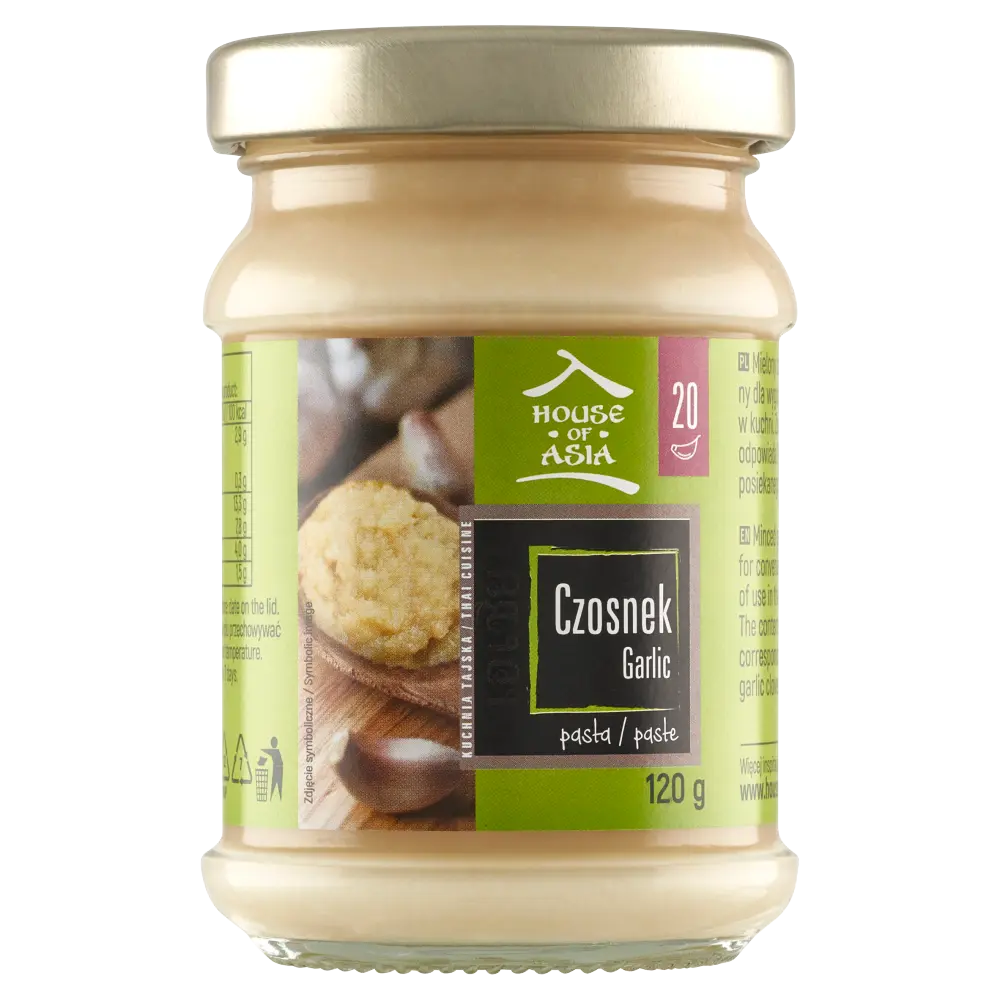
2-3 teaspoons House of Asia Garlic Pastes or 2-3 finely chopped garlic cloves
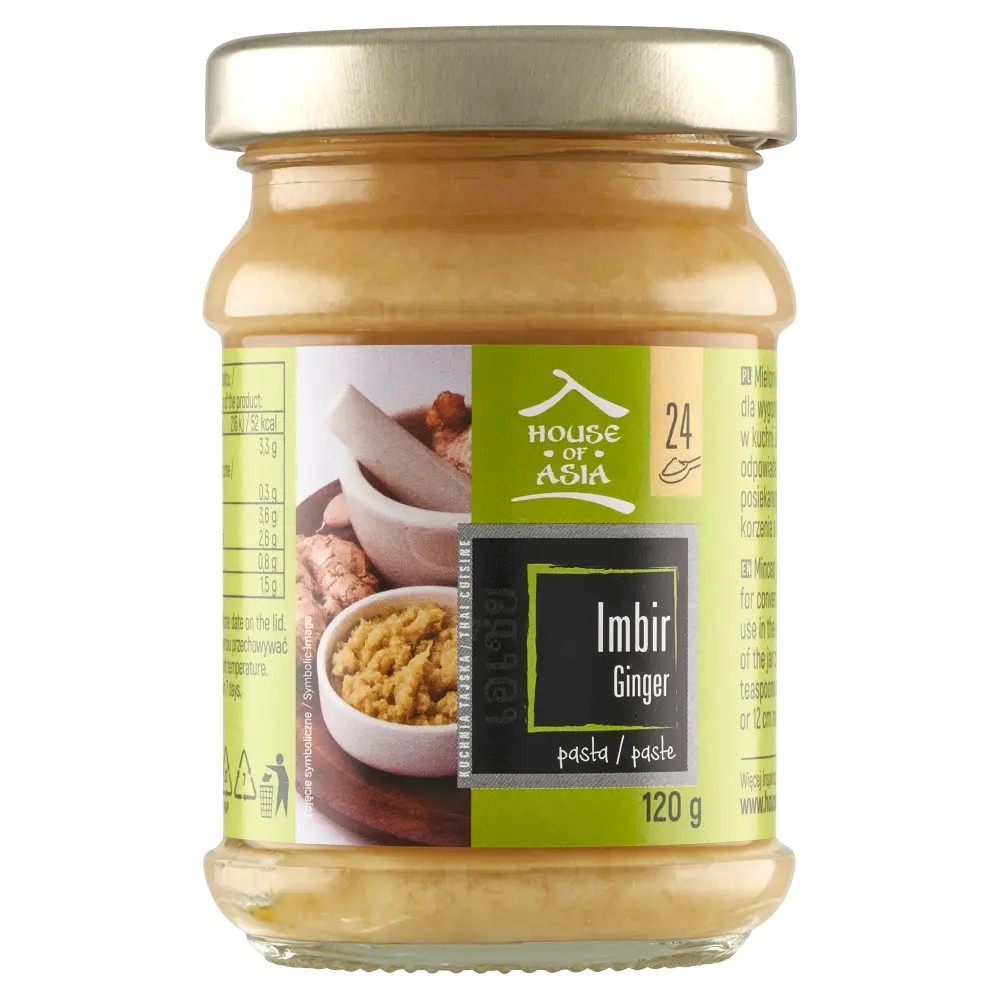
1 teaspoon House of Asia Ginger Pastes or 1 cm of grated ginger root
100 g kimchi (ready-made or prepared with recipe)
300 g minced pork
50 g green spring onions
1/2 teaspoon freshly ground pepper
Dumpling dough:
400 g wheat flour
1/2 teaspoon salt
100 ml of hot water
SOS:
100 ml House of Asia Kimchi Sauce or 2 sachets House of Asia Kimchi Pastes
1 teaspoon House of Asia Ginger Pastes or 1 cm of grated ginger root
2-3 teaspoons House of Asia Garlic Pastes or 2-3 finely chopped garlic cloves
1 onion, cut into slices
50 g finely chopped chives
100 g cold butter
Frying oil
To serve:
Kimchi dumplings, known in Korean cuisine as mandu, are distinguished by their intense flavor and aromatic filling. The combination of pork and fermented cabbage makes the filling juicy, slightly spicy, and full of umami. This makes the dish more distinctive than classic dumplings, while maintaining a familiar form that makes it easy to prepare at home.
An additional advantage is the versatility of preparation – the dumplings can be boiled, fried, or steamed. Each method brings out slightly different flavors and allows you to tailor the dish to your preferences.
Korean kimchi is a traditional pickled vegetable, most often made with Chinese cabbage, radish, and an aromatic blend of spices. It has a distinctive, slightly sour, and spicy flavor. umami, which is produced through the fermentation process. Ingredients used to prepare it include garlic, ginger, gochugaru peppers, and fish sauce, which gives it a deep aroma and intense color. Kimchi is not only an important element of Korean cuisine, but also an addition that perfectly enhances the flavor of many dishes – from rice and soups to dumplings and noodle dishes.
However, if you don't have time to prepare it yourself, reach for ready-made ones. kimchi – it is a convenient solution that allows you to enjoy the authentic taste of Korean cuisine without the long fermentation process.
If you enjoy the spiciness of kimchi, Korean cuisine will offer you a much more fiery experience based on gochujang paste and gochugaru peppers. It's worth trying tteokbokki, springy rice dumplings in a thick, sweet-and-spicy sauce. This dish is considered an icon of local street food. Kimchi-jjigae is a must-try for fans of hearty meals. This thick stew made with very mature kimchi, pork belly, and tofu proves that sauerkraut can play the leading role in a hot main course.
Kimchi boasts not only an intense flavor but also numerous valuable nutrients. Thanks to the fermentation process, it can contain live bacterial cultures that support healthy intestinal microflora and digestion. Additionally, the vegetables used to prepare kimchi provide fiber and other ingredients that act as prebiotics, feeding beneficial gut bacteria.
It's also a source of vitamins, such as vitamin C, B vitamins, and vitamin K, as well as minerals found in vegetables. Regular consumption of kimchi can support the body's immune system and provide antioxidants, which help protect cells from oxidative stress.
The secret to restaurant-quality fermentation doesn't lie in complicated tools, but in patience and proper base preparation. The key to success is thoroughly rubbing each cabbage leaf and using rice gruel. This ingredient binds the flavors together and significantly accelerates the fermentation process. It's worth sticking to proven proportions to achieve a deep flavor and perfect consistency. Also, remember to leave the jar at room temperature for a day or two before storing it in the refrigerator. This allows the bacteria to begin working and unleash the full aroma.
Mandu dumplings with a spicy filling taste best with contrasting toppings. They soften the heat or accentuate the acidity of the cabbage. A classic choice is a light dip based on rice vinegar and light red wine. soy sauceIt's also worth choosing yellow danmuji turnips, whose sweetness and crunch perfectly complement the soft texture of the dough. Don't be afraid to serve the dish with a simple salad green onion or chives drizzled with oil. The freshness of the greens wonderfully balances the weight of deep-fried or steamed dumplings.
It all depends on the function of the sauce in the dish, as both products differ in density and flavor profile. Oyster sauce It's much thicker, sweeter, and delivers a powerful dose of umami. It's perfect for glazing pan-fried dumplings, creating a sticky, glossy coating. However, if you're looking for a liquid dip for the dumplings, pure oyster sauce will be too strong. In that case, it's better to dilute it with water and a dash of vinegar or stick with classic soy sauce.
Absolutely. These two ingredients are the proverbial icing on the cake in Korean culinary art, giving dishes a refined finish. A few drops sesame oil Added to a filling or poured directly onto a hot dish, it releases an intense, nutty aroma. This note incredibly enhances the flavor of the fermented cabbage. Roasted sesame seeds, in turn, are not only a decorative element but also a textural element. The crunchy seeds contrast with the soft dough and make every bite a more interesting culinary experience.
Yes. Formed pierogi can be frozen flat on trays and then transferred to freezer bags. You can cook them straight from the freezer, adding about 1-2 minutes to the cooking time. However, it's worth remembering that freshly cooked pierogi have the best consistency, and the dough may be slightly softer after freezing.


































 Vegetables
  Korean
  15-30 minutes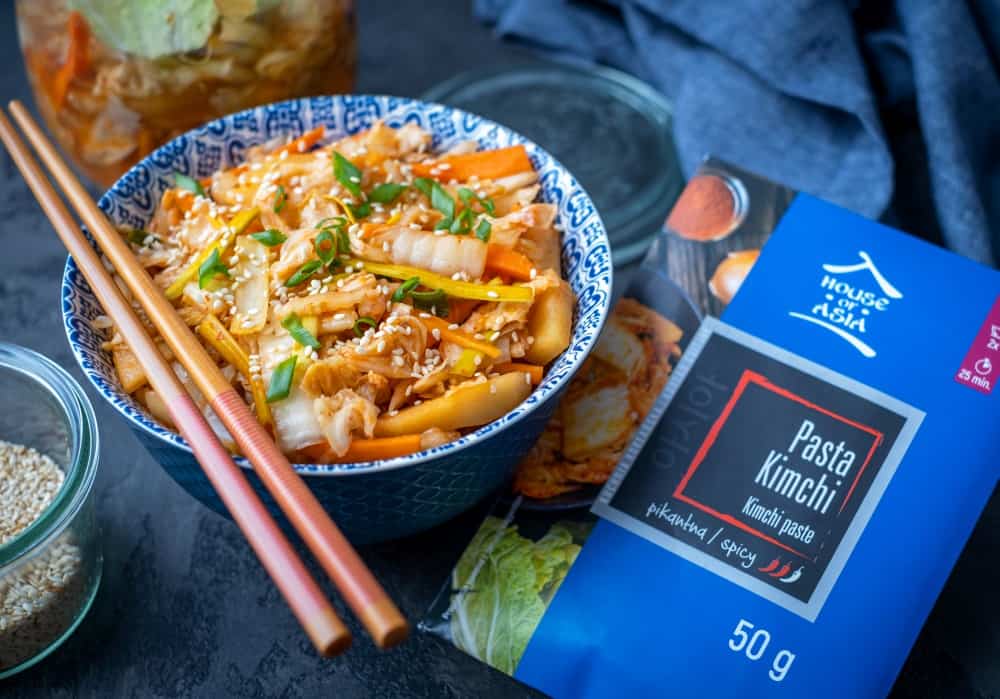
 Pasta
Pasta 
 Chicken
 Beef
Beef