





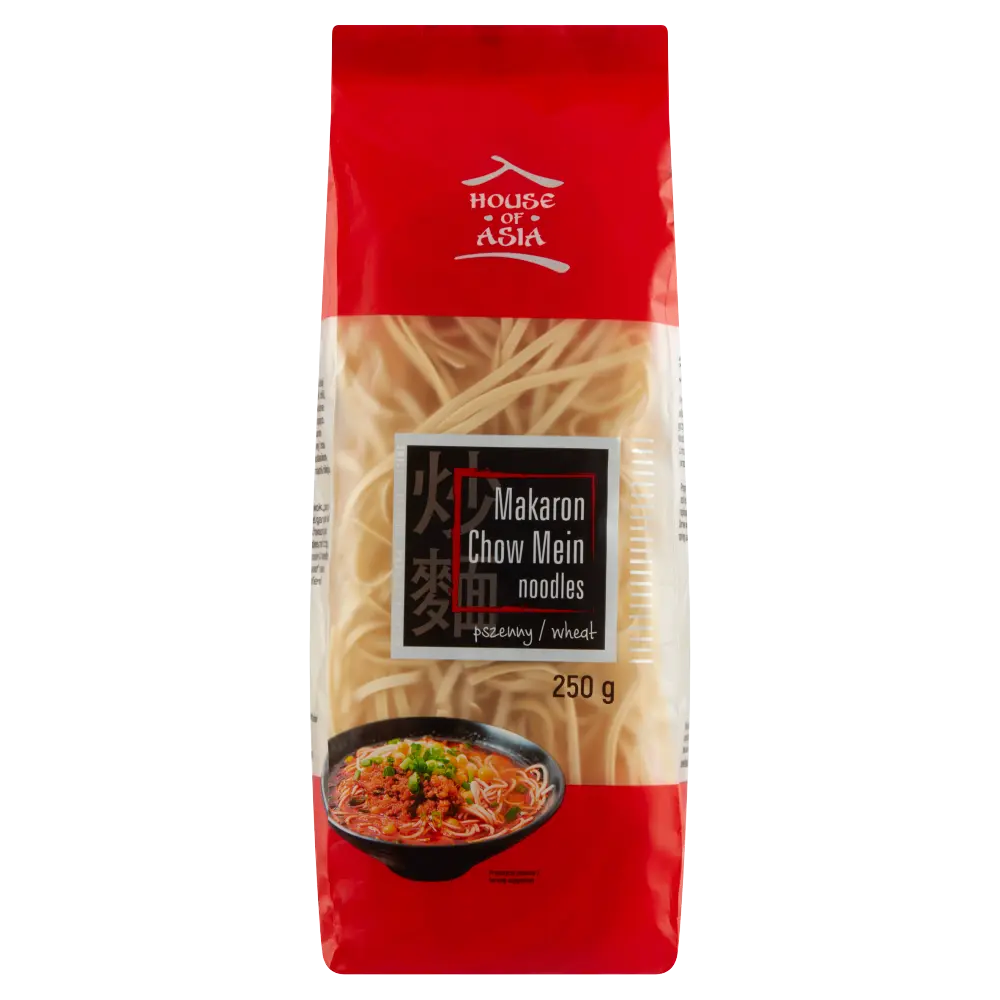

Why do some foods taste exceptionally good while others make little impression? Our daily eating habits, culinary culture, and personal preferences influence this, but innate taste preferences also play a role. Our sense of taste acts as a natural guardian—helping us recognize which foods are valuable and which may be dangerous. When our taste buds deem a food safe, we can fully enjoy its aroma and the variety of sensations. We are well acquainted with the four basic tastes: sweet, salty, sour, and bitter. However, a fifth—umami—is increasingly being discussed. What exactly is it, and what sensations does it evoke in dishes?
What exactly is the “fifth taste” of umami?
Understanding the mechanisms of taste and smell requires thinking beyond established patterns. For a long time, it was believed that the palette of sensations was limited to sweet, salty, sour, and bitter. Today, we know that this is complemented by a fifth taste, whose name in Japanese translates as "delicious" or "exquisite." It is not so much a culinary curiosity as a significant evolutionary mechanism, having a real impact on how we prepare our daily meals.
Umami – definition and examples
From a biological perspective, umami is a message sent to the brain signaling that a consumed meal contains high-quality protein. This mechanism functions as an evolutionary incentive to reach for nutritious foods. Classic examples of this flavor carrier include long-simmered broth, aged meats and cheeses, and soy sauce. These contain substances our bodies instinctively recognize as desirable and satisfying.
The History of Umami
The discoverer of umami, Tokyo professor Kikunae Ikeda, described it in the early 20th century as a new, distinct taste, perceived as meaty or brothy. The Japanese chemist's research permanently changed food science. Ikeda concluded that the source of this sensation was glutamic acid, naturally occurring in large quantities in kombu seaweed—the base ingredient of traditional Japanese dashi broth. Some in the scientific community initially viewed this theory with skepticism. A breakthrough came in 2000, when umami was officially included among the four basic tastes. The final proof that convinced researchers was the discovery of distinct receptors on the human tongue that respond exclusively to glutamic acid.
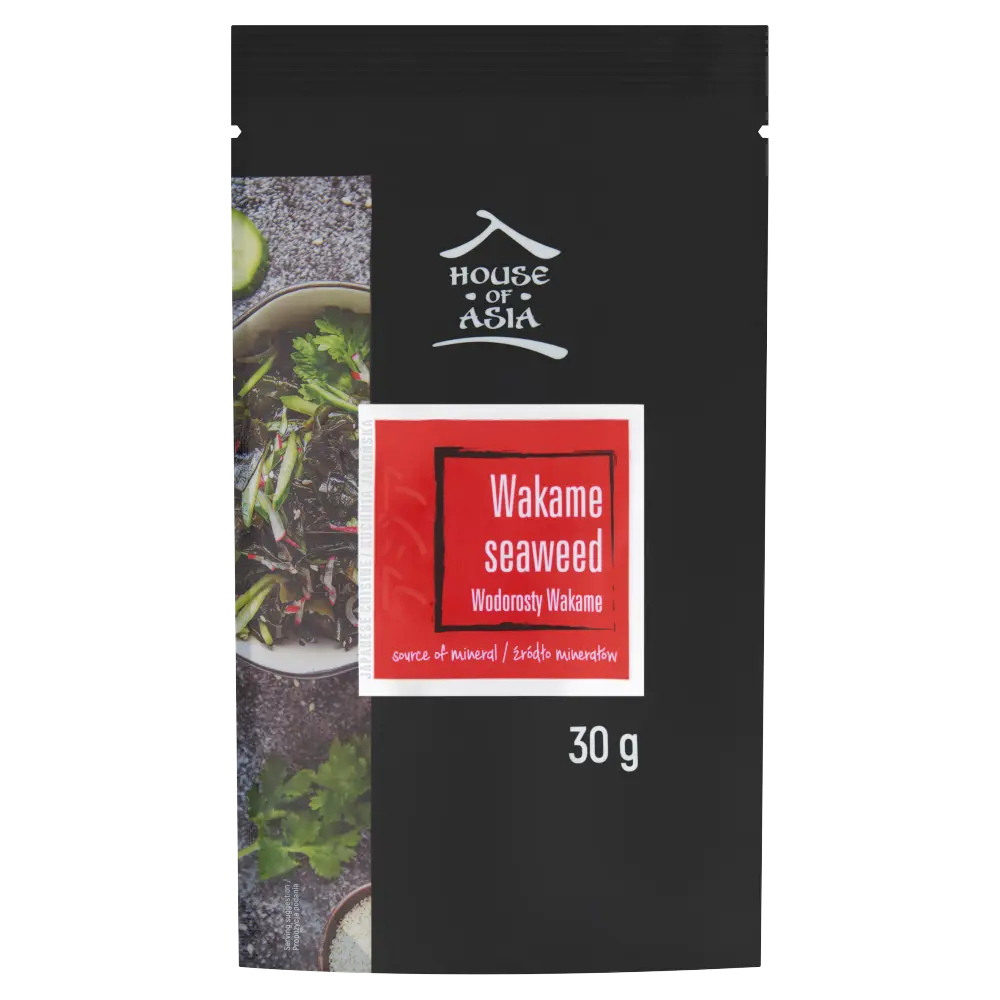
The Japanese word "umami" largely refers to the overall quality and palatability of consumed foods. Its essence lies in foods rich in natural glutamate. These include foods rich in protein (primarily meat), as well as those subjected to fermentation or long-aging processes. These include, among others, soy sauce, wakame seaweed i shiitake mushrooms, as well as some commonly used vegetables such as tomatoes and broccoli.
Vegetarian Chow Mein Noodles with Mun Mushrooms Recipe
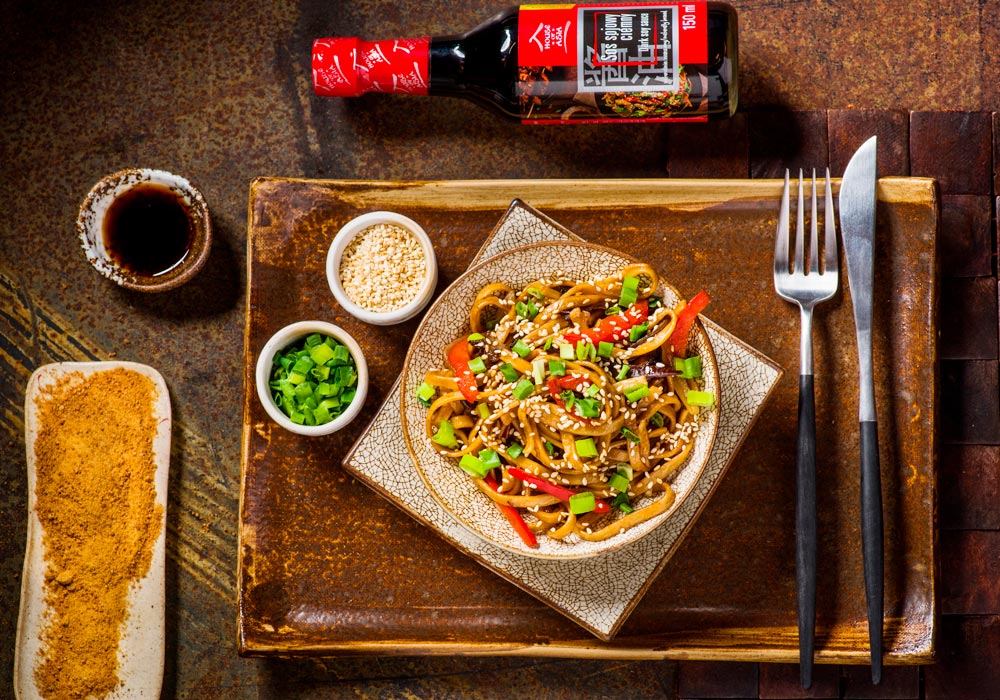
To experience the depth of the fifth taste in plant-based dishes, try preparing pasta with the addition of essential, dried Asian mushrooms.
What does umami taste like?
This distinctive flavor is most often described as meaty, brothy, and lingering on the tongue. Importantly, umami rarely dominates a dish. Instead, it harmonizes other aromas: it can soften a dish's overly acidic profile or neutralize a bitter aftertaste. Its presence stimulates salivation, making food seem juicier. It is this natural sensory profile that makes certain dishes particularly satisfying and appetizing, making us more likely to return.
What is responsible for the characteristic umami taste?
The foundation of this experience is food chemistry. The key ingredients that evoke the fifth taste are amino acids and their collaborating ribonucleotides. When these substances combine in a single dish, their effects are intensified, creating a distinct and coherent culinary profile.
Monosodium glutamate flavor
The main carrier of this sensation is glutamic acid and its salts. Much confusion surrounds this substance, so it's worth noting that glutamate is commonly found in natural, unprocessed foods. The human body reacts to glutamate naturally present in food in the same way as to that added as a spice. Its presence in the mouth activates receptors that send information to the brain about the high nutritional density of the meal. This allows for the desired depth of flavor to be achieved with traditional products. Interestingly, this substance is also found in relatively high concentrations in human milk, which largely explains the original human preference for this type of food.
Natural sources of umami
Umami-rich ingredients are present in culinary traditions around the world. Its natural sources are primarily heat-treated, dried, or fermented foods. Cooking, baking, and frying facilitate the release of amino acid compounds. In European cuisine, classic examples are mature cheeses, including Parmesan and Cheddar. Vegetables, especially very ripe ones, and sun-dried tomatoes are also prominent carriers of umami. Meanwhile, in Asian cuisine, fish, seafood, seaweed, green tea, and fermented products such as miso paste, tempeh, and kimchi are prominent. Dried mushrooms, valued for their highly concentrated flavor, also form a universal base for many dishes.
What House of Asia foods contain umami notes?
Preparing authentic dishes requires selecting the right ingredients. House of Asia's food products contain ingredients that allow for the precise replication of traditional Asian recipes.
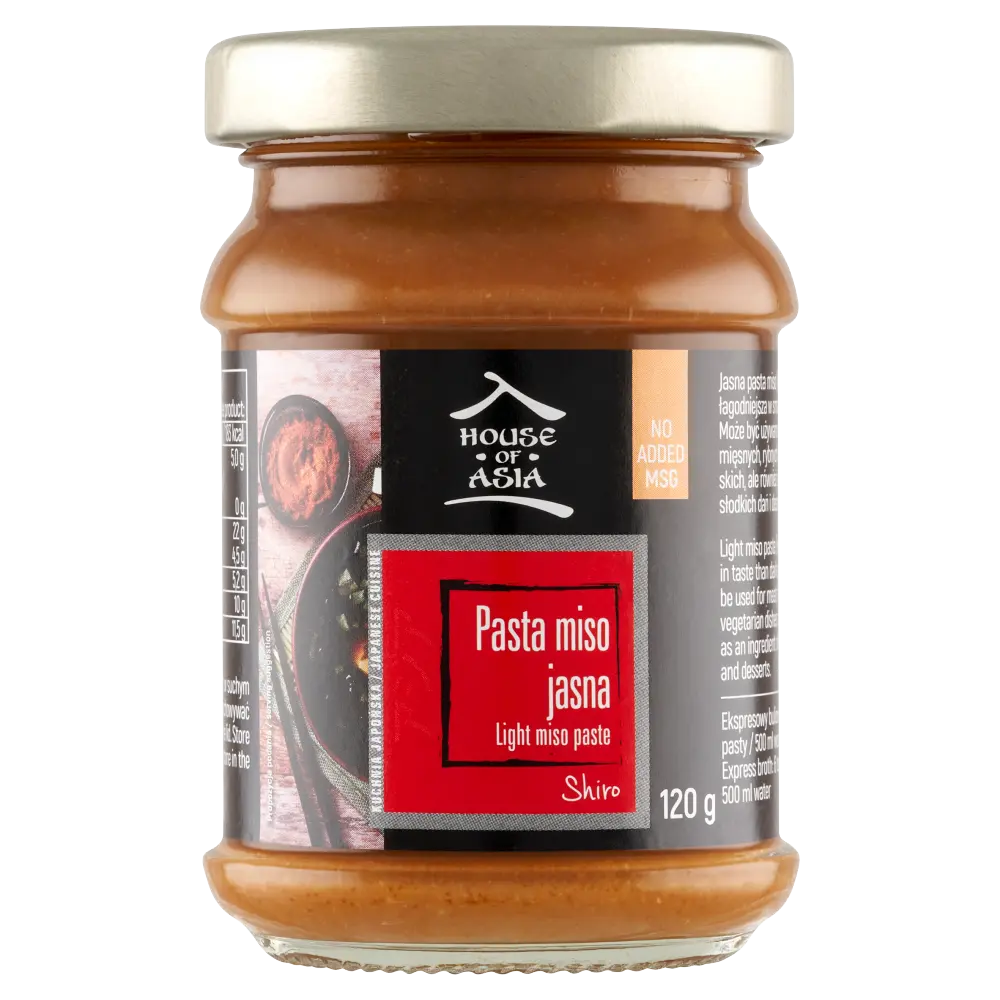
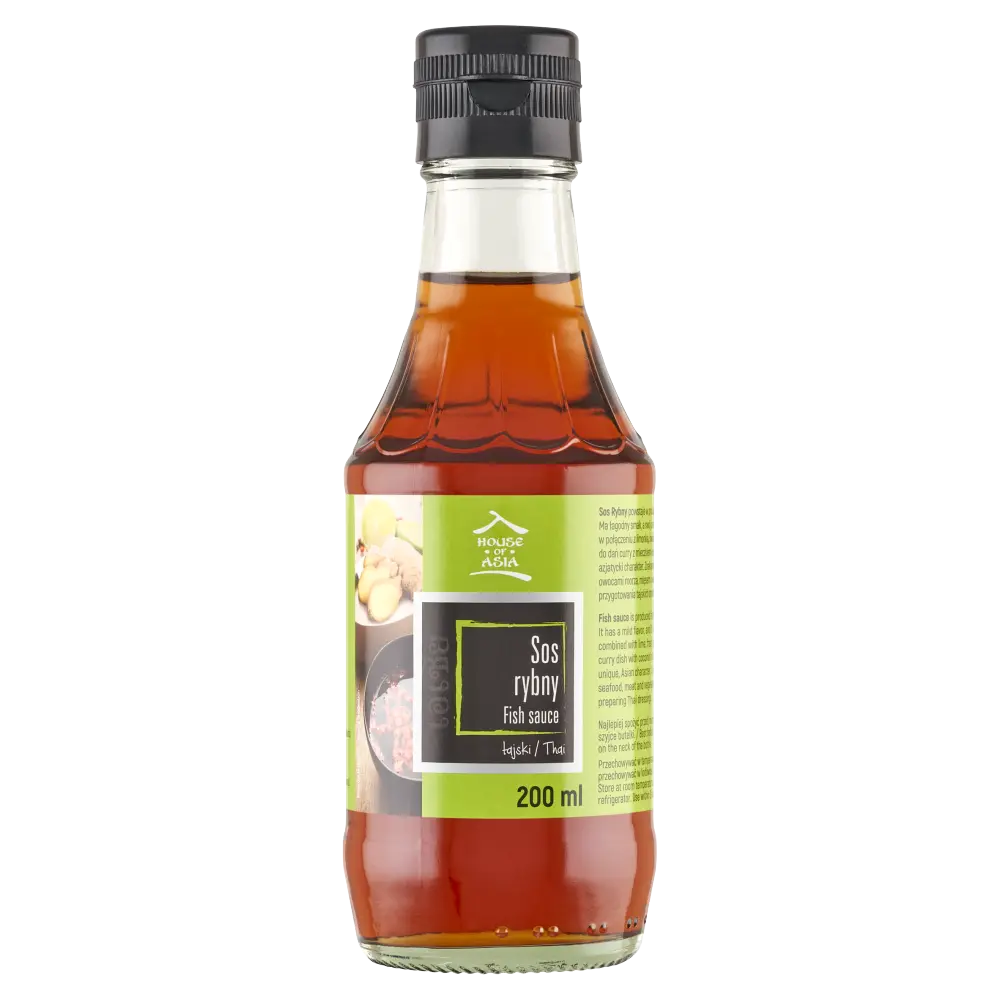
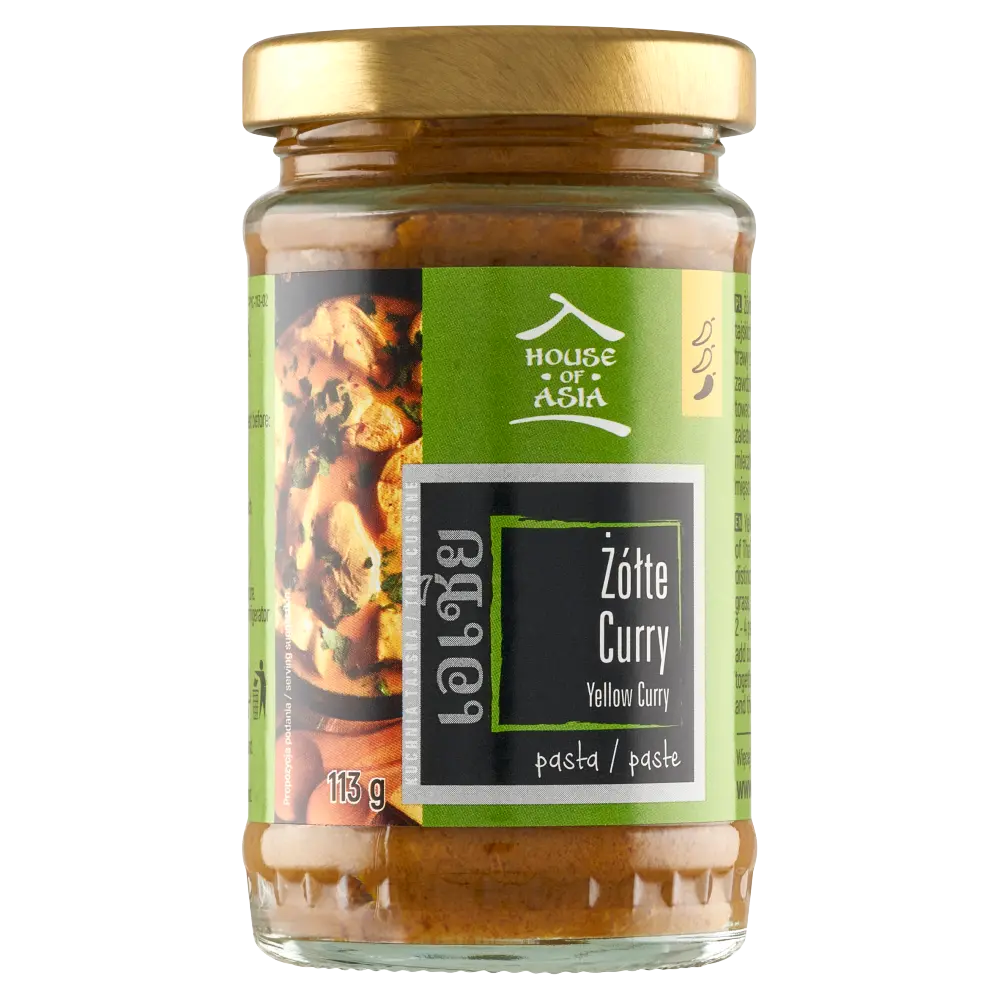
The foundation of this cooking style is light soy sauceIt is made from soybeans, whose proteins are broken down into free amino acids during fermentation. It is perfect for preparing classic Japanese soups. light miso pasteFor savory accents typical of Thai and Vietnamese cuisine, use fish sauceFor stir-fry dishes, a good choice is a thick, balanced oyster sauce. As a base for warming dishes with the addition of coconut milk, it works great. yellow curry paste.
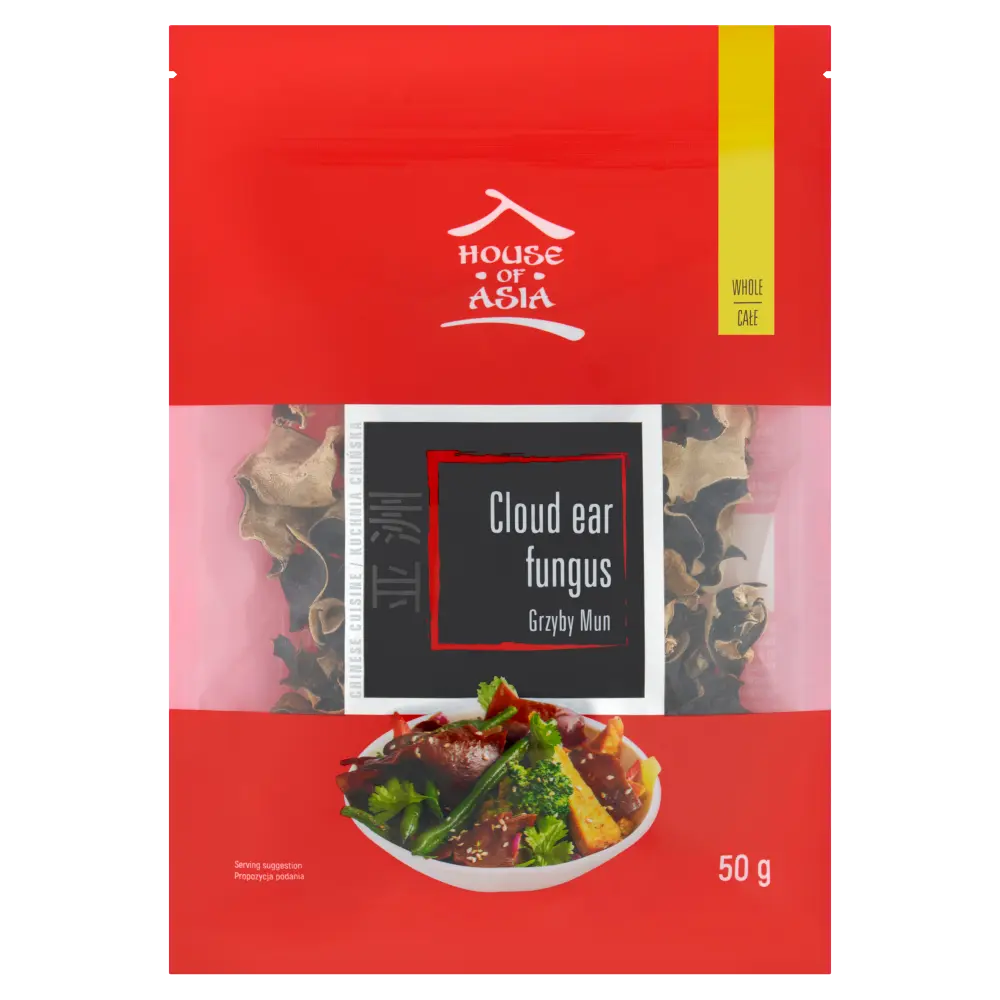
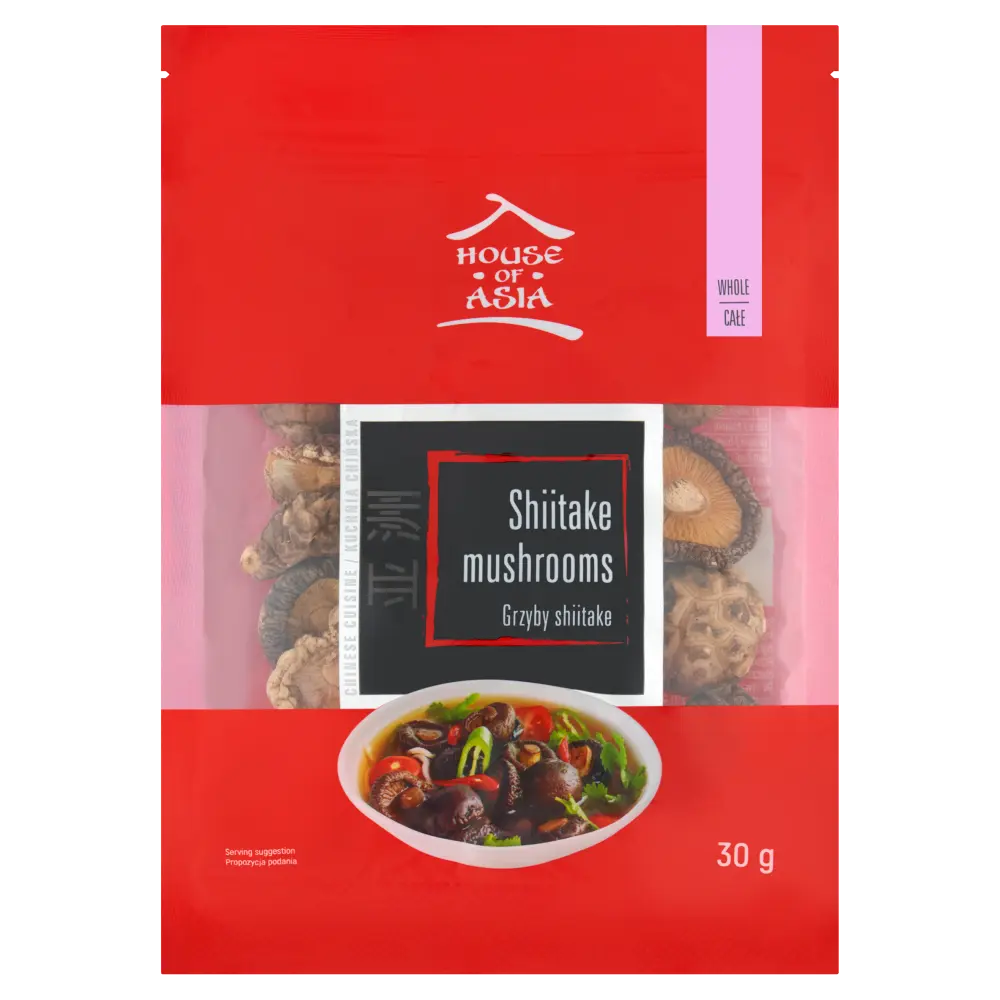
In plant-based dishes, a deeper umami flavor can be achieved with dried and fresh mushrooms, which add a distinct, aromatic character. Excellent choices include: whole mun mushrooms Their intense, earthy aroma perfectly complements stir-fries, soups, and stews, building a rich flavor profile without the use of animal-derived ingredients. To fully unleash the mushrooms' flavor, it's best to soak or lightly fry them beforehand, and the soaking water can be used as an aromatic broth. Additionally, plant-based umami can be enhanced by: sun-dried tomatoes, kimchi, or gently fermented plant pastes, making the dishes fuller and more satisfying.
The Best Umami-Rich Asian Recipes
The right combination of ingredients allows for a phenomenon known as flavor synergy. Combining soy sauce with mushrooms or adding algae broth to meat intensifies the dish's sensory experience. These solutions are also worth experimenting with in traditional European recipes. A small amount of fish sauce added to broth or stews clearly highlights the natural qualities of the meats and vegetables used. Furthermore, these culinary techniques facilitate salt reduction in the diet. The rich profile of Asian spices fully compensates for the lack of salt, while maintaining an optimal balance between sweet, sour, and bitter flavors.
Check out the recipe for Ramen with pork and shiitake mushrooms
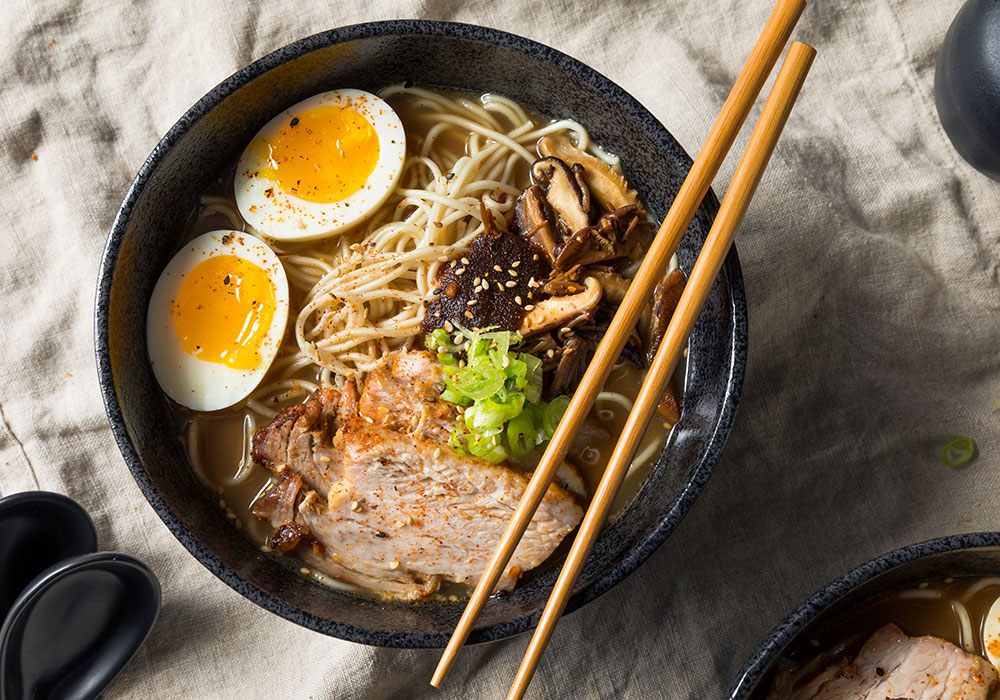
Traditional Japanese broth is an excellent example of how a distinctive culinary profile can be achieved by skillfully reducing meat and mushroom broth.
Umami Taste – Summary
To summarize this culinary topic, it's worth remembering that umami is much more than just a popular buzzword tossed around in the bustling world of modern gastronomy. It's an incredibly important, fundamental taste that has helped humans survive for thousands of years of evolution, guiding them to choose the most nutritious, calorie-dense, and protein-rich foods. It was officially and scientifically defined in the early 20th century, and since then, its well-deserved fame and general public awareness have been steadily and rapidly growing.
By thoughtfully enriching your daily diet with simple foods rich in valuable, natural glutamates—from home-grown, ripe tomatoes from your garden to top-quality, imported sauces made from fermented soybeans—you'll make your home-cooked meals much more filling, significantly more satisfying, and simply more delicious. Bold experimentation with this flavor is the only true key to discovering a completely new, fascinating dimension of joyful cooking for yourself and your loved ones.


 Pasta
Pasta  Chinese
  15-30 minutes
  Japanese