HOUSE OF ASIA
See the recipeHits
Ingredients
Diets


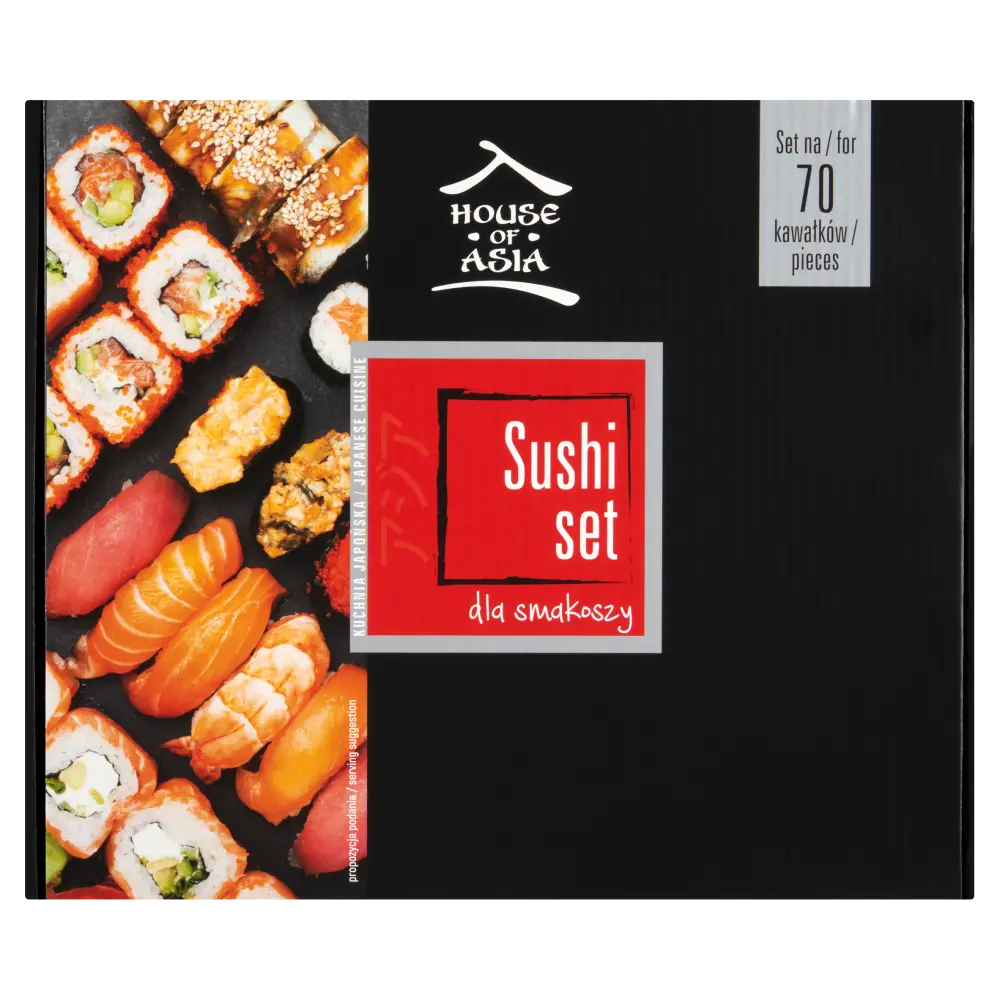
Sushi, which literally means "soured rice" in the Land of the Rising Sun, is one of the most recognizable dishes of Japanese cuisine. For years, it has delighted not only with its unique flavor but also with its aesthetic presentation and the almost limitless possibilities for combining ingredients. While preparing sushi may seem complicated to many, in reality, simply learning a few basic rules is enough to create delicious rolls, nigiri, or uramaki in your own kitchen. In this guide, you'll find practical tips for preparing sushi rice and tried-and-true recipes. You'll also learn which ingredients to choose and how to create flavor combinations that will delight your family and guests!
Sushi is one of the most popular Japanese dishes, firmly established on the menus of Asian food lovers worldwide. Contrary to popular belief, preparing sushi at home doesn't require professional equipment or years of experience. Simply learn a few basic rules, properly prepare sushi rice, and gather fresh ingredients to create impressive and delicious rolls in your own kitchen.
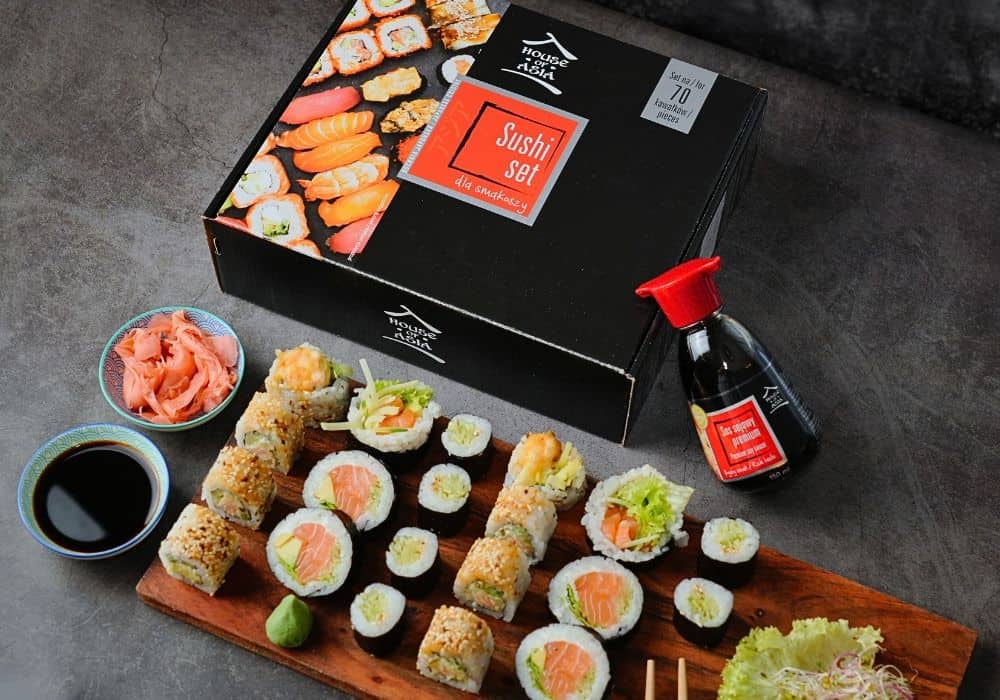
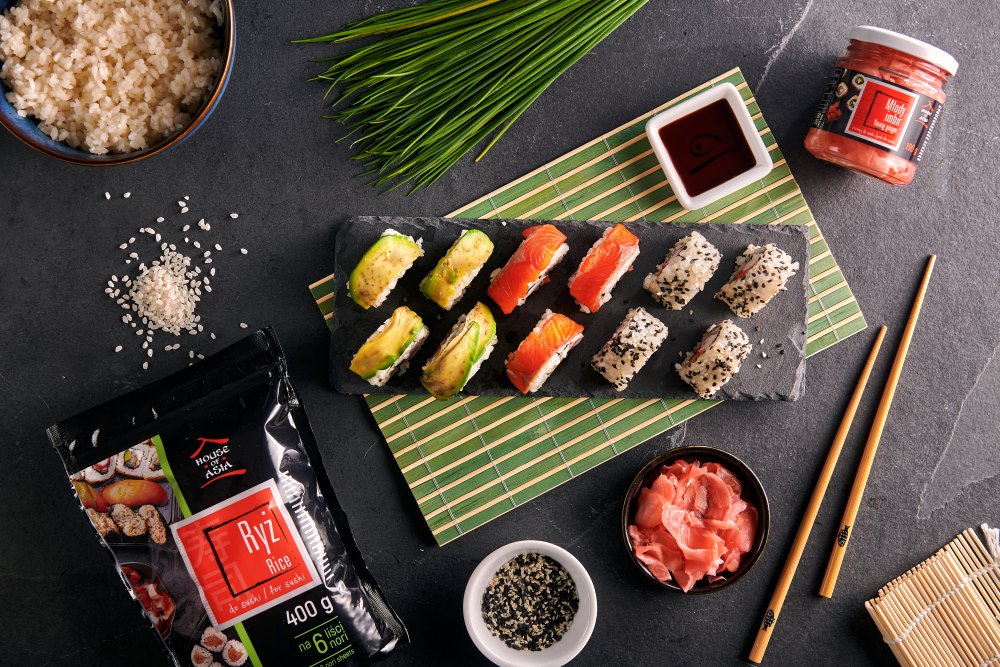
Homemade sushi offers immense freedom in combining flavors. You can prepare classic salmon sushi, light avocado sushi, vegetable maki, or more advanced uramaki. It's also a great opportunity to experiment with toppings and create your own versions of your favorite rolls. Unlike pre-made restaurant sets, you have complete control over the quality of the ingredients and the proportions of each topping.
It's worth remembering that the history of sushi dates back hundreds of years. Originally, it was a method of preserving fish by fermenting it with rice. Over time, this technique evolved, and sushi evolved into a dish prized for its freshness, simplicity, and harmony of flavors. Today, preparing sushi at home allows you not only to discover Japanese culinary traditions but also to create your own compositions inspired by your favorite ingredients.
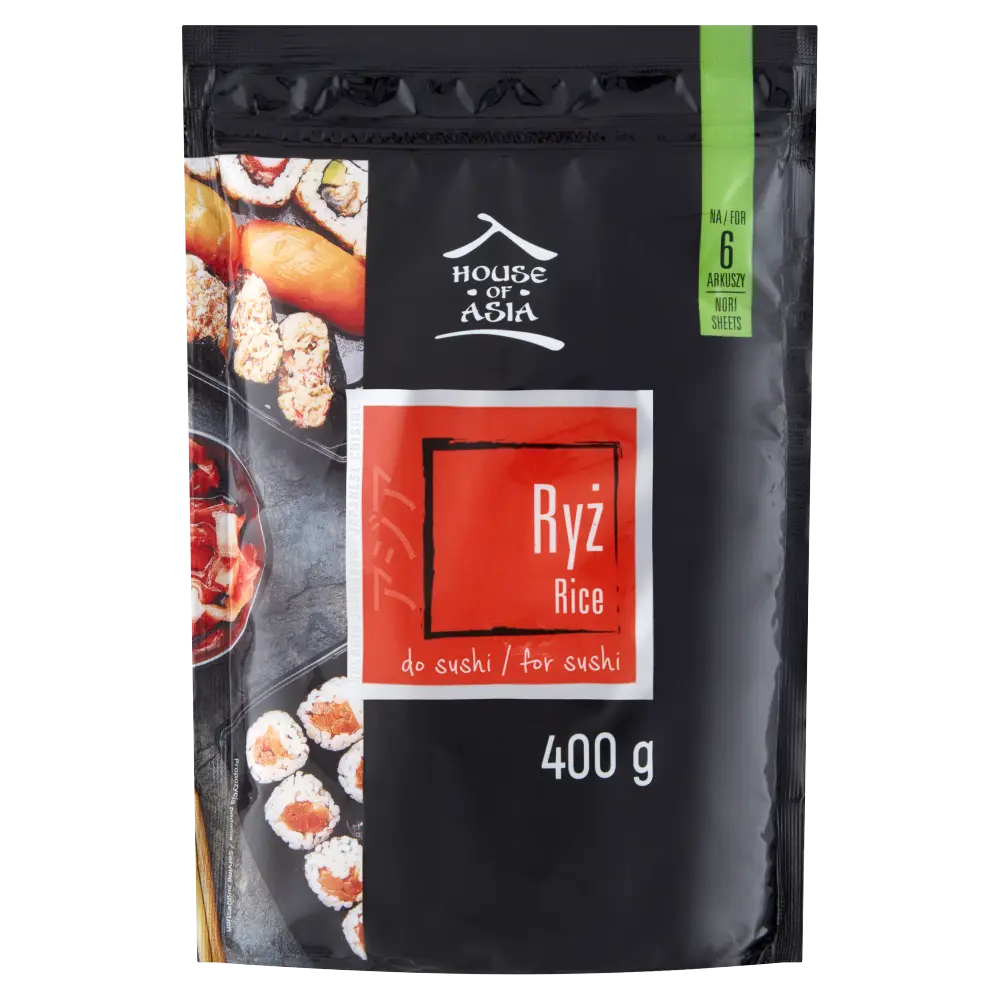
The basis of every sushi is properly prepared sushi riceIts consistency and characteristic viscosity determine the quality of the finished rolls. Choosing the right type of rice and cooking it properly is the first step to preparing sushi like you'd find in a good Japanese restaurant.
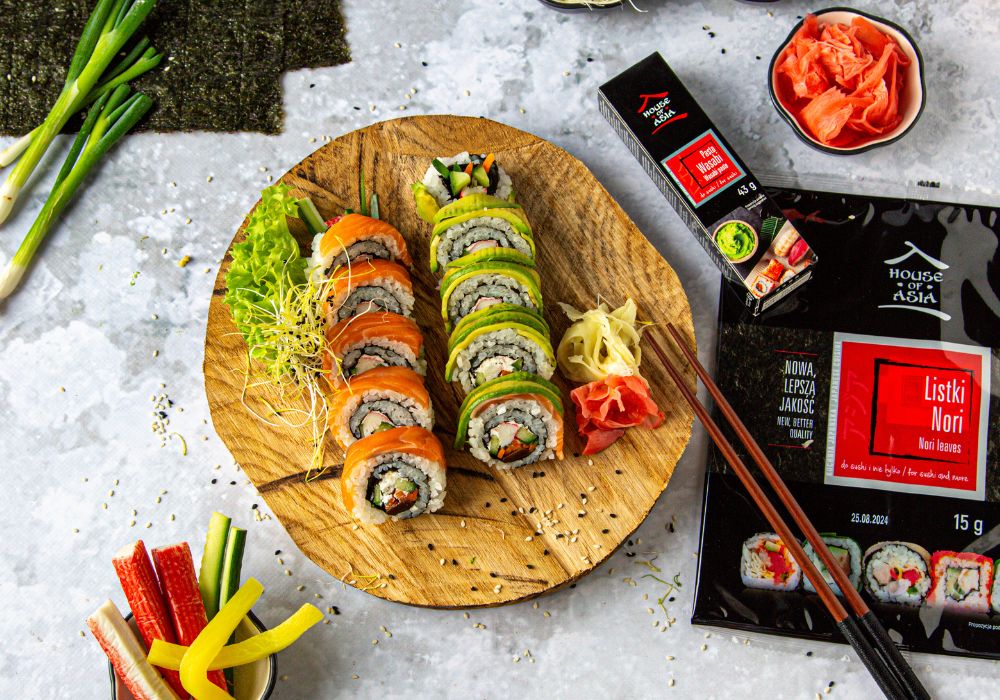
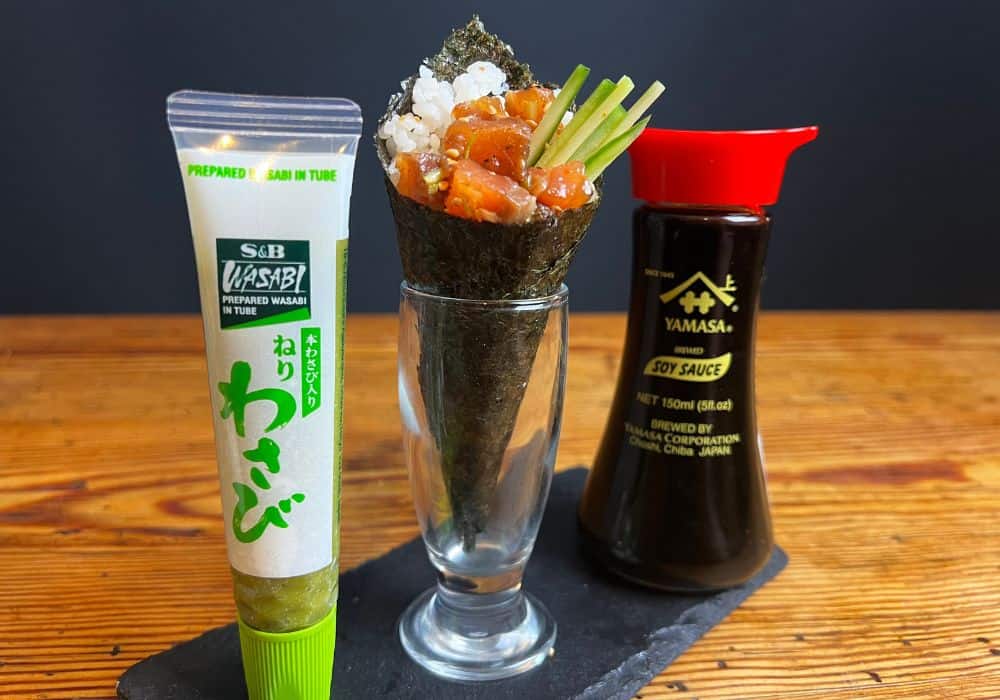
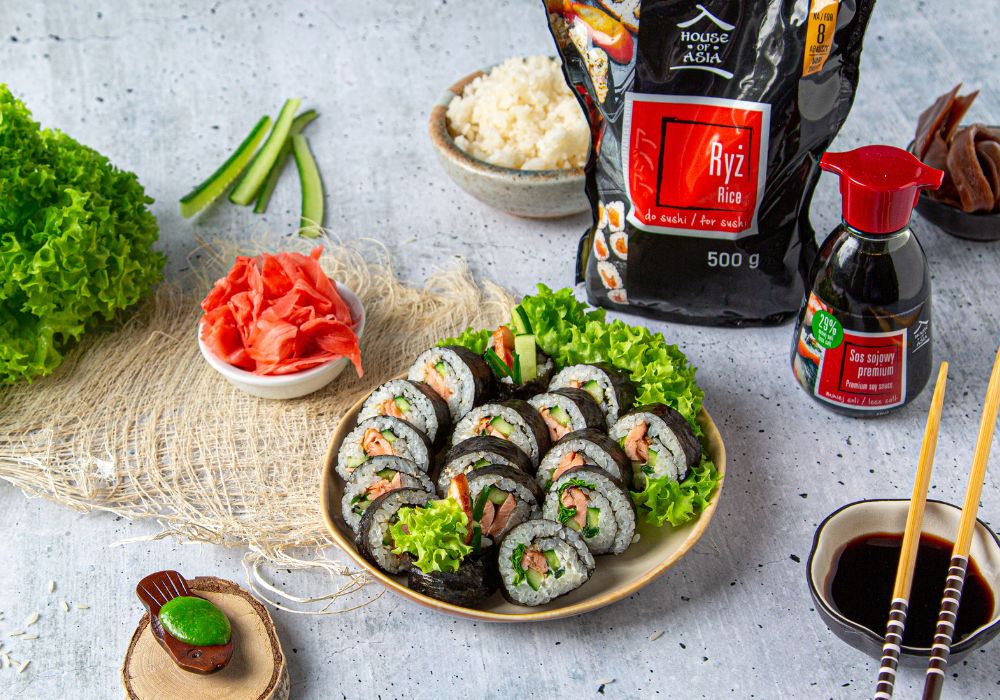
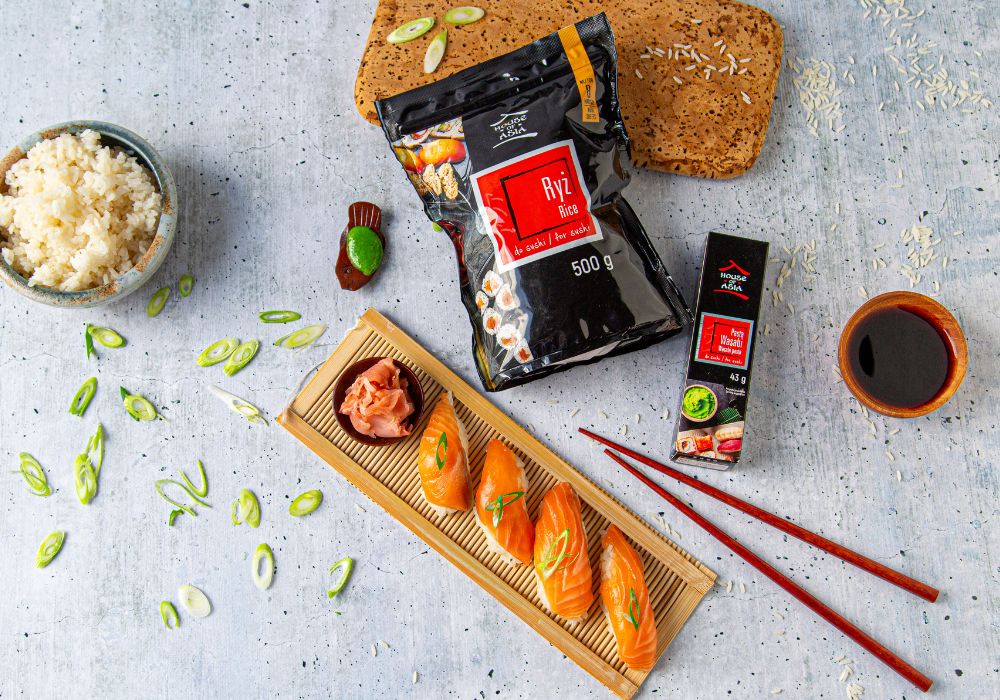
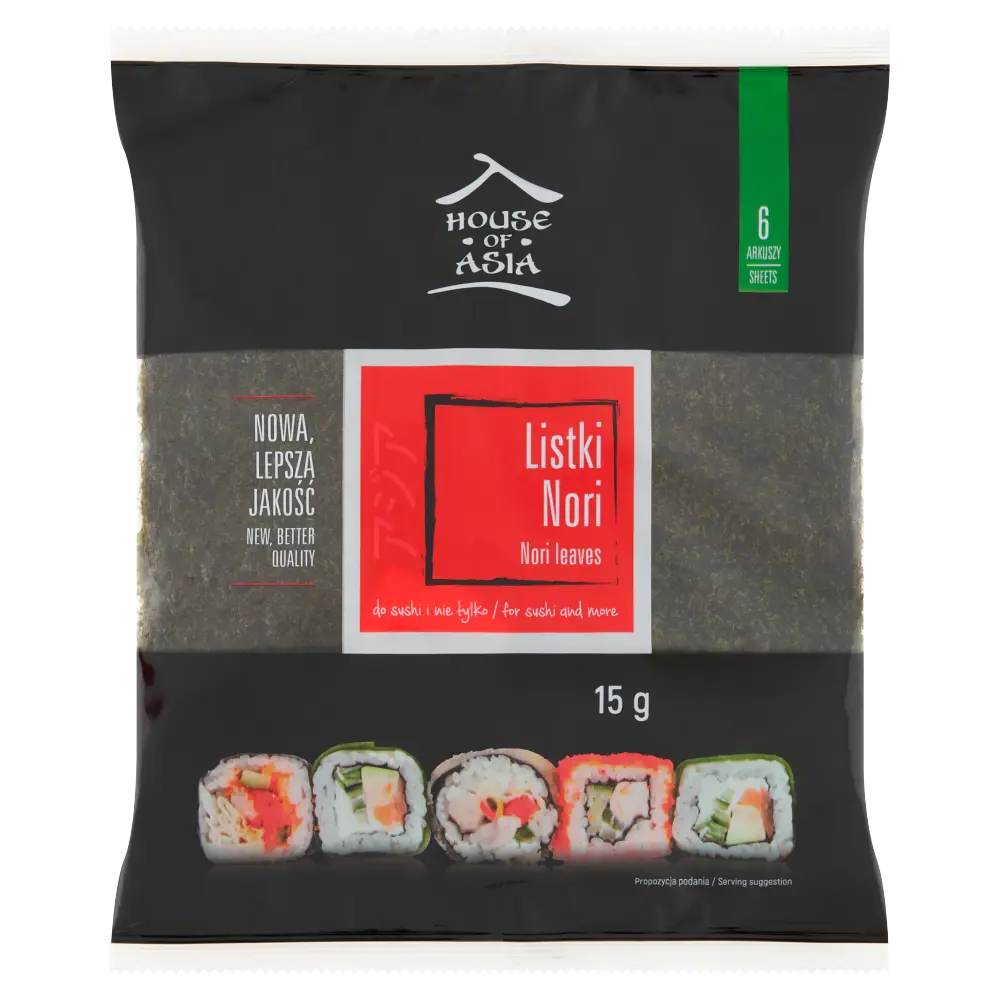
The other ingredients are equally important. The most commonly used Cloud, i.e. dried seaweed, fresh fish such as salmon and tuna, and vegetables such as avocado, cucumber, and lettuce. The flavor of the finished dish is enhanced by additions such as soy sauce, marinated imbir i wasabi.
Homemade sushi, however, offers a lot of flexibility in combining ingredients. Besides the classic additions, baked salmon, tempura shrimp, tofu, mango, or cream cheese are excellent options. Vegetarian sushi with avocado, pickled vegetables, or crispy cucumber is also becoming increasingly popular.
Preparing sushi at home allows you to let your culinary imagination run wild and create compositions tailored to your own tastes. It's a great opportunity to experiment with flavors, colors, and presentation styles, as well as a way to surprise guests with original rolls made by hand.
Each type of sushi It has its own unique character, making it difficult to pinpoint a single universal variant that will appeal to everyone. It's the variety of ingredients, textures, and serving methods that have made sushi so popular worldwide for years. If you're just starting your sushi journey, it's worth experimenting with different flavors and combinations to discover the ones that best suit your culinary preferences.
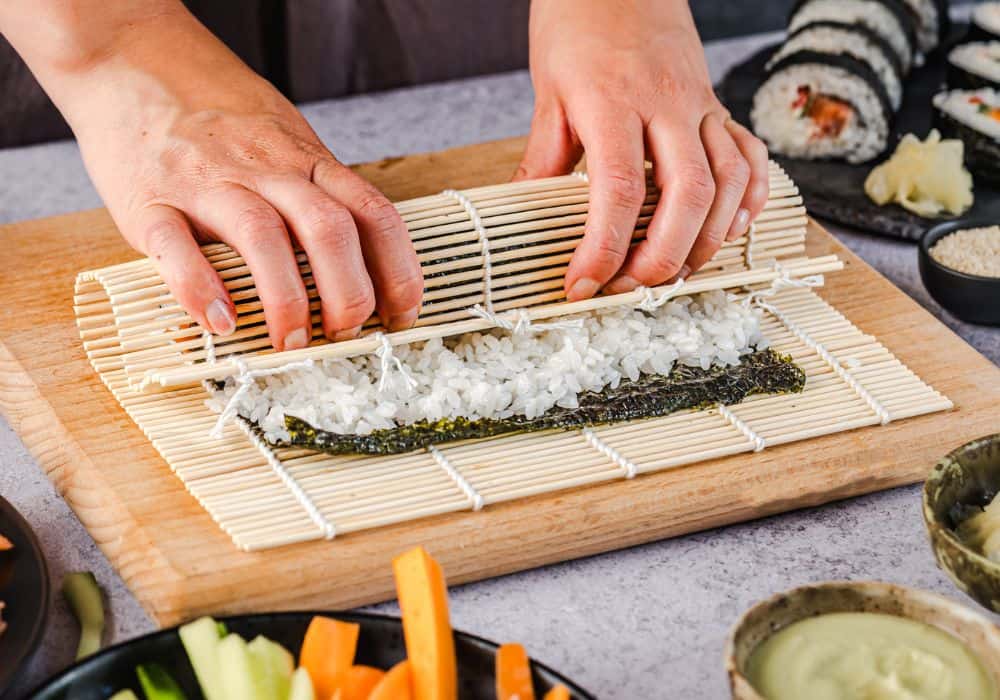
If you're making sushi for the first time, start by gathering the basic ingredients and accessories. The most important things are the right sushi rice, nori sheets, and a bamboo mat to make rolling the rolls easier.
The key to success is, above all, well-prepared rice. It forms the base of every type of sushi and largely determines the final result. Properly cooked rice should be soft, slightly sticky, and maintain a firm structure, preventing the rolls from falling apart when cut.
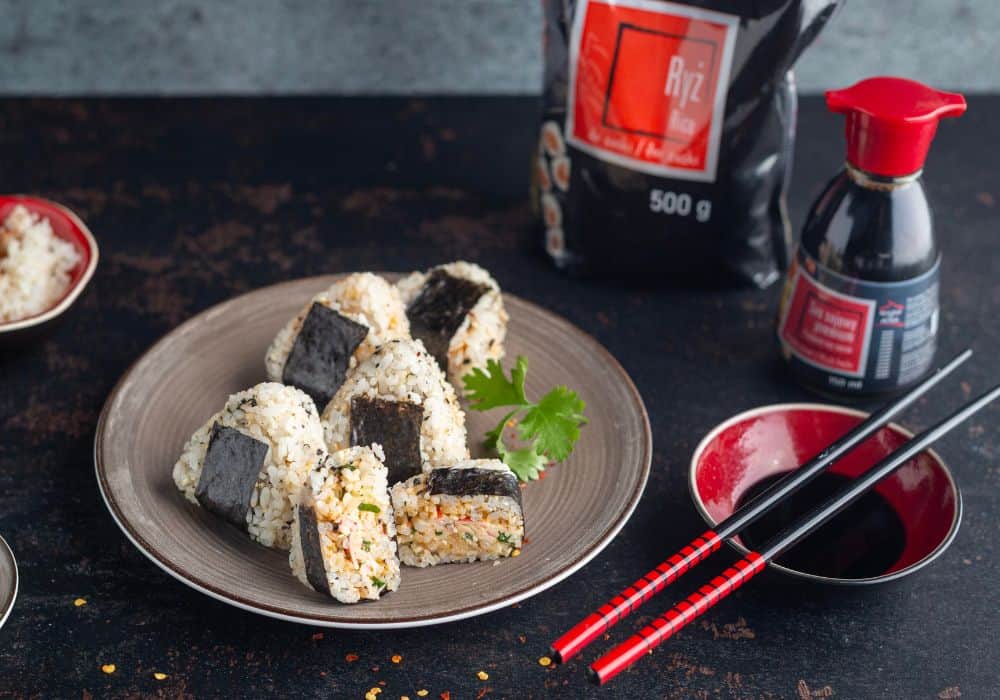
Initially, it's best to choose sushi varieties that don't require complicated techniques. Classic maki rolls with one or two ingredients allow you to become familiar with working with nori and learn how to roll them properly. Nigiri is also a good idea, as it doesn't require a bamboo mat and allows you to focus on shaping the rice properly.
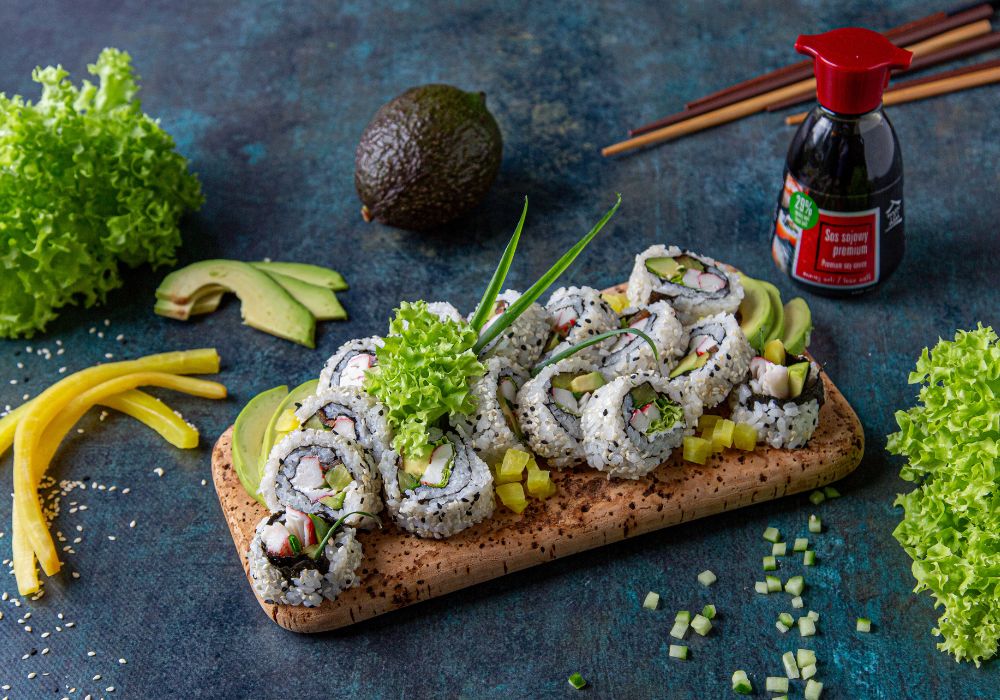
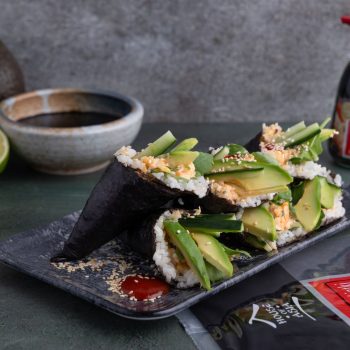
Once you've mastered the basics, you can gradually move on to more impressive styles, such as futomaki, uramaki, or kaburamaki. Preparing sushi at home is, above all, about having fun and creating your own unique creations. There's no need to strive for perfection on your first try—the key is fresh ingredients, a little patience, and a willingness to explore new flavors.
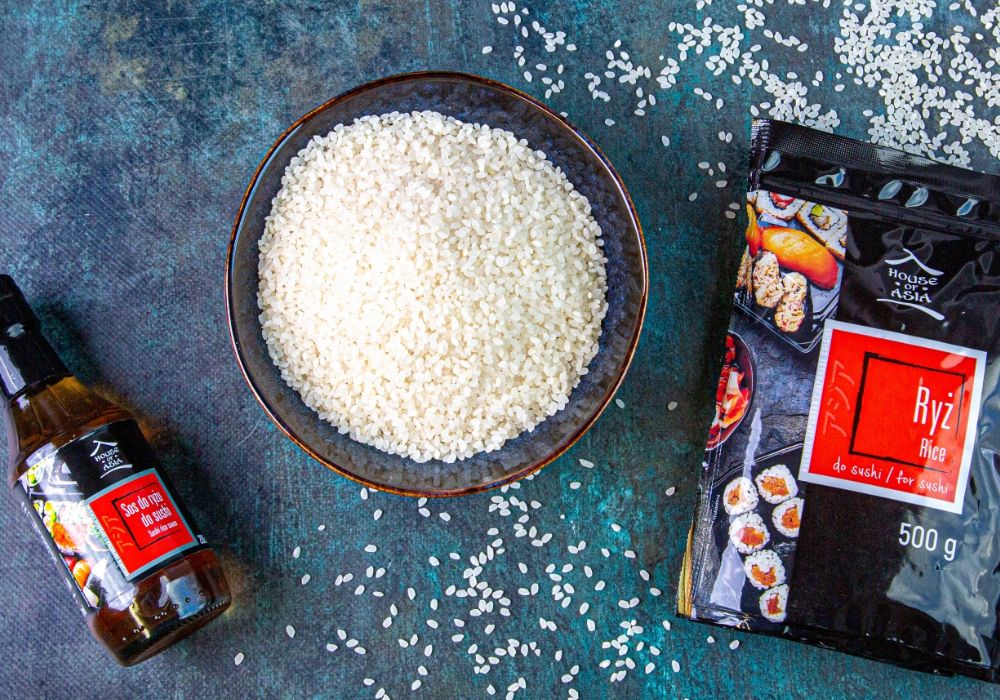
Sushi rice This is the basis of every roll. It's important to use special short-grain rice, which becomes sticky when cooked. It's also crucial to properly season the rice with rice vinegar, sugar, and salt to achieve a distinctive flavor. You can also make things easier and use ready-made rice. rice sauceYou can find a detailed recipe for preparing sushi rice here.
Rolling sushi takes some practice, but with the right guide, you'll quickly master the art. Basic techniques include maki sushi (with rice inside and nori outside) and uramaki (with rice outside). Learn more about how to roll sushi here.
For those just starting their sushi journey, maki sushi and hosomaki are recommended. These rolls are relatively simple in design and don't require advanced shaping techniques. The small number of ingredients makes it easier to learn how to properly spread the rice and roll the nori.
Not all sushi has to contain raw fish. Baked or smoked salmon, shrimp, surimi sticks, tofu, tamago omelet, and various vegetables all work well in homemade recipes. Vegetarian sushi with avocado, cucumber, carrot, or pickled radish is also becoming increasingly popular. These ingredients allow you to prepare delicious and impressive sushi without having to use raw ingredients.
To achieve even and aesthetically pleasing sushi pieces, use a very sharp knife. Before each cut, it's a good idea to moisten the blade with water to prevent the rice from sticking. It's best to cut the roll in one smooth motion, without applying excessive pressure. Regularly cleaning and moistening the knife will ensure even shapes and help the rice maintain its structure.
Homemade sushi is best eaten immediately after preparation, as this allows the rice to retain its softness, elasticity, and flavor. However, if you have more than you need, you can store it for a short time in a tightly sealed container in the refrigerator. Sushi containing raw fish is best eaten the same day, while rolls with vegetables, tofu, or baked ingredients can be eaten the next day. However, it's important to remember that the rice gradually hardens during storage, and the ingredients lose some of their flavor and freshness. For this reason, sushi is best eaten as soon as possible after preparation.
 Shrimp
  Japanese
  15-30 minutes
 Ryba
Ryba 
 Rice
Rice 
 Chicken
  Korean
 Salmon


 Vegetables