





Grain classification – what is the difference between short-grain and long-grain rice?
While all rice varieties may seem similar at first glance, they actually differ not only in appearance but also, and more importantly, in how they cook. The length, shape, and starch content of the grains determine whether the rice will be slightly sticky, fluffy, or completely loose. This is crucial for sushi preparation.
Short-grain rice is characterized by its small, rounded grains, which absorb large amounts of water and release more starch during cooking. This makes it soft, springy, and naturally sticky after cooking. This characteristic makes it easy to shape into nigiri, maki, or futomaki without the risk of the rice falling apart or the rolls losing their shape.
Medium-grain rice behaves somewhat differently. Although its grains are longer, they still contain a relatively high level of starch, so they remain slightly sticky after cooking. Some medium-grain rice varieties, such as Calrose, are successfully used as an alternative to classic Japanese sushi varieties.
Long-grain rice, on the other hand, has completely different properties. Its slender grains contain less starch, so after cooking they remain light, loose, and distinctly separated. This is why varieties like basmati and jasmine rice are excellent as an addition to curries, wok dishes, and stews, but are unsuitable for preparing traditional sushi. Even the best-cooked long-grain rice won't provide the cohesiveness needed for rolling rolls or forming rice balls.
In Japanese cuisine, the proper stickiness of rice is one of the foundations of well-prepared sushi. It's responsible for the characteristic texture of each piece and allows for the perfect balance between rice and ingredients. Therefore, choosing the right grains is as important as the quality of the fish, nori seaweed, or vinegar dressing. Even the best ingredients won't guarantee success if the wrong type of rice is the foundation.
Japanese rice (japonica) – a variety created for preparing sushi
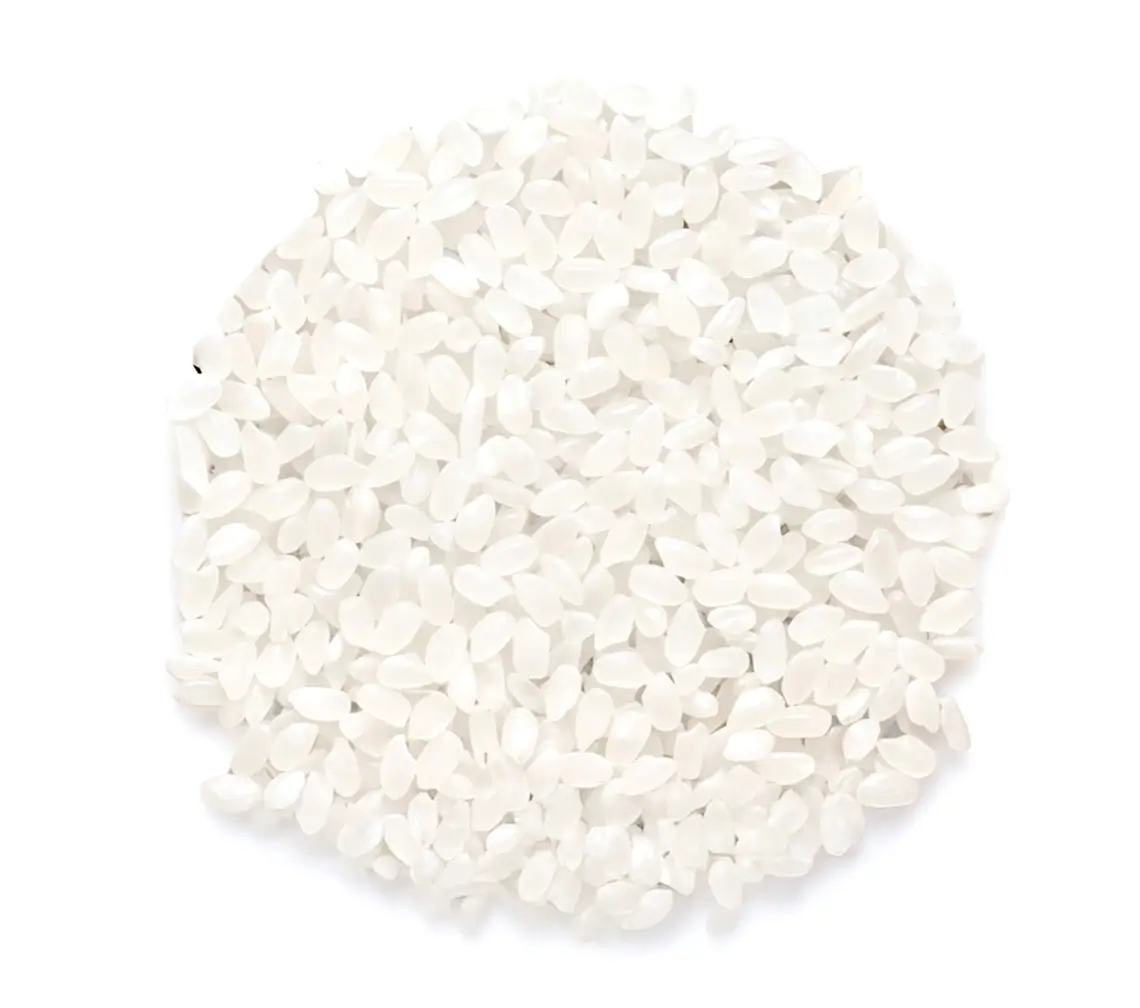
Japanese rice, or japonica, is considered the best and most classic base for sushi. It is characterized by high glutinous properties and a unique grain structure that makes it soft, slightly springy, and easy to shape after cooking. Interestingly, 100 grams of japonica rice also contains a relatively high protein content compared to other rice varieties, which contributes to its nutritional value and texture.
Professional Sushi Rice vs. Everyday Varieties
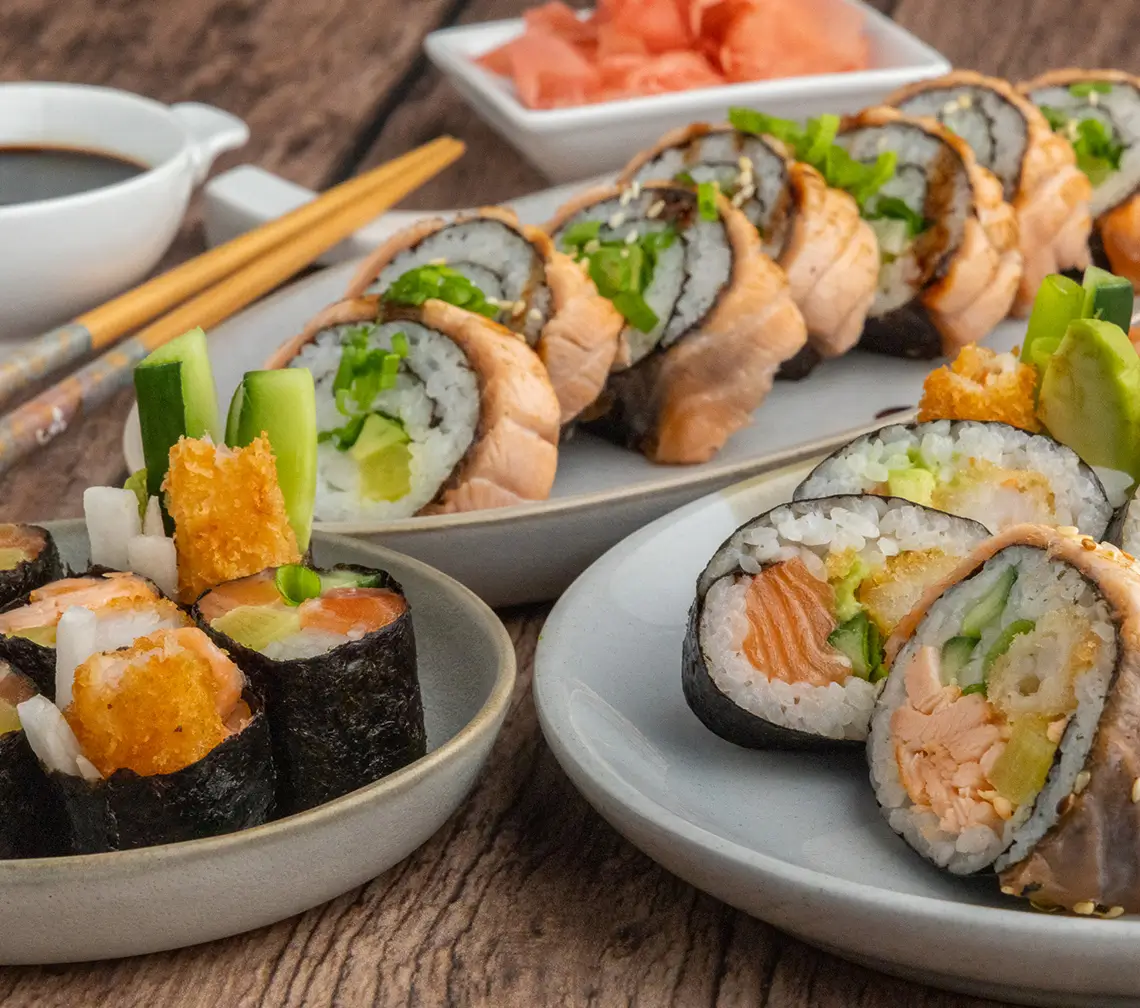
Although many types of rice are available on store shelves, only a few are suitable for preparing true sushi. The difference lies not only in flavor, but primarily in how the grains behave during cooking. After cooking, sushi rice should be soft, slightly springy, and sufficiently sticky to easily hold its shape. These properties make it possible to prepare compact maki rolls, delicate nigiri, and other popular types of sushi.
Many people wonder if regular white rice can be used for sushi. While theoretically possible, the results will be far from expected. Popular long-grain varieties remain loose after cooking, preventing the rice from sticking together tightly. As a result, the rolls can fall apart, making sushi formation much more difficult.
Professional sushi rice is distinguished by short or medium-sized grains and a high starch content. This starch is responsible for the characteristic stickiness, which is one of the most important characteristics of well-prepared sushi. However, good quality rice doesn't form a uniform mass – the grains remain noticeable, maintaining a delicate structure and pleasant elasticity.
When choosing sushi rice, it's worth paying attention to the manufacturer's labels. Products designed for sushi preparation are selected with specific parameters in mind, achieving significantly better results than generic varieties intended for everyday cooking. This is why experienced chefs consider rice selection to be one of the most important steps in preparing this Japanese delicacy.
Other popular sushi rice varieties
Koshihikari
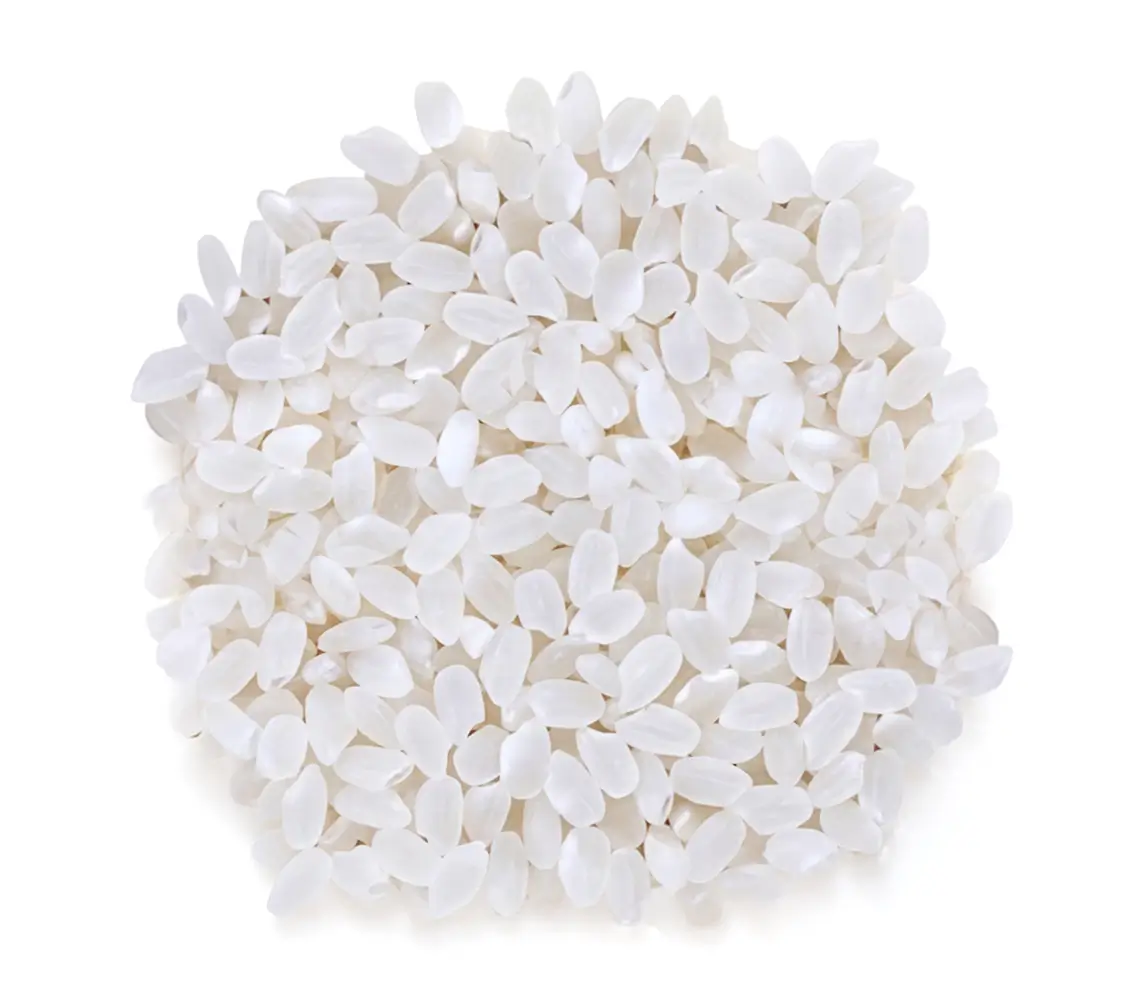
Koshihikari is one of the most prized rice varieties in Japan, cultivated, among others, in the Toyama region on Honshu Island. It owes its name to the former Koshi region, where it was originally cultivated. When cooked, it boasts exceptional fluffiness and stickiness, making it ideal for sushi. It is currently cultivated not only in Japan but also in Australia and the United States. The Hitomebore and Hinohikari varieties, developed through crossbreeding Koshihikari with other Japanese rice varieties, originate from the same genetic lineage.
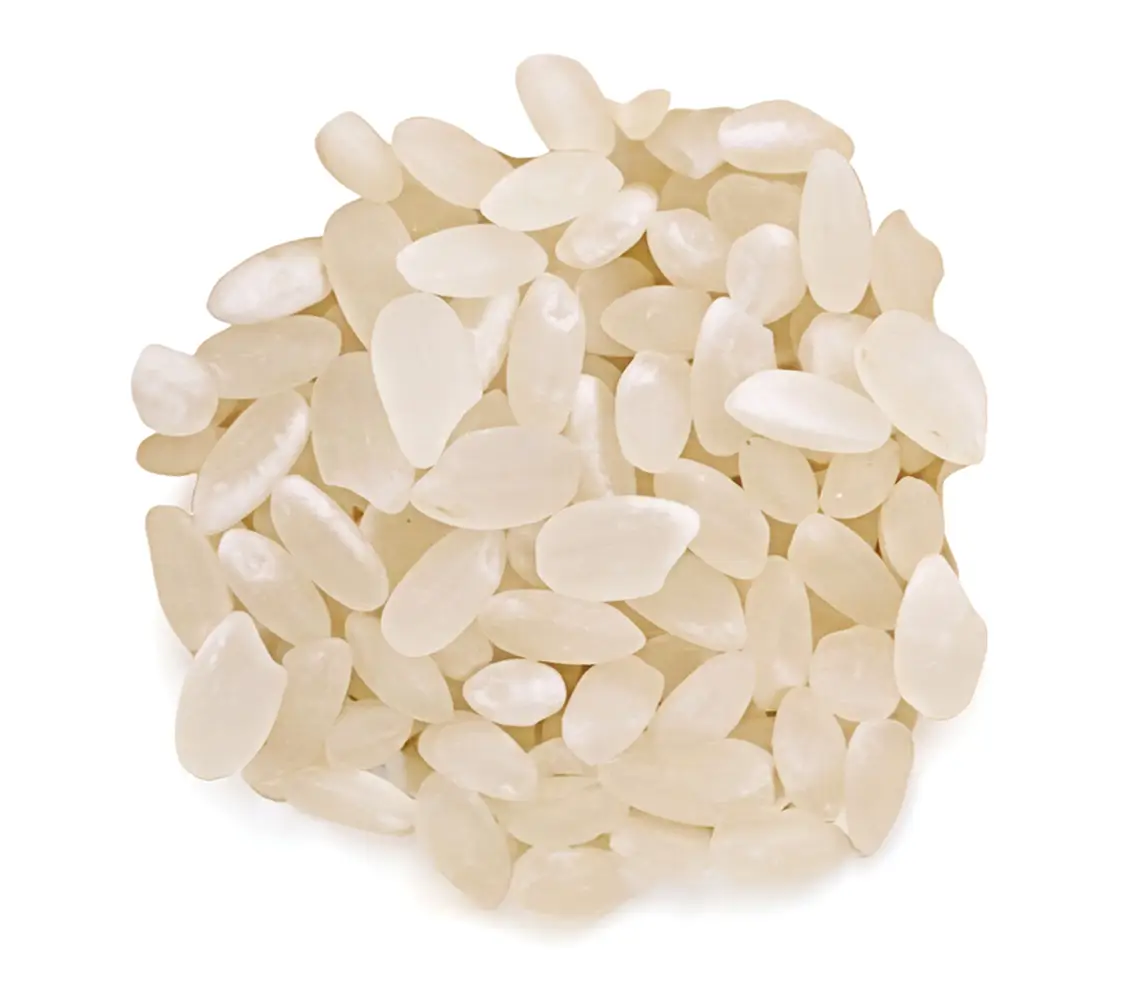
Sasanishiki (Sasanisiki)
Sasanishiki, also known as Sasanisiki, originates from the Sendai region in the northeastern part of Honshu Island. This variety is particularly prized by sushi masters, who pay attention not only to the taste but also to the appearance of their dishes. After cooking, the grains become slightly sticky, fluffy, and acquire a distinctive shine, giving sushi a truly appetizing appearance. An additional advantage of Sasanishiki is its subtly sweet flavor and the fact that it retains its flavor even after cooling.
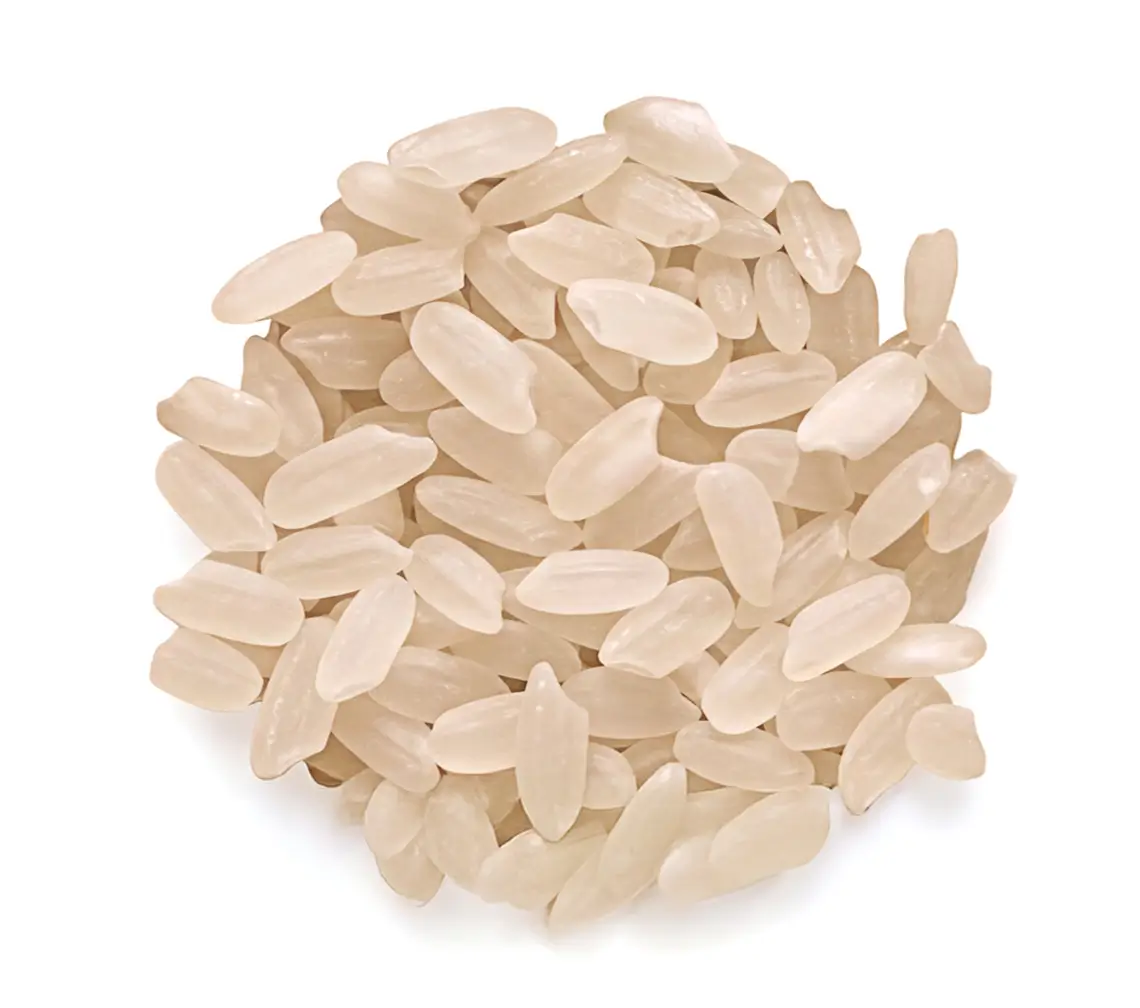
Calrose
Calrose is a variety developed in California that has been gaining popularity outside of Asia for years. It has medium-sized grains and, when cooked, a soft, sticky consistency, making it ideal for sushi. Within this group, there are various quality varieties, such as Kahomai, Nishiki, Maruyu, and Kokuho, which differ in firmness and texture after cooking.
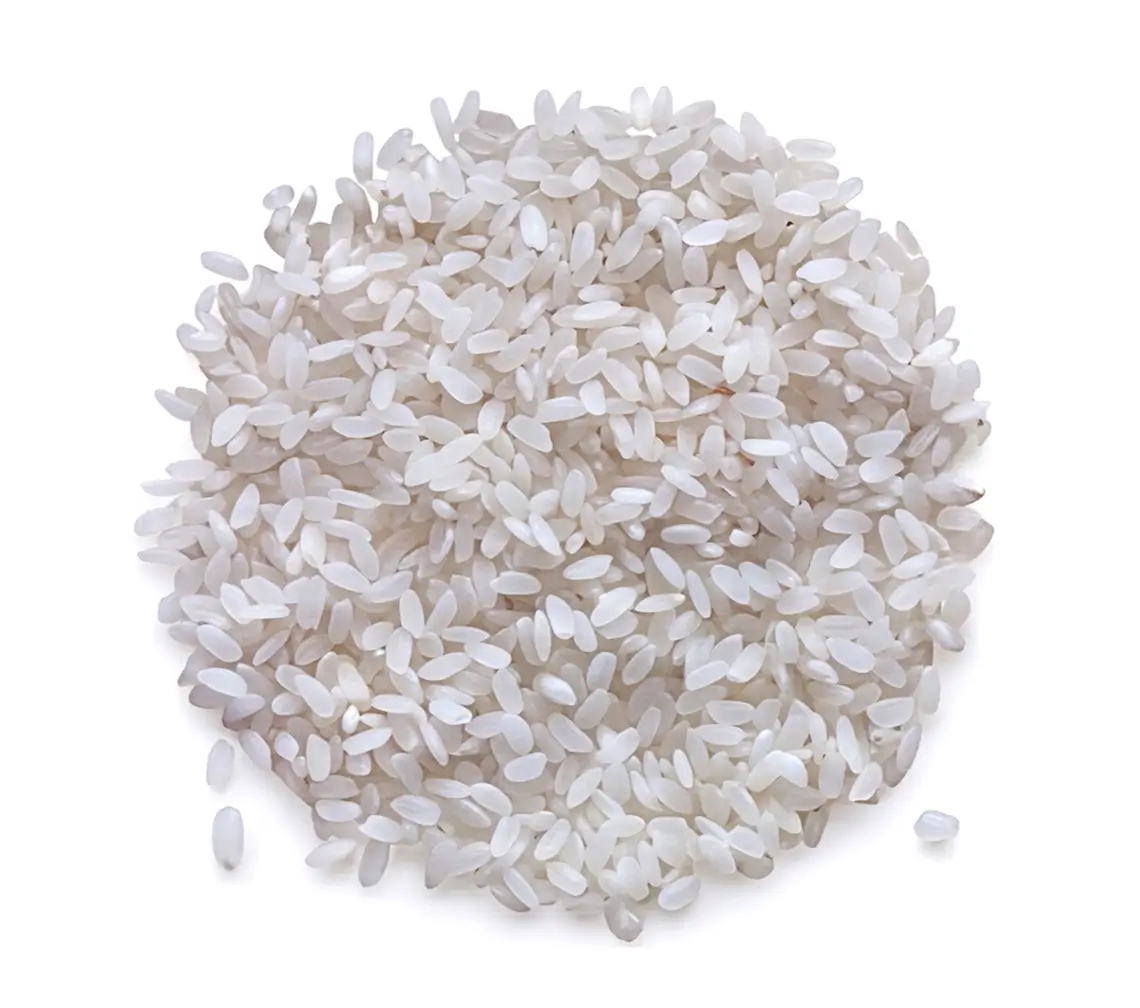
Shinode
Shinode is a rice produced in Italy that is also used in sushi. It has medium-sized grains and a slightly different texture than classic Japanese rice, but with proper preparation, it can be a functional substitute.
Aromatic long-grain rice in Asian cuisine – jasmine and basmati rice
While short-grain varieties are best for sushi, long-grain rice is also extremely popular in Asian cuisine. Jasmine and basmati rice have a unique aroma and loose texture, making them a perfect complement to many traditional dishes from various Asian regions.
Jasmine rice – aromatic grains for curry dishes
Jasmine rice is one of the most aromatic varieties of long-grain rice. Its natural, slightly floral aroma makes it a perfect accompaniment to curries and dishes with intense sauces. It remains soft after cooking, but does not stick together as needed for sushi, making it a better addition to one-pot meals.
Basmati rice – the king of Indian one-pot dishes
Basmati rice, often called the king of long-grain rice, is distinguished by its exceptional looseness and delicate, nutty aroma. It is the basis of many Indian dishes and is perfect for dishes where the grains should remain light and distinct after cooking. Like jasmine rice, it is not suitable for sushi, but it is an important element of Asian cuisine in its broadest sense.

 Vegetables
  Japanese
  over 30 minutes
 Shrimp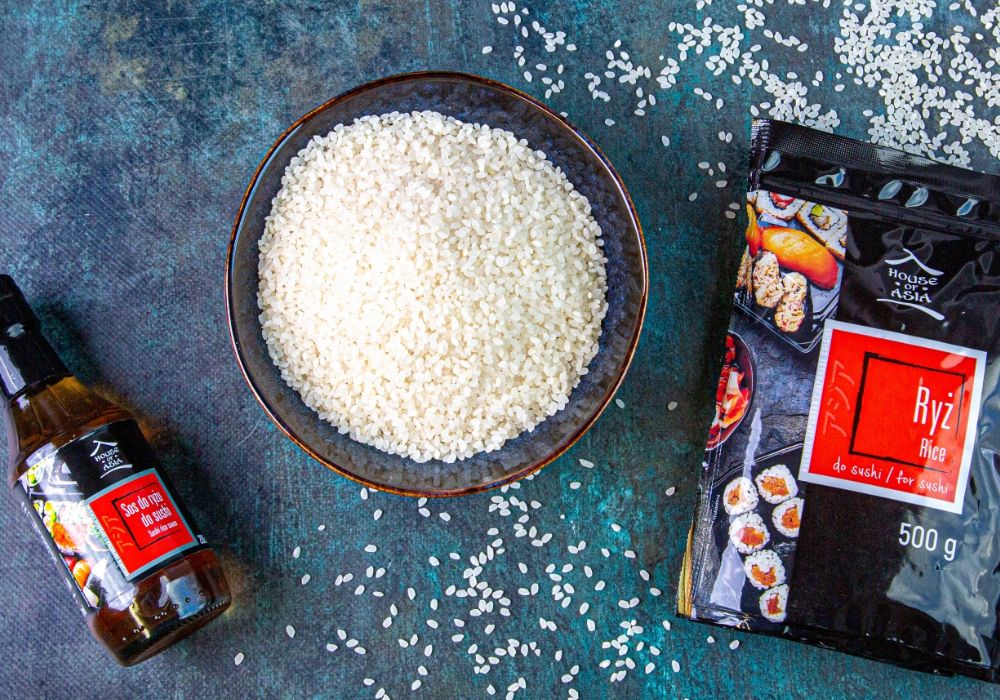
 Salmon
 Ryba
Ryba 
 Rice
Rice