HOUSE OF ASIA
See the recipeHits
Ingredients
Diets


It's a good idea to start learning about Asian cuisine with its key ingredients. Traditional shiitake mushrooms are valued for their natural umami flavor, which brings the other notes of the dish together into a harmonious whole. Mun mushrooms They are springy and slightly crunchy, even after cooking, which makes them ideal for stir-frying. enoki are thin, delicate mushrooms that are great in soups and salads, and fungi they add interesting structure and contrast to fried or stewed dishes. Straw mushrooms It has a mild, slightly sweet taste and a delicate texture that goes well with pasta and rice.
Asian mushroom varieties are deeply rooted in the cuisines of the Far East, particularly China, Japan, and Southeast Asia. In their natural habitat, they grow on wood or in humid, tropical conditions, which contributes to their unique properties.
Compared to the mushrooms and wild mushrooms popular in Europe, they are distinguished by their more diverse structure and different behavior during thermal processing. They are often dried, which preserves their intense aroma and extends their shelf life. After soaking, they regain their volume and characteristic consistency.
Convenient options are also available: sliced, whole, marinated, or brined mushrooms, which can be used without prior preparation. This is a practical solution for those who value quick cooking without compromising on flavor.
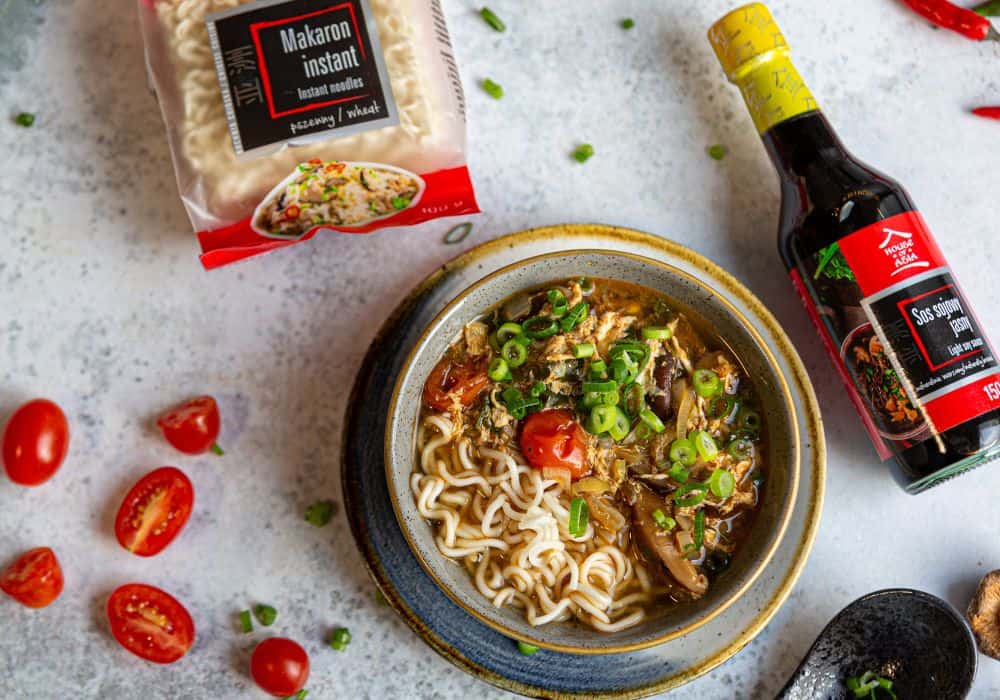
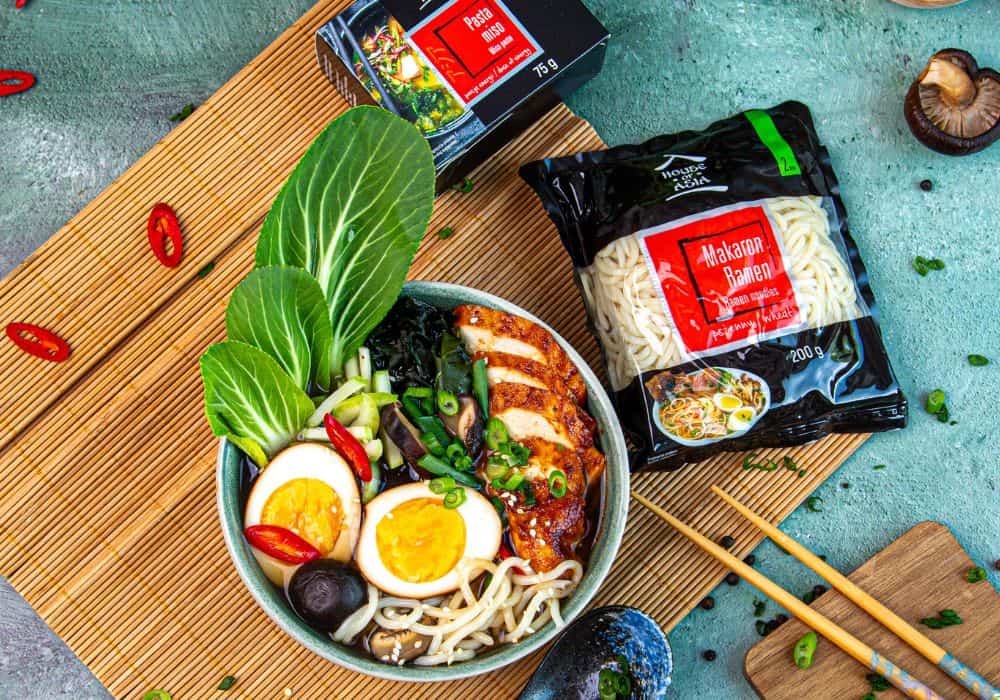
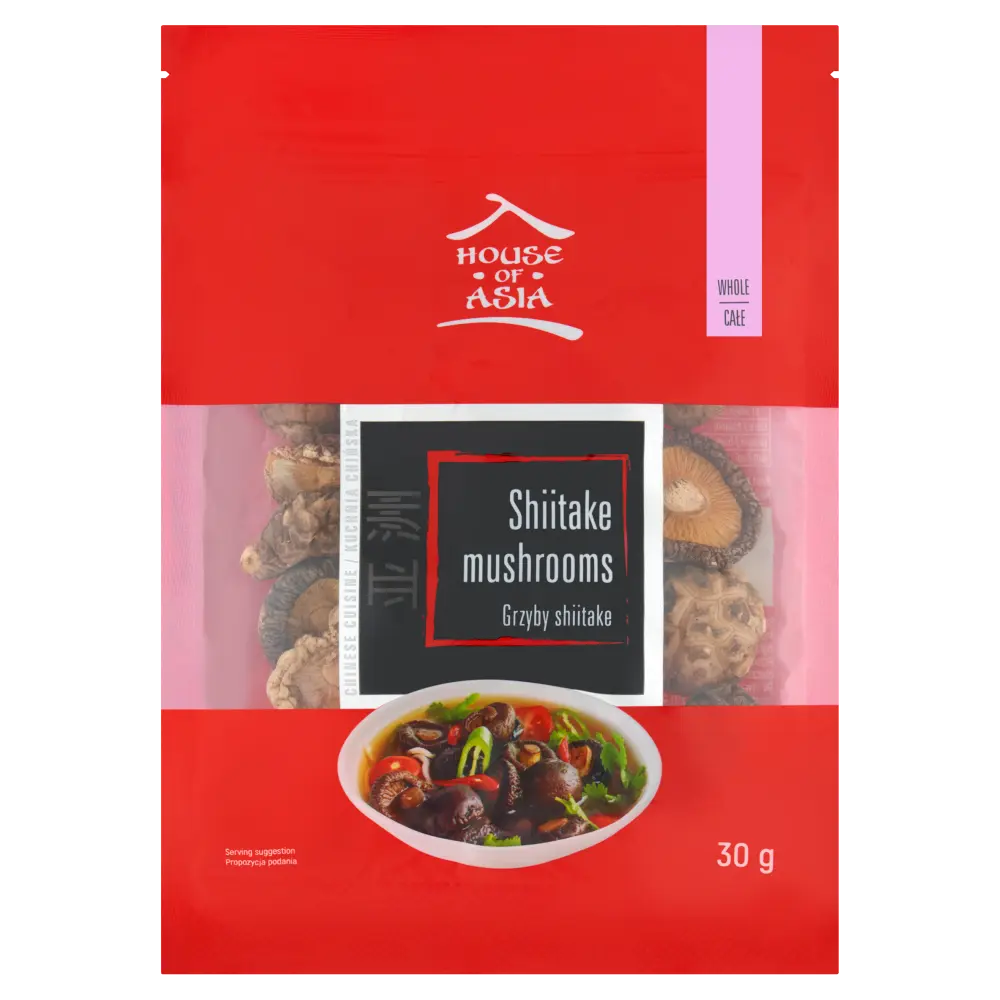
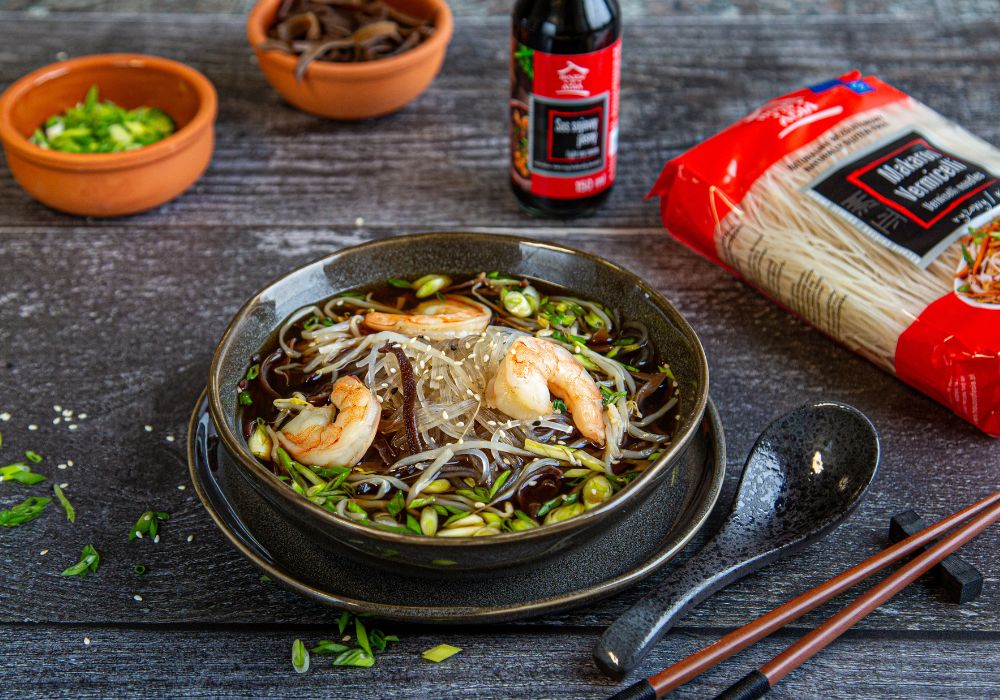
The culinary uses of Asian mushrooms are incredibly broad, allowing for the creation of both simple and more complex dishes. Shiitake mushrooms are an excellent base for aromatic, dark broths for soups such as ramen or vegetarian pho, giving them depth and a distinctive umami flavor.
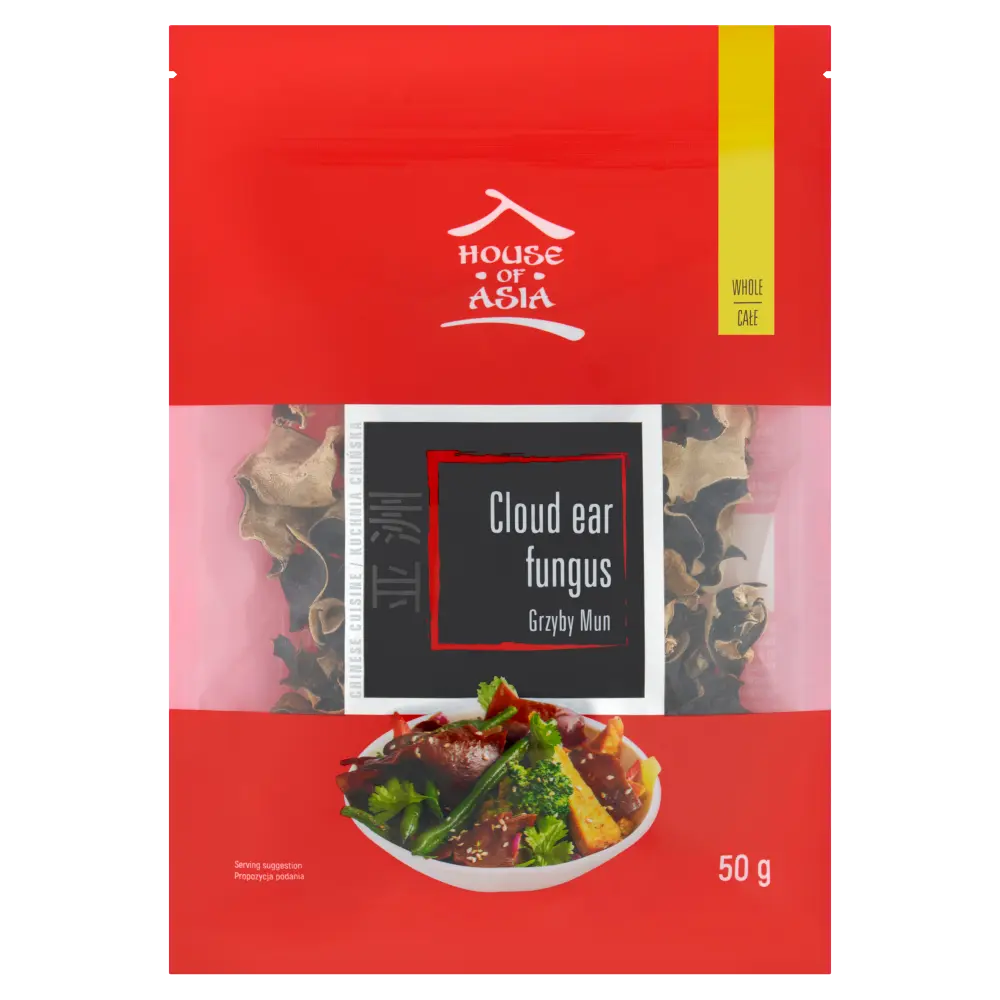
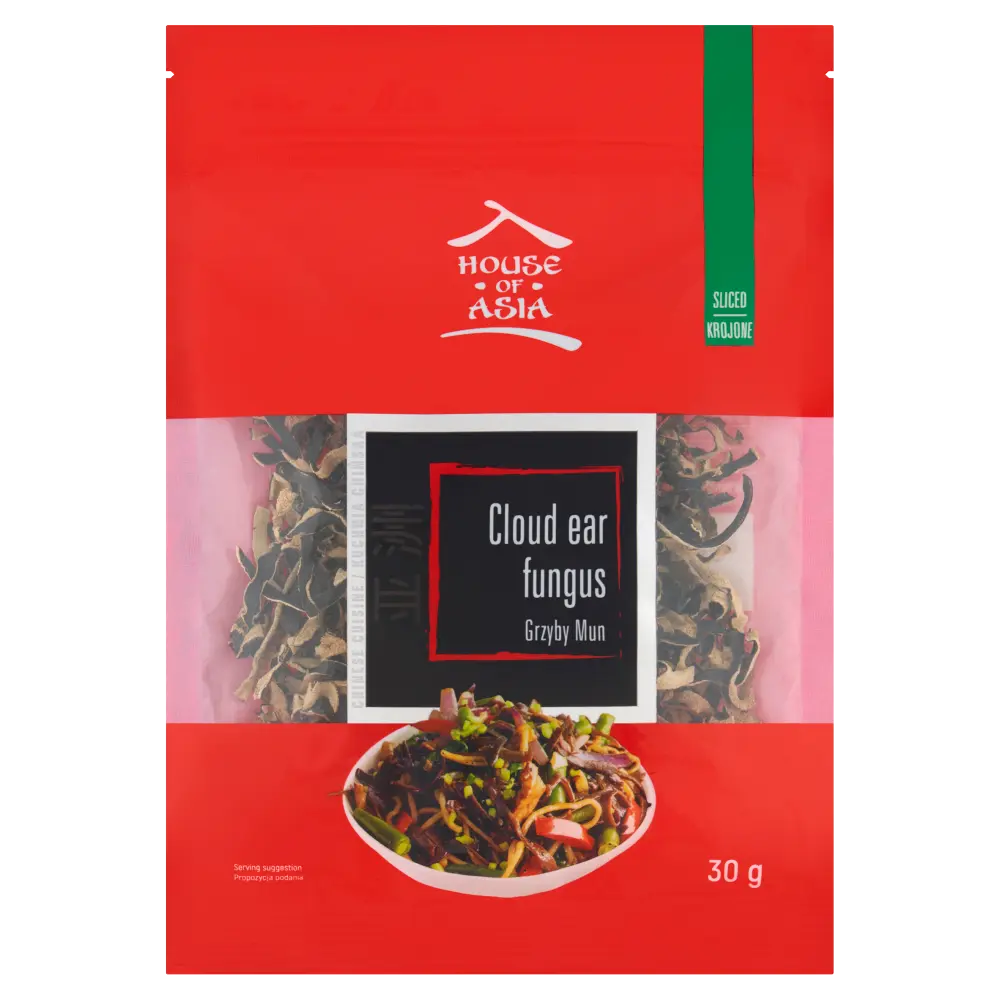
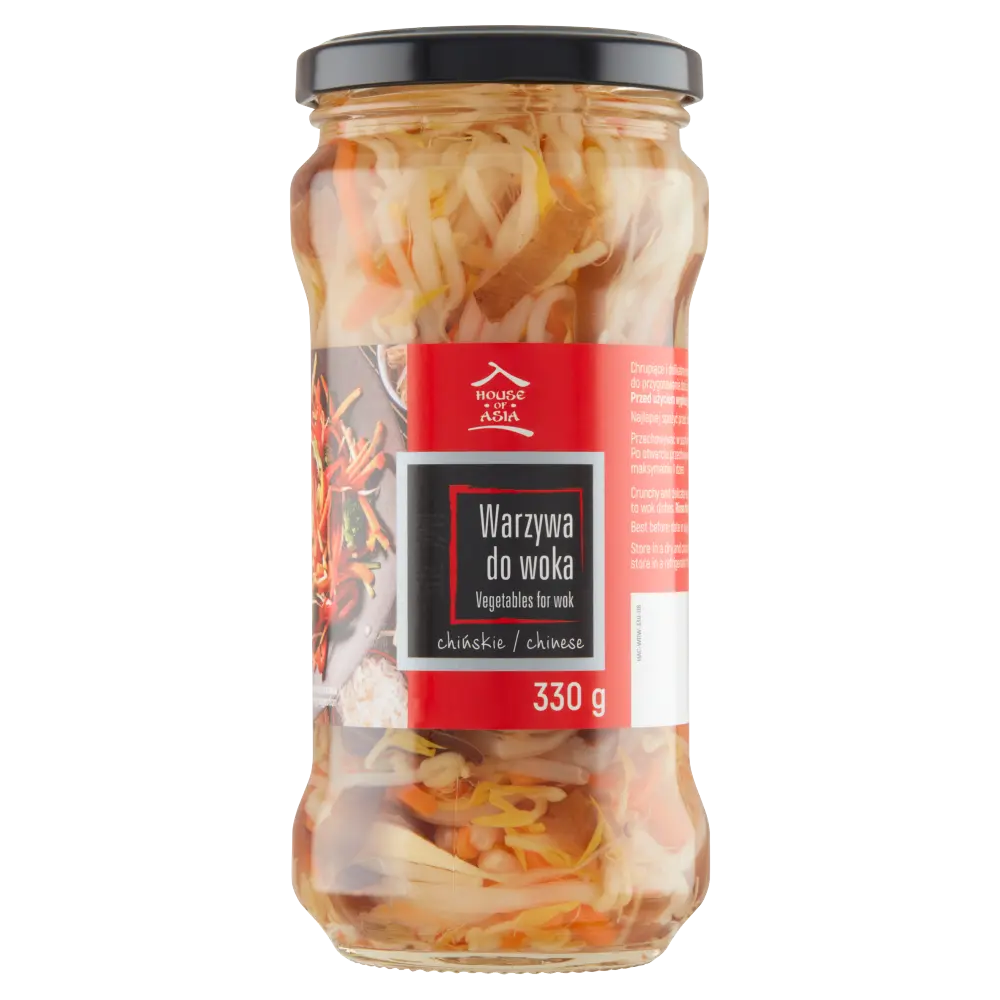
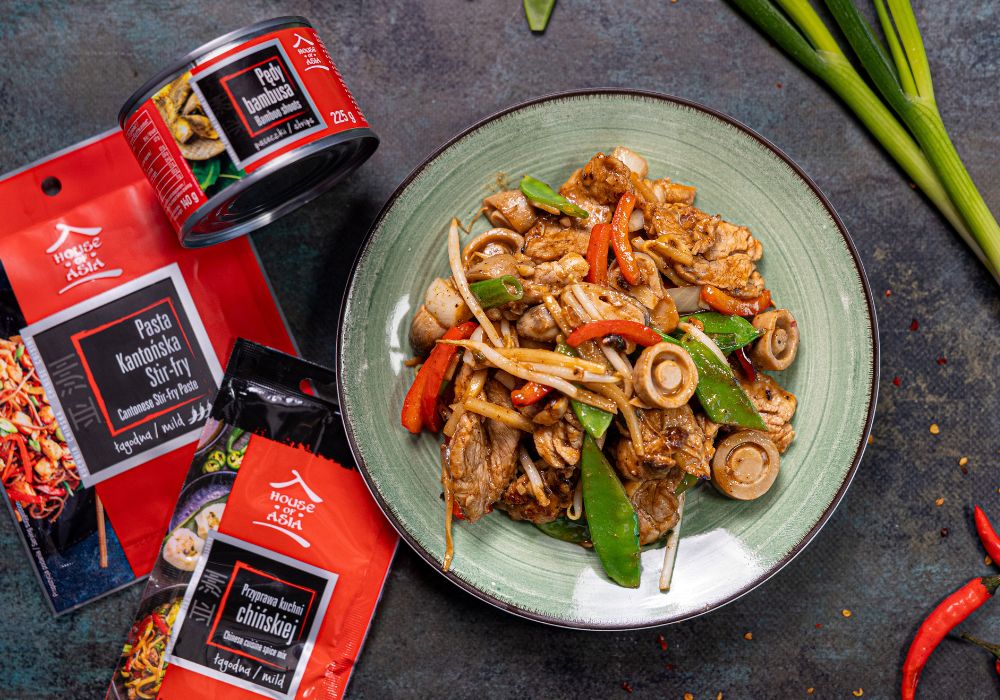
Thanks to their characteristic, springy structure, mun mushrooms are perfect for stir-fry dishes. Depending on your needs, you can reach for whole mun mushrooms and/ or sliced – just pour boiling water over them and adjust to the specific recipe.
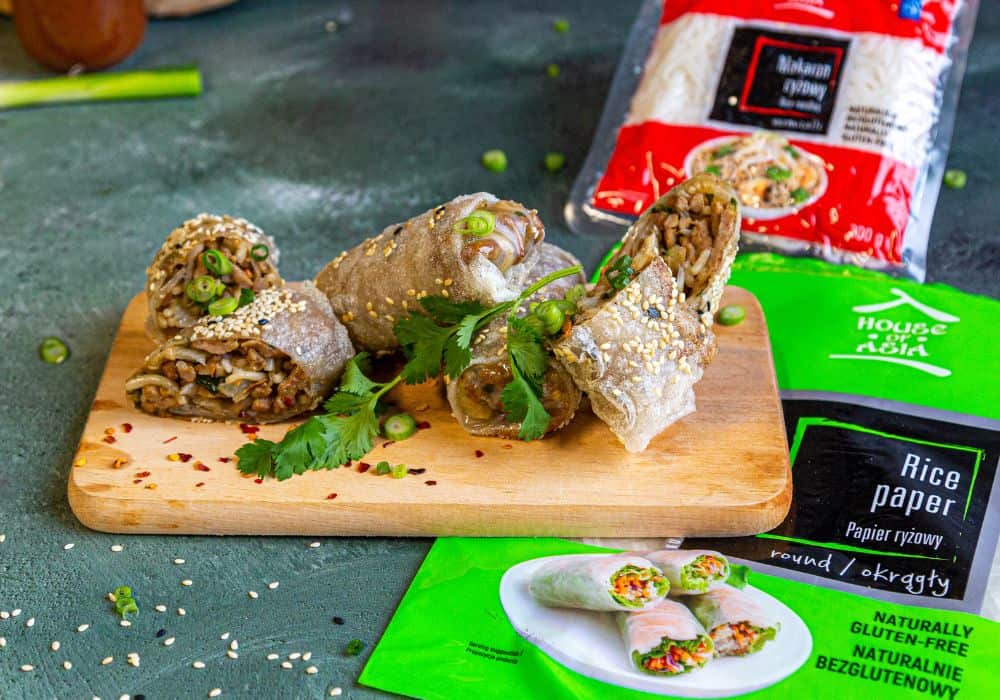
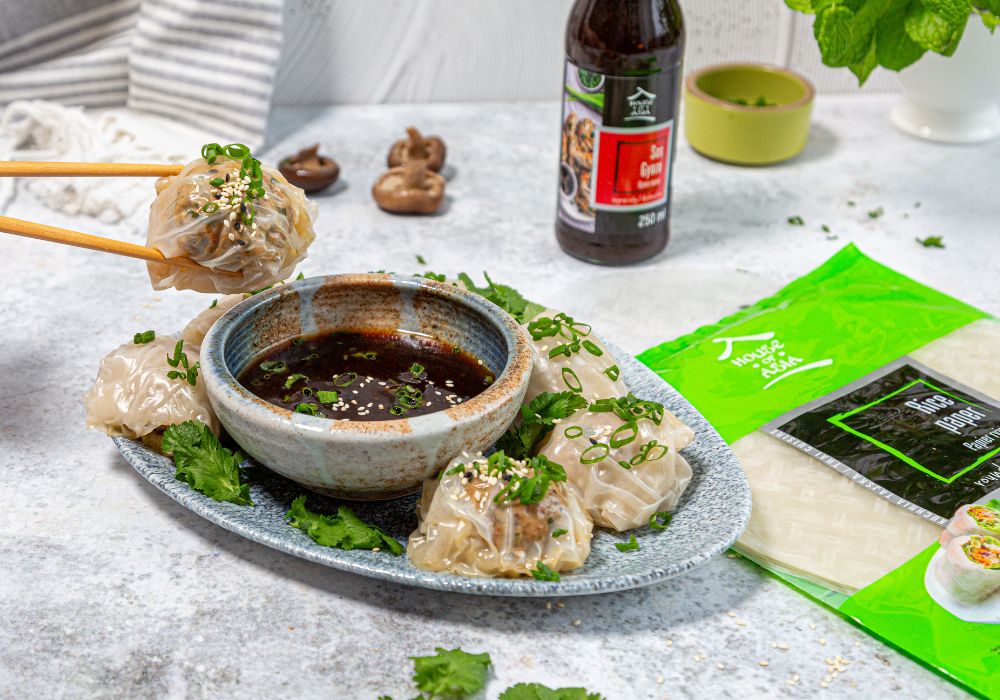
Shiitake and mun mushrooms also make excellent filling ingredients. Shiitake mushrooms add depth of flavor, while mun mushrooms provide a pleasant, springy texture. Combined with ground meat, spring onions, and pak choi cabbage, they create a flavorful filling for Asian dumplings such as jiaozi and gyoza.
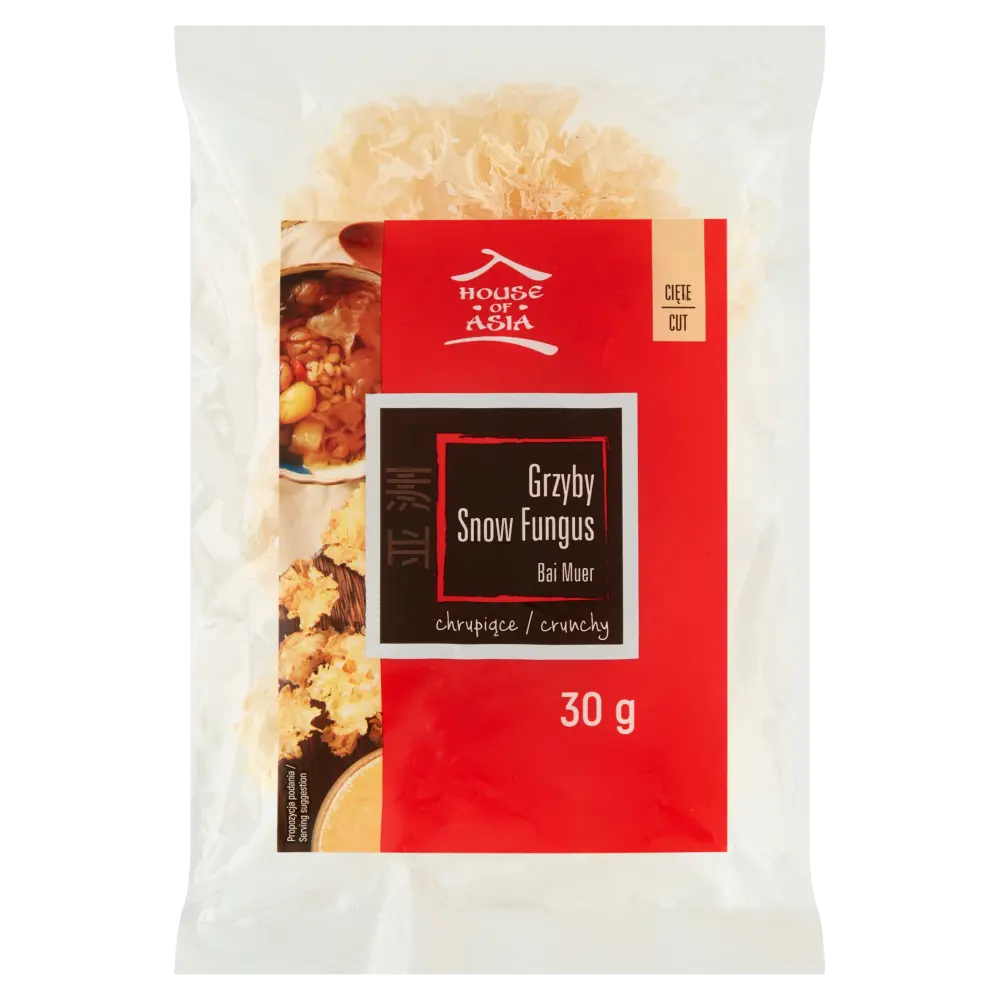
It is also worth trying other varieties of Asian mushrooms. enoki They are perfect for light soups and salads, where they retain their delicacy and subtle flavor. Fungus They add an interesting, slightly crunchy texture to dishes, making them a good complement to fried and stewed dishes. Straw mushrooms, on the other hand, have a mild and slightly sweet flavor and pair well with rice-based dishes and simple one-pot meals.
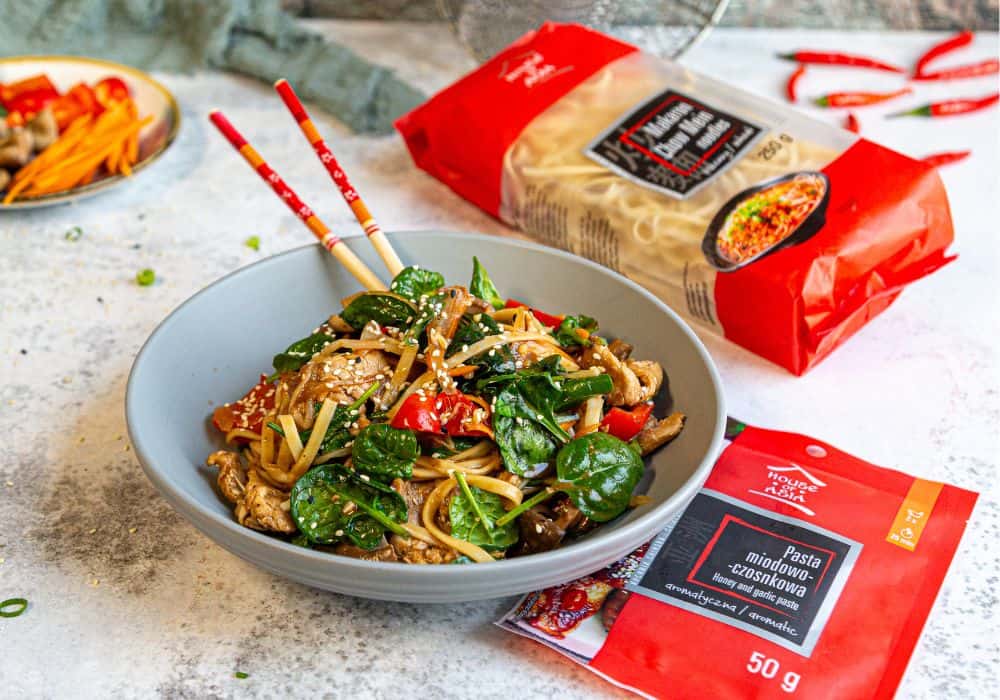
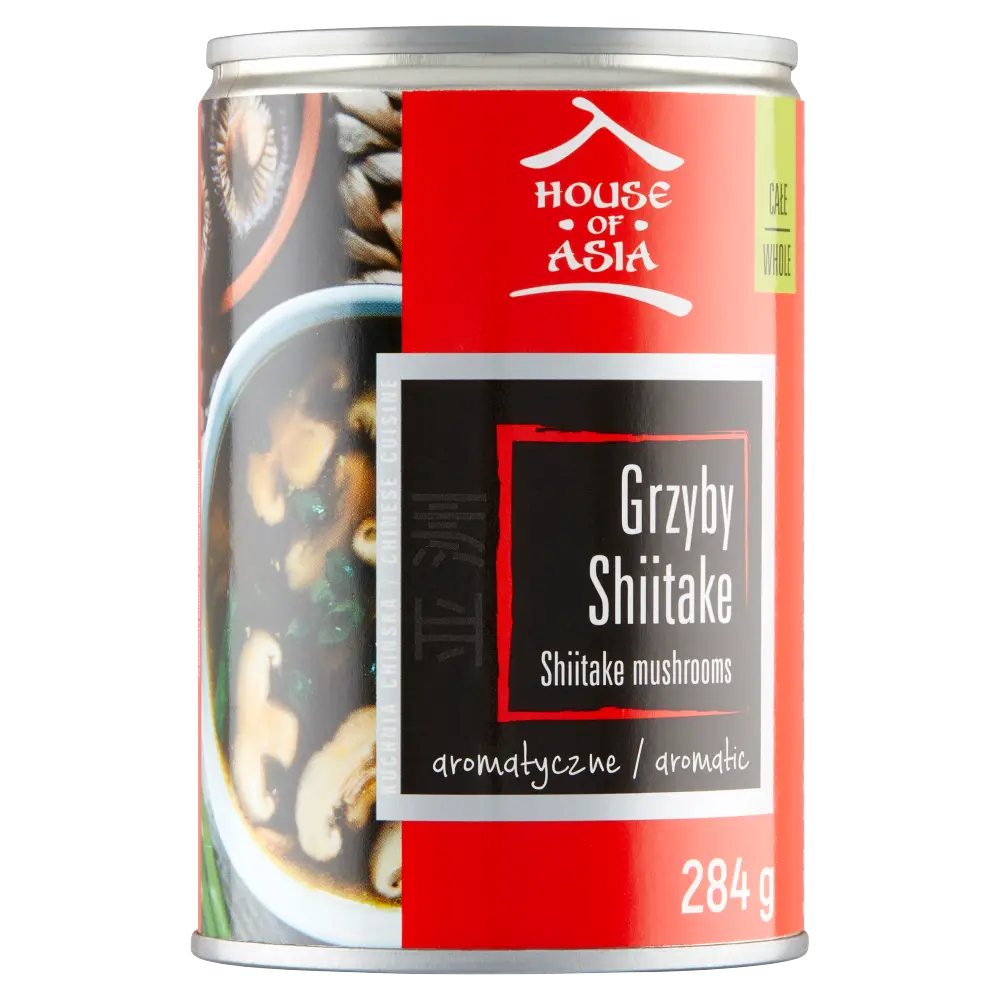
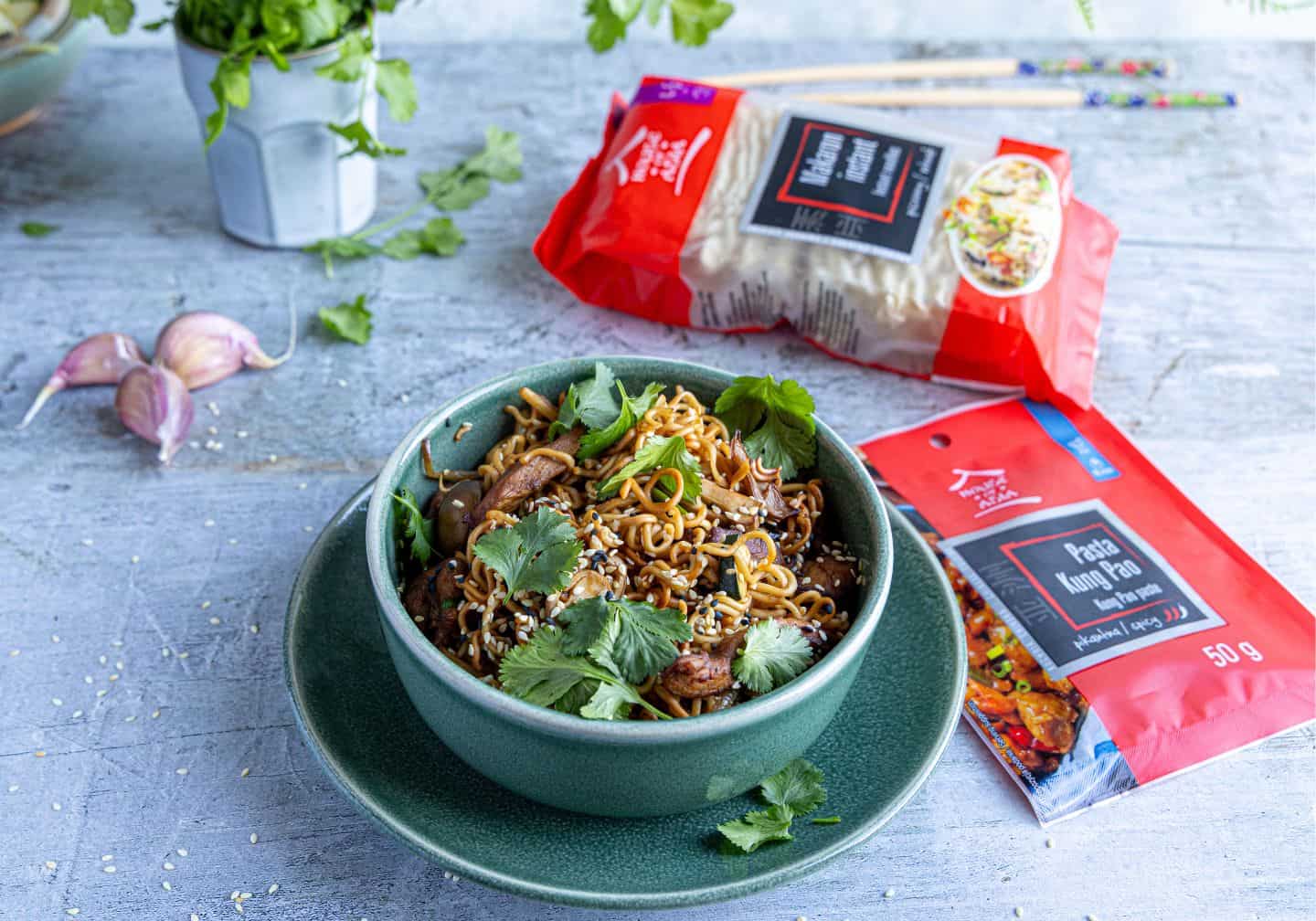
Far Eastern-style recipes don't have to be complicated or multi-step, which is great when cooking time is limited. You can prepare a quick wok dish by combining rice or wheat noodles with your choice of additions, such as chicken, carrot sticks, or celery. The frying process will be streamlined. shiitake mushrooms in brine, which, thanks to their soft and flexible structure, do not require pre-soaking. To finish the dish and give it the right consistency, use a sauce based on soy sauce, sesame oil, and a bit of starch, which binds the ingredients and brings out their natural flavor. You can also successfully serve wok dishes with steamed rice, topped with toasted sesame seeds.
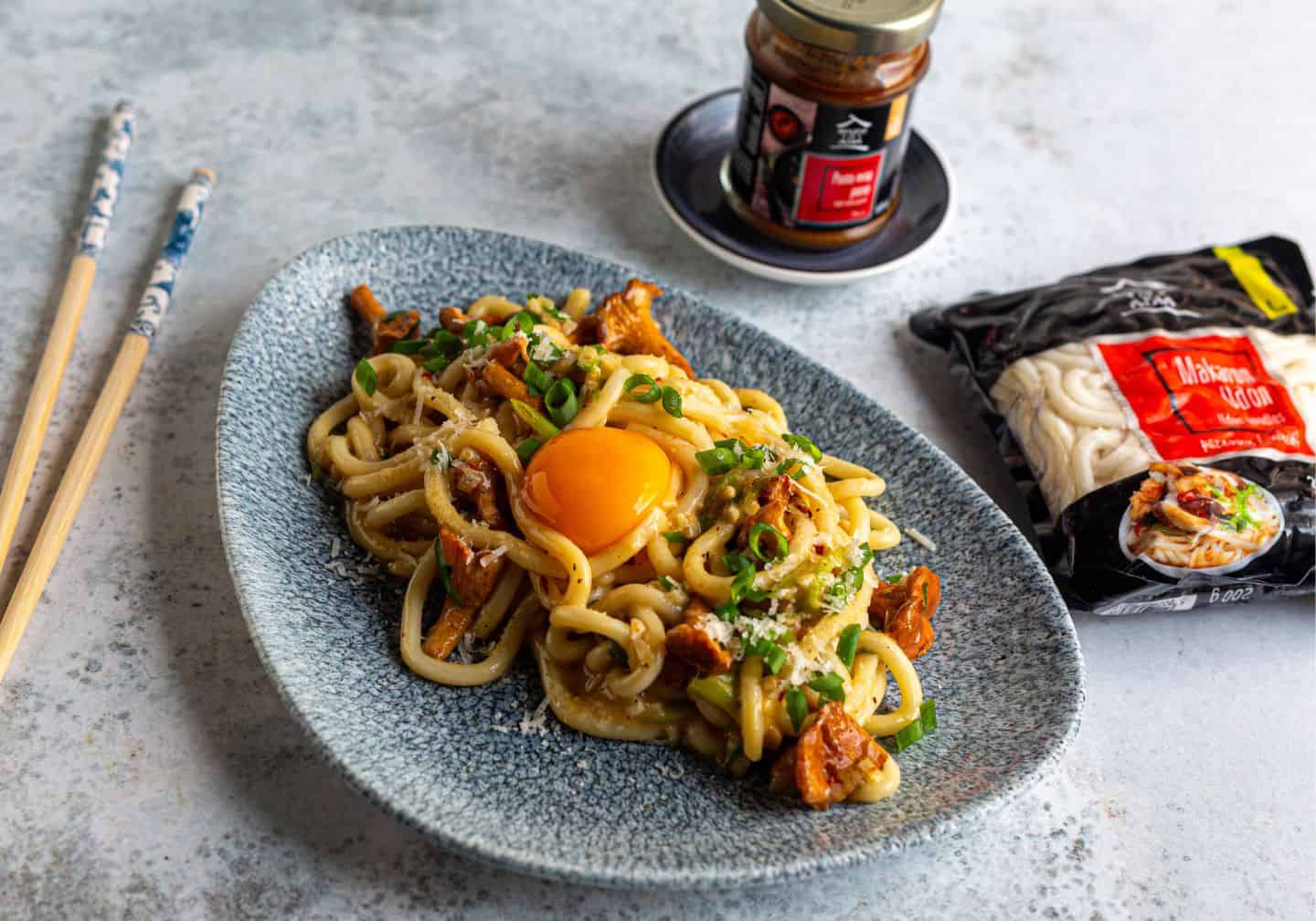
Carefully selected spices enhance the flavor profile of Asian mushrooms. Combine them with classic additions typical of this region. Many dishes are based on fresh ginger and garlic, which should be briefly sautéed in hot oil – sunflower or peanut oil are ideal. Add a splash of sesame oil towards the end of cooking. Traditional recipes also use light or dark soy sauce. Mushroom dishes pair well with vegetables such as red bell peppers. You can adjust the spiciness with jalapeño, habanero, or chili flakes. Many Asian wok dishes are complemented with a quickly set egg and dark oyster sauce.
The main differences lie in flavor profile and texture. European wild mushrooms and button mushrooms are typically characterized by a soft texture and earthy aroma. Asian varieties bring an umami flavor to dishes, while the mun variety is also distinguished by its springiness, retaining its crunch even after cooking.
To prepare dried mushrooms for use, pour boiling water over them and let them steep for about 15 minutes. Remember to use a larger bowl – the mushrooms will expand significantly. The soaking water for shiitake mushrooms is full of flavor and is ideal as a base for soups and sauces. For other mushroom varieties, the soaking water has a more delicate flavor and can be used for light broths or cooking rice.
Yes, after soaking and finely chopping, they add an interesting texture to stuffing. Combined with meat, garlic, ginger, and soy sauce, they create a classic filling that complements Asian dumplings like jiaozi, gyoza, and wonton.
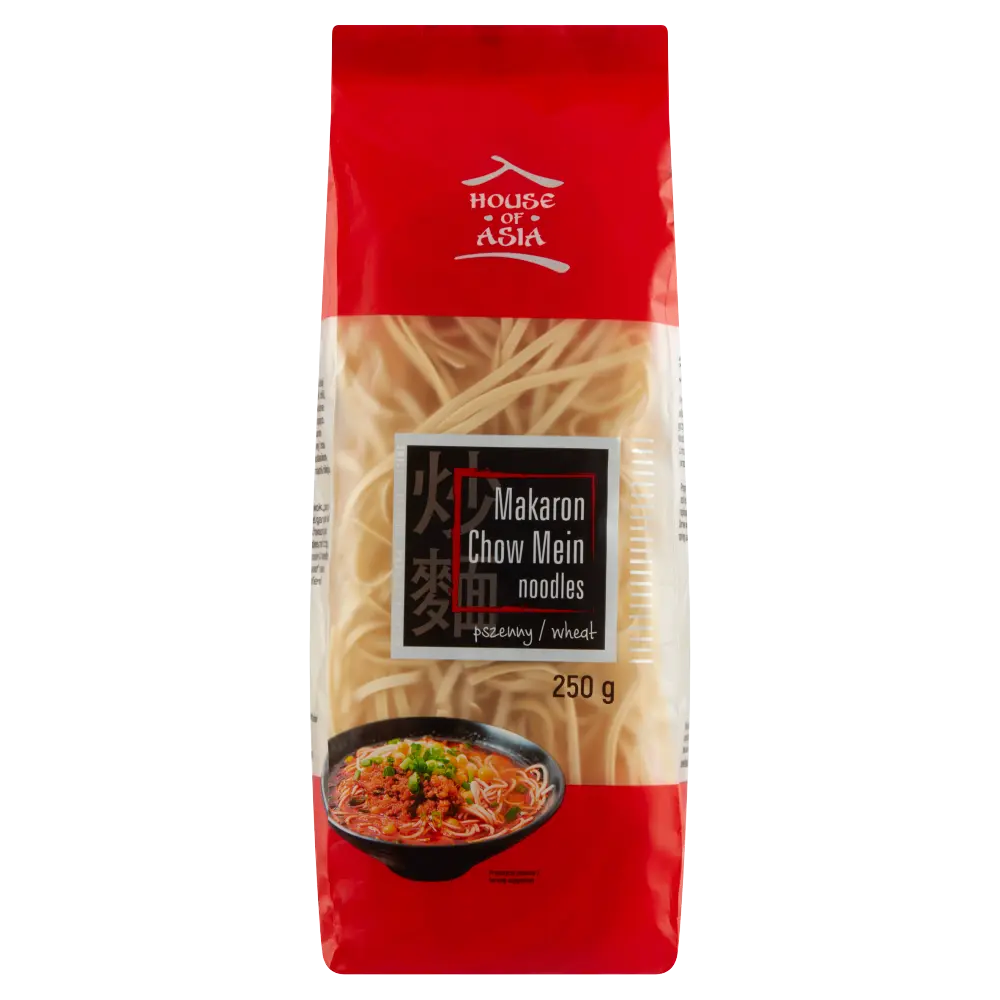
Asian mushrooms pair beautifully with a variety of bases – from noodles like udon, soba, and chow mein to jasmine rice. They pair beautifully with vegetables, meat, seafood, and tofu, making them suitable for both traditional and plant-based dishes. You can combine them in stir-fries, soups, curries, and light salads – their versatile flavor and texture give every dish a unique depth and aroma.
 Pasta
Pasta  Chinese
  15-30 minutes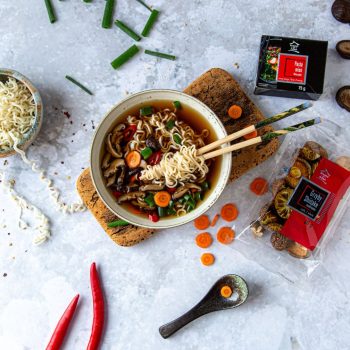
 Mushrooms
 Vegetables
 Japanese

 Ryba
Ryba 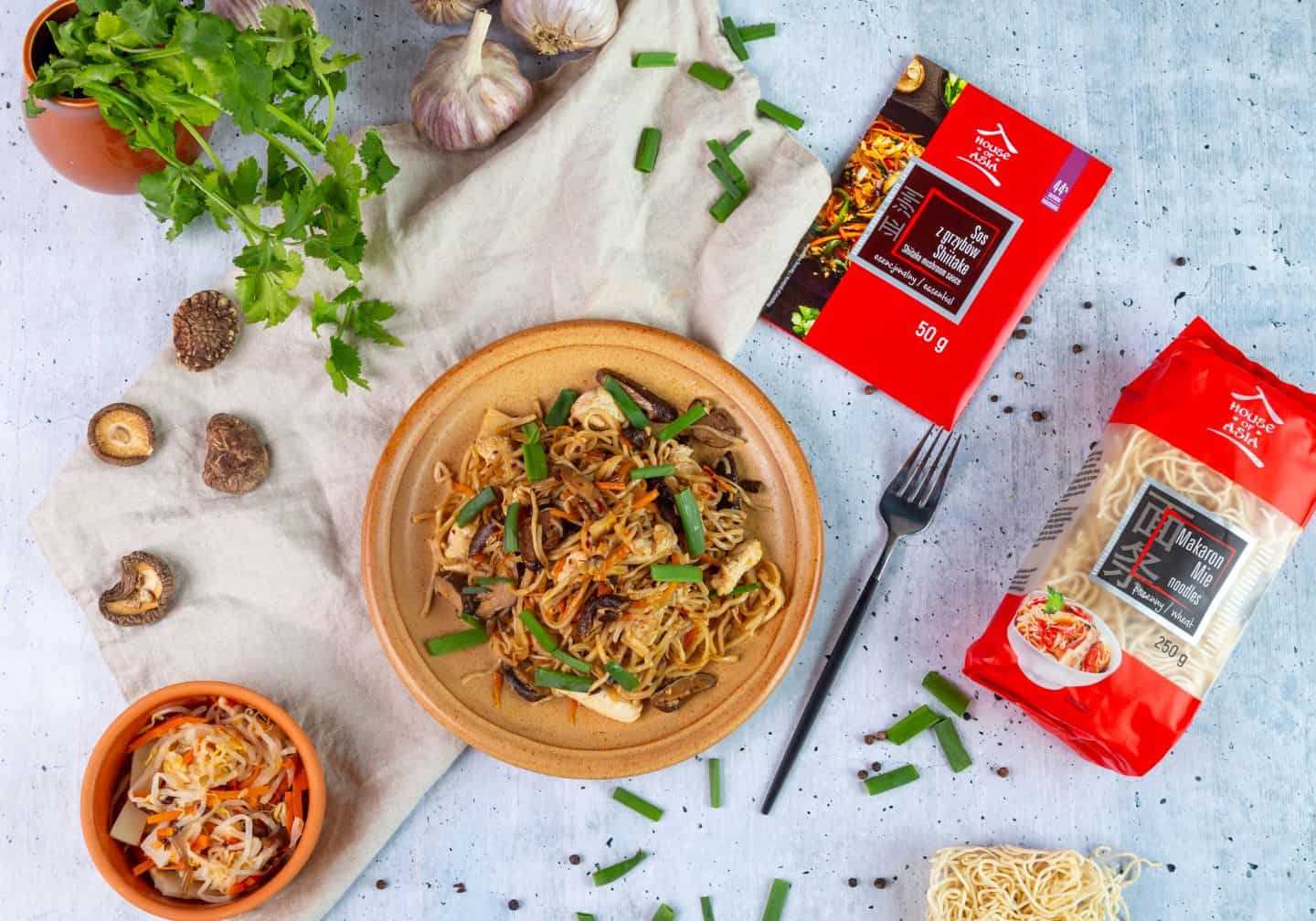
 Chicken

 Shrimp
 Korean
 Thailand