HOUSE OF ASIA
See the recipeHits
Ingredients
Diets


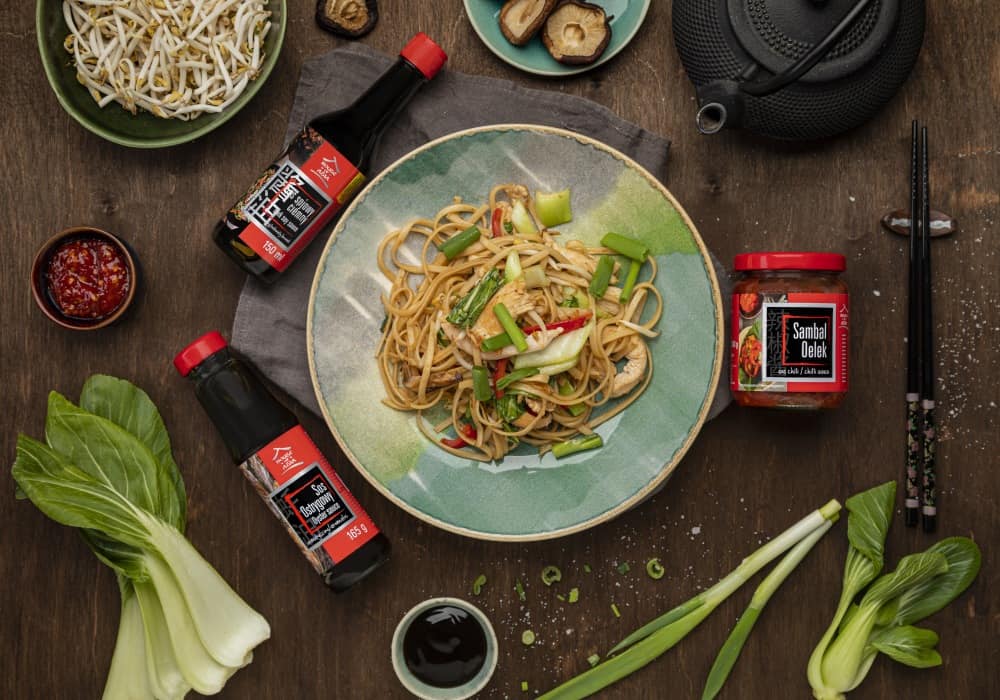


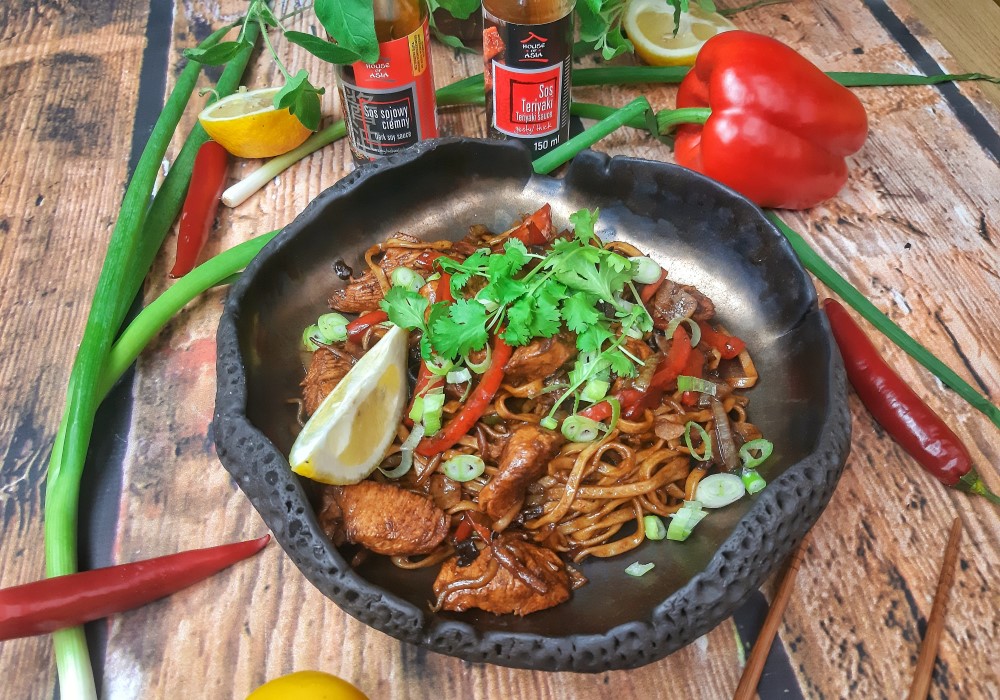
These aromatic, Asian-inspired fried noodles combine tender chicken pieces with crispy pak choi cabbage and a rich soy and oyster sauce. This quick and flavorful dish is perfect for a weeknight dinner. It pairs beautifully with fresh vegetables and a touch of sesame seeds. The bold spices make every bite aromatic and satisfying.

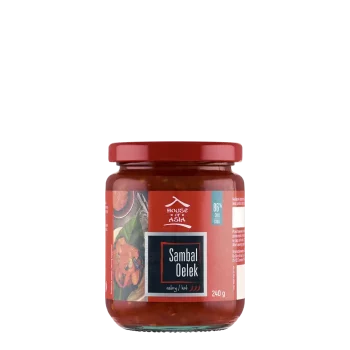
If you prefer a milder flavor, reduce the amount of Sambal Oelek sauce or omit it altogether.
Asian-style noodle frying involves quickly preparing ingredients in a hot pan or wok. First, sauté the meat and vegetables to retain their crispness and full flavor. Add the cooked noodles last and thoroughly mix with the sauce, ensuring each ingredient is evenly coated. The short frying time and constant stirring ensure the dish is juicy, aromatic, and full of vibrant flavors. This method preserves the vegetables' freshness, while the noodles remain springy and tender. Wok frying is also quick and versatile, allowing you to prepare a filling dinner in minutes, easily adapted to various ingredients and flavors.
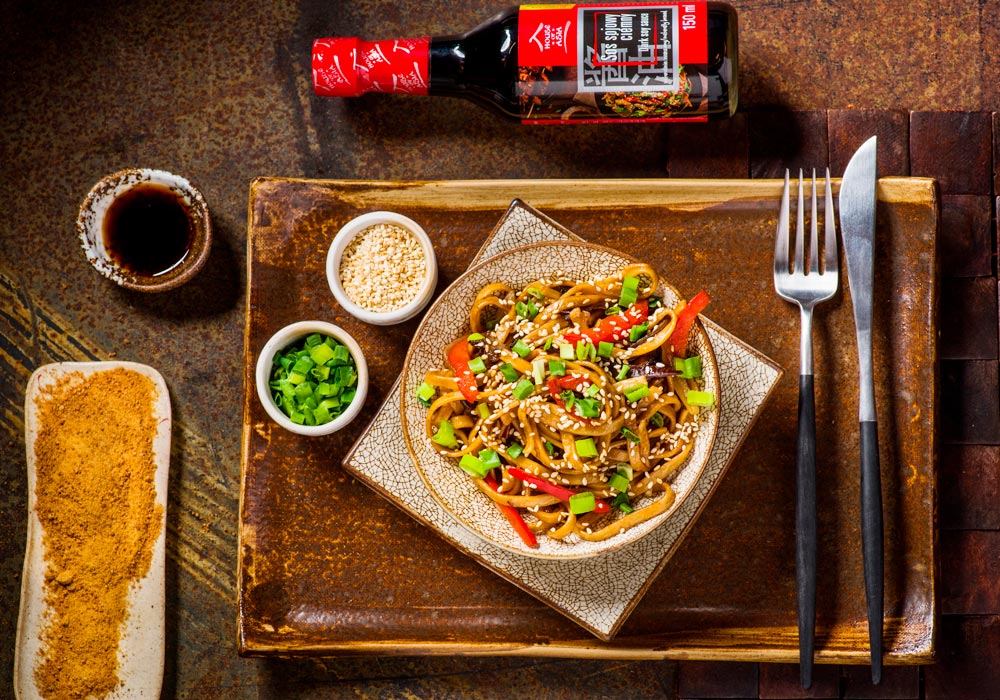
Fried noodles make a perfect base that demands a crunchy, fresh touch. Sprinkle the dish with toasted sesame seeds or peanuts. These ingredients will add depth and texture, contrasting pleasantly with the soft texture of the noodles. Don't forget a bit of greenery. Fresh cilantro, scallions, or chopped mint will transform the dish and add refreshing, herbal notes. If you like it spicy, top with fresh chili slices or a splash of Sriracha sauce just before serving. Drizzle over the sauce. lime juiceThe citrus acidity perfectly balances the salty flavor of the soy sauce and makes the dish lighter. You can also add fried onion or nori sheets for a bit of flavor. umami taste.
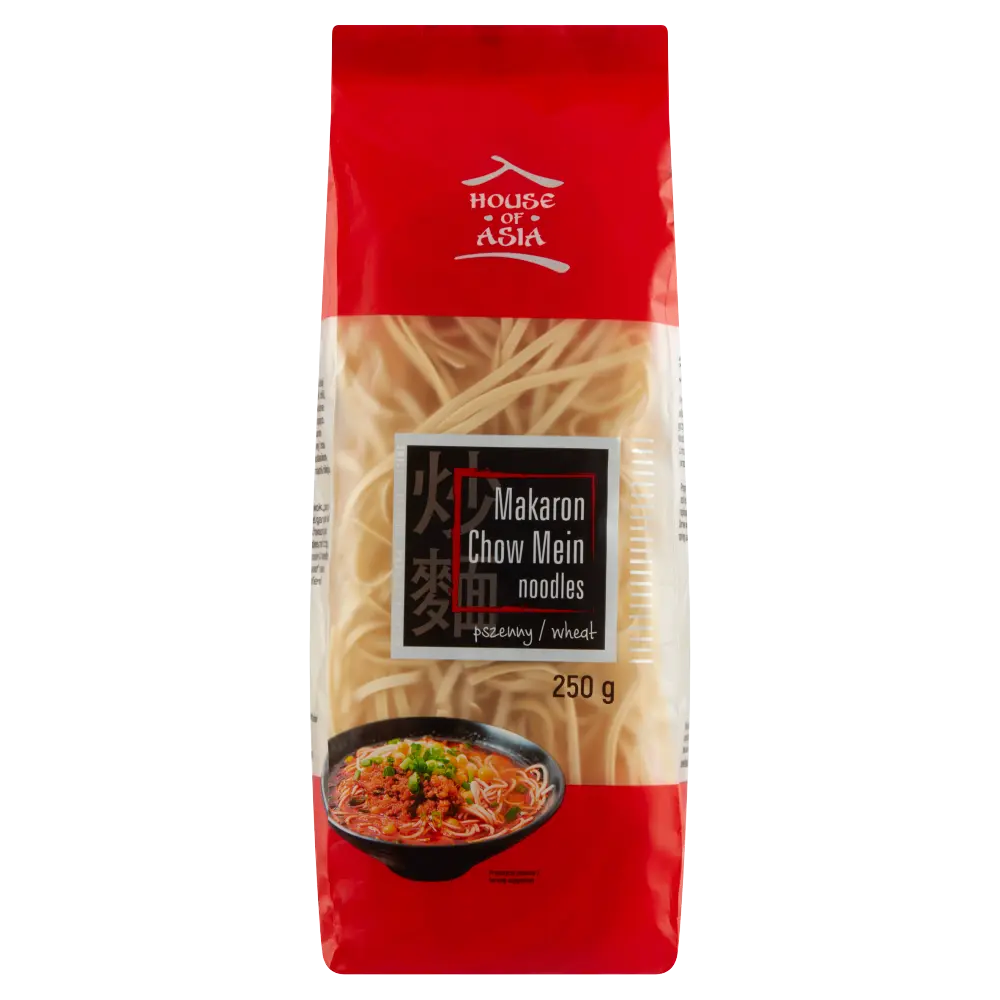
Both types of noodles are great in wok dishes, although they offer completely different culinary experiences and require different preparation. Chinese chow mein noodles are ideal for frying. They retain their elasticity and do not stick together under high temperatures. This makes them an ideal choice for dishes like stir fryIts wheat base pairs perfectly with thick, dark sauces and creates a classic composition known from oriental bars.
Soy noodles (also known as glass noodles) become transparent, slippery, and very delicate after cooking. They absorb the flavors of liquid ingredients much more quickly. Add them at the very end of the stir-fry or simply mix them with the hot sauce to retain their texture. The choice depends on your preferences. Chow mein provides a filling dish with a distinct dough texture, while soy noodles create a lighter, gluten-free base for vegetables and meat.
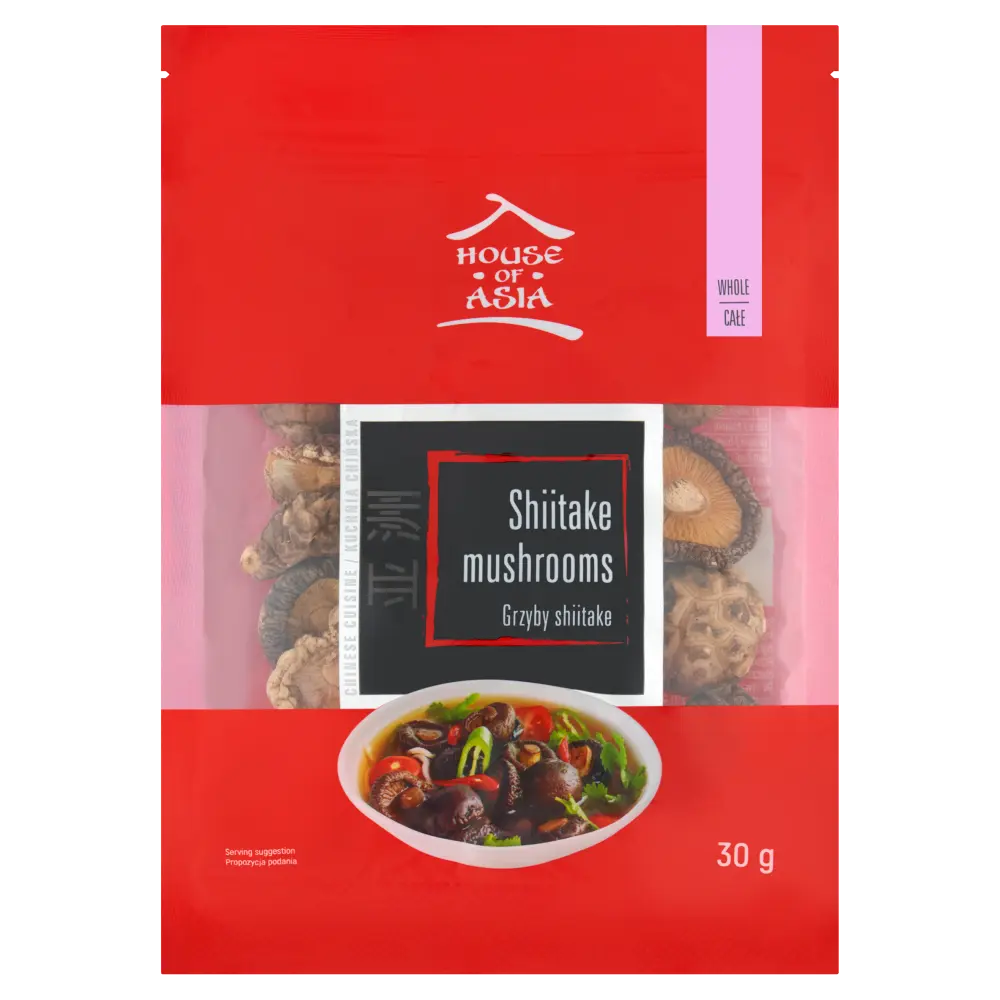
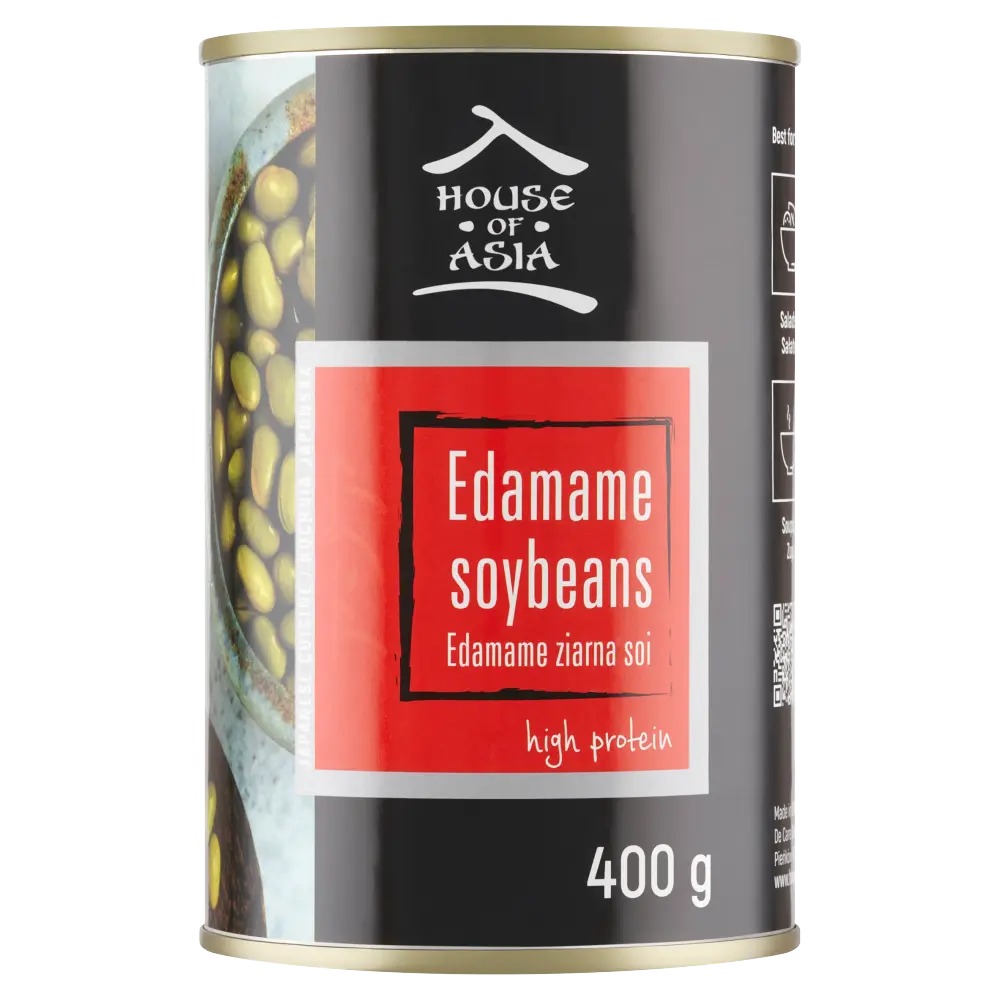
Asian cuisine It's famous for its flexibility. You can easily replace poultry with products rich in plant protein without sacrificing flavor. Tofu is the most popular and versatile choice. Firm or smoked versions work best. Tofu acquires a crispy crust and a soft center after frying until golden brown, and it also absorbs marinades perfectly. Remember to thoroughly squeeze out excess water before adding it to the pan. Tempeh, with its slightly nutty flavor, is an interesting option. Mushrooms such as oyster mushrooms and shiitake, perfectly imitate chicken pieces thanks to their fibrous structure. Edamame or chickpeas will satisfy those who prefer quick solutions. Add them to the wok during the last few minutes of frying to heat through and coat them with the aromatic sauce.
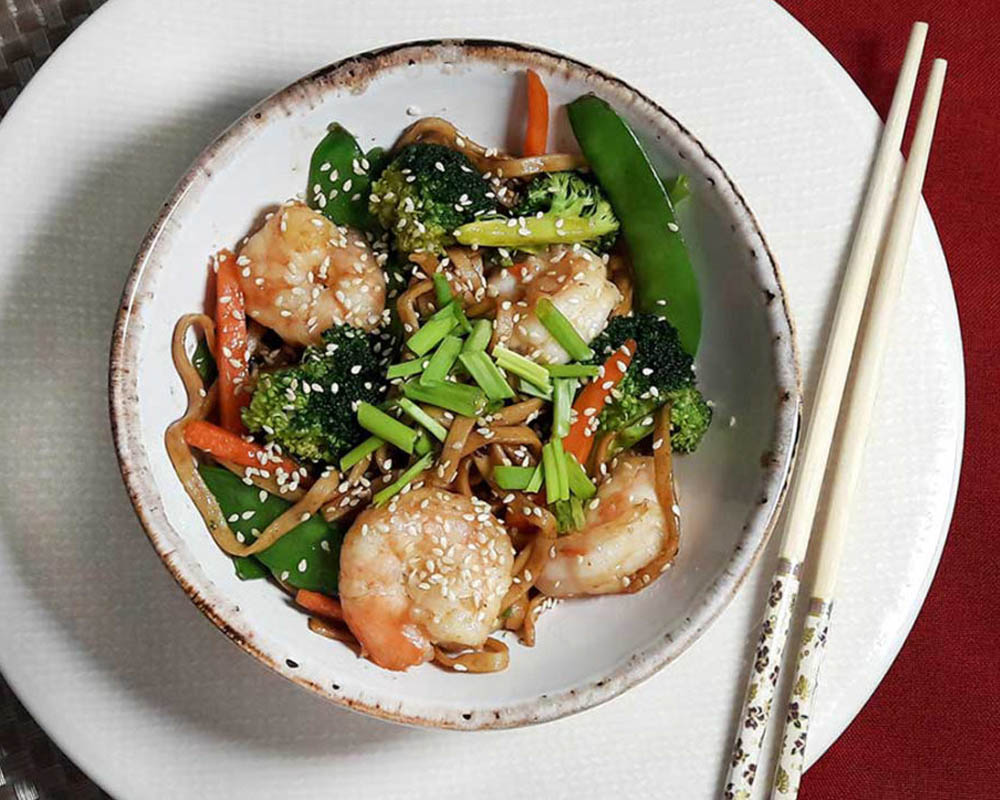
For stir-fries, it's best to choose vegetables that retain their crunch after a short cooking time. Bell peppers, carrots cut into sticks, broccoli, snow peas, and pak choi are all great options. If using frozen vegetables, it's a good idea to thaw them slightly and drain them thoroughly to prevent them from releasing excess water during frying. This will help the dish maintain its consistency and keep the vegetables firm.
Yes, this dish reheats well, as long as you don't overcook the pasta when first preparing it. Reheat the dish in a pan with a little water or broth. This will restore the moisture to the sauce.



































 Chicken
  Chinese
  up to 15 minutes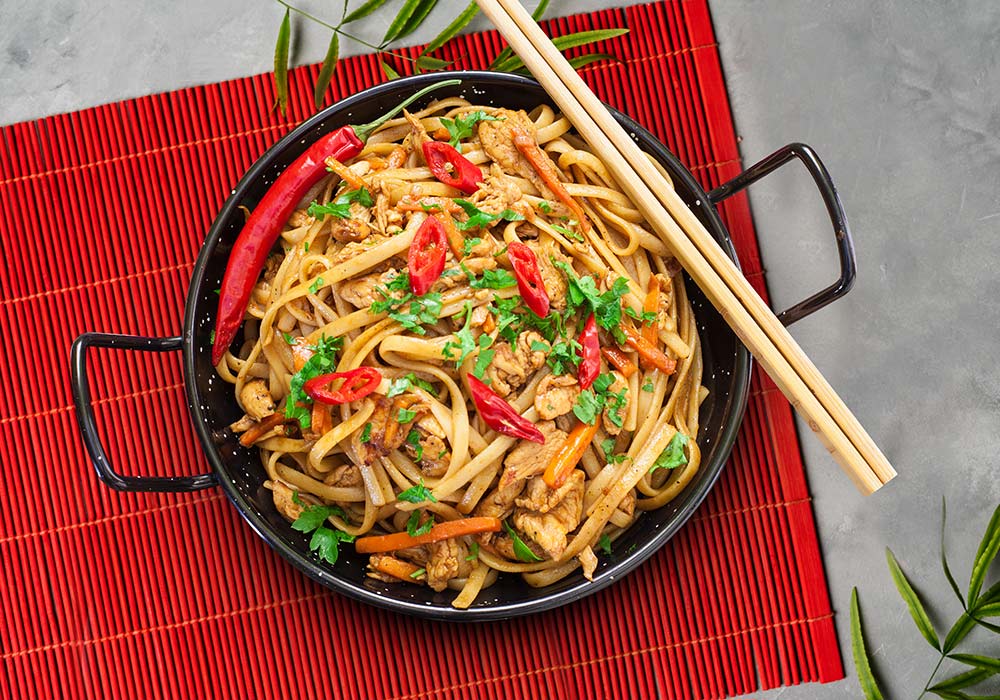
 Pasta
Pasta 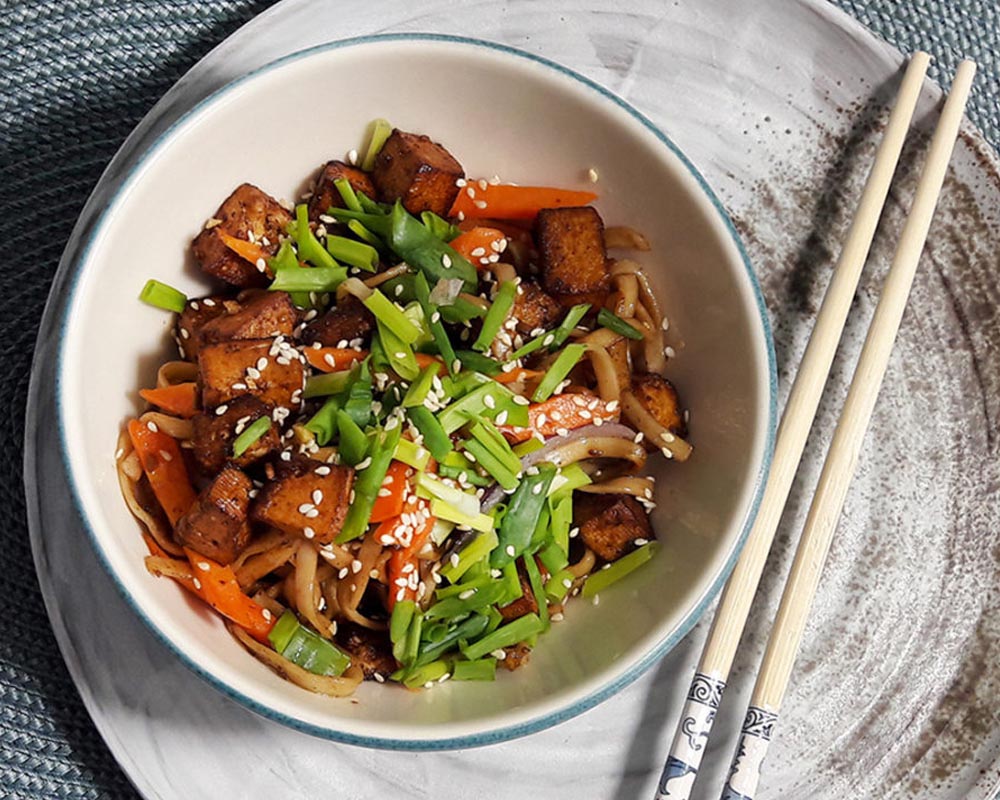
 Shrimp