HOUSE OF ASIA
See the recipeHits
Ingredients
Diets


Beam
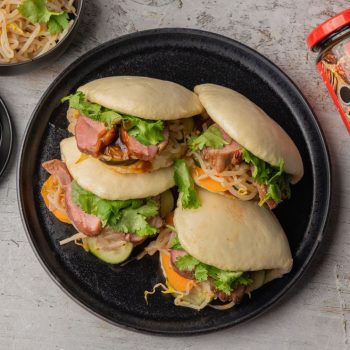
These soft, steamed buns are filled with a flavorful filling—usually pork, vegetables, or tofu. They're incredibly fluffy and taste delicious warm. This is Asian street food at its finest—perfect for home culinary experiments. Let their simplicity surprise you!


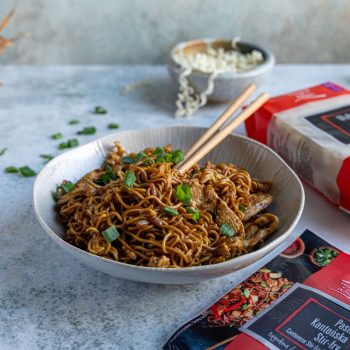
Chow Mein
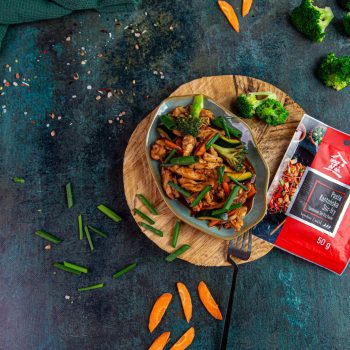
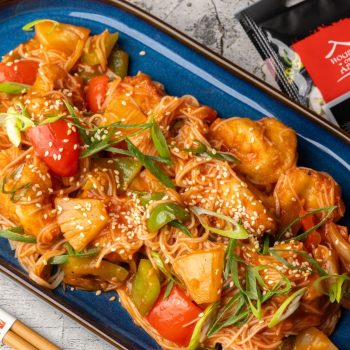
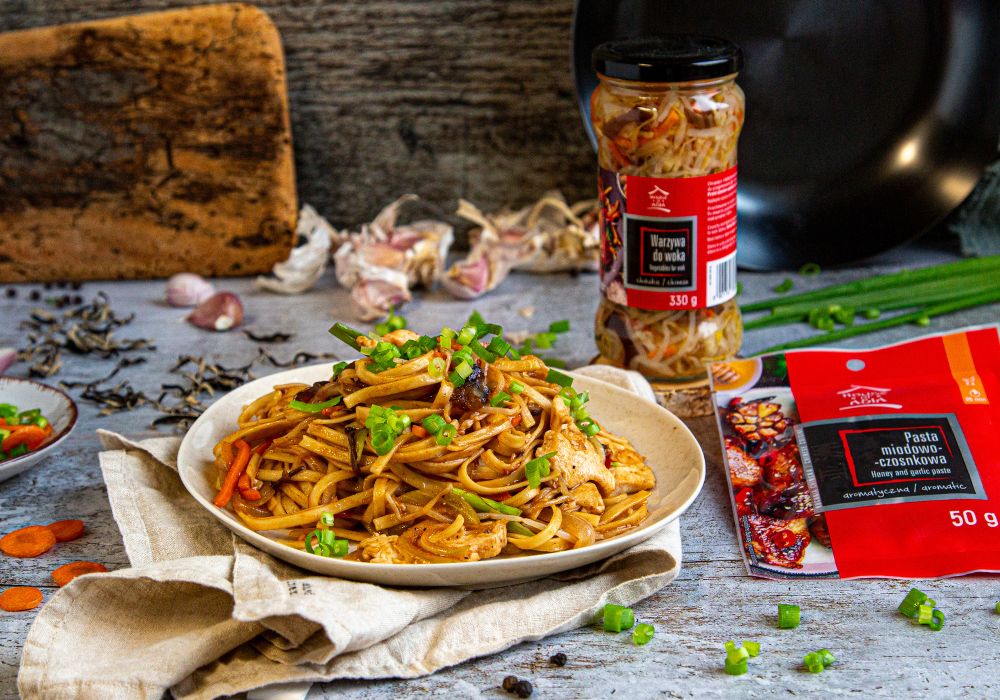
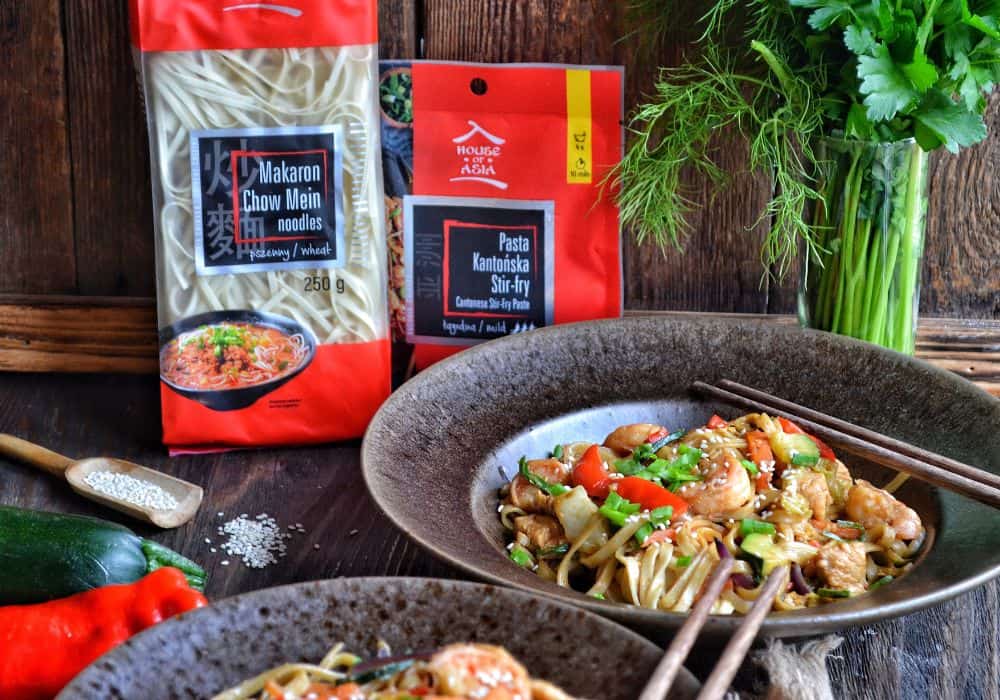
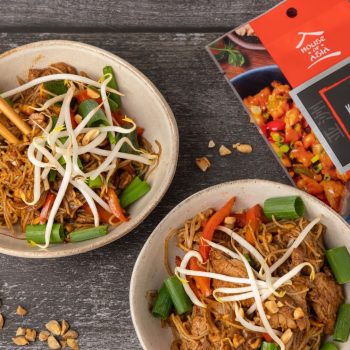
This is a classic Chinese dish: stir-fried noodles with vegetables and meat or tofu, seasoned with soy sauce and sesame seeds. Tip: fry it over high heat for perfectly crispy edges. Quick, aromatic, and colorful – perfect for fans of Asian cuisine and beyond!
Chinese cuisine is not only a wealth of flavors but also deeply rooted in tradition, philosophy, and health care. For thousands of years, the Chinese have believed that food is not only a way to satisfy hunger but also a tool for maintaining balance and harmony in the body. Chinese cuisine is a fascinating world full of history, traditions, and flavors that can inspire you to create exceptional dishes in your home.
Chinese cuisine is based on the principles of yin and yang balance, which are intended to maintain harmony in the body. Dishes balanced in flavor, texture, and temperature are considered the healthiest. For example, spicy dishes (yang) are balanced with mild ones (yin), and fried dishes are paired with light, steamed ones.
Symbolism also plays a huge role in Chinese cuisine – food is part of many rituals, such as the Chinese New Year celebration, where dishes symbolizing good fortune are served, such as long noodles as a sign of long life or dim sum dumplings, which resemble gold bars in shape.
Chinese cuisine is one of the oldest and most diverse in the world, delighting with a wealth of flavors, aromas, and textures. From aromatic Chinese soups, by popular Chinese dishes with noodles, up to classic traditional Chinese soups – everyone will find something for themselves, regardless of culinary preferences.
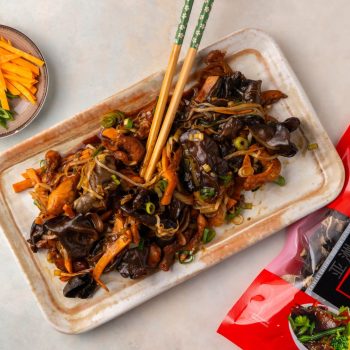
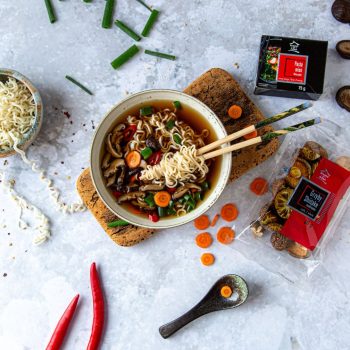
Chinese cuisine offers a wide selection of soups that are not only delicious but also healthy. Chinese soup often contains chinese mushrooms, such as shiitake or mun, which give it a unique aroma and depth of flavor. Chinese soups They can be prepared with tofu, chicken, vegetables or rice noodles, making them a perfect, wholesome dish.
Chinese cuisine provides a wide range of nutrients thanks to its high proportion of vegetables, fish, tofu, and mushrooms. Chinese mushrooms, such as shiitake, mun, fungus, and straw mushrooms, are rich in B vitamins and numerous minerals and can also strengthen the immune system. Dishes such as Chinese fried rice and rice noodle dishes provide energy while being easily digestible and delicious.
Additionally, stir-fries can be a very convenient way to eat more vegetables. The short frying process keeps vegetables crispy and incredibly flavorful while retaining most of their nutritional value.
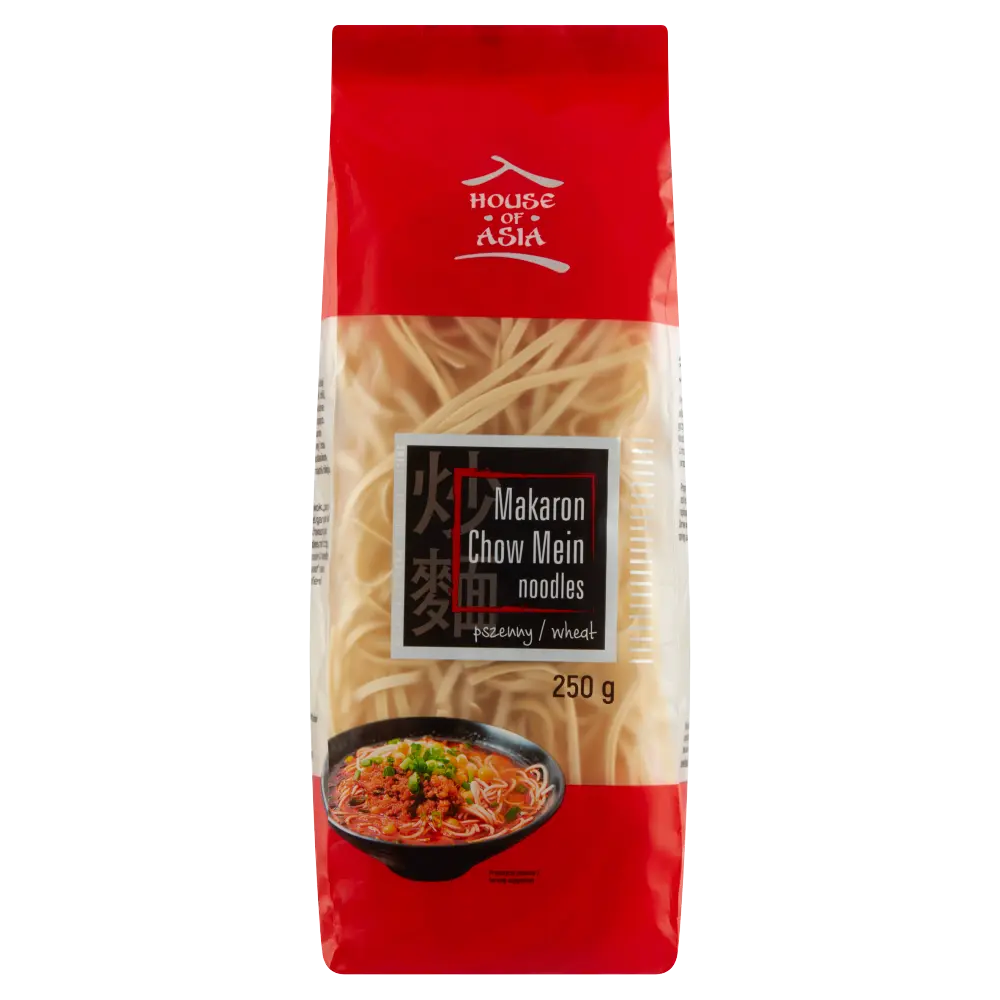
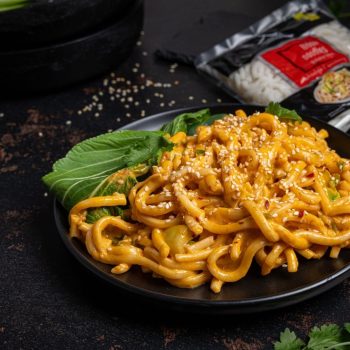
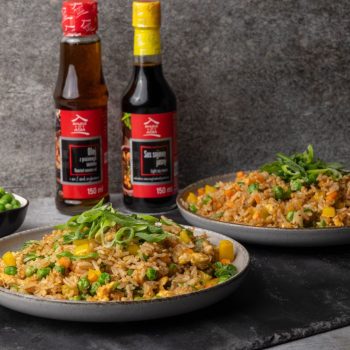
Popular Chinese dishes, especially those with chicken and vegetables, are easy to prepare at home and perfect for a quick dinner. One of the most popular is Chinese noodles recipeIt includes various types of noodles, such as udon, rice, and egg noodles, which can be paired with aromatic sauces, such as: soy sauce, oyster sauce, sambal oelekIf you prefer rice, a Chinese rice dish like this would be the perfect option. fried rice with egg and vegetables. This is quite a classic proposition that always tastes delicious.
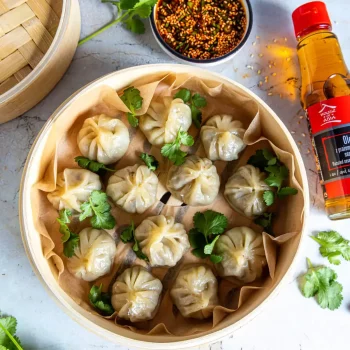
Traditional Chinese dishes, such as Peking duck dim sum dumplings, are true works of culinary art. Although they may seem complicated, it's worth using our recipes, which will show you step by step, how to make Chinese food in the comfort of your home. Also worth attention is the so-called Chinese street food – such as fried dumplings or wok dishes, which will allow you to feel the taste of Asian street stalls in your kitchen.
For those on a plant-based diet, Chinese cuisine offers a wealth of recipes, such as hearty soups, noodles with vegetables and tofu, and fried rice with mushrooms and nuts. Chinese cuisine also offers a variety of dishes for children. Chinese recipes for kids These are simple and mild dishes that will delight the youngest gourmets, such as sweet and sour meatballs or a mild soup with noodles and chicken.
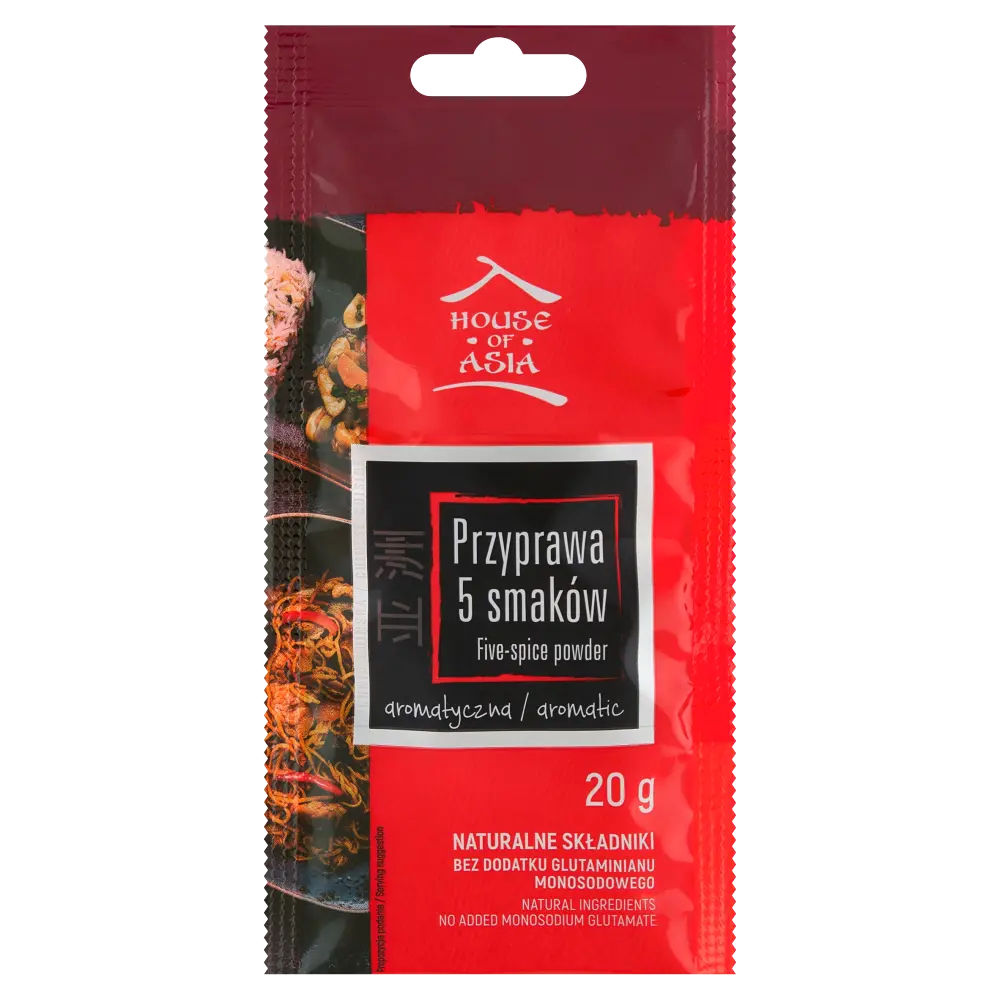
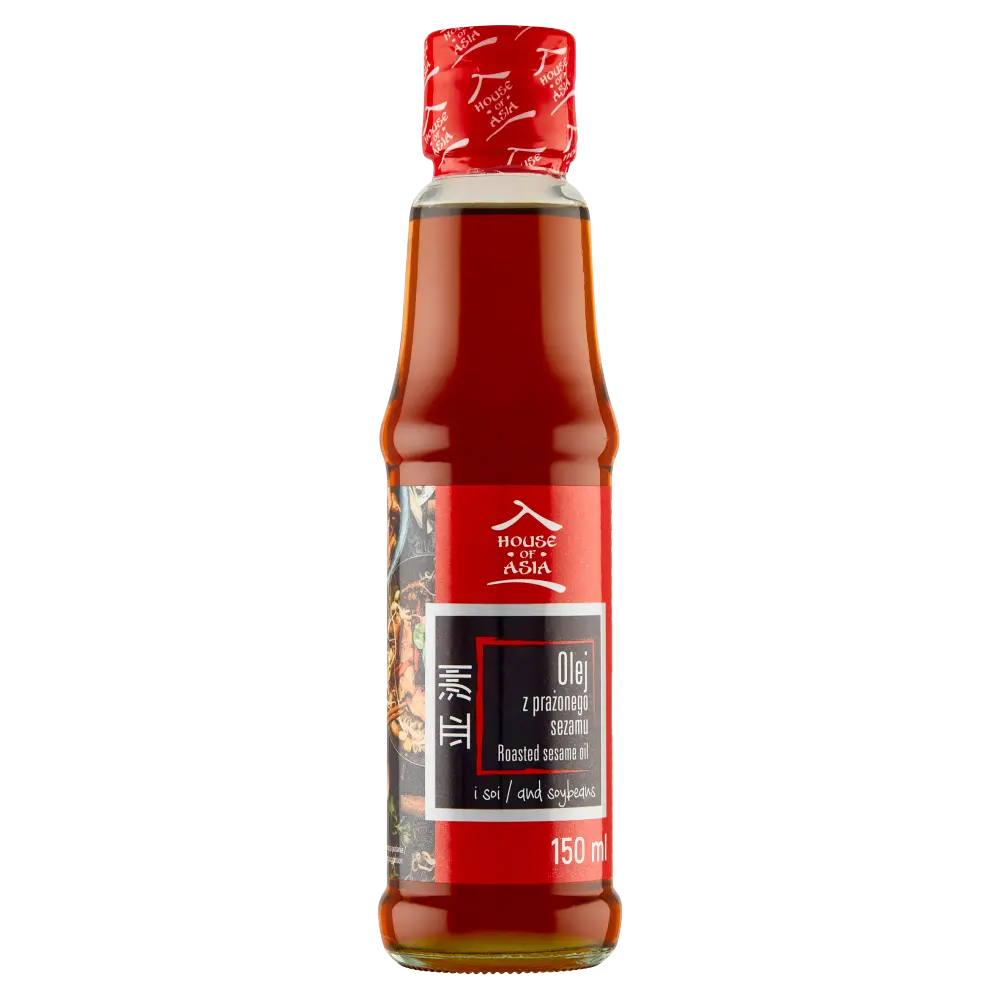
To prepare Chinese dishes, you need the right ingredients. products for Chinese cuisinesuch as soy sauce, sesame oil, Chinese spices, and noodles. With these ingredients, you can easily create a variety of quick dishes inspired by Chinese cuisine.
Chinese cuisine is an endless source of inspiration. From Chinese chicken recipes to homemade dim sum dumplings, the possibilities are almost endless. Preparing Chinese dishes at home is a great opportunity to experiment with different flavors and learn about China's rich culture. If you're wondering, how to make Chinese food, start with simple recipes and gradually discover new culinary horizons.
 Shrimp
  Chinese
  up to 15 minutes
 Vegetables
 Duck
Duck 
 Chicken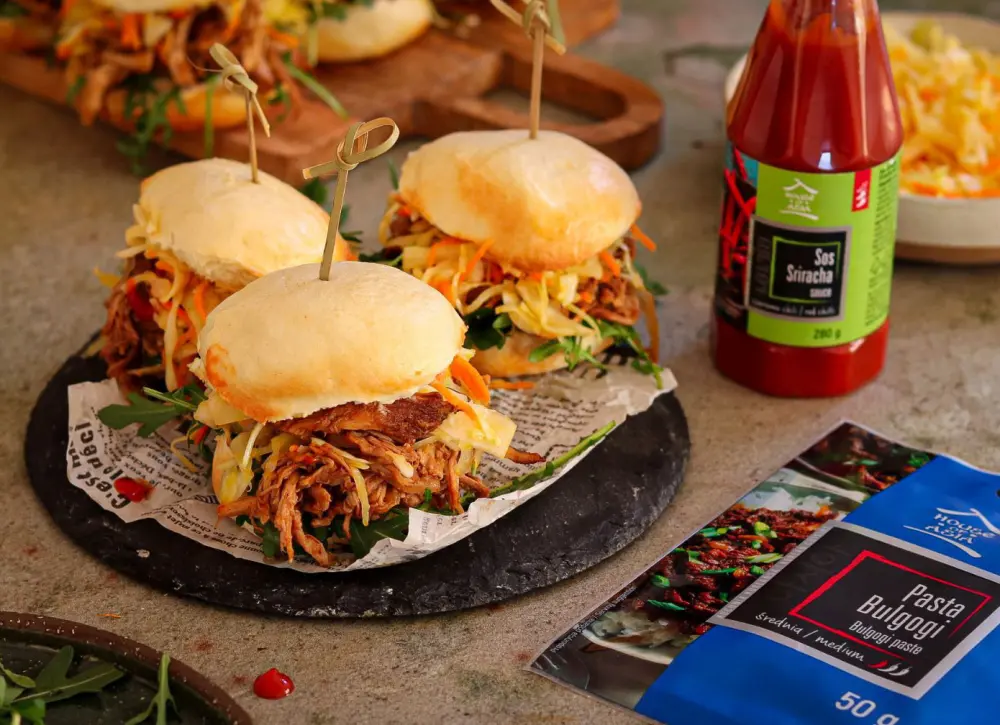
 Beef
Beef 
 Tofu
Tofu 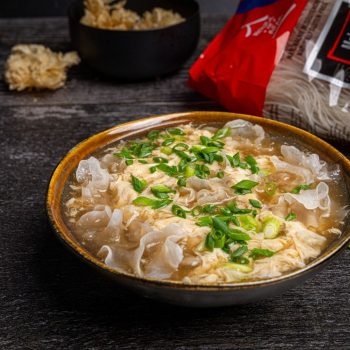
 Pasta
Pasta 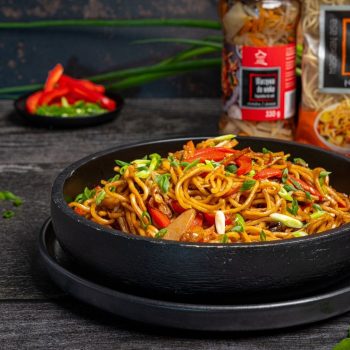
 Pork
Pork 
 Rice
Rice 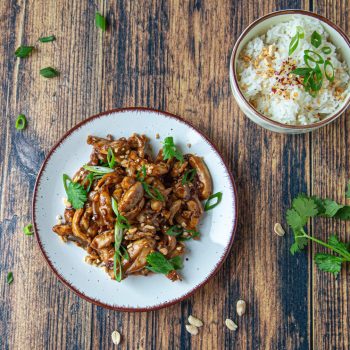
 Mushrooms