HOUSE OF ASIA
See the recipeHits
Ingredients
Diets


Sushi
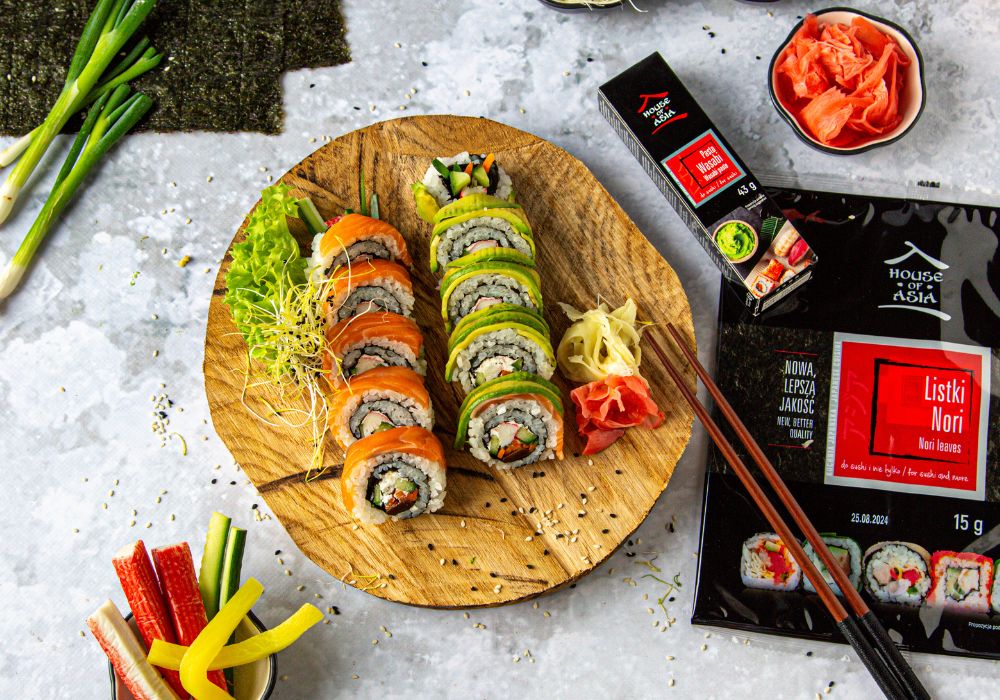
It's the quintessence of Japanese attention to detail and harmony. Beneath the delicately seasoned rice lies the freshness of fish, the crunchiness of vegetables, or the smoothness of tofu—all balanced in perfect proportion. It's not just food, but an experience. Create your own sushi ritual—in the comfort of your home, with your favorite ingredients and a touch of creativity.


Ramen
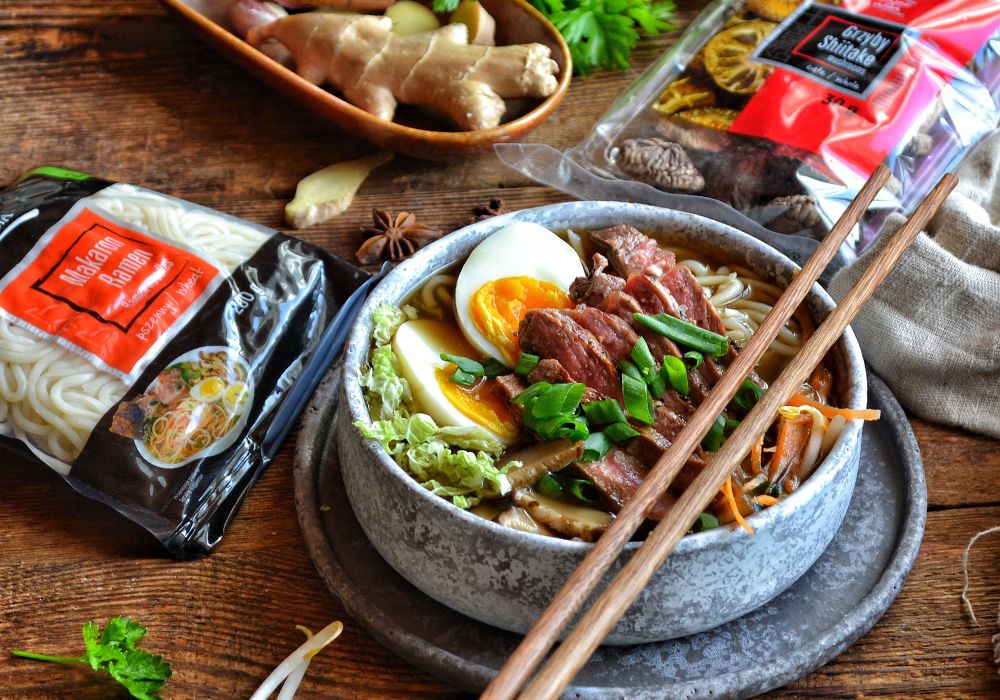
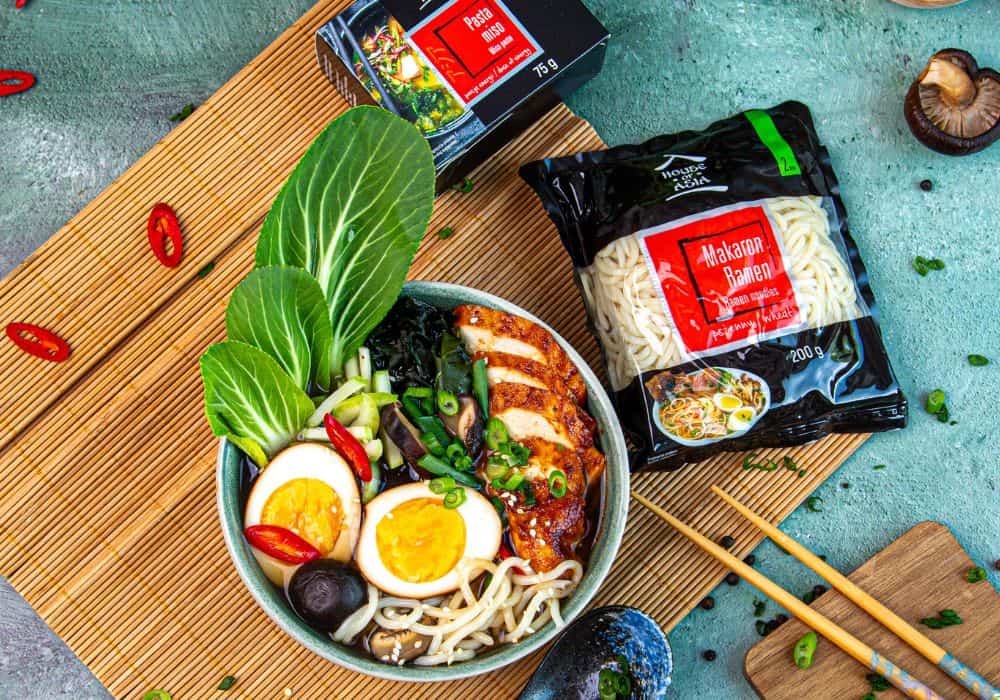
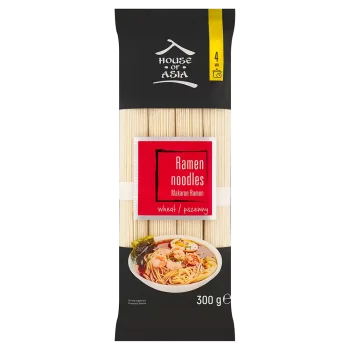
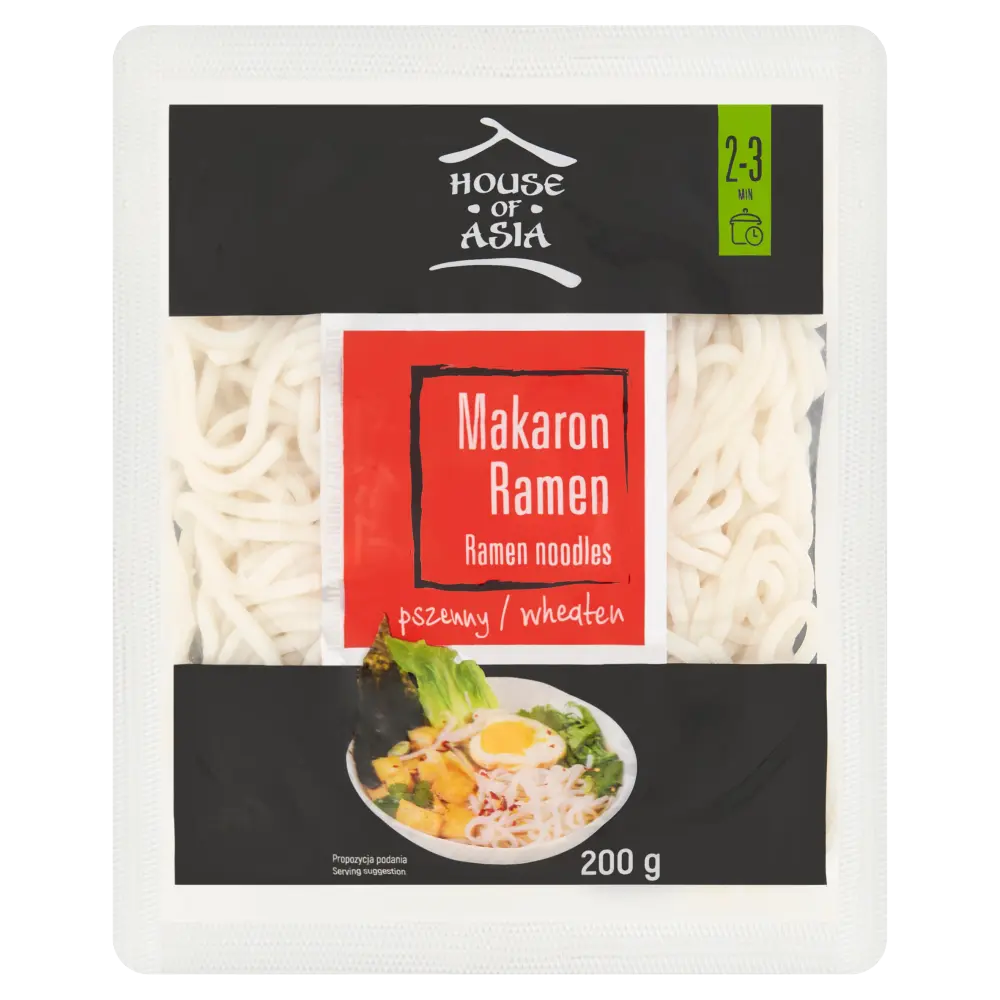
It's a Japanese soup with wheat noodles, broth (usually pork or soy), meat, and other ingredients. Its preparation is an art, but the result is priceless. Try the version with pickled egg and shiitake mushrooms. This dish will warm not only the body but also the soul.
Its foundation is fresh, healthy produce, such as fish, seafood, rice, tofu, seaweed, and vegetables. Fermentation is also a key element, resulting in products like miso and soy sauce. Japanese dishes are distinguished by their precision of execution and aesthetic presentation – the appearance of a dish is just as important as its taste. Not sure how to prepare Japanese cuisine? Try our recipes!
Japanese cuisine is not only an art of cooking but also an expression of profound respect for nature, tradition, and the harmony of flavors. Its foundation is fresh, seasonal ingredients that combine simplicity with refined flavor. Japanese dishes are not only about how they taste, but also how they look—the aesthetics of presentation are as important as their preparation.
Japanese cuisine is characterized by delicate spices that don't dominate, but rather enhance the natural flavors of the ingredients. Rice, fish, tofu, seaweed, and fermented products like miso and soy sauce are its mainstays. The variety of dishes—from sushi, ramen, and miso soups to crispy tempura and exquisite desserts—ensures that everyone will find something to their liking.
Japanese cuisine is also a philosophy of healthy living. Based on balanced proportions and a variety of ingredients, it is considered one of the healthiest in the world. Discovering its secrets is not only a culinary journey but also a unique cultural experience that allows one to become closer to Japanese tradition and its extraordinary harmony.
A key element of this cuisine is fermentation, which produces products like miso paste and soy sauce. Fermentation is a long-term process that produces beneficial bacteria. Its secrets have been known and used for centuries.
Typical cooking techniques in this cuisine include steaming, grilling, deep-frying (tempura), and marinating. The flavors are delicate, subtly seasoned with soy sauce, rice vinegar, or mirin. A harmonious balance of umami, sweet, salty, and sour flavors is also important.
Umami – the fifth taste. The Japanese were the first to define the taste of umami, which is responsible for the deep, meaty flavor of many dishes, such as miso or ramen.
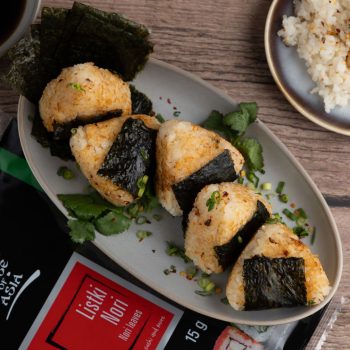
Aesthetics of application. Every meal is a small work of art. Even the simplest dishes, like sushi or onigiri, are carefully arranged on the plate to impress.
Seasonality. In Japan, menus change with the seasons. In spring, sakura mochi (cherry desserts) dominate, while in autumn, kabocha squash and chestnut dishes dominate.
Hashi – chopsticks: There are many rules surrounding the use of chopsticks in Japan. For example, sticking them vertically into rice is prohibited, as this resembles a funeral offering.
Tea ceremony: It is not just about drinking a beverage, but also a philosophy, art and meditation, strongly associated with traditional Japanese meals.
Health on a plate. A diet based on unprocessed foods, primarily fish, vegetables, fermented foods and a small amount of fat promotes heart health, low body weight and longevity.
Balanced portions. Portions are small, which helps avoid overeating and helps maintain a healthy body weight.
Rich in nutrients. Products such as seaweed, fish and tofu provide valuable minerals, vitamins and omega-3 fatty acids.
Diversity. Japanese cuisine offers a wide selection of dishes, from delicate soups and salads to more intense flavors such as ramen.
The Japanese menu is a fascinating example of balanced nutrition that promotes health and longevity. The diet is based on fish rich in omega-3 fatty acids, which support heart and brain health, and complete protein, which provides a feeling of satiety. Red meat is rarely consumed. Fresh and pickled vegetables, such as bamboo shoots, sprouts, turnips, and cucumbers, reign supreme in Japan. These are not only rich in fiber but also packed with vitamins and minerals. Smaller portions are also key, making it easier to control calorie intake. Eating a variety of foods in small quantities helps maintain a healthy weight. White or brown rice is the foundation of most meals, often served with vegetables and fish. And to top it all off, green tea, a source of antioxidants, is an integral part of Japanese culinary culture.
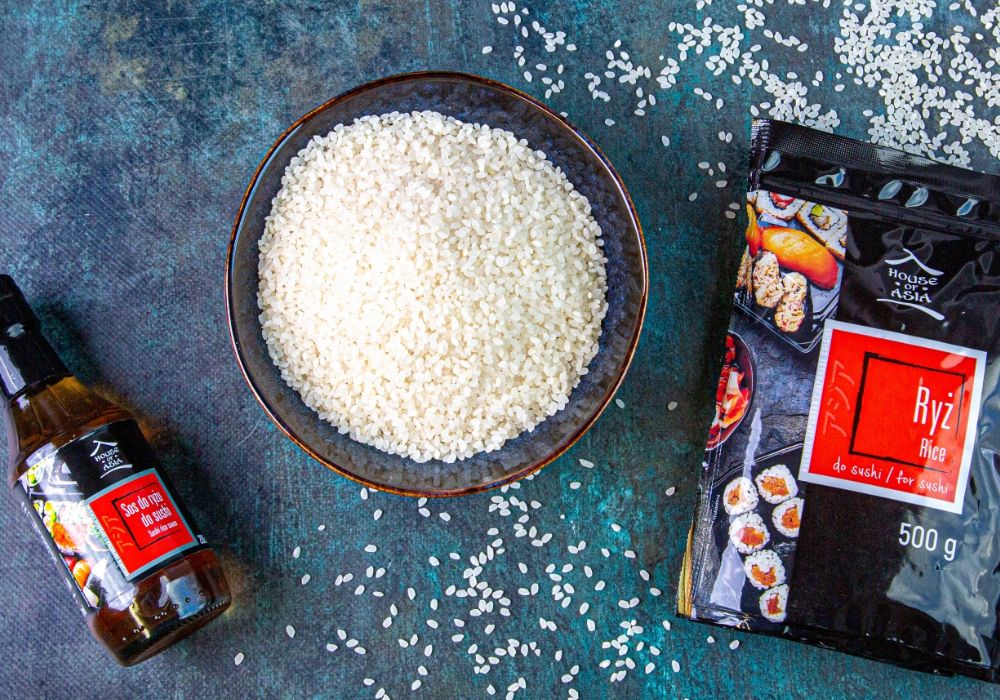
Sushi, meaning "soured rice," is one of the most recognizable dishes in Japanese cuisine. It consists of rice seasoned with rice vinegar, combined with various toppings such as fish, seafood, vegetables, or nori seaweed. There are many types of sushi, each characterized by its unique preparation and presentation.
Discover our secrets of Japanese cuisine, starting with the basics—how to make sushi rice—and a mini-dictionary for sushi enthusiasts—simple tips for those just beginning their adventure with this unique dish. On our blog, you'll also find answers to questions about the different types of sushi and how to eat it properly.
HosomakiThin rolls with a single ingredient, such as cucumber (kappa maki) or tuna.
Futomaki. Thick rolls containing several ingredients such as fish, vegetables, and seafood.
Uramaki"Inverted" rolls, where the rice is on the outside and the nori is inside, surrounding the filling. An example is the California Roll.
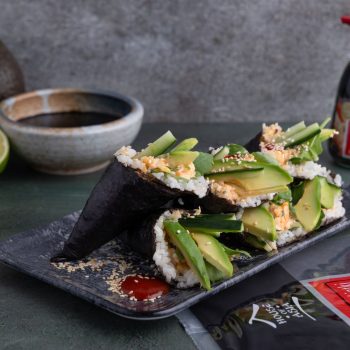
TemakiConical nori rolls filled with rice and various toppings, eaten by hand.
gunkan“Little boats” made of rice surrounded by a strip of nori, filled with ingredients such as salmon roe or seafood salad.
If you're looking for inspiration for simple Japanese dishes, check out our ramen recipes – learn how to make ramen at home and how to make miso soup with tofu. Those who enjoy more intense flavors might be interested in our tempura recipe, the perfect crispy snack. We also have recipes for a variety of Japanese soups, which are perfect for warming up and providing many nutritional values.
And don't forget about desserts – Japanese cuisine offers unique sweets that delight in both flavor and form. Discover our Japanese desserts, and your family will be enchanted.
It is worth remembering that Japanese cuisine is not only sushi!
Japanese cuisine offers a wide variety of dishes that are just as popular as sushi. Here are some of them:
Ramen This aromatic wheat noodle soup comes in many varieties, differing in broth base and additions. The most popular types include:
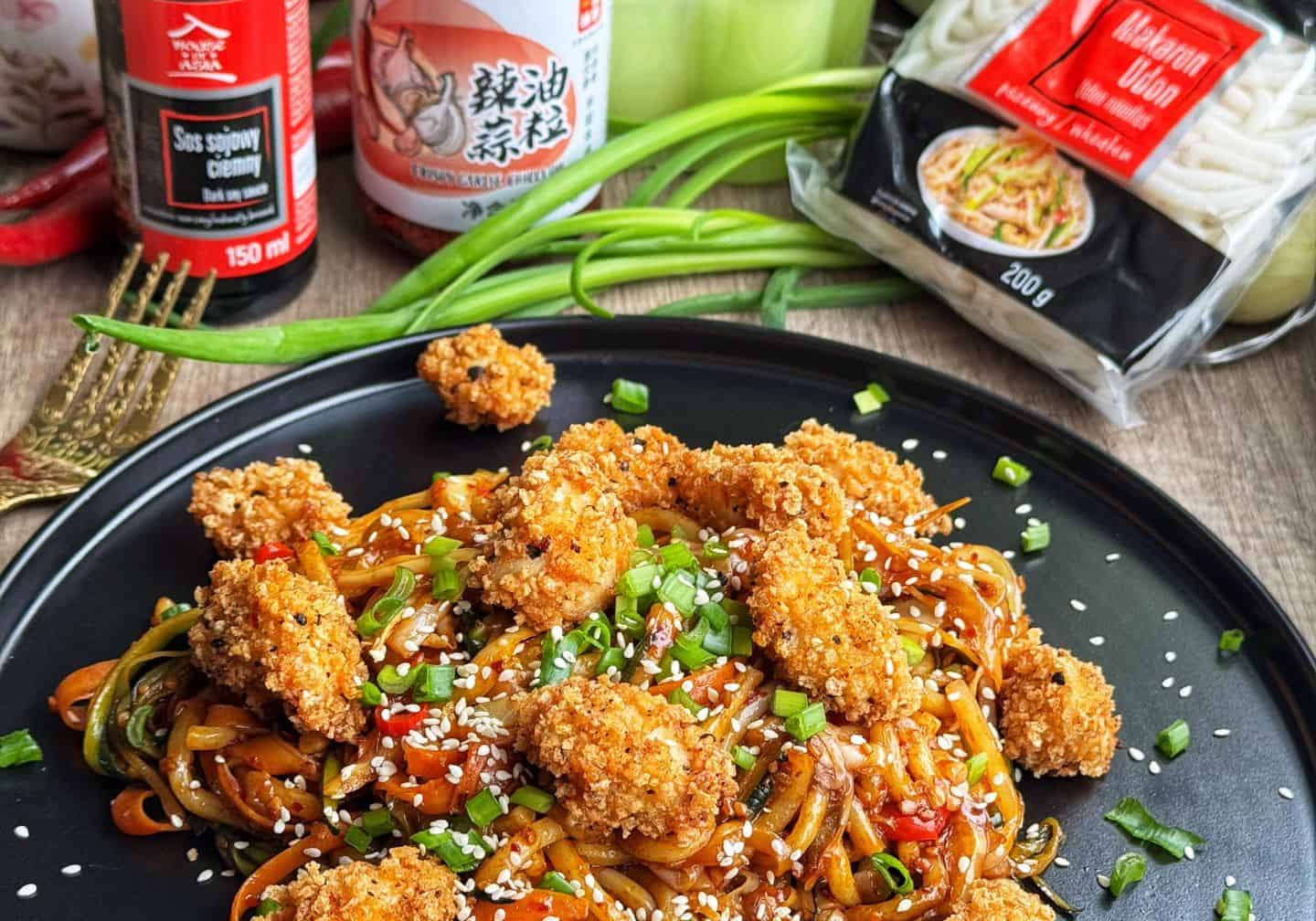
Tempura These are pieces of vegetables, seafood, or fish, coated in a light batter and deep-fried. Tempura is characterized by its crispy coating. This dish is typically served with a variety of sauces.
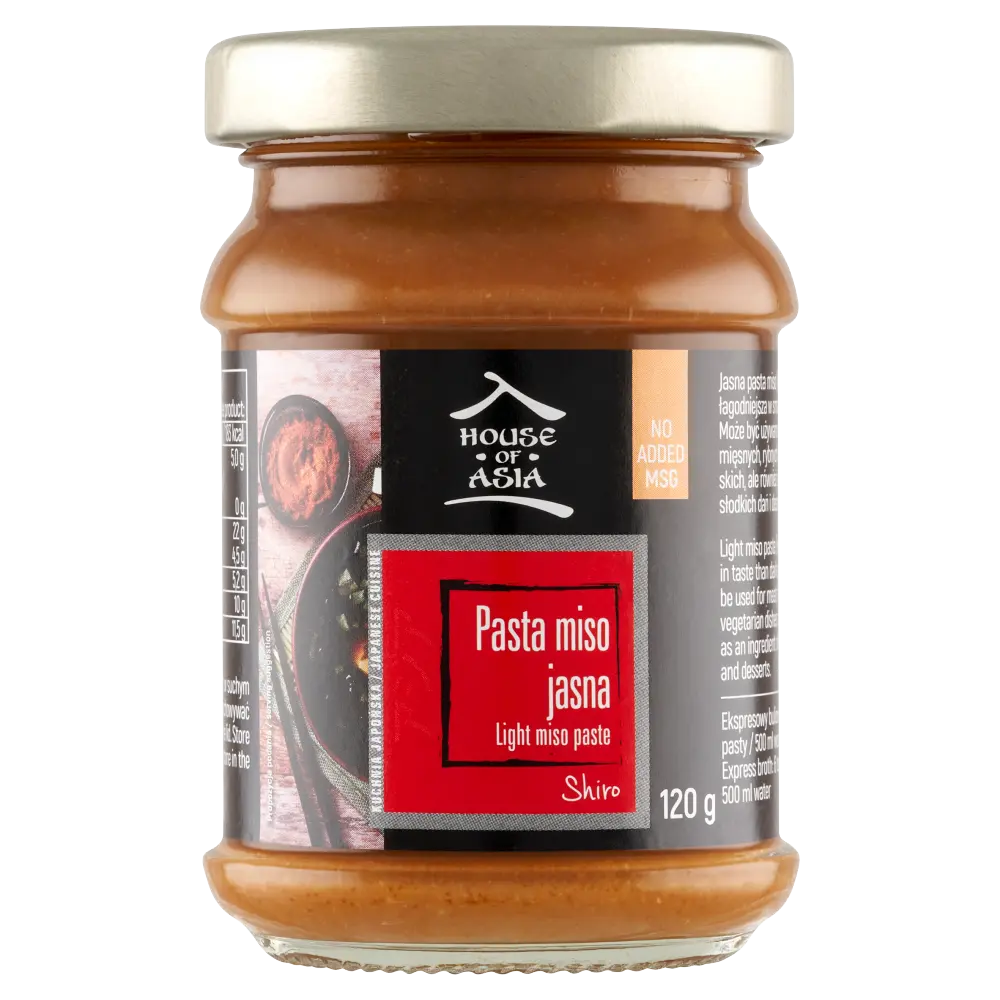
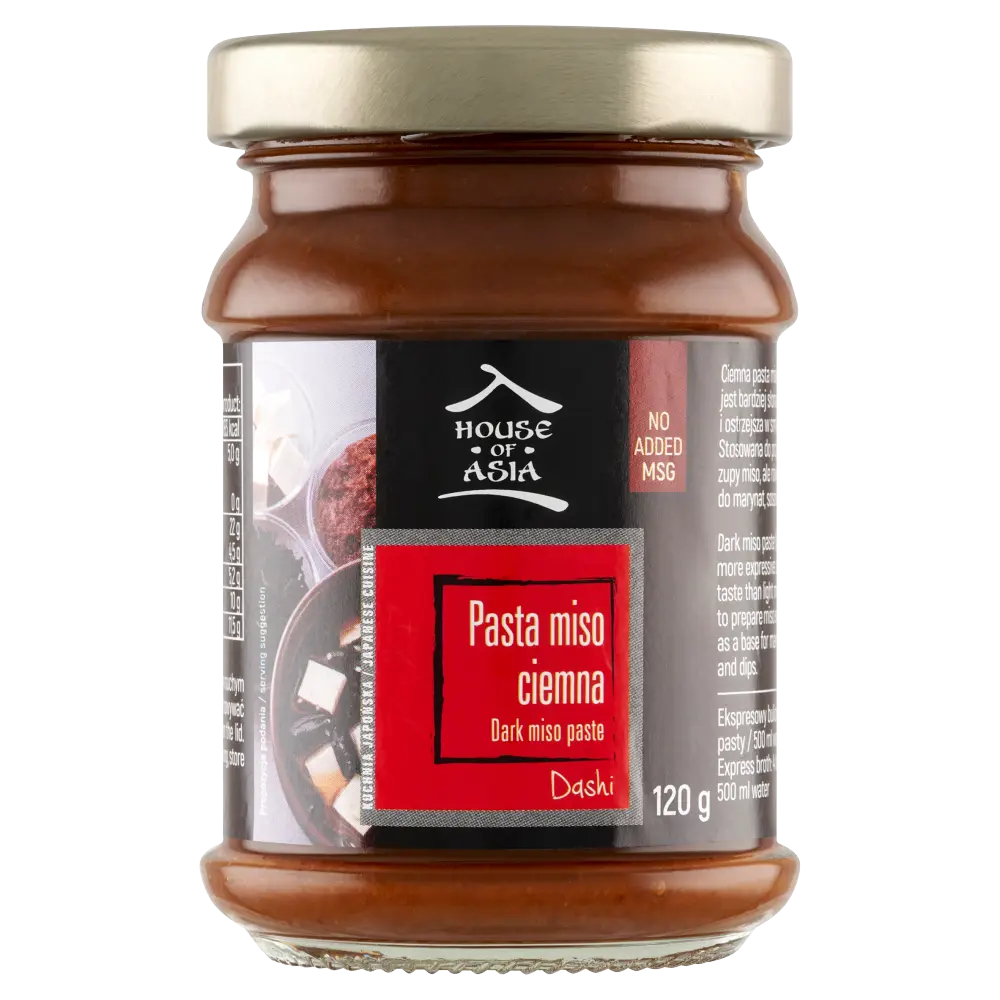
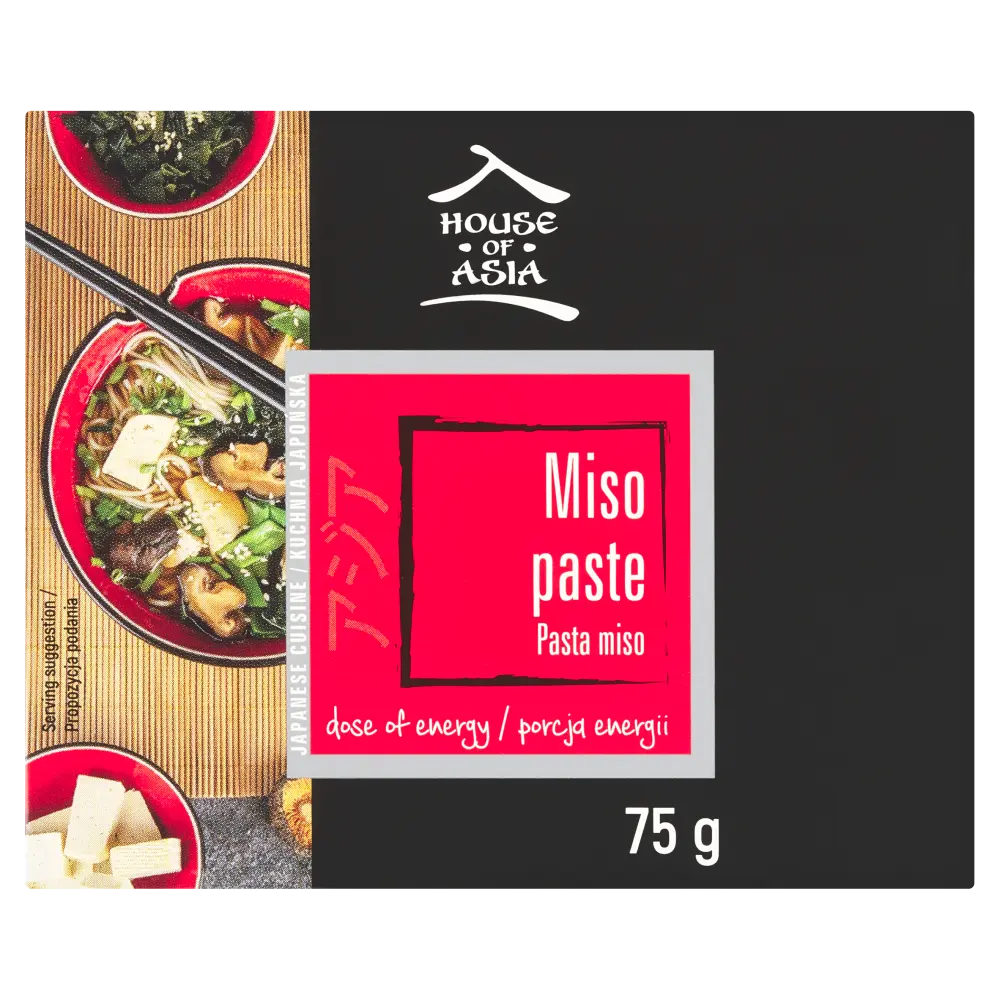
Miso soup (Miso-shiru) is one of the most basic dishes in Japanese cuisine. It is made with dashi broth and miso paste, and additions may include tofu, wakame seaweed, spring onions, or mushrooms.
Okonomiyaki is a "Japanese pancake" or "pancake" made from dough with cabbage and various toppings, such as meat, seafood, or cheese. The dish is fried and served with mayonnaise and nori sheets.
From sushi rice to the delicate flavors of miso and sweets straight from Japan – with our tips on how to make Japanese dishes, preparing authentic flavors at home will become simple and enjoyable!

 Shrimp
  Japanese
  15-30 minutes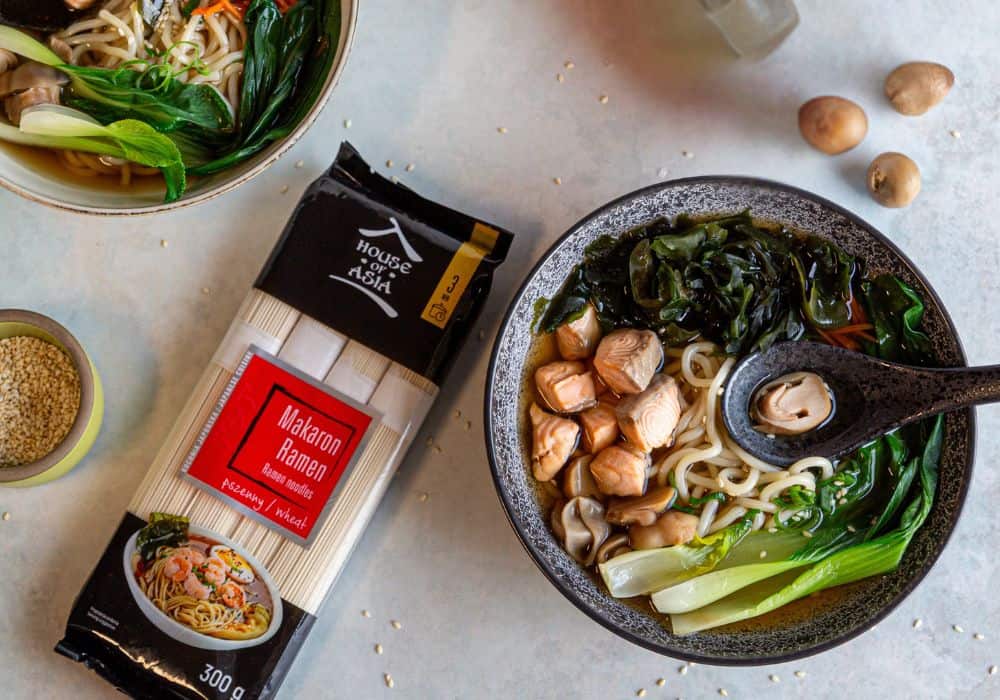
 Ryba
Ryba 
 Beef
Beef 
 Vegetables
 Chicken
 Rice
Rice 
 Salmon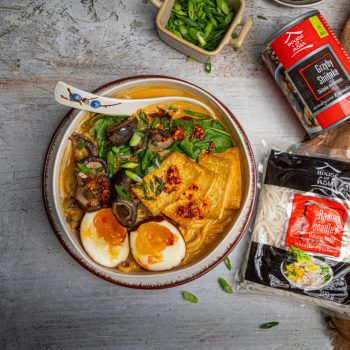
 Pasta
Pasta 
 Tofu
Tofu