House of Asia Salmon and Vegetable Broth

Asian broth with salmon and vegetables

10 min
2 servings
mild

5 / 5. Number of votes: 269

No one has rated this recipe yet.

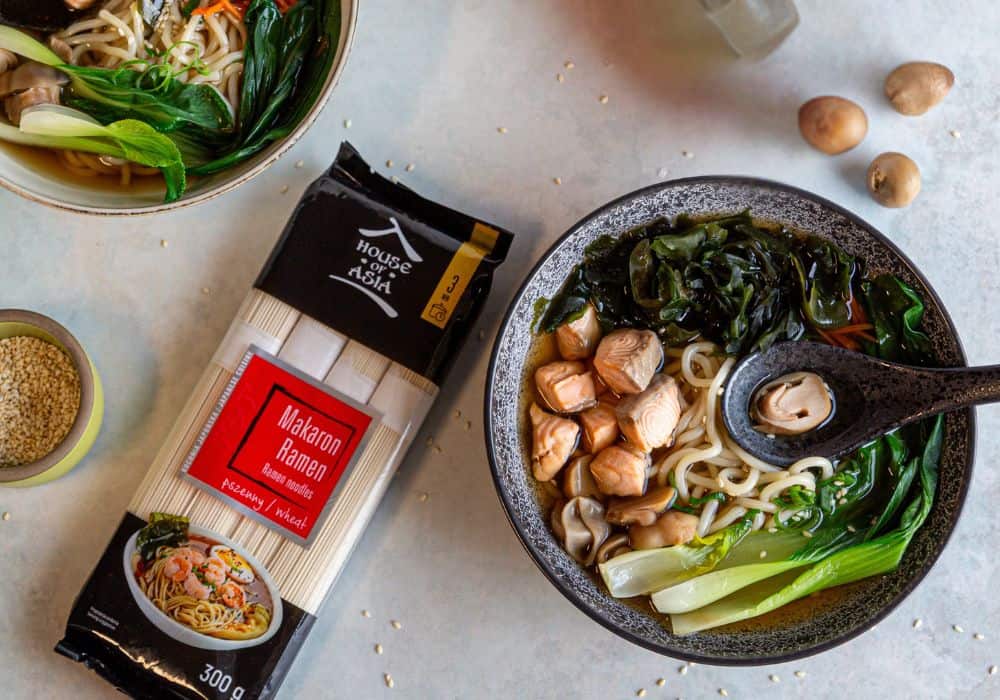
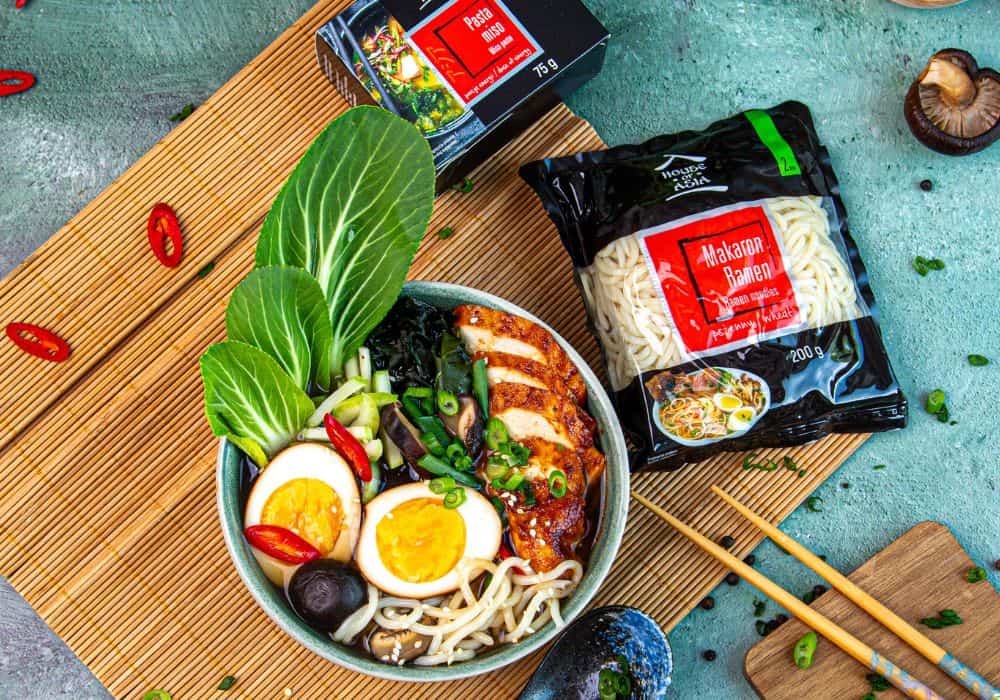
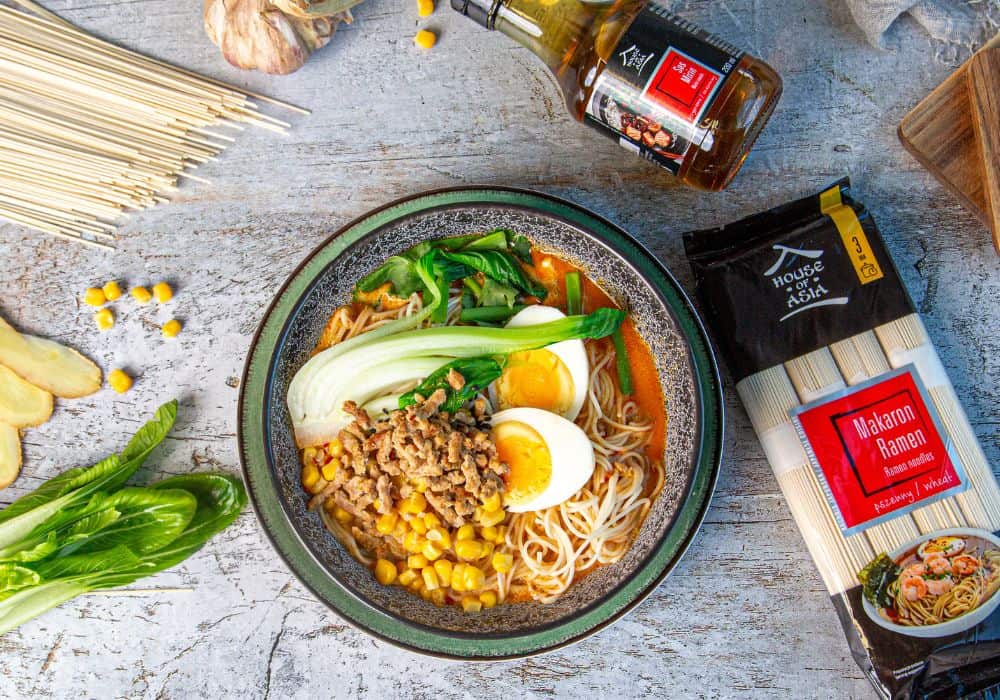
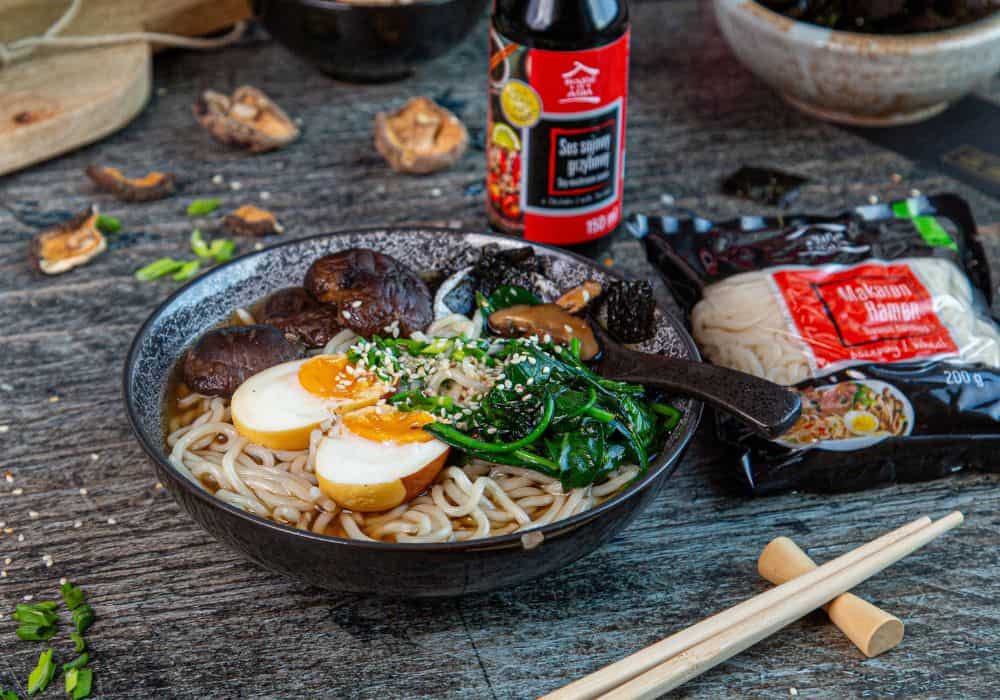
Warming, full of flavor, and ready in just 10 minutes, this Asian broth with salmon and vegetables is a recipe that delights with its simplicity and depth of flavor. Tender salmon, springy ramen noodles, crunchy vegetables, shiitake and wakame mushrooms create a harmonious composition brimming with unique aromas. It's a quick way to prepare a nutritious meal that warms you up and allows you to discover the richness of Asian inspiration in your home cooking!

Ingredients

A method of preparing

  1. Bring the broth to a boil, then add the chopped carrots, pasta, and salmon. Cook for about 3 minutes.
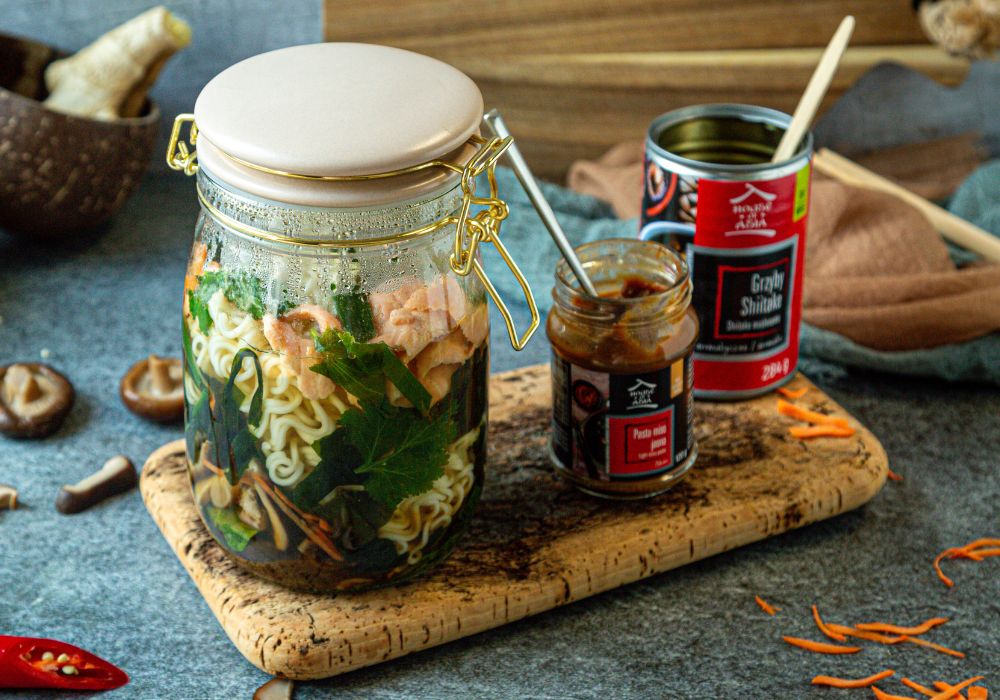
  2. Place half of the prepared ingredients in a bowl. Place the other half in a jar to enjoy for breakfast the next day.
  3. Pour hot broth over and sprinkle with sesame seeds and chives.

Ready-made vegetable broth with an Asian twist – the secret to an essential broth

The secret to a good broth lies primarily in a carefully selected base. It's the broth that provides the depth of flavor and ensures all the additions create a cohesive whole. In this recipe, a delicate Asian broth combines with the aroma of shiitake mushrooms, the distinctive flavor of wakame seaweed, and the freshness of vegetables, creating a harmonious dish full of diverse flavor notes.

In Asian cuisine, broth often forms the foundation of many dishes. It's not just a garnish, but an element that brings out the flavor of the other ingredients. It gives ramen noodles their proper consistency, salmon stays juicy, and vegetables retain their structure. It's the simplicity of preparation combined with the richness of the additions that makes these soups so popular.

It's worth remembering that a good broth doesn't have to mean hours of cooking. Ready-made solutions are great for everyday cooking, allowing you to quickly prepare a flavorful dish without sacrificing quality or flavor. Ready-made vegetable broth can be a convenient base for Asian-inspired soups, especially when you're looking for a quick meal.

Ingredients that create the distinctive flavor of the broth

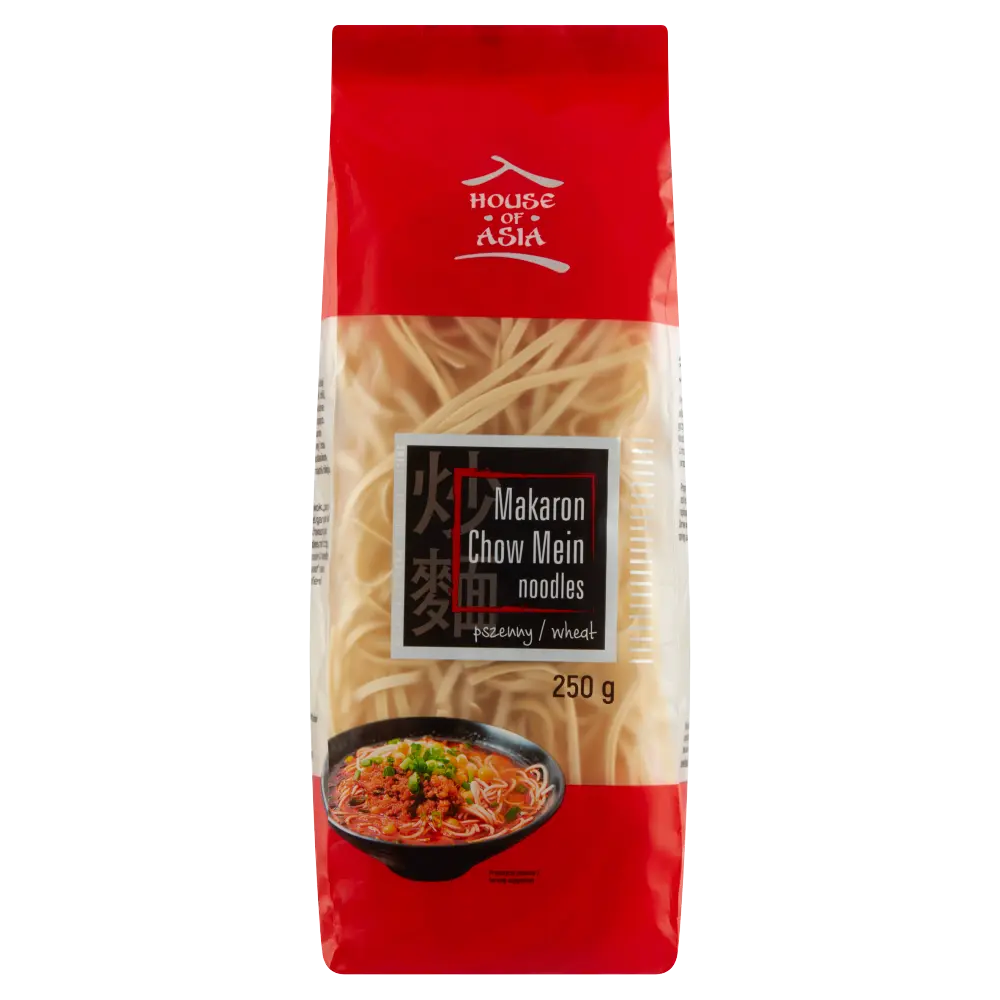
Each element of this recipe plays a specific role and influences the final result. The ramen noodles provide a filling base that perfectly absorbs the flavor of the broth. The salmon adds tenderness and makes the dish more nutritious, while the vegetables provide freshness and crunch.

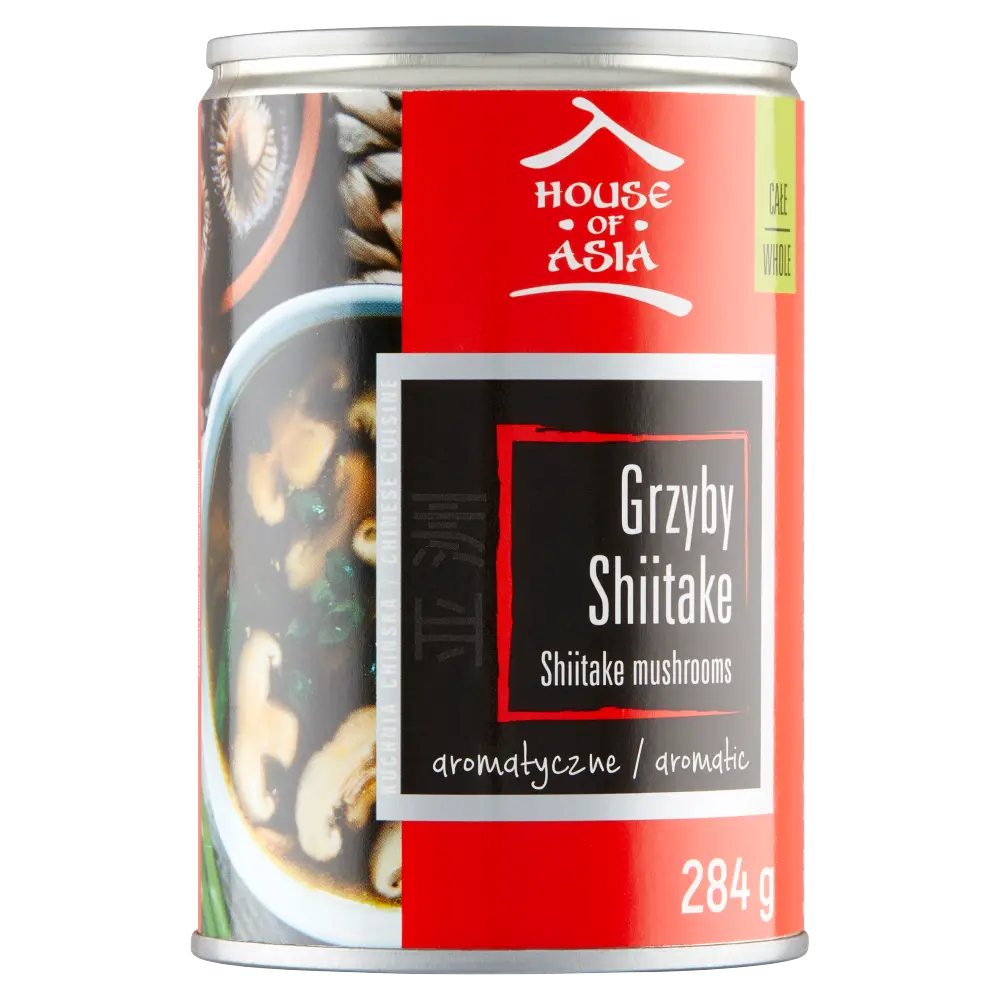
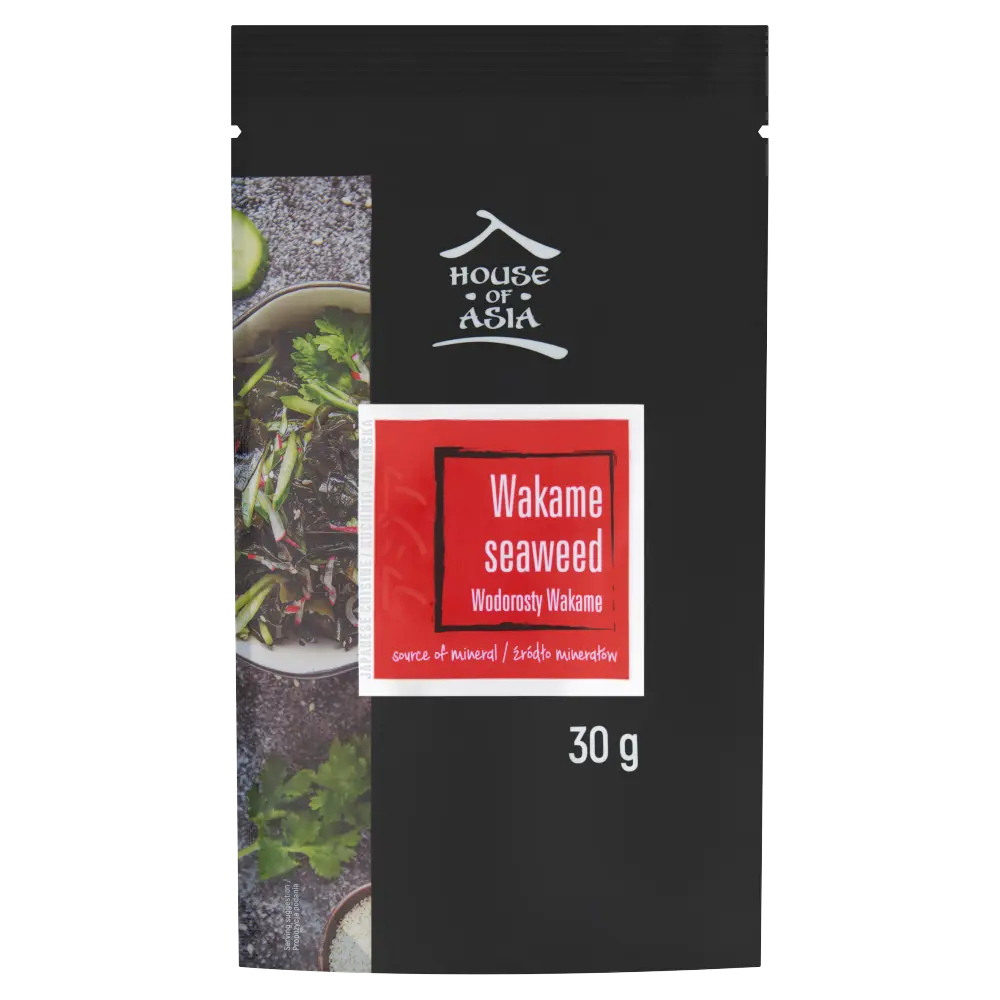
A special place is occupied by ingredients typical of Asian cuisine. Wakame seaweed introduce a slightly marine aroma and an interesting structure, and shiitake mushrooms enrich the broth with an intense, full flavor. Sesame and spring onion complete the whole, adding a slightly nutty note and a fresh accent.

It's this combination of flavors and textures that transforms a simple vegetable broth into a dish you'll want to return to again and again. Delicate ingredients, offset by more expressive additions, create a composition that's both light and filling.

Discover other Asian soups and broths with a distinctive flavor

If you enjoy warming soups full of aromatic additions, it's worth exploring other options inspired by Asian cuisine. The variety of flavors means everyone can find their favorite version—from delicate, creamy compositions to intense broths with bold spices.

Miso soup is a classic proposition in which the main role is played by miso paste giving it a characteristic, deep flavor. In turn, Thai soup delights with its combination of aromatic ingredients and fresh additions. Pasta lovers can also choose from a variety of variations. shoulder, which allows you to experiment with additives and create your own compositions.

Depending on the recipe, the flavor of Asian soups can also be enhanced by aromatic ginger, garlic, or soy sauce. Each of these additions gives the broth a slightly different character, so it's worth matching them to the specific type of soup and other ingredients.

Most frequently asked questions

A broth with a delicate, neutral flavor works best, allowing the other ingredients to shine through. This allows the salmon, vegetables, shiitake mushrooms, and additions like wakame to retain their character and create a harmonious whole. It's worth choosing a good-quality base that enhances the flavor of the dish rather than overpowering it.

Yes, homemade vegetable broth will also be a suitable base for this recipe. Homemade broth has a fuller, richer flavor. Vegetable broth can be stored in the refrigerator for up to 4 days. However, it's worth remembering that ready-made solutions are a great convenience, especially when you want to quickly prepare a nutritious meal.

Homemade stock can be made with vegetables such as carrots, leeks, parsley, or celery. Depending on the recipe, it can also be enriched with dried mushrooms, herbs, or other aromatic ingredients. Asian stock often uses a generous amount of fresh ginger. If you're making a meat stock, you can use chicken, for example—chicken legs, wings, or duck stock work well in homemade stocks. The ingredients are usually simmered over low heat to gradually release their flavor and aroma. However, for salmon stock, a delicate base that doesn't overpower the flavor of the fish, wakame, or shiitake is sufficient.

Yes, a classic meat stock can be used as a base if you like its flavor. However, it's worth choosing one that isn't too intense, so as not to overpower the delicate salmon and distinctive additions. Chicken-based stock can be a milder choice than very intense meat stocks, making it easier to pair with the flavors of fish and vegetables.

No need. In this recipe, diced fresh salmon is added directly to the simmering broth, keeping it tender and juicy. The short cooking time allows the fish to achieve the right consistency.

Pak choi can be replaced with other delicate leafy greens that work well in a hot broth. You can use baby spinach, Chinese cabbage, or other vegetables with a similar structure, but remember that pak choi adds a unique, distinctive flavor to the dish.

The best solution is to prepare the ingredients in layers and separate the pasta and toppings from the hot broth until serving. This will ensure the pasta retains its structure and the vegetables remain crispy. Storing some of the ingredients in a jar and pouring the hot broth over them just before eating allows you to enjoy the fresh flavor the next day.

After cooking, it's best to let the broth cool and store it in a tightly sealed container in the refrigerator. If you want to keep it longer, you can also portion it out and store it in the freezer. The finished vegetable broth can be frozen for about 3 months. It's best to store the pasta, salmon, and vegetables separately from the liquid base, which will help them retain their texture when reheated.

You can buy our products here