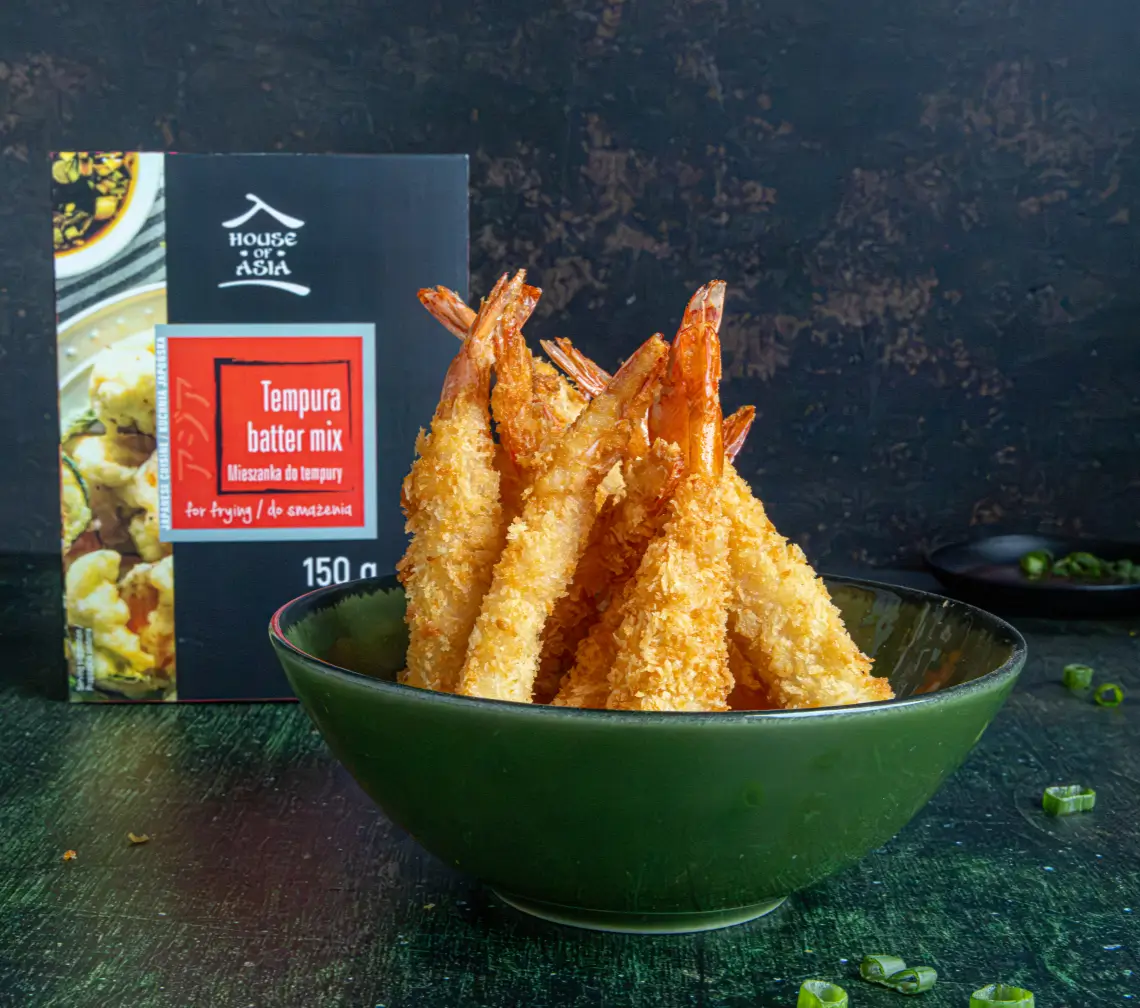
Shrimp tempura with 2 sauces

Shrimp tempura – crispy tiger shrimp with two sauces

30 min.
2 servings
mild

4.7 / 5. Number of votes: 13

No one has rated this recipe yet.

Shrimp tempura is one of those delicacies where contrast does all the work. The tender, juicy seafood is encased in a thin and exceptionally crispy batter. Add two completely different sauces – a vibrant shallot ponzu and a fruity mango chili sauce. The result is a dish brimming with flavor and varying textures, perfect both as a snack and as part of a larger Asian-inspired dinner.

Ingredients

  • 150 gr tempura breading
  • 20 peeled tiger prawns
  • 1 cup of cold sparkling water
  • ice cubes
  • pinch of salt
  • 1 liter of rapeseed oil

Tempura sauces

Ponzu sauce with shallots:

Mango chili sauce:


A method of preparing

  1. Heat the oil in a pot to 180 degrees.
  2. Prepare the breading just before frying: mix the tempura with the sparkling water unevenly, season with salt (slight lumps may form). It's best to use chopsticks to stir. Gradually add a few ice cubes, without stirring. Place the shrimp in the tempura batter one at a time, then place them in the hot oil. Fry for about 2 minutes.
  3. Place the fried shrimp on a plate lined with a paper towel.
  4. Serve with your favorite sauces.

Ponzu sauce with shallots:

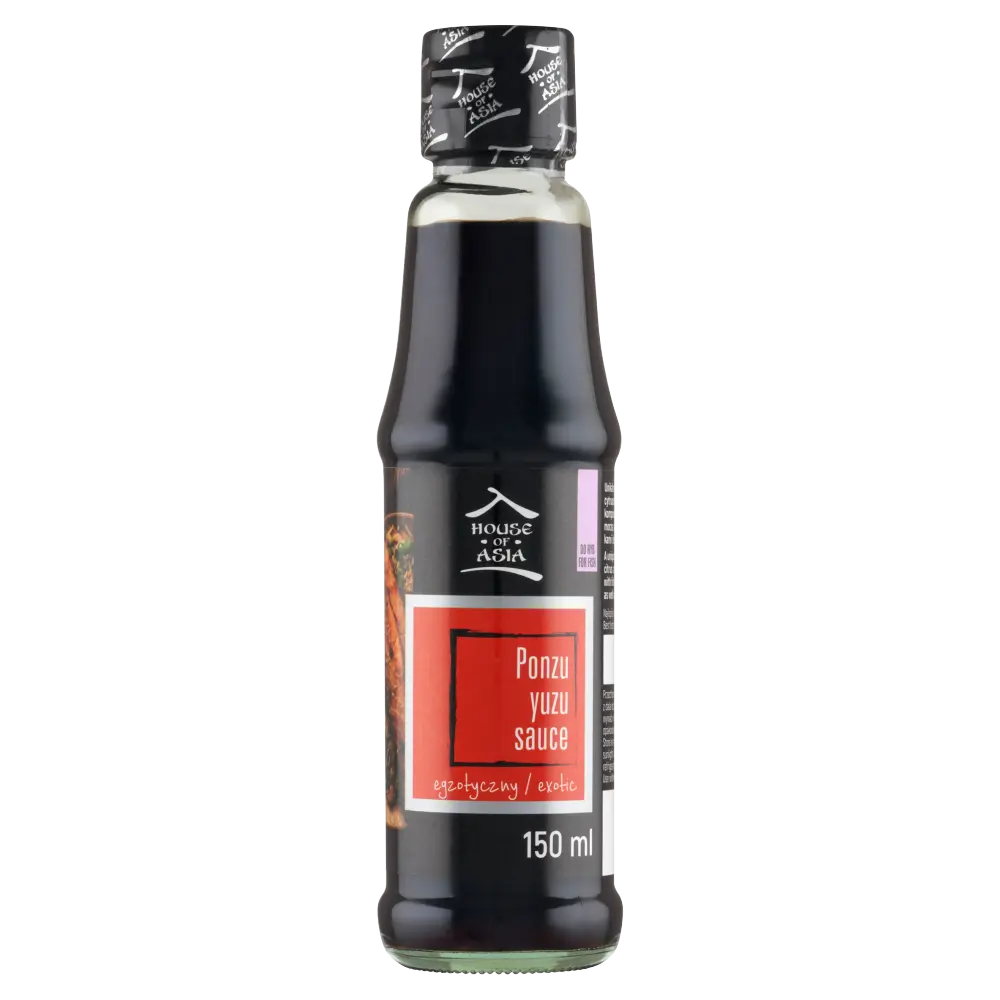
Combine all ingredients in a bowl. Set aside to allow the flavors to meld.

Mango chili sauce:

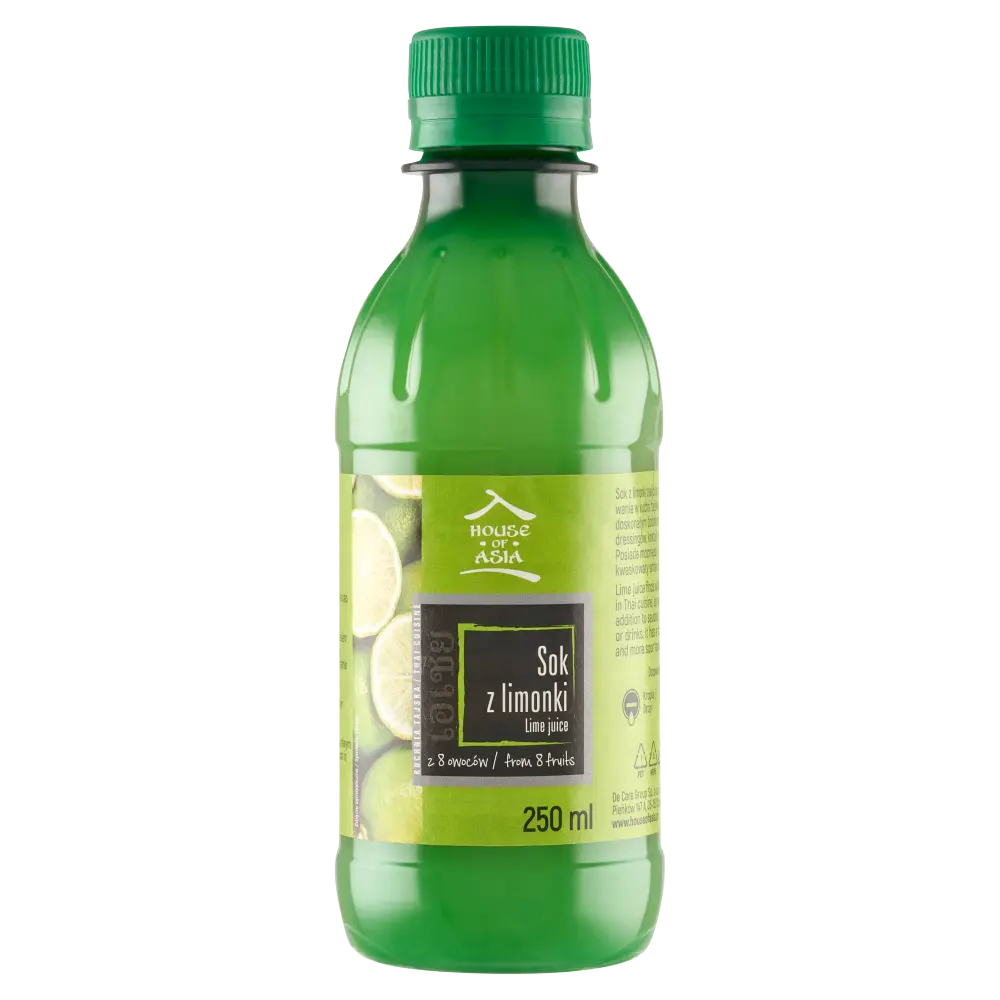
Pour the pulp into a saucepan, add the mint and chili. Cook until reduced by half. Add lime juice and set aside to cool.

Perfect Tempura Shrimp – The Secrets of Cold Batter and the Right Temperature

Good tempura should be light and delicate. The goal isn't to create a thick, dense coating, but rather a thin layer of batter that quickly crisps up during frying while also maintaining the shrimp's juiciness. The combination of the delicate interior and the crispy tempura batter is responsible for the dish's distinctive texture. That's why it's so important to prepare the batter just before frying.

The very low water temperature is crucial. Cold sparkling water and ice cubes help maintain the batter at the right temperature until the shrimp are immersed in the hot oil. The large temperature difference promotes the development of tempura's characteristic, light texture and contributes to its exceptional crispiness.

The batter should also not be overmixed or attempt to achieve a perfectly smooth consistency. Small lumps are desirable. Tempura batter should be thinner than pancake batter. Overmixing can cause the batter to become heavier and less crumbly after frying. This is why chopsticks are best for preparing tempura, as they can only be used briefly and unevenly to combine the ingredients.

The second secret is the oil temperature, which is 180°C. If the oil is too cold, the breading will absorb the fat and become heavy instead of light and crispy. Conversely, too high a temperature can cause the batter to brown quickly before the shrimp is properly fried. Properly fried tempura should have an appetizing golden color, without excess fat.

Timing is also important. Shrimp need about 2 minutes to fry. It's not worth leaving them in the oil longer, as the delicate seafood meat can easily dry out. It's best to serve the cooked shrimp tempura immediately – this is when the breading is crispiest and the seafood retains its delicate flavor.

Ideas for crispy seafood dishes

The easiest way to enhance shrimp tempura is with carefully selected sauces. Ponzu with light soy sauce and shallots brings a salty, citrusy, slightly sweet touch, while mango chili sauce combines fruity sweetness with the spiciness of chili peppers. Mint and lime juice add freshness and a pleasant acidity.

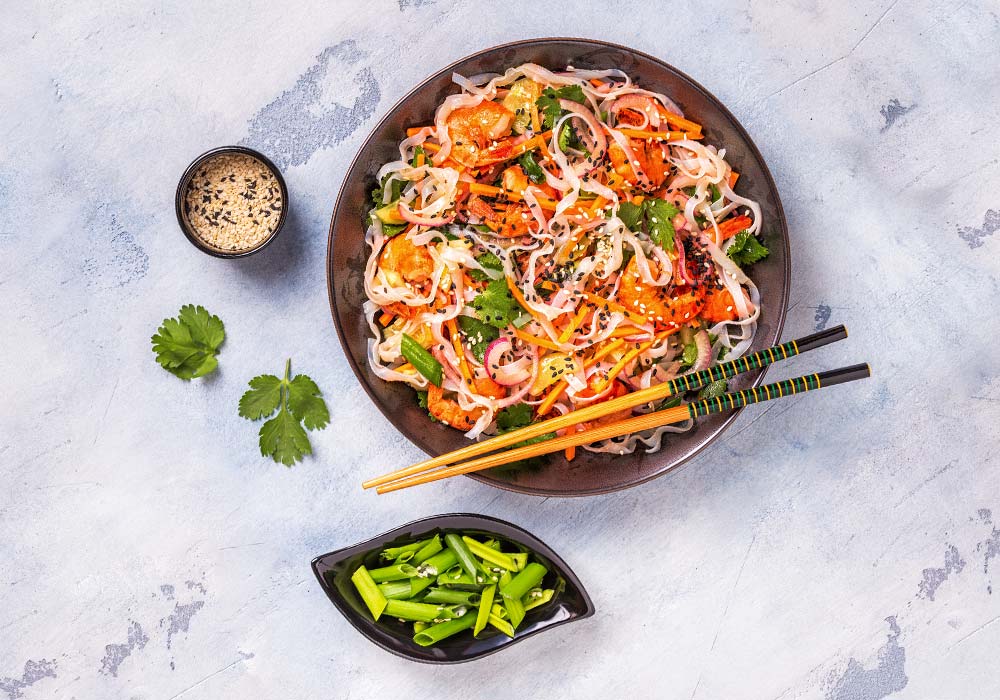
Shrimp offers a wealth of possibilities in Asian cuisine, and you definitely don't have to limit yourself to serving them on their own. Their versatility and ability to be paired with numerous side dishes are among the reasons why shrimp is so popular in cuisines around the world. If you enjoy combining seafood with plenty of fresh ingredients, a good choice would be shrimp. Asian salad with grilled shrimpThis is a lighter option, combining shrimp with vegetables and an intense dressing.

Crispy tempura also works great in sushi. California maki with shrimp tempura They combine the tenderness of the rice and other ingredients with a pleasantly crunchy center. They're also a great way to use tempura shrimp in a more complex dish. What's more, this frying technique can be used for more than just shrimp. A good example is crispy shrimp. futomaki with salmon in tempura, which show how universal tempura is and how many possibilities it offers in preparing different variants of sushi.

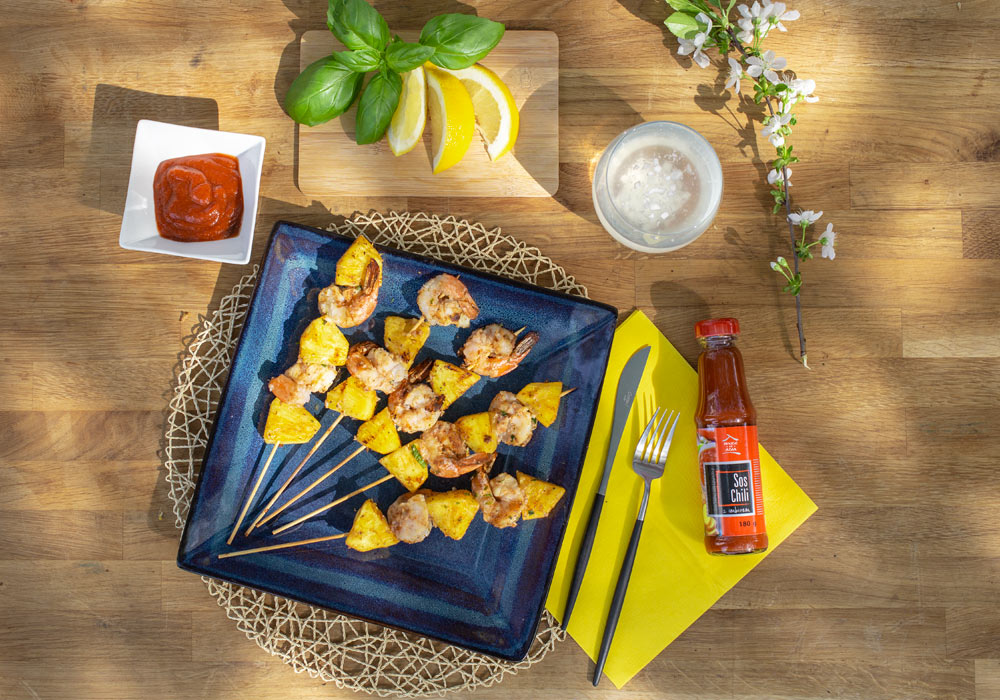
Lovers of sweet, spicy and fruity combinations may like it grilled shrimps with pineapple in plum sauce. The sweetness of the fruit goes well with the taste of the seafood.

Most frequently asked questions

Yes. Tiger prawns are a very good choice due to their size and fleshy texture, but tempura can also be made with other shrimp, such as king prawns. Larger shrimp are most convenient, as they are easy to dip in batter and fry individually. More important than the species itself is proper preparation of the shrimp and ensuring a short frying time.

Yes, you can also use frozen shrimp to prepare shrimp tempura. However, they should be completely thawed before frying – preferably slowly by transferring them from the freezer to the refrigerator. If you're pressed for time, you can thaw the shrimp in a tightly sealed container or bag by submerging them in cold water. Once thawed, dry them thoroughly and then prepare according to the recipe.

The most common cause is frying too long. Shrimp flesh is delicate and doesn't require many minutes of cooking. In this recipe, the shrimp are fried for about 2 minutes in oil preheated to 180°C. Before dipping them in the batter, it's also worth ensuring that the peeled shrimp aren't too moist – this helps the tempura adhere better and helps achieve a crispy result.

We recommend rapeseed oil, as it's perfect for high-temperature frying, and its neutral flavor doesn't overpower the delicate shrimp or other ingredients. It's important to use enough oil to allow the shrimp to fry freely. Add them to the pot in small batches – adding too many shrimp at once lowers the oil temperature, which can cause the tempura to absorb more oil and lose its characteristic crispiness. After removing the shrimp, you can place them on a paper towel to help drain off any excess oil.

These are two different ways to achieve a crispy coating. Tempura is a cold, liquid batter in which ingredients are dipped immediately before frying. Once prepared, it creates a light, irregular, and delicately crispy coating.

Panko, on the other hand, is a Japanese breading in the form of larger, lighter flakes. It creates a more distinct, dry, and very crispy texture. Shrimp in tempura will therefore have a more delicate coating, while panko breading provides a more pronounced crunch.

You can buy our products here