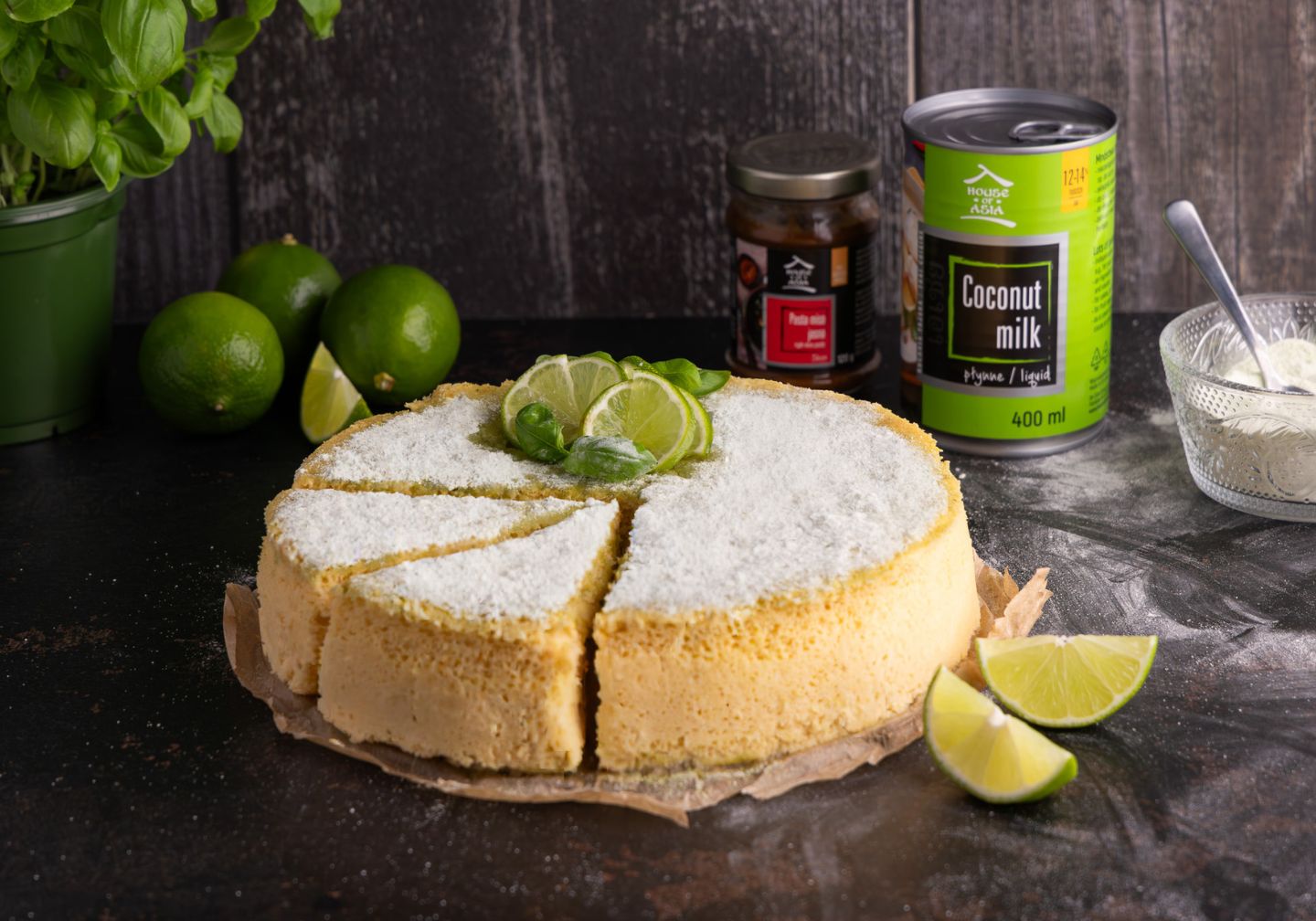
House of Asia Japanese Cheesecake

Fluffy Japanese cheesecake

30 min
8 portions
mild

3.9 / 5. Number of votes: 16

No one has rated this recipe yet.

Although it looks incredibly impressive, its preparation is much simpler than it might seem. Japanese cheesecake delights with an exceptionally light texture, placing it somewhere between a classic cheesecake and a fluffy sponge cake. The addition of coconut milk gives it a delicate, exotic note, lime balances the sweetness with a pleasant freshness, and light miso paste subtly enhances the flavor of the entire dessert.

This is a proposition for people who like to discover new faces of well-known baked goods and are looking for light desserts inspired by Japanese cuisine.

Ingredients

A method of preparing

  1. In a saucepan over low heat, melt the butter with the coconut milk and miso paste, stirring until combined. Add the cream cheese and stir until smooth, but do not bring to a boil. Remove from heat, add the egg yolks and lime juice, and mix thoroughly.
  2. Sift the flour and starch and gently mix into the mixture to avoid lumps.
  3. In a separate bowl, beat the egg whites with a pinch of salt until stiff peaks form. Gradually add the sugar and beat until a thick, glossy meringue forms. Then gently fold the egg whites into the cheese mixture. 
  4. Line the bottom of the baking pan with parchment paper and grease the sides with butter. Pour in the cheese mixture, lightly tapping the pan on the counter to remove air bubbles. Place the pan in a larger baking tray filled with hot water (bath) and immediately place in a preheated oven (160°C). To protect the cake pan, you can also wrap it in aluminum foil. 
  5. Bake the cheesecake for 25 minutes at 160°C, then reduce the temperature to 130°C and bake for another 40–45 minutes. After baking, leave it in the closed oven for 15 minutes, then let it cool with the door ajar. Dust with powdered sugar before serving.

To make the cheesecake extra fluffy and prevent it from falling, all ingredients (except the butter) should be at room temperature – this will allow the mixture to aerate better.

The key to a perfectly fluffy cheesecake structure

The secret to Japanese cheesecake lies primarily in the carefully whipped egg whites. This is responsible for the cake's characteristic light, almost cloud-like texture. The delicate combination of meringue and cheesecake filling allows the cake to retain a large amount of air, which allows the cheesecake to rise beautifully during baking.

A water bath plays an equally important role. It ensures even heat distribution during baking, keeping the cheesecake moist and tender. This solution often raises concerns among novice bakers, but in practice, it's very simple to implement and significantly increases the chances of achieving a perfect result.

Contrary to popular belief, preparing Japanese cheesecake doesn't require advanced skills or specialized equipment. Simply follow the recipe carefully and be patient during baking and cooling. The result is a light dessert with a unique texture that delights both in taste and appearance.

Inspirations and additions to Japanese cheesecake

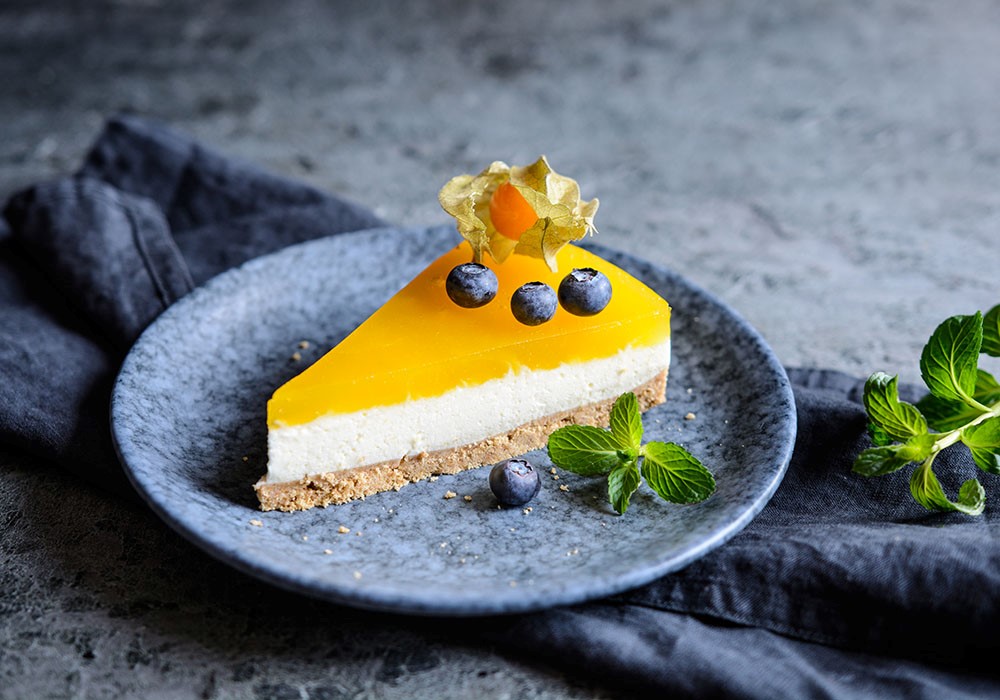
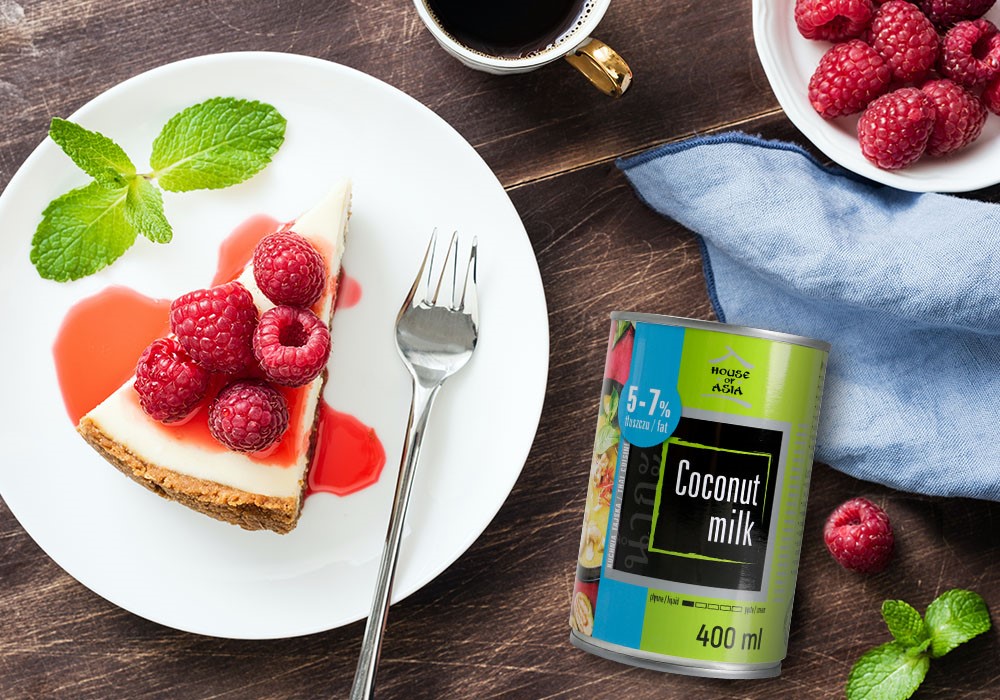
Japanese cheesecake is so light and delicate that it doesn't need many additions to delight. A dusting of powdered sugar is enough to fully appreciate its fluffy texture and subtle flavor. For a touch of freshness, serve it with fresh fruit. Mango, raspberries, blueberries, or strawberries bring a pleasant juiciness and a delicate acidity that perfectly balances the dessert's creamy texture.

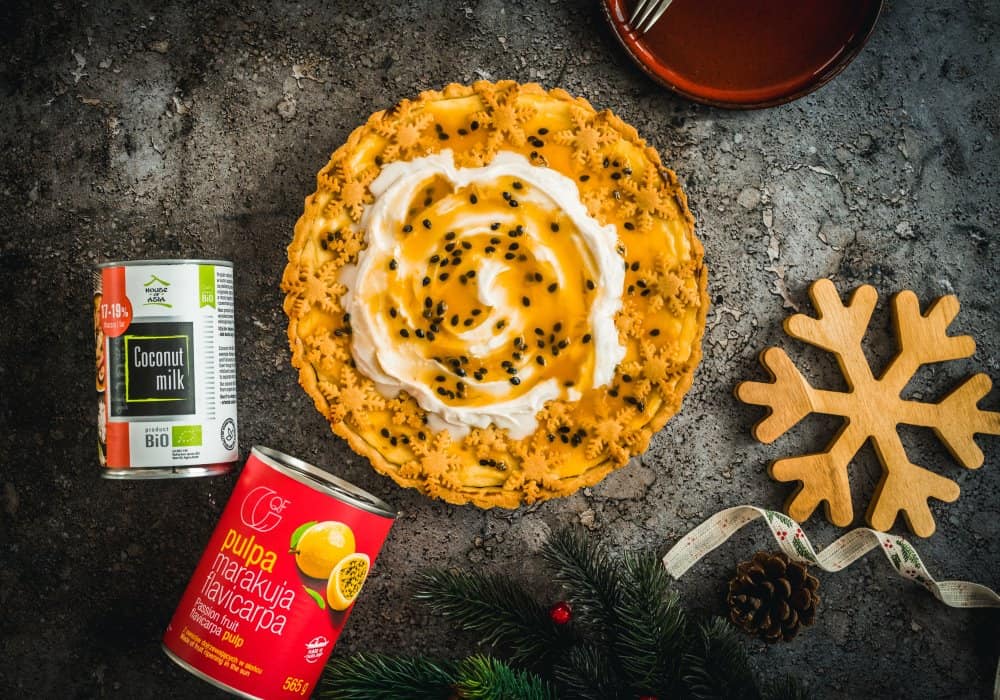
Mango puree, lychee, or passion fruit are also great additions, enhancing its Asian character. Cheesecake tastes delicious with a cup of matcha, jasmine tea, or aromatic coffee, making every bite even more enjoyable.

Most frequently asked questions

A cream cheese with a smooth consistency, without any added flavorings, works best. It should easily combine with the other ingredients and create a uniform mass. Many recipes use Philadelphia cream cheese, which, thanks to its velvety texture, is perfect for this type of baking. It's important that it is at room temperature before preparing the dough.

The most common cause is too abrupt a temperature change or improperly whipped egg whites. Cracks can also appear if the baking temperature is too high or the oven heats unevenly. Japanese cheesecake is best baked using a top-bottom setting, without convection, which allows the dough to rise more evenly. It's also worth remembering to bake in a water bath and gradually cool the cheesecake in the oven, which will help it retain its characteristic fluffiness and delicate texture.

If lumps appear in the mixture, it's a good idea to strain it through a sieve or mix thoroughly with a whisk until smooth and uniform. To avoid this problem, it's a good idea to remove the cheese from the refrigerator and allow it to come to room temperature.

The easiest way is to carefully wrap the outside of the pan in several layers of aluminum foil. This will prevent water from seeping in during baking and will ensure the cheesecake maintains its perfect texture.

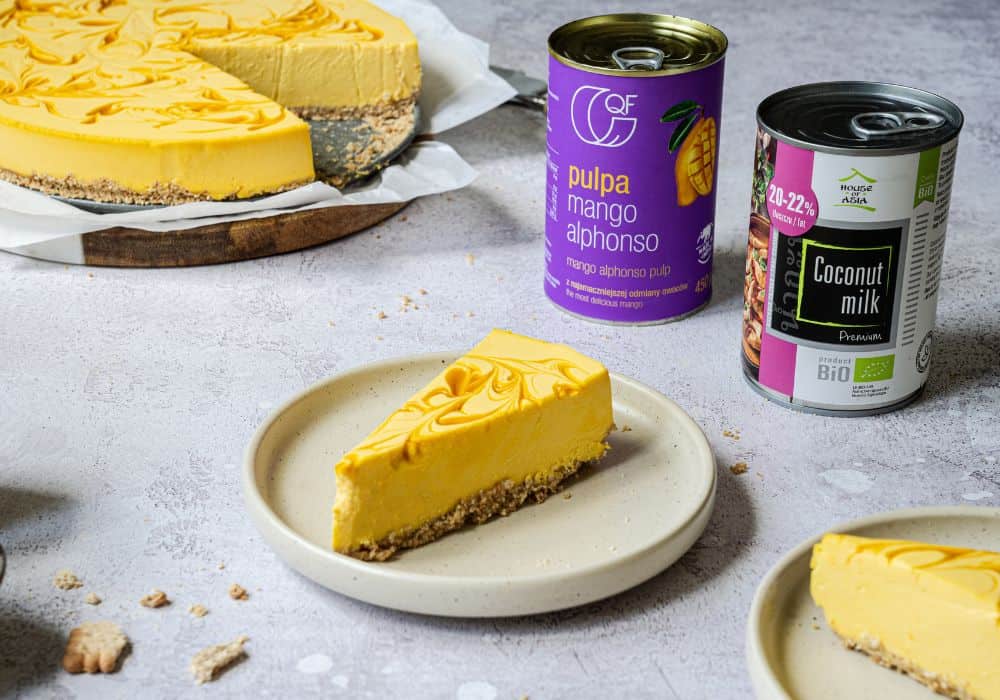
If you enjoy experimenting in the kitchen, next time you try other cakes and desserts inspired by Asian flavors. A great choice would be cold coconut cheesecake with mango, traditional mango sticky rice, fluffy Japanese pancakes, or sweets with a touch of matcha. Each of these desserts delights with an interesting combination of ingredients, a light texture, and a taste that will long remain in the memory.

You can buy our products here