





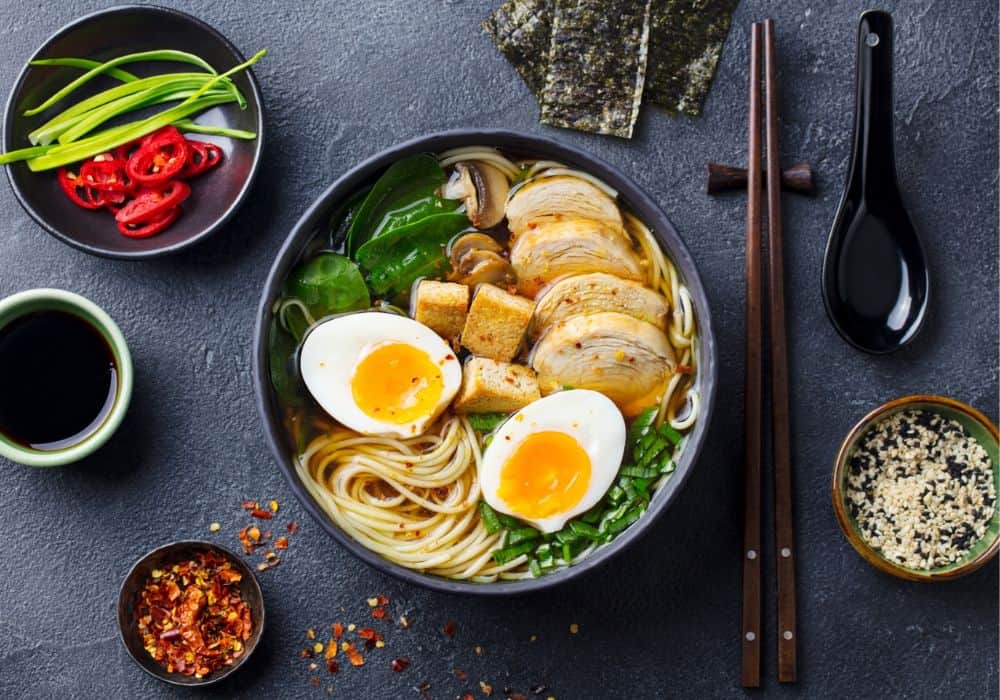
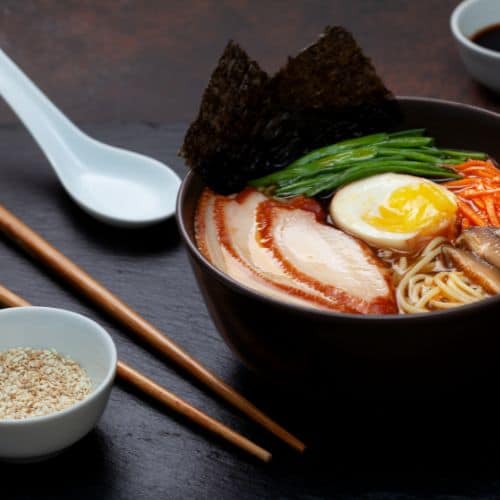
Many rankings and lists rank the hearty ramen soup among the most popular dishes in the world. It's rich in vitamins and nutrients. It takes its name from the springy noodles, which are made by hand-pulling long strands. A bowl filled with aromatic broth and delicious ramen noodles, made from wheat flour, water, and salt, has won the hearts of many tourists visiting Asia. It's packed with delicious toppings—sliced meat, bacon, onion, garlic, chives, Chinese cabbage, bamboo shoots, boiled egg, seaweed, shiitake mushrooms, and salmon. Everyone can choose their own combination.
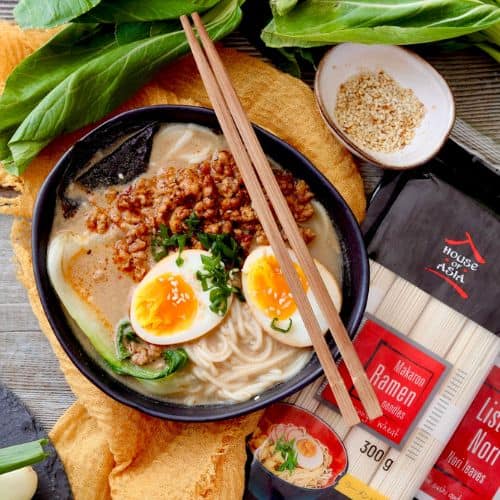
The quality of ramen is largely determined by the distinctive broth. When searching for a recipe for this Japanese dish with Chinese roots, you'll likely first come across tonkotsu ramen (ton – pork, kotsu – bone). It's a thick, fatty broth simmered on pork bones or, in other versions, beef bones (a bone-in brisket is a good option) for several hours. Some chefs even recommend up to 8 hours in their recipes. Poultry can also be used in the broth.
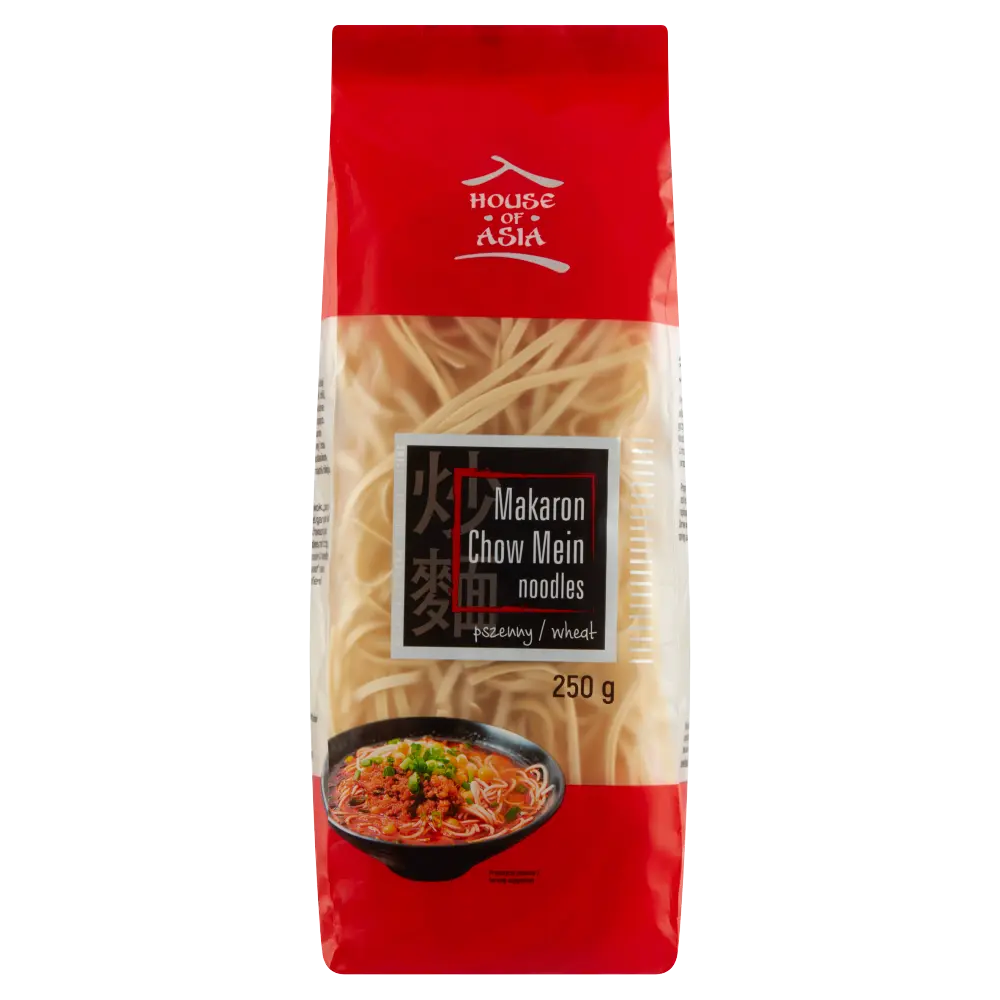
The quality of the pasta is also very important. It should be springy. To achieve this, regular water with a touch of kansui (alkaline water) is added to the pasta during kneading. You can also buy ready-made Ramen noodles.
Tare is a type of flavoring base typically placed at the bottom of the pot just before serving. This liquid addition will deepen the broth's flavor and give it a salty note. It can be soy sauce or miso paste.
Although ramen is considered a Japanese dish, it's actually made from noodles brought to Japan by Chinese immigrants in the mid-19th century. Relatively inexpensive and filling, the dish quickly gained popularity.
Unique taste
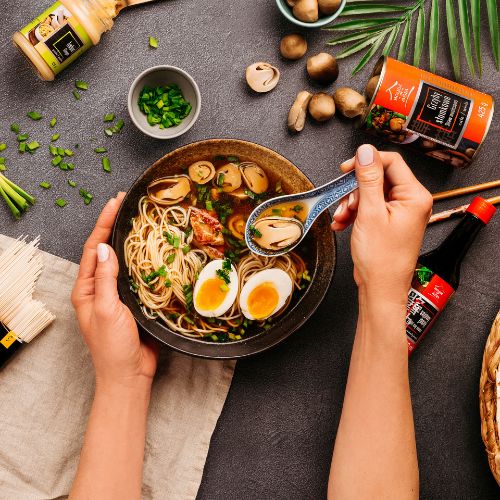
Why do we enjoy ramen so much? Because this soup contains ingredients that allow our taste buds to detect not only salty or sweet tastes but also umami, which is the fifth taste officially recognized relatively recently, about 20 years ago. It was described by a Japanese scientist, and the word itself means "something delicious." The umami flavor appears in ramen thanks to ingredients containing natural glutamate. Simply add high-quality meat rich in protein, well-aged soy sauce or wakame seaweed, as well as certain vegetables, such as broccoli or tomatoes. The noticeable presence of umami confirms the high quality of the dish and its rich flavor. It makes us more willing to return. In Italian cuisine, spaghetti Bolognese is an unforgettable dish (the source of umami is meat and tomatoes), in Poland – broth or tomato soup, and in Japan, one of the culinary experiences that makes us want to return is ramen.
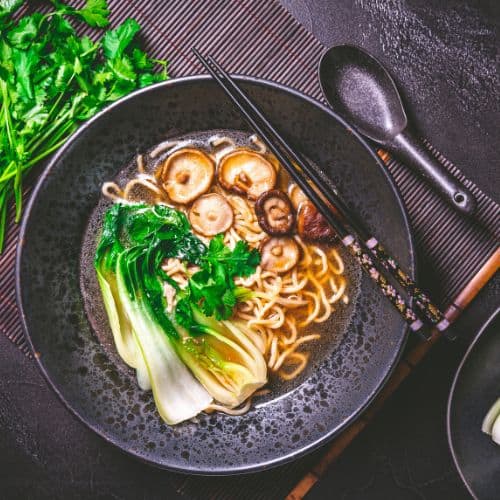
The perfect recipe
The greatest advantage of ramen soup is that there's no single, formal recipe that must be strictly followed for it to be delicious. There are countless local versions of this dish, and many chefs create their own flavor combinations. Therefore, we strongly encourage you to experiment and find your favorite ramen ingredient list. Depending on your situation, you can use our suggestions.
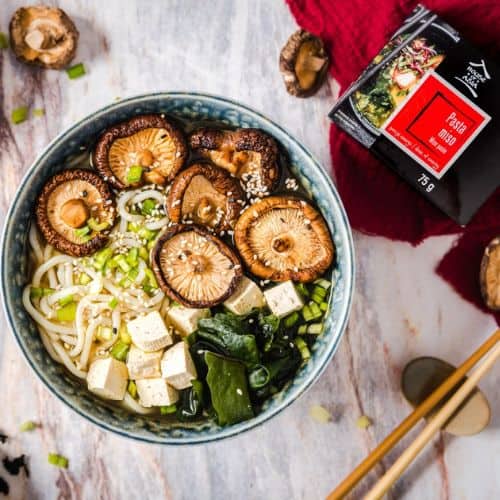
Gain time. Guests arriving any minute? Ramen doesn't take much time to prepare, but if every minute counts, reach for fresh Ramen noodles, which is already pre-cooked and portioned. Simply reheat it and it's ready to serve in just 2 minutes. If you don't have time for a long boil, make a light yet filling miso-ramen, a soup with miso paste (It is made from fermented soybeans with rice, yeast, and salt.) Remember to gradually add the paste to hot broth (e.g., vegetable or dashi) and do not boil it again, otherwise the miso will lose some of its nutritional properties.
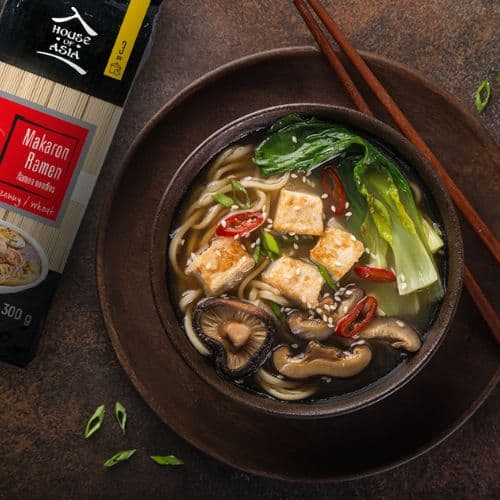
Try the vegan version
Are you organizing an evening of Japanese cuisine and are there vegetarians among the guests? Classic ramen soup is made with a meat broth, but the unique umami flavor can be achieved in other ways. Wakame seaweed also provides this flavor. Add it to the vegetable broth with soy sauce and miso paste (made from soybeans). For a vegetarian version, you can also add chopped tofu.
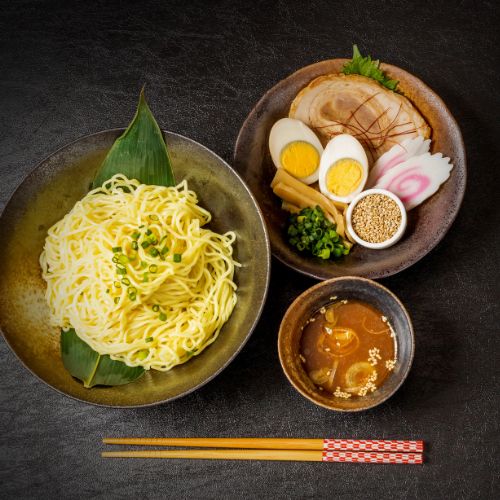
Way of giving
If you see the word "tsukemen" on a restaurant menu, expect the broth and noodles to be served in separate bowls. This is a slightly different version of ramen, allowing you to control the amount of noodles submerged in the broth, which translates into the soup's intense flavor. Typically, the noodles take up one-third of the surface area of a bowl of ramen soup.
Etiquette at the table
Don't wait for the soup to cool, as the noodles will lose their flavor and elasticity. Ramen soup toppings are eaten with chopsticks. You can scoop out the boiled egg with a spoon. Drink the broth by bringing the rim of the bowl to your lips.