HOUSE OF ASIA
See the recipeHits
Ingredients
Diets


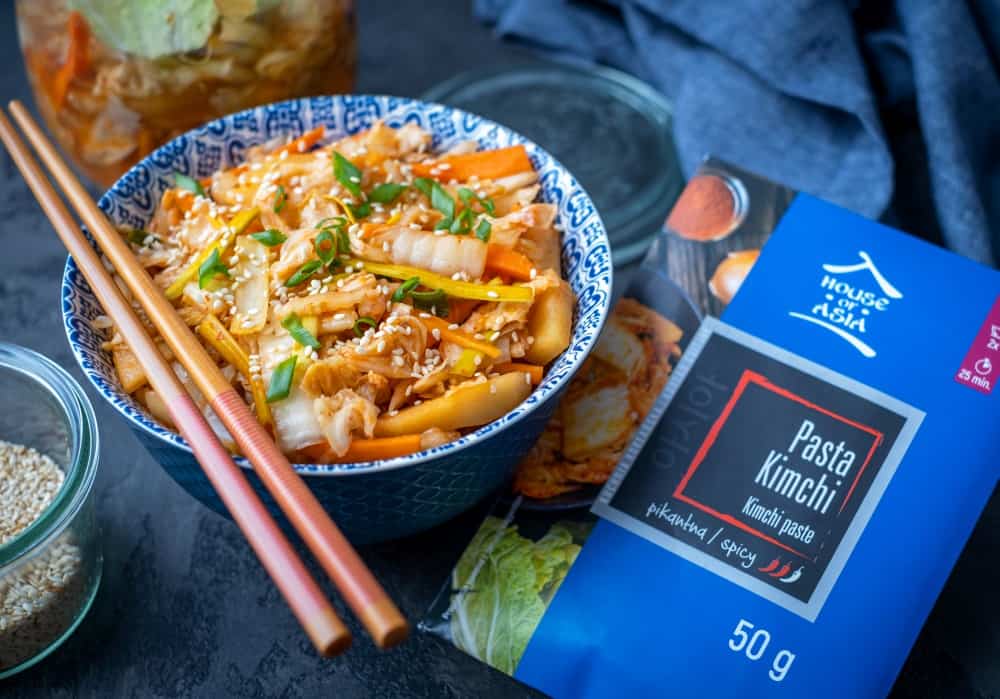


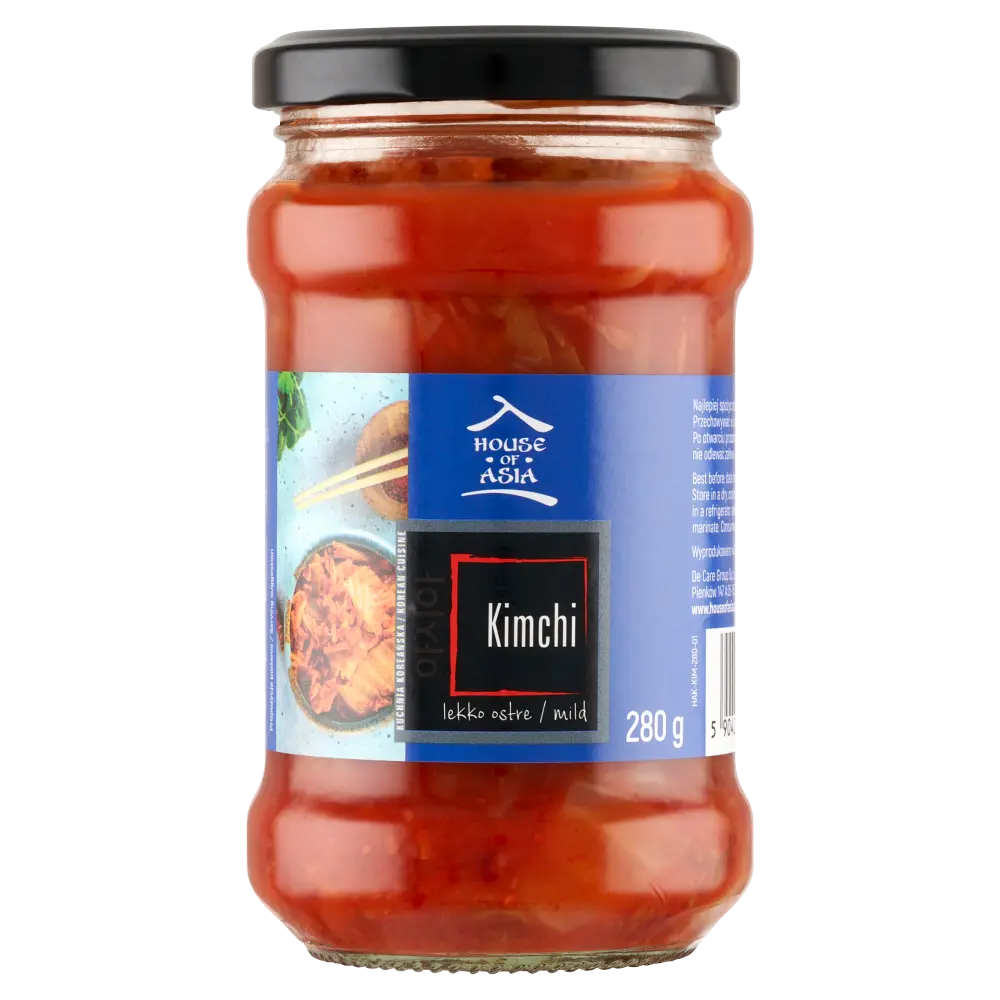
Kimchi is a traditional Korean dish made from fermented vegetables—most often Chinese cabbage or turnips. It can be considered a spicier, more aromatic cousin to our pickled vegetables, and is also a natural source of immune-boosting prebiotics. While the fermentation process may seem complicated, making homemade kimchi is simple and requires no specialized knowledge. This recipe was created in collaboration with Culinary Practice.
Kimchi has long since ceased to be a culinary curiosity and is increasingly appearing in home kitchens. Contrary to appearances, preparing it isn't difficult—all it takes is a little patience to adjust the flavor to your preferences. Below, you'll find a few tips that will make the whole process easier.
To make kimchi crisp and flavorful, start by salting the cabbage – this will allow the leaves to soften and release water. Stir the vegetables occasionally to ensure the salt reaches every piece. After a few hours, rinse the cabbage thoroughly and squeeze out excess water – this way, the pickle won't be too salty and all the leaves will retain their pleasant texture and crunch.
To make kimchi crisp and flavorful, start by salting the cabbage – this will allow the leaves to soften and release water. Stir the vegetables occasionally to ensure the salt reaches every piece. After a few hours, rinse the cabbage thoroughly and squeeze out excess water – this way, the pickle won't be too salty and all the leaves will retain their pleasant texture and crunch.
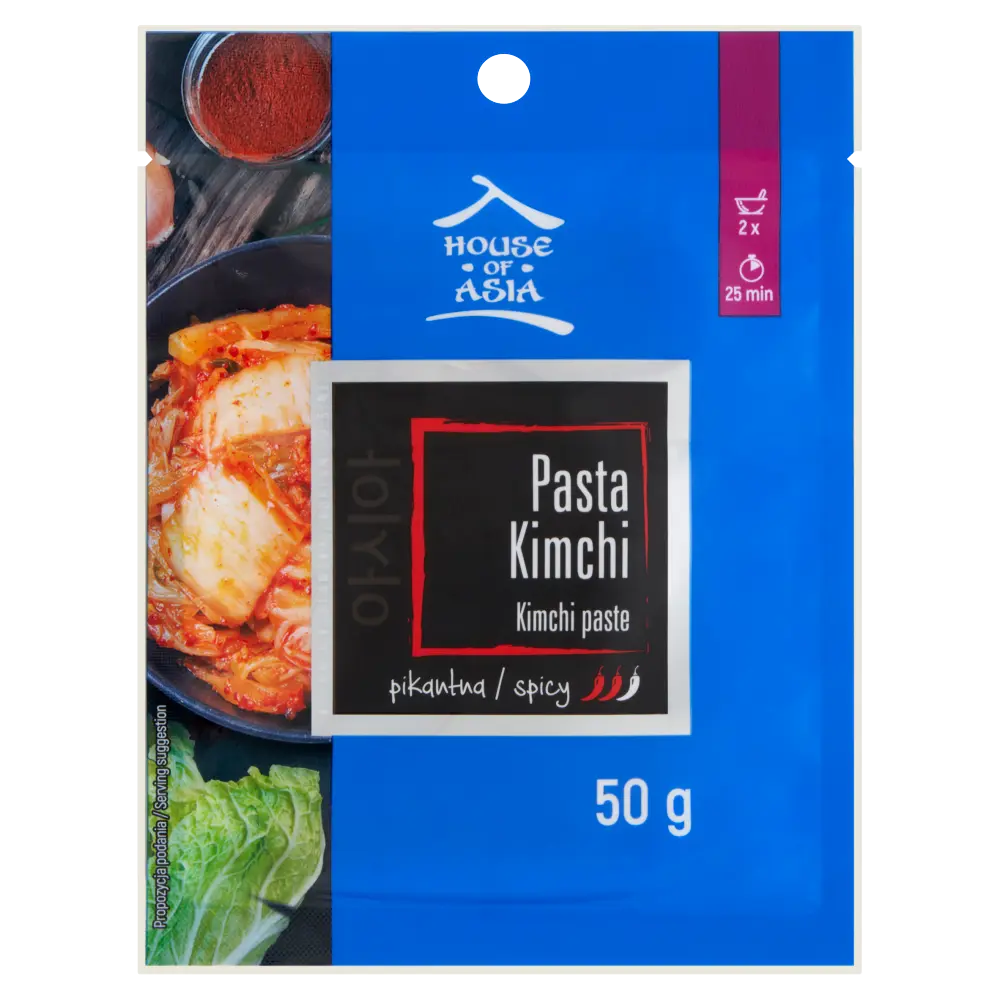
Kimchi paste combined with garlic and ginger is responsible for the dish's distinctive and spicy character. Simply mix it thoroughly with the vegetables to evenly coat all the ingredients. Ready-made paste makes making kimchi at home much easier and allows you to quickly achieve an authentic, deep flavor without the need for lengthy preparation of ingredients from scratch.
To ensure kimchi ferments properly, transfer the ingredients to a jar or stoneware container, packing them firmly to remove any air pockets. Make sure the vegetables are completely covered with the sauce—this prevents spoilage and promotes even fermentation. Let the container sit at room temperature for 1–3 days, observing the bubbles and the changing aroma. Once the flavor becomes noticeably sour, transfer the kimchi to the refrigerator to slow down the fermentation and keep it fresh longer.
Properly prepared pickled food kept in the refrigerator can be consumed for many months, but its taste becomes more sour over time: a product matured in this way is the best material for hot cooked dishes.
Although the cabbage version is the most popular, Koreans pickle almost everything: varieties made from cucumbers, radishes or chives are common, and in Polish conditions you can even experiment with young white cabbage.
The most common cause is too short a time of rinsing the cabbage after initial salting: a solution in such a situation may be to add raw, unsalted radish to the jar, which will absorb the excess salt.
Traditional kimchi enjoys a reputation as one of the healthiest in the world: the presence of live bacterial cultures, garlic and ginger means that regular consumption supports immunity and has a beneficial effect on intestinal flora.
It is worth trying the pickled food after the first day of keeping it in a warm place: when the vegetables lose their raw taste and become slightly acidic, it is a sign that the initial fermentation process is over and the finished kimchi can be stored in the fridge.




































 up to 15 minutes
 Vegetables
  Korean