


Soy sauce
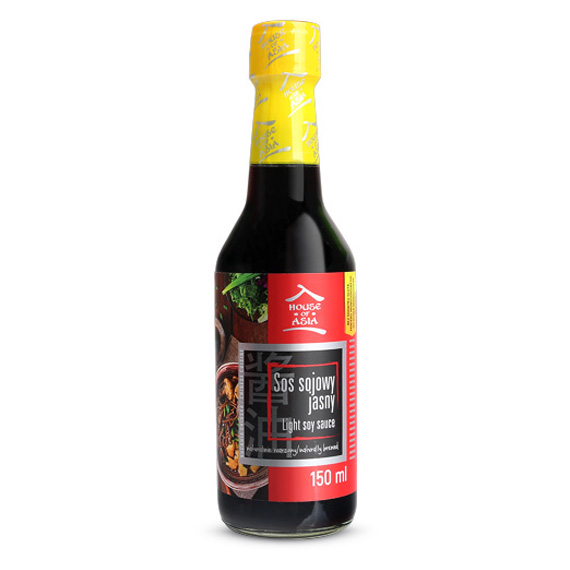
It has a salty flavor, which can be more or less intense depending on the type. Naturally brewed soy sauce It's made by fermenting soybeans and contains water, soybeans (non-GMO), wheat, salt, and optional sugar. There are many varieties of soy sauce, depending on the country and region of origin. There are also gluten-free, wheat-free, reduced-salt, and flavor-rich versions. For example, the dark sauce, in addition to its salty flavor, adds a touch of burnt sugar sweetness to the dish. In addition to imparting a salty flavor, soy sauce it is also a natural flavor enhancer, which enhances the flavor and aroma of the dish. Using soy sauce eliminates the need to add salt to the dish. Due to its universal flavor, it can also be used to enhance the flavor of soups, especially vegetarian ones, pasta and dips.
An additional The advantage of soy sauce is its marinating roleIt's perfect for marinating tofu, fish, and meat, giving them a distinct flavor and tenderness. It can also be used successfully in Polish cuisine.
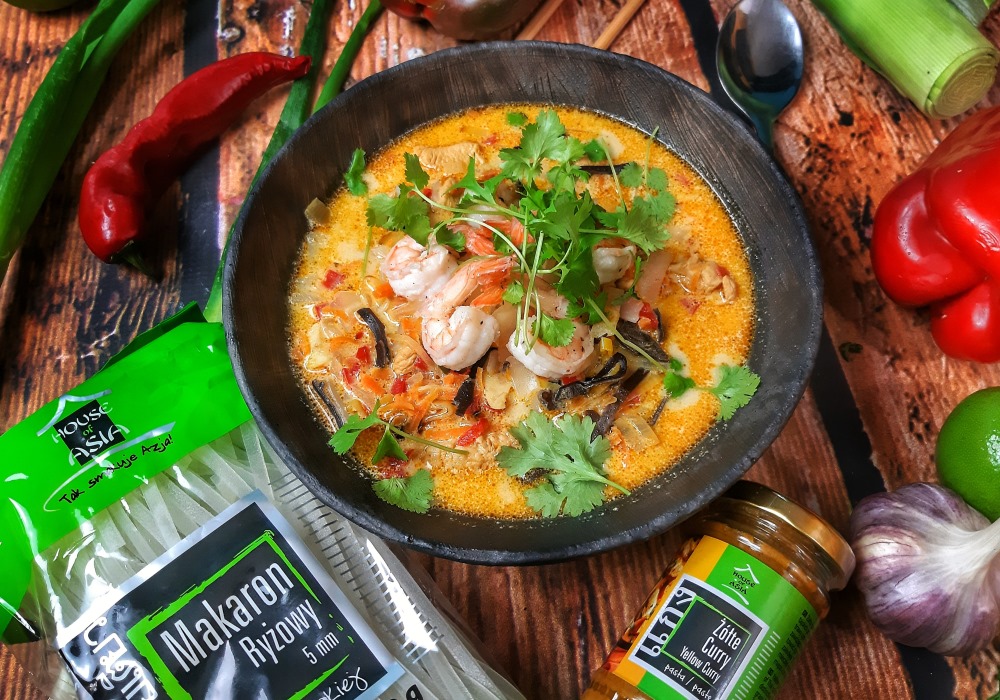
Thai soup with shrimp and yellow curry
An important aspect when choosing soy sauce is its quality, and this is not influenced by the amount of soy contained, but sauce production methodCurrently, the market shelves are filled with poor-quality soy sauces produced using modern, quick methods that are far from traditional, time-consuming methods such as natural brewing processes. Naturally brewed soy sauce will undergo fermentation, lasting up to several months, maturing, pressing and filtering, thanks to which it gains an original, deep and balanced aroma, color and taste, as well as acquires health-promoting nutritional values, such as B vitamins, large amounts of protein, magnesium, and also has a positive effect on intestinal microflora, supporting its development, which can positively affect the digestive tract and immune system. soy sauce produced using fast methods, is made within a few days, using chemical additives such as hydrochloric acid, sodium carbonate, synthetic flavors and dyes that enhance color and flavor, and some sauces produced using this method have been found to be contaminated with the compound 3-MCPD, which, if taken in excess, is suspected of having pro-cancer properties. Due to its taste and nutritional value, let's choose only soy sauces with a simple composition and with the information that they are naturally brewed or fermented such as the Chinese soy sauce brand House of Asia and the Japanese Yamasa.
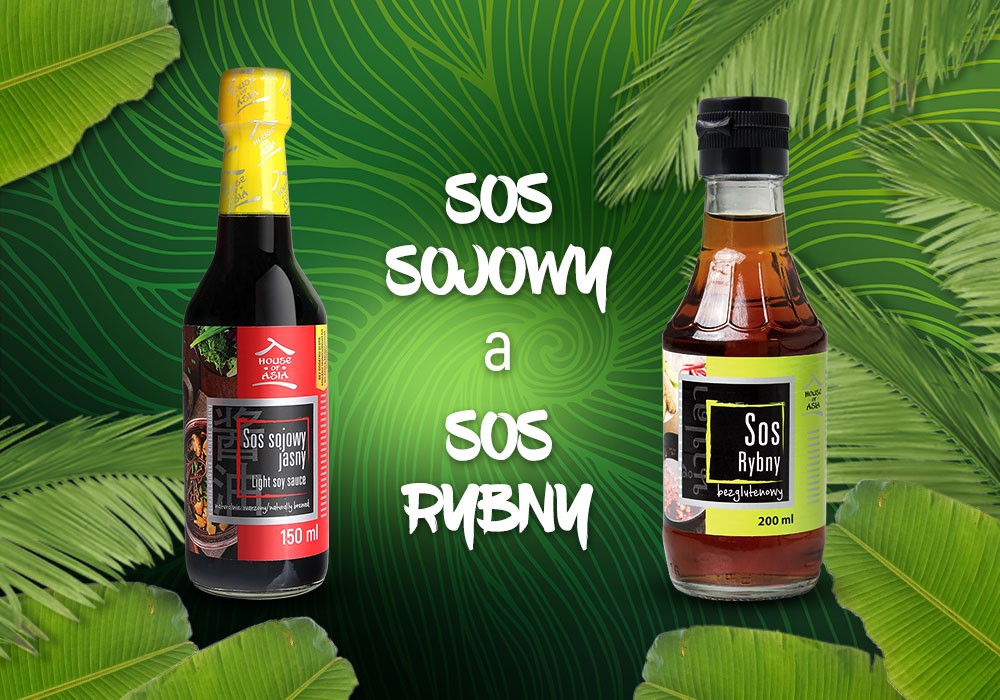
The second sauce that is extremely popular and characteristic of Asian cuisine is fish sauce.
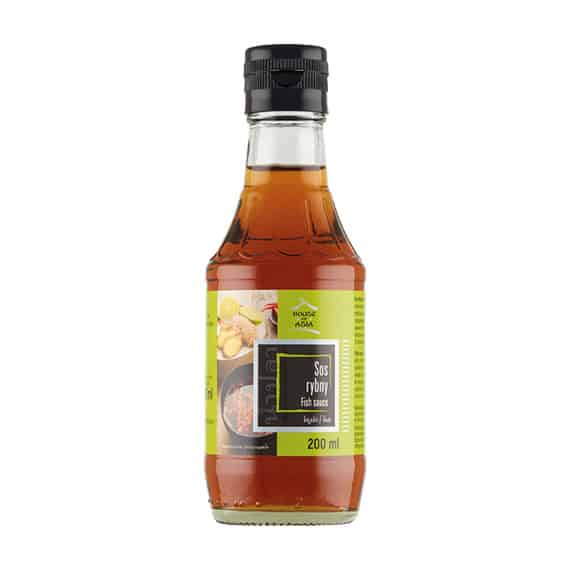
Fish sauce It is made from seafood or small fish, such as anchovies, which are salted and pressed in barrels, where they ferment. This creates a sauce, which is then clarified. Fish sauce consists of a few simple, natural ingredients: fermented fish, salt, and sugar. This is an essential ingredient, a spice that gives a characteristic, original flavor to Thai, Chinese, Korean, Vietnamese and Japanese cuisineFish sauce is used in very small amounts, just like spices, because it has an intense flavor and aroma. When added during cooking, it loses its intense fishy aroma and harmoniously emphasizes the taste of the dishFish sauce is used with fish, seafood, salad dressings, dips, soups, pasta, and even meat, which marinates perfectly with the addition of fish sauce. Thanks to the fermentation process, fish sauce, like soy sauce, is fermented. is an excellent source of B vitamins, which play an important role in the proper functioning of the nervous system. Both soy sauce and fish sauce are low in calories.