HOUSE OF ASIA
See the recipeHits
Ingredients
Diets


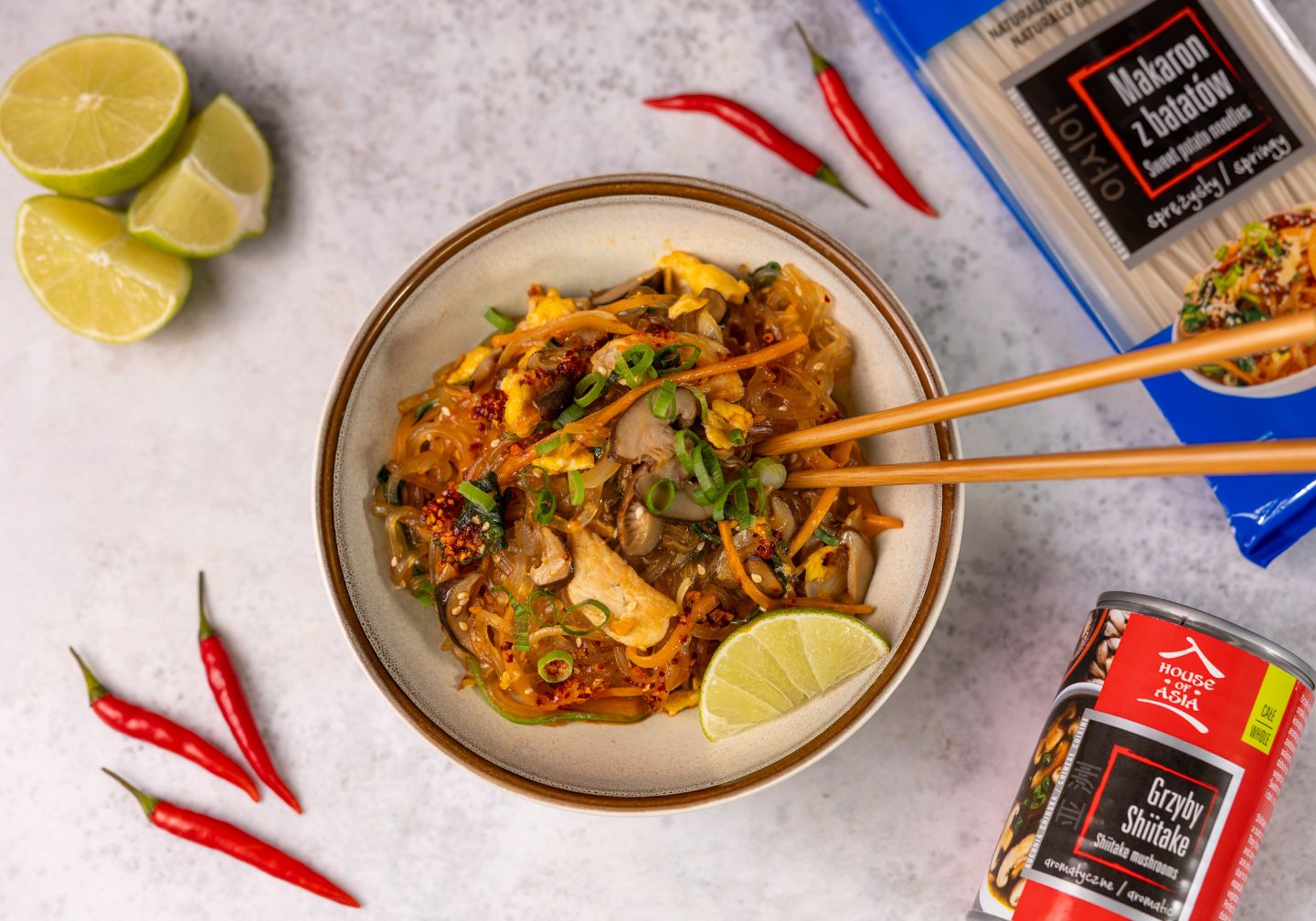


Delicate sweet potato noodles, crunchy vegetables and juicy chicken – japchae is quick dish, which delights with its rich flavor and simplicity of preparation. It's perfect for an everyday Asian-style dinner when you crave something light yet filling. The aromatic soy and sesame sauce enhances the flavor of all the ingredients. This dish can easily be adapted to your tastes by adding your favorite vegetables or more meat.
Japchae is the essence of Korean culinary philosophy. This dish combines the springiness of noodles with the crunch of fresh vegetables, all held together by aromatic sesame oil. Although in the West we often associate this dish with a quick stir-fry, it actually has royal origins. Koreans traditionally serve this delicacy during major holidays, birthdays, and family celebrations. The key to its success is the perfect balance of sweet and savory flavors. The aesthetic of the five colors, symbolizing the harmony of the universe, is also important. This makes japchae a feast not only for the palate but also for the eye.
The secret to good texture doesn't have to be preparing each ingredient separately. While traditional Korean cuisine often sautés vegetables and mushrooms separately to retain their crispness and color, sautéing everything together works just as well at home. Adding ingredients to the pan at the same time can still create a delicious, well-balanced dish—especially if you pay attention to the proper order and cooking time. The vegetables can be slightly softer, and the flavors infuse more quickly, which many people find beneficial. Ultimately, the most important thing is the final combination of the noodles with the soy sauce, sugar, and oil.
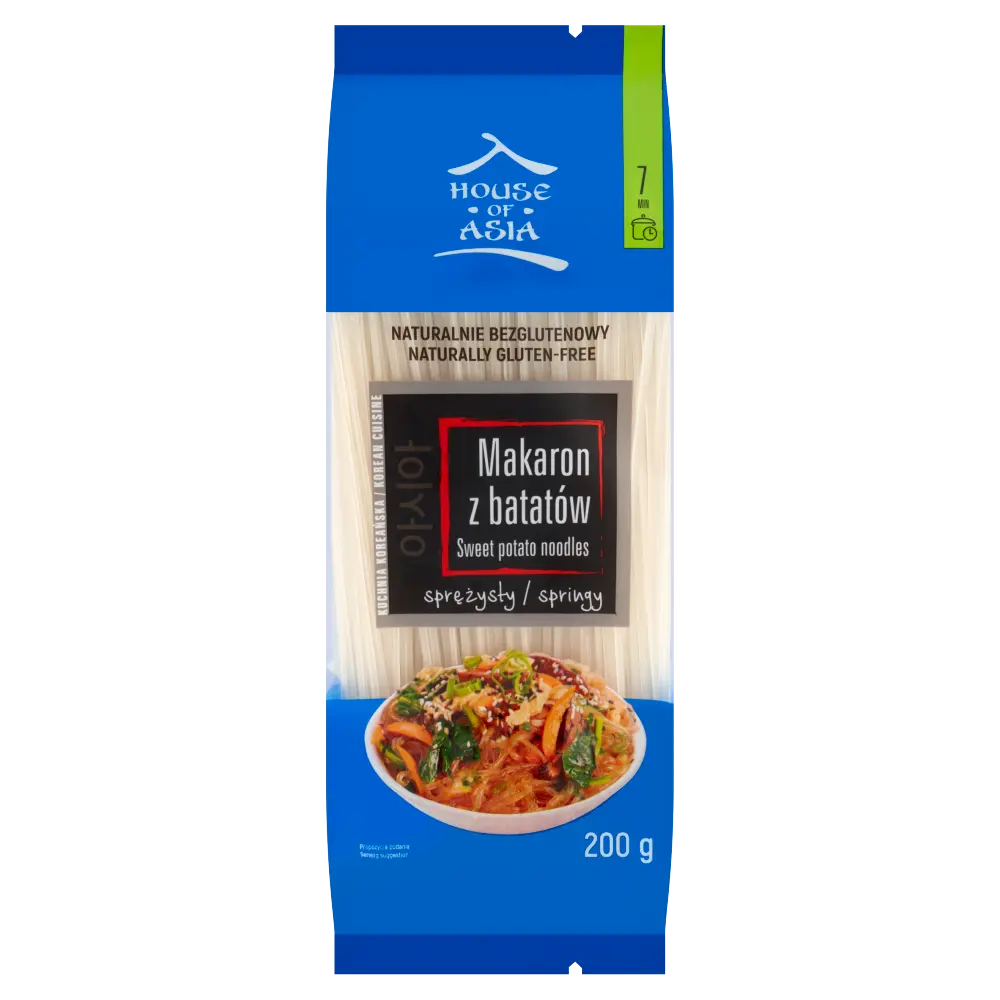
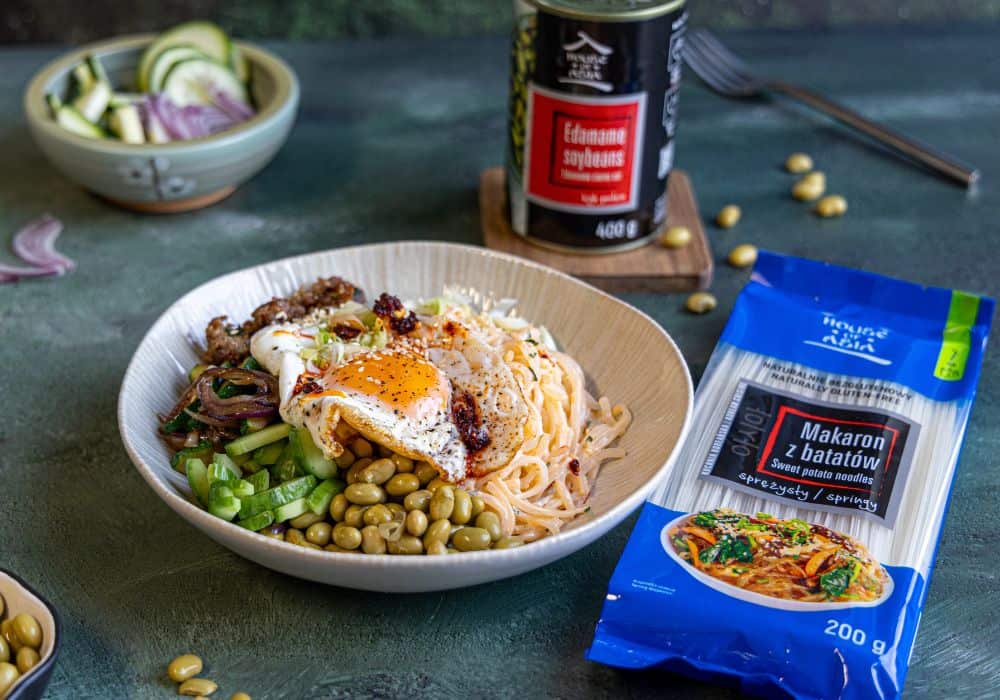
Sweet potato noodles, also called dangmyeon, are best for japchae. They are slightly translucent and springy. Unlike wheat or rice varieties, this type of noodle absorbs sauces perfectly and expands with marinades. At the same time, they don't overcook easily and retain their unique "glassy strands" shape even after reheating. Their neutral flavor creates the perfect backdrop for the intense sesame oil and sweet-salty notes of vegetables, without overpowering the rest of the composition.
The versatility of this dish allows it to be served in many ways. It works well as both a filling main meal and an exquisite appetizer. benchwhich completes the Korean table. Japchae goes perfectly with a bowl of steaming white rice (it then creates a dish called japchae-bap). You can sprinkle the whole thing generously with toasted sesame seeds to enhance the nutty flavor. Thin strips of omelet provide a traditional and elegant finishing touch (Jew) in yellow and white and finely chopped shiitake mushroomsThese ingredients add a depth of umami and contrast beautifully with the light pasta.
Yes, this dish tastes delicious both warm (right after cooking) and at room temperature. This makes japchae an ideal candidate for bento boxes or picnics. It also makes a great meal to take to work, school, or on the go – especially when you don't have the option of heating it up.
Sweet potato starch tends to harden at low temperatures. It's best to reheat the dish in a pan with a little water or oil, which will restore the strands to their original softness and elasticity.
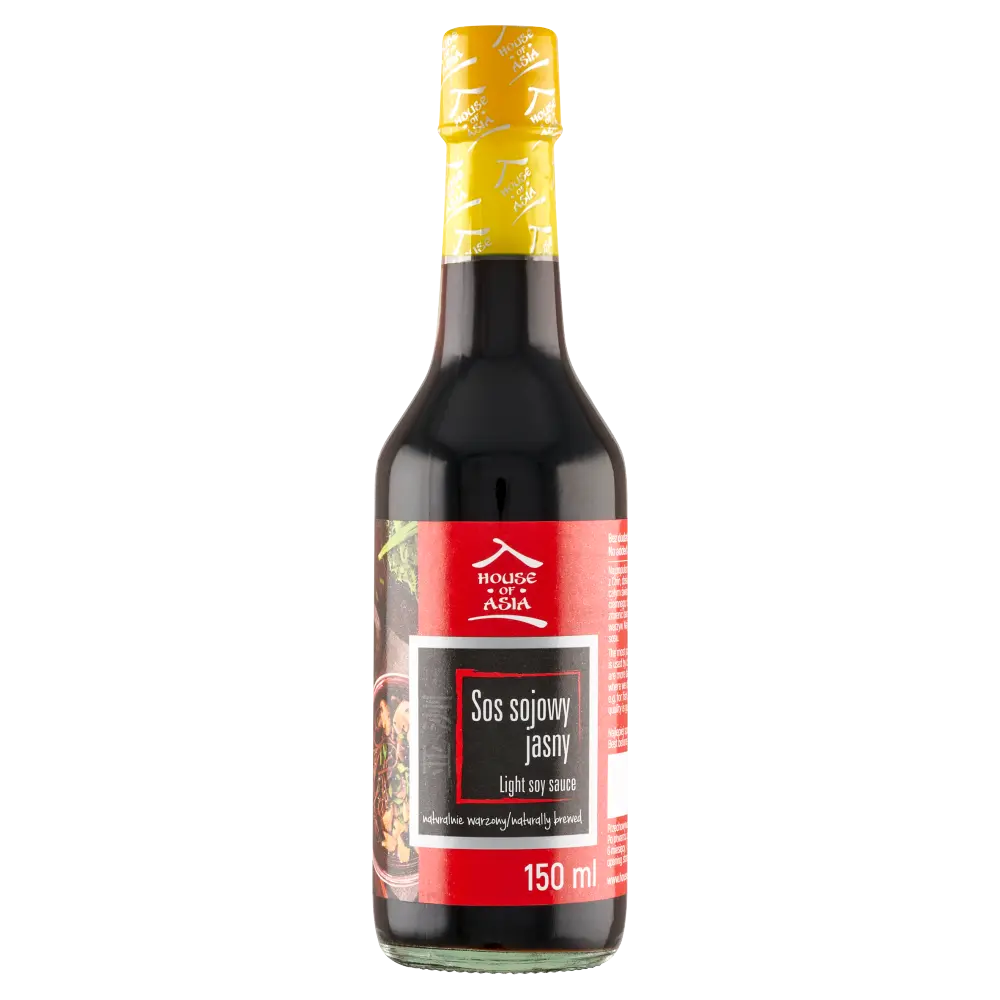
Sweet potato noodles themselves are gluten-free. Our recipe uses regular soy sauce, but you can substitute it if you like. gluten-free version available in our offer, thanks to which the entire dish will be safe for people with intolerances.
Technically it is possible, but it will completely change the character of the dish. Rice noodles it is less elastic, more fragile and overcooks faster, losing the unique texture of the original.



































 Chicken
  Korean
  15-30 minutes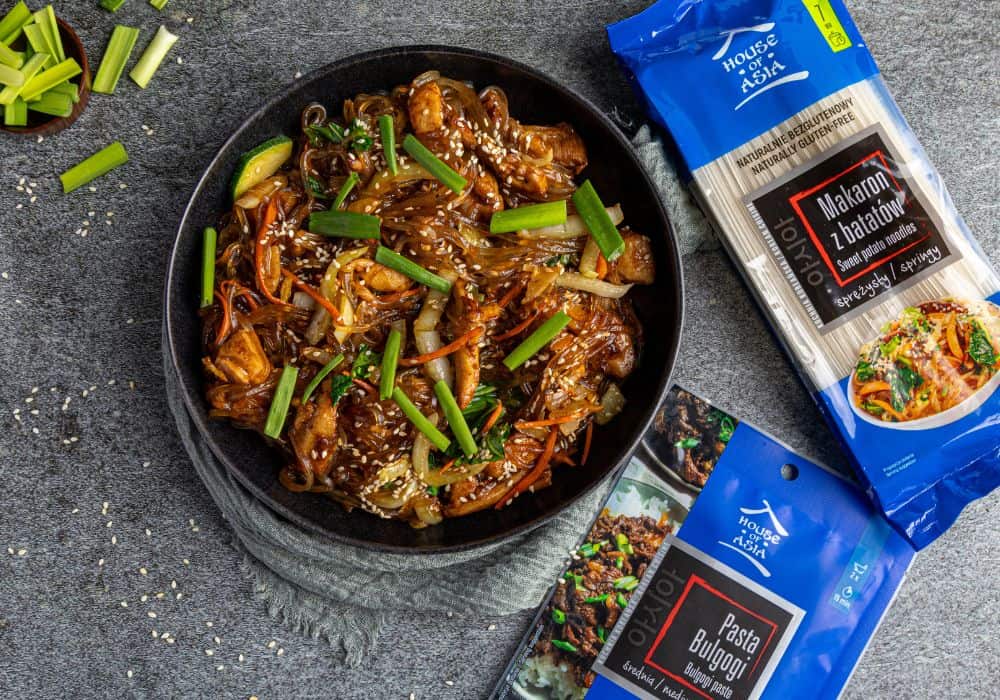
 Pasta
Pasta 
 Chinese