HOUSE OF ASIA
See the recipeHits
Ingredients
Diets


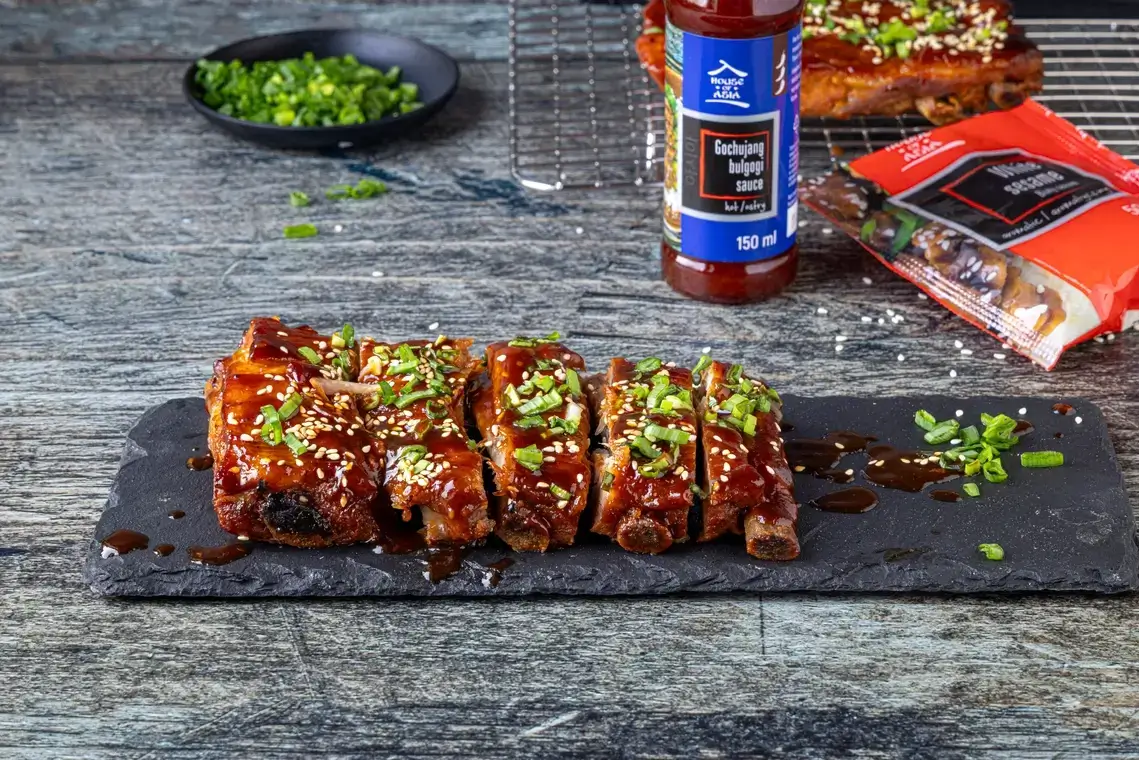


Korean cuisine has long captivated with its intense flavors, its balance of sweetness, spiciness, and umami, and its exceptional depth of aromas, which is difficult to confuse with any other cooking style. One dish that perfectly captures this character is Korean-style ribs – juicy, tender meat coated in a thick, slightly spicy marinade made with gochujang bulgogi paste. This recipe is perfect for both a family dinner and a barbecue, and its preparation is not as complicated as it might seem.
Marinade:
Korean-style spare ribs are a perfect example of how traditional pork can take on a whole new character with the right spices and preparation technique. Korean-style grilling involves not only heat treatment but also building flavor through a suitable marinade and slow roasting, which allows the ingredients to penetrate the meat. This results in juicy, tender, and deeply flavorful ribs.
This is what it is based on Korean cuisine – on a balance of flavors, intense marinades, and a process that extracts the most from simple ingredients. It encourages experimentation and the discovery of new combinations in which spiciness, sweetness, and umami create a cohesive whole.
Korean-style ribs taste best when paired with ingredients that balance their intense, slightly spicy character.
At home, they are most often served with sticky rice, which perfectly absorbs the aromatic sauce and brings out the full flavor of the meat. It's a classic and simple combination that always works.
It's worth remembering, however, that in the case of barbecues or outdoor gatherings, rice is not always a practical choice - in such situations, ribs taste great wrapped in lettuce or simply served with bread.
Salads will also be a great addition – for example, with cucumber, pickled radish or carrots – which introduce lightness, freshness and a pleasant crunch.
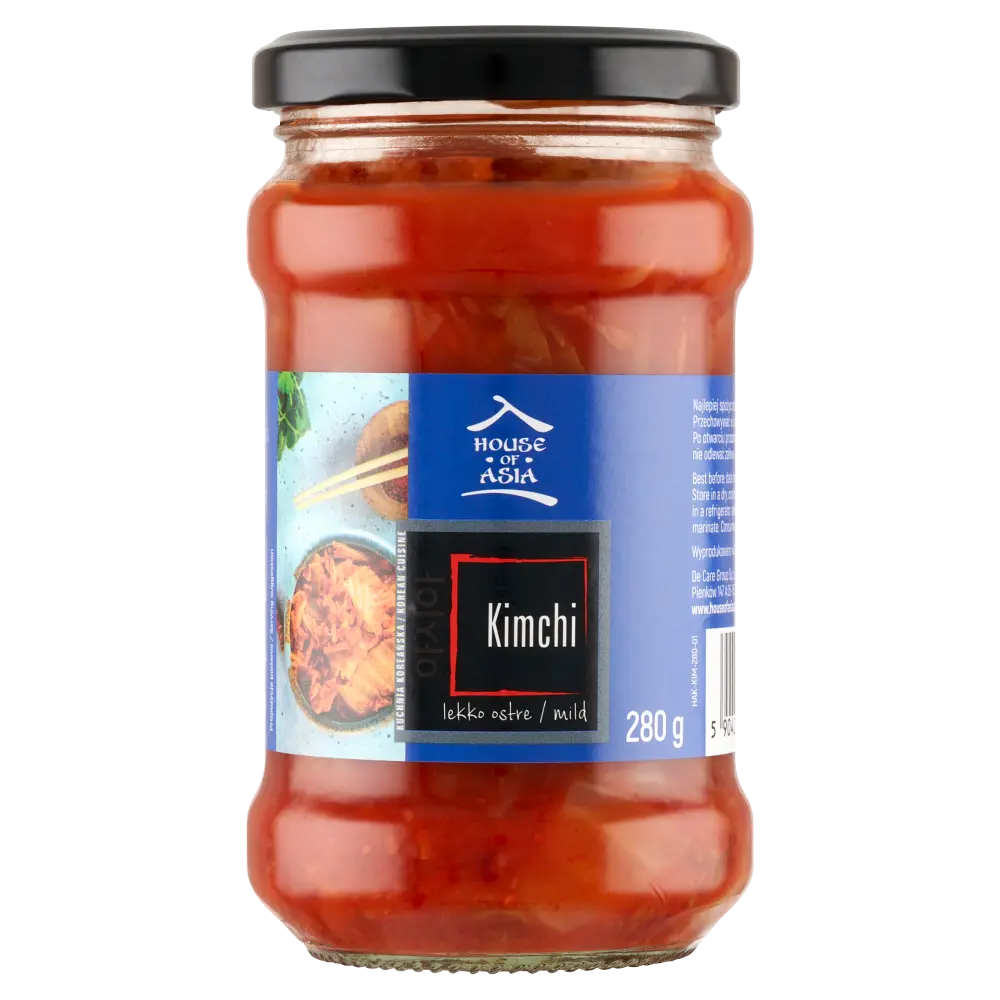
In many Korean homes, kimchi is also served with this type of dish, which, thanks to its fermented structure, contrasts perfectly with the soft, juicy meat. A convenient solution is a ready-made kimchi – quick to use, no preparation required, and at the same time appreciated for its natural ingredients and intense flavor.
The whole thing can be additionally sprinkled with roasted sesame seeds, which not only enhances the flavor but also adds a pleasant texture.
Korean barbecue is more than just a way of preparing meat—it's an entire eating ritual that has held an important place in Korean culture for years. During barbecue gatherings, people prepare and enjoy a meal together, and the meat is grilled in small portions, served as they are served.
Successful grilling relies on a few simple but crucial rules. It's not just the meat itself that's crucial, but the entire preparation process—from selecting ingredients, through marinating, to controlling temperature and cooking time.
When it comes to Korean-style ribs, the marinade is particularly important, giving the meat its distinctive, deep flavor and making it tender and juicy. Patience is equally important – proper marinating time and slow roasting or grilling under cover allow for the meat to melt in your mouth.
Yes, ribs are also great baked. Just follow the same marinating process and then bake the meat covered in the oven to retain its juiciness. It's important to remember that slow cooking is key, as it allows for a tender texture and intense flavor.
For best results, roast the ribs slowly at approximately 150–160°C (320–340°F) for 2,5–3 hours. It's a good idea to cover the dish (e.g., with foil or a lid) to retain moisture and keep the meat juicy. You can uncover the ribs for the last 10–15 minutes to lightly brown them and enhance the flavor of the marinade.
There's no need for that. It's best to cook ribs directly in the marinade—a long, low-temperature roast is more than enough to tenderize the meat. By skipping the cooking process, you also retain more flavor, which permeates directly from the marinade into the meat.
Of course, longer marinating is recommended. Leaving the ribs in the marinade overnight will deepen the flavor and allow the spices to penetrate the meat better, resulting in a more distinctive end result.
It's best to heat them slowly, covered, in the oven at around 140–150°C (350–370°F) or in a pan with a little water or sauce to help retain moisture. This will keep the meat juicy and the marinade glaze "revived" instead of drying out.
Korean cuisine offers many variants marinadesthat can be used for grilling. These include mixtures based on soy sauce, garlic, ginger, and gochujang paste in various versions.
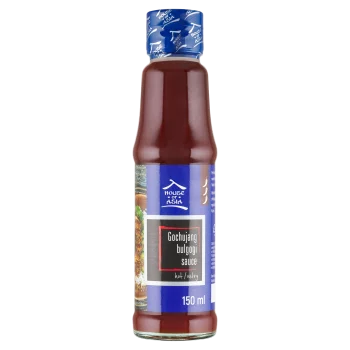
Bulgogi marinade with gochujang bulgogi sauce It's incredibly versatile and works well not only with grilled meats. It can also be used for pan-frying, stir-fries with vegetables, and even as a base for quick rice bowls. It also pairs well with thinly sliced beef, chicken, or tofu, making it easy to adapt to a variety of cooking styles.
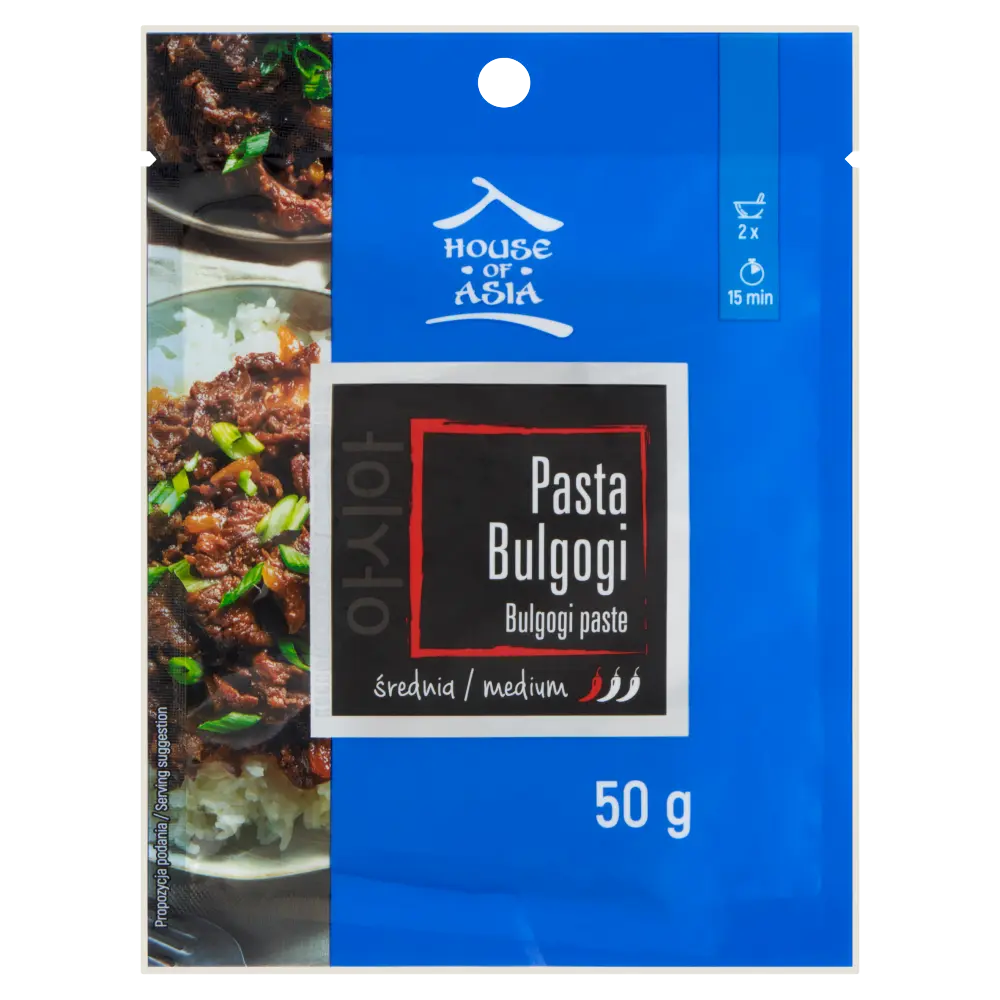
It is also worth mentioning bulgogi paste, which is a more concentrated version of the marinade. Bulgogi paste It is great for seasoning pasta, pan-fried vegetables or even as a base for burger or sandwich sauces, giving them a characteristic Korean, slightly sweet and spicy flavor.



































 Chicken
  Thailand
  15-30 minutes
 Korean
 Indian
 Pork
Pork