Rolling and cutting kimbap step by step – a technique for preparing the perfect roll
Rolling kimbap may seem like the most difficult part of the preparation process, but in practice, it requires, above all, the proper arrangement of ingredients and a decisive movement. A bamboo sushi mat can be a great help, helping to evenly press all the layers and shaping the roll. This makes it easier to roll the kimbap tightly and evenly, preventing it from falling apart when cut.
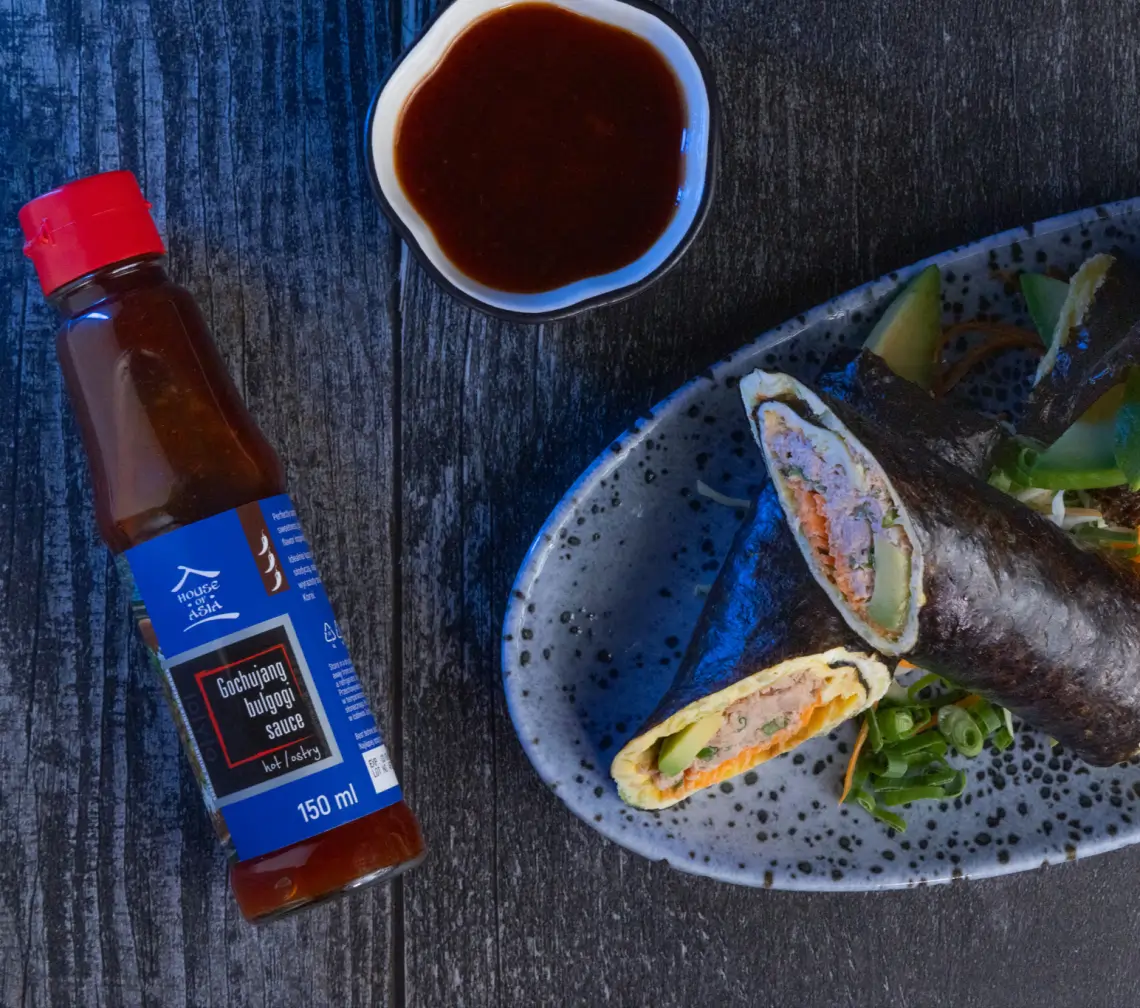
It's important to remember not to overdo the filling. The tuna, omelet, carrots cut into thin strips, and avocado slices should form a compact composition, but they shouldn't make it difficult to close the roll. When rolling, first wrap the ingredients tightly in a sheet of nori, then gradually press the roll down, pushing the bamboo mat forward. Pressing the roll evenly will ensure a regular shape and a uniform thickness along its entire length.
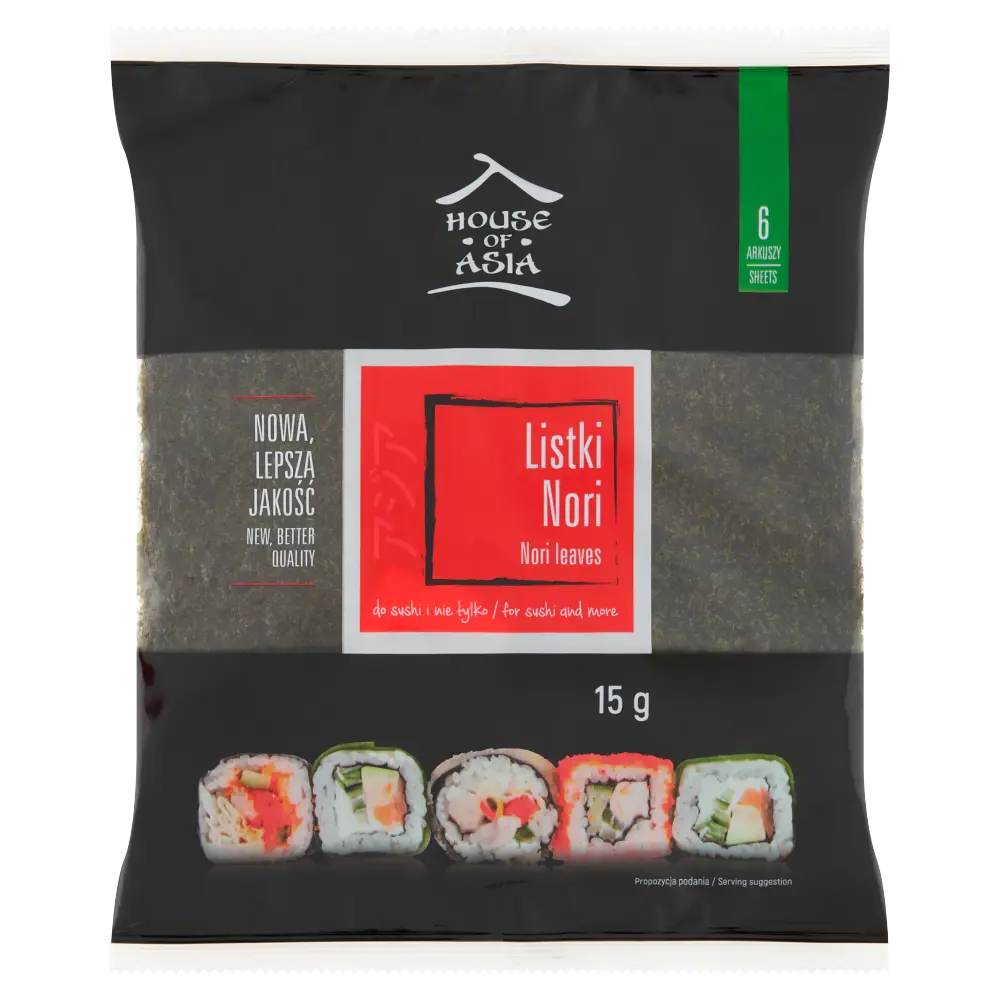
The placement of the nori is also important. The outer surface of the finished roll is a sheet of algae, so it's important to ensure it's rolled correctly and avoid excessive contact with the moist filling before serving.
Slicing is equally important. Nori and the moist filling are easiest to cut with a very sharp knife. Instead of pressing down hard, use a smooth motion to cut through all the layers without crushing the roll. This will ensure the cut pieces retain their aesthetic appeal, and the individual ingredients are clearly visible.
Korean kimbap and Japanese sushi – differences and secrets of seasoning the filling
Kimbap and some types of sushi may appear similar at first glance, as they are rolled into rolls wrapped in nori. However, these dishes stem from two distinct culinary traditions. Kimbap is a distinctive Korean dish, and its name comes from the words "gim," meaning seaweed, and "bap," meaning rice. This recipe is a modern version without rice, using an omelet as the base filling. Differences between kimbap and sushi include the composition and seasoning of the ingredients.
In Japanese sushi, one of the most important elements is properly prepared sushi riceIts distinctive flavor comes from a rice vinegar-based seasoning, often accompanied by sugar and salt. Sushi is also often associated with raw fish and seafood, though there are, of course, many variations using other ingredients.
Korean kimbap, on the other hand, offers a wide range of filling options. Rolls can be filled with eggs, vegetables, meat, or fish, and individual ingredients can be pre-fried, boiled, or seasoned. Traditional kimbap is dominated by pickled vegetables and simpler proteins. Soy sauce, sesame oil, and sesame are used to season the rice and other ingredients. A good example is Korean kimbap with bulgogi beef, egg and vegetables, in which the expressive, previously prepared filling plays as important a role as the other elements of the roll.
In this version, the kimbap's flavor is built on a creamy, slightly spicy filling of tuna, mayonnaise, and gochujang bulgogi sauce. The sauce brings a pleasant spiciness, a subtle sweetness, and a slightly caramel aroma, while the avocado softens the overall flavor, and the carrots and cabbage add freshness and crunch. Nori adds an intense, marine note to the composition.






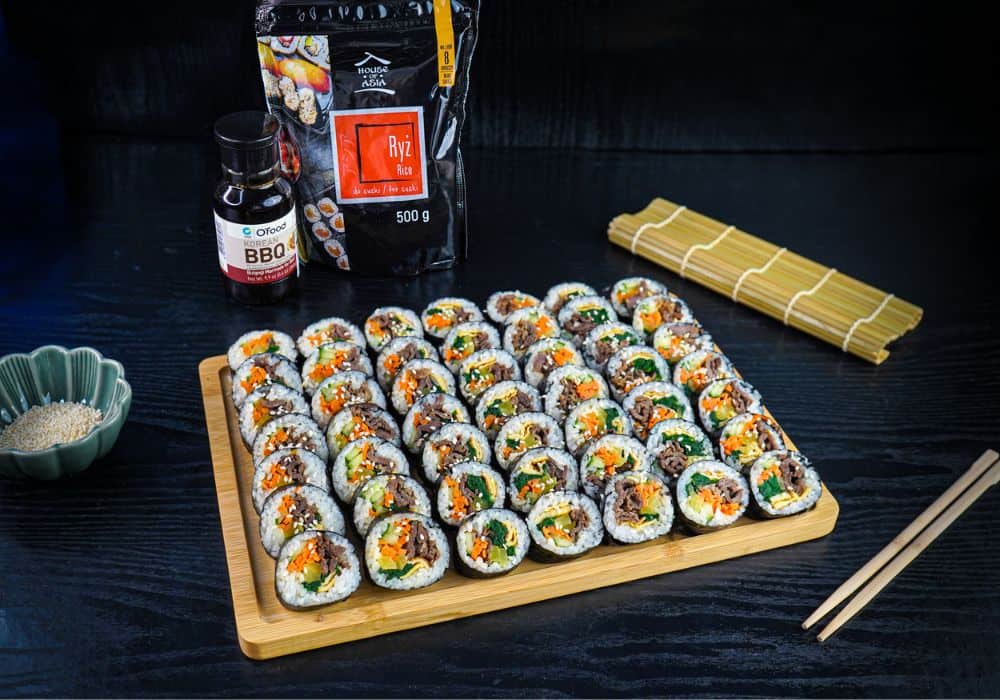
 Beef
Beef  Korean
  over 30 minutes
 Chicken
 Vegetables
  Japanese
 Ryba
Ryba