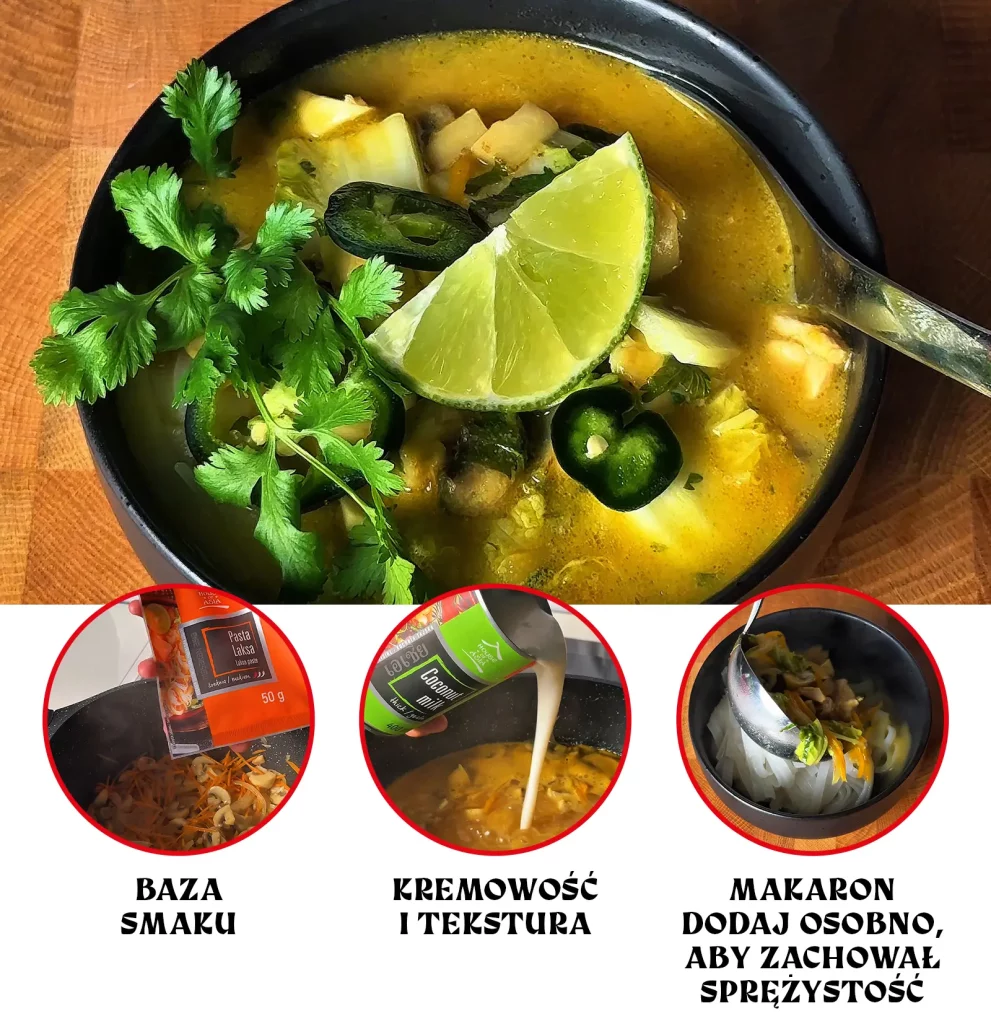
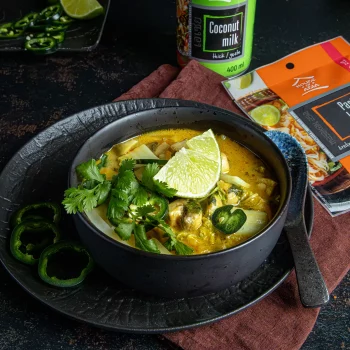
Laksa soup with chicken and rice noodles – a simple recipe

30 min
4 servings
mild

4.3 / 5. Number of votes: 58

No one has rated this recipe yet.

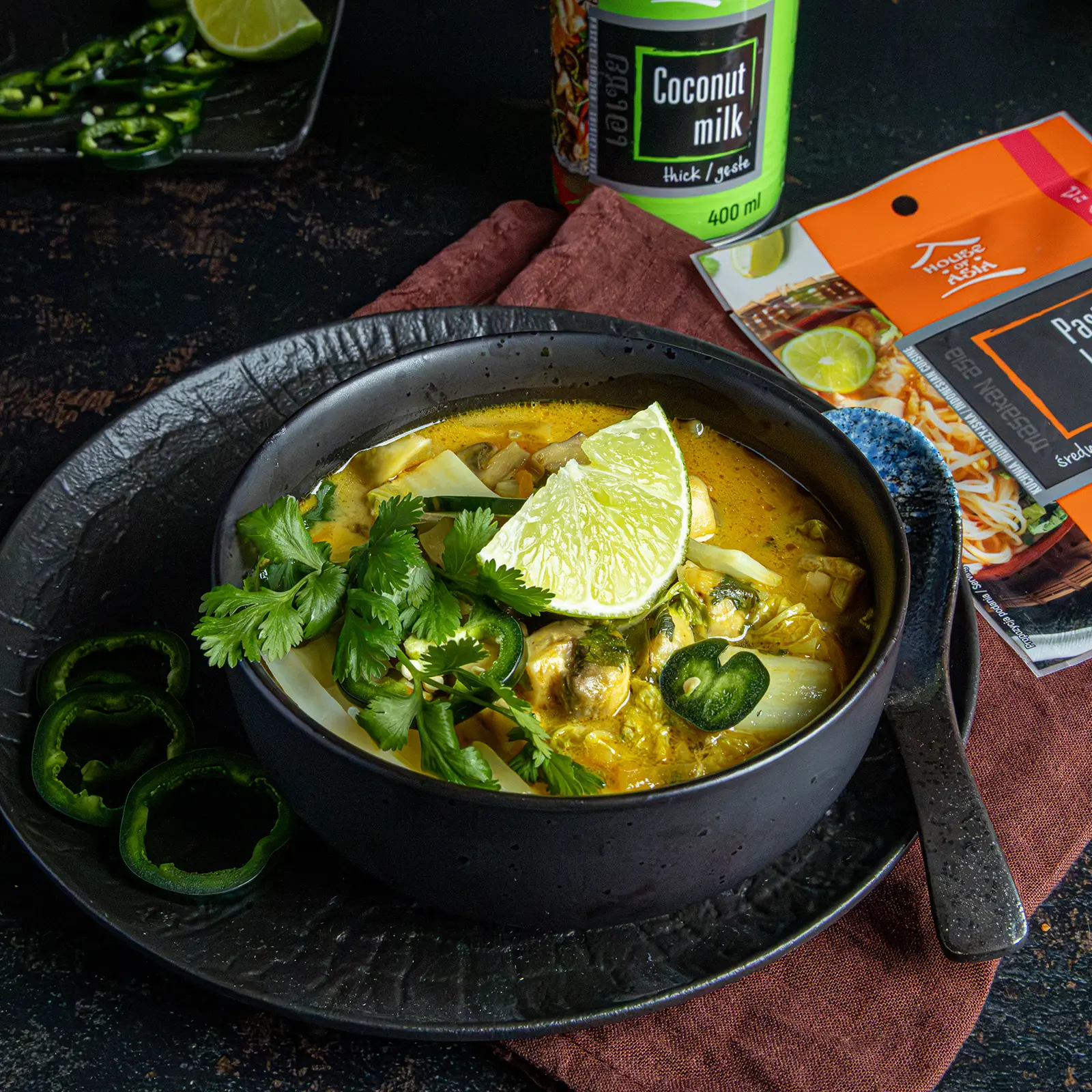
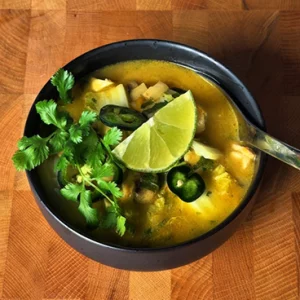
Creamy, aromatic, and full of flavors characteristic of Southeast Asian cuisine, laksa soup is perfect for those who enjoy a blend of aromas and textures in one bowl. The rich broth combines with delicate coconut milk and bold laksa paste, while chicken, vegetables, and springy rice noodles make the soup filling and full of character. Fresh cilantro complements the dish, adding a light, herbal note and offsetting the creaminess of the coconut.

Ingredients

  • 50 gr House of Asia Laksa Paste
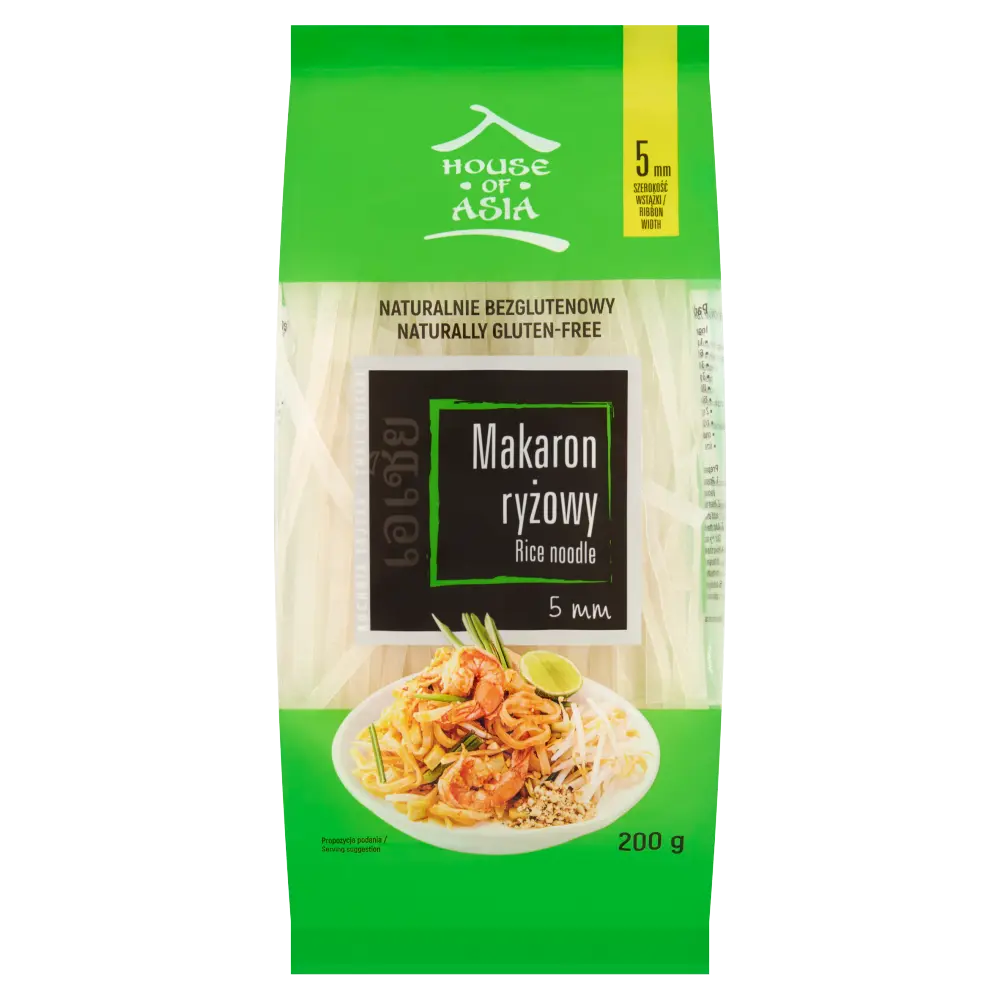
  • ½ pack 5 mm rice noodles House of Asia
  • 500 ml chicken broth
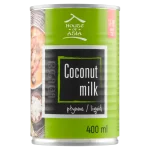
  • 200 ml coconut milk
  • 1 small onion, sliced ​​into feathers
  • ½ carrot cut into sticks
  • 5 mushrooms cut into half-slices
  • 50 g Chinese cabbage, coarsely diced
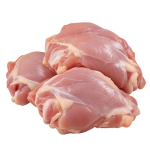
  • 150 g chicken drumsticks, cut into strips
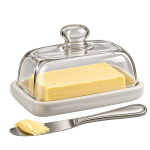
  • 2 tablespoons of butter
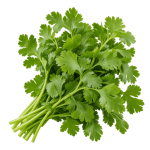
  • 2 tablespoons finely chopped coriander

A method of preparing

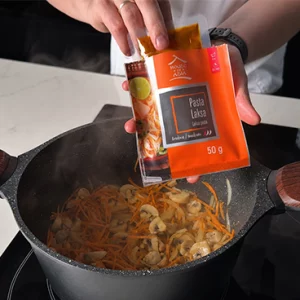
  1. In a pot over medium heat, heat the butter and sauté the onion, carrots, and mushrooms. Then add the laksa paste. Pour in the broth and bring to a boil.

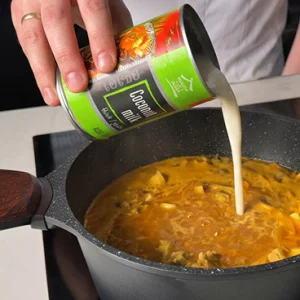
  2. Add the chicken and coconut milk to the broth. Finally, add the Chinese cabbage and bring to a boil.

  3. Cook the pasta according to the instructions on the packaging.

  4. Serve the hot soup with noodles and fresh coriander.

If you're making the laksa ahead of time, store the cooked noodles separately and add them to the bowls just before serving. This will prevent them from soaking up the broth and help them stay firm longer.

Laksa – the aromas of Southeast Asia in one bowl

Laksa is a family of aromatic noodle soups that have long been a part of the culinary landscape of Southeast Asia, particularly Malaysia, Singapore, and Indonesia. It's a cuisine rich in influences and intertwining traditions, featuring, among other things, a fusion of flavors characteristic of Chinese and Malay cuisines. It's no wonder, then, that the term "laksa" now encompasses numerous regional variations.

One of the most recognizable is curry laksa, also known as laksa lemak, which is based on a creamy coconut base. Asam laksa has a completely different profile – more sour and fishy, ​​with a distinct note of tamarind. This diversity makes it difficult to define a single universal laksa flavor. Our recipe is an accessible, homemade interpretation of this dish, where the creaminess of coconut milk meets the aromatic paste, chicken, vegetables, and rice noodles.

If you want to discover more flavors of this part of Asia, check out other recipes inspired by Indonesian cuisineAnd if you particularly like laksa, be sure to try it too warming cod soup – this is another way to prepare this aromatic dish.

Creamy coconut broth and bold laksa paste

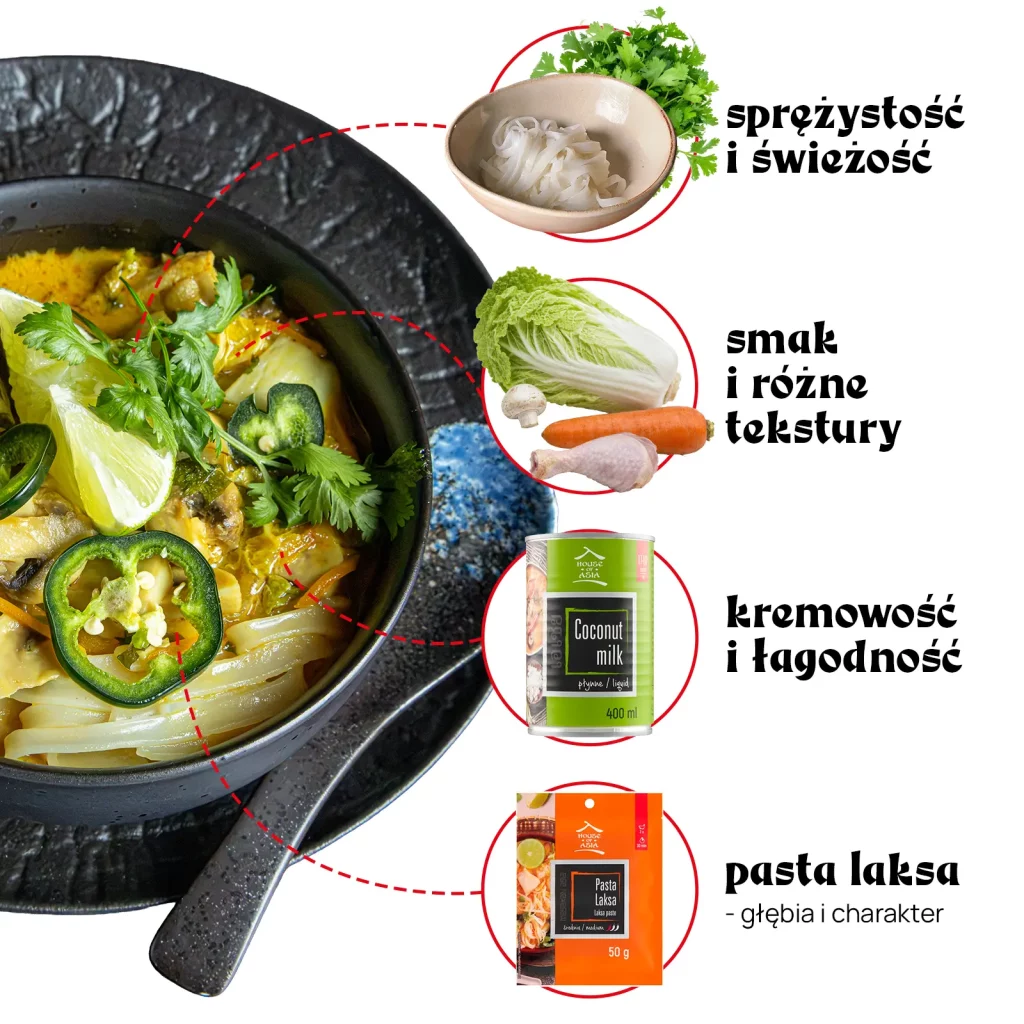
The secret to successful laksa is the right combination of intense paste with milder ingredients. Laksa paste It provides the soup with depth and character, while the coconut milk gives it a velvety texture and a delicately sweet flavor. This gives the broth a distinctive flavor while also being pleasantly creamy.

Vegetables also play an important role, bringing a variety of flavors and textures to the soup. Sautéed onions, carrots, and mushrooms become soft and aromatic, while the Chinese cabbage added at the end retains a pleasant springiness. This allows each spoonful to combine the creamy broth with chunks of vegetables and tender meat.


The complement is rice noodles – light, springy, and perfectly absorbing the soup's flavors. Preparing it separately allows for the right consistency, and fresh cilantro added just before serving brings a herbal freshness that offsets the richness of the coconut broth.

Author of the entry: Jarosław Owczarczyk, House of Asia kitchen cabinets

House of Asia Culinary Expert

Jarosław Owczarczyk

Chef

She passionately explores the flavors of world cuisines and translates them into recipes that can be prepared at home. She values ​​quality ingredients, distinctive aromas, and simple techniques that bring out the maximum flavor in dishes. Her dishes combine her culinary experience with creativity and a practical approach to cooking.

Most frequently asked questions

Laksa is an aromatic noodle soup originating in Southeast Asia and available in many regional varieties. Depending on the version, its base may consist of spiced paste, broth, and coconut milk, or more acidic ingredients, characteristic of varieties such as asam laksa.

Curry laksa, also known as laksa lemak, is typically creamy and coconut milk-based. Asam laksa, on the other hand, has a more sour, fishy flavor, and one of its signature ingredients is tamarind. This recipe, thanks to its use of coconut milk, is closer to the curry laksa family.

No. The spiciness of laksa depends on, among other things, the type and amount of paste used and whether any other spicy ingredients are added to the soup. Our version is mild, so it's also perfect if you enjoy bold, aromatic flavors but don't enjoy very spicy soups.

5mm rice noodles are perfect for this version of laksa. Their springy texture complements the creamy coconut broth well, and the appropriate width allows the noodles to absorb the broth's flavor without overpowering the other ingredients. Depending on the type of laksa, you can also find thinner rice noodles or egg noodles.

If you want to prepare laksa in a different way, you can replace the chicken with fried tofu or shrimp, for example. However, it's worth remembering that simply using tofu doesn't automatically make the soup vegetarian or vegan. House of Asia's laksa paste contains fish sauce, so when preparing a plant-based version, check the ingredients of the paste and other ingredients to choose a paste suitable for your diet.

If you don't plan to eat the entire soup immediately, store it in the refrigerator in a tightly sealed container. When reheating, it's best to do so slowly, over low heat, bringing the soup to the desired temperature without prolonged, intensive cooking. It's best to store the rice noodles separately and only add them to the serving just before serving. This will prevent them from absorbing too much broth and will maintain their firmness.

You can buy our products here