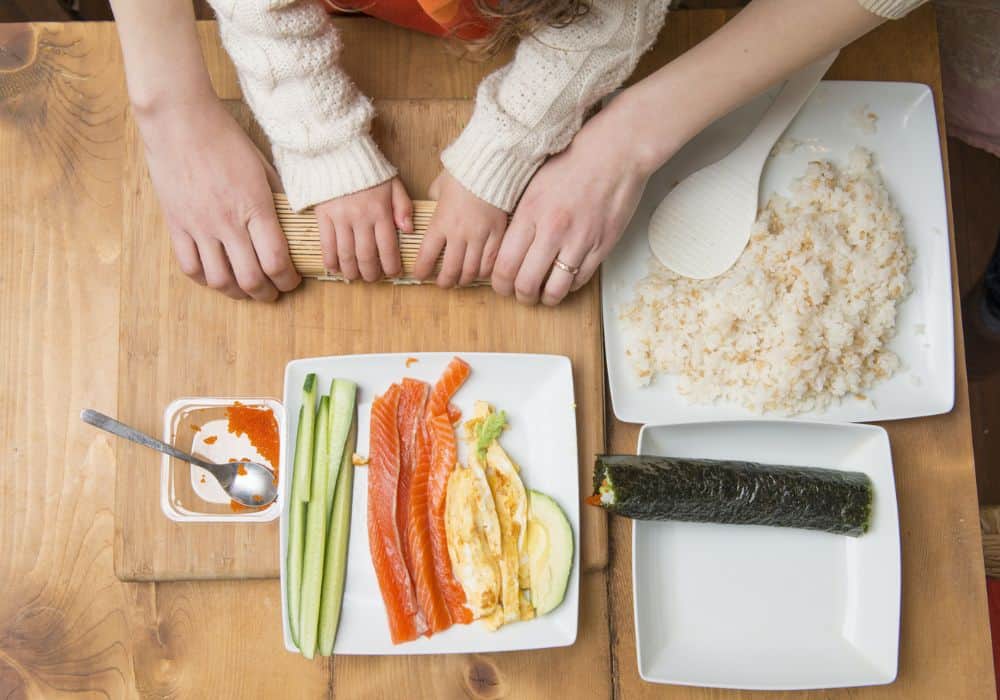


Vegetables are the foundation of a typical Japanese meal. Japanese children primarily eat plenty of green beans, red peppers, zucchini, eggplant, onions, beets, radishes, carrots, lettuce, sweet potatoes, and shiitake mushrooms. These foods provide plenty of vitamins, minerals, fiber, and antioxidants while being low in calories, helping children develop strong immunity, maintain a healthy body weight, and avoid constipation.
Rice is another important component of a Japanese meal. It's worth introducing brown rice into a child's diet, for example, for dinner, replacing white pasta, or for breakfast with stewed apples, instead of sweet cereals. Brown rice gives a greater sense of satiety, leaving no room for salty snacks and sweets. Furthermore, it's rich in minerals such as magnesium and manganese, which have a positive effect on the nervous and skeletal systems of developing children. Brown rice is also an excellent source of B vitamins, which positively affect concentration and mood, and reduce fatigue, translating into a child's better well-being and academic performance.
It's also worth noting that Japanese children consume moderate amounts of dairy products, significantly less than children in the Western world, including Poland. Nevertheless, their diet includes many foods rich in calcium or containing substances that improve calcium absorption. It's worth learning about them and diversifying your child's diet during this period of intense bone development. These include seaweed, sesame seeds, toasted sesame oil, miso paste, green vegetables, and cabbage.
The diet of Japanese children is also rich in iodine and omega-3 fatty acids, which are sourced from marine algae such as kombu, wakame, nori, and fish. These nutrients play a crucial role in proper brain development, growth, and immune system function, and their deficiency is often observed in the Polish diet due to low fish consumption.
It turns out that the traditional lifestyle of a young Japanese child is consistent with current Polish and global nutritional recommendations, with particular emphasis on eating more vegetables, fruit, whole grains, and less saturated fat, meat, dairy products, and sugar, while also remembering about regular daily physical activity.
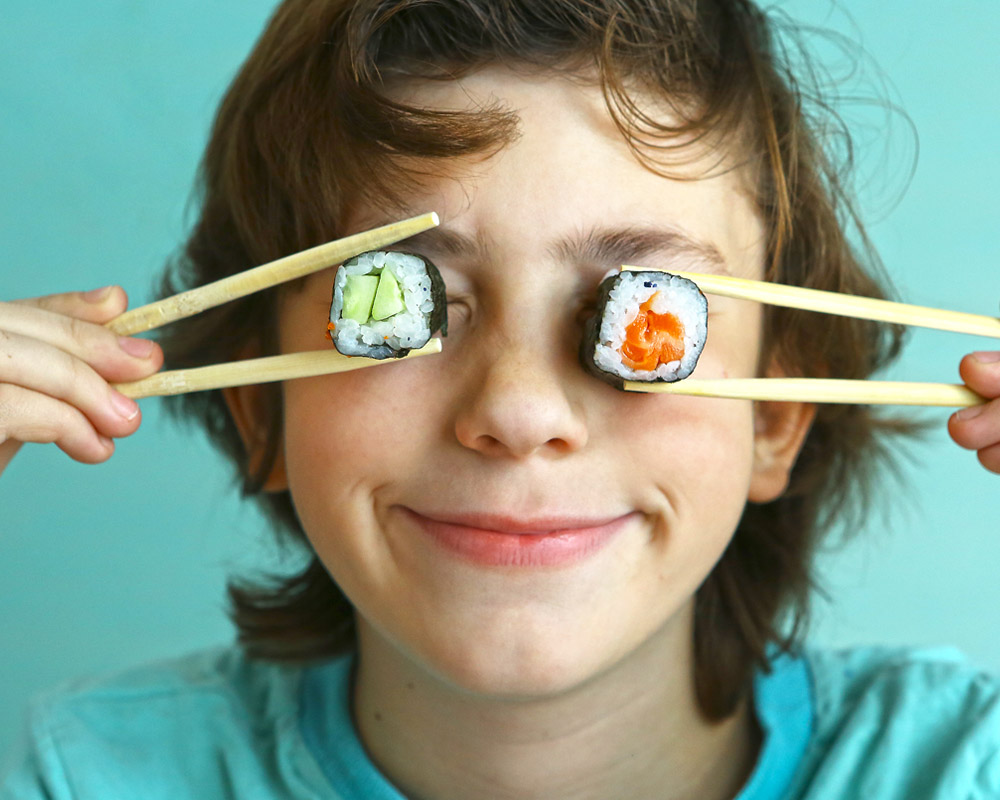
Need ideas for tasty, healthy meals for kids? Try our recipes for sushi for children i miso soup.
Clinical Dietitian Monika Wodyczko