





Instead of salt…
Is it irreplaceable? It brings out the flavor in sauces and meat dishes, softens vegetables, and draws out the bitterness, for example, from eggplant. It's definitely the most popular spice in the world, but is it healthy? Not at all. In this case, Asia has several interesting and certainly healthier substitutes to offer.
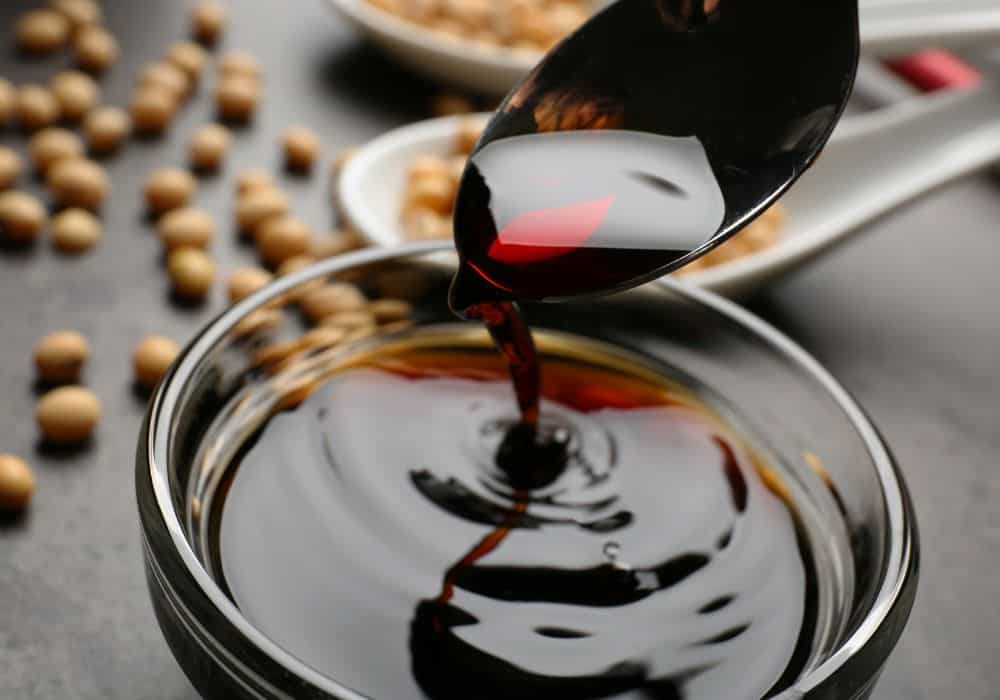
Let's start with light soy sauce. It's made through a brewing process lasting about six months, during which the soybeans ferment, acquiring a salty flavor and a brown color. The resulting soy sauce is by far the most aromatic of all soy sauces. Adding it to dishes will create a delicate, oriental, and slightly salty flavor. It's also available in a gluten-free version—it's milder in flavor, but still excellent and versatile. Soy sauce.
Dark soy sauce, much thicker, is perfect for marinades. It's salty, yet has a pleasant caramel flavor, creating a glossy glaze when added to meats or vegetables.
In Thailand, fish sauce salts every dish! You could say it's an anchovy extract. The aroma, well, it might not be overwhelming at first sniff, but it's worth a try. It naturally enhances the flavor of soups and sauces; we know some who add it to broth.
You can live without gluten, and how!
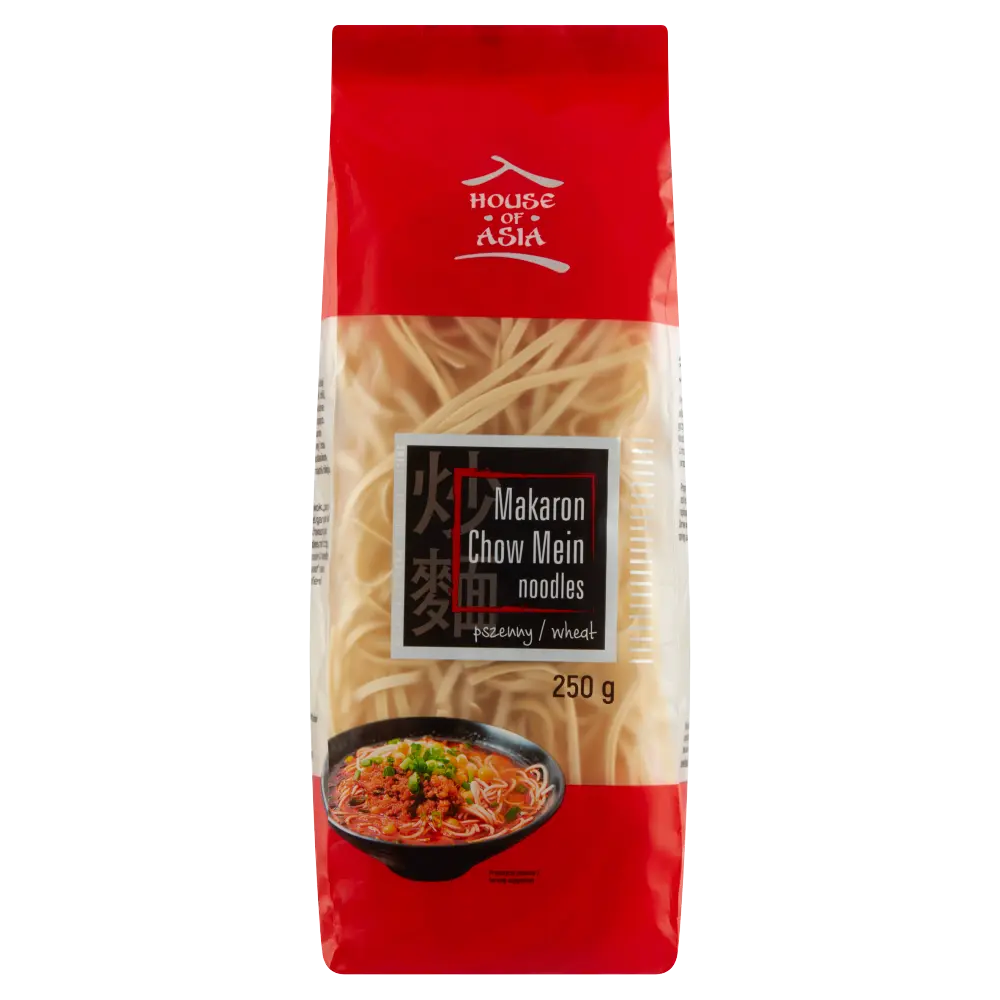
We've already mentioned sauces. For the uninitiated, fish sauce is also gluten-free, but we Poles love pasta. For soups, sauces, even salads... Does it have to be made from wheat? Thais are essentially gluten-free and doing just fine. Their rice noodles can be a perfect substitute for wheat noodles. They go well with tomato soup, broth, and sauces, and because they're also egg-free, vegans love them. Thick noodles are great for soups and sauces, while thin vermicelli is great for salads and spring rolls.
Instead of milk…
Today isn't the time to debate whether cow's milk is necessary in the diet – we'll ask our dietitian, Aneta, about that, but the fact is that plant-based milks are very popular. And again, the question arises – why don't Asians drink cow's milk? They can't tolerate it, which is why they have several other plant-based "milks."
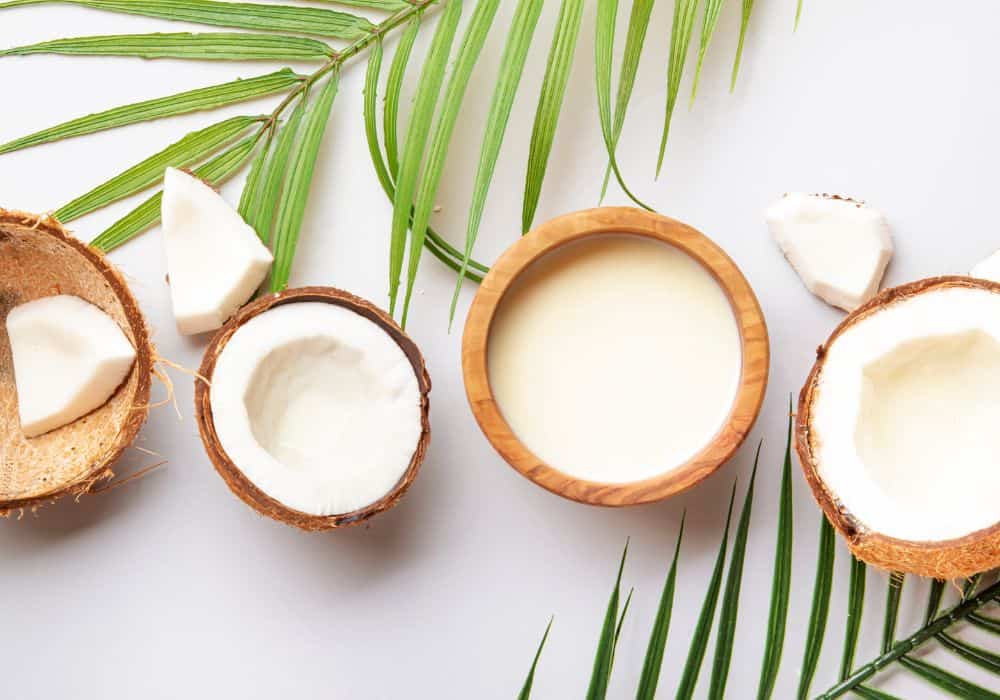
The most popular are soy and coconut. Tofu, for example, is made from the former. Coconut milk—delicate and creamy—is the answer for vegans and lactose-free individuals, but it's delicious beyond those who "must" drink it. It replaces cream in soups and sauces, milk in cocktails, and cream in desserts. It's a base for pancakes, suitable for whipping cream and making chocolate butter. It's, of course, an essential ingredient in curry. The list of uses could be very long, as everyone has their own favorite ways to use coconut milk, but it's also worth noting that it has another added benefit: It smells of coconut! Slightly sweet, thick, or runny, depending on the fat content.
What is protein made of?
Meat, meat, meat… What if you don't eat it?
Miso paste comes in handy. You can make a quick miso soup with it, with the addition of wakame. Tofu is a staple of the Japanese diet and a real energy and nutritional powerhouse.
There are also shiitake mushrooms. They have a slightly meaty flavor and texture. They are distinctive in taste and, above all, packed with health benefits. Mushroom soup will definitely love them; they have a more intense flavor than Polish mushrooms, so fewer are needed to achieve a rich aroma.
A final gem: Wakame – seaweed for soup salads. It provides not only protein but also several valuable vitamins. Find out why our dietitian Monika recommends adding it to your daily diet – SEAWEED: THE SEA ON YOUR PLATE. WHY INCLUDE IT IN YOUR DIET?
How do you use Asian products in your kitchen?
