

The number of people following a gluten-free diet is constantly growing
There are many reasons for this phenomenon. One is the emergence of numerous scientific and popular science publications on the harmful effects of gluten in the daily diet. Access to diagnostic tests, such as specific blood antibody tests, food intolerance tests, and genetic testing, has improved, allowing more and more people to learn about the presence or risk of various types of gluten sensitivity. In some people, test results may be normal, and there is no need to eliminate gluten from their diet. In others, they may indicate non-celiac gluten sensitivity, which often requires only a temporary gluten elimination period, during which a properly balanced diet aims to rebuild the intestinal barrier and strengthen the immune system. Celiac disease is diagnosed in 1% of the population, and in this case, gluten must be eliminated for life, as even trace amounts of it damage the intestinal epithelium responsible for nutrient absorption, leading to numerous nutritional deficiencies. It's worth emphasizing, however, that because celiac disease is considered a rare disease and often doesn't produce the typical symptoms of emaciation and abdominal distension, testing for it is rarely ordered. A 2015 nutrigenetic study conducted by the Italian laboratory NGB Genetics on a group of 1000 Poles revealed the existence of genes that increase the risk of developing celiac disease in 45% of the sample, 21% of whom had a very high risk. Among the nonspecific symptoms that may be associated with gluten intolerance and thus the reason for eliminating gluten from the diet are the increasingly frequently diagnosed autoimmune diseases such as Hashimoto's thyroiditis, Crohn's disease, rheumatoid arthritis, and autism spectrum disorders. At the same time, for some people, eliminating gluten from their diet has become synonymous with following a healthy lifestyle, despite feeling great and not suffering from any illnesses. For this reason, the topic of a gluten-free diet has become extremely controversial and controversial.
But let's start from the beginning and ...
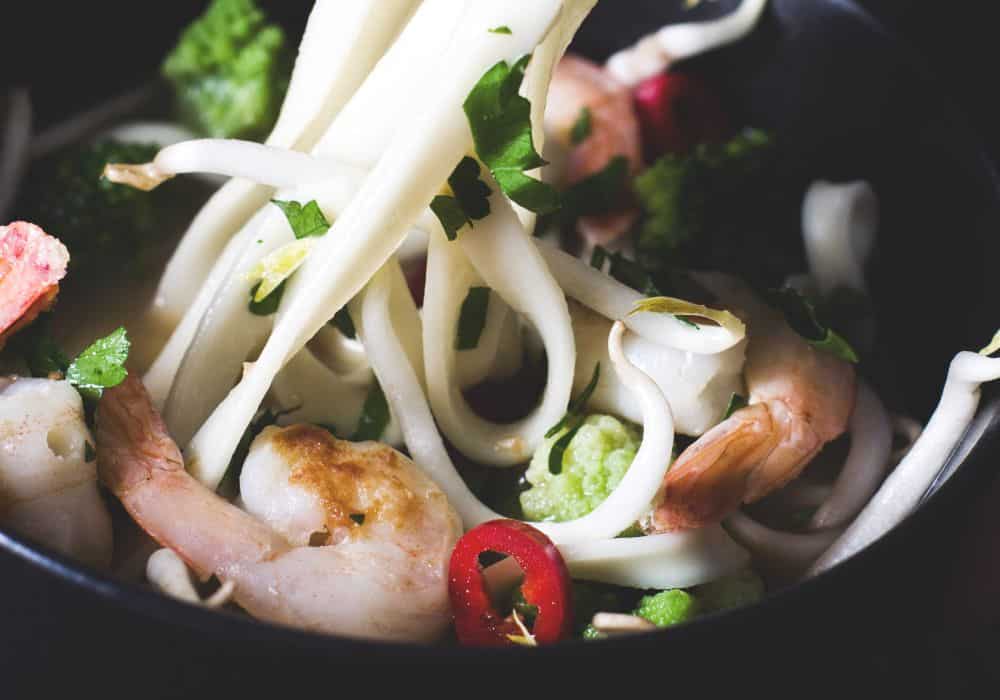
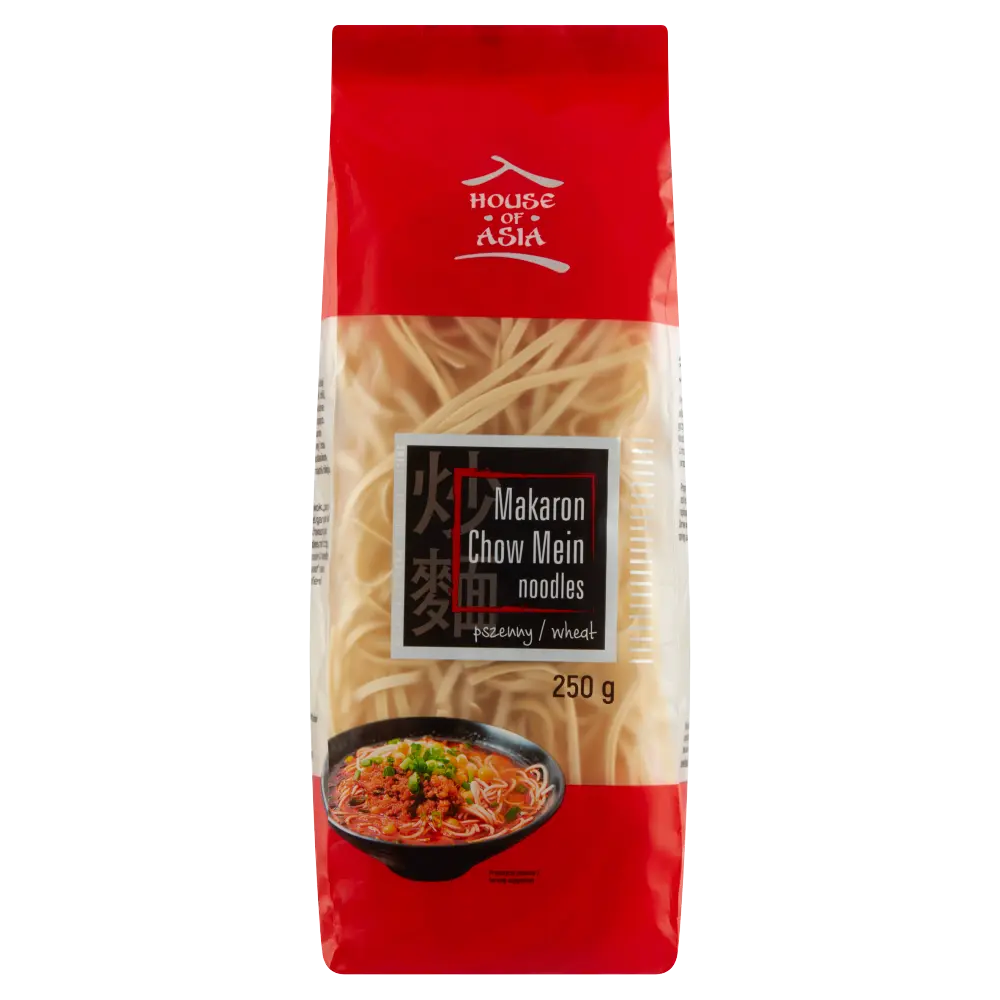
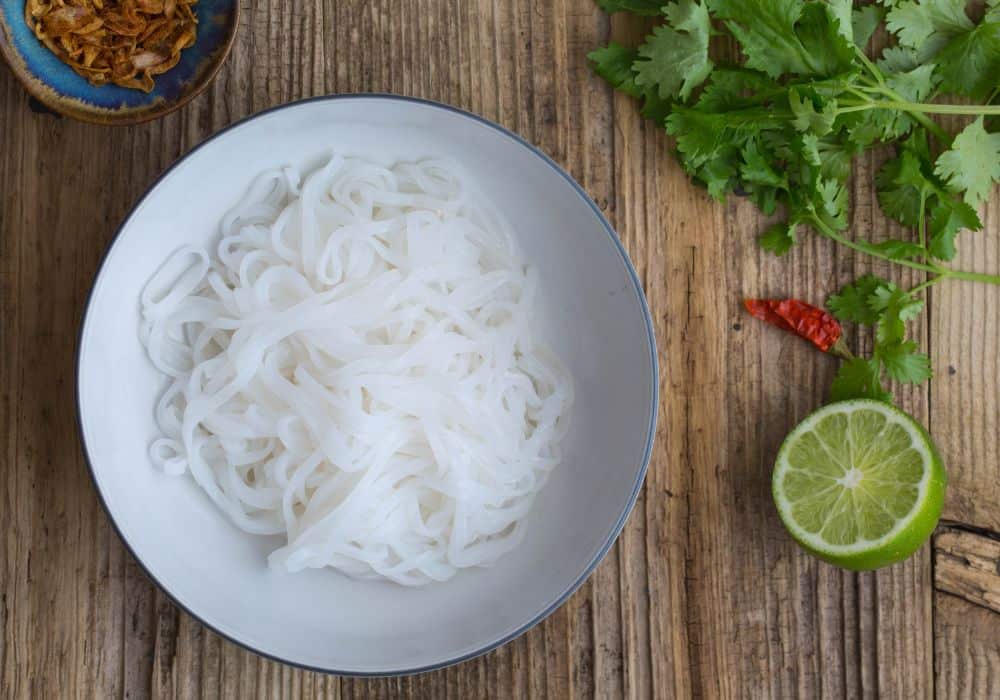
Let's answer the question of what gluten is and where it's found. Gluten is a type of protein stored in the germ of cereal grains such as wheat, spelt, rye, and barley. It is primarily valuable to the food industry, as it gives grain products such as dough, bread, and pasta their desired consistency, volume, and elasticity. Opponents of eliminating gluten from the diet point out that excluding products such as wheat, rye, and barley limits the consumption of products made from them, and therefore the many nutrients they contain that are essential for health, particularly fiber, B vitamins, magnesium, manganese, and zinc. For many people, the need to eliminate gluten from the diet is associated with the need to eliminate bread, pasta, cereals, and cakes from the diet, which were the main, and sometimes only, source of grain products in the diet, as well as a source of pleasure. Fortunately, this doesn't have to be the case. There are many gluten-free, natural products that are excellent sources of fiber, minerals, and vitamins, making them a great alternative for those who still want to enjoy a tasty, varied, and balanced diet. Naturally gluten-free wholesome brown, black, and red rice can be substituted for gluten-containing barley, spelt, or couscous. These rices are worth adding to soups, salads, fruit, meat, and fish. Naturally gluten-free rice noodles and mung bean noodles are an alternative to traditional wheat pasta. They pair perfectly with Asian dishes as well as classic tomato soups and broths. a brown rice, tapioca and green tea pasta It's perfect for stews or with fruit. Bread, pancakes, and cakes can be successfully baked with coconut flour, tapioca flour, amaranth flour, or quinoa flour. If you decide to eliminate gluten from your diet, remember these nutritious alternatives, which will allow you to continue enjoying food while providing the vitamins, minerals, and fiber essential for good health.
Asian cuisine, especially Thai cuisine, which is based on naturally gluten-free rice and rice and soy noodles, is an ideal alternative for those who exclude gluten from their diet. Thai dishes not only provide unique flavor experiences but also combine two life philosophies worth considering when planning your daily diet: pleasure and harmony.
Clinical dietitian Monika Wodyczko
Try our recipes for pad thai and other gluten-free Asian dishes.