





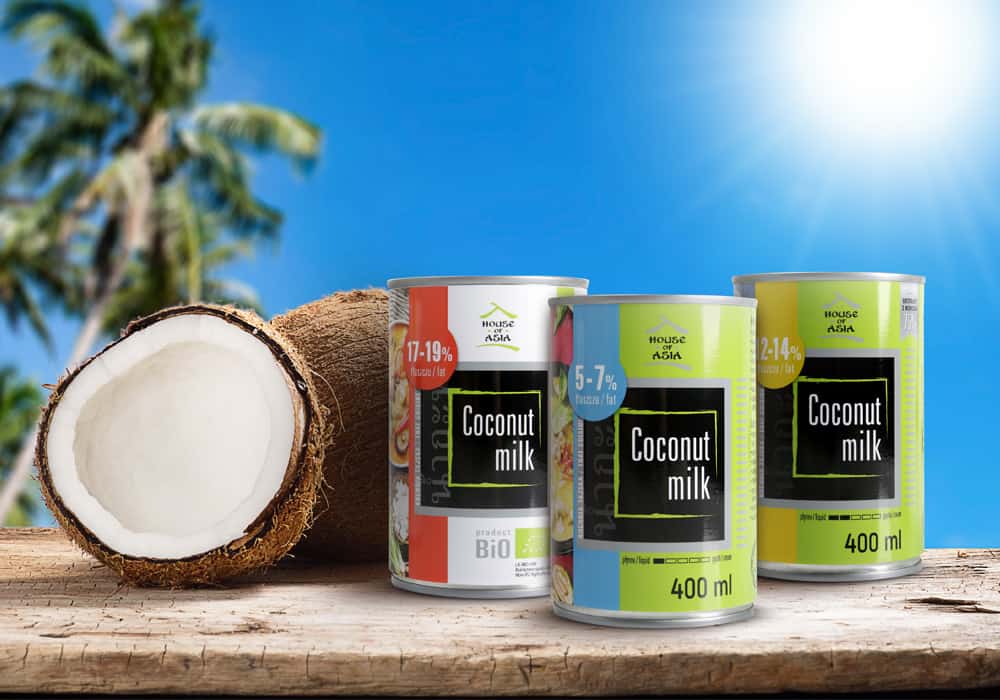
Essence extracted from the inside of a ripe coconut fruit
Coconut milk is popular almost everywhere in the world. Some choose it for its flavor, others for its health benefits. Coconuts are actually the fruit of palm trees, which grow abundantly throughout Malaysia, Polynesia, and South Asia. It's a very productive fruit—almost all its parts can be used: water, milk, pulp, sugar, and oil. However, it's worth knowing that, unlike coconut water, coconut milk isn't naturally occurring—it's made by mixing coconut flesh with water.
Is coconut milk healthy?
Like any product, coconut milk has its proponents and detractors. Depending on the type, it can contain anywhere from 5% to around 25% fat. This fat is saturated, but it mainly consists of medium-chain fatty acids (MCTs) – which offer a range of health benefits. If we maintain a balanced diet (e.g., avoiding saturated animal fats), coconut milk should never harm us; on the contrary, it is recommended for people:
- with lactose intolerance (the sugar found in cow's milk);
- those on a low-carbohydrate or ketogenic diet;
- physically and mentally active – MCT acids can be a good source of energy;
- with intestinal problems – it promotes the growth of beneficial intestinal bacteria and has antifungal properties;
- with low immunity and frequent infections – it has antibacterial properties and reduces inflammation in the body;
- with stomach ulcers – some studies have shown that it may have a beneficial effect on reducing ulcers[1];
Types of coconut milk and their uses in the kitchen.
There are several types of coconut milk, differing primarily in their percentage of fat and coconut extract, as well as their density. Each has slightly different uses.
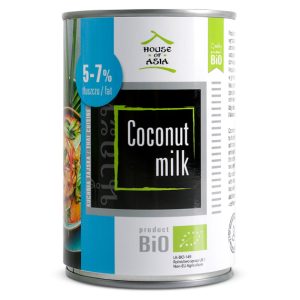
Low fat coconut milk 5-7%
It has a smooth consistency and a subtle coconut flavor. It contains 57% coconut extract. It's an ideal addition to coffee and smoothies, muesli, and soups, and an indispensable ingredient in pancakes, oatmeal, chia, or tapioca puddings. It's a healthy alternative to cow's milk.
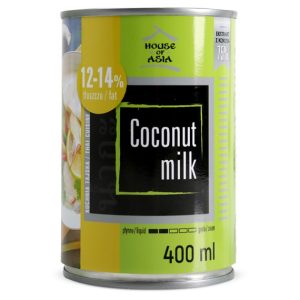
Coconut milks with a medium fat content of 12 – 14%
It contains 65% coconut extract and is characterized by a creamy consistency, sweet flavor, and intense coconut aroma. It's perfect as an addition to curries and desserts, and as an ingredient in sauces, cakes, and ice cream toppings. Like thick, full-fat products, it's a great substitute for regular cream.
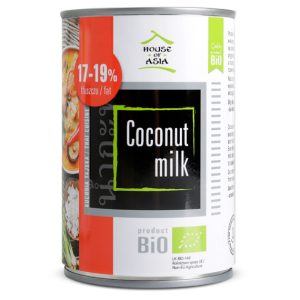
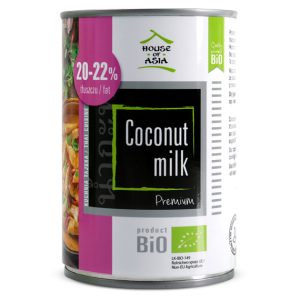
Coconut milks with high fat content, mainly 17 – 19% or 20 – 22%
Full-fat varieties are characterized by an intense coconut flavor and a thick consistency. They can consist of up to 90 percent coconut extract. They are most often used to prepare aromatic curries and Thai soups. They are often used to make no-bake sweets, creams, and ice cream. Chilled, they can be easily whipped into whipped cream and create a unique coconut cake.
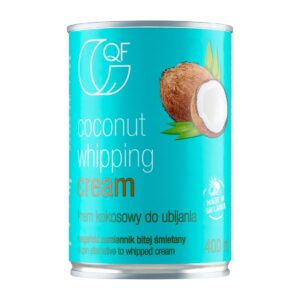
Very fatty coconut milks, over 22% fat
The thickest and creamiest type of coconut milk, commonly called coconut cream. Recommended for whipping, layering cakes, making ice cream, or vegan marshmallows.
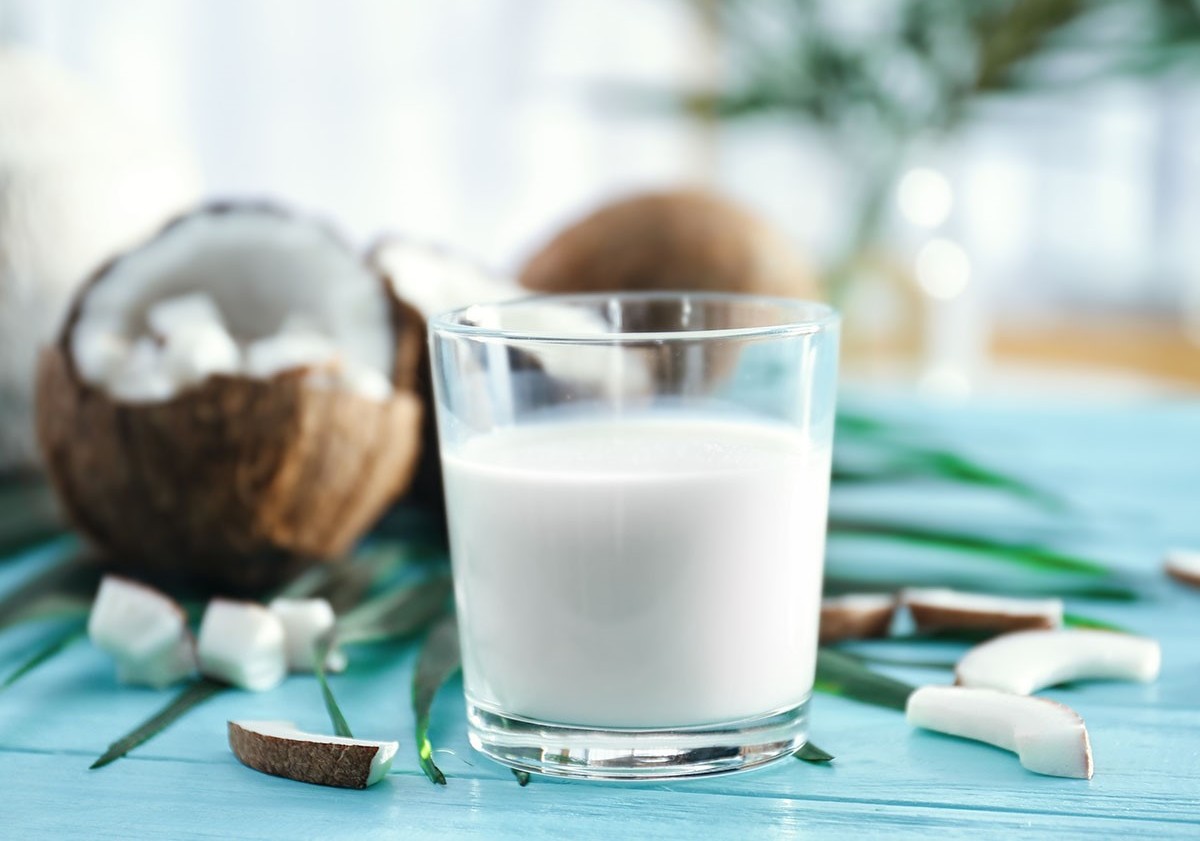
Coconut milk is a plant-based product with many uses. Its most important ingredient is coconut extract. It's not only delicious but also healthy. It's used not only for preparing oriental dishes, but also works great in more traditional dishes, such as classic tomato soup. Adding coconut milk takes on a completely new dimension – it's not only delicious but also vegan and lactose-free!
[1] https://pubmed.ncbi.nlm.nih.gov/18521965/