





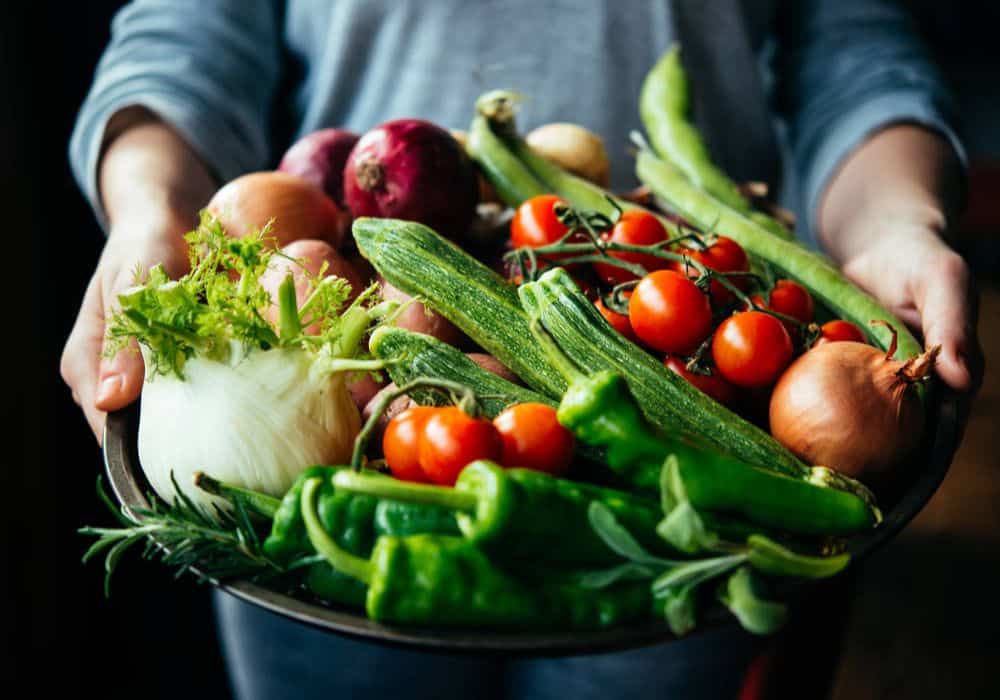
However, it's not just the quantity of vegetables we consume that determines the positive impact on our health and well-being. Quality, understood as the vitamin and mineral content of the produce we consume, is also important. How we prepare vegetables has a decisive influence on their final nutritional value.
Raw vegetables and fruits retain the most vitamins. However, in our latitude, especially during the autumn and winter months, we also crave cooked or stewed vegetables. According to Asians, warm meals have a warming effect on our bodies. Furthermore, cooked vegetables are more easily digestible. Unfortunately, excessive cooking time at very high temperatures leads to greater nutrient loss.
Let's take a look at what culinary techniques people in China and other Asian countries use to best preserve the nutritional value of the food they eat.

Stir fry
Stir-frying is a classic Chinese food preparation method that involves briefly frying chopped vegetables, often with meat, fish, or tofu, in a very small amount of well-heated fat. The food is fried for a few minutes, stirring constantly to minimize contact with the hot fat, leaving the vegetables piping hot but still crispy, as if they were raw, minimizing vitamin and mineral loss. A large wok is best for this process. Such uncooked vegetables are not only healthy but, thanks to their preserved structure and shape, tastier and more appetizing on the plate.
Steaming
This cooking technique is considered one of the healthiest. Because most vitamins "escape" into the water, traditional cooking loses many valuable vitamins when poured out. Steaming retains most of the vitamins in the food. The Chinese use bamboo steamers for steaming, which allow for stacking different types of food. The food that requires the longest cooking time, such as fish or meat, is placed closest to the steam source, while the food that requires the shortest cooking time, such as vegetables, is placed at the top. Furthermore, the temperature of steam is lower than that of fat, which also positively impacts nutritional value.
Or maybe classic cooking in water?
This method of preparing vegetables, which is closest to what we know in Poland, is the simplest and quickest. The ingredients are cut into large pieces and then immersed in boiling water or broth. When they are cooked but still slightly crunchy, the cooking process ends. Some of the ingredients remain in the water, which forms the broth and is also consumed. This technique is used in preparing soups such as Japanese miso or Malaysian laksa.
What all the above-mentioned techniques have in common is a short cooking time, which minimizes the loss of vitamins, minerals, and antioxidants, which are so valuable for our health. Let's cook for health!
Do you like crunchy vegetables? Try our kohlrabi salad!
Clinical dietitian Monika Wodyczko