

Rice holds a special place in Japanese cuisine and culture. Over thousands of years, countless ways to use this plant have been developed. Today, we'd like to introduce you to one of the most important culinary inventions based on rice – komezu, or rice vinegar. An incredibly popular and versatile ingredient with countless uses. Found primarily in sushi, it's actually a cornerstone of Asian cuisine and appears in numerous recipes.
Rice vinegar is made from steamed rice. The softened grains are mixed with water and then left to ferment for about a month. The fermentation process is then repeated, this time using acetic acid bacteria. This stage lasts another 2-3 weeks, and in some cases, several months. The resulting product is then further aged and pasteurized.
How is rice vinegar different from wine vinegar or apple cider vinegar?
Each of these vinegars is made from a different raw material, including fruit or cider (apple cider vinegar), grapes and wine (wine vinegar), white/red/black rice, and sake lees (rice vinegar). These foods also have varying degrees of acidity. Rice vinegar has a lower acidity of 4-5%, while apple cider and wine vinegars have an acidity of around 6%. Therefore, rice vinegar is considered milder in flavor compared to the table vinegars popular in Europe.
White rice vinegar, used for sushi, has a light, slightly straw-colored color and a delicate, slightly tart flavor. Sweetened varieties are also available, for example, with added sugar, cloves, ginger, or orange peel. This product can be successfully used to prepare a cooling summer drink.
Generally, vinegars from China have a more intense and tart flavor. Products from Japan are more delicate and slightly sweet. This signature ingredient of oriental cuisine pairs perfectly with soy sauce and sesame oil. Once opened, it's best to store it at room temperature (out of direct sunlight). 1 or in the refrigerator.
What can you use rice vinegar for?
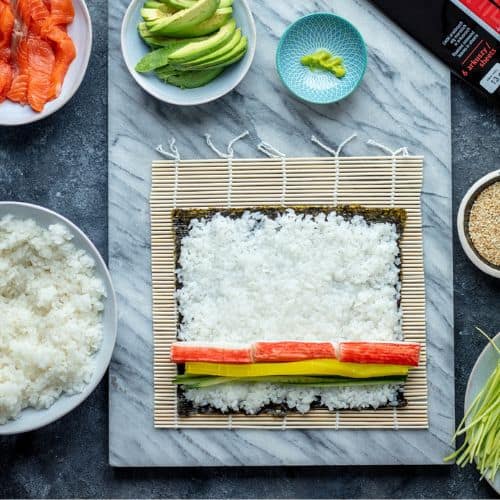
For preparing sushi
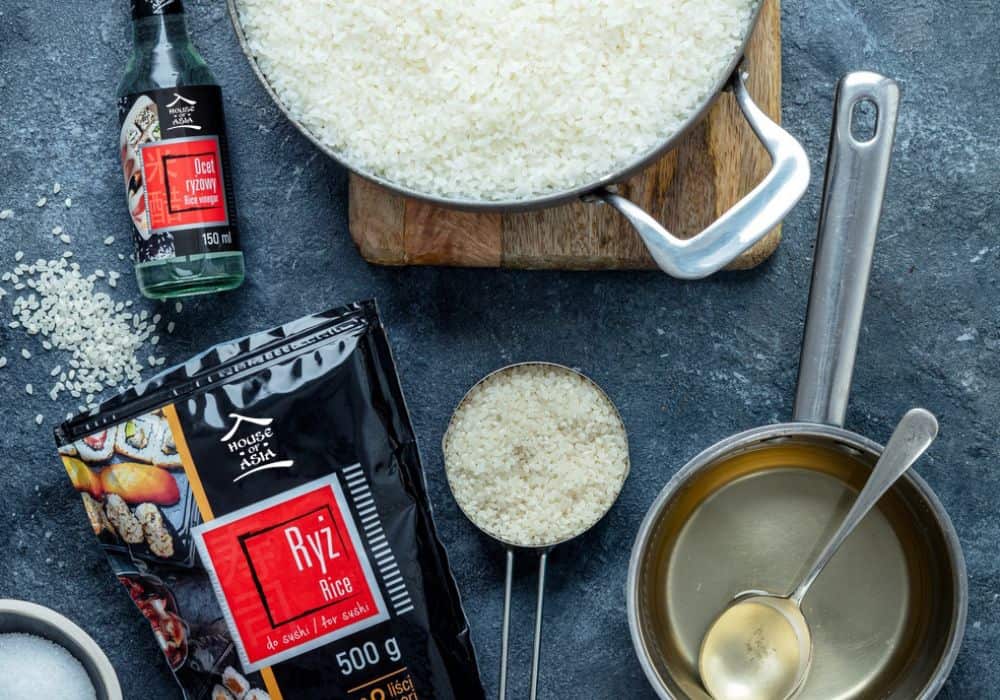
Rice vinegar is most often used to sour sushi rice. The proportions are crucial here: for every cup of cooked rice, prepare a brine of 6 teaspoons of rice vinegar, 2 teaspoons of sugar, and 1/2 teaspoon of salt. Adding the vinegar brine will make the cooled rice easier to shape.
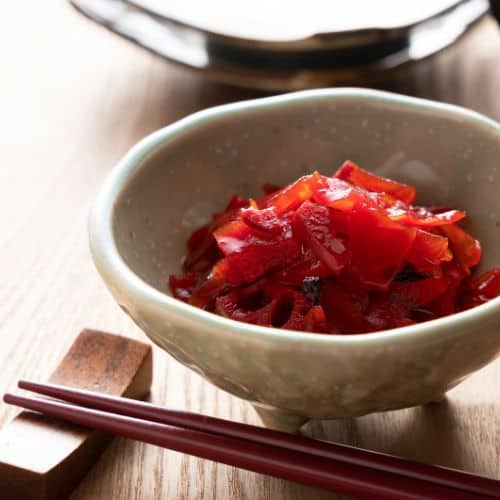
For pickling and preserving food
We highly recommend making fukujinzuke, Japanese pickles (pickled vegetables such as cucumbers, eggplant, and radishes), at home. Crunchy, with a delicate hint of sweetness, rice vinegar is used in traditional Asian cuisine not only for flavor but also to keep food fresh longer. The addition of vinegar prevents the growth of bacteria in food.
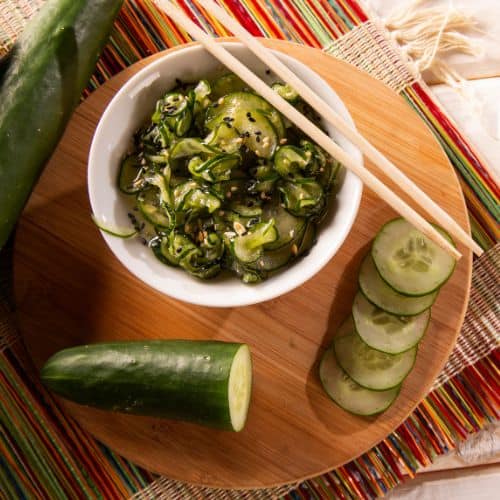
To balance the flavor of dishes, as a spice
Adding rice vinegar to a dressing drizzled over a salad will enhance and enhance the flavor of all the ingredients. It's perfect for salads with radish, cucumber (sunomono is a very easy salad to prepare), white or red cabbage. In Japan, renkon (lotus root) and gobo (burdock root) are cooked with vinegar. It's thanks to the addition of rice vinegar that sweet and sour sauces acquire their unique flavor, including those served with noodles. A dash of vinegar can be used to flavor fatty dishes, such as ramen with meat broth, gyoza dumplings stuffed with meat, or plain fries.
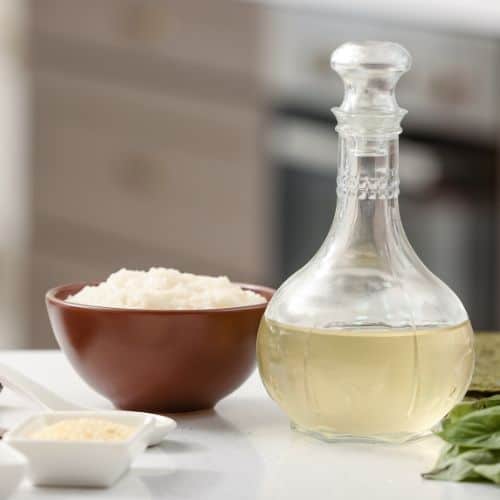
For marinating
Rice vinegar added to a marinade perfectly flavors and tenderizes meat. It can also be used to marinate seafood and fish. An added benefit is that rice vinegar softens bones to some extent. Rice vinegar marinades are sometimes used to soften the intense flavor of certain fish and meats. Fruits and vegetables can also be marinated. Simply mix about 100 ml of water, 50 g of sugar, and 25 ml of rice vinegar in a bowl, then add chopped carrots, leeks, and white turnips to the marinade. Refrigerate for at least 15 minutes.
Korzyści dla zdrowia
If the multitude of uses and unique flavor of rice vinegar haven't yet convinced you to try it, read about its health-promoting properties. Dishes with rice vinegar regulate digestion, strengthen the body's immune system, and help regulate blood pressure.2Rice vinegar has been proven to protect the cardiovascular system and prevent the development of atherosclerosis because it can slow down the buildup of cholesterol in blood vessels.3Rice vinegar is also a great ally for those watching their weight, as it stimulates metabolism and suppresses appetite. Using this powerful ingredient means we can use less salt and sugar in cooking, which is also good for our health.4.