





Just a few years ago, Thai cuisine was considered one of the spiciest in the world. It still is, but due to the tourist demand, chefs prepare dishes with varying degrees of spiciness. Therefore, remember to specify your taste preferences when ordering. Only the most passionate fans of very spicy dishes will be able to enjoy something prepared truly "Thai style."
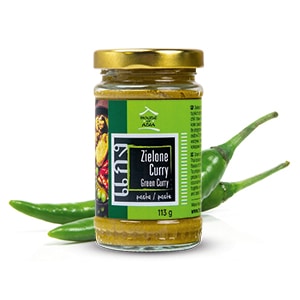
Interestingly, the people of Thailand, small yet very powerful, compare them to chili peppers. These inconspicuous plants, but when it comes to cuisine, they have a powerful impact, and that's why they're an ingredient in countless dishes. On their own or in the form of, for example, green curry paste (which consists of about 50% green chili peppers). Thousands of tourists return to Thailand precisely for these extraordinary flavor experiences or prepare their own Thai dishes using only ingredients of their original origin. Sometimes they're incredibly spicy. And that's the point!
How do we perceive taste sensations?
Most of us consider the spiciness of a food to be its taste. In reality, the burning sensation of the tongue is a signal sent to the brain by nerve endings, not taste buds composed of epithelial tissue. They recognize only five tastes: sweet, salty, sour, bitter, and umami. Spicy pain, on the other hand, is a pain impulse. Sometimes so intense that tears come to the eyes, a natural defensive reaction of the body, similar to increased saliva and mucus production in the nose. The intensity of the reaction depends on the number of pain receptors; those with more, are more sensitive to spicy food. Such people are unlikely to be among the participants of the World Hot Pepper Eating Championships held in Fort Mill, United States. The winner must eat thirteen peppers whole and without water, from the mildest to the hottest. If two people reach this stage, they eat the next peppers. They suffer, but they eat. Many of us do the same when we return to dishes that burned our tongues. It's true that, besides the compounds that activate pain receptors, paprika, horseradish, and pepper contain many other chemical compounds that make the flavor of a dish richer, multifaceted, even unforgettable, and that's probably why we return to it. Besides, eating spicy foods stimulates the appetite.
There is another explanation – extreme experiences and strong reactions ultimately stimulate the production of dopamine and endorphins, which make us feel better and feel less pain.
How to measure sharpness?

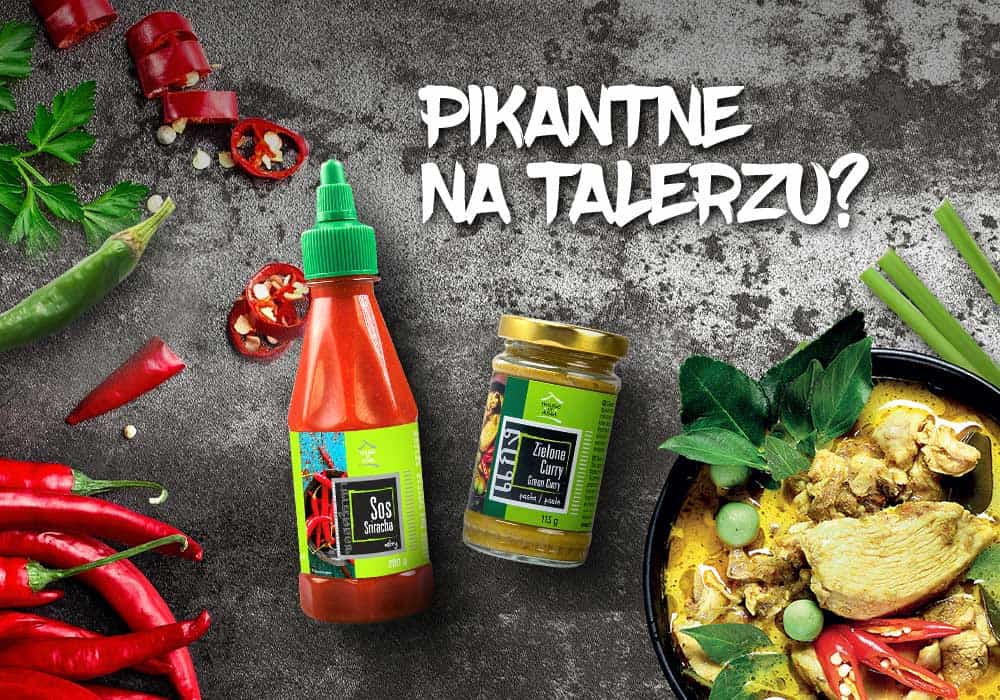
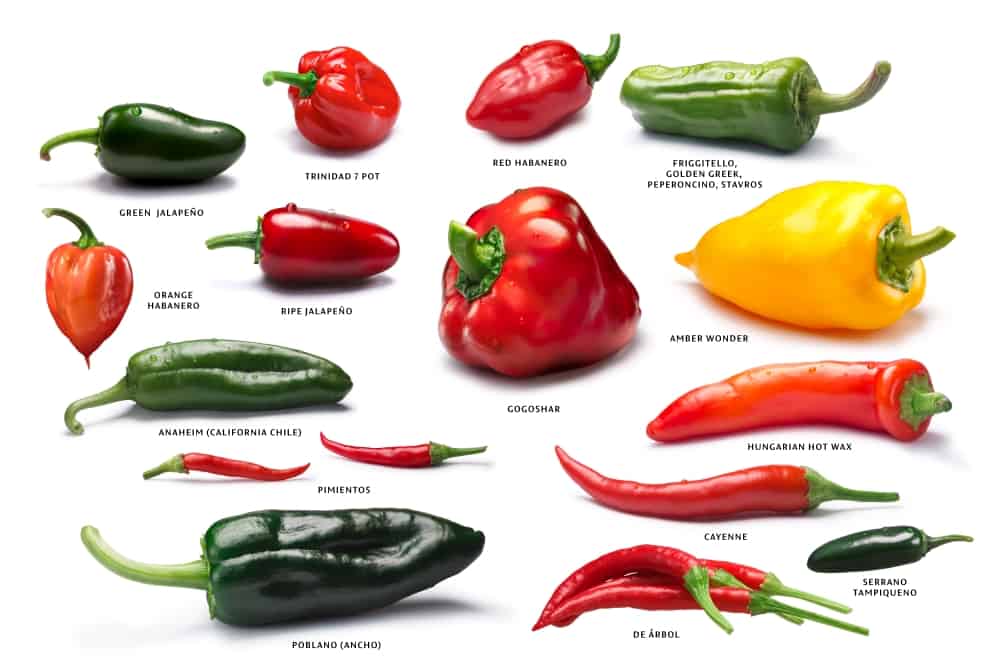
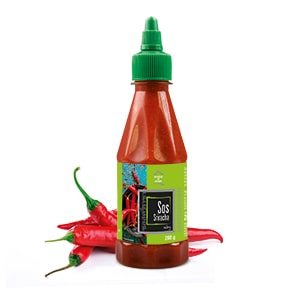
In the laboratory, for example, bell peppers are dried and then grated. A measured dose of the dried pepper is added to water and boiled. The resulting decoction is filtered and injected into a chromatograph to determine the heat rating of each pepper on the Scoville scale (abbreviated as SHU). A green jalapeño has 3,000, a Carolina Reaper has 500 times more – over 1,5 million (1,641,000 SHU), and one variety even reaches 2,6 million! Pure capsaicin accounts for as much as 15% of its total weight. This is one of the chemical compounds responsible for the burning sensation. In its pure form, it has 16,000,000 SHU! How does this impact the hot sauces we reach for when preparing spicy dishes? Classic Tabasco sauce has a maximum of 5000 SHU, while Sriracha sauce made with red chili peppers ranges from 1000 to 2500 units of heat.
Interestingly, the chemicals that activate neurons have different structures, which is why we perceive some of them primarily on the tongue, while others primarily in the nose. These senses are interconnected, as is easily demonstrated when we try to eat something delicious with a blocked nose. It won't taste as good.
How to save a spicy dish?
A moment of inattention or a poorly tightened spice packet can overpower a dish. The secret to Asian cuisine is proportion and the intertwining flavors. Therefore, trying to dilute a dish with water is not a good idea. Lemon or lime juice is a better option. The acidity neutralizes capsaicin. Adding dairy products like yogurt, milk (the casein in it neutralizes the sharpness), or plant-based milks has a similar effect. Some chefs balance the spiciness with sweetness—sugar, honey, sweet paprika, cinnamon, or vanilla.