





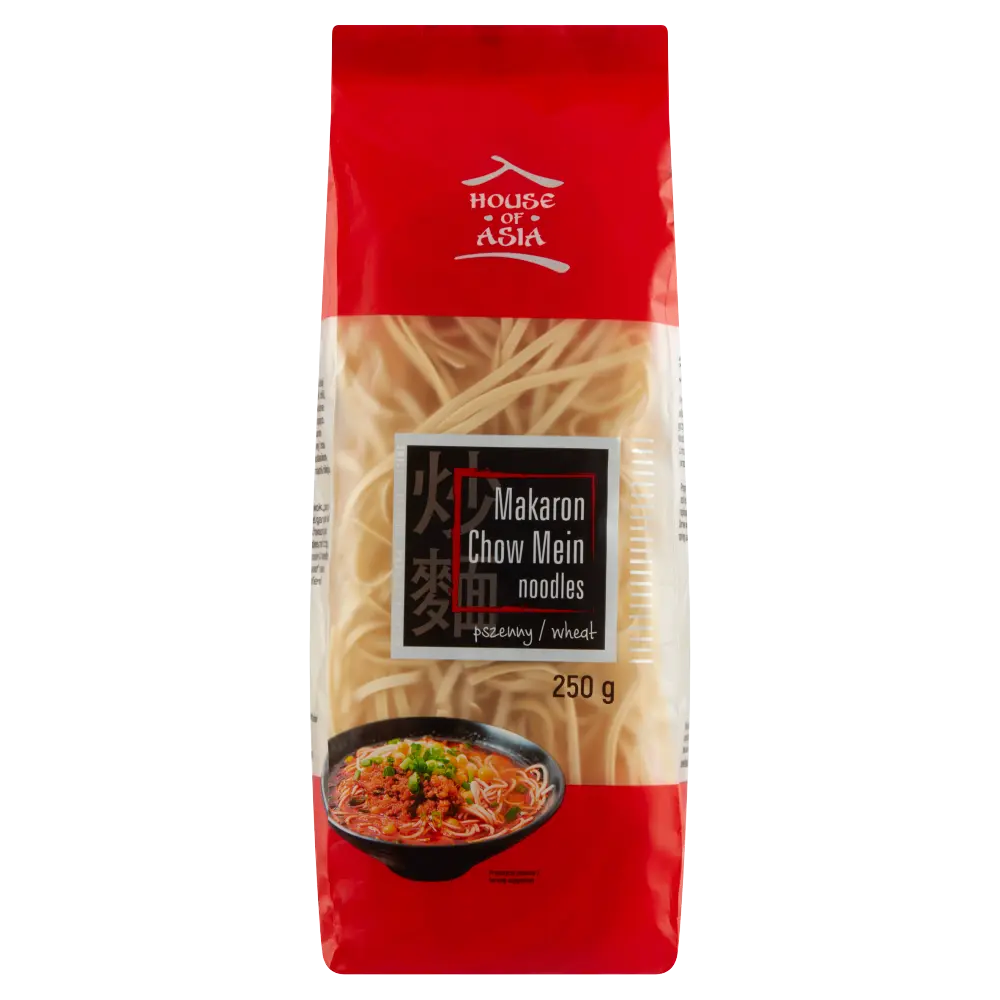
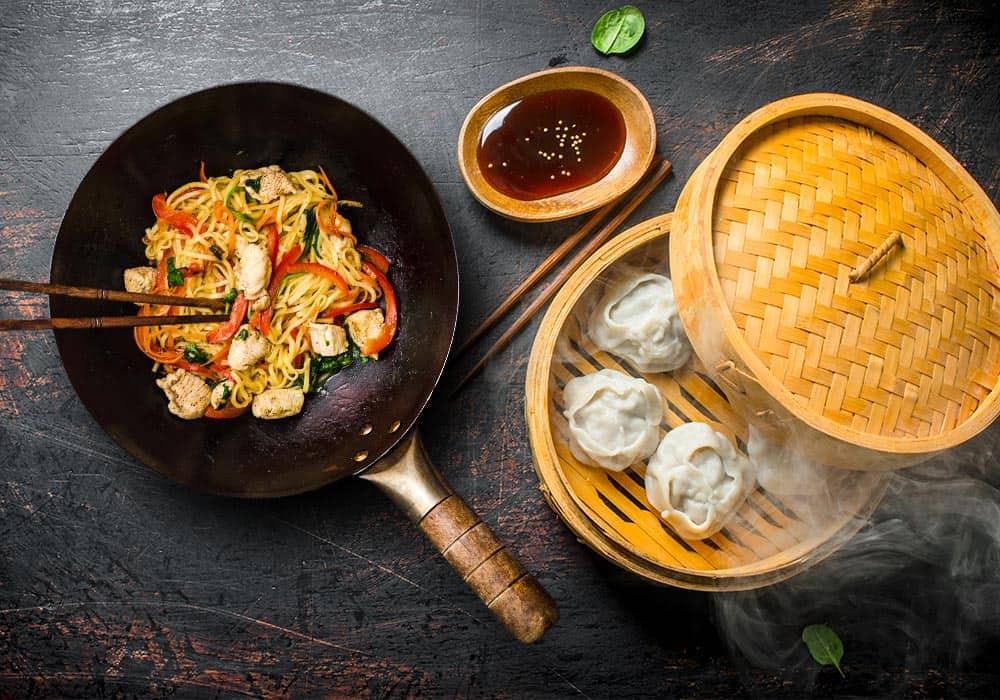
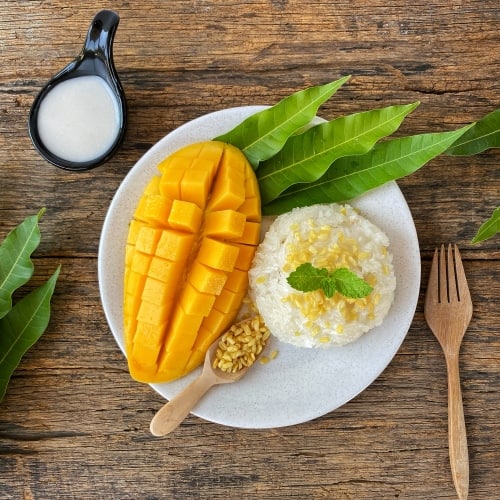
Cooking This is one of the main types of thermal processing used in gastronomy worldwide. Boiling water (100°C), usually lightly salted, is used. During cooking, proteins contained in meat, for example, coagulate (denaturation), and starch changes its structure (disintegrates). This makes these ingredients more digestible for our digestive system. Examples of products containing so-called resistant starch, which is resistant to digestive enzymes, include potatoes, sweet potatoes, and legumes. In Thai cuisine, vegetables, pasta, and rice are mainly cooked. A popular Thai dessert is rice cooked with coconut milk, served with fresh mango.
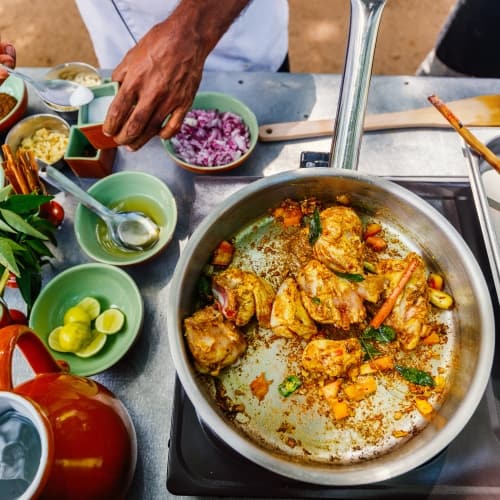
Cooking over low heat. Bring the mixture to a boil, then reduce the heat until the liquid is just bubbling gently around the edges. Soups, for example, with coconut milk, are often prepared this way.
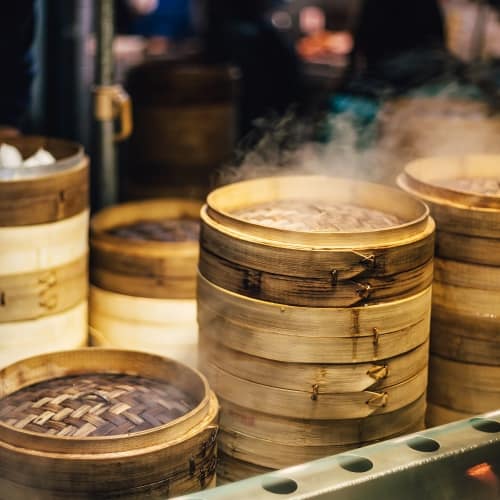
Steaming It allows the perfect flavor and shape of the ingredients, especially very delicate ones like fish. Thais also steam buns, fish cakes, and dumplings. A steamer (usually bamboo) is placed over a pot of boiling water. Some Thai recipes may specify that banana leaves be placed on the bottom of the steamer. Sometimes, the ingredients are wrapped in banana leaves and placed on the grill or in the oven. The moisture inside the package causes steam to form under the influence of high temperatures.
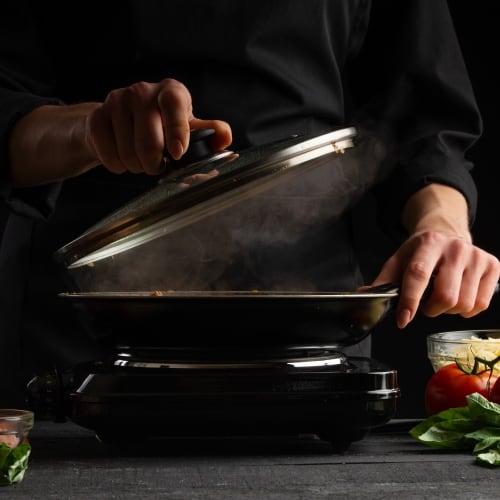
Suffocation First, briefly stir-fry the food in a small amount of fat, then simmer it covered in a small amount of water or broth. Simmering can be done not only over the stove but also in the oven or wok. It's important to cut the ingredients similarly, for example, into strips, so they simmer evenly. First, add the ingredients that need to simmer the longest. In Thai cuisine, simmering is used to prepare soups or aromatic curries.
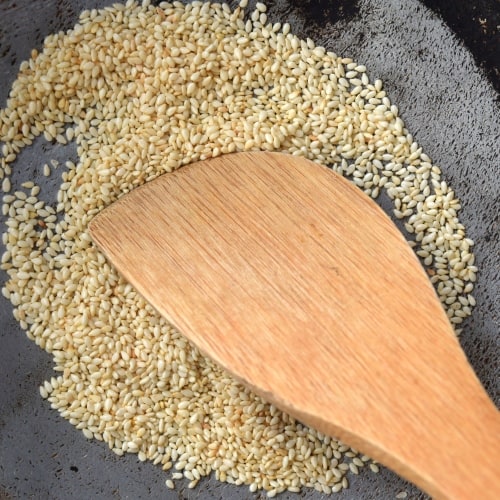
Roasting It's often used for dried herbs, seeds, and nuts. Sprinkle the ingredients onto a hot pan and heat for about 1 minute, until lightly browned and fragrant. To prepare a delicious curry paste, combine these roasted spices in a mortar with the remaining ingredients (including shallots, chili peppers, and lime zest).
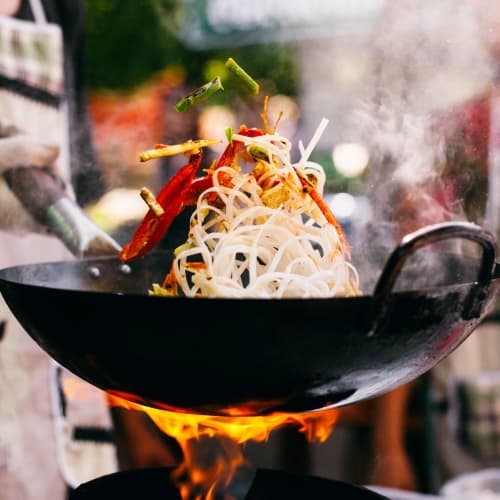
Frying – one of the quickest methods for preparing a Thai dish. Heat a little oil in a wok or pan, add aromatic spices, then evenly sliced meat, fish, or seafood, and fry for 1-2 minutes (stirring constantly). Finally, add the firm vegetables (carrots, beans, peppers), and a minute later the most delicate additions – sprouts, spinach, and fresh herbs like basil or cilantro. And the stir-fry dish is ready! This is how you create a delicious pad Thai, to which you can add shrimp and fish sauce (it enhances the flavor and is often used in Thai cuisine instead of salt).
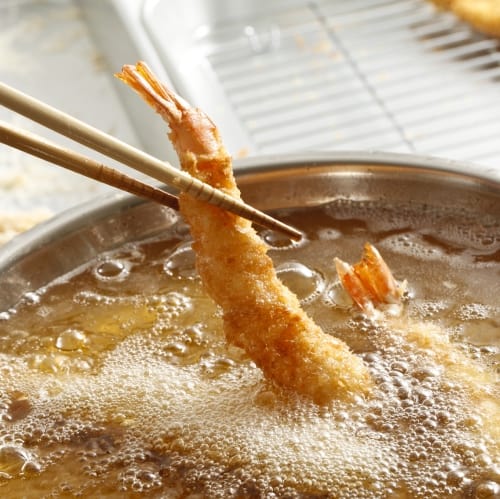
Deep frying. This technique is used to prepare all kinds of dumplings (e.g., wontons) and vegetables in pastry. It requires an oil that can be heated to a high temperature (e.g., peanut oil). Remember to add the ingredients in small batches. Then drain thoroughly and serve immediately or keep warm (e.g., in the oven).
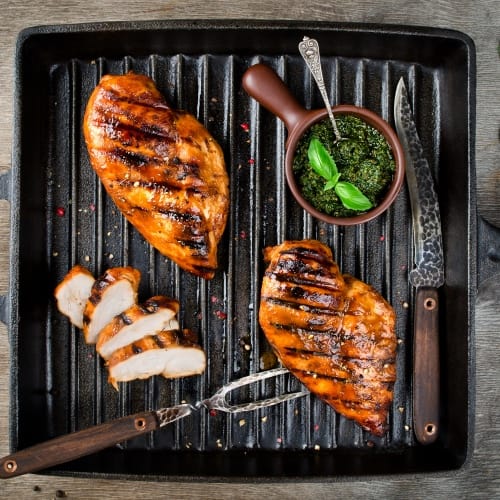
BBQ Many street vendors in Thailand serve their customers chicken skewers cooked over glowing coals. Here's a tip: soak bamboo or wooden skewers in water before grilling to prevent them from burning.
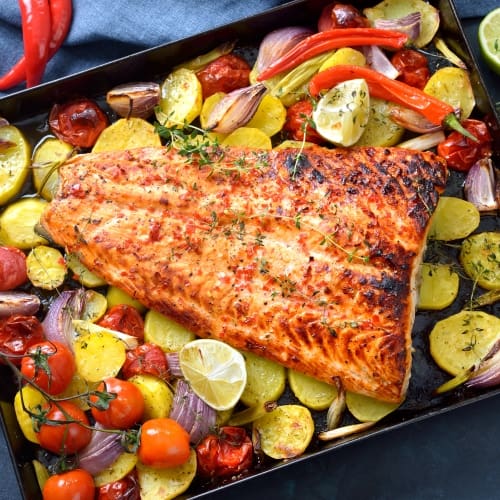
Baking. Heating a dish in an oven or stove at a temperature above 160°C. This method is used to prepare roast pork, for example, which is marinated in a special red marinade, resulting in the meat's intense color. Although the dish originates from China, it is also popular in Thailand. Traditionally, the meat is roasted in special ovens (hung on hooks), but it can also be prepared in a home oven.
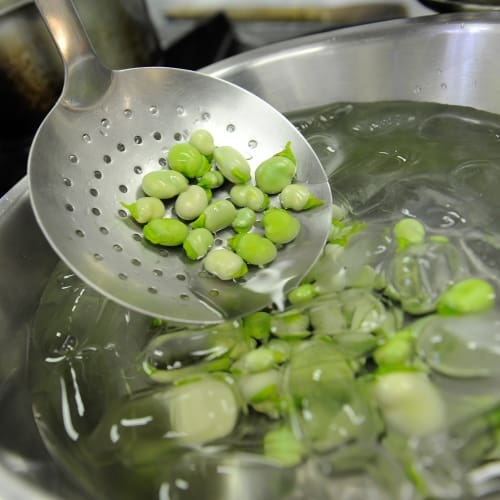
Blanching This involves briefly plunging vegetables into boiling water, then pouring cold water over them. This technique preserves their crunch and flavor, while also preventing them from becoming raw.
Cold blanching. As David Thompson, a renowned Australian chef and restaurateur with extensive knowledge of Thai cuisine, points out in his book "Thai Food," this isn't a traditional Thai technique, but it's worth considering. It's a good way to avoid eating raw vegetables while still keeping them crisp and fresh. Cold blanching also helps tone down certain flavors. The author of the aforementioned book recommends cold blanching bitter melon, specifically the fruit of this cucurbit plant, which has a bitter taste. Cover it with cold, lightly salted water (you can add a dash of lime juice) and bring to a boil. The longer it takes, the more the intense flavor will be reduced.