






Some facts
Spring and summer are the most favorable seasons for weight loss. It's a time when we feel a surge of energy, the weather favors greater physical activity, and fresh vegetables and fruits appear at markets. Furthermore, we shed our thick jackets and sweaters, often finding that we've gained weight over the winter. However, aesthetic considerations aren't the only, nor the most important, reason for taking care of our figure and eating a balanced diet.
Research conducted by the Institute of Food and Nutrition indicates that over 60% of men and nearly 50% of women in Poland are overweight or obese. In terms of obesity rates, Poland ranks fifth in Europe, ahead of Russia, Belarus, and Germany. The World Health Organization (WHO) has defined obesity as the most serious chronic disease, which, if left untreated, leads to the development of diseases such as diabetes, heart and circulatory system disease, hormonal disorders, including infertility, and increases the risk of cancer. It is noteworthy that the lowest percentage of obese people worldwide, less than 7%, live in Asian countries such as Japan, South Korea, and Singapore.
So let's learn the secrets of a slim figure the Eastern way.
Most people in Asian countries practice daily physical activity, cycling and walking extensively. They consume filling but easily digestible meals and adhere to the principle of not overeating. The staples of the Japanese and Chinese diets are rice, rice noodles, legumes, vegetables, fruit, fish, and seafood. They consume meat, dairy products, and sweets in moderation, serving as a small addition, never the main part, of a meal.
Interestingly, since the basis of most dishes is noodles i rice, which absorb a large amount of water during cooking, Asian diets produce a faster feeling of fullness, reducing the urge to snack after a meal. The opposite is true for diets based largely on bread, which is filled with air that disappears during chewing. As a result, it doesn't leave us feeling full, which translates into hunger and a desire to eat more much sooner.
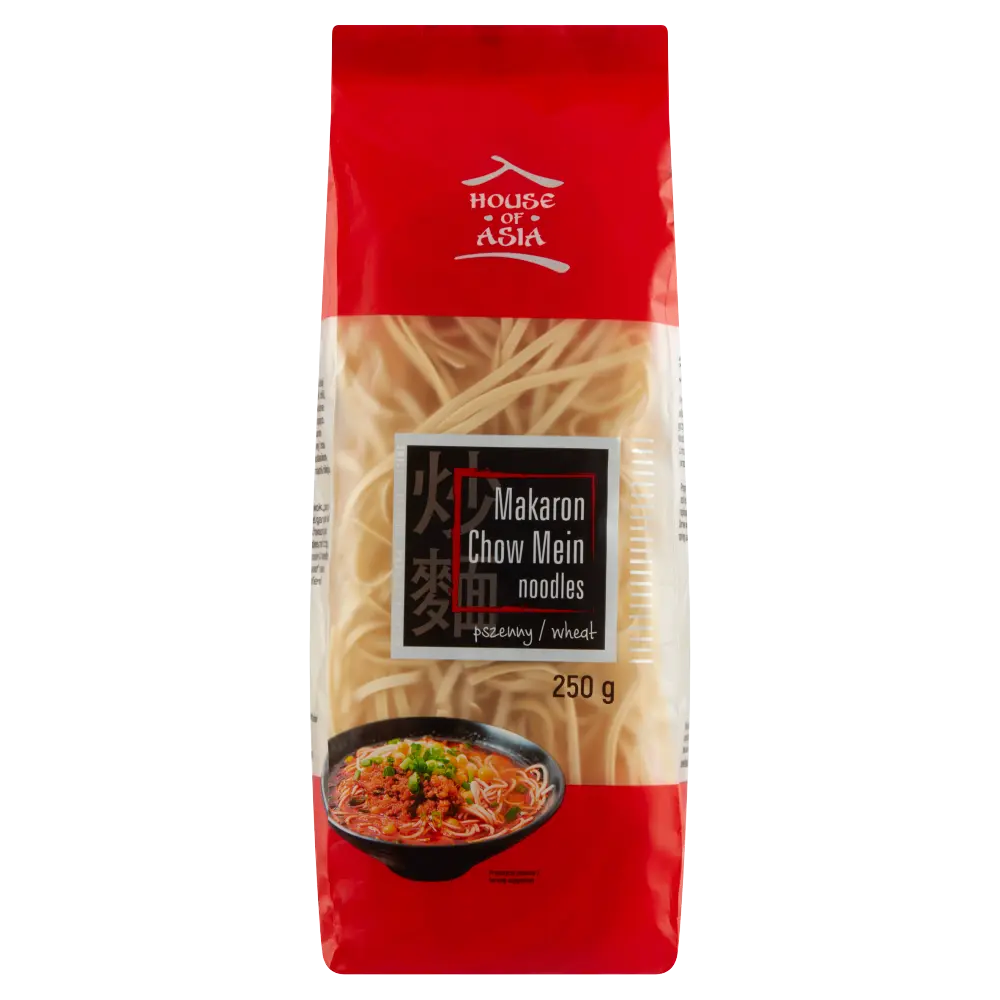
Whole grain products are particularly beneficial for losing excess weight and are often consumed by Asians, including: pasta with tapioca and green tea, chow mein noodles, brown rice, black rice, and red rice. These products are rich in satiating fiber, which slows the absorption of glucose into the blood. This makes the meal less fattening and provides long-lasting energy.
Moreover, these products are a source of B vitamins, which play an important role in maintaining proper metabolism and controlling blood glucose levels. It's also worth noting that products such as rice, rice noodles, and mung bean noodles are rich in resistant starch. Research at the University of Colorado Health Sciences Center has shown that the presence of resistant starch in at least one meal a day increases fat burning by 23% and simultaneously feeds the beneficial bacteria living in our gut, which also play a crucial role in maintaining a healthy body weight.
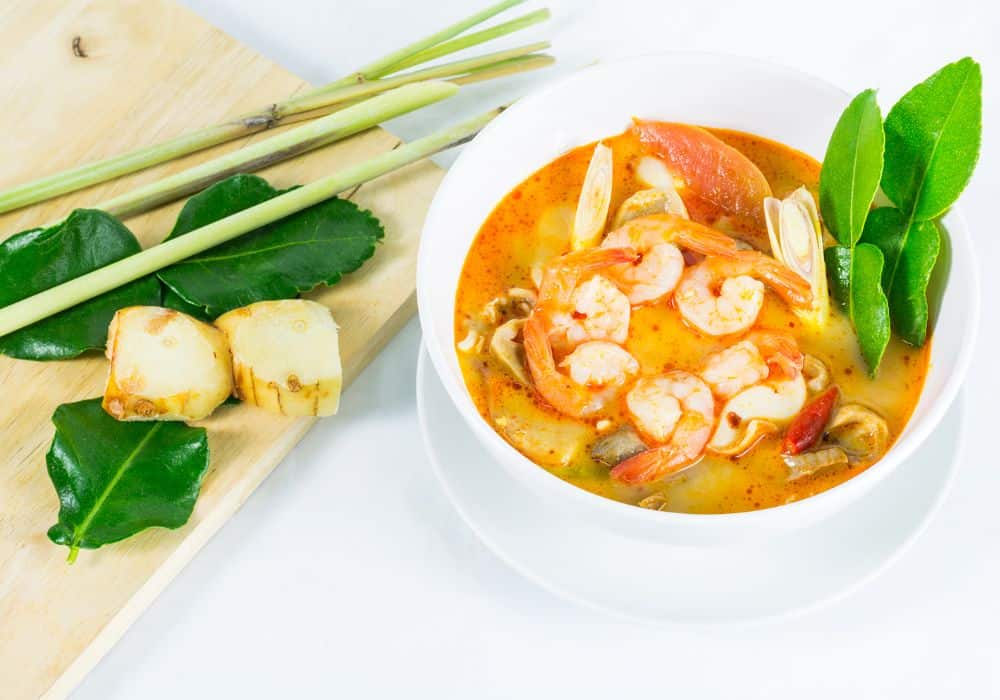
Regular consumption of warm soups is also beneficial for a slim figure and is typical of the Asian diet. Soups are enjoyed at any time of day, even for breakfast. They provide a feeling of fullness, although they are low in calories, and consist primarily of vegetables, rice or noodles, soy sauce, and a bit of meat or fish, without the addition of cream or fatty meat broths.
Thanks to the richness of spices used in Asian cuisine, dishes not only have a distinctive flavor but also stimulate circulation, metabolism, and have anti-inflammatory properties, effectively helping to burn fat. Chili, turmeric, Sichuan pepper, ginger, and cinnamon, found in spice blends such as curry, five-spice, shichimi togarashi, and garam masala, have been shown to have particularly beneficial, documented effects. Seaweed, such as kelp, is also an important addition to soups and other meals. wakame and kombu, which are an important source of iodine in the Asian diet, which is necessary for the proper functioning of the thyroid gland, responsible for the correct metabolic rate and therefore maintaining a healthy body weight.
Do we really need more reasons to be inspired by Asian flavors?
Clinical Dietitian Monika Wodyczko