

The traditional Okinawan diet is based on plant foods, rich in antioxidants such as vitamins C and E, carotenoids, and flavonoids. These primarily consist of various vegetables, including onions, cabbage, green leaf lettuces, zucchini, sweet potatoes, peppers, and beans. The World Health Organization (WHO) recommends that, to maintain good health, we primarily choose vegetables in our daily diet, as these foods are high in vitamins and minerals while being low in calories.
The second dominant ingredient in the Japanese diet is whole grains, primarily brown rice. Before consumption, it is soaked in water for several hours, activating enzymes, making it easier to digest and sweeter. Brown rice is an excellent source of energy, B vitamins, and minerals, including magnesium and manganese, which have a positive effect on the nervous and skeletal systems.
Moreover, Japanese people consume soy products on a daily basis, mainly tofu and miso, which have a protective effect on the heart, maintain normal cholesterol and triglyceride levels, and also have a positive impact on women's hormonal balance, protecting against breast cancer and delaying menopause.
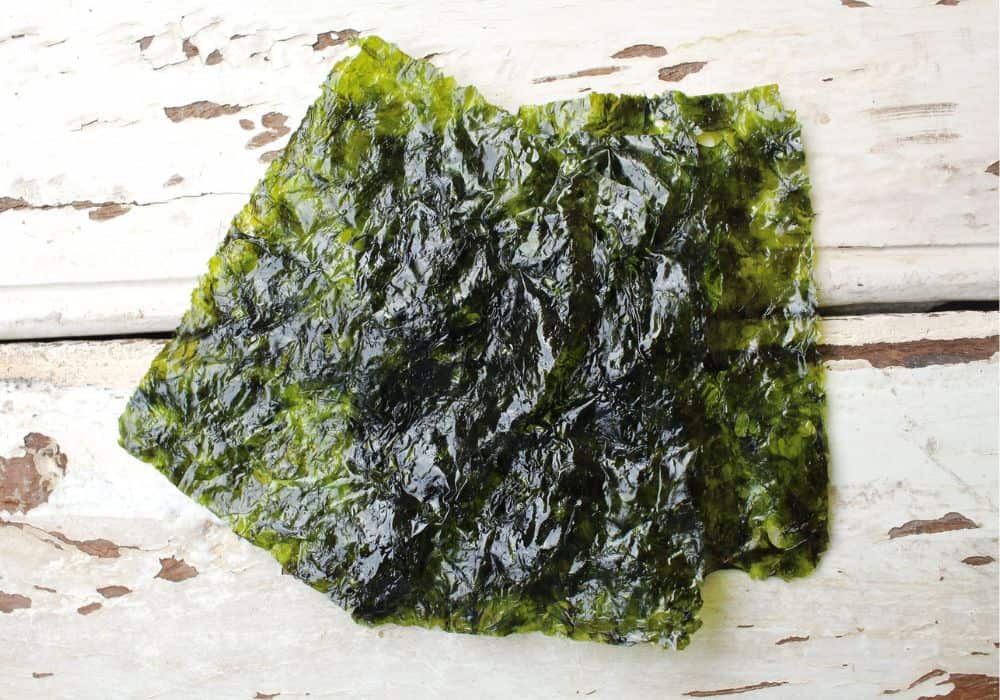
Another very important product in the Japanese diet is seaweed, especially kombu i wakame, are used to enhance the flavor and nutritional value of soups and stews, or eaten alone as a salad or snack. Seaweed is low in calories, high in vitamins and minerals, and is a very important source of iodine, folic acid, magnesium, iron, calcium, and omega-3 fatty acids.
It is also impossible not to mention shiitake mushrooms, which contain over 100 different ingredients with immune-boosting properties. Often found dried, they can be added to soups or stir-fried vegetables after soaking. stir fry.
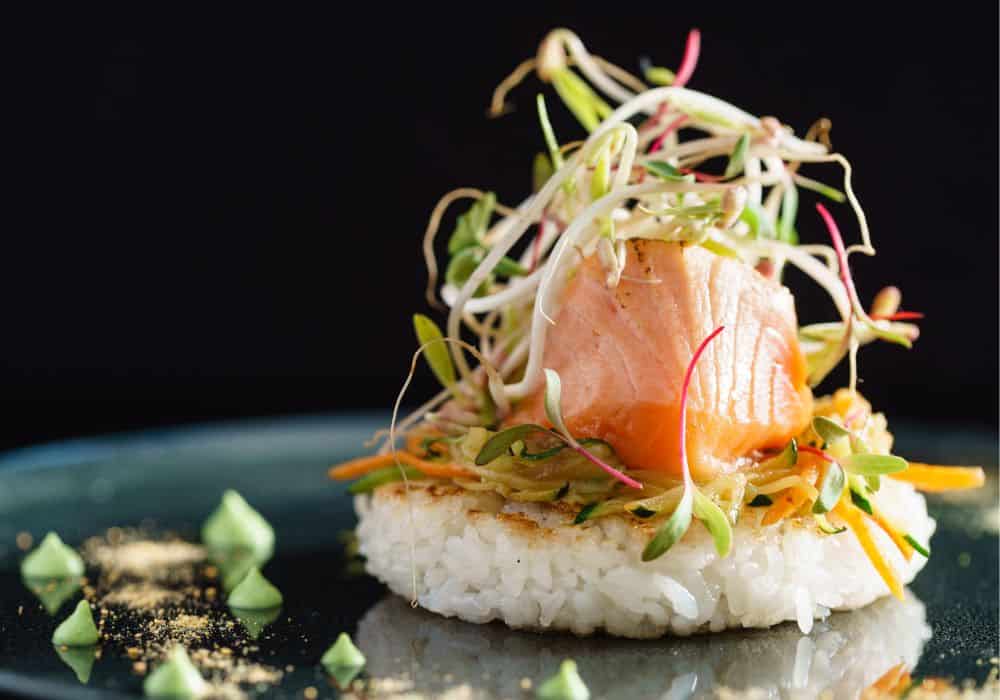
On average, they eat fish and seafood three times a week. They rarely consume dairy products or meat. They also adhere to a very important principle, passed down from generation to generation, which is:hara hachi-bu” meaning “eat until you are 80% full.”
Ready to start a healthy, Japanese-style diet? Start today with our simple recipes.
Clinical Dietitian Monika Wodyczko