






Flexitarianism is a trend in nutrition that involves following the principles of a vegetarian diet on a daily basis, based mainly on plant-based products and occasionally consuming meat.
It's an eating style that involves incorporating five food groups into your diet, rather than eliminating any. Flexitarians are often chosen by people who want to reduce their risk of common lifestyle diseases, such as heart disease, diabetes, obesity, and cancer. It's also a lifestyle for those who, out of concern for the environment and animal welfare, want to reduce their meat consumption.
Statistics predict that by 2050, there will be approximately 9 billion people living in the world, and if we don't reduce meat consumption, there will be food shortages. This stems from the fact that, for example, a cow must consume 10 kg of plants to gain 1 kg of body weight, of which only 60% is edible. This is an important argument not only for environmentalists but for all of us.
What is the flexitarian diet?
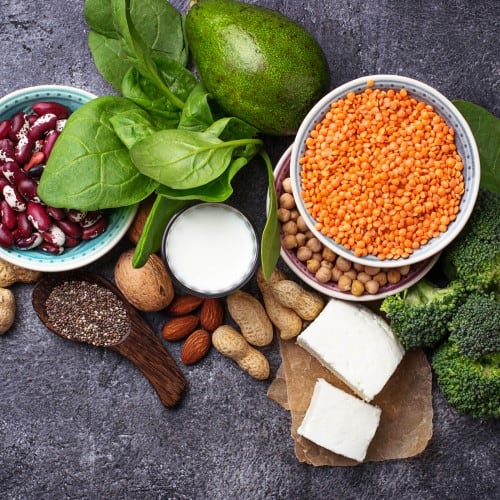
It is recommended to include plant-based protein sources in your daily diet, such as tofu, beans, lentils, chickpeas, nuts, seeds and eggs.
They are an ideal, high-quality meat substitute. Increasing their consumption while reducing meat consumption, especially red and processed meats (cold cuts), significantly reduces the risk of developing cancer.
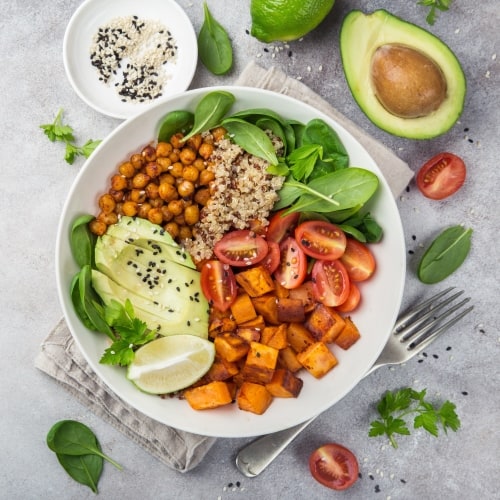
You should increase your consumption of vegetables and fruit as they are the most valuable sources of fiber and vitamins, especially vitamin C, provitamin A, and folic acid.
Fruits and vegetables should be the foundation of a healthy, balanced diet. Unfortunately, in Poland in 2015, the average daily consumption of combined fruit and vegetables was less than 300g per person, which is slightly more than half of the World Health Organization's recommended five servings per day.
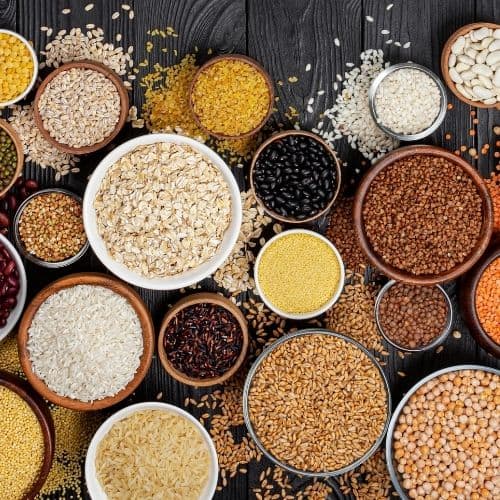
It is very important to introduce whole grain products such as brown rice, oatmeal, groats, whole grain pasta and whole grain bread into your daily diet.
These products are rich in fiber, minerals, especially magnesium, iron, zinc, and vitamins, mainly B vitamins. They have a beneficial effect on the cardiovascular system and proper brain function.

The flexitarian diet also includes dairy products as an additional source of protein and calcium.
Occasional meat consumption is recommended. Fish is especially recommended, as it is a rich source of heart-healthy omega-3 fatty acids.
For optimal health, it is also important to reduce sugar and salt intake.
What is a new trend for us, for Asians has been a way of eating for hundreds of years.
Let's recall the diet of the Japanese – the longest-living and healthiest nation in the world. Their diet includes meat occasionally, most often in the form of fish and seafood. Other staples include vegetables, fruit, brown rice, legumes like tofu and miso, and seaweed (e.g., Cloud, wakame) rich in omega 3 fatty acids and mushrooms with properties that support the immune system, e.g. shiitake mushroomsIn the Chinese diet, although meat appears more often than in the Japanese, it is a small addition to the dish, and the base is vegetables, fresh herbs, tofu, rice noodlesFor Asians who follow a traditional Eastern diet, obesity, diabetes, and heart disease, which are the most common causes of death among residents of the so-called "Western world," are unfamiliar, as described by Professor T. Colin Campbell in his famous book on long-term research conducted among the Chinese community – "The China Study."

Prepared by a clinical dietitian Monika Wodziczko