Why do Asians eat a lot of rice and still stay slim?
This is a question many people ask themselves: how is it possible that rice is the basis of the daily diet in many Asian countries, and yet the inhabitants of these regions often maintain a slim figure? secretion does not lie in the complete avoidance of carbohydrates, but in the way the entire meal is composed.
In traditional Asian cuisine, rice is usually not served on its own. It's part of a larger dish accompanied by vegetables, fish, seafood, tofu, fermented ingredients, and aromatic spices. This provides the meal not only with energy but also with fiber, protein, vitamins, and minerals.
Portion size and the way you eat are also crucial. Rice is one element of the plate, not its sole foundation. In traditional eating patterns, a large portion of the meal consists of low-calorie foods such as vegetables, mushrooms, and algae, which increase the volume of the dish and help achieve a feeling of fullness.
Vegetables as a Foundation, or the Power of an Anti-Inflammatory Diet
One of the most important elements of traditional Asian dishes is vegetables. In many traditional eating patterns, they constitute the largest portion of the plate, providing the body with large amounts of fiber, vitamins, minerals, and antioxidants.
Vegetables are low in calories, so they allow you to create filling and nutritious meals without excess calories. Fiber supports healthy intestinal function, helps maintain stable blood sugar levels, and helps you feel full longer.
The abundance of colorful vegetables in Asian cuisine is also a source of natural antioxidants. These substances help protect cells from oxidative stress and support the body in fighting inflammation. This is why the traditional diet of many Asian regions is often referred to as an anti-inflammatory diet.
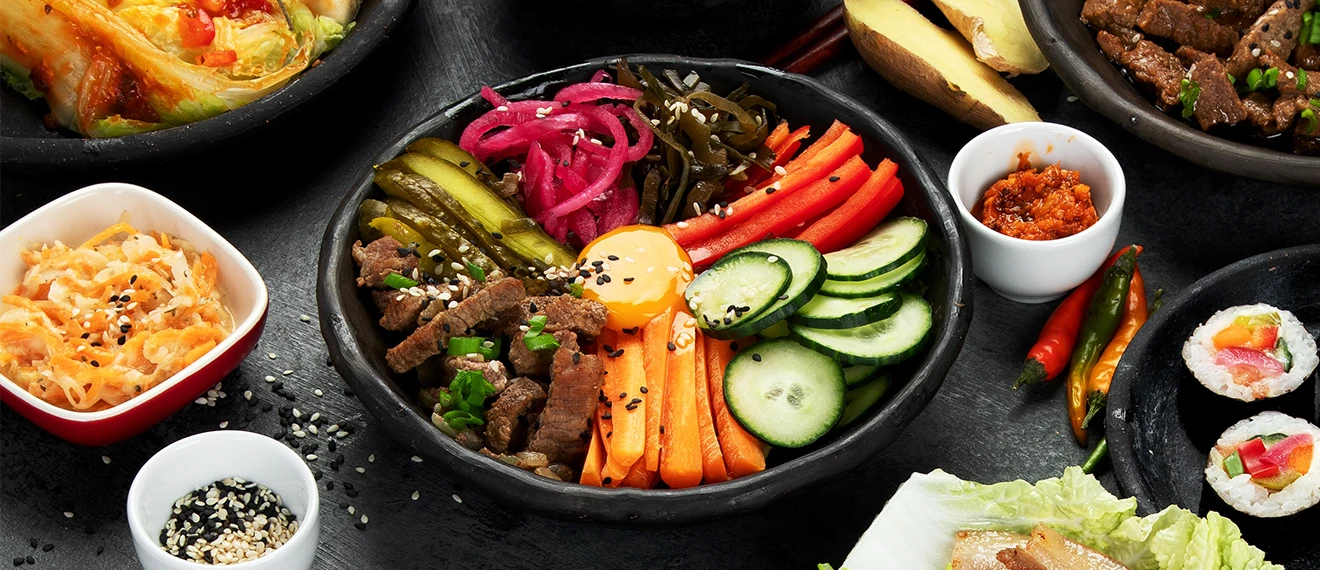
Vegetables aren't just a side dish here—they often form the foundation. Cabbage, carrots, mushrooms, pak choi, peppers, sprouts, and spinach add structure, flavor, and nutritional value to dishes.
Cooking Technique: The Magic of Quick Stir-Frying and Steaming
It's not just the ingredients that matter. The way dishes are prepared is equally important. Traditional Asian cuisine often utilizes techniques that preserve the natural flavor and nutritional value of the products.
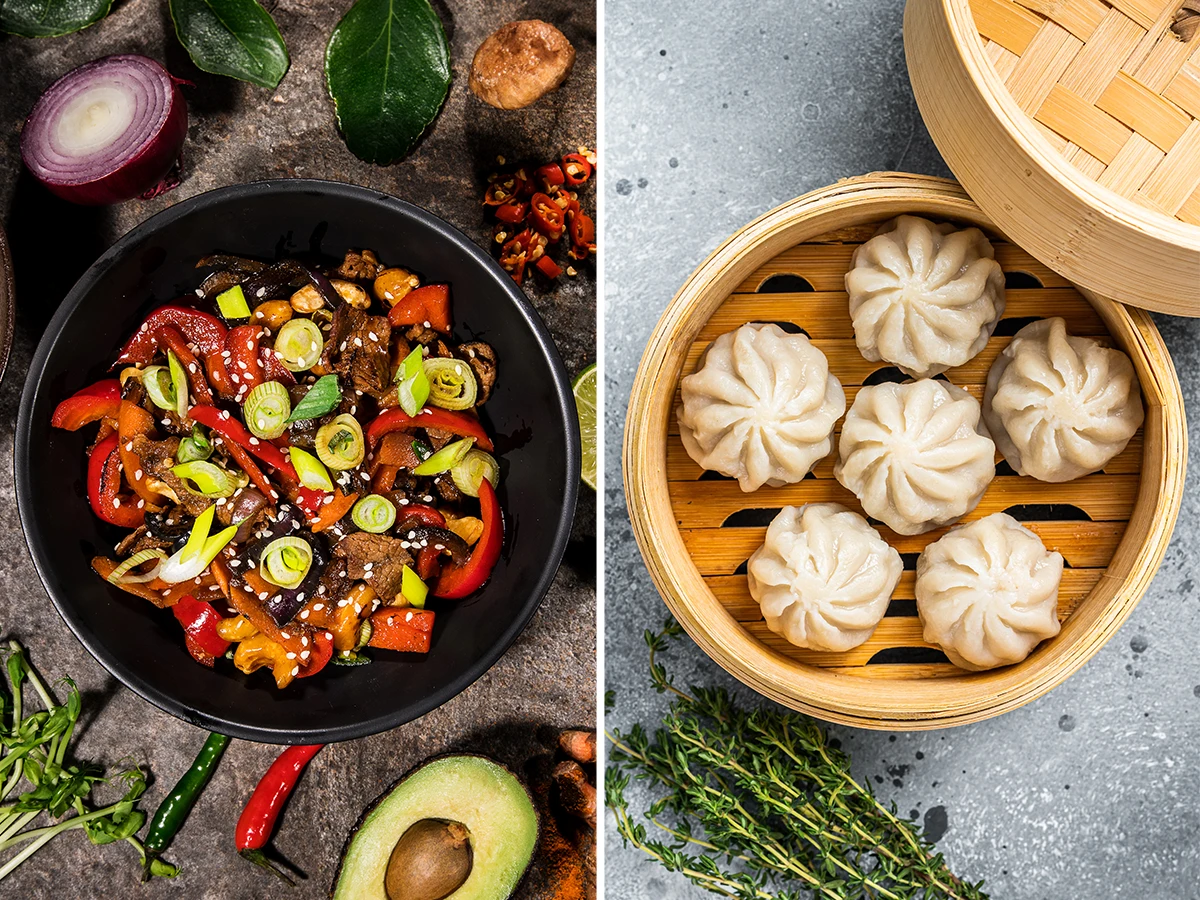
Steaming allows for the gentle preparation of vegetables, fish, and other ingredients without the need for large amounts of fat. Products retain their texture, color, and many valuable nutrients that would otherwise be lost during long cooking.
The second characteristic technique is stir-frying, which involves rapid frying at a high temperature while constantly stirring the ingredients. This short cooking time allows vegetables to remain crispy and retain a significant portion of their heat-sensitive vitamins.
This is a completely different approach than long frying or heavy dishes prepared with large amounts of fat. Asian cuisine emphasizes speed, freshness, and bringing out the natural flavor of ingredients.
If you want to try this method in practice, prepare an aromatic Chinese-style stir-fry noodles with shrimp.
Fish and seafood – the main source of omega-3 fatty acids
Fish and seafood play a crucial role in the traditional cuisines of many Asian countries. They are valued not only for their unique flavor but also for their high nutritional value.
Oily marine fish are one of the best natural sources of omega-3 fatty acids, which support healthy cardiovascular function and brain function. Regular fish consumption is one of the elements of a diet often observed in regions where inhabitants enjoy high life expectancy. If you're looking for inspiration for a nutritious meal featuring fish, try our recipe for teriyaki salmon.
Seafood, on the other hand, provides high-quality protein and numerous minerals, such as zinc, selenium, and iodine. Combined with vegetables, rice, and light sauces, they create meals that are both filling and well-balanced.
The health benefits of Asian superfoods: kimchi and nori seaweed
Asian cuisine utilizes many products that have now gained popularity worldwide as natural health-promoting ingredients. The most well-known include kimchi and nori seaweed.
Kimchi This is a traditional Korean fermented product, most often made with cabbage and spices. The fermentation process creates natural bacterial cultures that can support the gut microbiota. A healthy gut is crucial for the proper functioning of the entire body, immunity, and metabolism.
Nori algae, used in sushi preparation, among other things, is a source of minerals and characteristic compounds found in marine plants. These compounds imbue dishes with a unique umami flavor while enriching your daily diet with new, valuable ingredients.
Aromatic spices and soy sauce, i.e. natural ingredients instead of table salt
One of the secrets of Asian cuisine is the skillful development of flavor. Instead of relying solely on salt, dishes utilize a wealth of aromatic ingredients such as ginger, garlic, chili, turmeric, and fresh herbs, as well as various other sauces, which allow you to bring out the depth of the dish without the need for excessive salting.
Spices They add intensity and depth to dishes, but also serve a health-promoting function. Ginger is valued for its warming and digestive properties, garlic has been used for years as a natural antibacterial ingredient, and hot spices containing capsaicin can affect the body's thermogenesis.
An important element of many dishes is also soy sauce, which is responsible for the characteristic umami flavor. Its intensity means that a small amount is enough to enhance the flavor of the entire dish.
Rice Eating Secrets – How Rice Vinegar and Resistant Starch Regulate Sugar Levels?
Rice is often associated solely with high carbohydrate content, but the way it is prepared and served is crucial. In traditional Asian cuisine, rice is often accompanied by rice vinegar and fiber-rich foods.
The acetic acid in rice vinegar can affect the rate of starch digestion, resulting in a meal with a lower glycemic load. This means a slower release of glucose into the blood and more stable energy levels.
Additionally, pre-chilled rice may contain a higher amount of resistant starch, a type of fiber that is not digested in the small intestine and can provide food for beneficial gut bacteria.
This shows that the product itself doesn't always determine the effect a meal has on the body. It's the entire preparation method and the combination of ingredients that matter.
The philosophy of Hara Hachi Bu and the Japanese principle of moderation
One of the most well-known elements of Japanese food philosophy is the principle of Hara Hachi Bu, which means ending a meal when you are about 80% full.
In many Western cultures, we often eat until our plate is empty, even if our bodies have already signaled that we're full. The Japanese principle, however, teaches us to be more mindful and listen to our bodies.
This simple habit helps control how much food you eat without the need for restrictive diets. Moderation is one of the foundations of a traditional lifestyle that has been practiced in certain regions of Japan for generations.
Regional differences in Asia and the health and caloric content of dishes
Asian cuisine isn't a single, uniform way of eating. Asia is a vast continent with hundreds of distinct culinary traditions. Each region utilizes different ingredients, spices, and preparation techniques.
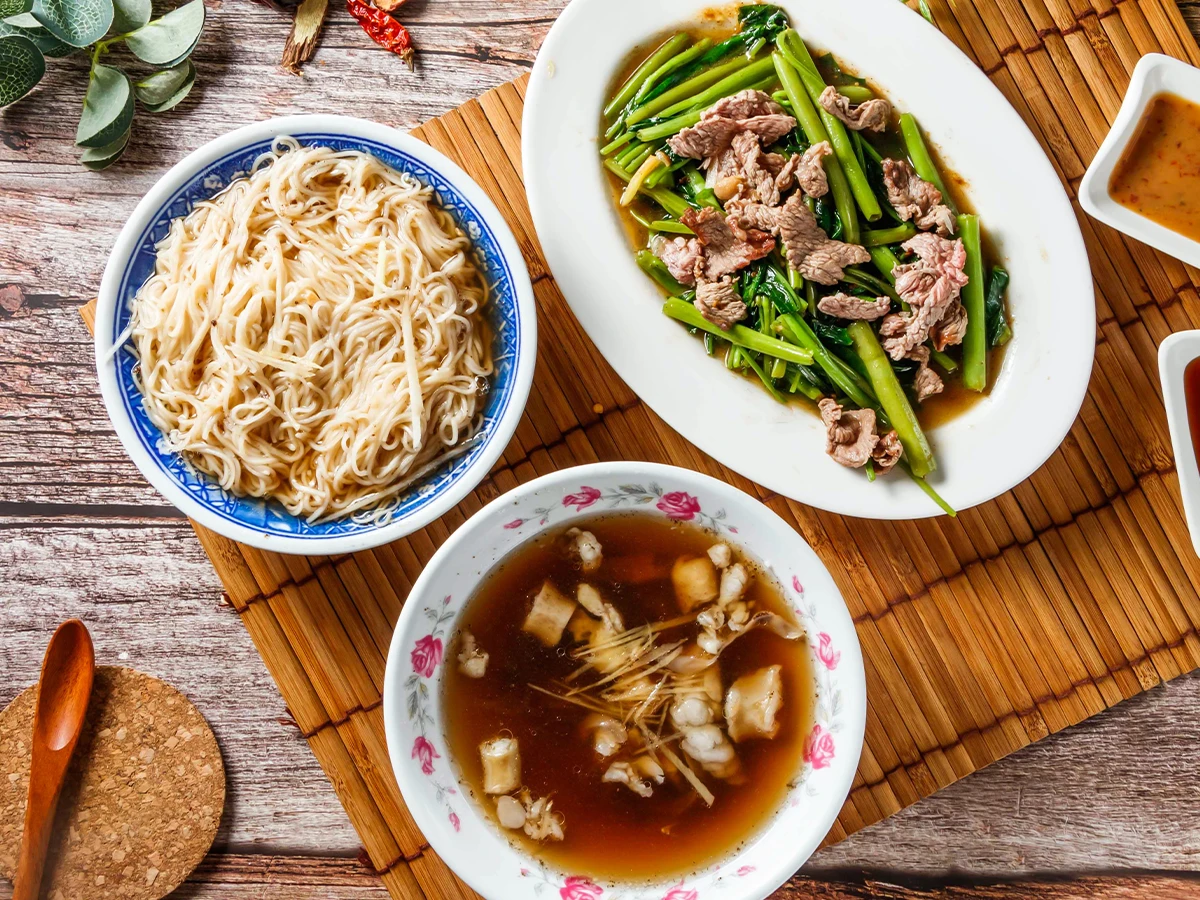
Japanese cuisine is often associated with fish, rice, fermented foods, and the simplicity of preparation. Korean cuisine is distinguished by its abundance of vegetables, hot spices, and fermented foods. Chinese cuisine delights with its diversity – from light steamed dishes to aromatic stir-fries.
It's worth remembering that not every dish labeled "Asian" is automatically low-calorie. Modern versions of many dishes, especially those inspired by fast food, may contain more fat, sugar, or salt than traditional recipes.
The Modern Western Diet and Traditional Asian Cuisine
One of the biggest differences between the traditional diet in many Asian countries and the modern Western diet is the degree of processing of products and the way meals are composed.
Traditional Asian cuisine often relies on fresh ingredients, vegetables, fish, fermented foods, and moderate portions. The modern Western diet is more likely to contain large amounts of highly processed foods, simple sugars, and excess calories.
This doesn't mean, however, that one cuisine is always good and the other is always bad. The most important thing is choosing nutritious products, variety, and maintaining balance.
| The Modern Western Diet | Traditional Asian cuisine | |
|---|---|---|
| Degree of product processing | Often high; lots of convenience foods, fast food, and snacks | Typically lower; higher proportion of fresh and natural ingredients |
| Basic ingredients | Meat, wheat products, dairy products, sweets, saturated fats | Rice, vegetables, fish, tofu, legumes, fermented products |
| Number of vegetables | Often smaller, especially in a diet based on fast food | Usually a large amount of vegetables in daily meals |
| Protein sources | Mainly red meat, poultry, dairy products | Fish, seafood, tofu, soy, eggs, small amounts of meat |
| Fats | Saturated and trans fats are more common in processed foods | More often vegetable fats and fish fats |
| Simple sugars | A large number of sweetened drinks, desserts and snacks | Traditionally, fewer sweets and sugar in everyday meals |
| Serving size | Often large portions and high-calorie meals | Usually smaller, more moderate portions |
| How to compose a meal | Meals often based on one main ingredient, e.g. meat or a flour product | More varied meals: rice, vegetables, protein and side dishes |
| Fermented products | They occur less frequently | Often present, e.g. kimchi, miso, soy sauce, fermented vegetables |
| Impact on health | Excess calories, sugar and processed products can contribute to obesity and lifestyle diseases. | Lots of vegetables, fish and moderate portions can support health |
| Overall rating | Not always unhealthy, but often requires limiting highly processed foods | Not always perfect, but traditionally based on greater balance and diversity |