





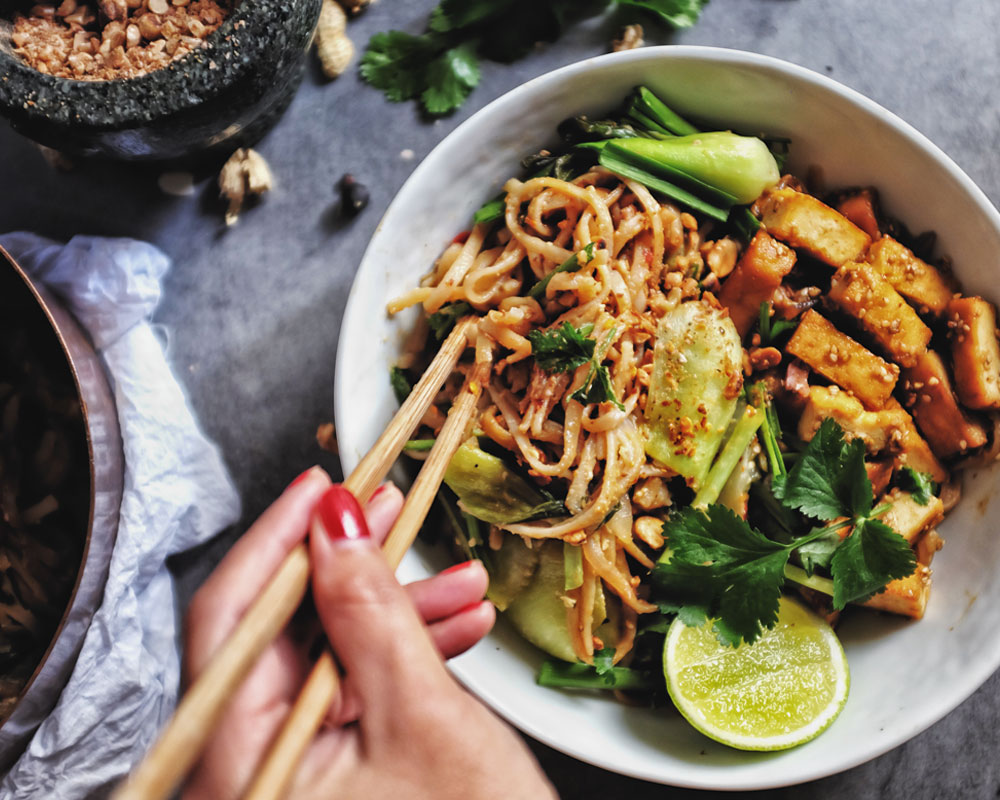
What is the secret to longevity? Which products are worth reaching for to enjoy good health for many years?
The answer lies in the secrets of the Asian diet, considered one of the healthiest cuisines in the world. It's dominated by crunchy vegetables and fruits, fermented soybeans, fresh fish, and aromatic spices. The secret also lies in the short preparation process and the consumption of small—but varied—portions.
Which products are particularly worth paying attention to?
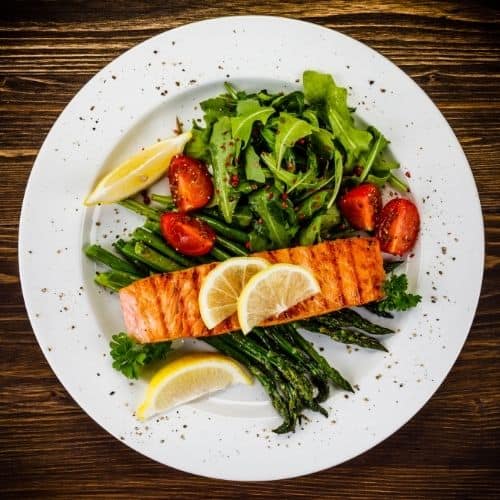
Fish and seafood
Asian tables feature a variety of fish, shrimp, squid, and mussels. They are prepared in a variety of ways, from steaming to quick frying. They are a valuable source of high-quality protein and minerals. The n-3 fatty acids found primarily in fish reduce the risk of cancer (breast, colon, pancreas, prostate, lung, and stomach), have anti-inflammatory properties, stimulate the immune system, and improve the health of the nervous system.
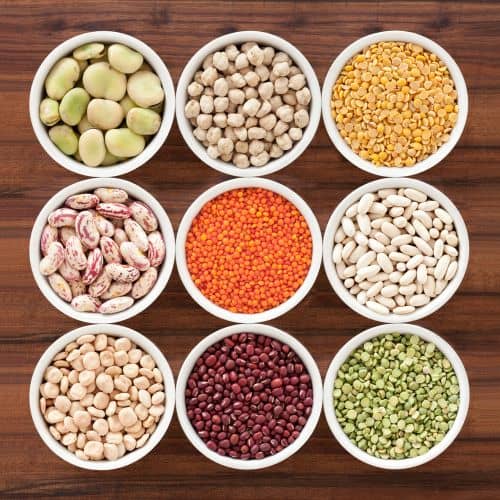
Legumes
Soybeans, chickpeas, and zuki beans – popular legumes, rich in flavonoids, are a healthier source of protein than red meat. Soybeans deserve special attention – they are a valuable source of substances with anti-cancer properties, including isoflavones, dietary fiber, folic acid, and a number of minerals, including calcium. Soybeans are found in various forms in Asian cuisine, such as tofu, soy sauce or paste miso.
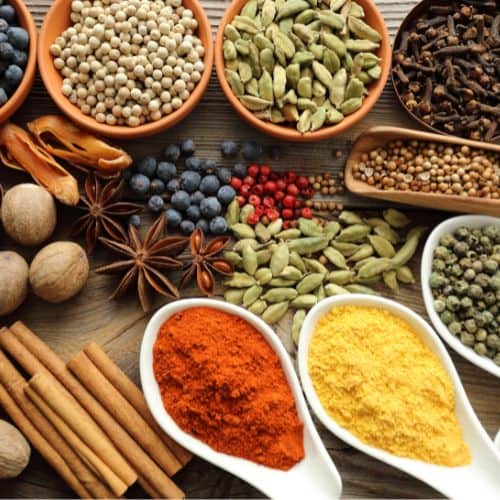
Spices
Aromatic herbs and spices with health-promoting properties are commonly used in Asian cuisine. Examples include turmeric, ginger, and cardamom.
- Turmeric Obtained from the rhizome of turmeric, it has been shown to protect against colon cancer. It is used to relieve indigestion, as well as stomach and liver ailments. Currently, its anti-inflammatory, antioxidant, antibacterial, and antifungal properties are increasingly being recognized.
- Ginger Known in Asia for many years, its strong flavor comes from its essential oils, primarily gingerol, which has anti-inflammatory and antioxidant properties. Ginger is commonly used to relieve nausea and as a painkiller..
- cardamom It has an intensely spicy flavor, and the oils it contains have antiviral, antibacterial, and antifungal properties. Consuming a cardamom-based infusion is recommended to alleviate viral infections. This spice also helps relieve crampy abdominal and intestinal pain.

Wodorosty
Wakame, kombu, and nori are often found in traditional Asian cuisine. They help combat cancer, thyroid disease, and urinary tract infections. Numerous experts point to the remarkable properties of algae, including antiviral properties, reducing blood sugar absorption, and reducing LDL (bad) cholesterol levels. Seaweed provides us with numerous vitamins and minerals, including iodine, calcium, magnesium, potassium, copper, and iron.
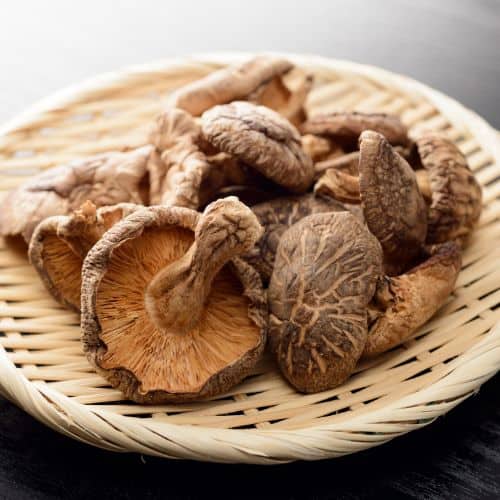
Mushrooms
Shiitake, mun, reishi Often referred to as the "elixir of life," they are believed in Chinese medicine to ensure health and longevity. Above all, they boast record levels of potassium, which lowers blood pressure, and niacin, which soothes the nerves. Additionally, they strengthen the immune system and exhibit anti-cancer properties. Some argue that Asian mushrooms (e.g., reishi) can also help with hypertension, high cholesterol, cardiovascular disease, liver and kidney disease, respiratory ailments, chronic fatigue syndrome, stomach ulcers, and viral infections.
Clinical dietitian Aneta Korzeniecka