




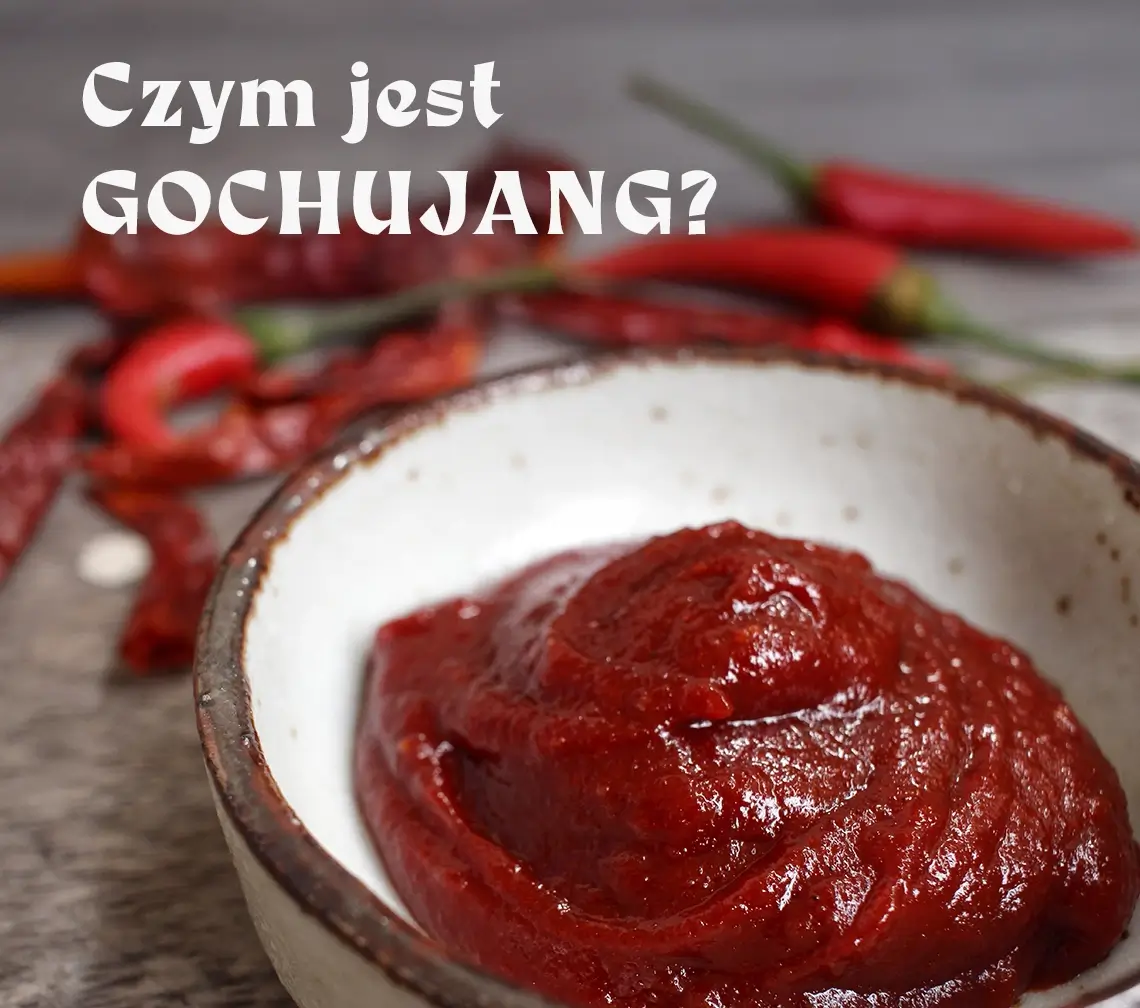
What is gochujang and where does it come from?
Gochujang is a traditional Korean paste made by slow fermentation. Following ancient methods, this process takes place in clay vessels called jangdok, giving the paste a distinctive, slightly smoky, and winey aroma. This spice originates from South Korea, where it has played a significant role as a staple ingredient in many everyday dishes for centuries.
Its composition is based on a specific base: a combination of red chili peppers, glutinous rice, fermented soybeans, and salt. Wheat gluten is sometimes added to help achieve the desired thick consistency. Unlike classic chili sauces, Korean gochujang paste is a complex, naturally fermented product that, thanks to its prebiotic properties, can be a valuable addition to a balanced diet.
The taste of gochujang
The flavor profile of this spice is complex and far from the one-dimensional spiciness of many Western sauces. Gochujang pepper paste is characterized by a well-balanced combination: the spicy flavor from the chilies balances the mild sweetness of the rice and the deep umami of the fermented soybeans. Thanks to this composition, the spice doesn't overwhelm the palate, but objectively enriches the dish, building its structure. This flavor profile provides an interesting twist for those seeking new culinary experiences.
How to use spicy gochujang pepper paste?
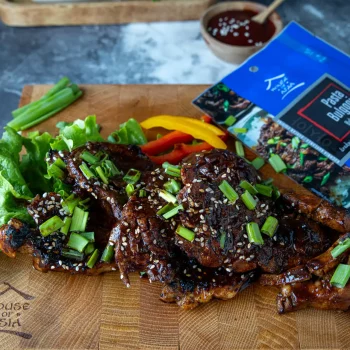
The paste has a wide range of uses in Korean cuisine, but its culinary potential extends beyond classic Asian recipes. Its thick consistency allows it to adhere well to ingredients, making it ideal for creating glazes and marinating meat. It can also be successfully used for roasting vegetables like sweet potatoes, pumpkin, and carrots, which will gain a much deeper flavor.
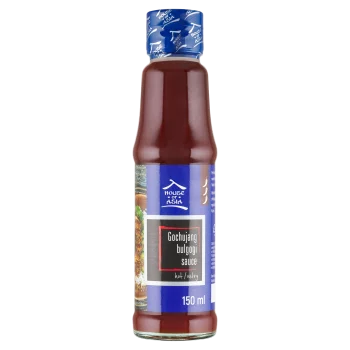
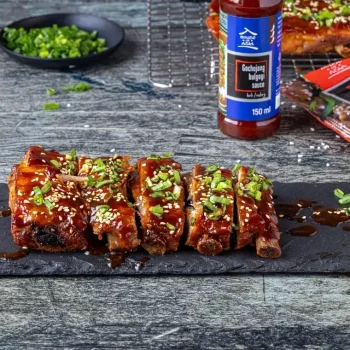
Spicy paprika paste is also a good base ingredient for sauces, such as homemade mayonnaise served with baked potatoes or burgers. It's worth trying it in a fusion with European cuisine: a dash of gochujang paste added to a classic tomato sauce or traditional beef goulash will enhance the dish's color and enhance the umami sensation. For those looking for convenient solutions, a practical choice for home experiments is a ready-made gochujang bulgogi sauce, which allows you to quickly prepare meat without having to compose the marinade yourself.
What goes well with gochujang?
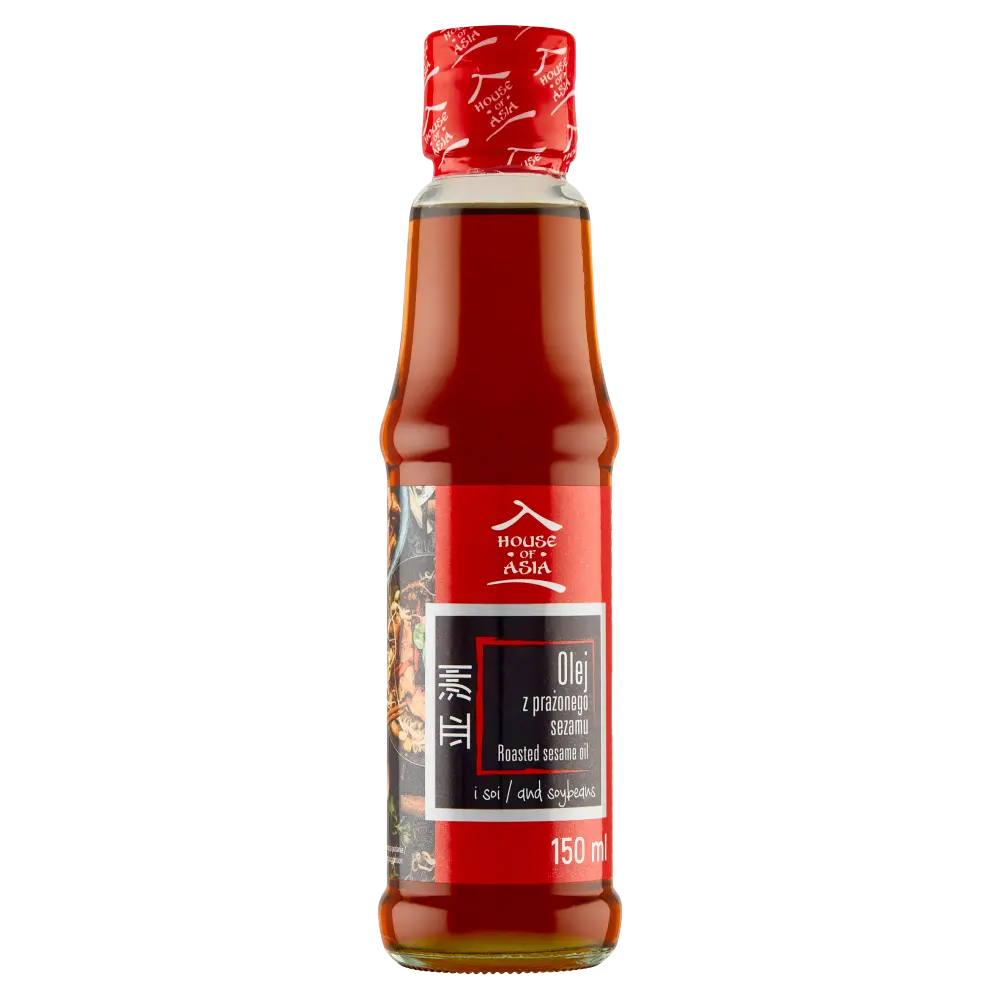
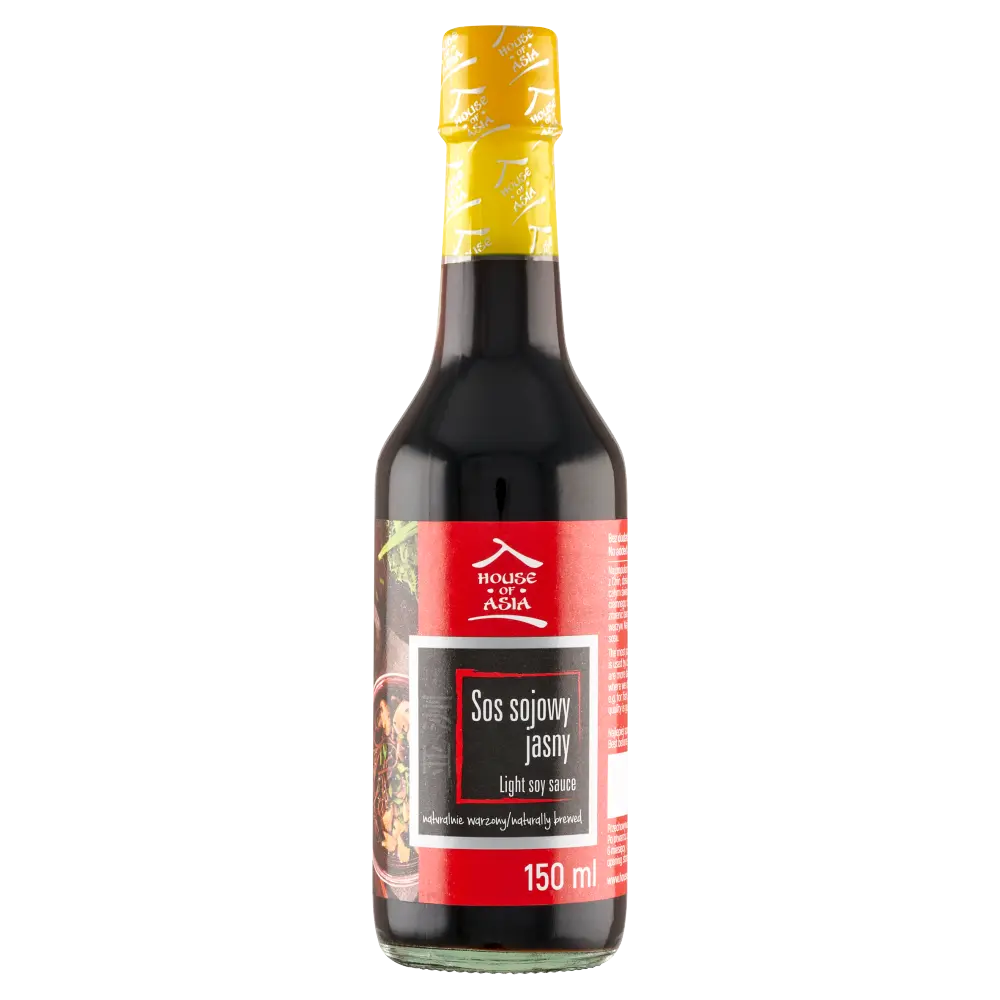
To achieve a consistent flavor profile with Asian flair, it's worth pairing the paste with complementary products. A basic gochujang-based marinade gains character when combined with roasted sesame oil, giving it a nutty aroma. An important element is also light soy sauce, which appropriately positions the saltiness of the dish. It is worth sprinkling the finished dish with seeds white sesame.
Gochujang also pairs well with both sour and sweet notes. By mixing the paste with freshly grated ginger, crushed garlic, lime juice, rice vinegar, or a pinch of brown sugar, you can create compositions that enhance the flavor of chicken, beef, and vegan tofu. Additionally, when combined with sesame oil, the paste gains a smoother texture, which is very useful for glazing.
The most popular Korean dishes based on gochujang paste
Dishes prepared with gochujang are among the most recognizable items in Asian cuisine. A classic example is bibimbap – a bowl of rice served with vegetables, a fried egg, and chicken, where the paste binds the individual ingredients into a cohesive whole. Another well-known element of Asian street food is tteokbokki: rice dumplings served in a thick, sweet and spicy sauce.
Paprika paste is also popularly used in Korean fried chicken, creating a distinctive, sticky coating. It also forms the basis for aromatic broths for soups and stews, such as the warming kimchi jjigae. You can use it to prepare both simple noodle dishes and more elaborate stir-fries.

 Korean
  over 30 minutes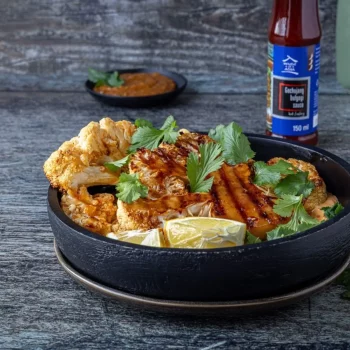
 Pork
Pork 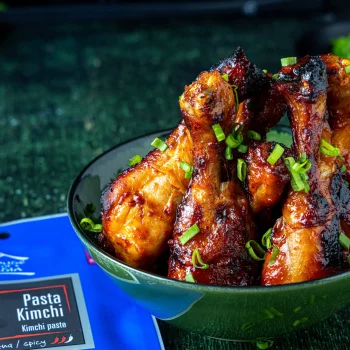
 Chicken
 Vegetables