


What are marine algae and do algae, algae and seaweed mean the same thing?
The terms "algae," "seaweed," and "seaweed" are often used interchangeably, although they don't mean exactly the same thing. Algae, or seaweed, are a very broad and diverse group of photosynthetic organisms. They can occur in both saltwater and freshwater and include microscopic organisms and large, multicellular organisms.
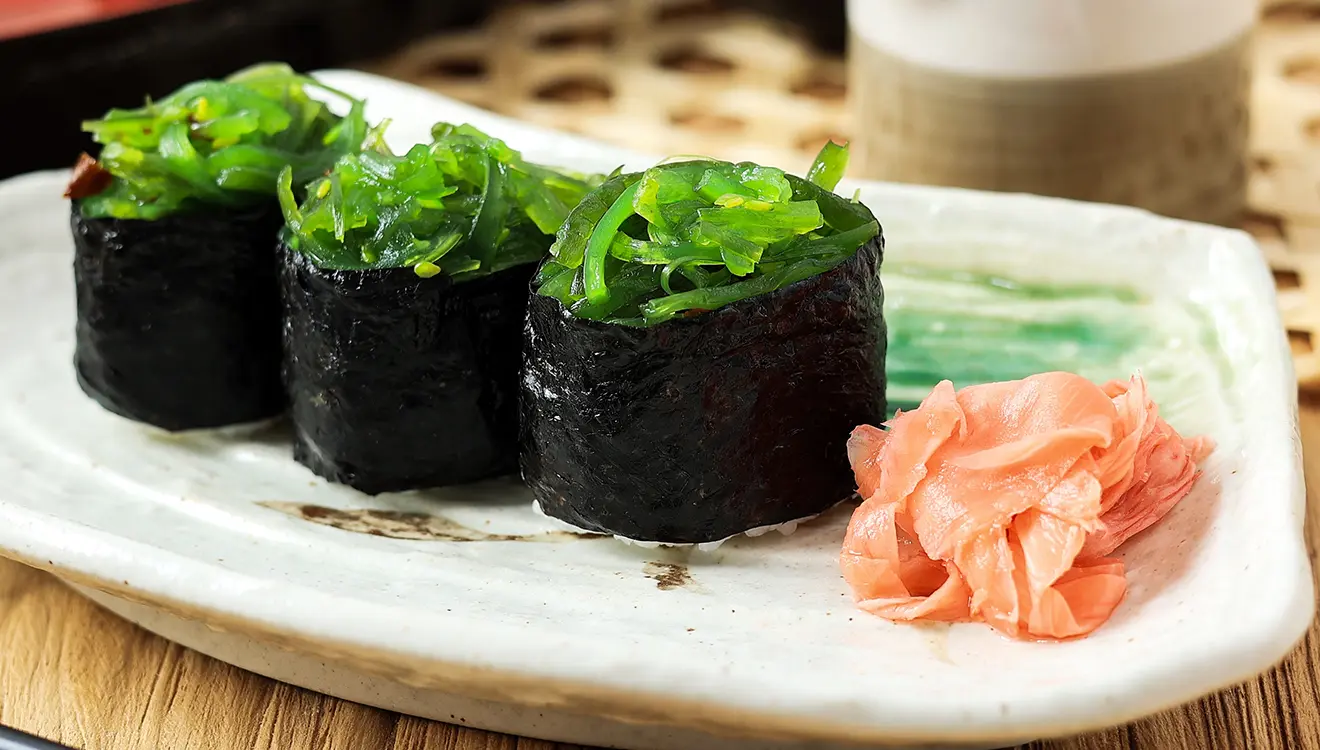
Seaweed, on the other hand, primarily refers to large, multicellular algae that live in aquatic environments, most often in culinary contexts, marine environments. This group includes wakame and kombu, well-known from Asian cuisine. Nori is also commonly referred to as seaweed, although this name refers to a product prepared from red algae, which, after being crushed, shaped, and dried, take on the form of characteristic thin sheets.
Edible algae can be divided into brown, red, and green algae. Individual species differ not only in color but also in structure, flavor intensity, nutrient content, and culinary uses.
Properties and nutritional value of seaweed – why is it worth including seaweed in your diet?
Marine algae are noteworthy for their high concentration of nutrients yet relatively low caloric value. Depending on the type, they can provide fiber, protein, iodine, iron, calcium, magnesium, and potassium, among other nutrients. Some species can be a source of essential amino acids, and selected bioactive compounds derived from algae have been shown to have antioxidant properties in laboratory studies. However, this does not mean that every algae product exhibits strong antioxidant activity in the human body.
However, it's important to remember that there's no single, universal nutritional profile for "seaweed." Nori, wakame, and kombu can vary significantly in their individual nutrient content. Therefore, it's best to treat seaweed as a supplement to a balanced diet, not as a substitute for other nutrient sources.
The primary source of omega-3 fatty acids
Omega-3 fatty acids are often associated primarily with fatty marine fish. However, it's worth knowing that the primary source of long-chain omega-3 acids in the marine food chain are microalgae. From there, these compounds are passed on to other marine organisms.
This doesn't mean, however, that every serving of edible seaweed provides a large amount of omega-3. Their content depends on the species and processing method, and we typically consume algae in relatively small portions. Nevertheless, they remain an interesting element of a plant-based diet and demonstrate the unique composition of the marine environment.
Natural mineral and fiber concentrate – support for the intestines and the body's immunity
Seaweed absorbs minerals directly from the environment, so it can be a concentrated source of many elements. However, the exact content depends on the species, source, and processing method. Edible algae can contain calcium, magnesium, iron, and potassium, among other minerals.
Dietary fiber is also a crucial component of algae. Seaweed contains specific polysaccharides, such as alginates, agar, or carrageenans, depending on the algae group. Fiber is an important element of a well-balanced diet and supports healthy intestinal function. The health of the digestive tract, in turn, is closely linked to the functioning of the entire body, including the immune system.
A rich source of iodine – contributing to the proper functioning of the thyroid gland
Seaweed is a food particularly rich in iodine. This element is necessary for the production of thyroid hormones, so adequate levels in the diet are crucial for its proper functioning. Thyroid hormones play a role in regulating metabolism, among other things.
In this case, however, more isn't necessarily better. The amount of iodine in algae varies greatly, and regularly consuming large portions of foods particularly rich in this element can lead to exceeding the recommended intake. Therefore, people with thyroid disease should consult a doctor or dietitian before frequently incorporating algae into their diet.
The most popular types of edible algae
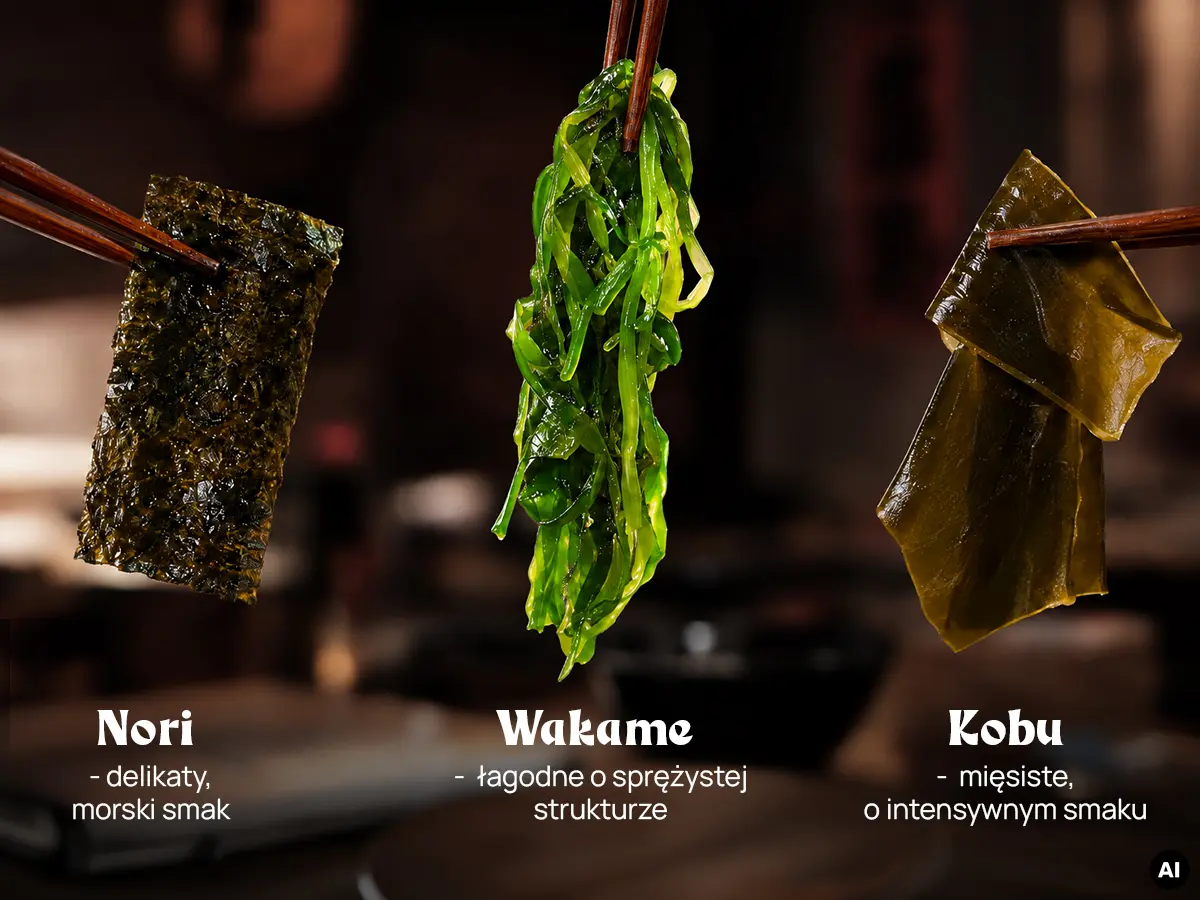
The world of edible algae is much richer than you might think. Different types vary in texture and flavor, making some best as a wrap for rice, others in soups, and still others in salads. To begin, it's worth exploring the three most well-known and particularly important to Japanese cuisine: nori, wakame, and kombu.
Nori – thin sheets of algae with a delicate, marine flavor
Nori is perhaps the most recognizable form of edible algae. Thin, dark green sheets are made from red algae that are crushed, shaped, dried, and often roasted. The resulting sheets have a delicate marine flavor, a distinct umami note, and a pleasant crunch.
Nori is most often associated with making sushi, but its possibilities are much broader. Sheets can be wrapped around onigiri and onigirazu, and crumbled or thinly sliced nori can be used as a topping for rice, noodles, soups, and salads. Roasted nori can also be used as a base for crunchy snacks.
Wakame – a mild seaweed with a springy structure
Wakame is a brown algae that visibly increases in volume after soaking, acquiring a soft, yet slightly springy consistency. Its flavor is mild, with a subtle marine note, and doesn't overpower the other ingredients in the dish.
Wakame is often found in miso soup, but it's also great in ramen and salads. A classic combination is wakame with cucumber and a sesame dressing. Thanks to their delicate flavor, they're also a good choice for those just starting their culinary adventure with seaweed.
Kombu – fleshy algae with an intense umami flavor
Kombu is distinguished by its thicker, meatier texture and intense flavor. It is one of the basic ingredients used to prepare dashi – the broth that forms the foundation of many Japanese dishes.
The secret to kombu lies, among other things, in its natural content of glutamates, responsible for the umami flavor. Simply place a piece of the seaweed in water and slowly heat it to create a deep, rich brew without the need for a large number of ingredients. Kombu can also be used when cooking rice, vegetables, or legumes.
Other edible seaweeds – hijiki, arame and dulse
Besides nori, wakame, and kombu, it's also worth exploring less obvious varieties. Hijiki is a dark, thin seaweed with a rather intense flavor, traditionally used in Japanese cuisine, among other places. However, it's worth noting that hijiki may contain elevated levels of inorganic arsenic, which is why some countries recommend limiting its consumption.
Arame have a milder, slightly sweet flavor and, when soaked, pair well with vegetables, rice, or tofu. Dulse, on the other hand, belongs to the red algae family and has an intense, marine flavor. They can be eaten soaked, added to dishes, or used dried as a spice.
How to Eat Seaweed Every Day? Simple Ways to Incorporate Seaweed into Your Dishes

Incorporating seaweed into your daily diet doesn't require complex culinary skills. Nori can often be used straight from the package, while dried wakame simply needs to be soaked before adding to a dish. Kombu, on the other hand, is excellent for making broths. In addition to products used in cooking, microalgae preparations are also available in powder form or sold as dietary supplements.
Seaweed is best thought of as an ingredient that adds an extra layer of flavor and interesting texture to a dish. A small amount is often enough to elevate ordinary rice, broth, or salad.
Algae as an addition to ramen, miso soup and other soups
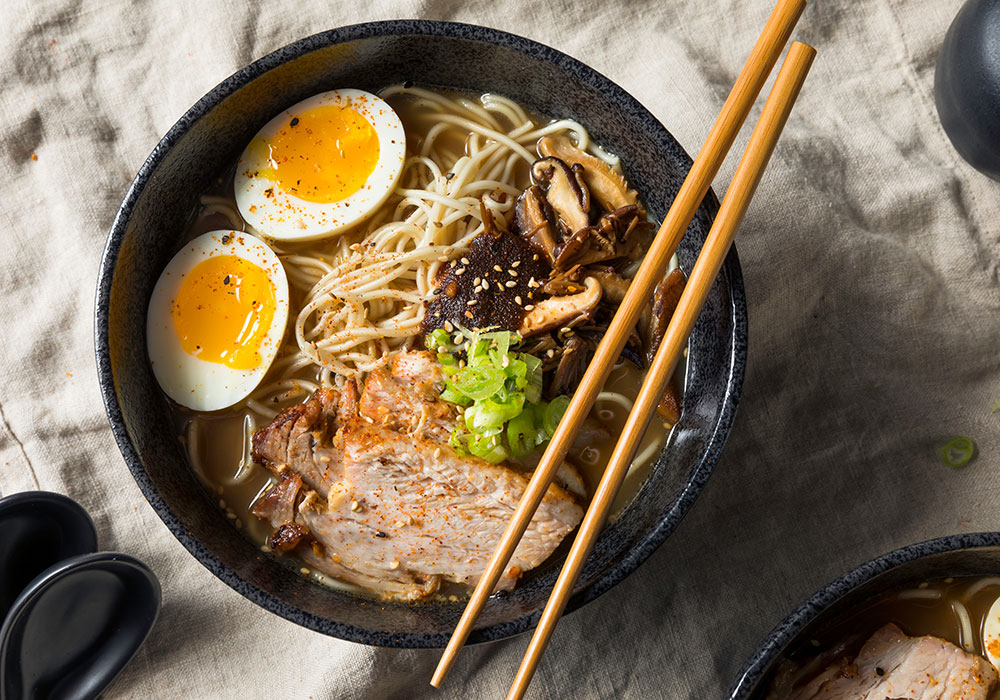
Soups are one of the easiest ways to use seaweed. Wakame is perfect for miso soup, but you can also add it to shoulderDried algae quickly absorb liquid, increase in volume, and acquire a characteristic, springy consistency.
Kombu is a great choice for preparing the broth itself. It helps build a deep umami flavor and is one of the classic ingredients of Japanese dashi. Thinly sliced nori can be used as a garnish, sprinkled over the finished soup just before serving.
Nori in sushi, onigiri and onigirazu
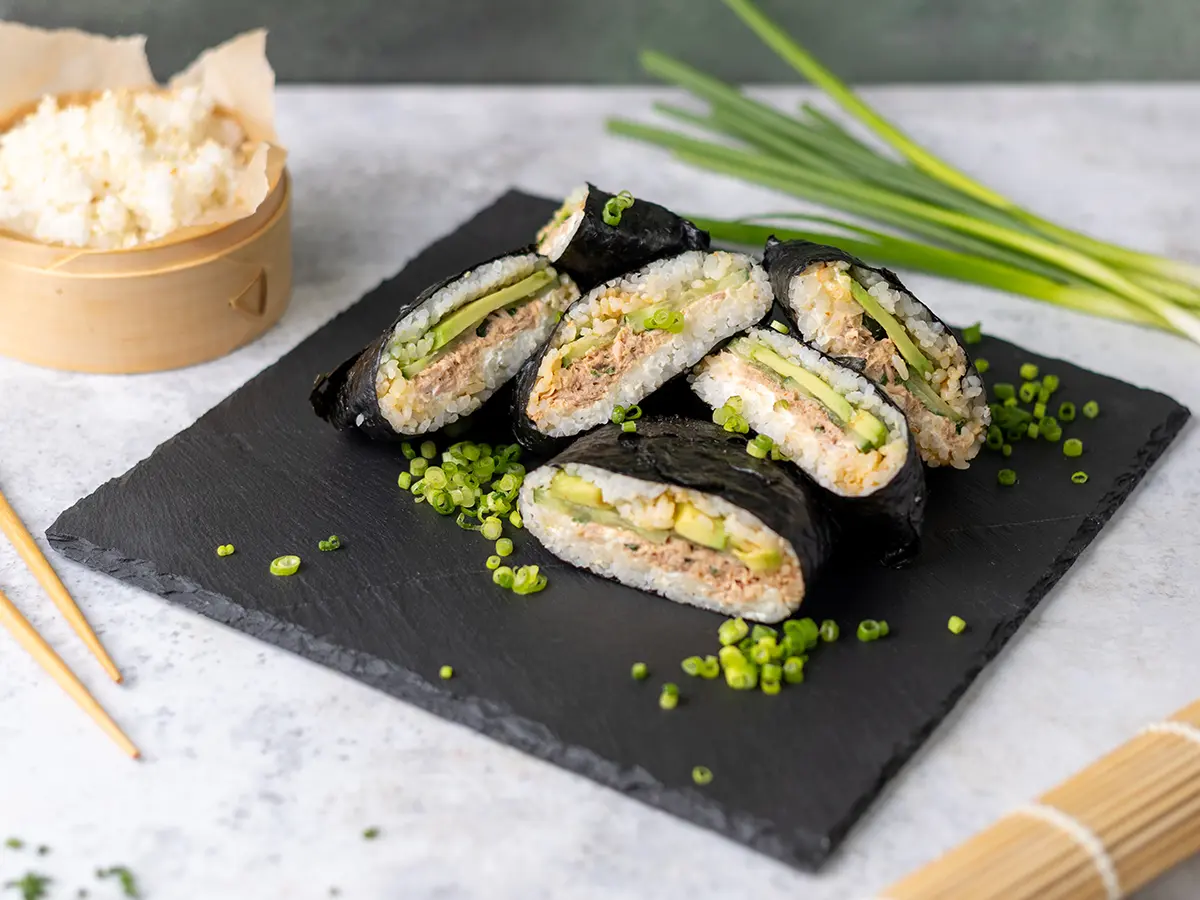
Sushi is the most obvious use Cloud, but definitely not the only ones. The sheets are also great for preparing onigiri, Japanese rice snacks, and onigirazu – a convenient form of rice sandwich, sometimes referred to as a “sushi burger.”
Simply place a portion of rice and your favorite toppings, such as vegetables, tofu, salmon, or an omelet, on a nori sheet, then roll it up tightly. Nori can also be cut into strips and served with rice or crumbled directly over the finished dish.
Wakame in salads and vegetable dishes
Wakame Seaweed and Cucumber Salad is an easy way to get to know the flavor of this seaweed. After soaking wakame They pair well with fresh cucumber, sesame seeds, soy sauce, rice vinegar, or sesame oil. The combination of crunchy vegetables and the springy structure of the algae creates an interesting textural contrast.
Seaweed as an addition to rice, pasta and stir-fry dishes
Crumbled nori is a quick way to spice up a bowl of rice or noodles. You can sprinkle them over the finished dish along with sesame seeds, chives, or chili flakes. Thin strips of seaweed also work well as a finishing touch to udon or soba noodle dishes.
Properly prepared wakame or arame can be used in stir-fries. It's best to add them towards the end of the frying process, as they usually don't require long cooking times. This allows them to retain their pleasant texture and prevent them from falling apart in the dish.
Nori chips and other seaweed snacks
Algae can also be a snack. Thin and crunchy. nori chips They have a distinct umami flavor, making them an interesting alternative to classic salty snacks. They can be eaten on their own or served as a crunchy addition to rice and other dishes.


 Pasta
 Chinese
 15-30 minutes
 Japanese