





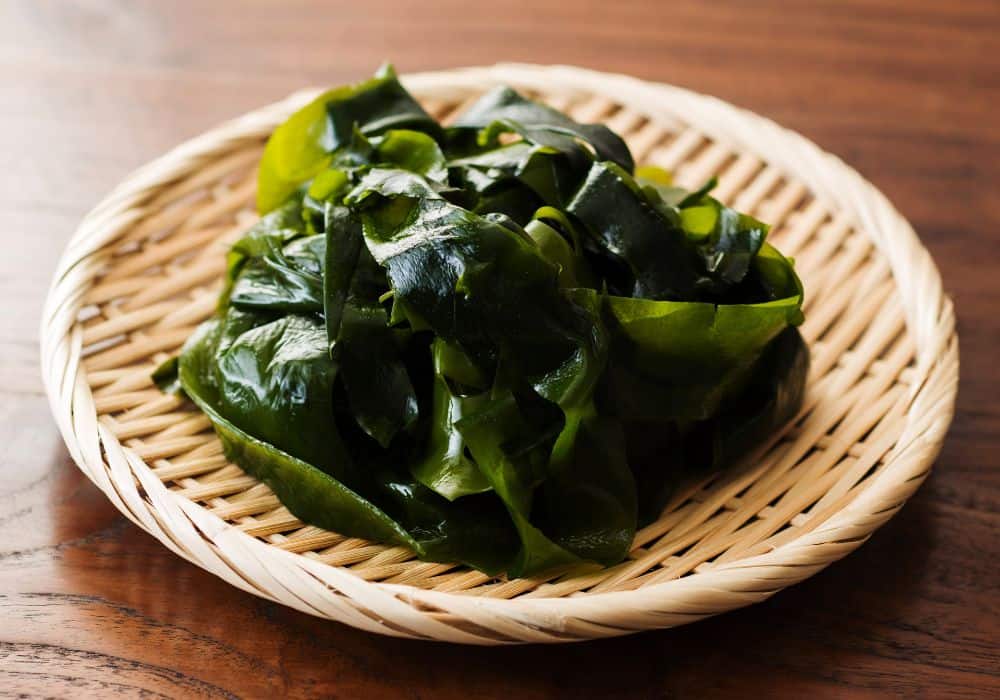
Seaweed is a general term for various types of algae and aquatic plants. Marine algae, not freshwater algae, are generally edible. They can vary in size surprisingly, from microscopic plankton to algae several dozen meters long. They are a staple food for marine creatures and have been an integral part of the human diet for hundreds of years, particularly among the Chinese and Japanese.
Why are they so valued in the world?
In traditional Chinese medicine, seaweed is used to aid in the treatment of cancer, thyroid, and urinary tract infections. In the modern world, numerous scientific studies are underway confirming the remarkable properties of algae. Among other things, it has been discovered that seaweed contains polysaccharides with antiviral properties that also induce the death of colon cancer cells. Furthermore, due to its high fiber content, algae reduce the absorption of sugar into the blood and help lower levels of so-called "bad" LDL cholesterol. The fiber contained in algae is primarily soluble, which helps us feel fuller faster after a meal and also provides food for beneficial intestinal bacteria, which positively impacts our immune system and well-being. It's worth noting that seaweed is an excellent source of omega-3 fatty acids. It's thanks to the consumption of algae that fish are known for their high content of these valuable fatty acids. It's also worth noting that they are rich in vitamins, minerals, and polyphenols. Seaweed contains vitamins A (in the form of carotenoids), C, D, E, B, and K, as well as minerals including iodine, calcium, magnesium, potassium, copper, and iron. Due to its high iodine content, seaweed is not recommended for people with hyperthyroidism.
There are many varieties of edible seaweed around the world. Among the most popular are:
- Nori Although it appears green, it is actually a variety of red algae. In ancient times, it was consumed in paste form until 1750, when the Japanese came up with the idea of processing nori paste into the paper form we know and use today. It is commonly used to wrap suchi, but also serves as a condiment for soups, such as ramen soup, as a garnish, and as a crunchy snack.
- Kombu is an alga naturally rich in glutamic acid, which adds umami flavor to dishes, the fifth known flavor, reminiscent of mushrooms and broth. It is used to make dashi, a Japanese broth. It is commonly used as a natural flavor enhancer in soups, sushi, and other dishes.
- Wakame – similar to kombu but more delicate and succulent. This algae is classified as brown, despite its bright green color. It is used to prepare fresh salads and is also added to soups. It is particularly rich in folic acid, crucial for women planning to conceive.
- Dulse is a type of red algae with a delicate, slightly chewy texture. It is used to enhance the flavor of various dishes and is also eaten as a snack.
- Kelp, Chlorella, Spirulina – these are algae that are most often found in powdered form as a dietary supplement.
- Agar – a substance derived from algae, used to thicken and gel foods. It's an excellent substitute for gelatin, making it a perfect alternative for vegetarians.
Eating seaweed is not only a healthy addition to your diet, but also an interesting way to diversify it.
Try our recipes with seaweed, e.g. wakame salad
Clinical dietitian Monika Wodyczko