




Gluten is a mixture of plant proteins, glutenin, and gliadin found in some grains, such as wheat, barley, rye, and spelt. It is found primarily in bread, most pasta, some groats, cakes, and breakfast cereals, but also in processed foods and those that—one might think—have nothing to do with gluten.
Products made from gluten-containing grains do have gluten-free equivalents. These include primarily naturally gluten-free products such as rice, corn, millet, buckwheat, quinoa, and legumes, but also products from which gluten has been technologically removed.
People on a gluten-free diet do not have to give up pasta

Pasta lovers who are eliminating gluten from their diet will be pleased to know that they don't have to eliminate this product from their gluten-free diet. There's a huge selection of gluten-free pastas on the market. They're a good alternative to wheat pasta, and not only gluten-free eaters enjoy them. Gluten-free pastas will diversify any diet. They'll let you discover completely new flavors and inspire you to experiment in the kitchen. An additional advantage is their ease of digestibility and quick and easy preparation.
Gluten-free pasta includes corn, chickpea and white rice pasta, brown rice, red rice and buckwheat or mung bean noodlesA major advantage of rice and legume pasta is that they don't require long cooking. Simply pour boiling water over them or simmer briefly, whereas most gluten-free pastas (corn or buckwheat) require careful preparation and can easily overcook and stick together.
House of Asia Gluten-Free Pasta
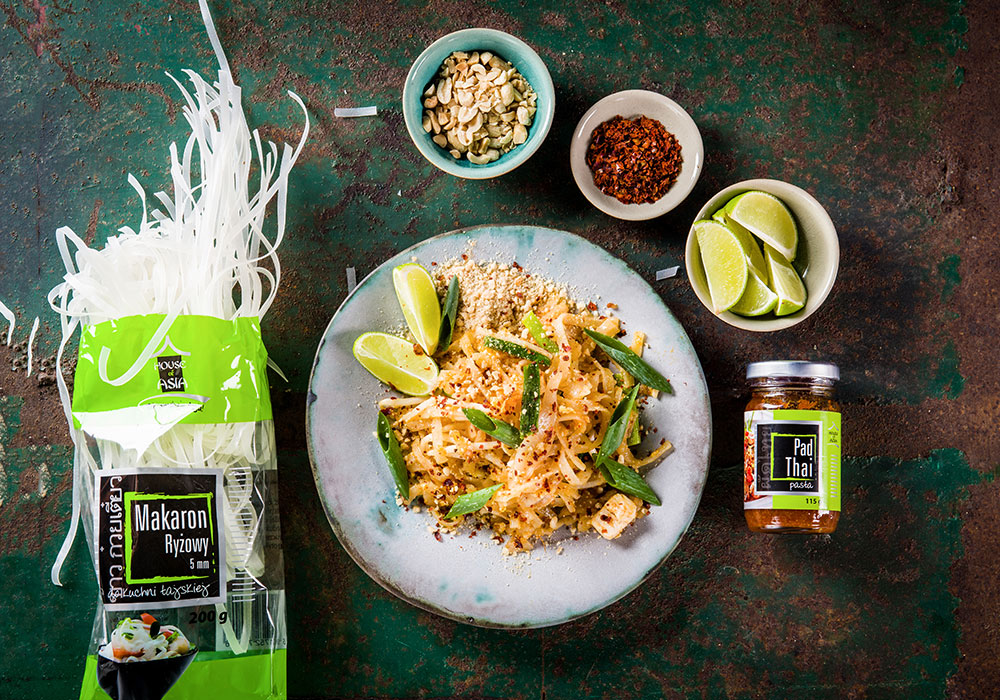
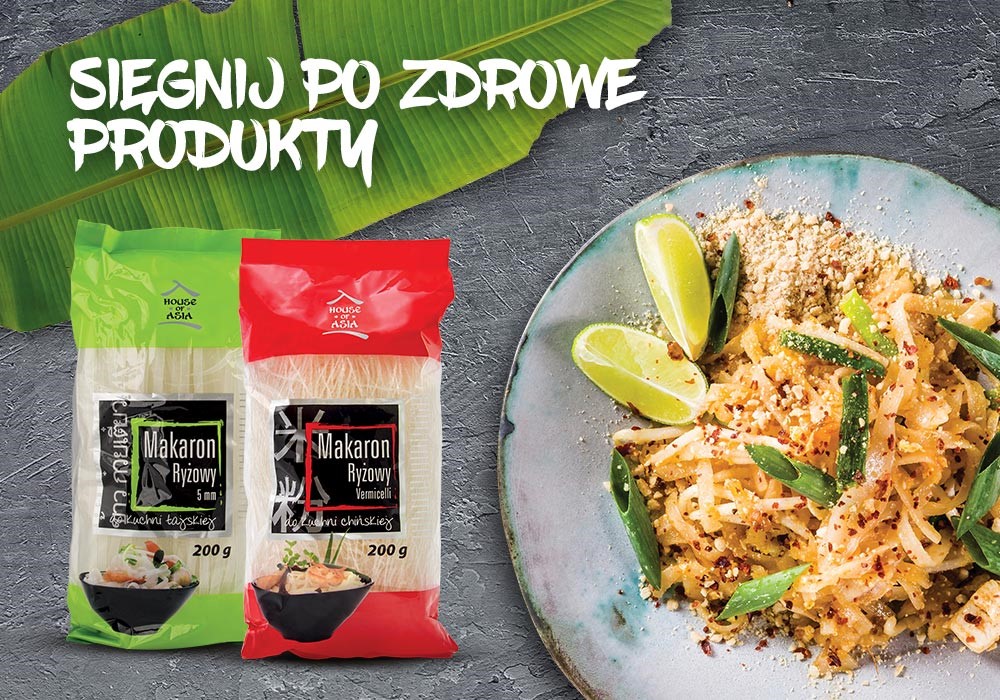
Gluten-free rice and legume noodles are a staple of Asian cuisine. They pair well with both meat and vegetables. They're ideal for preparing typical oriental dishes, such as: pad thai with chicken pork tenderloin with pasta and vegetablesThe pasta offered by the House of Asia brand is available in many variants, differing not only in the main ingredient, but also in thickness (the offer includes, for example, rice noodles 5-, 7- 10-millimeter) and shape (e.g. pasta vermicelli).

– A gluten-free diet is especially recommended for people with celiac disease, gluten allergy, and gluten intolerance. It's important to remember that, like any elimination diet, it must be implemented carefully. It's important to diversify the diet's ingredients, and therefore ensure it's balanced. Don't completely eliminate grain products such as bread, pasta, and cereals, but replace them with nutritious gluten-free alternatives. I recommend introducing products based on quinoa, amaranth, gluten-free oats, legumes, rice, and buckwheat, as they will provide your diet with essential fiber, complex carbohydrates, as well as valuable vitamins and minerals. explains Monika Wodyczko, clinical dietitian at De Care, the owner of the House of Asia brand. "When choosing gluten-free products, it's important to remember a few important rules. First, every diet should be consulted with a dietitian. Second, when choosing gluten-free products, read their ingredients. The clearer the ingredients on the label, the better. Third, diversify your cuisine with new flavors and ingredients to ensure a balanced diet."