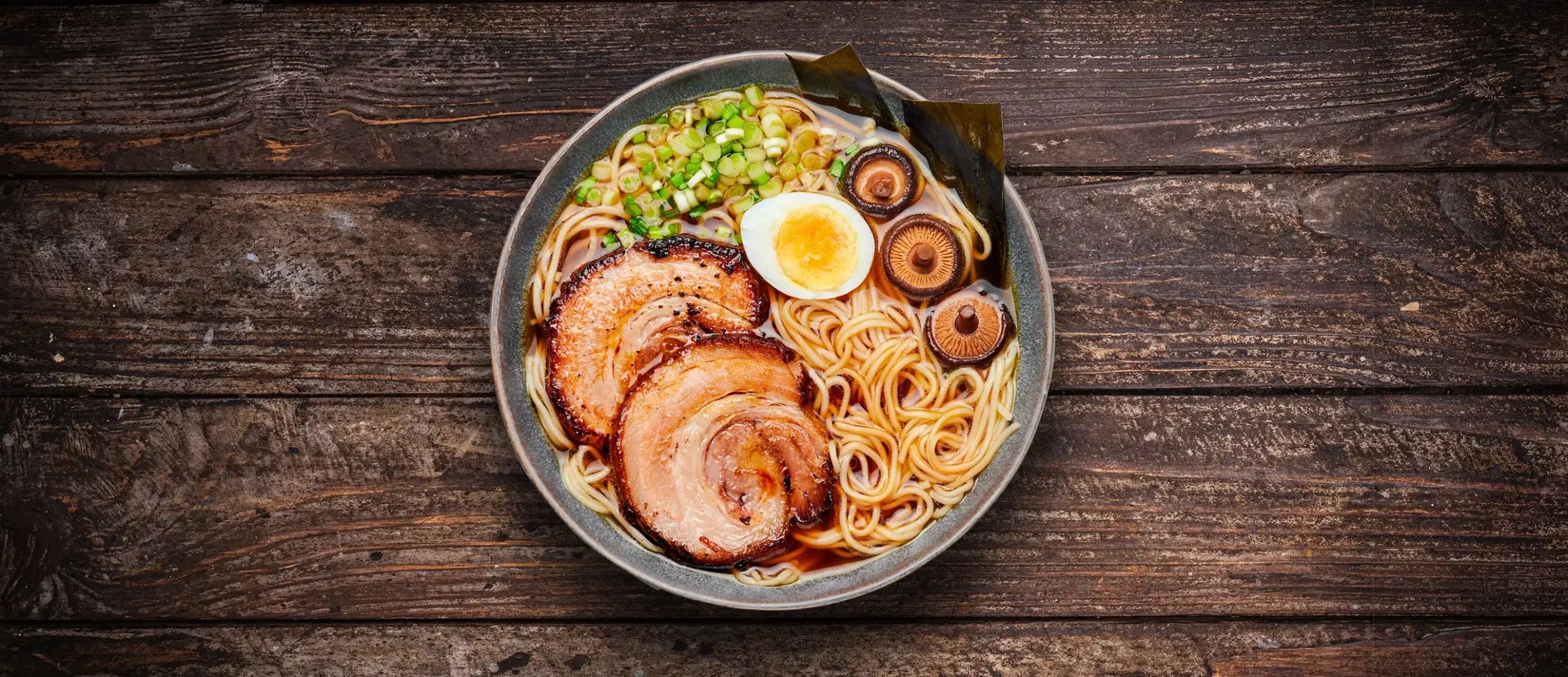
Ramen is a Japanese dish whose base consists of broth, tare, wheat noodles, and toppings. Depending on the seasoning and the type of broth, it can be delicate and light or intense, thick, and creamy. Among the most popular varieties are shoyu, miso, shio, and tonkotsu ramen.
Where does ramen come from?
Although today ramen is primarily associated with Japan, its history begins in China. It was from there that the tradition of preparing wheat noodles served in broth originated. Over time, Japanese chefs began to give the dish their own character, experimenting with broths, spices, and additives.
This is how a dish was created, which today has countless regional variations. In Japan, you can find both small establishments specializing in a single type of ramen, and restaurants serving several completely different versions of the soup.
What does ramen soup consist of?
At first glance, ramen may seem complicated. In reality, its foundation consists of just four ingredients. Each has its own purpose, and it's only when they all come together that such a rich blend of flavors and aromas emerges in the bowl.
Ramen broth
A good ramen broth is more than just a base for other ingredients. It gives the soup depth, flavor, and character. It can be made from pork bones, poultry, or vegetables, and its flavor depends on the ingredients used and the preparation method.
Some broths are light and clear, others are thick, intense, and almost creamy. Regardless of the version you choose, it's important to ensure the broth is full of flavor. Want to learn the secrets of its preparation? Check out our guide to ramen broth.
Tare – the flavor base of ramen
If broth is the heart of ramen, tare gives it a distinctive character. It's a concentrated flavor base that's typically placed at the bottom of the bowl before pouring in the hot broth.
It is the tare that is responsible for the final seasoning of the soup. It can be based on soy sauce, as in the case of shoyu, miso paste, or the salt characteristic of shio. This allows even a similar broth to taste completely different. This is one of the secrets of ramen's diversity!
Ramen noodles
It's hard to imagine ramen without its characteristic, springy noodles. It's their firm texture that makes them so perfect for the hot, aromatic broth. The base of ramen noodles is wheat flour, and traditional production often uses kansui, or alkaline water. This water influences the elasticity of the dough, giving the noodles their characteristic springiness and slightly yellowish color.
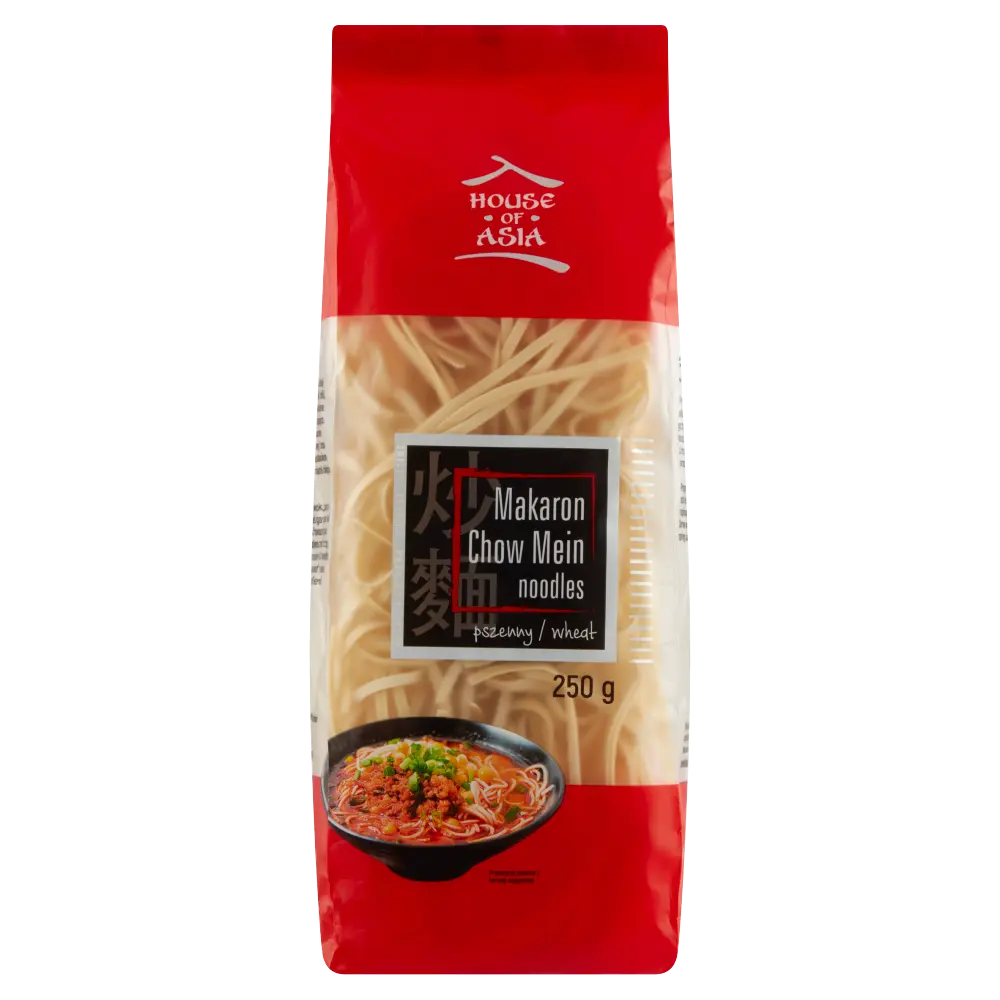
For homemade soup you can choose a classic one House of Asia ramen noodles or his fresh version, which is ready in just 2 minutes. Both are exceptionally springy and pair perfectly with a rich broth and your favorite toppings.
Ramen toppings – egg, chashu and vegetables
Ramen toppings make each bowl look and taste different. One of the most recognizable is ajitsuke tamago, a pickled egg, usually mixed with soy sauce. Its delicate white and creamy yolk pair perfectly with the hot broth.
Equally popular is chashu, a tender, aromatic pork belly often prepared with bacon. The dish is complemented by nori sheets, shiitake mushrooms, bean sprouts, bamboo shoots, sesame seeds, and chives or green onions. Each ingredient brings something different: crunchiness, freshness, aroma, or an extra dose of flavor.
Wondering how to make the perfect ramen egg and juicy chashu bacon? Watch our videos and see how to make them in your own kitchen!
Why does ramen taste umami?
Have you ever tried ramen and craved another spoonful even though the bowl was almost empty? A large part of that is due to umami, the fifth basic taste, alongside sweet, salty, sour, and bitter. It's responsible for the dish's characteristic depth and savory, full-bodied flavor.
In ramen, umami comes from many ingredients. It comes from meat, kombu seaweed, and others. shiitake mushrooms, soy sauce, and miso paste. The long-simmering broth allows them to extract a wealth of aromas that complement each other. This means that even a small portion of ramen can deliver a truly intense flavor experience.
The most popular types of ramen
There's no single, universal ramen recipe. Different varieties differ primarily in their flavor base and broth type. Therefore, shoyu, miso, and shio refer to the seasoning of the soup, while tonkotsu refers to the broth prepared with pork bones. Which type is your favorite?
shoyu ramen
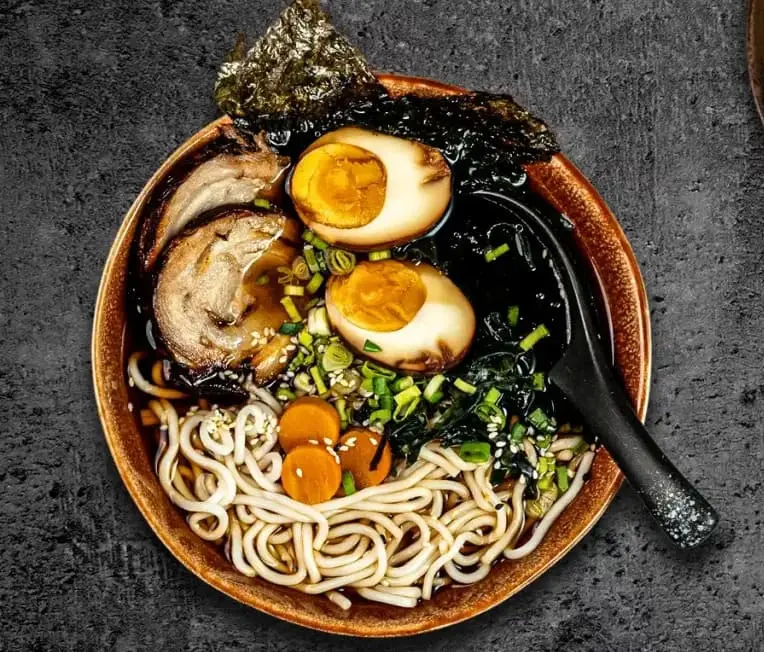
Shoyu ramen is distinguished by the addition of soy sauce, which gives the broth an amber or dark brown color. Its flavor is distinctive, pleasantly salty, and rich in umami. It's a great choice for those who enjoy aromatic soups with a pronounced soy sauce flavor.
miso ramen
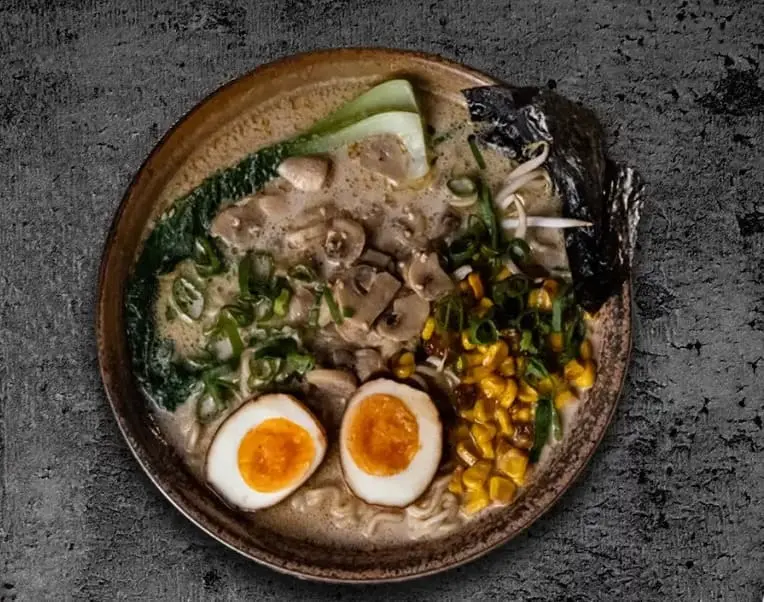
Miso ramen is particularly strongly associated with Hokkaido, and especially Sapporo. Its distinctive flavor comes from fermented miso paste, which gives the soup depth, intensity, and a slightly nutty note. The broth is often more substantial, and the whole thing complements vegetables and meat perfectly.
Shio ramen
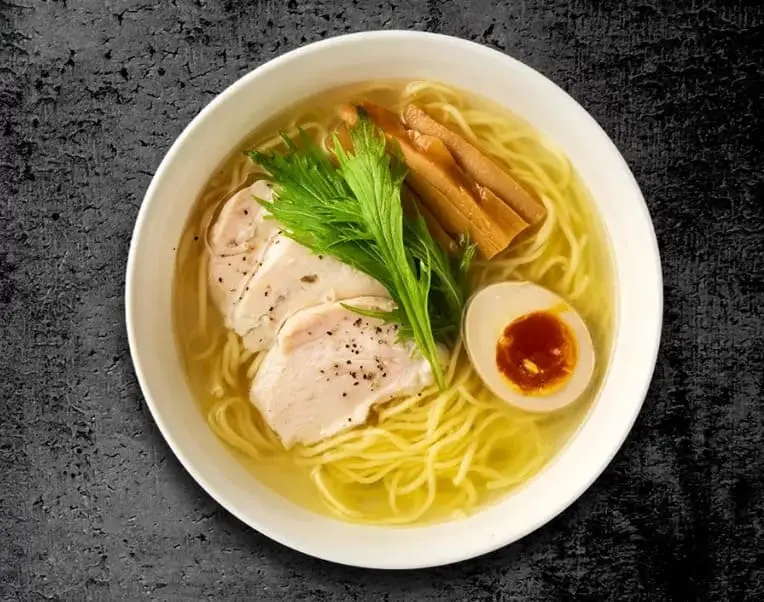
Shio ramen is a go-to for lovers of more subtle flavors. Its base is tare seasoned with salt, and the broth itself is usually light and relatively light. It can be made with various bases, including poultry or fish, allowing the natural flavors of the ingredients to shine through.
tonkotsu ramen
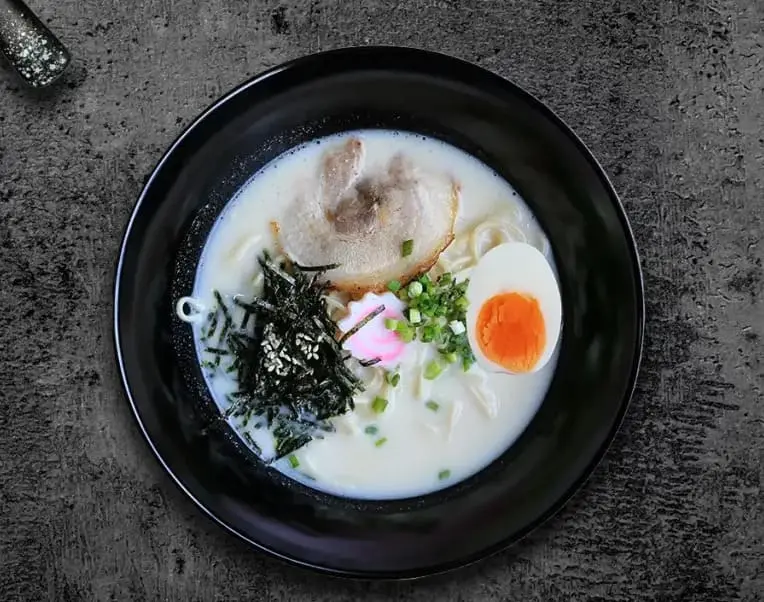
Tonkotsu ramen is hard to confuse with any other variety. Its hallmark is a thick, creamy broth prepared with pork bones. It has an intense flavor, a rich consistency, and is often milky white in color. It's a perfect choice for those who enjoy exceptionally filling and hearty soups.
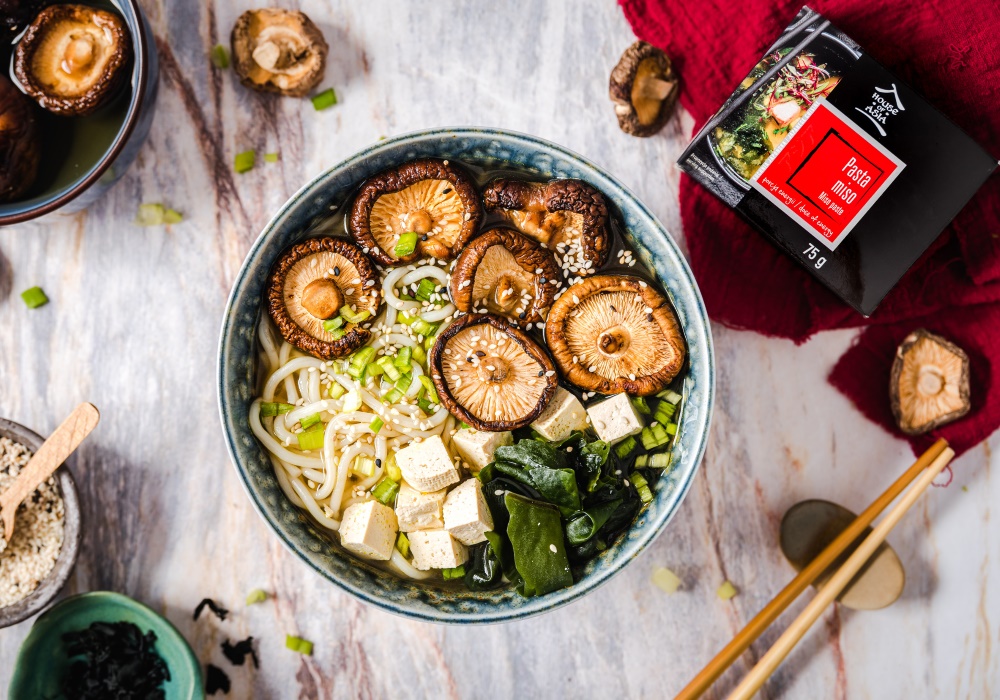
Vegetarian ramen - what can replace meat broth?
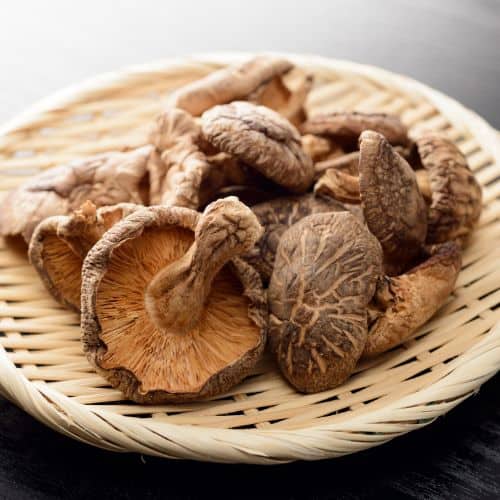
Can ramen without meat have the same depth of flavor? Absolutely! Just combine umami-rich ingredients. A vegetable broth enriched with kombu and shiitake mushrooms is a great base.
Adding soy sauce or miso paste will give it a more intense flavor, and tofu will make the soup more filling. Fresh vegetables, mushrooms, and green onions are also a good idea. This version proves that ramen is versatile even without meat broth.
How to compose a bowl of ramen?
So, now that you've prepared all your ingredients, it's time for the most enjoyable part: combining them into one aromatic whole.
First, place the tare in a bowl, then pour in the hot broth, which will combine with the flavor base. Add the cooked ramen noodles and top with your desired toppings. Slices of chashu, a halved egg, mushrooms, nori, and a sprinkle of green onion will make this dish look as appetizing as it tastes.
If you want to make ramen from scratch, check out our regulations, where you will find detailed instructions for individual elements of the soup.
How to serve and eat ramen?
Ramen tastes best immediately after serving, when the broth is piping hot and the noodles retain their elasticity. You can eat the noodles and toppings with chopsticks, but a deep spoon is useful for the broth. In Japan, it's also common practice to drink the remaining broth straight from the bowl.
It's also worth exploring tsukemen, a variation in which the noodles and the concentrated broth are served separately. Instead of submerging the noodles in the soup, you scoop out a portion of the strands and dip them in the aromatic sauce. It's a completely different, yet equally interesting, taste experience.
Ramen step by step – see the recipes
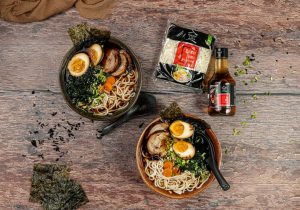 Shoyu Ramen with bacon
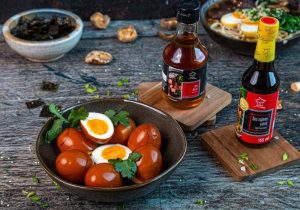 How to cook a pickled egg for Ramen?
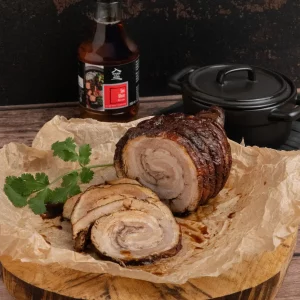 Chashu Bacon for Ramen – A Simple Recipe