


Where did the Dragon Boat Festival come from?
There are two theories about the origins of the Dragon Boat Festival. The first relates to droughts and epidemics that plagued the people of China thousands of years ago. Year after year, at the onset of the hot season, the Chinese gathered on the banks of the Yangtze River, where they held special rituals intended to awaken the rain-bringing dragon god, ensuring bountiful harvests and thus saving the people from famine. During these rituals, residents competed in boats. Many participants died during the competition, but the Chinese believed this was a necessary sacrifice to awaken the dragon god.
The second theory is that the holiday commemorates the Chinese poet Qu Yuan. In 278 BC, the man allegedly committed suicide by throwing himself into the Miluo River to demonstrate his protest against injustice, political corruption, and corruption. Seeing this, local residents sailed out into the river to rescue the poet and later retrieve his body. This gave rise to dragon boat races organized to commemorate the event.
We eat Zongzi with our family
Nowadays, the Dragon Boat Festival is primarily a time for family gatherings. Similar to Chinese New Year, the Chinese spend these days with their families. Many businesses are closed during this period, and contact with them is difficult for several days.
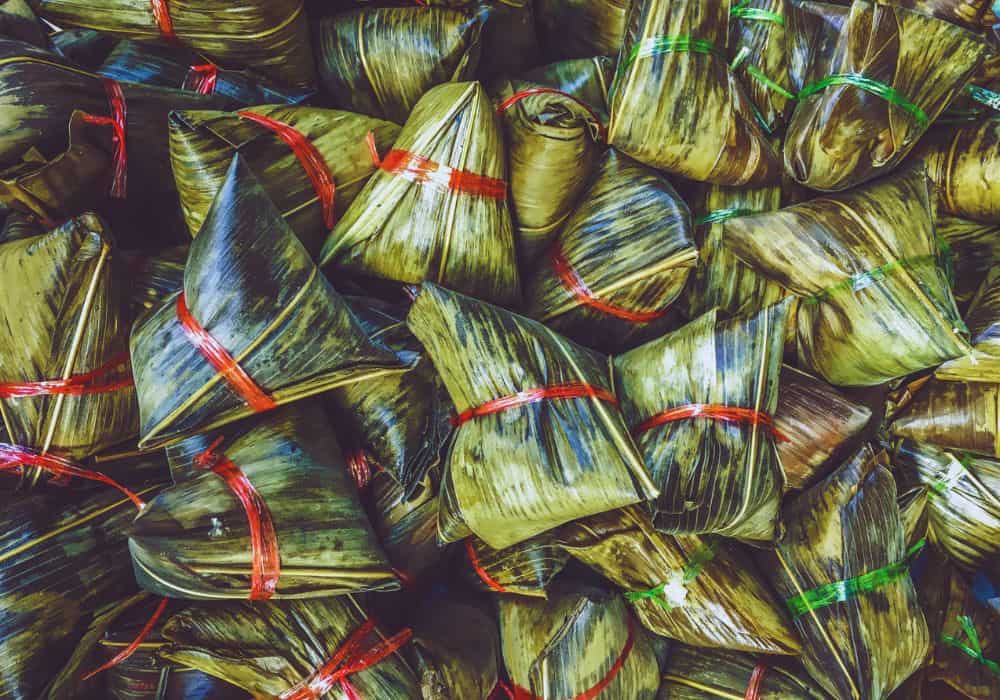
Of course, a celebration can't be complete without gifts 🙂 Family members are given zongzi—triangular rice balls made by hand and wrapped in bamboo leaves. While many people choose to purchase zongzi, many maintain tradition by making it at home. What does zongzi taste like? There are many flavors, from sweet ones filled with red beans, to spicy ones with pork, and savory ones, such as those with mushrooms or peanuts. This stems from the fact that families often create their own recipes for the perfect wrappings over generations. Where did the tradition of preparing this dish even begin? According to legend, after Qu Yuan's suicide, local residents fed the writer's body rice balls wrapped in local grasses to protect it from fish. The Dragon Boat Festival is also a time for scaring away evil spirits, and the best tools for this are, of course, amulets and firecrackers, which are so beloved and popular in the Middle Kingdom.
The importance and popularity of the Dragon Boat Festival is evidenced by the fact that it has been included on the UNESCO Intangible Cultural Heritage List since 2009.
Who sails a dragon boat?
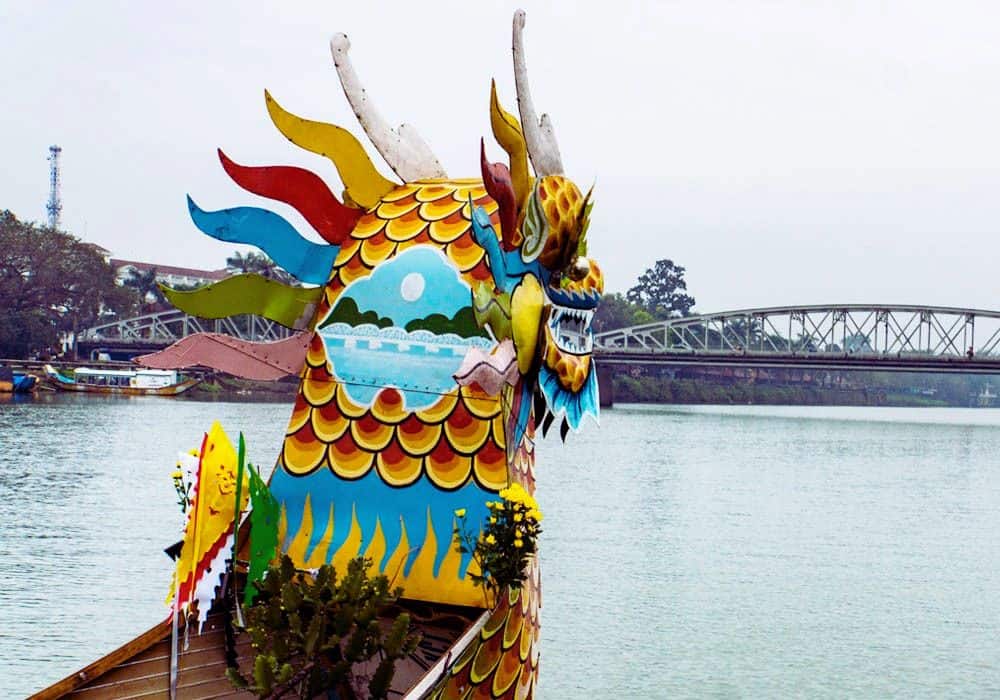
Since the 1s, dragon boat racing has become increasingly popular worldwide. At that time, their definitive appearance, which we still see today, was also established. Dragon boats are narrow (14 m) and long (12,4 m), made of wood, and additionally decorated with dragon heads and tails. The decorative heads and tails are primarily installed for competitions; for training, boats without these elements are used to prevent damage. The oars used by the crew range from 105 to 130 centimeters in length. They are made of wood, but also from fiberglass and carbon fiber, which are becoming increasingly popular.
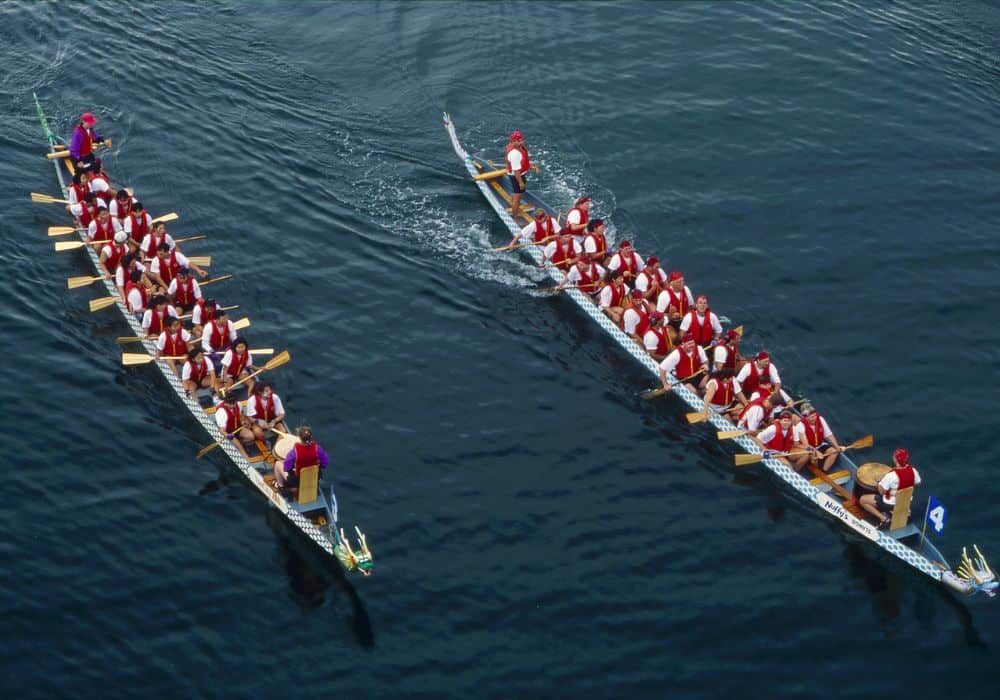
How many people can fit in a boat? Depending on the boat, the crew can accommodate anywhere from 10 to as many as 50 people! Typically, a crew consists of 22 people, including 20 rowers, a helmsman to provide direction, and a drummer to set the pace. Each crew member wears a mandatory life jacket.
Rowers sit in pairs on benches arranged in 10 rows. They face in the direction of the current. The first pair of rowers is the most important, setting the rowing rhythm for the entire crew. The helmsman steers the boat from a standing position using a long oar. He supports the drummer in making any necessary corrections. The drummer sits on a chair at the bow, facing the rowers with his back to the direction of travel. He plays a crucial role, keeping the rhythm of the rowing, helping the rest of the crew adjust to the first pair of rowers.
We are taking part in the competition!
Dragon boat racing quickly became one of the fastest-growing sports. It is currently estimated that the sport is practiced by tens of millions of people. There are over 50 national federations worldwide, all of which are members of the International Dragon Boat Federation.
Official competitions are held over several distances, from the shorter 250 meters to the truly long 2000 meters. Men's, women's, and mixed teams (with at least eight women in the crew) participate. The youngest competitors start at age 11, while those slightly older (over 40) successfully compete in senior events.
Did you know that the World National Squad Championships and the World Club Squad Championships have been held since 1995? The World National Squad Championships have been held in Poland twice! They took place in Poznań in 2003 and 2014.
Where did dragon boats come from in Poland?
The first international competition on the Motława River in Gdańsk took place in 1997. Seven crews from Germany and one from Poland competed, and it was held only because the invited German clubs brought two dragon boats. The Polish crew, "Gdańskie Smoki," took third place.
In the following years, boats were purchased, and competitions on the Motława River became a permanent fixture in the calendar of events organized by the Wiking Water Club – the first dragon boat club.
After a few years, in 2000, during the European Championships in Malmö, the Polish team won the bronze medal in the 500-meter race.
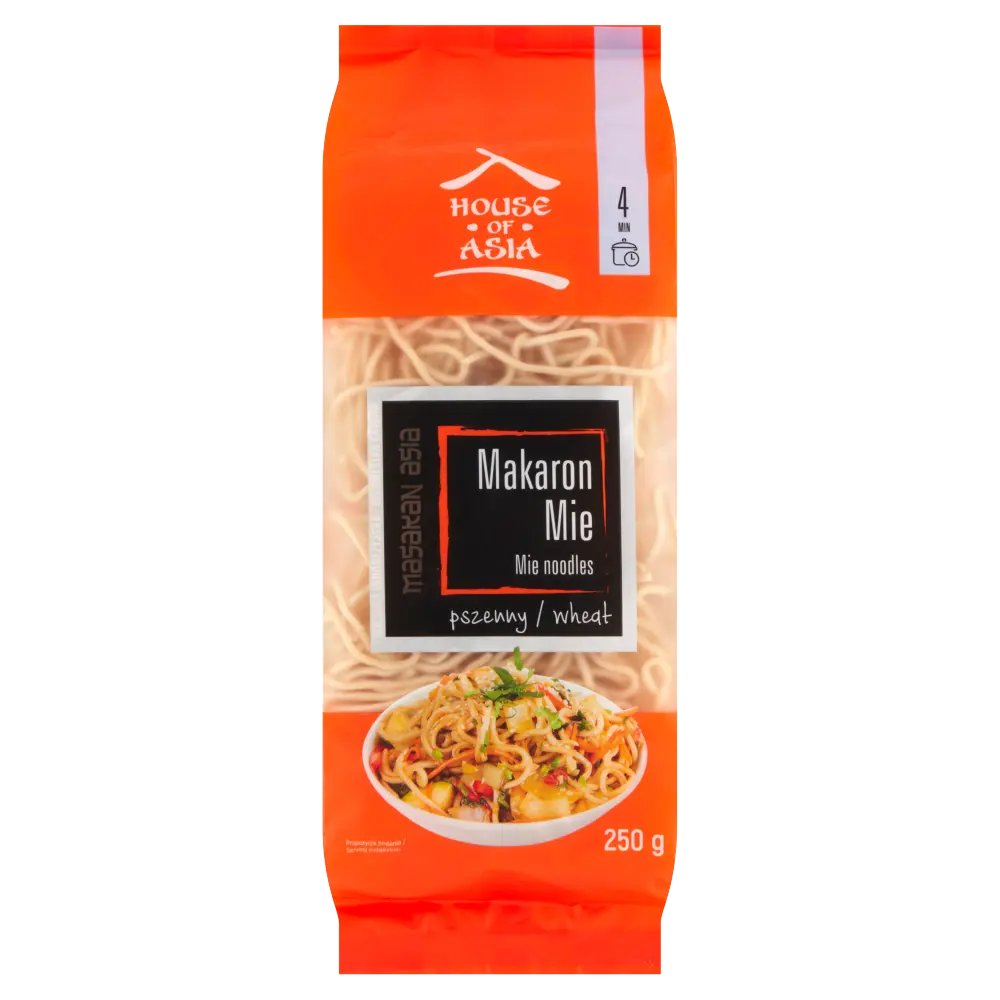
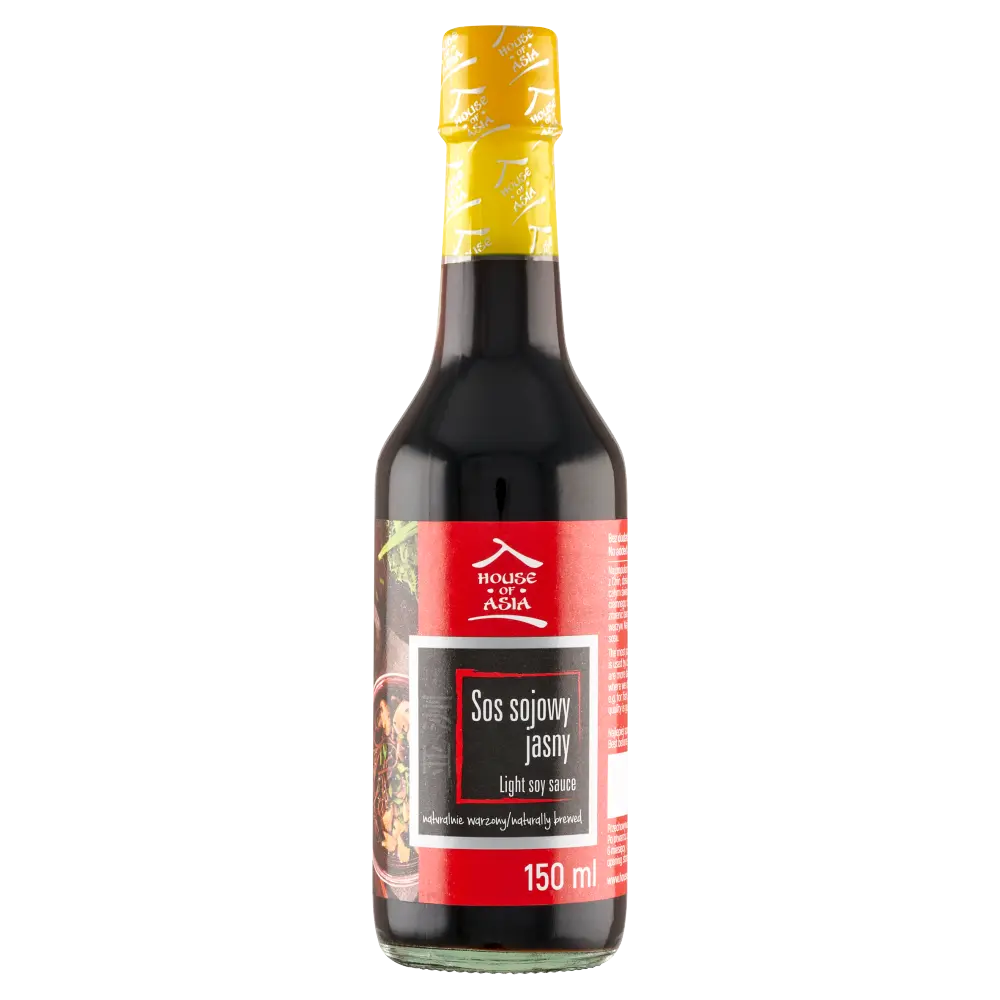
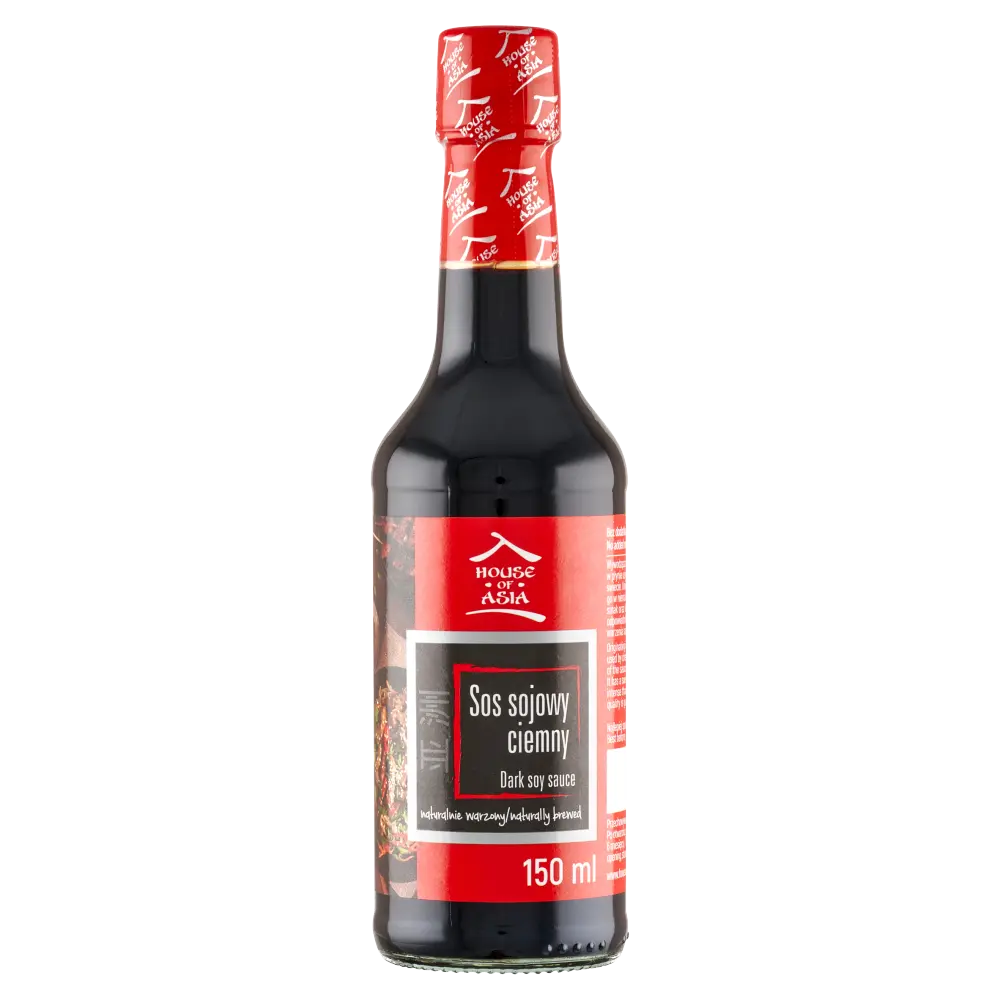
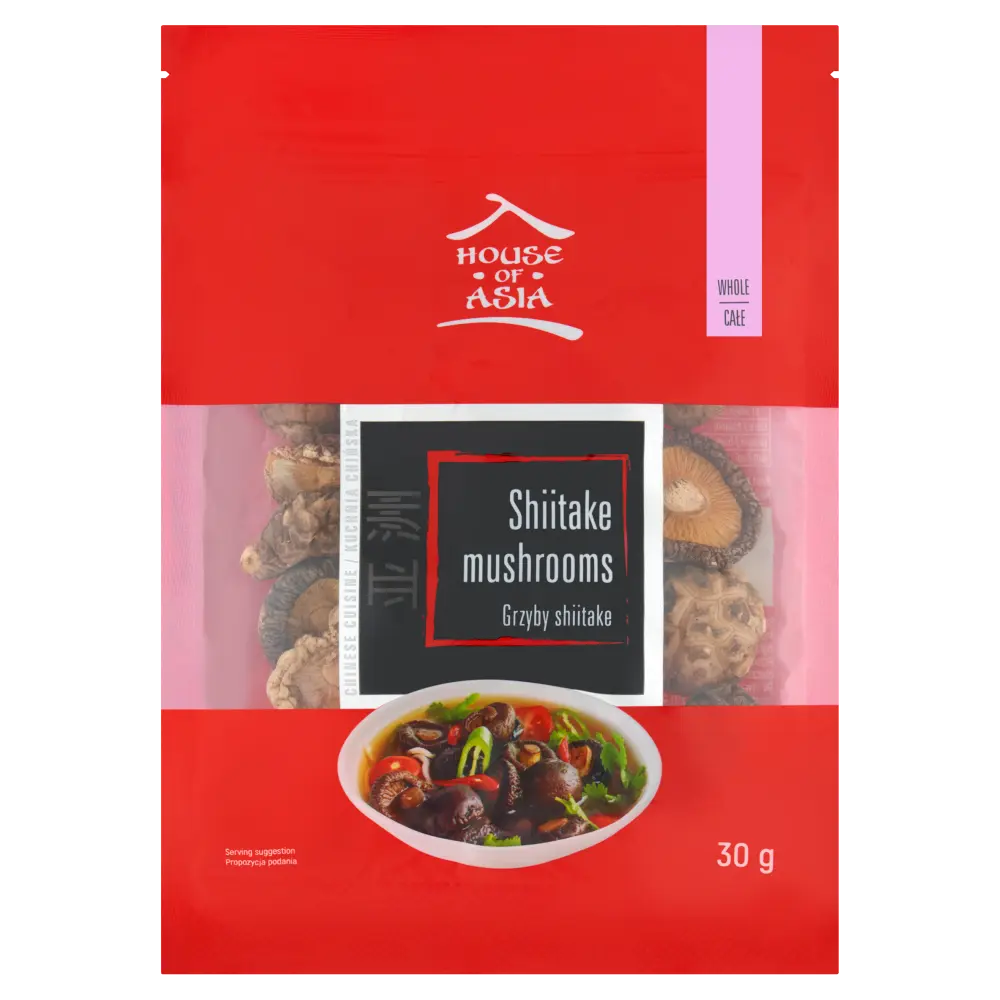

 Pasta
Pasta  Chinese
  15-30 minutes
 Chicken