





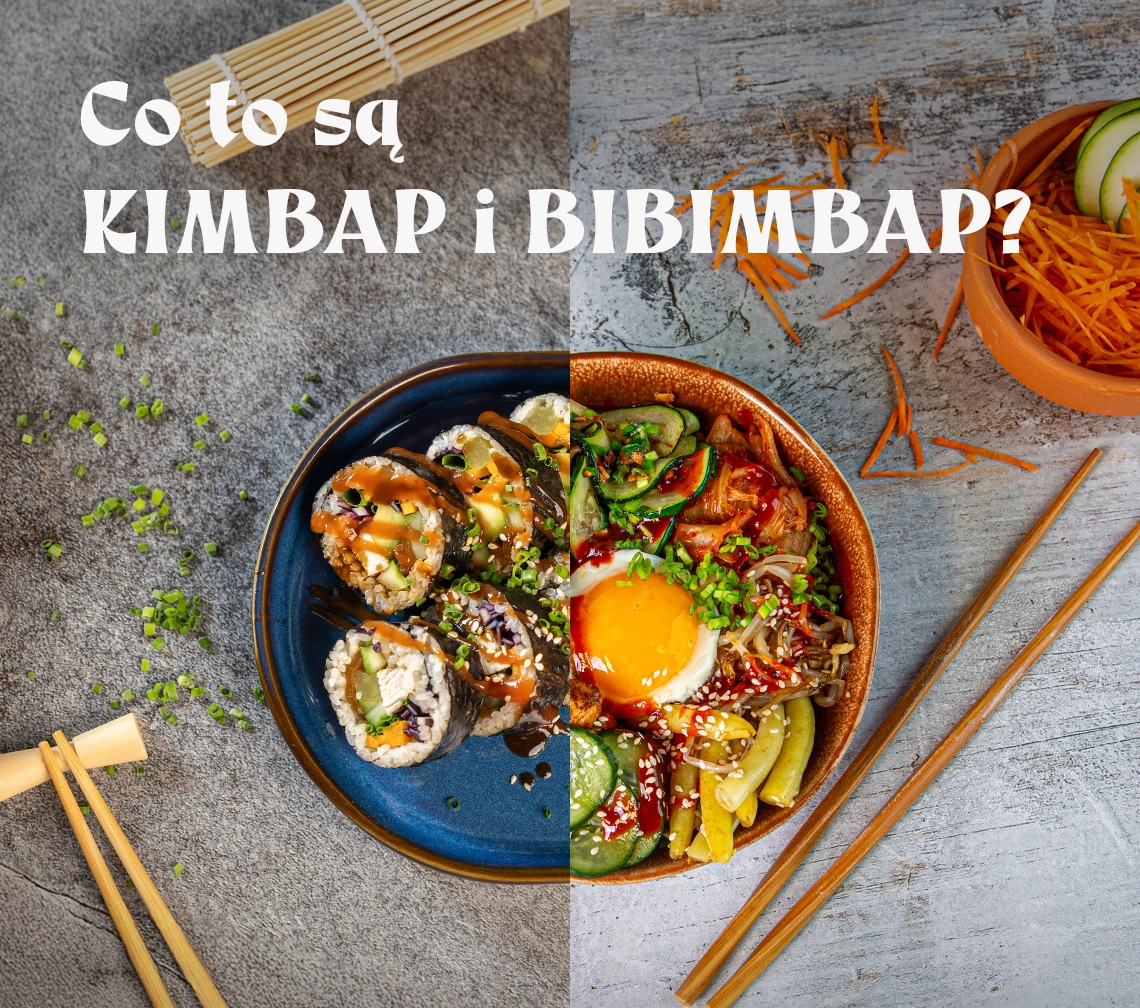
Kimbap and bibimbap – what exactly are these dishes and where do they come from?
Both kimbap and bibimbap are staples of the Korean diet. Both dishes make thoughtful use of rice, but their roles in local traditions differ.
Classic Korean cuisine
The foundation of Korean cuisine is the pursuit of balance between the five primary colors: white, yellow, red, green, and black. Kimbap and bibimbap are classic examples of this principle. These dishes are composed to deliver both a taste and a visual experience. The careful selection of ingredients ensures the desired contrast of textures: from the softness of cooked rice, through the crunchiness of vegetables, to the springiness of protein toppings.
Kimbap – history and origin
The name of this Korean roll literally means seaweed (kim) and rice (bap). While it resembles Japanese maki rolls visually, its flavor profile is deeply rooted in Korean culture. This dish is most often enjoyed as a quick street food snack, picnic lunch, or convenient work breakfast. It's a convenient, complete meal that can be eaten with chopsticks or by hand.
Bibimbap – a traditional Korean dish
The word "bibimbap" means mixed rice. This dish is served in a large, often warmed bowl. Due to its variety of ingredients and filling nature, it constitutes a fully-fledged main course. Historically, it originates from the tradition of combining leftover vegetables and meat with rice after religious ceremonies such as charye (ancestor worship). Over the years, it has evolved to become one of the most recognizable dishes in Asian cuisine.
What does traditional Korean kimbap consist of?
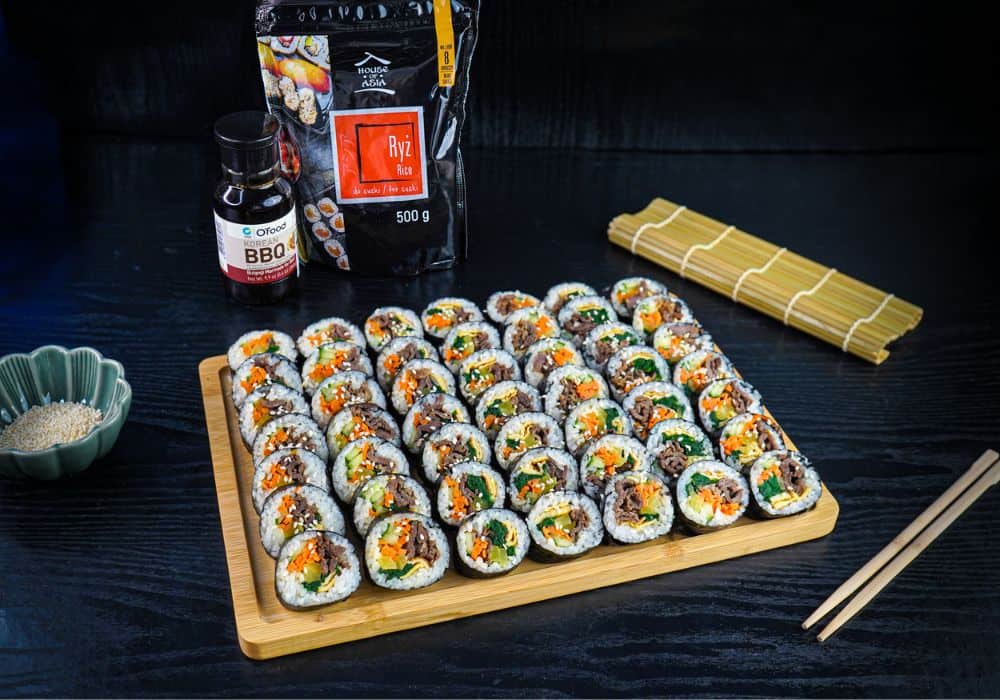
The structure of this dish is based on a thin layer of rice and a large amount of various fillings, which are tightly wrapped in a sheet of pressed algae.
Kimbap and Japanese sushi – differences and similarities
It's a common oversimplification to equate these two dishes. Traditional Korean kimbap differs significantly from Japanese sushi, with the primary difference being the preparation of the rice. In kimbap, the base is seasoned with salt and sesame oil, giving it a distinctive, nutty aroma. In sushi, however, the grains are soured with vinegar. Classic kimbap eschews raw fish and seafood, relying instead on fried, blanched, or marinated ingredients. Korean rolls are also not served with soy sauce for dipping or pickled ginger. It's worth noting that in kimbap, the filling dominates the roll's cross-section, with the rice serving primarily as a binder.
Kimbap – the basic ingredients of the dish
The basis of a successful roll is the independent preparation of each element. The ingredients are typically cut into long strips, which facilitates rolling and ensures an aesthetically pleasing cross-section.
Sliced bulgogi beef, fried ham, surimi crab sticks, or fried tofu are all good protein bases. Tuna with mayonnaise and jidan omelette cut into strips are also common. The most common vegetables include blanched spinach with garlic, briefly sautéed carrots, and fresh, deseeded cucumber. A key ingredient that balances the flavors and adds crunch is pickled yellow danmuji radish. To enhance the Asian flavor of the dish, drained radishes are sometimes added. kimchiThis supplement can be supplemented by using kimchi sauce or expressive kimchi pastewhich enrich the flavor profile of the filling before rolling it in the nori leaf.
How to make kimbap at home?
The process of making the roll requires precision in the cooking of the individual ingredients. Mix the cooked rice with sesame oil and salt, then spread it thinly on a sheet of seaweed placed on a bamboo mat. Place the filling in rows in the center, roll it tightly, and cut the finished roll into equal pieces. For instructions on how to properly shape the dish, see the dedicated kimbap recipe.
What are the characteristics of bibimbap?
Bibimbap is a dish that reflects Korean attention to detail. It is distinguished by its balanced flavor and the characteristic, meticulous presentation of ingredients in the dish.
What does the "royal bowl" consist of? Common ingredients
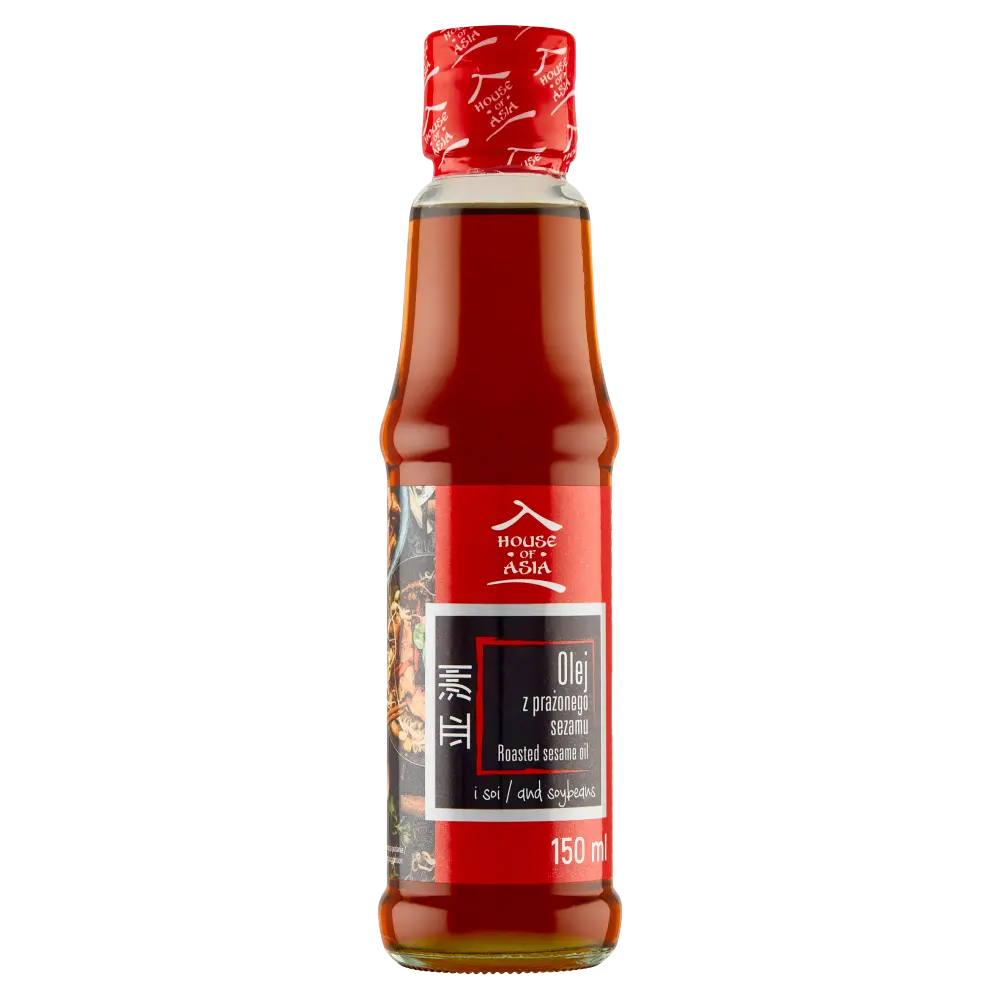
An important element of bibimbap preparation is the namul technique. It involves blanching and seasoning each vegetable separately, which preserves their individual character. Hot, cooked rice is placed in the bottom of a bowl and drizzled with fat. This works well for this purpose. roasted sesame oil.
On this prepared base, arrange the following toppings in zones: spinach with garlic, mung or soy bean sprouts, carrots cut into strips, sautéed zucchini, and mushrooms. This is often used shiitake mushrooms and/ or sliced mushroomsThe source of protein can be fried tofu or classic beef marinated in a sweet and salty sauce, for the preparation of which a ready-made bulgogi pasteA fried egg with a runny yolk is placed on top, along with a dollop of spicy sauce made with fermented gochujang paste.
How to prepare bibimbap step by step?
Making this dish involves several steps: cooking the rice, blanching and frying the vegetables, preparing the meat, and preparing the sauce using gochujang paste, vinegar, sugar, and sesame oil. The final step is carefully arranging the ingredients. For instructions on how to maintain the correct proportions, check out the basic recipe for bibimbap – Korean bowl of flavor, and its poultry modification: bibimbap with chicken bulgogi.
Bibimbap – the eating ritual
Despite the aesthetic arrangement of the individual elements, tradition requires that the entire dish be thoroughly mixed before taking the first bite. This is done using chopsticks or a spoon. The hot rice and runny egg yolk combine with the spicy paste and sesame oil, creating a thick sauce that binds the vegetables and meat into a unified flavor.

 Beef
Beef  Korean
  over 30 minutes
 Chicken