HOUSE OF ASIA
See the recipeHits
Ingredients
Diets


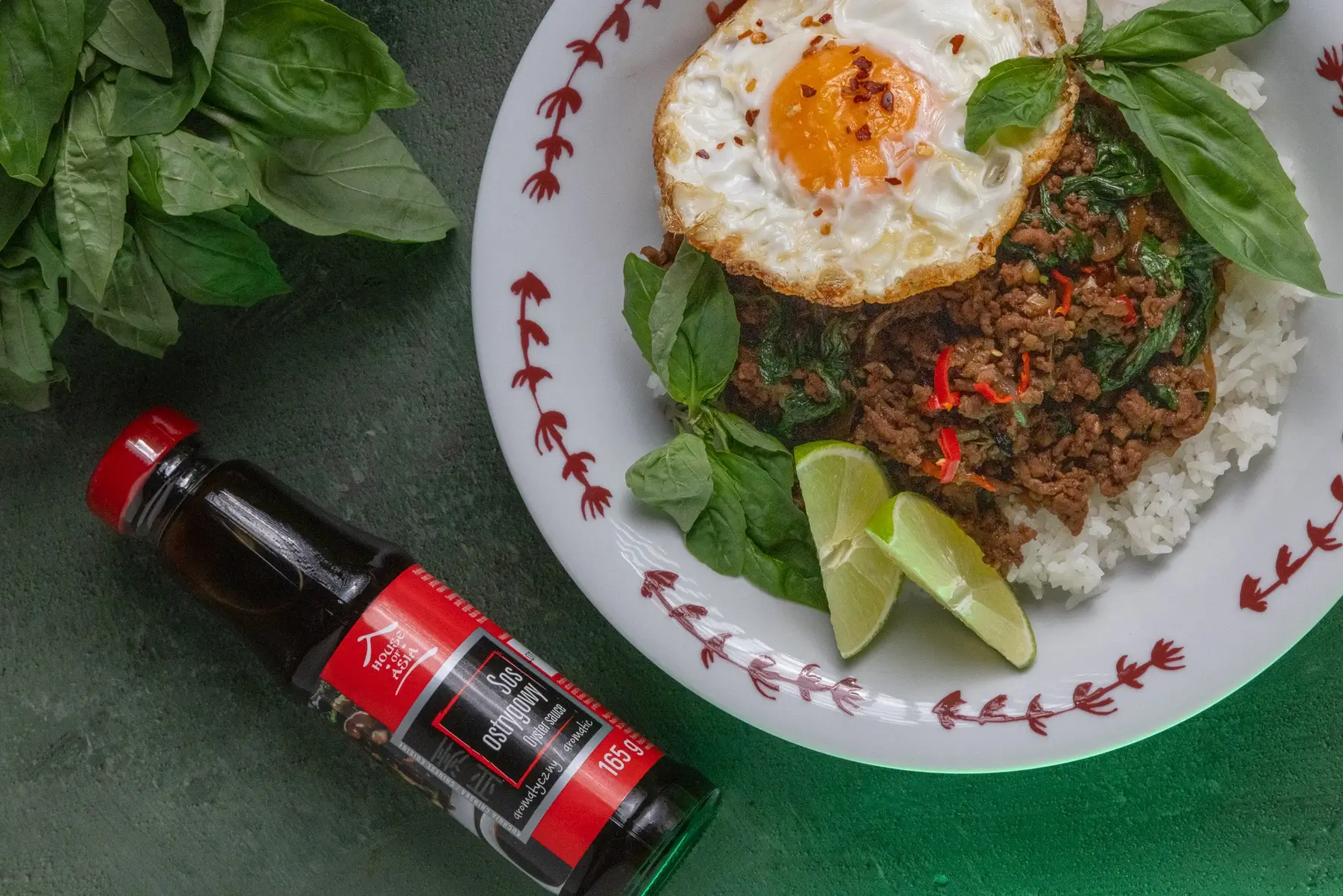


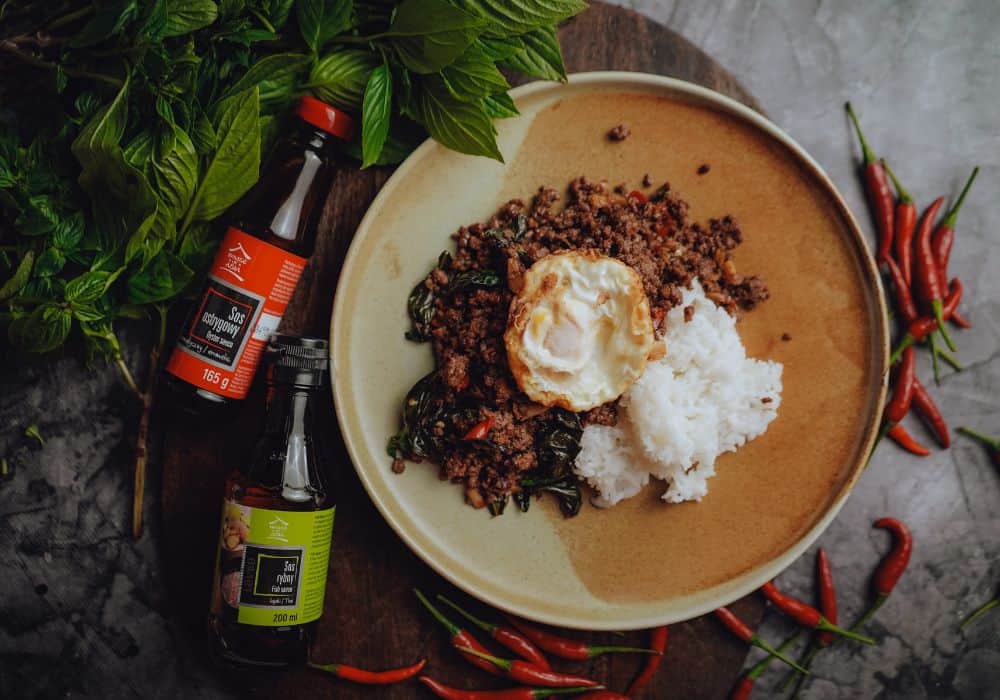
Craving a dinner full of intense flavors and aromas straight from Thailand? Pad Kra Pao is juicy beef stir-fried with garlic, chili, and aromatic Thai basil, served with jasmine rice and a fried egg. Salty, spicy, slightly sweet, and sour notes create the balance typical of Thai cuisine. Learn how to prepare Pad Kra Pao in just 25 minutes!
 1 pack Thai Holy Basil Kanokwan Sauce
 2 tablespoons House of Asia Oyster Sauce
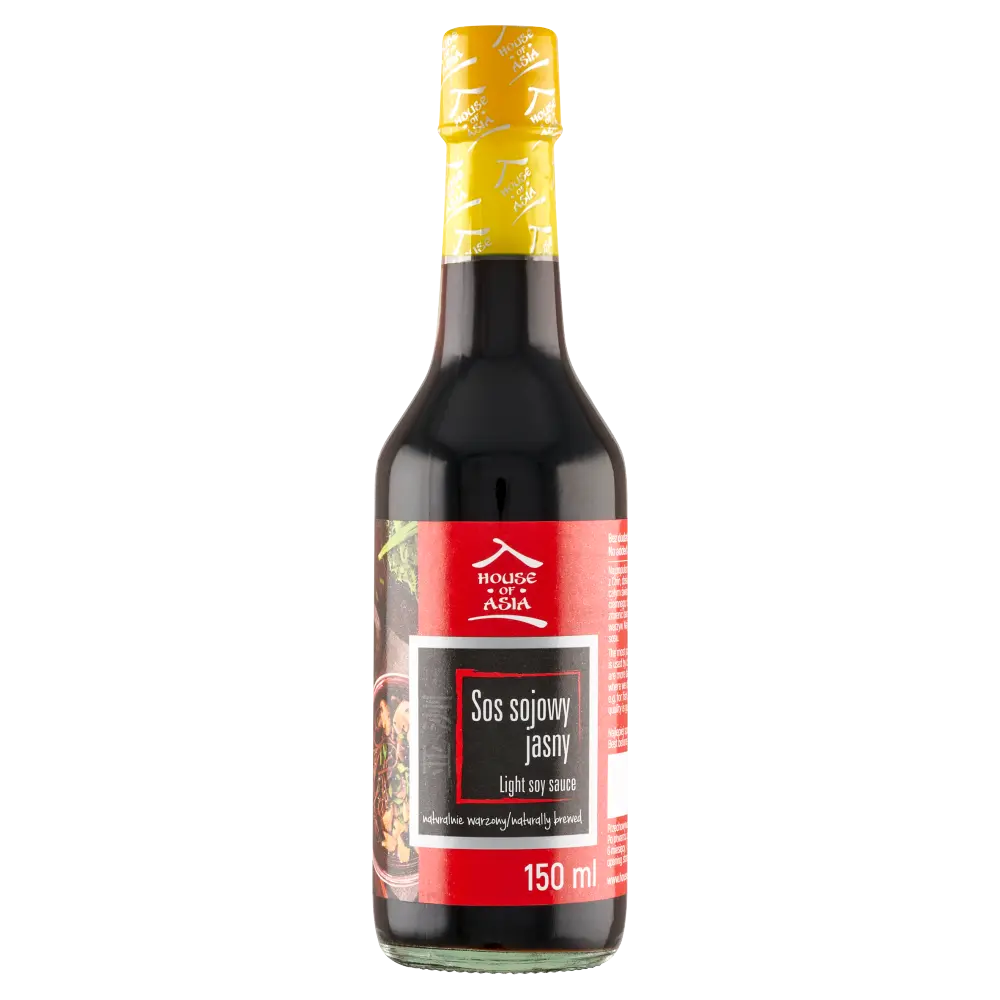
 1 spoon House of Asia Light Soy Sauce
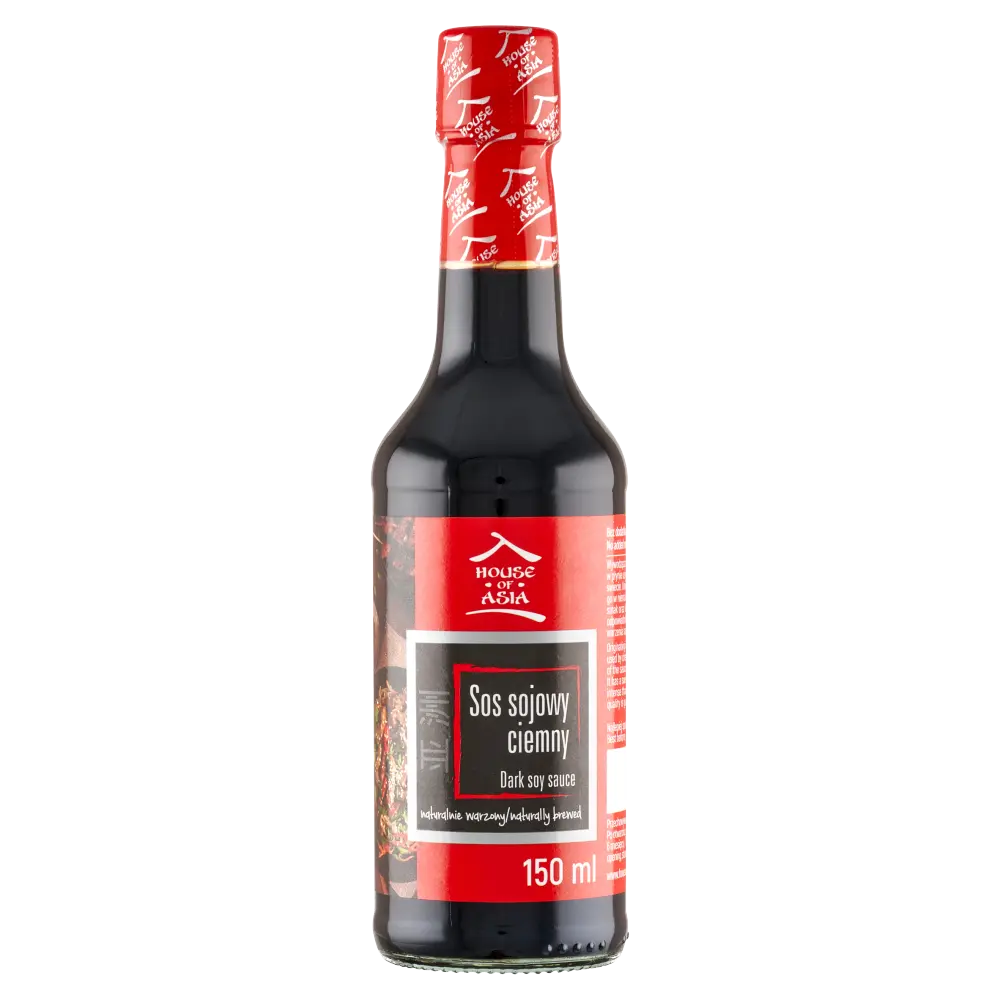
 2 tsp House of Asia Dark Soy Sauce
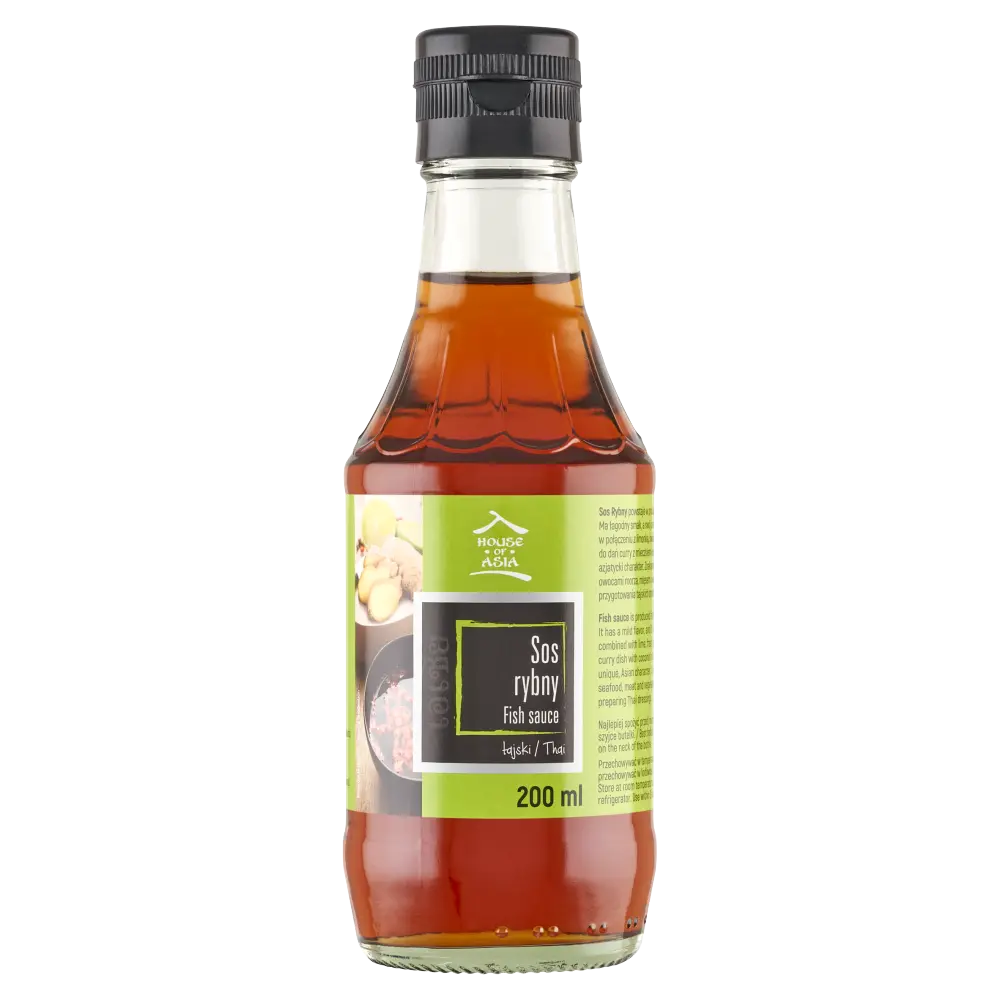
 1 spoon House of Asia Gluten-Free Fish Sauce
 7 cloves of garlic
 2 piri-piri peppers
 50 g Thai basil
 1 white onion
 1 lime
 2 eggs
 400 g ground beef
 1 teaspoon of sugar
 3 tablespoons of oil for frying
 salt and pepper to taste
 jasmine rice to serve
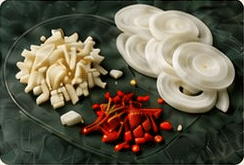
Finely chop the garlic. Remove the seeds from the piri-piri peppers and finely chop them. Halve the onion crosswise and slice into thin half-moons.
In a bowl, combine oyster sauce, light soy sauce, dark soy sauce, fish sauce, Thai Holy Basil sauce, and sugar.
Heat a wok or large frying pan. Add the ground beef and fry for 3–4 minutes, until golden brown.
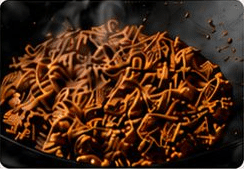
Push the meat to the side of the pan, add the oil, garlic, piri piri peppers, and onion. Cook for about 5 minutes over medium heat, until the vegetables are tender.
Pour in the prepared sauce, add the Thai basil leaves, and mix thoroughly. Cook for another 2–3 minutes, until the sauce has incorporated into the meat. Season with salt and pepper to taste, and finish with a drizzle of lime juice.
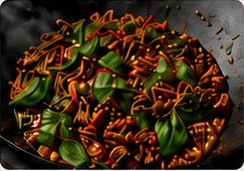
In a separate pan, fry the fried eggs just before serving.
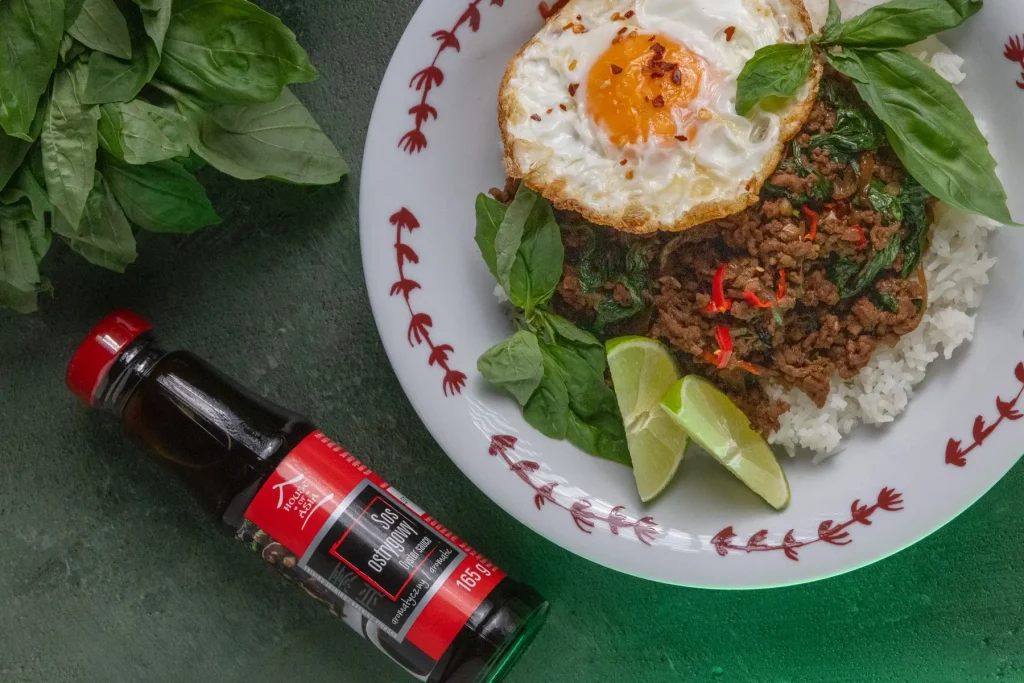
Serve the beef with jasmine rice and a fried egg.

If you want a more intense flavor, fry the meat in a very hot pan and don't stir it too often at the beginning - this will help it brown better.
The secret to successful Pad Kra Pao lies not only in carefully selected ingredients, but also in the preparation method. The Thai stir-fry technique involves very quickly frying ingredients in a very hot pan or wok. The high temperature ensures that the meat remains juicy, retains its natural flavor, and simultaneously acquires a delicious browning and characteristic aroma.
When preparing beef, it's important to ensure the pan is well heated before adding the meat. The high temperature causes the meat to seal quickly, preventing it from losing its juices. It's also crucial not to stir too often at the beginning of the cooking process. Leaving the beef in one spot for a while creates a delicately caramelized surface, which affects both the flavor and appearance of the finished dish.
When stir-frying, it's best to have all the ingredients prepared in advance, as the frying process itself is very quick. Chopped garlic, chili peppers, onions, and the prepared sauce should be on hand so they can be added to the wok without delay. This ensures the vegetables remain pleasantly crisp, and the sauce evenly coats the meat, creating a distinctive, aromatic glaze. It's the speed of preparation and the high temperature that make Pad Kra Pao captivate with its intense flavor and freshness.
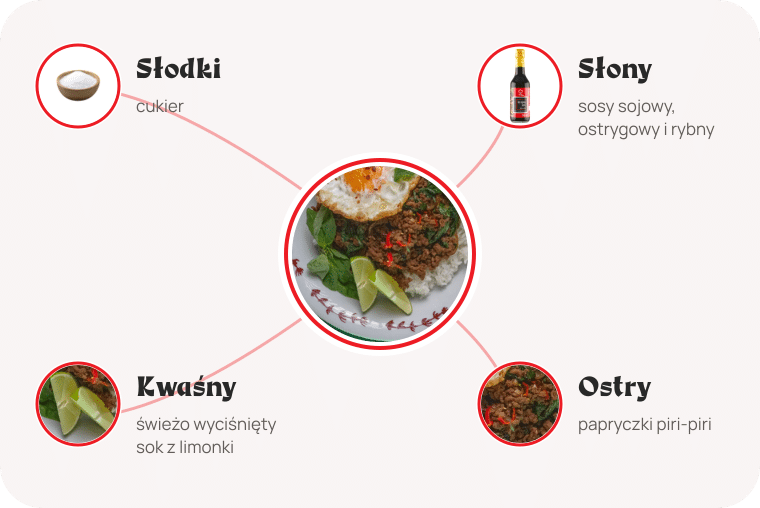
One of the greatest hallmarks of Thai cuisine is its ability to combine several essential flavors in one dish. Pad Kra Pao is a perfect example of this philosophy. The sweetness of the sugar delicately balances the saltiness. soy sauces, oyster sauce and fish sauce, and freshly squeezed lime juice adds a pleasant acidity. Piri-piri peppers provide the characteristic spiciness, while Thai Holy Basil brings an intense, slightly peppery aroma with notes of cloves and anise.
It's the right proportions that ensure no one flavor dominates the others. Each bite stimulates the taste buds, offering a harmonious blend of distinctive beef, aromatic spices, and fresh herbs. This combination is characteristic of many classic dishes. Thai dishes and makes the dishes, despite the simplicity of the ingredients, delight with their depth and remain in the memory for a long time.
Holy basil, also known as holy basil, differs significantly from the common basil used in Mediterranean cuisine. Its leaves have a more intense, slightly peppery aroma with noticeable notes of cloves, anise, and spices. It is this distinctive flavor that gives Pad Kra Pao its traditional character. Classic basil is much more delicate and sweet, so it won't provide the same flavor effect.
Yes. Pad Kra Pao is equally delicious with ground chicken, turkey, or pork. Each of these variations retains the dish's character, though slightly altering its flavor and texture. It's worth remembering that different types of meat may require slightly different cooking times.
This most often happens when the pan wasn't hot enough or too much meat was cooked at once. In such cases, it's best to increase the heat and evaporate any excess liquid before adding the sauce. This will brown the meat better and give the finished dish a more concentrated flavor.
Before cooking, the rice should be rinsed several times in cold water until the water is almost clear. This removes excess starch, which causes the grains to stick together. The rice is then cooked in the appropriate amount of water, covered, without stirring. After cooking, it's a good idea to let it sit covered for a few minutes longer, so it becomes fluffy and retains its delicate texture.
If you're looking for a more subtle flavor, you can reduce the amount of chili peppers or substitute milder varieties. This will preserve the dish's character while reducing the spiciness. It's best to adjust the intensity of the spices to your own preferences, as Thai cuisine allows for a wide range of spice levels.
Yes, although the classic version of Pad Kra Pao is made with beef, in the meatless version it can be replaced with tofu or finely chopped mushroomswhich absorb the flavor of the sauce and spices well.



































 Vegetables
  Thailand
  15-30 minutes
 Chicken
 Beef
Beef