





The definitions and descriptions of terms you'll likely see in sushi recipes and restaurant menus may seem a bit like your first Japanese lesson.
Chirashi
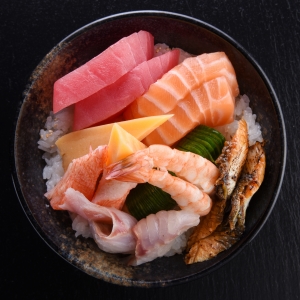
Chirashi – This version of sushi will appeal to those less experienced in rolling sushi. All the ingredients (fish, vegetables) mixed with rice can be served in a bowl, creating chirashi.
daikon
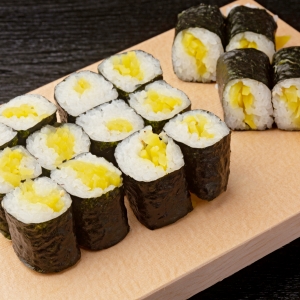
daikon – this is the Japanese radish, also known in Poland (due to its appearance) as the "ice cream." It's a source of vitamin C and contains an enzyme that aids digestion. Marinated in a sweet and sour marinade that gives it an intense yellow color, this vegetable is called Oshinko. In this form, the radish has a distinctive, slightly spicy flavor and is served as a sushi garnish or filling (alone or with other ingredients).
Ebi
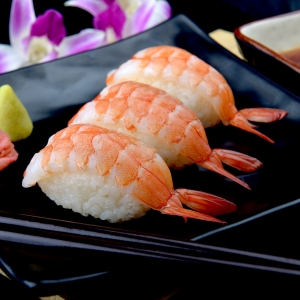
Ebi – this word means shrimp in Japanese. The ideal size for nigiri is 80-85 mm. To ensure they retain their shape and arrange beautifully on a serving of rice, cook them on skewers.
Edamame
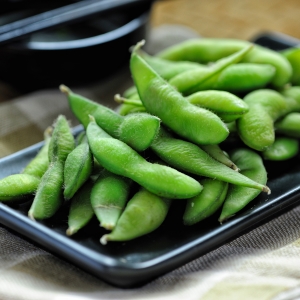
Edamame – a type of bean, specifically the pods and grains of soybeans. They resemble young broad beans, but have a slightly sweet flavor. Cooked edamame can be used as an ingredient or a garnish for sushi (it has a strong green color), and is also served as a warm appetizer. Important note: eat only the beans, not the pods.
Futomaki
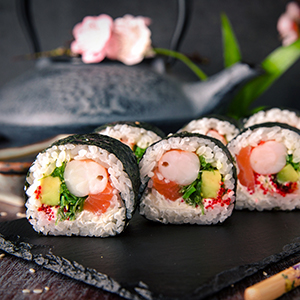
Futomaki – these are thick sushi rolls filled with several ingredients, making them up to 6 cm in diameter. In Japanese, the word futoi means fatty or thick.
Gari
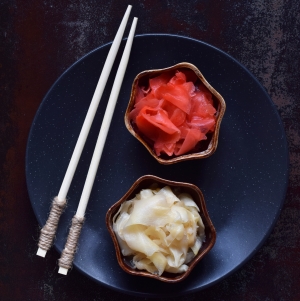
Gari – an addition without which sushi wouldn't be as delicious. Pickled ginger, or gari, helps refresh the taste buds between servings of this Asian specialty. Thinly sliced and marinated in rice vinegar, it has the color white and/ or pinkThis second type of ginger has a slightly milder flavor because it has been in the brine for longer.
Rubber
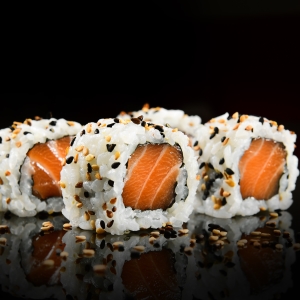
Rubber – meaning sesame seeds are added to sushi as a garnish. You can choose delicate white sesame seeds or black sesame seeds, which have a stronger, slightly nutty flavor.
Gunkan maki
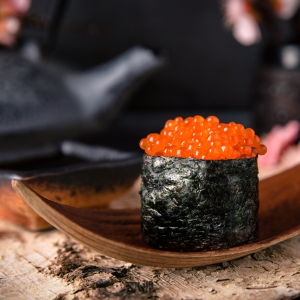
Gunkan maki – this is a type of sushi where the rice wrapped in nori has a selected addition on top, e.g. fish roe or tartare.
Hako zushi
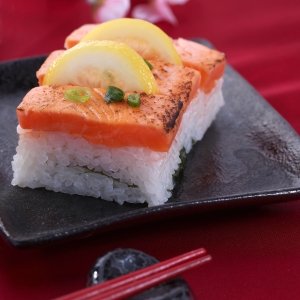
Hako zushi – also called oshizushi, this is pressed sushi resembling a square or rectangular block, prepared in a special wooden mold (box). All ingredients are pre-cooked or marinated. Raw fish is not used in this dish.
hashi
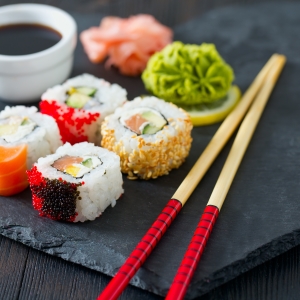
hashi – these are sushi chopsticks. And the stand for them is a hashi oki.
Hocho
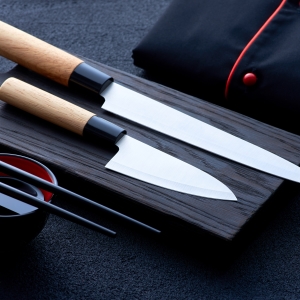
Hocho–You can't make perfect sushi with a regular kitchen knife; you need a hocho, a special sushi knife. It cuts precisely and is perfect for separating fish flesh from skin.
Hosomaki
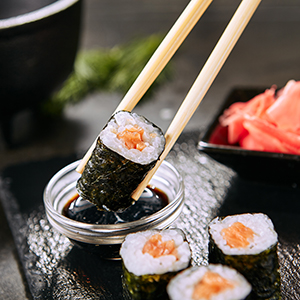
Hosomaki– the smallest type of sushi (up to 3 cm in diameter) with one ingredient hidden in the rice.
Inari sushi
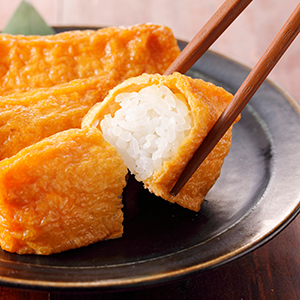
Inari sushi – this is one of the varieties of sushi, where rice with additions is hidden in sachets (bags) of fried tofu.
Itamae

Itamae– chef and sushi master.
Makisu
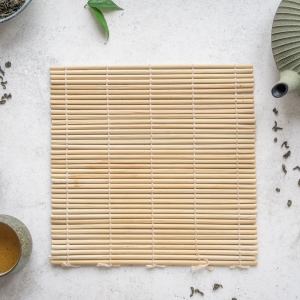
Makisu – a special mat woven from bamboo, which is used to form sushi rolls.
Mirin
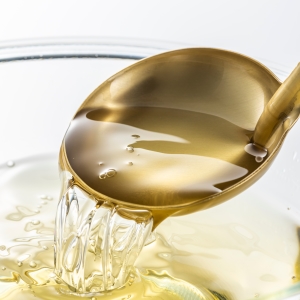
Mirin– a sweet drink, or rather an alcoholic sauce (approx. 14%) made from lightly fermented rice, used in cooking. The flavor has a hint of apricot and plum. Mirin is added to fish, seafood, eggs, and vegetables. It's also found in the marinade used to prepare sushi rice.
Nigiri
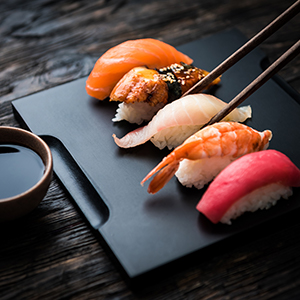
Nigiri– the most popular type of sushi, i.e. portions of rice formed in the hand and covered with a piece of fish, seafood or vegetables.
Nori
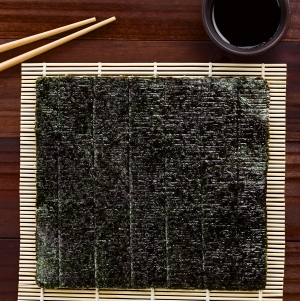
Nori – this term applies to many types of edible seaweed. They are most often available in very thin, compressed sheets. It's worth knowing that they vary in thickness, flavor intensity, and crispness. For beginner home sushi masters, green or red nori are best, as they are flexible (easier to roll) and inexpensive.
Oshibori
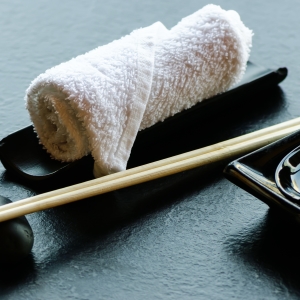
Oshibori– Before dining at a restaurant, you'll be given a damp, warm towel—this is called oshibori. Clean your hands with it before eating, as sushi is best eaten with your fingers.
Sashimi
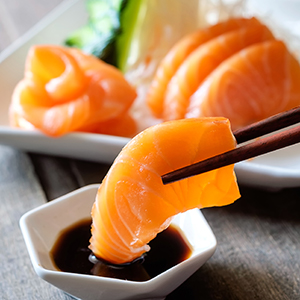
Sashimi – slices of raw fish cut in a specific way. In this version, rice can be served alongside.
Shamoji
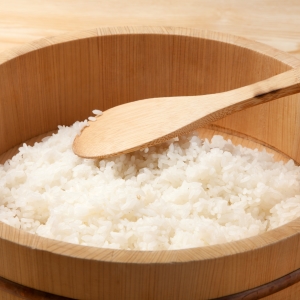
Shamoji– a large flat spoon (bamboo or wooden), or rather a spatula for mixing and serving rice.
Shoyu
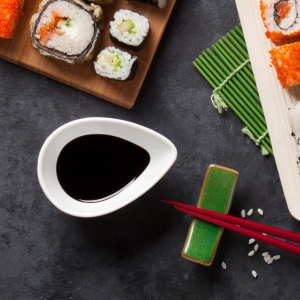
Shoyu– under this name lies soy sauceRemember, it's just a topping for sushi, so don't dip the whole piece in it... and almost never the rice!
Su
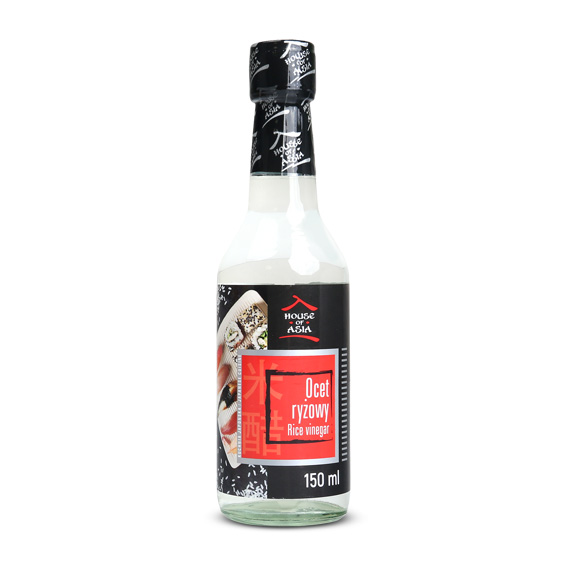
Su rice vinegar, which is essential for preparing sushi. It is used to acidify the rice.
surimi
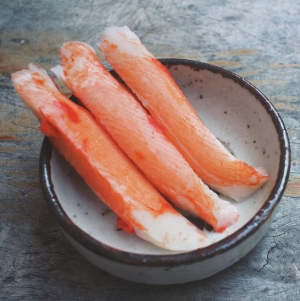
surimi – so-called crab sticks, or rather their imitation made from minced white fish species (e.g., pollock, hake). Surimi is used as an addition to sushi rolls.
Tamago
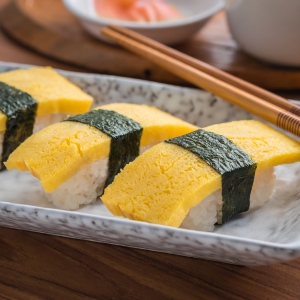
Tamago– a special Japanese egg omelet that, while frying, is rolled up from the edge and additional batter is added. This creates a multi-layered, rolled omelet. If it's thin enough, it can be wrapped around a sushi roll. You can also cut off a piece at the end and use the spirally rolled tamago to decorate nigiri sushi. It has a slightly sweet taste, so some people eat it on its own as a dessert. Japanese children love tamago on a stick. The original ingredients of a Japanese-style omelet are eggs, sugar, and mirin, an alcoholic beverage made from fermented rice. It has slightly less alcohol than sake but is sweeter.
Temaki
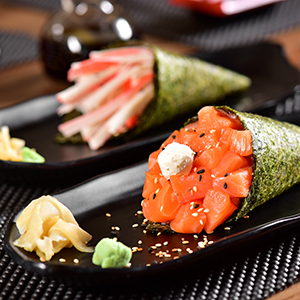
Temaki – cones formed from rolled nori, filled with rice and toppings. This is a type of sushi.
Tempura
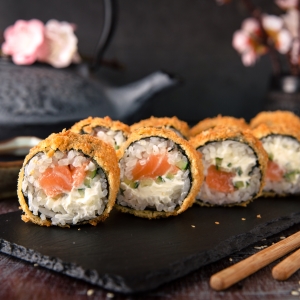
Tempura – a mixture of flours (wheat, corn, tapioca) used for breading and deep-frying all kinds of ingredients used in sushi, such as fish, seafood, and vegetables. Coated in a delicate and crispy batter, they have a unique flavor.
Calabash
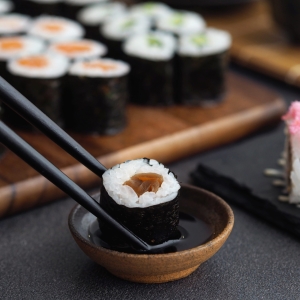
CalabashKanpyo, also known as kanpyo, is a tropical vine plant often used in Japanese cuisine. It's a distant relative of the familiar pumpkin, cucumber, and melon. Its pickled fibers are an ingredient in rolled sushi rolls, such as hosomaki or futomaki.
Uchiwa
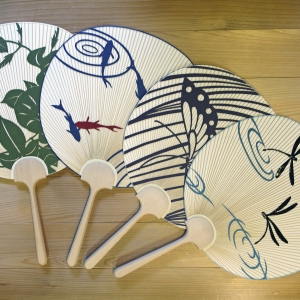
Uchiwa– a fan made from a single piece of bamboo, used to cool the rice from which we prepare sushi.
Unagi
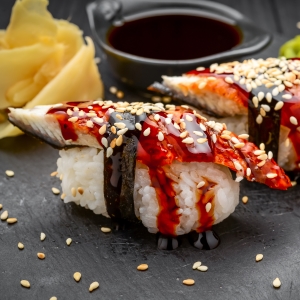
Unagi – is Japanese for eel. A piece of it can be used as an addition to, for example, nigiri sushi.
Uramaki
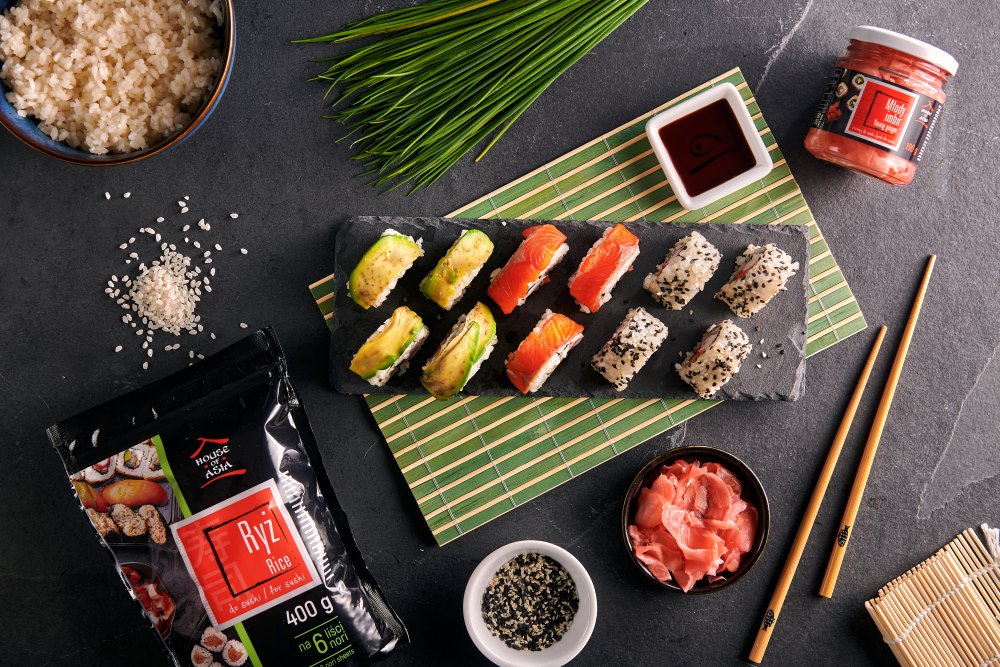
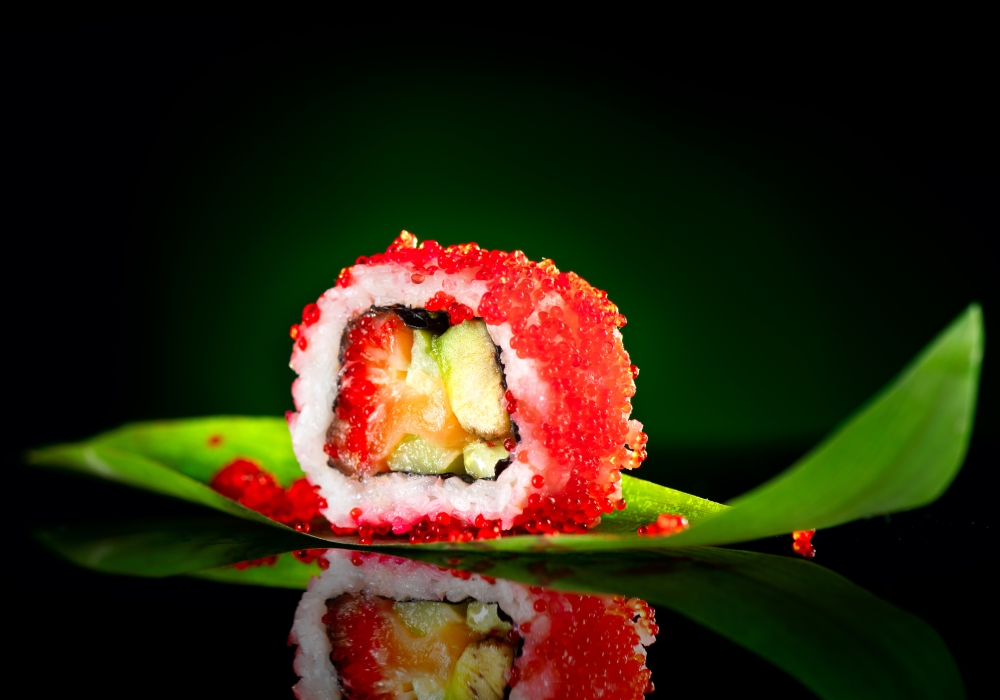
Uramaki – a type of inverted sushi where the rice is on the outside and the seaweed surrounds the toppings inside.
Wasabi
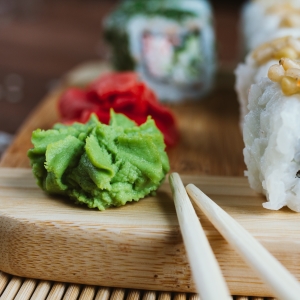
Wasabi – spicy Japanese horseradish. In Japan, sushi comes with a portion of freshly grated root. In Europe, a powdered version is used. A bit of horseradish is usually already included in the sushi, but if you enjoy spicy food, you can add a small amount directly to the piece you're eating. Remember that wasabi should not be mixed with soy sauce in the bowl.
We promise that our lexicon will be successively expanded with new entries.